

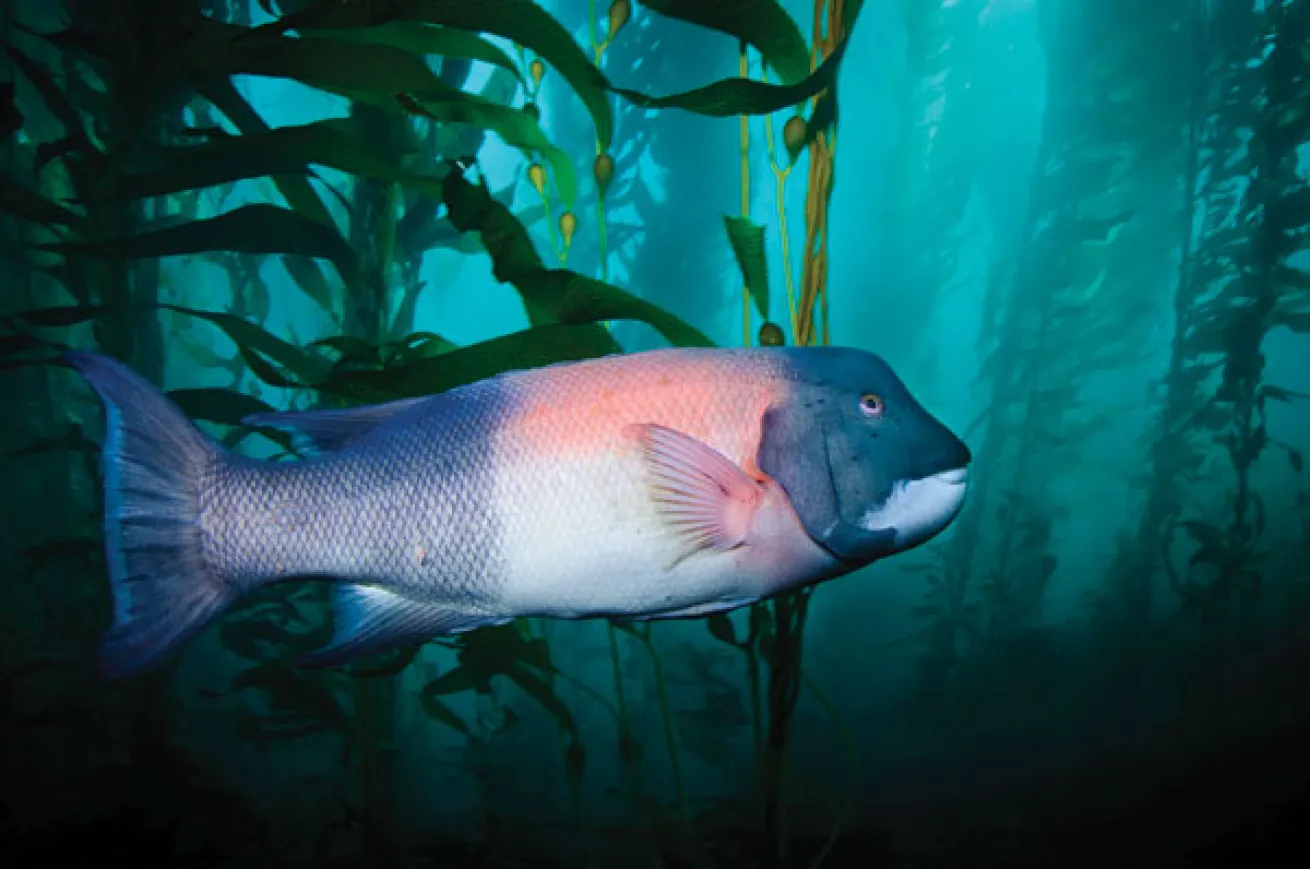
Jason BradleyA mature male sheephead swims through the kelp forest.
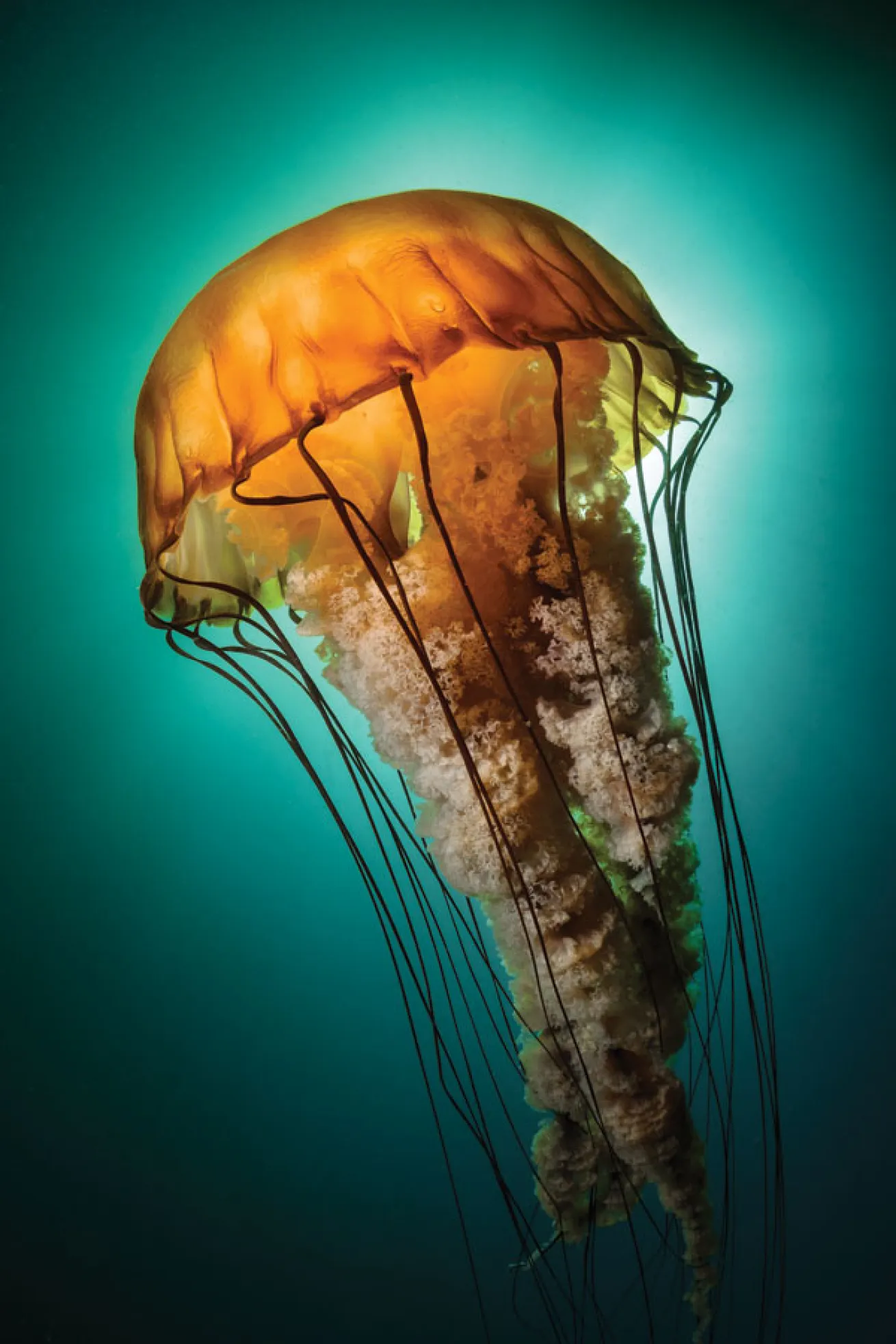
Jason BradleyA West Coast sea nettle, Chrysaora Fuscescens, glides above Metridium Fields.
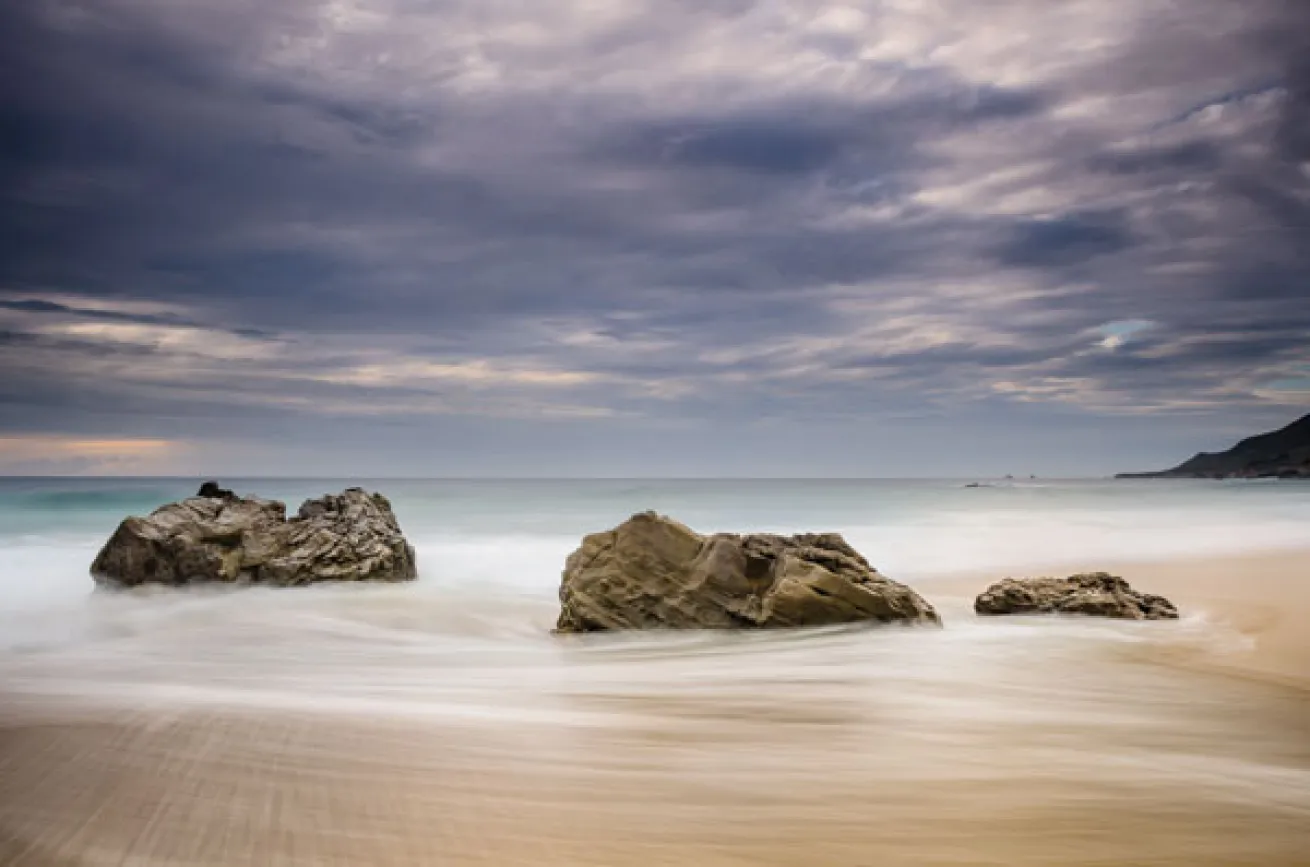
Jason BradleyA moody afternoon at Garrapata State Park near Big Sur.
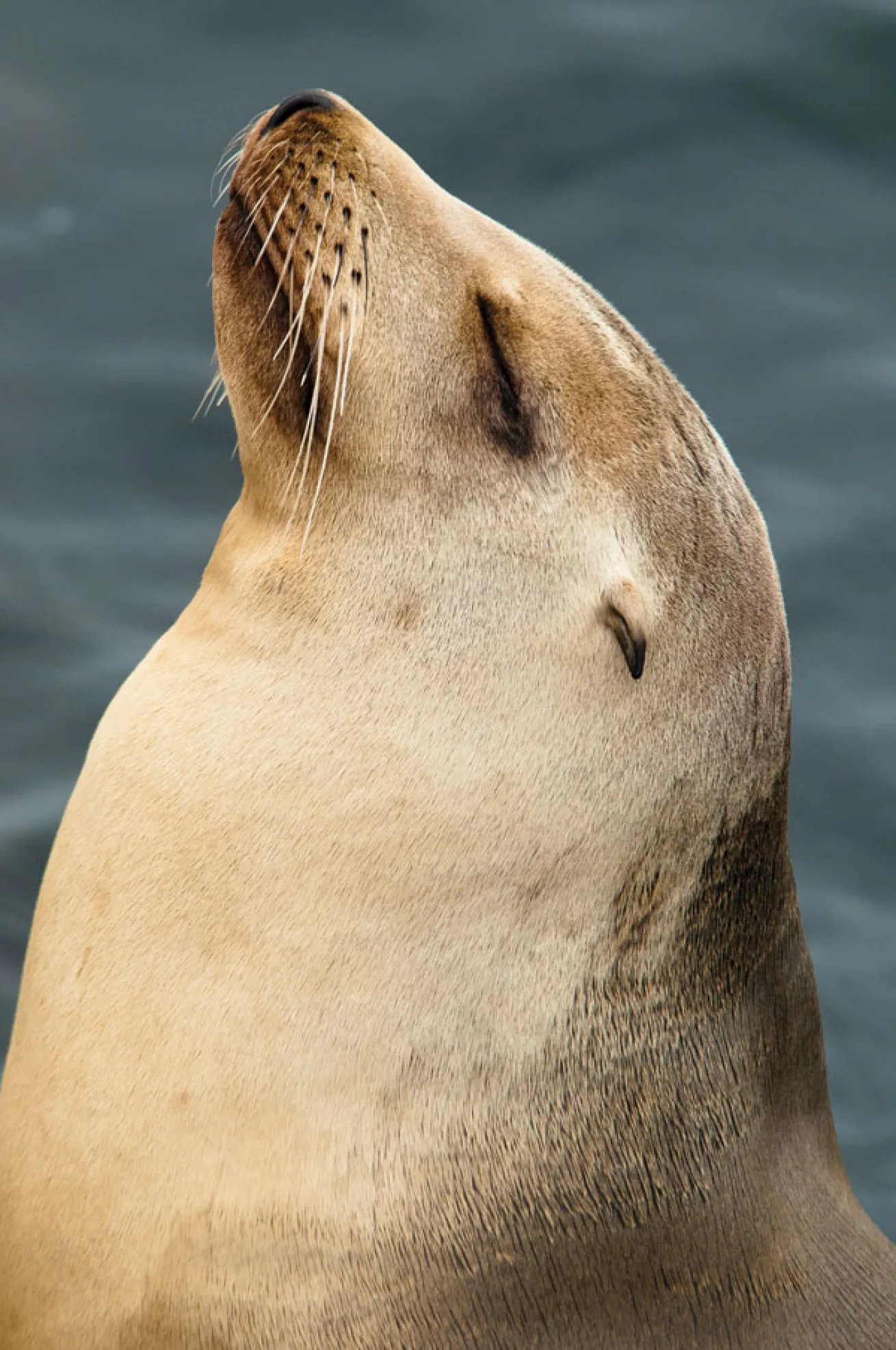
Jason BradleyA California sea lion dries himself near Monterey's Breakwater Cove.
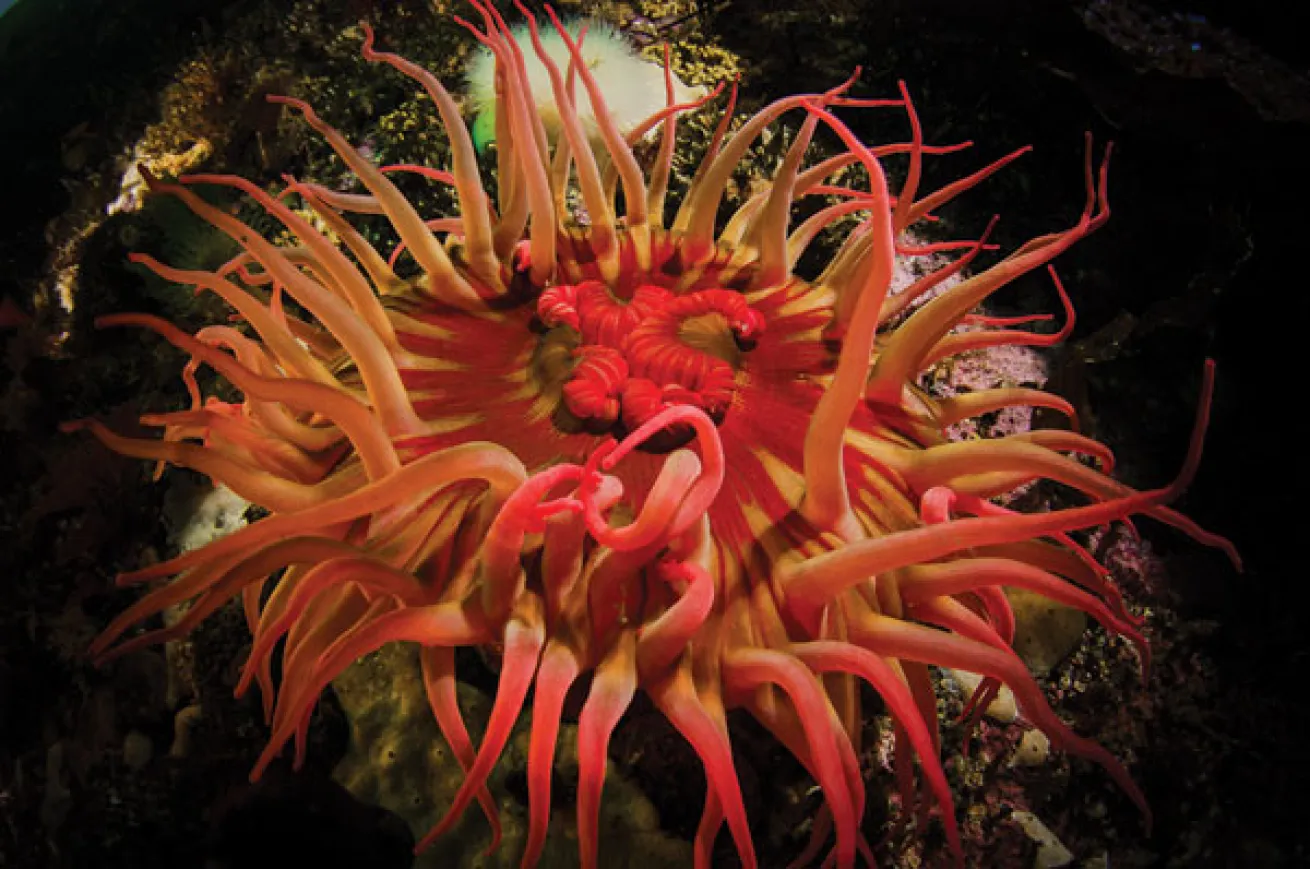
Jason BradleyFish-eating anemones vary in color depending on their food source.
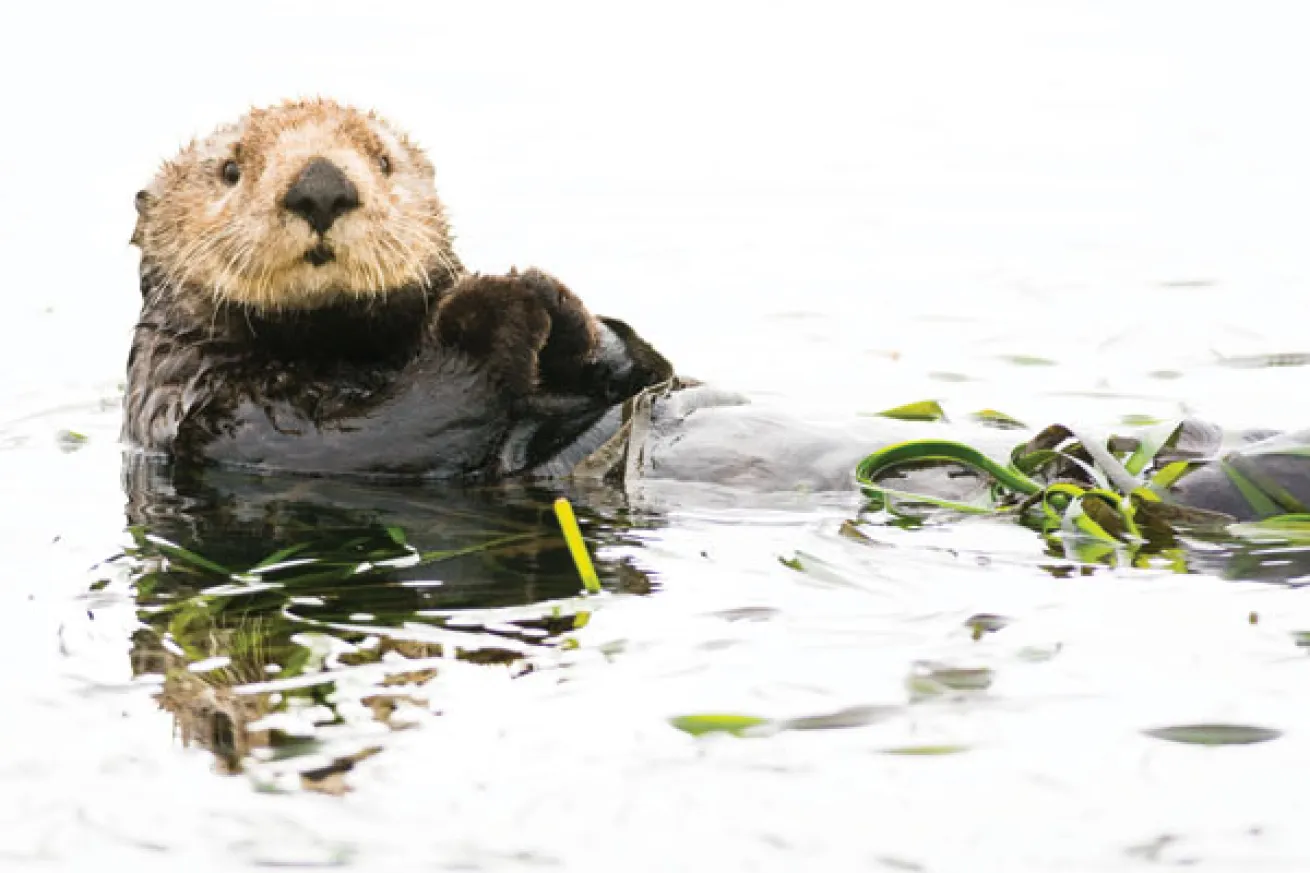
Jason BradleySea otters use eelgrass to anchor themselves in place to avoid drifting out to sea.
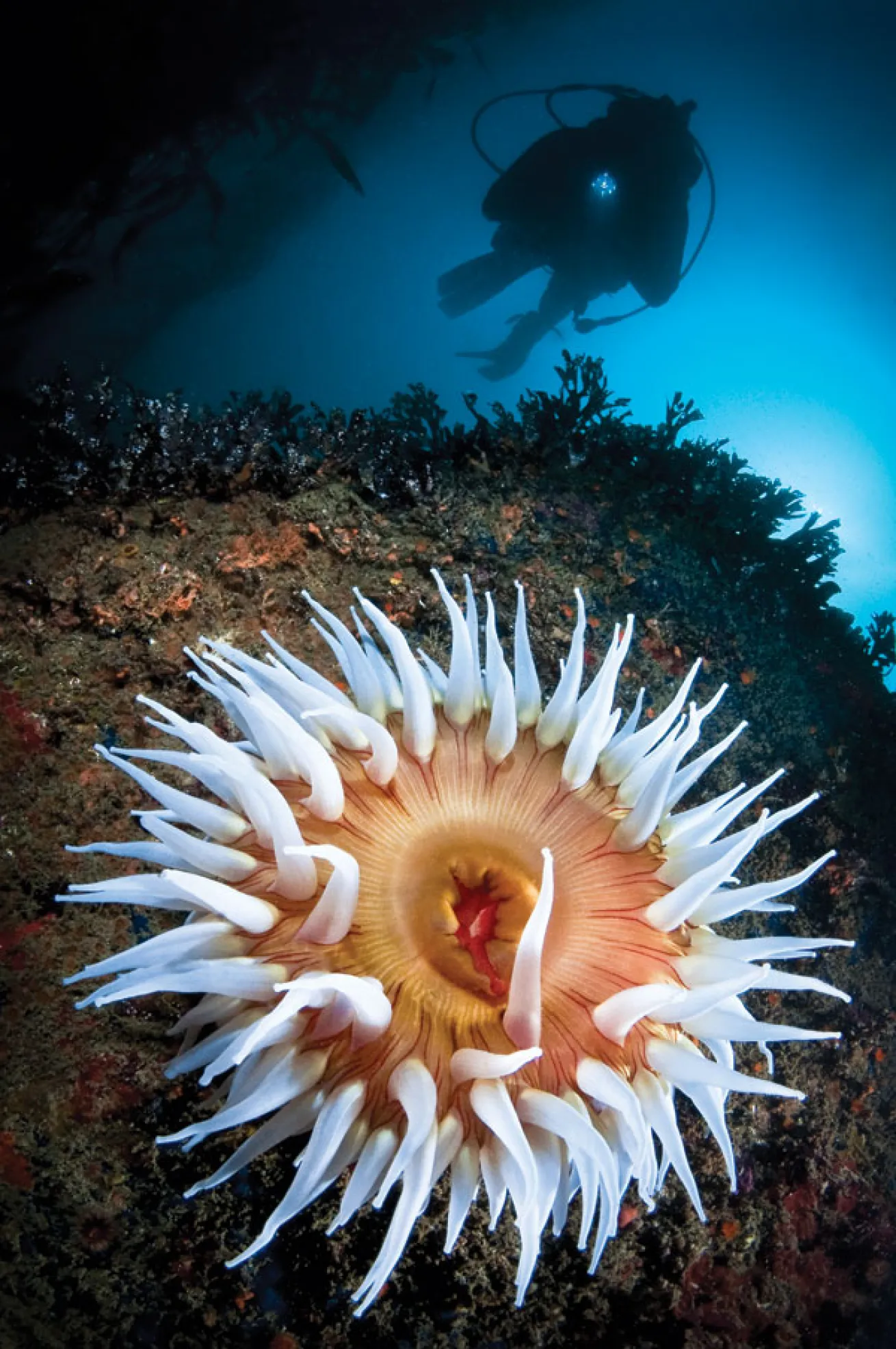
Jason BradleyThis large fish-eating anemone, Urticina piscivora, is no wallflower. While more delicated anemones use their tentacles to rake in small bits of food, these sturdy arms can ensnare much larger prey, such as shrimp and small fish.
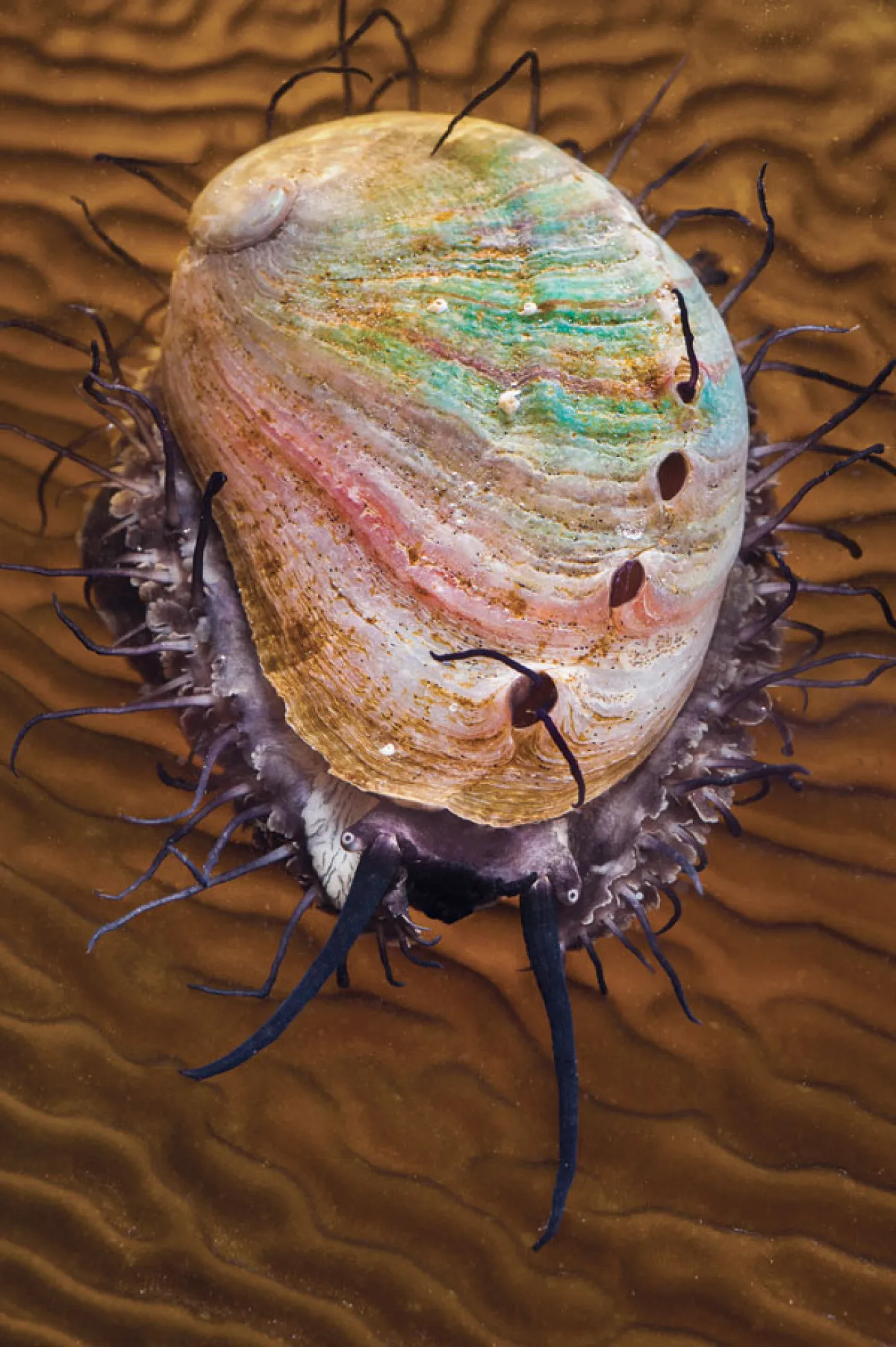
Jason BradleyAbalone (a favorite food of local sea otters) crawls on a kelp frond in Monterey Harbor.
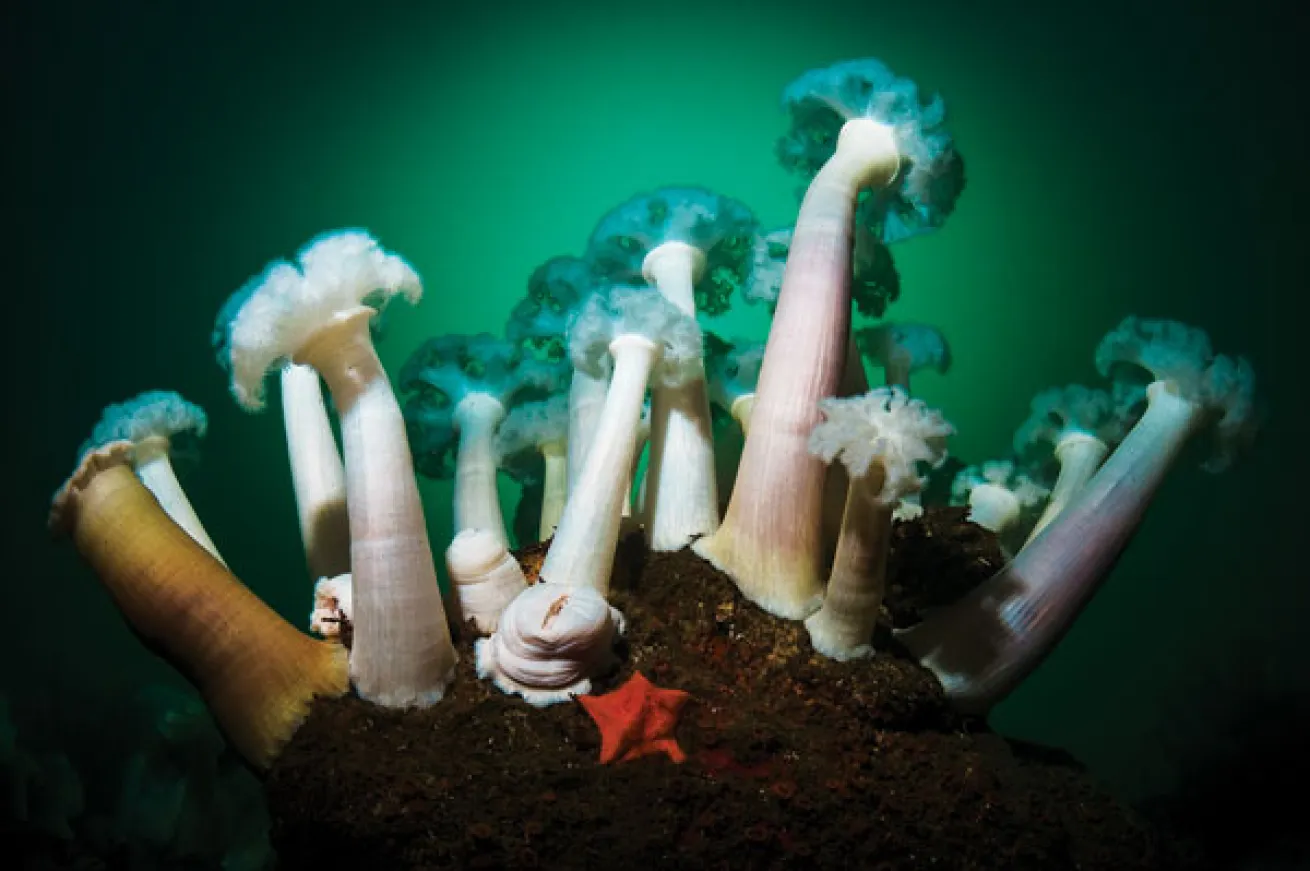
Jason BradleyGiant-plumed anemones cover a boulder at Metridium Fields.
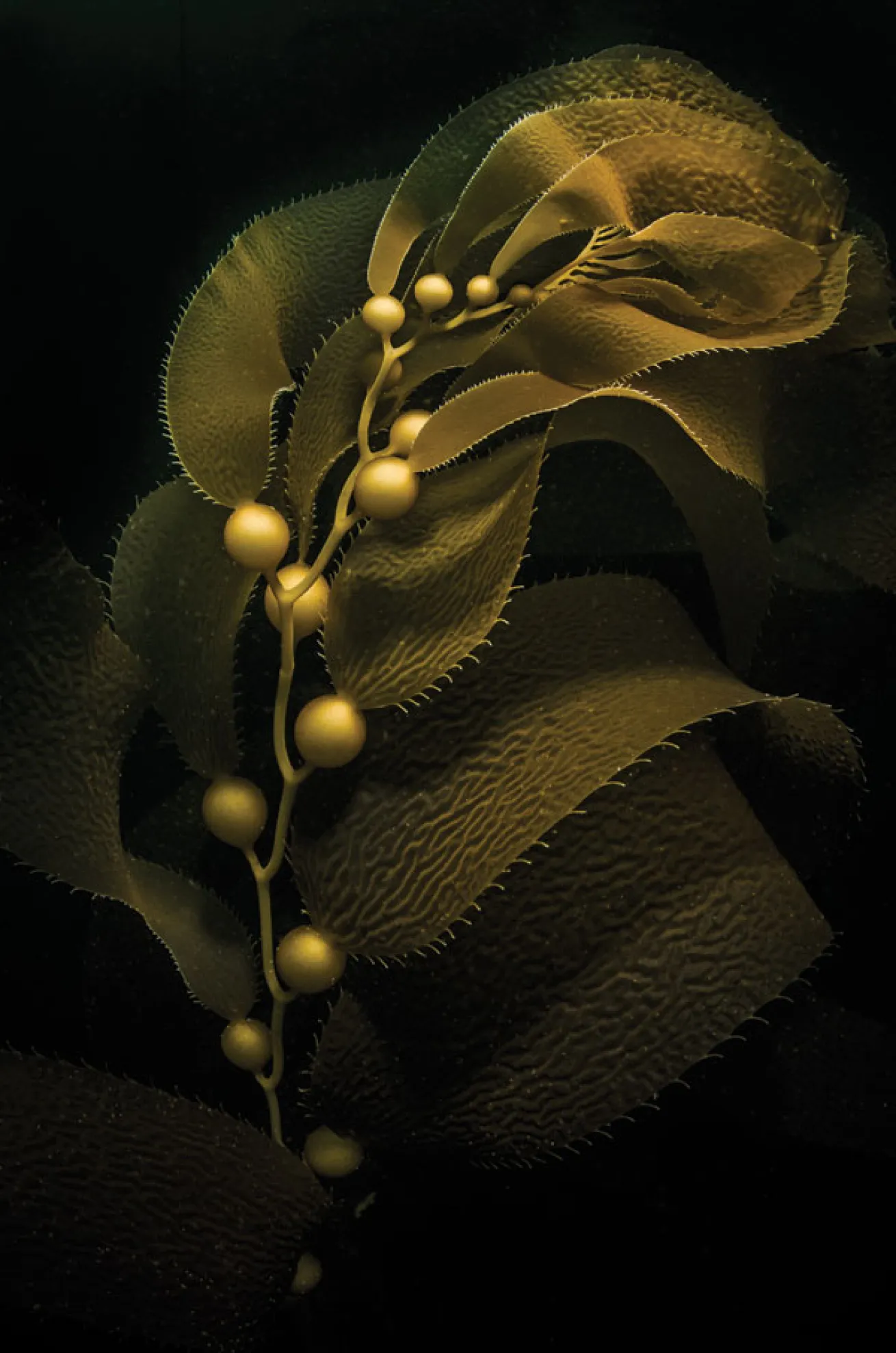
Jason BradleyA close-up of giant bladder kelp shows the small, gas-filled bladders that help it reach the water's surface.
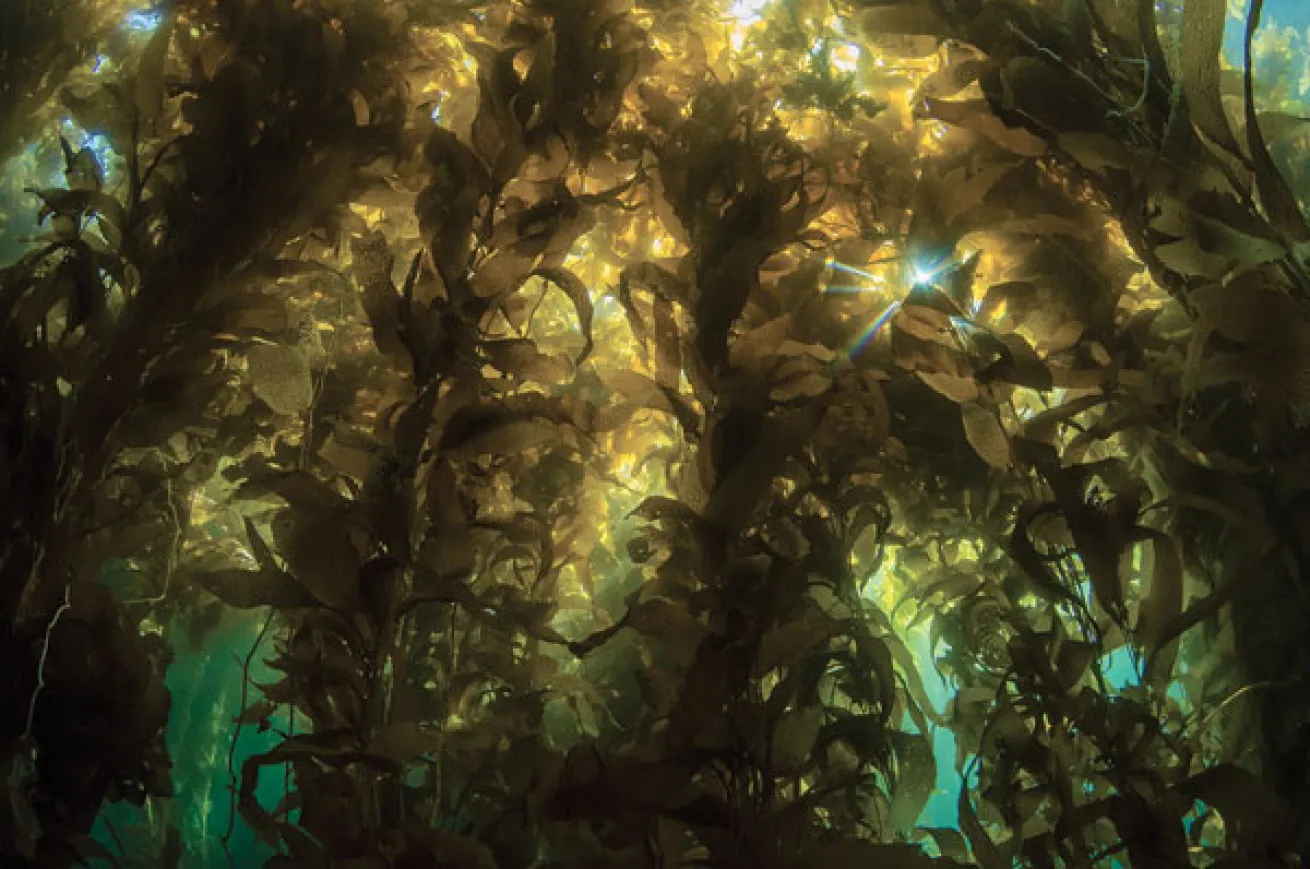
Jason BradleyOne of the fastest growing plants in the world, giant bladder kelp, Macrocytis pyrifera, grow a dense canopy at Hopkins dive site.
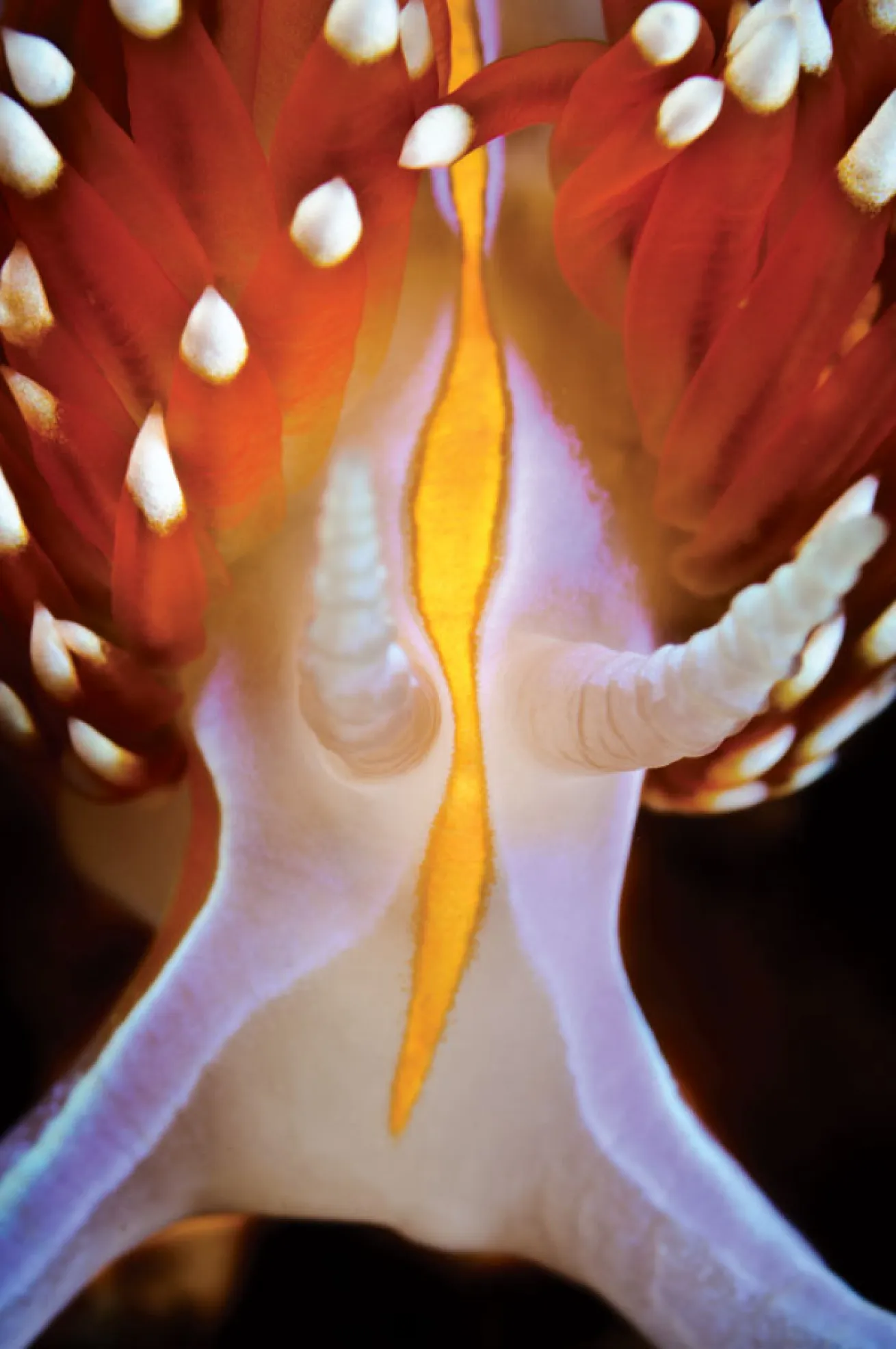
Jason BradleyAumentos Reef offers plentiful macro life, such as this Hermissenda crasssicornis nudibranch.
When I first visited Monterey many years ago, I stumbled on a place crawling with divers, known to locals simply as the Breakwater. Also known as San Carlos Beach, the Breakwater offers an easy-entry shore dive within walking distance from three dive shops, as well as the West Coast headquarters of Backscatter Underwater Video and Photo, the well-known photography store. As a result, it’s a favorite of dive instructors from all over the Bay Area for student checkout dives. Visit the Breakwater on a weekend, and you’ll feel as though you’ve stumbled upon a scuba-diving convention.
Monterey has long been a popular tourist destination; the surrounding area features some of the world’s most scenic coastlines. Novelist John Steinbeck set his classic Cannery Row in Monterey, and photographer Ansel Adams called the area home. The area’s underwater delights are less famous, but they shouldn’t be: Monterey Bay is one of the world’s most vibrant marine biological hot spots. The Monterey Bay National Marine Sanctuary frames the Monterey Peninsula; this federally protected marine ecosystem provides the backdrop for unique diving. On any given dive, you can see marine mammals, swarms of jellies, strange invertebrate life, kelp forests, giant-plumed anemones and more. Yes, the water is cold in Monterey, but with the right gear to keep you warm, there are few places in the world that feel more alive.


