

It's important to choose the right tool for the right job. We break down the different styles of blades you will find when choosing your next dive knife. Ready to buy a new knife? Check out our buyers guide to new dive knives.
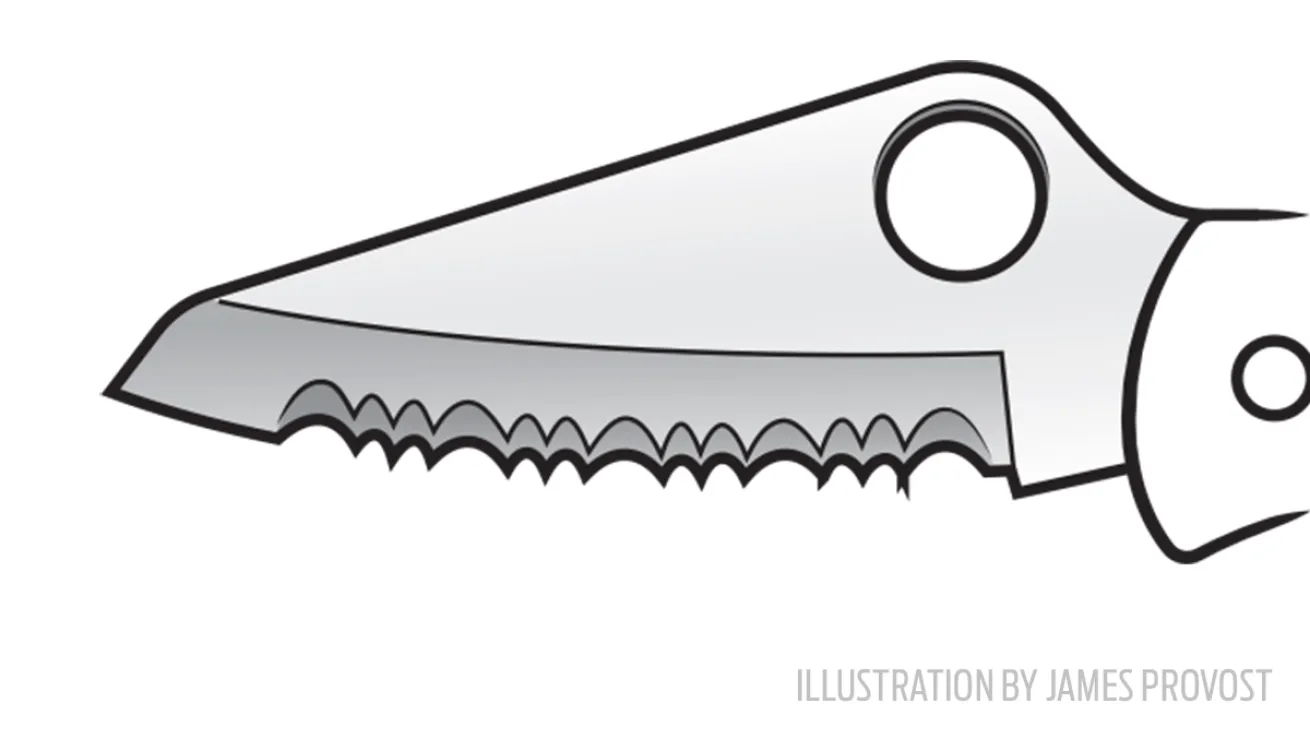
James ProvostLeaf Shaped
Wide and with two convex edges, leaf-shaped blades usually have a sharp point and are not symmetrical Their curved edge creates a long cutting surface, and their shape makes for a strong blade.
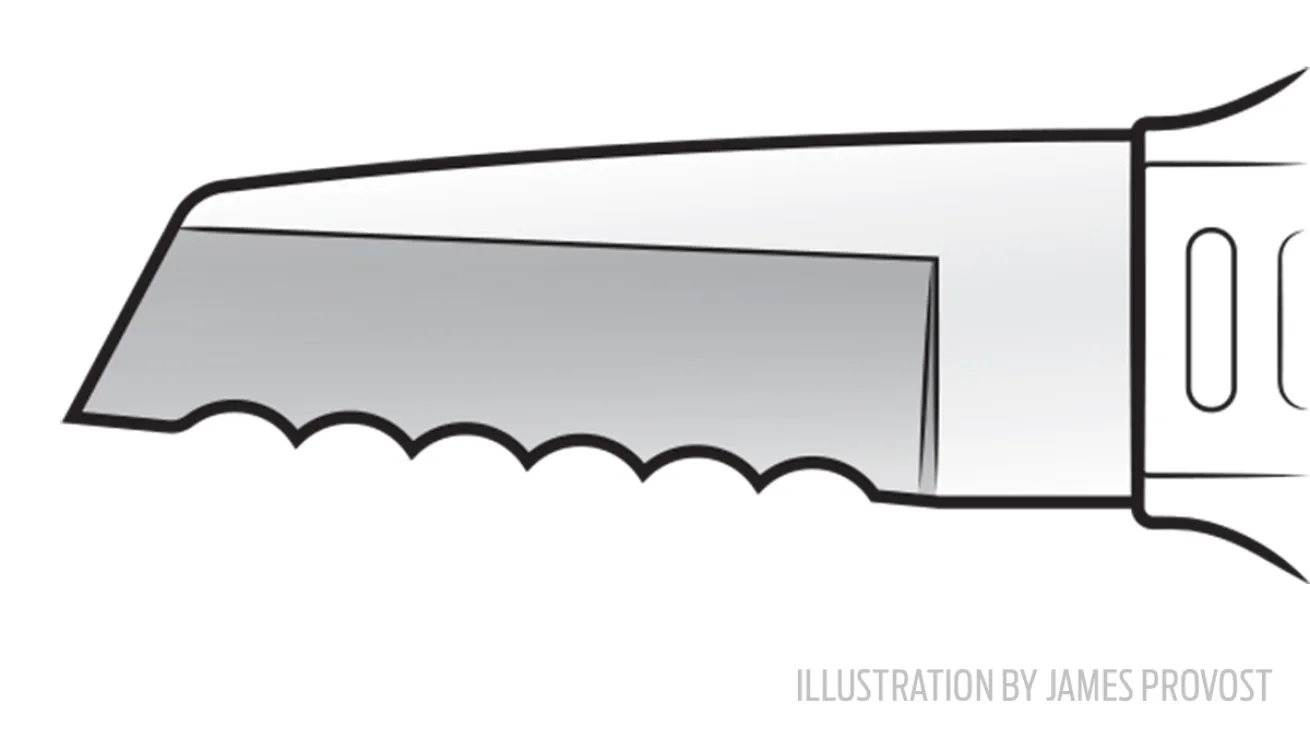
James ProvostSheepfoot
Sheepfoot blades have a blunt tip and a straight cutting edge that may be serrated or smooth. The rounded tip helps avoid unintentional cuts or punctures even when working in tight areas.
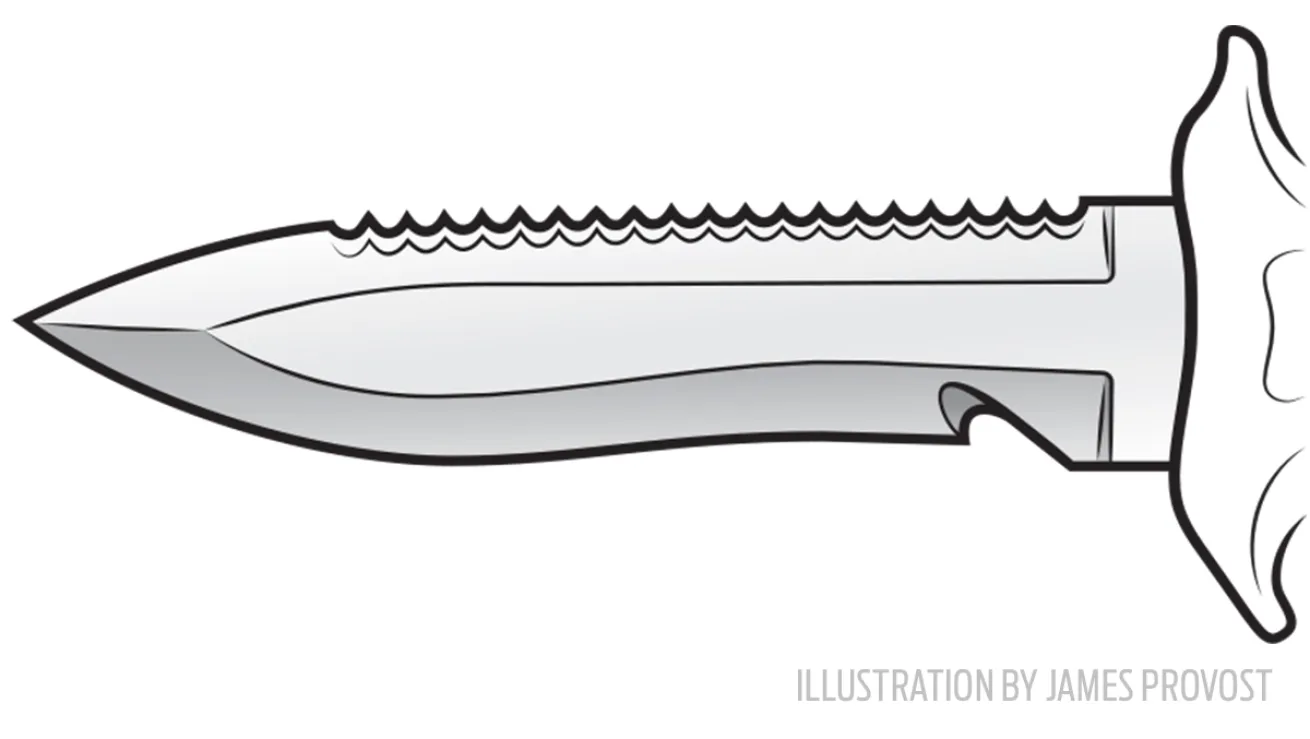
James ProvostDrop Point
Drop-point blades have a spine (usually unsharpened) that follows a gentle convex arc down to the point. They have a long cutting edge and a strong tip but aren't the best for piercing.
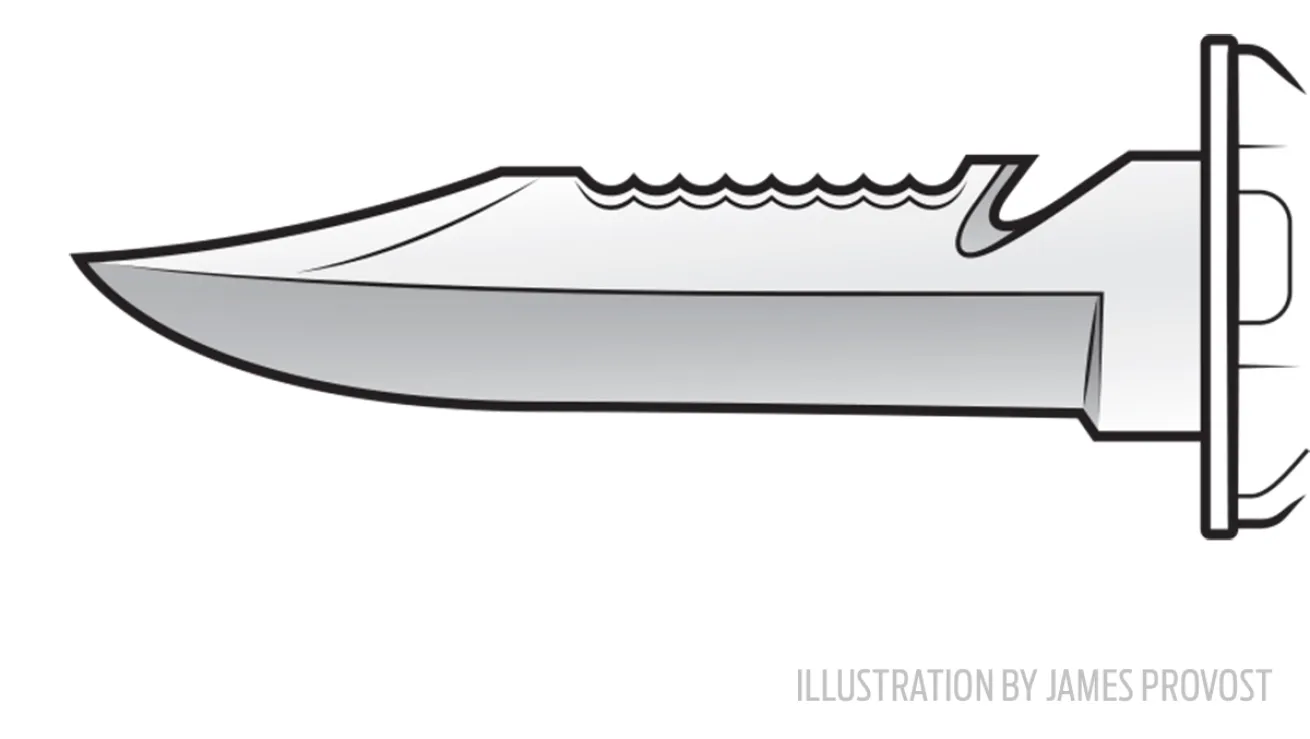
James ProvostClip Point
Clip-point blades look as if much of the unsharpened back of the blade has been trimmed or "clipped" off. Their shape makes them good for piercing and creates a long, curved cutting edge.


