
A Divers Guide to Aruba, Bonaire, Curaçao
Shutterstock.com
Aruba, Bonaire and Curaçao
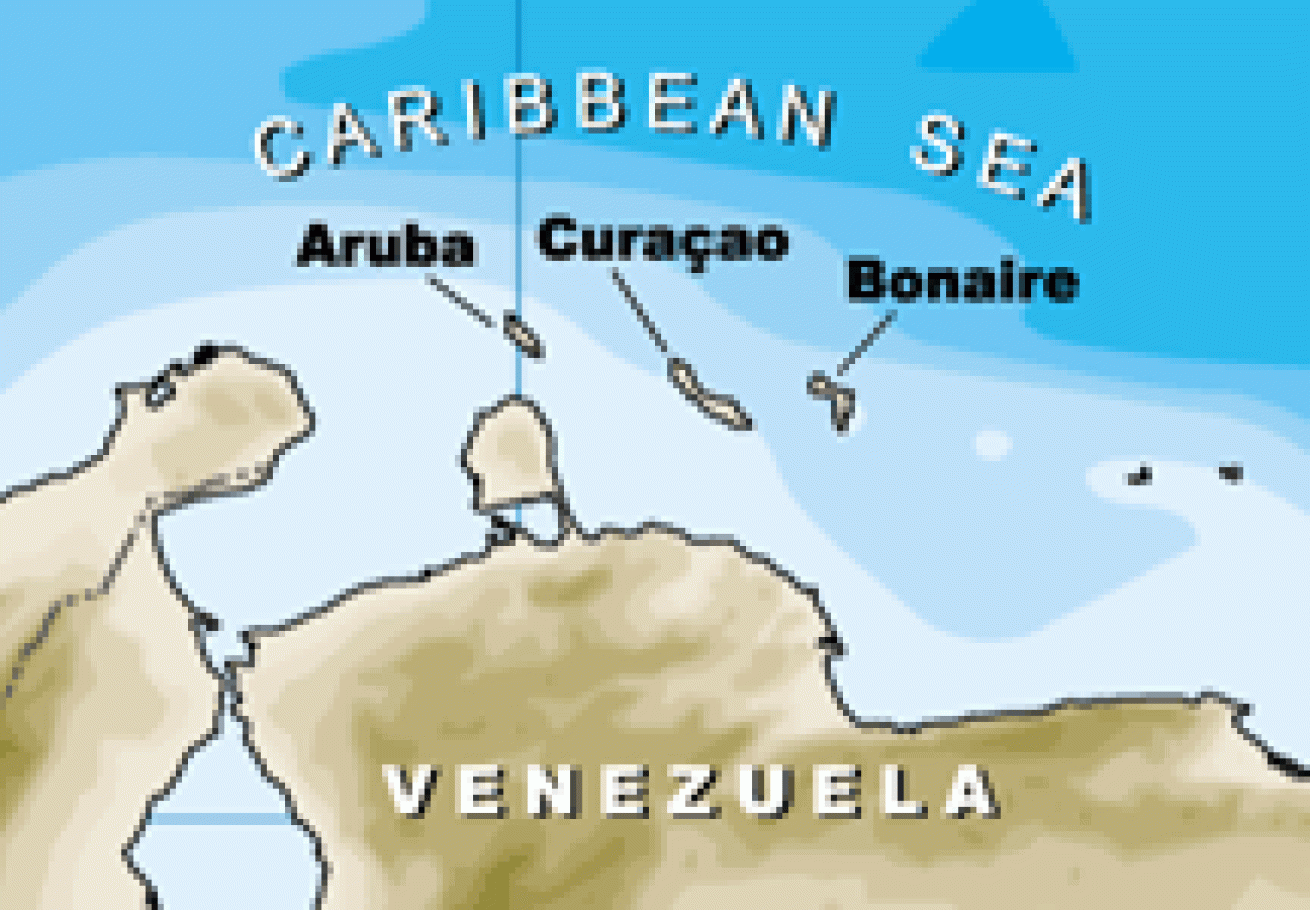
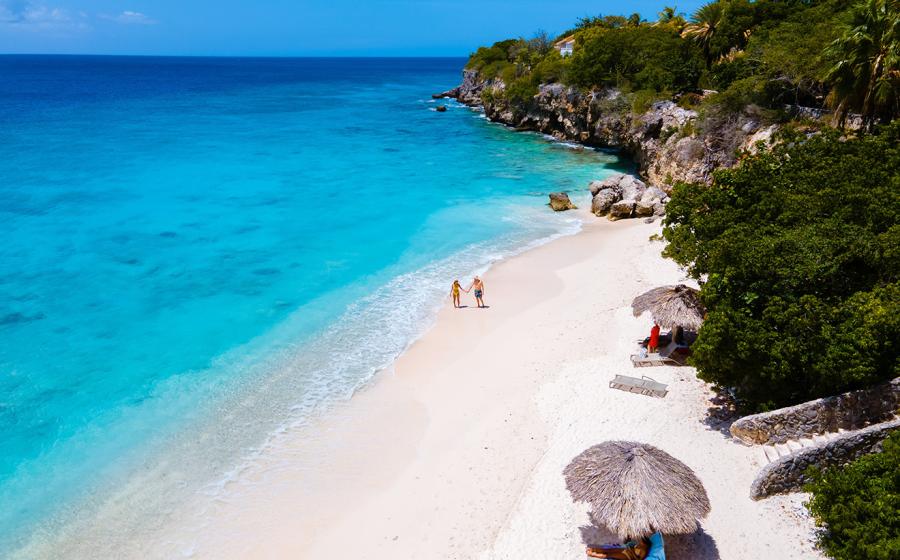
Three Dutch Caribbean islands known collectively as the ABCs lie at the interface of an arid windswept landscape and a watery playground. In Aruba, Bonaire and Curaçao, majestic stands of cactus soar skyward above cerulean waters, and stands of elkhorn coral and stovepipe sponge thrive below. These warm, transparent seas contain not only an impressive array of artificial reefs, but some of the finest real ones, too. Best of all, you can shore dive them 24 hours a day.
Floating in the Caribbean 15 to 50 miles off Venezuela, the ABCs offer a diverse mix of scuba opportunities and topside excursions for all levels of divers, as well as every member of a diver's family. And with new ferry service between Curaçao and Bonaire and a steady stream of inter-island flights, a multi-island dive experience is not out of the question.
Create your own dive plan from among the wrecks of Aruba, the piers of Bonaire and the underwater forests of Curaçao. Who says you can't taste a little of all three Dutch treats on one trip?
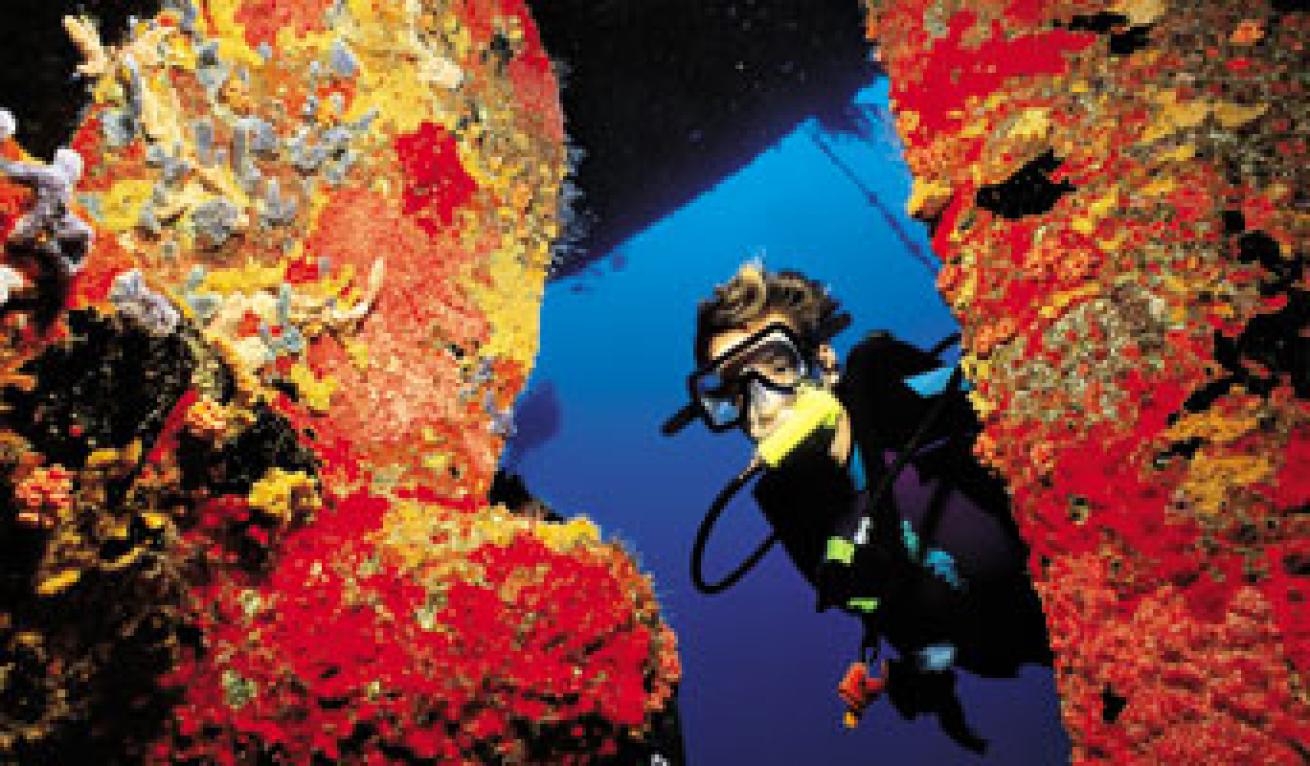
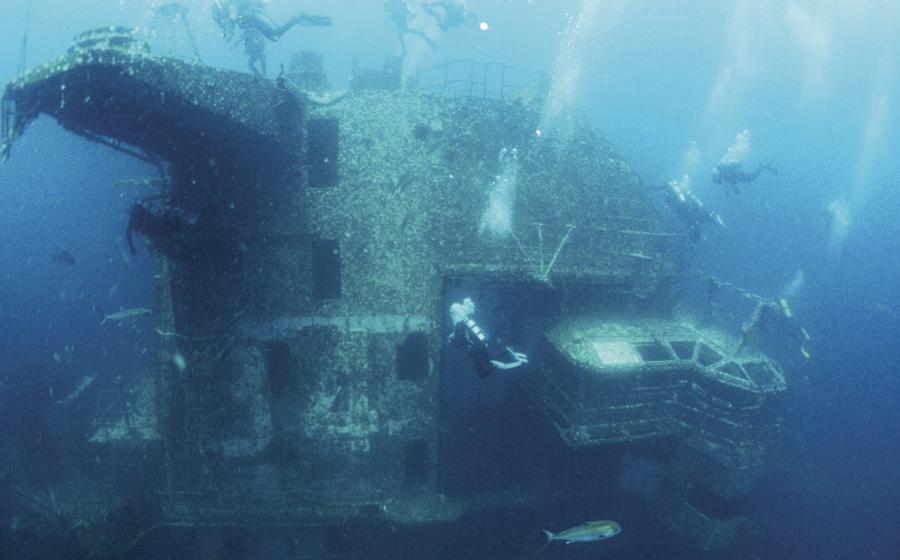
The Antilla is the big daddy of Aruba's wreck fleet, and is shallow enough to be visited by divers and snorkelers.
Aruba
ANTILLA (WRECK)
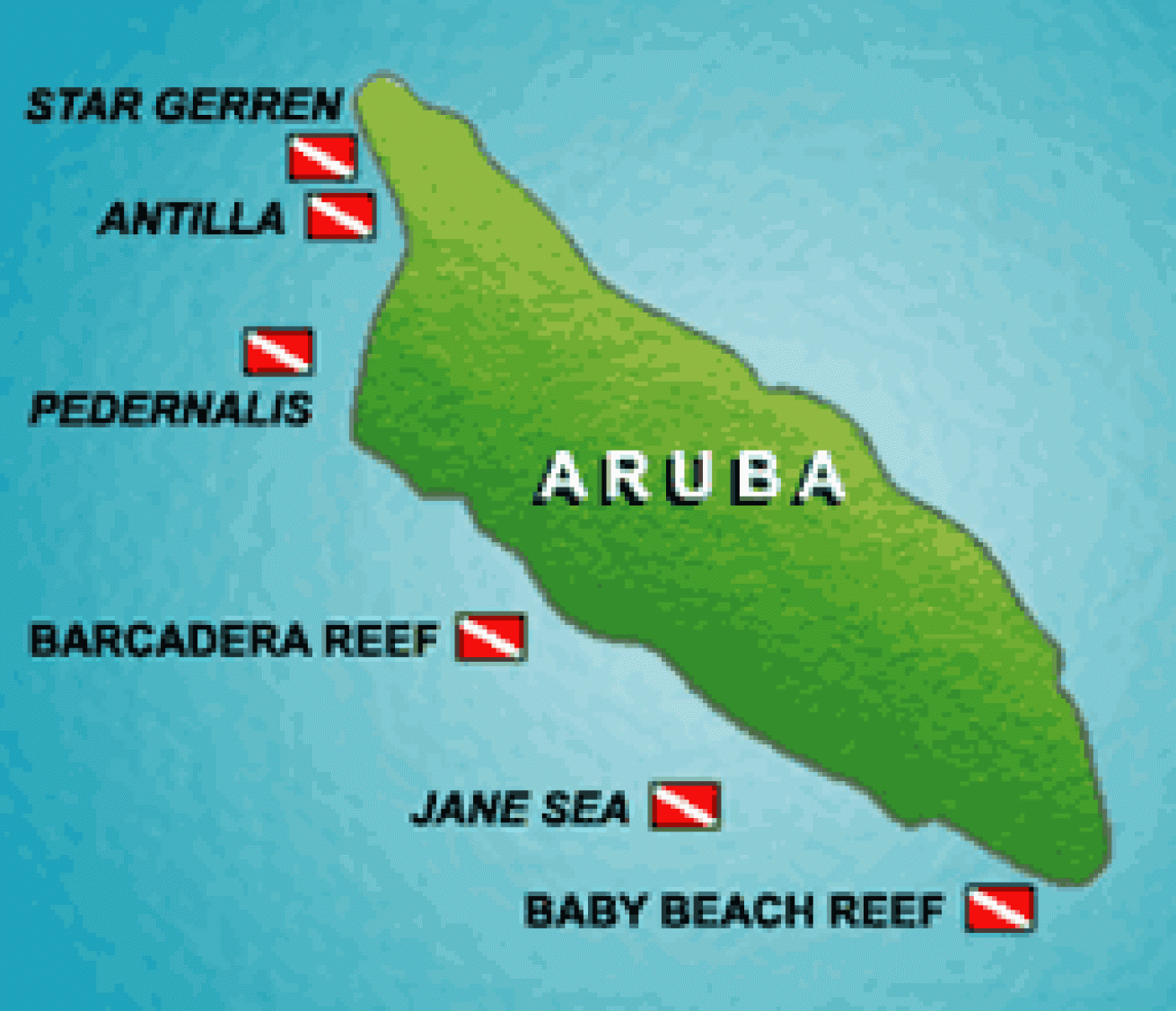
Down since May 10, 1940, when her captain scuttled her to avoid capture by Dutch troops, the German freighter Antilla is one of the Caribbean's premier wreck dives. On her side at 40 feet, the Antilla is cloaked in cup corals and tube sponges with fish life like French grunts, blue tangs and silversides swarming the interior. While the site can be crowded at midday with snorkelers and dive boats, the Antilla is a virtual ghost ship at night.
BABY BEACH REEF (SHORE)
The lights of San Nicholas's oil refineries form an industrial backdrop to this tropical saltwater pond, which is fed by the ocean. Don tanks in the shallows, snorkel out through the break in the rocks and be watchful of the current once below. The stands of elkhorn, sheet coral and brain coral are among the healthiest on Aruba's leeward side. Currents funneling along the island's southern tip make a re-entry of the lagoon difficult, so dives are often completed on nearby Rogers Beach.
JANE SEA (WRECK)
This 250-foot English freighter — aka Jane C — on Aruba's southern end sits upright where she has rested since being jettisoned by local operators in 1988. On your way to her massive prop, tucked in the sand at 90 feet, swim through the gutted metal cavity and up to the wheelhouse and deck crane. The Jane Sea is rife with resident morays and tropicals like bogas, creole wrasse and chromis.
PEDERNALIS (WRECK)
U-156 torpedoed the Pedernalis oil freighter in 1942. She survived the attack, but her midsection was later scuttled in the shallows off the island's western shore. Three segments of the wreckage are spread across a sand plain at a depth of 35 feet and offer tremendous macro opportunities. Octopus, moray eels, schooling grunts and groupers inhabit the sheet metal that once formed the ship's body.
BARCADERA REEF (BOAT DIVE)
One of the healthier reefs in Aruba, Barcadera's gradually sloping bottom is populated with lush sea fans, patches of pillar coral and mounds of brain coral and star coral. Green morays, spiny lobsters and schooling grunts, goatfish and tangs are common inhabitants.
STAR GERREN (WRECK)
Thanks to the efforts of the Aruba Watersports Association, the 200-foot tanker Star Gerren, Aruba's newest addition, lies on her port side in 40 feet of water off the high-rise beach near Hadicurari. Sunk intentionally to add to Aruba's already impressive collection of artificial reefs, the Star Gerren has been colonized by silversides and yellowtail snappers.
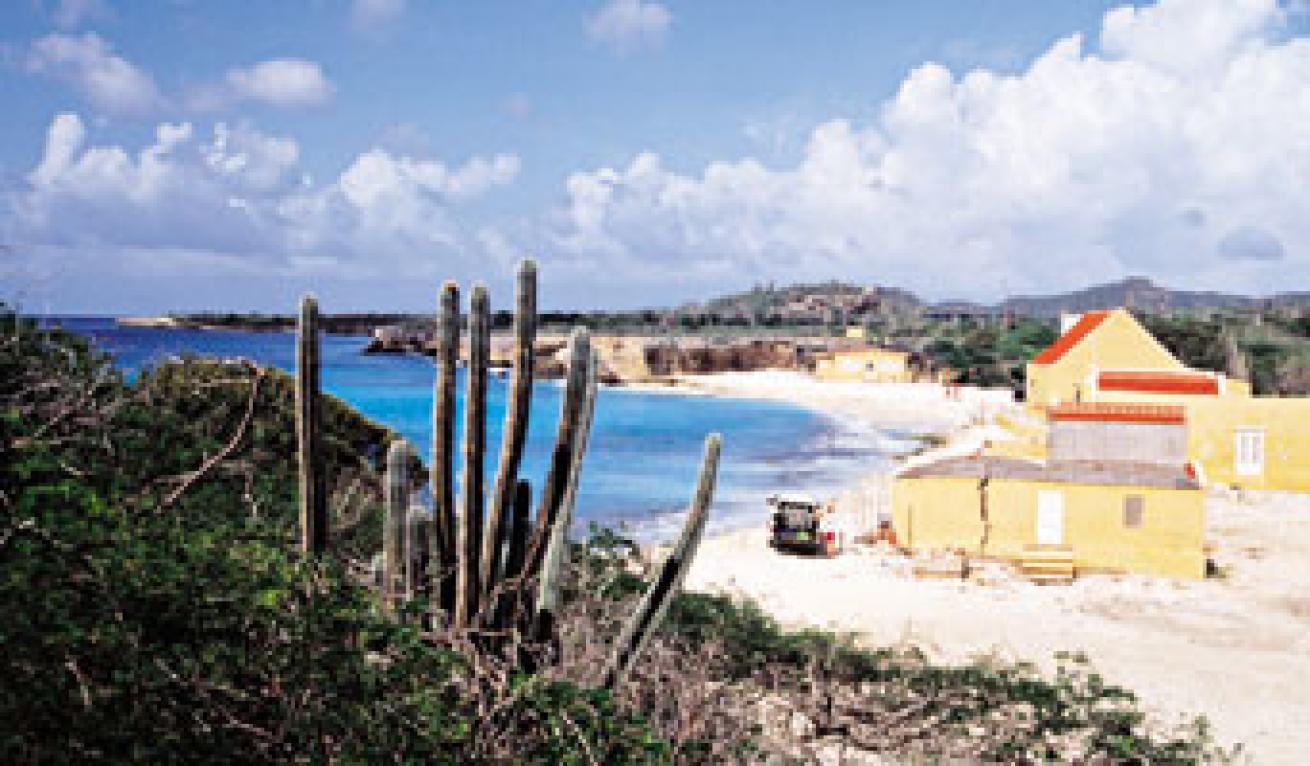
The scalloped coastline of Bonaire's Washington- Slagbaai National Park creates calm bays which make for excellent shore dive entry points.
Bonaire
Bonaire offers that rare combination of excellent reefs and the ability to shore dive them on your own.
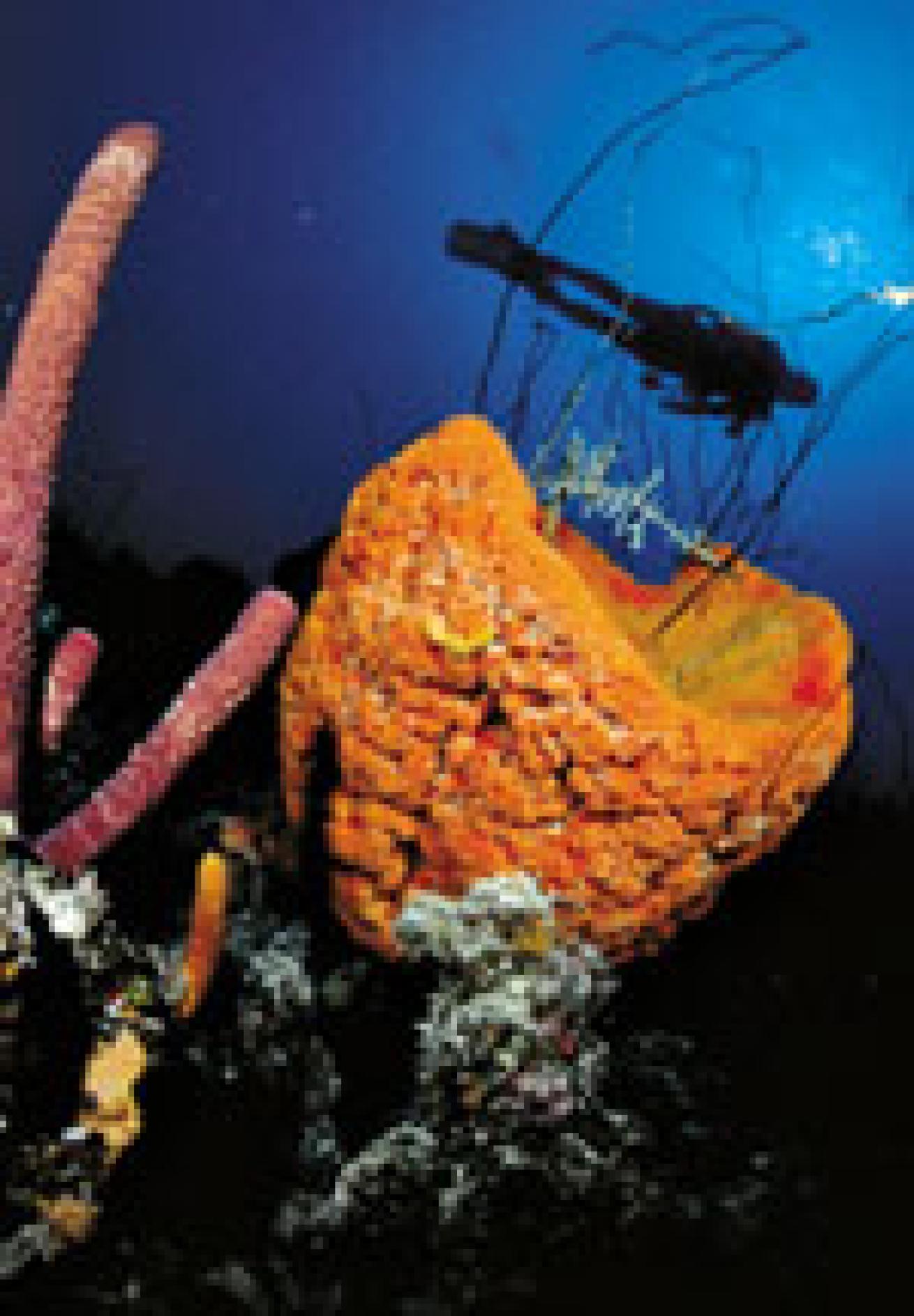
HILMA HOOKER (WRECK)
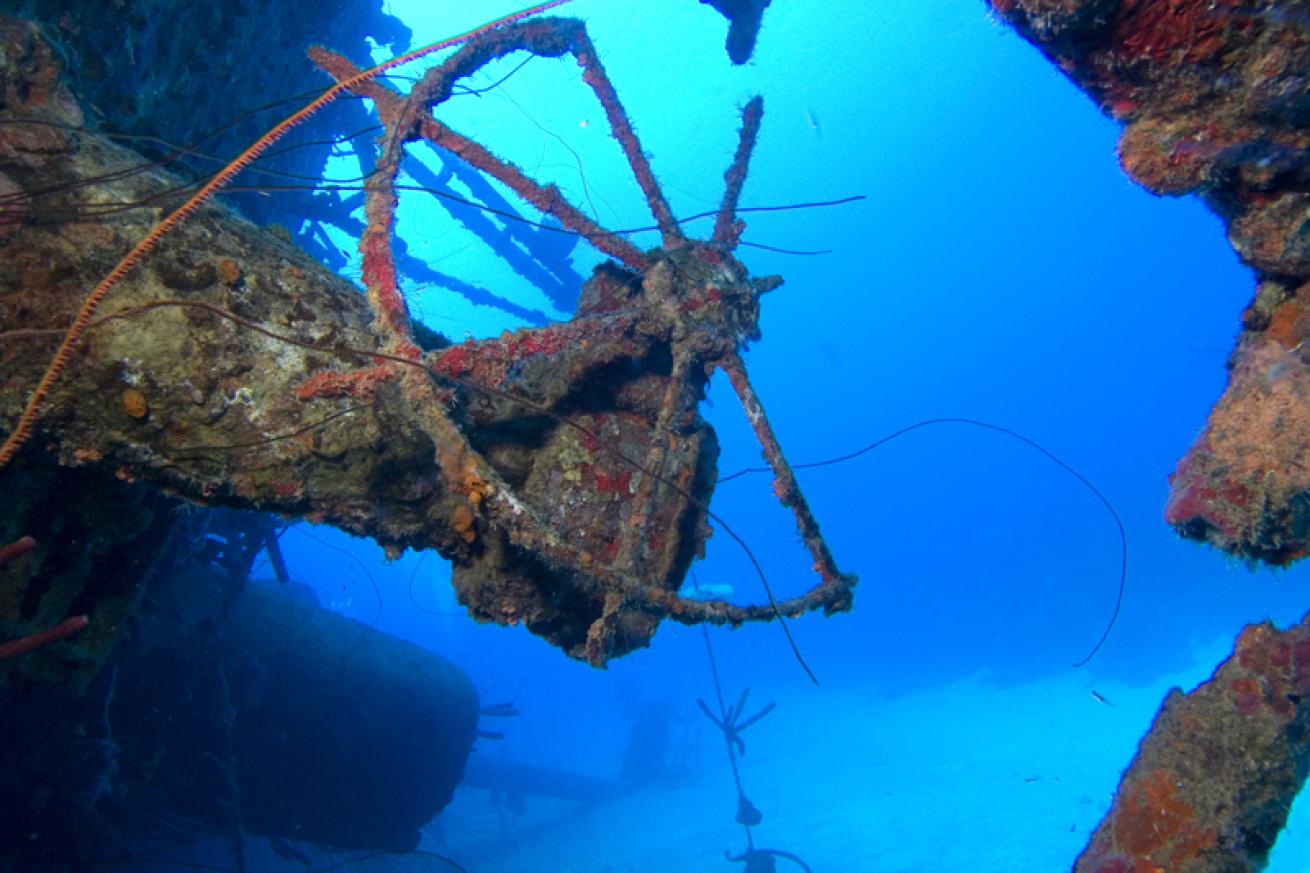
Where else can you shore dive a 236-foot wreck right from the beach? Three-foot tarpon hang out in the interior of the ship, which slouches on her starboard side, but the real subject matter is the ship's wheel and prop, both coated in cup corals and star coral. In 1984, the Colombian cargo vessel Hilma Hooker navigated into Bonaire, concealing 12 tons of pot and cocaine in an external compartment on the hull. She was seized by the government and scuttled. Though the Hooker is one of the most popular dive sites on Bonaire (three mooring balls allow multiple boats to dive her simultaneously), you can have the wreck to yourself if you head out in the early morning or late afternoon.
FOREST, KLEIN BONAIRE (BOAT DIVE)
You've got to take a boat to get to this site off Klein Bonaire, and you can count on seeing a school of boga suspended above the reef slope. Huge purple rope sponges, purple tube sponges, black coral stalks and elephant ear sponges flank the drop-off. The site is populated by pairs of French angelfish, schools of goatfish, the occasional frogfish and giant anemones, with arms tended by Pederson cleaner shrimp and spotted cleaner shrimp. Neighboring sites to the east like Hand's Off and Joanne's Sunchi are equally healthy and worth a look.
SALT PIER (SHORE)
Crisscrossing columns supporting the Cargill Salt Company's pier are like lattices framing the sun's rays, an impressive backdrop for wide-angle underwater photography. These pilings are hangouts for angelfish and trumpetfish, each scouting for food among tube sponges and stovepipe sponges. Permission is required for diving Salt Pier, so check with your dive operator before making the easy surface swim parallel to the dock's conveyors.
KARPATA (SHORE)
Just south of Washington-Slagbaai National Park, Karpata's shallows are rife with thriving young stands of staghorn and elkhorn formations. The cluster of sites in Bonaire's northwest corner, which spread from Karpata in the north to Barcadera in the south, are among the best shore dives in Bonaire. The access involves a short stairwell to a small abandoned concrete pier, perfect for sitting on to don fins before sliding sideways into the currents.
1,000 STEPS (SHORE)
Just a few sites south of Karpata, 1,000 Steps is an island classic worth the post-dive stair climb. Don't despair; it's actually just 72 steps to the beach from the parking lot above. Nonetheless, 1,000 Steps ranks among the best sites on Bonaire. Rounded stands of staghorn and elkhorn coral give way to gorgonians and boulder star coral as you head out over the sloping wall.
MARGATE BAY (SHORE)
Park by the roadside rather than by the water as a gully between them can fill with water and trap your vehicle during high tide. The shallow patch reefs here, demarcated by sand plains, are populated with sea plumes, sea rods and mountainous star corals with shrimp-filled anemones tucked at the base. Although the reef shelf ends at 130 feet, the shallows down to 60 feet are colonized by sponges — barrel sponges, pink vase sponges, tube sponges and stovepipe sponges — and are ideal for macro photography.
WILLEMSTOREN LIGHTHOUSE (SHORE)
If the wave action is manageable, persevere through the green silty shallows to a site long forgotten (or simply avoided) by divers. Sea fans the size of bedsheets, drapes of sea plumes and garden plots of lettuce leaf coral abound as the reef drops gradually from 25 feet to 70 feet. Look for a massive stand of elkhorn coral that resembles the hand of a giant. Swift currents, though challenging, can lead to rewards like big barracuda and schools of horse-eye jacks or bar jacks.
LA MACHACHA, HABITAT HOUSE REEF (SHORE)
Even divers who aren't staying at Captain Don's Habitat will want to venture over to the resort to dive the house reef. The reason: two wrecks — including the reef's namesake, the fishing boat La Machacha in 45 feet of water — and the reef itself is like a singles bar for critters. Squid, frogfish, gold-spotted morays, yellowhead jawfish, peacock flounder and seahorses can be found mingling on the reef.
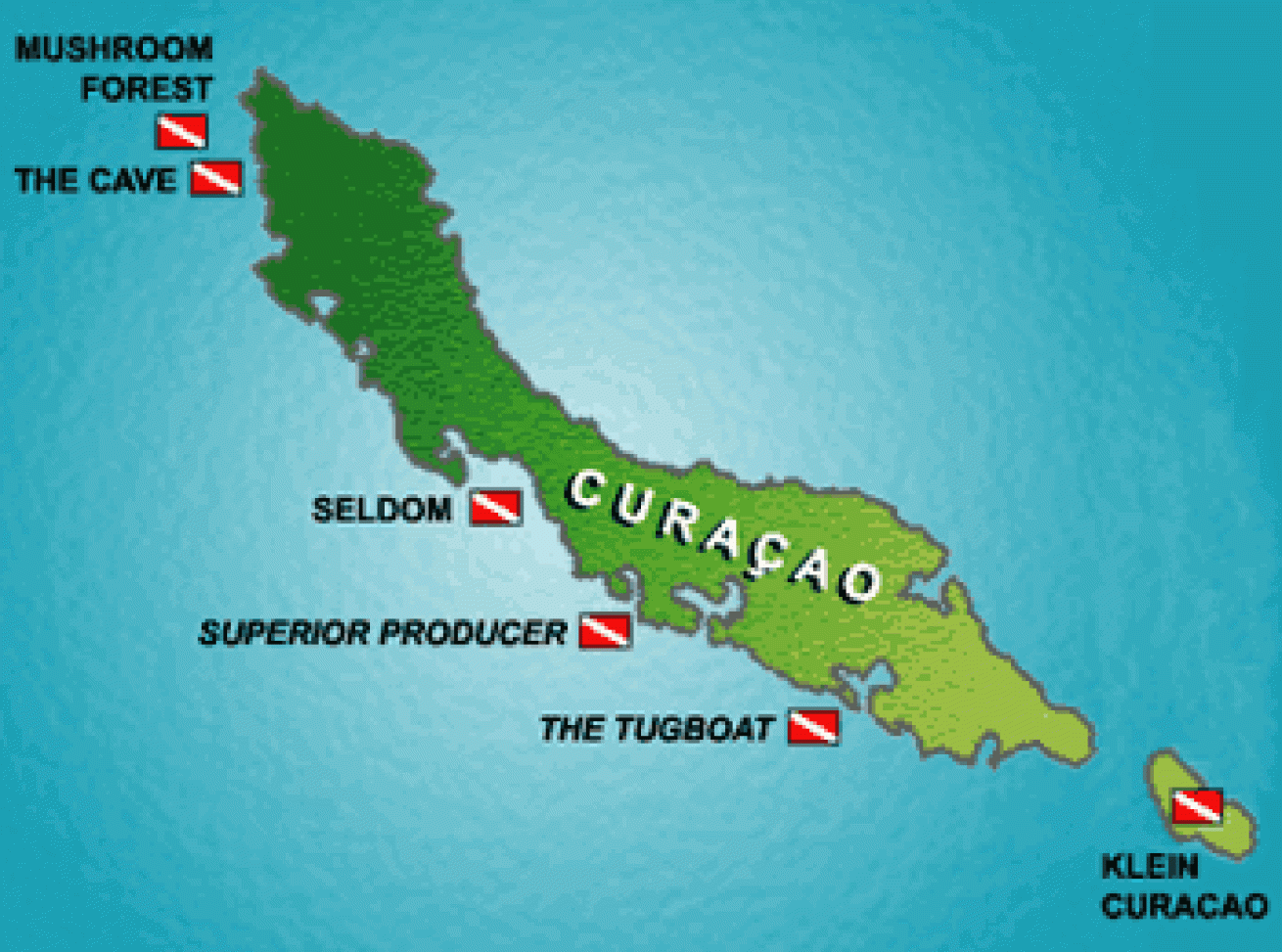
Curaçao
Mushroom Forest is Curaçao's signature dive, proven by its consistent ranking as one of our readers' favorite sites.
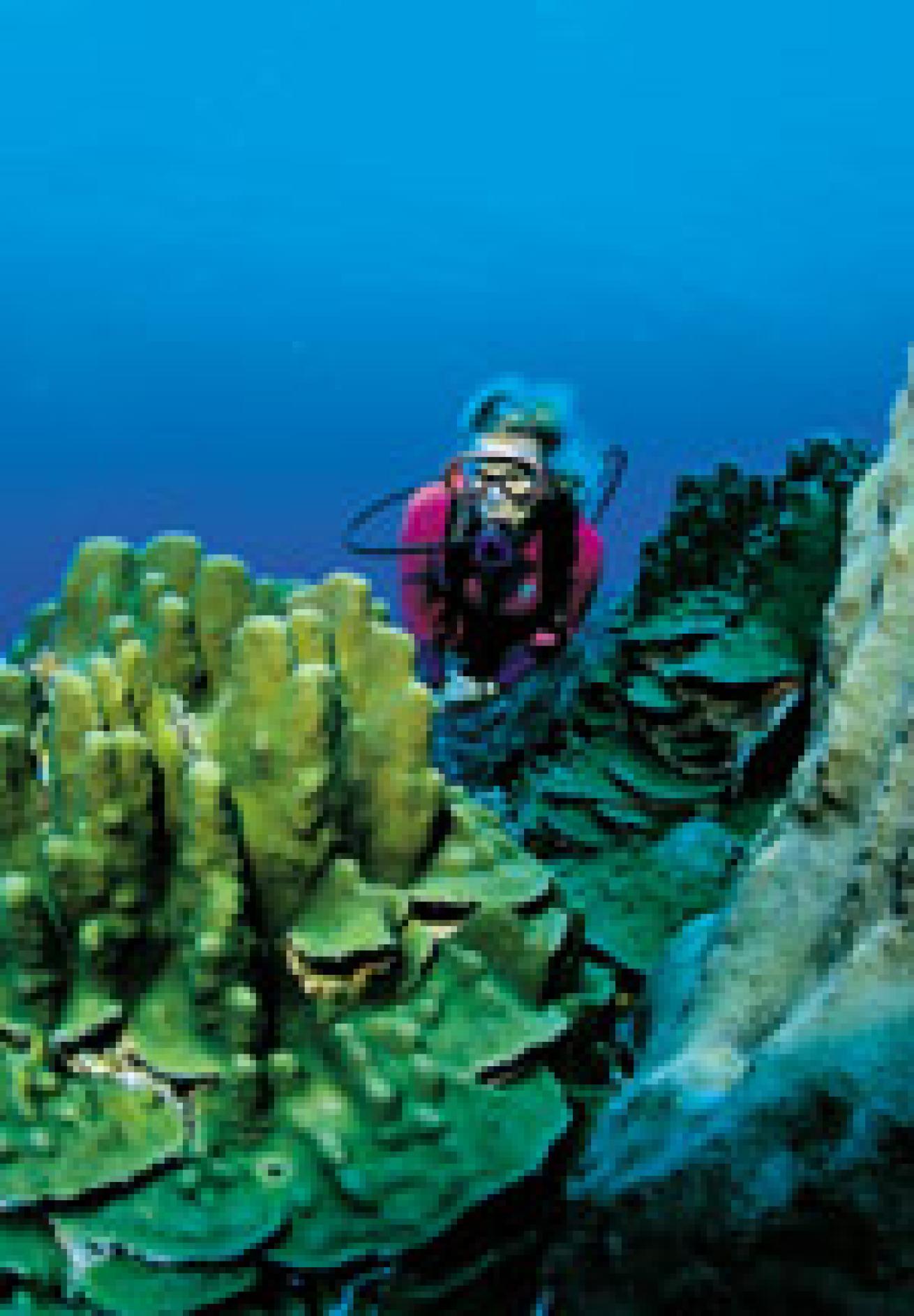
SUPERIOR PRODUCER (WRECK)
Curaçao's biggest and best wreck sank just outside Willemstad's bustling harbor, and boat traffic and currents make this an intermediate to advanced dive. Upright in 50 to 110 feet of water, the Superior Producer, which went down in 1977 when its cargo of clothing shifted, sports a furry coat of orange cup corals and hosts a wide spectrum of encrusting sponge. Expect grouper and barracuda, and silversides inside the wheelhouse.
MUSHROOM FOREST (BOAT DIVE)
Though this site has suffered somewhat, it's still a popular site, in 40 to 60 feet of water off the island's northwest shore that's packed with mountainous star coral and loads of fish. The coral heads look like giant shiitakes, eroded at the base, giving them their fungus-like appearance. Bring your compass skills, as all the coral heads look alike.
THE TUGBOAT (WRECK)
One of Curaçao's most popular sites, the Tugboat is actually three dives in one — wreck, reef and macro — and showcases Curaçao's diversity. The Tugboat makes a great backdrop for photo ops. Just offshore, a sublime reef packed with hard corals and sea fans slopes down into the abyss at a 45-degree angle. A short swim from the boat are dock pilings that are covered with multihued tube sponges and orange cup corals.
KLEIN CURAÇAO (BOAT DIVE)
An hour-and-a-half boat ride from the island's southern resorts lies rarely visited Klein (Little) Curaçao. Weather permitting, you can dive one of Curaçao's most pristine sites — one of the lushest, healthiest collections of hard and soft corals you'll find anywhere in the Caribbean. Snappers, turtles and the whole gamut of tropicals can be seen here, where the wall is undercut with grottoes in 120 to 170 feet of water. If you go, plan to be gone the entire day, and pack sunscreen and a hat as there's little shade on the island.
SELDOM (BOAT DIVE)
So-called because it's rarely dived, its tranquility pays off with a pristine steep wall (uncharacteristically so for Curaçao) covered with life. Look for lobsters and crabs in the shallows near the drop-off, and large pelagic fish out in the blue.
BLUE ROOM (BOAT DIVE)
No cave certification is required for this shallow site, which operators typically visit after Mushroom Forest. A giant submerged chamber carved out of the ironshore is home to a polarized school of sweepers and orange cup corals. Slipper lobsters lurk in the shadows, and scorpionfish guard the entrance. Remember to bring a light.
Dive In: Aruba, Bonaire, Curaçao
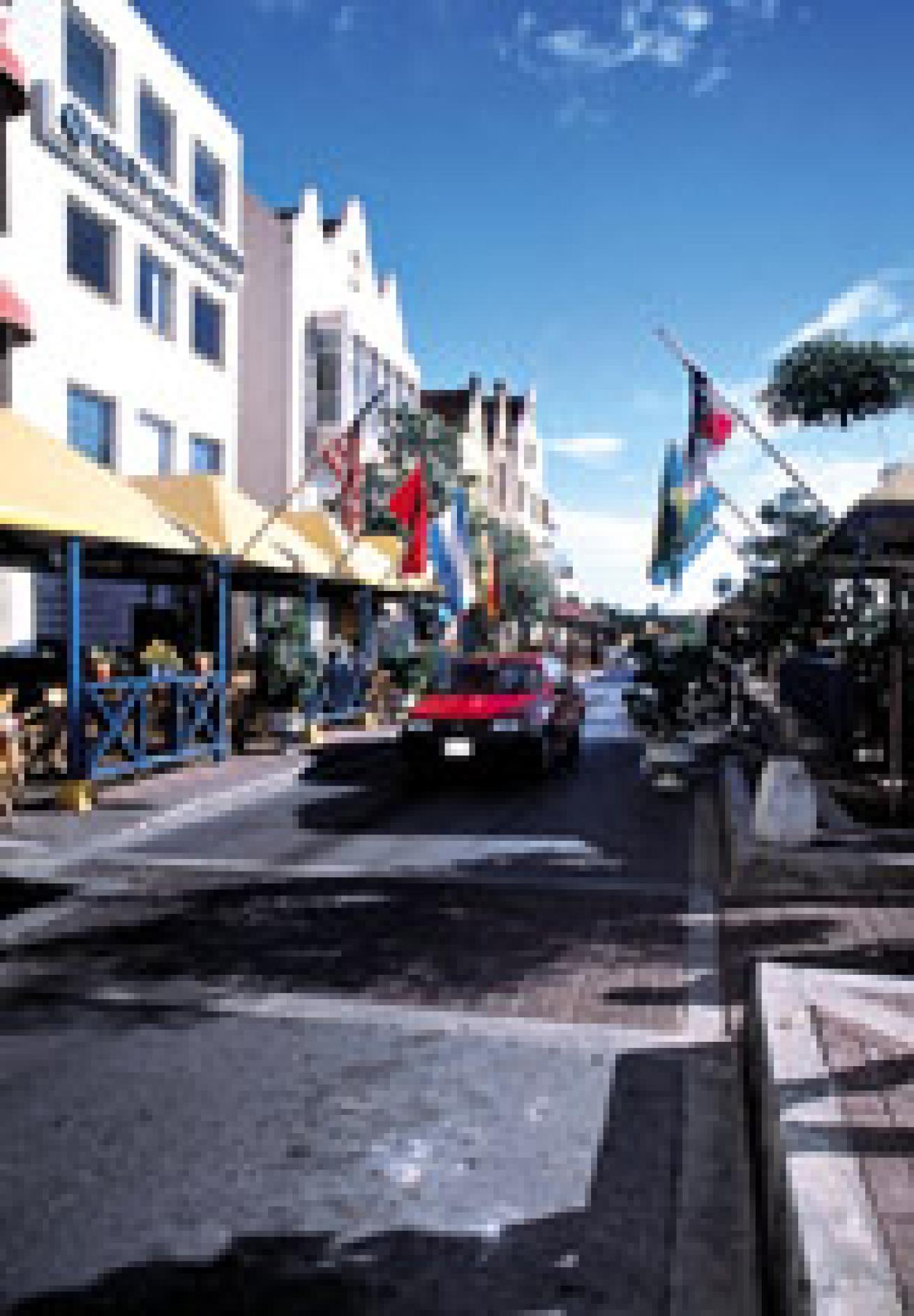
The hustle and bustle of Willemstad provides one of the Caribbean's finest shopping surface intervals.
ARUBA
FOR MORE INFORMATION: Go to the Aruba government's web site at www.aruba.com.
BONAIRE
FOR MORE INFORMATION: Contact the Tourism Corporation Bonaire at www.infobonaire.com, or call (800) BONAIRE. For information on the Bonaire Marine Park, go to www.bmp.org.
CURAÇAO
FOR MORE INFORMATION: Call Curaçao Tourism at (800) 3-CURACAO, ext. 931, or visit their web site at www.curacao-tourism.com.
Travel Savvy
WEATHER: Sunny and dry (less than 22 inches of rainfall annually) with temperatures fluctuating between 75F and 85F depending on the season, and averaging 82F. Constant 15 mph trade winds keep humidity at bay.
WATER CONDITIONS: Average water temp is 80F, with fluctuations between 78F and 82F.
LANGUAGE: English is widely spoken, though the island's official language is Dutch. Locals speak Papiamento, a mix of Portuguese, Spanish, Dutch, French, English and African languages.
TIME: Atlantic Standard Time.
TELEPHONE: To dial the islands from outside the country, first dial (011) 599.
CURRENCY: The U.S. dollar is the currency of choice on Aruba and the official currency of Bonaire. Credit cards are widely accepted.
ELECTRICITY: 127 volts, 50 cycles. Converters are available should you need them. Most resorts, however, now have 110 volt, 60 cycle plugs in guest rooms.
GETTING AROUND: Renting a car or truck is a must to take full advantage of the shore diving on Bonaire and Curaçao. You'll want to get a Jeep-style vehicle or pickup truck if you plan to dive Bonaire's Washington-Slagbaai National Park, as the dirt roads make the driving experience extreme. Rental cars are available at airports as well as at some dive resorts. A valid driver's license is required. Reserve a car well in advance of arrival, especially during the high season. Rates with unlimited mileage are often the best option.
Hilma Hooker photo from Shutterstock.
Looking for your next dream dive vacation? Check out the Travel section of our website.
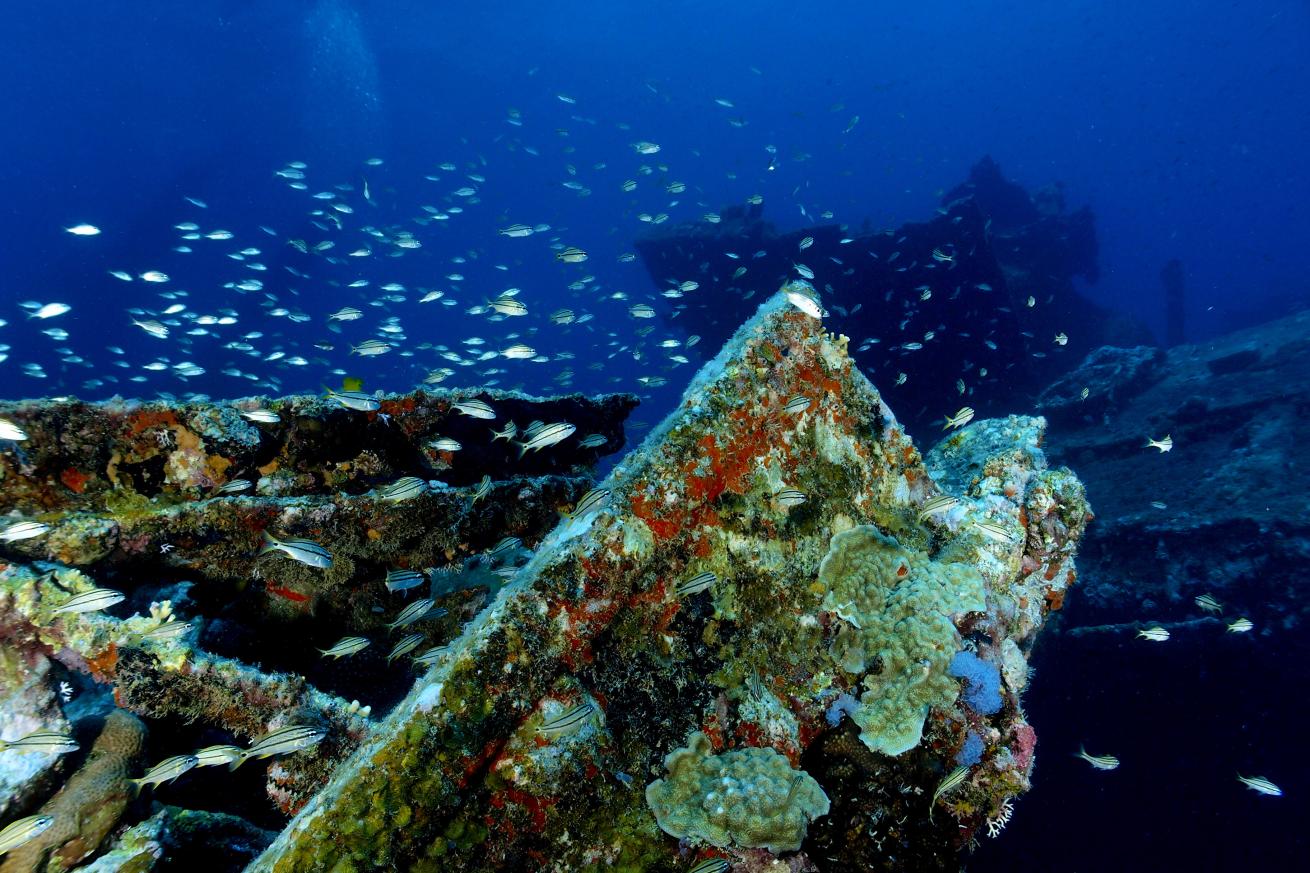
Luiz Felipe V. PuntelAntilla lies on its port side in Malmok Bay, Aruba in up to 60 feet (18 m) of water, but with a small part of its starboard side exposed above water. By 1953 storm damage had broken the wreck in two amidships.
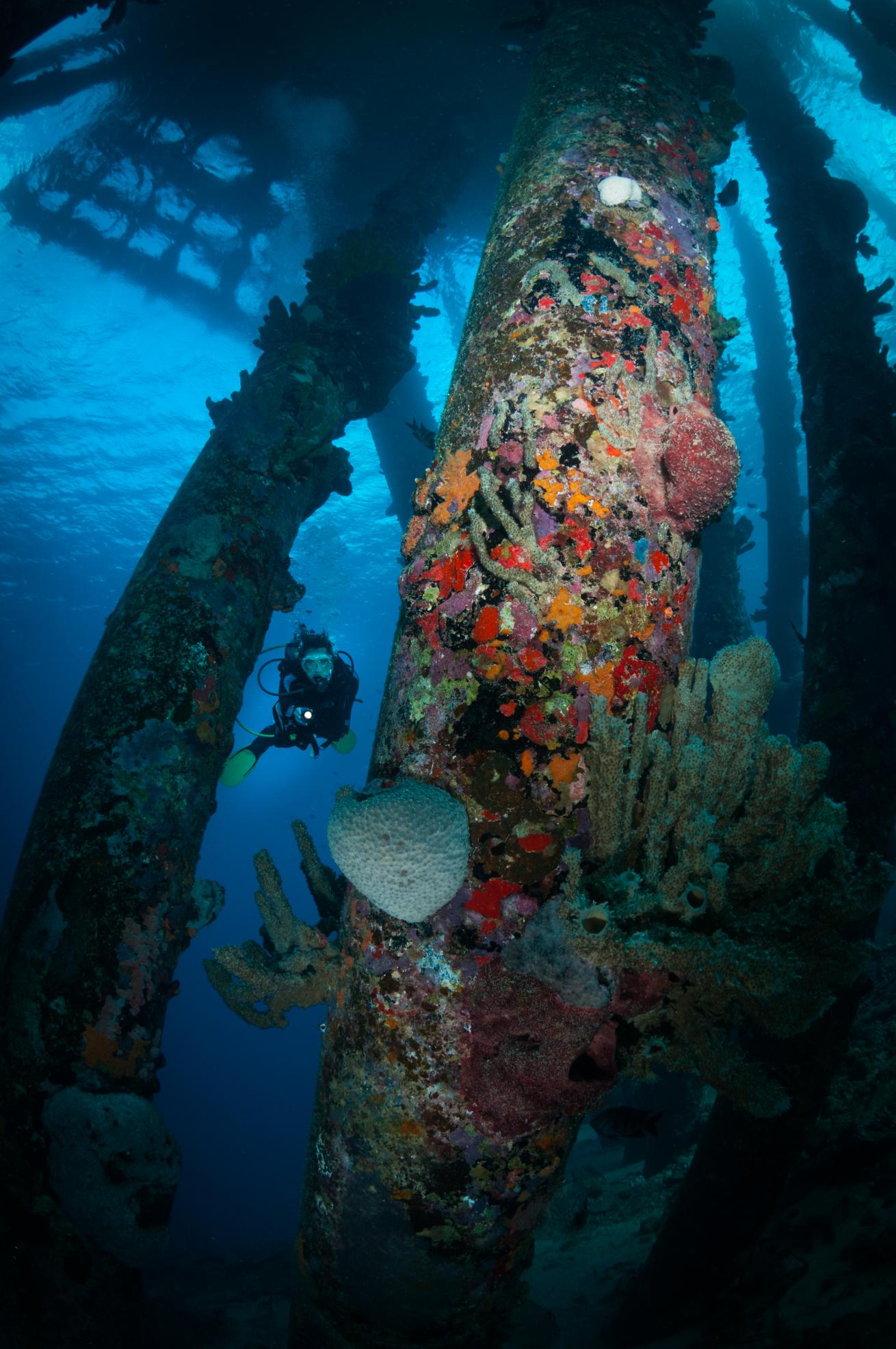
timsimagesIt's a bit of a swim from the shore, but Salt Pier is worth it.
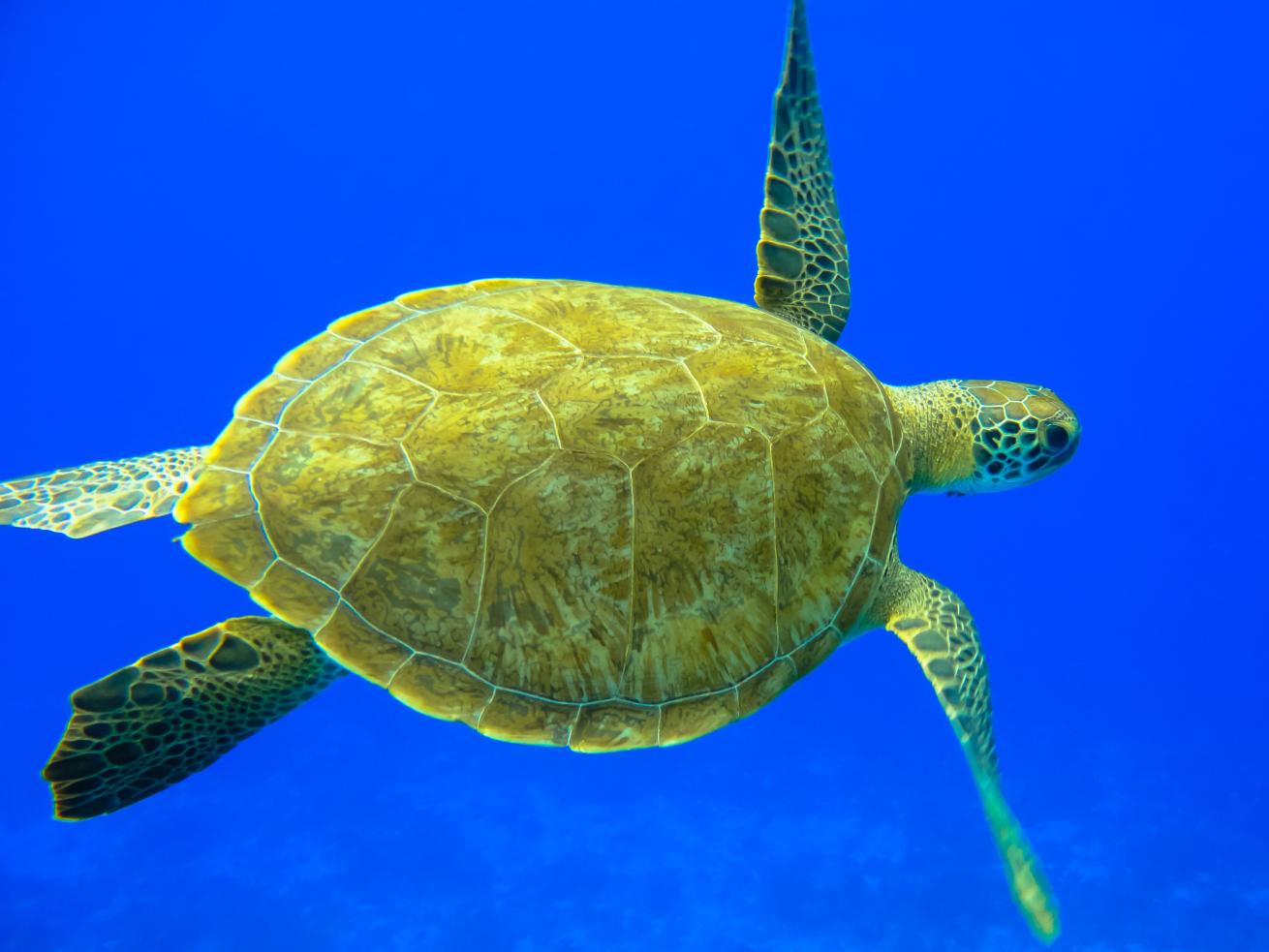
Thomas CamposThere are always surprises to be found on Curaçao's reefs.
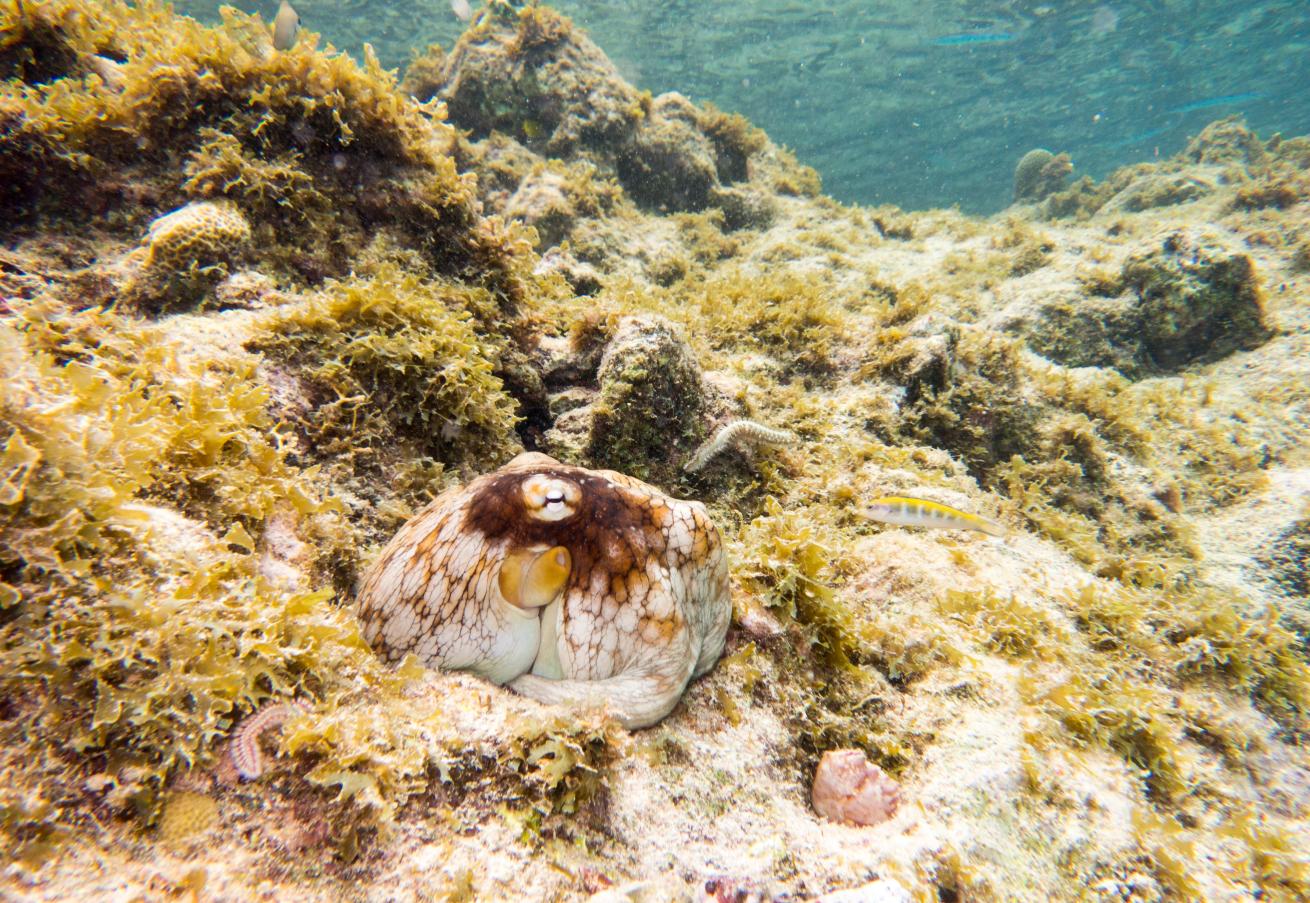
Gary C. TognoniHiding in the open — a reef octopus.
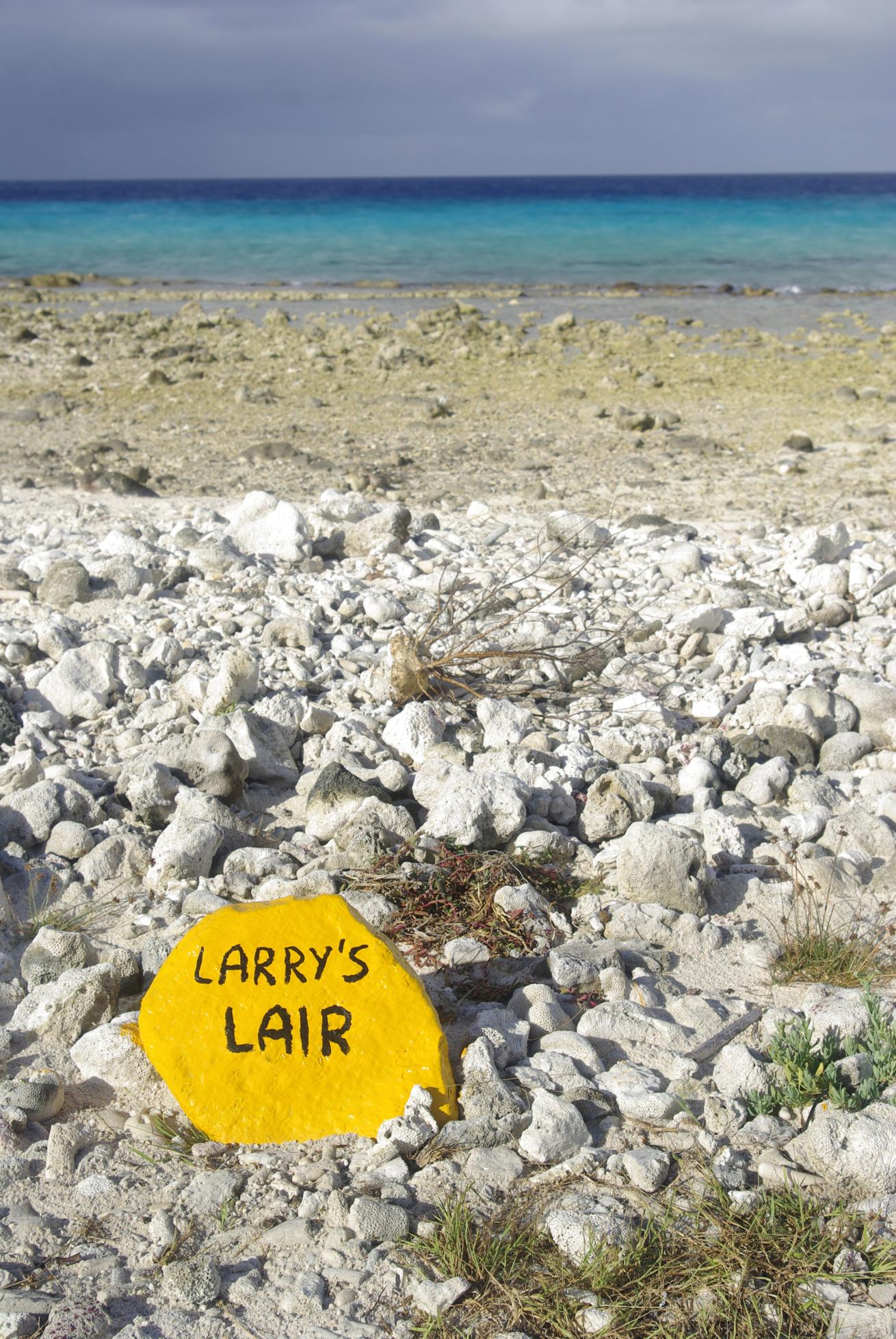
Lawrence RobergYellow painted stones mark all of Bonaire's shore-diving sites.
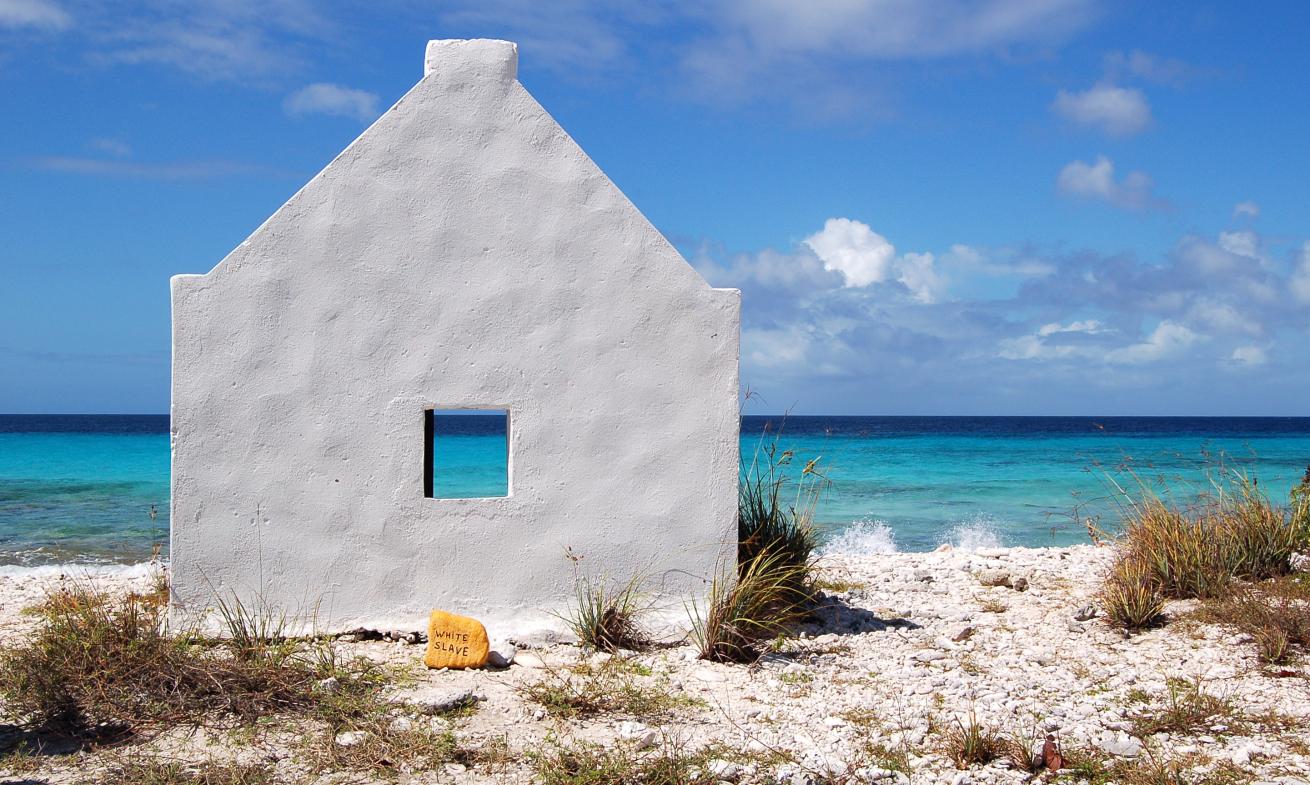
Dorn1530In 1633, the Dutch took possession of Curacao, Bonaire and Aruba. It was during those early years that the first African slaves were forced to work, cutting dyewood and cultivating maize and harvesting solar salt. Grim reminders of those days still remain in the form of slave huts and salt pans which were laboriously constructed by hand. The island of Bonaire has left them standing as a reminder of the island's sad slave history.
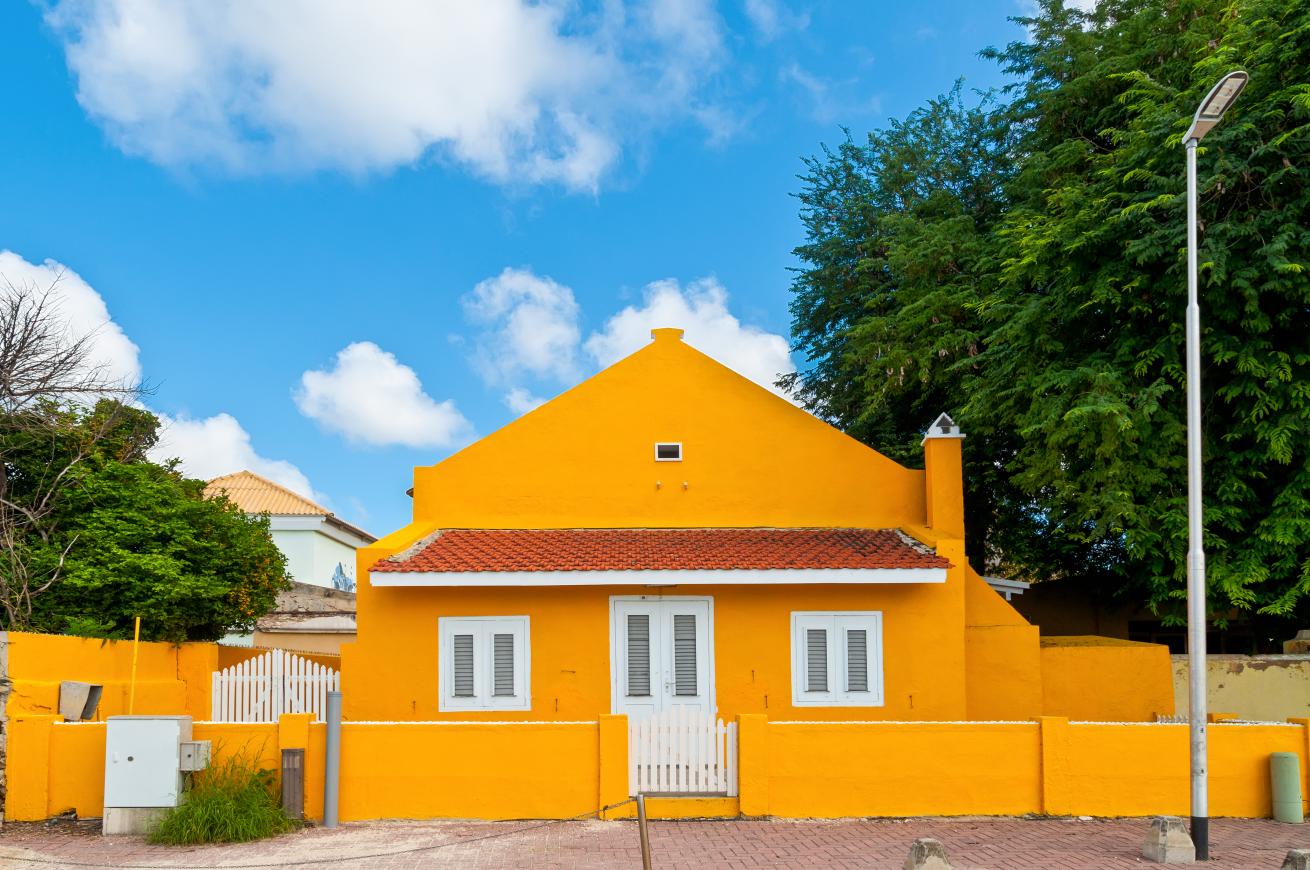
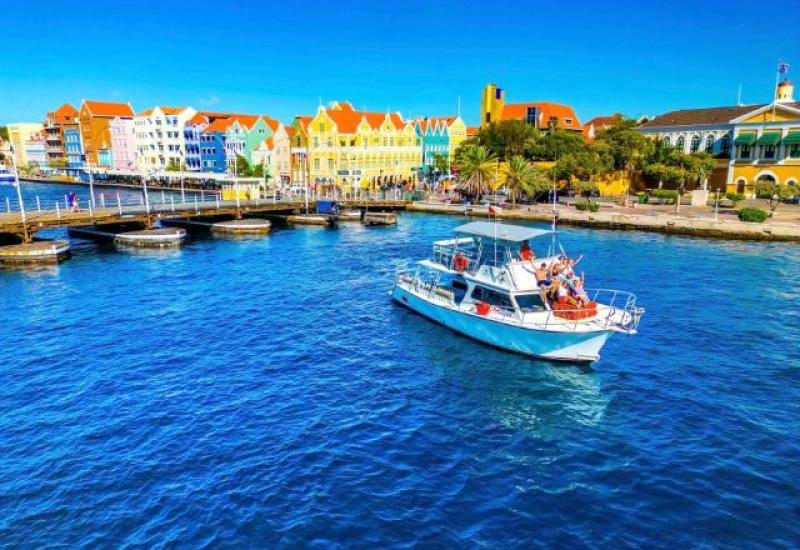
Valeriy TretyakovReflecting the blues of the Caribbean sky and sea, homes and buildings on the three islands are part "New World," part "Old World," — and very colorful.
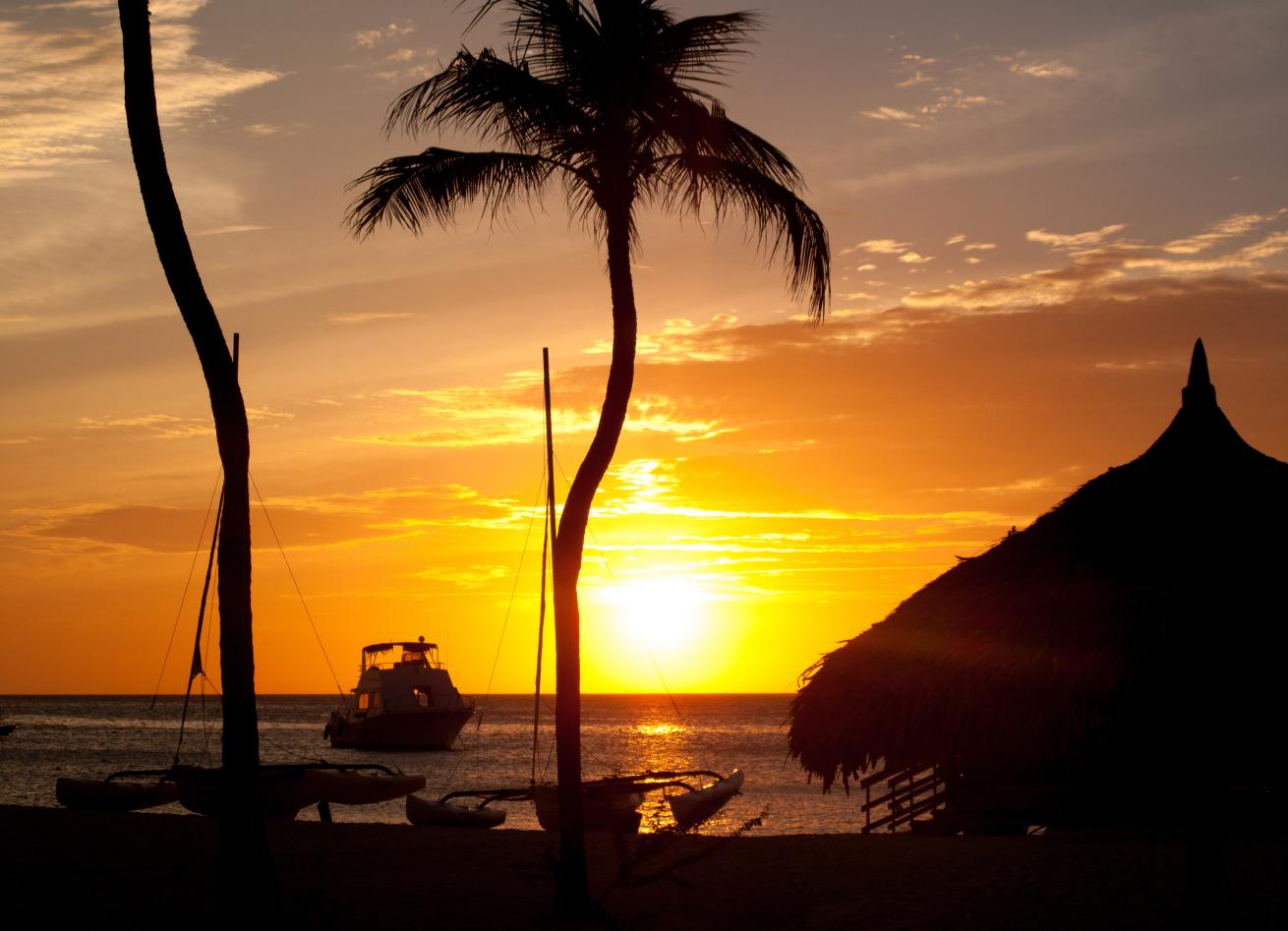
Sven BannuscherThe sun sets over the water at Noord, Aruba.