
Dominican Republic Dive Travel Guide

Humpback whales are one of the many attractions that divers are likely to encounter in the Dominican Republic.
Shutterstock
North American divers choosing to spend a scuba diving vacation in the Dominican Republic will find more than 50,000 hotel rooms, making it the third most developed tourist destination in the Caribbean. Between 1.5 and 2 million tourists visit each year to lounge on the island's beautiful beaches, play tennis, swat golf balls, and generally live the good life in some sweet all-inclusive resorts that are among the Caribbean's best travel values.
Location, Location, Location
And that's part of the problem. Because the big resorts are so focused on the complete vacation picture, diving is often seen as just another activity to squeeze in between lunch and afternoon playtime.
Complicating things even more: Some of the most developed general tourism areas don't have the best diving. Take Punta Cana, for example. It's the island's most popular region for general tourism, but it's situated on the exposed eastern tip of the island, and swept by Atlantic currents and the occasionally torturous seas of the Mona Passage. Divers who visit Punta Cana when the winter winds are blowing may find days where it is too rough to dive at all, and if they do get out to the reef, they'll typically find marginal visibility and minimal fish life.
Prevailing winds typically blow from north and west, leaving the southeast portion of the island in a consistent lee. The calmest waters are generally found in Bayahibe (La Romana), Juan Dolio and Boca Chica. Choose your destination within the DR carefully, and you can enjoy a relaxing vacation with some easy diving and plenty of nondiving activities to boot.
Boca Chica
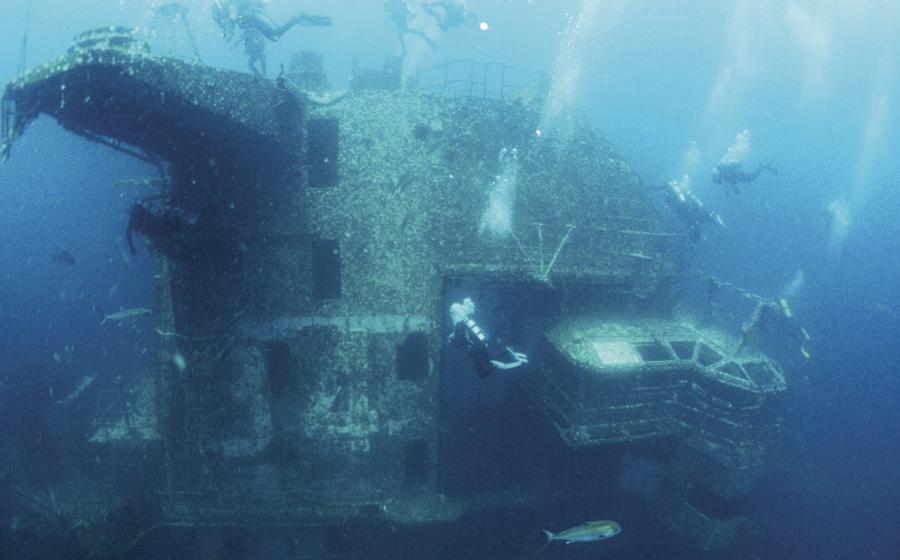
Located just outside the capital city of Santo Domingo, Boca Chica is one of the traditional vacation getaways for Dominicans. The region offers beaches, shops, restaurants and bars within easy walking distance of the resort hotels. The area also offers the easiest access to the wrecks in the La Caleta Underwater National Park and La Sirena Cave.
Juan Dolio
There are a variety of excellent all-inclusive resorts in the Juan Dolio region, located about 30 minutes east of the Santo Domingo Airport. Depending on rain and current conditions, a nearby river can diminish water clarity on some of the sites.
Bayahibe
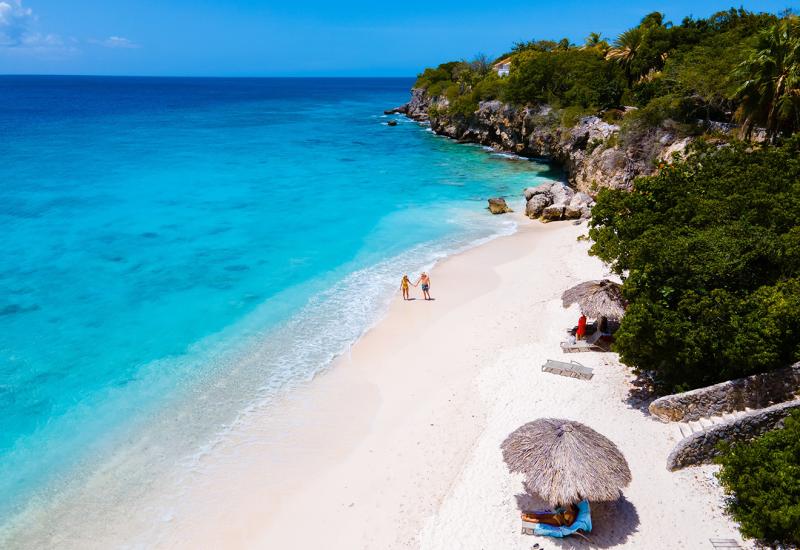
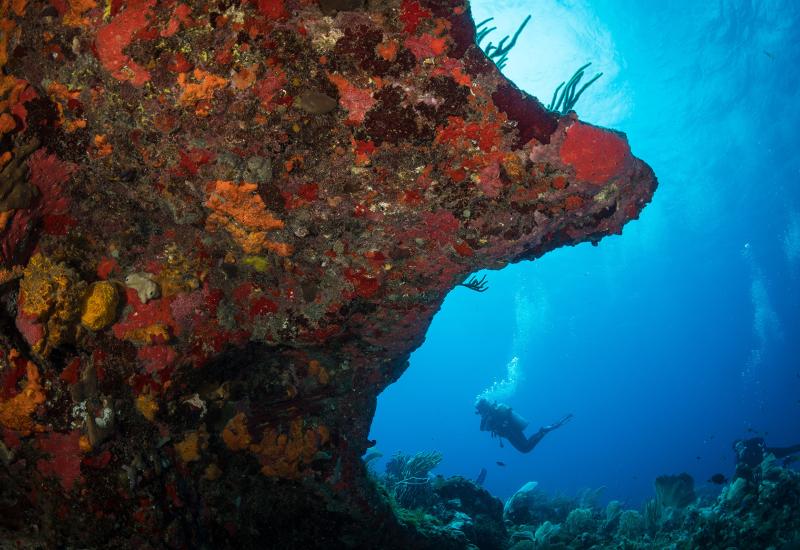
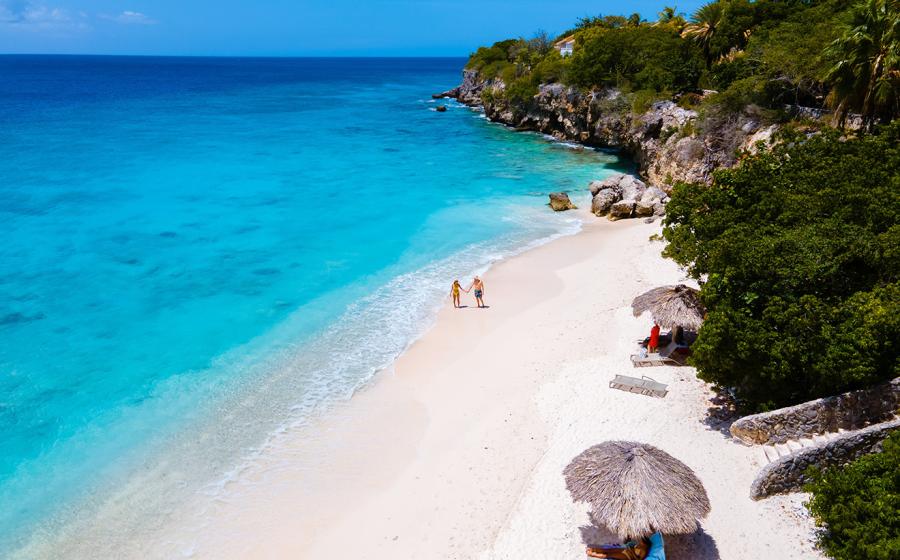
The area most likely to emerge as a favorite among North American divers, the Bayahibe area features clear, tranquil Caribbean seas and wide, powdery white beaches. The dive portfolio includes shallow nearshore reefs, two offshore islands and a shipwreck. Divers may also see an occasional manatee here.
Punta Cana
The exposed eastern tip of the island has beautiful golf courses, beautiful scenery and is a haven for windsurfers — so the diving is predictably rough, especially in winter.
Samana Peninsula
During the whale-watching season, several Caribbean liveaboards relocate to Samana to offer whale expeditions to the Silver Banks. Day boats from this region also go in search of humpback whales in the confines of Samana Bay. Dive operators offer a blend of advanced, deep-water dives and shallow, secluded snorkeling.
Playa Dorada/Sosua
Just outside the town of Puerto Plata is Playa Dorada, an oceanside complex of resorts complete with a central shopping plaza and golf course. This is also an excellent staging area for day trips to the interior for whitewater rafting, horseback riding, rappeling down a mountainside, paragliding or simply relaxing with a bottle of cerveza beside a scenic waterfall.
Much of the diving off Puerto Plata is staged from the protected waters of Sosua Bay (divers are bused to the boat each morning), although when the conditions are right, the boats may also depart the Playa Dorada beach.
Dominican Republic Travel Savvy
Getting There/Getting Around
Depending on which airport you fly into, the Dominican Republic is just a two- or three-hour flight from East Coast gateways. Connections are also available via San Juan, Puerto Rico, and numerous European gateways.
The Dive Report
Water Conditions
The water temperature ranges from a low of 77 to a high in the mid-80s. The Caribbean Sea, especially off Boca Chica and Bayahibe, is generally significantly calmer than the conditions found in the Atlantic off the northeast shore, and consequently better visibility is the norm. Rivers are a significant factor affecting water clarity for some regions, but the dive operators typically visit sites least affected by runoff. Along the Caribbean leeward coast, expect 60- to 100-foot visibility, while the Atlantic sites can typically offer 50 to 90 feet of visibility.
Destination Snapshot: The Dominican Republic
Geography: The DR occupies roughly half of the island of Hispaniola, sharing a central border with Haiti. This is a country of geographic extremes. The highest mountain in the Caribbean is located in the DR (Pico Duarte at over 10,382 feet), yet just over 100 miles to the southwest is Lake Enriquillo, a saltwater crocodile habitat 144 feet below sea level. The island is washed by the Atlantic Ocean along the northern shore, and by the Caribbean Sea to the south.
As another example of the geographic contrasts in the DR, the northern coast seems to receive more precipitation October through May, while the south gets most of its rain May through October, although in general it rains more in the north than in the south.
Climate: Temperatures range from the mid-80s to low 90s in summer and from the mid-70s to mid-80s in winter. Some evenings in winter are cool enough for a sweater, particularly when dining outside.
Dive In: Dominican Republic
Documents: For U.S. citizens, a valid passport is required.
Language: The official language is Spanish, but English is widely spoken in the resorts and tourist areas. The dive staff is very likely to be multilingual thanks to the heavy European visitation the DR enjoys.
Electricity: 110 volts/60 cycles, just like the U.S.
Telephone: The DR area code is 809.
Time: Atlantic Standard Time, one hour ahead of Eastern Standard Time. The island does not observe daylight saving time.
Health: No immunizations are required to travel to the DR. Tap water is not safe to drink, but most hotels will provide bottled water in your room.
Just in case: There are recompression chambers in Santo Domingo and Puerto Plata.

Shutterstock
Humpback whales are one of the many attractions that divers are likely to encounter in the Dominican Republic.
North American divers choosing to spend a scuba diving vacation in the Dominican Republic will find more than 50,000 hotel rooms, making it the third most developed tourist destination in the Caribbean. Between 1.5 and 2 million tourists visit each year to lounge on the island's beautiful beaches, play tennis, swat golf balls, and generally live the good life in some sweet all-inclusive resorts that are among the Caribbean's best travel values.
Location, Location, Location
And that's part of the problem. Because the big resorts are so focused on the complete vacation picture, diving is often seen as just another activity to squeeze in between lunch and afternoon playtime.
Complicating things even more: Some of the most developed general tourism areas don't have the best diving. Take Punta Cana, for example. It's the island's most popular region for general tourism, but it's situated on the exposed eastern tip of the island, and swept by Atlantic currents and the occasionally torturous seas of the Mona Passage. Divers who visit Punta Cana when the winter winds are blowing may find days where it is too rough to dive at all, and if they do get out to the reef, they'll typically find marginal visibility and minimal fish life.
Prevailing winds typically blow from north and west, leaving the southeast portion of the island in a consistent lee. The calmest waters are generally found in Bayahibe (La Romana), Juan Dolio and Boca Chica. Choose your destination within the DR carefully, and you can enjoy a relaxing vacation with some easy diving and plenty of nondiving activities to boot.
Boca Chica
Located just outside the capital city of Santo Domingo, Boca Chica is one of the traditional vacation getaways for Dominicans. The region offers beaches, shops, restaurants and bars within easy walking distance of the resort hotels. The area also offers the easiest access to the wrecks in the La Caleta Underwater National Park and La Sirena Cave.
Juan Dolio
There are a variety of excellent all-inclusive resorts in the Juan Dolio region, located about 30 minutes east of the Santo Domingo Airport. Depending on rain and current conditions, a nearby river can diminish water clarity on some of the sites.
Bayahibe
The area most likely to emerge as a favorite among North American divers, the Bayahibe area features clear, tranquil Caribbean seas and wide, powdery white beaches. The dive portfolio includes shallow nearshore reefs, two offshore islands and a shipwreck. Divers may also see an occasional manatee here.
Punta Cana
The exposed eastern tip of the island has beautiful golf courses, beautiful scenery and is a haven for windsurfers — so the diving is predictably rough, especially in winter.
Samana Peninsula
During the whale-watching season, several Caribbean liveaboards relocate to Samana to offer whale expeditions to the Silver Banks. Day boats from this region also go in search of humpback whales in the confines of Samana Bay. Dive operators offer a blend of advanced, deep-water dives and shallow, secluded snorkeling.
Playa Dorada/Sosua
Just outside the town of Puerto Plata is Playa Dorada, an oceanside complex of resorts complete with a central shopping plaza and golf course. This is also an excellent staging area for day trips to the interior for whitewater rafting, horseback riding, rappeling down a mountainside, paragliding or simply relaxing with a bottle of cerveza beside a scenic waterfall.
Much of the diving off Puerto Plata is staged from the protected waters of Sosua Bay (divers are bused to the boat each morning), although when the conditions are right, the boats may also depart the Playa Dorada beach.
Dominican Republic Travel Savvy
Getting There/Getting Around
Depending on which airport you fly into, the Dominican Republic is just a two- or three-hour flight from East Coast gateways. Connections are also available via San Juan, Puerto Rico, and numerous European gateways.
The Dive Report
Water Conditions
The water temperature ranges from a low of 77 to a high in the mid-80s. The Caribbean Sea, especially off Boca Chica and Bayahibe, is generally significantly calmer than the conditions found in the Atlantic off the northeast shore, and consequently better visibility is the norm. Rivers are a significant factor affecting water clarity for some regions, but the dive operators typically visit sites least affected by runoff. Along the Caribbean leeward coast, expect 60- to 100-foot visibility, while the Atlantic sites can typically offer 50 to 90 feet of visibility.
Destination Snapshot: The Dominican Republic
Geography: The DR occupies roughly half of the island of Hispaniola, sharing a central border with Haiti. This is a country of geographic extremes. The highest mountain in the Caribbean is located in the DR (Pico Duarte at over 10,382 feet), yet just over 100 miles to the southwest is Lake Enriquillo, a saltwater crocodile habitat 144 feet below sea level. The island is washed by the Atlantic Ocean along the northern shore, and by the Caribbean Sea to the south.
As another example of the geographic contrasts in the DR, the northern coast seems to receive more precipitation October through May, while the south gets most of its rain May through October, although in general it rains more in the north than in the south.
Climate: Temperatures range from the mid-80s to low 90s in summer and from the mid-70s to mid-80s in winter. Some evenings in winter are cool enough for a sweater, particularly when dining outside.
Dive In: Dominican Republic
Documents: For U.S. citizens, a valid passport is required.
Language: The official language is Spanish, but English is widely spoken in the resorts and tourist areas. The dive staff is very likely to be multilingual thanks to the heavy European visitation the DR enjoys.
Electricity: 110 volts/60 cycles, just like the U.S.
Telephone: The DR area code is 809.
Time: Atlantic Standard Time, one hour ahead of Eastern Standard Time. The island does not observe daylight saving time.
Health: No immunizations are required to travel to the DR. Tap water is not safe to drink, but most hotels will provide bottled water in your room.
Just in case: There are recompression chambers in Santo Domingo and Puerto Plata.