

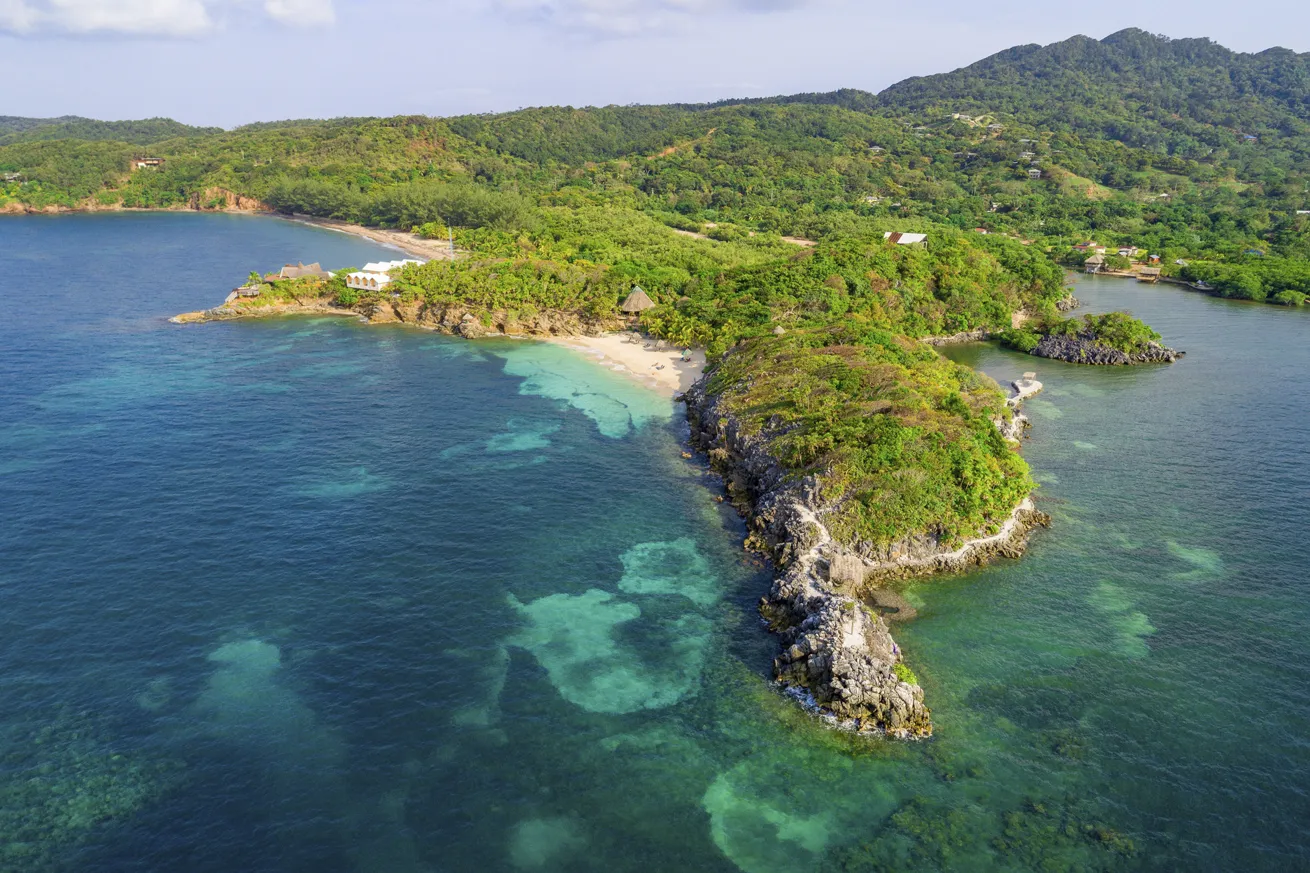
Shutterstock/Scott FlathouseAn aerial view of Roatán, the largest and most populous of Honduras’ Bay Islands.
The Bay Islands—Roatán, Utila, Guanaja and Cayos Cochinos—are a diver’s wonderland, each with its own rhythm. Some bustle with activity; others feel suspended in time. All are worth visiting and diving.
Year-round diving in warm, clear water, diverse topography and numerous nearshore dive sites make these islands, situated along the world’s second-largest barrier reef less than 50 miles from Honduras’ mainland, a premier Caribbean destination suitable for all levels of divers.
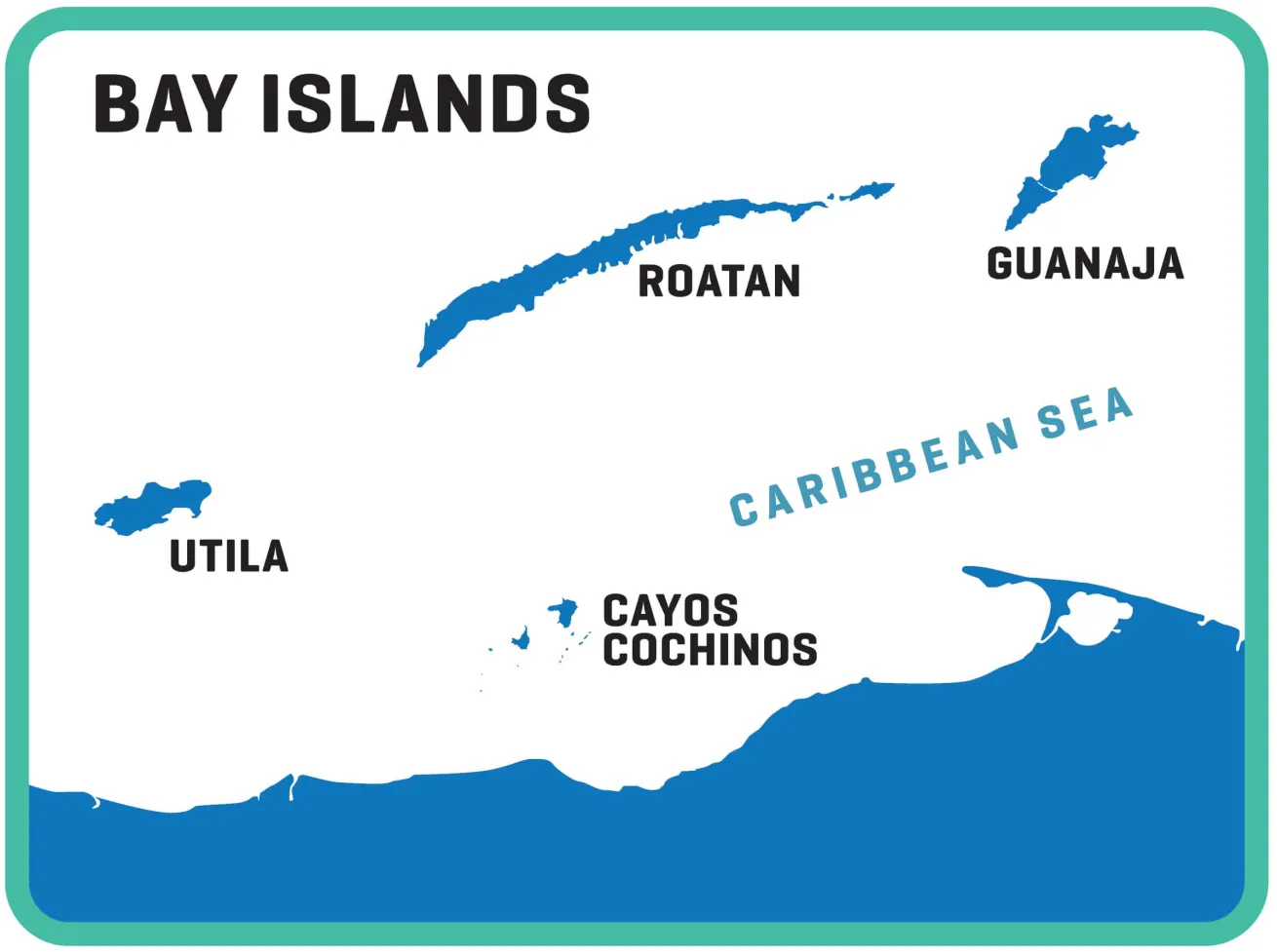
Diver's Guide to Roatan
Walking through colorful West End Village on the largest and most populated of the Bay Islands, I find myself dreaming up ways to stay, maybe indefinitely. The little beach town hums with activity. Bars, restaurants and boutique shopping—not to mention many dive shops—line the narrow, sand-swept streets. The white-sand beach is as enticing as the flat, calm, crystal-blue water with 100-plus-foot visibility. And then there are the dive sites—more than 400 of them—just minutes offshore.
At the dive site Texas, on the island’s western tip, we fin along the reef where two walls meet. Currents sweep runoff away, keeping corals healthy and drawing pelagics. Our dive guide has informed me of the wide range of marine life we might see here—green turtles, hawks-bills, morays, eagle rays and nurse sharks are regulars, with occasional cubera snapper and groupers, and more rarely, hammerheads, dolphins and whale sharks. I watch schools of jacks and spadefish swirl in the blue.
Related Reading: The High Seas Treaty Is in Force: What It Means for Divers
Caroline Power Photography
Conservation photographer Caroline Power recommends Blue Channel, a shallow, protected site near West End. Enter on an incoming tide, and “the channel comes to life.” Inside, conchs and upside-down Cassiopeia jellyfish dot the sand while schools of bigeye scad “that must number in the ten thousands” fill the water column. “It’s so big, it blocks out the sun,” she says. Juvenile eagle rays and stingrays glide past, unbothered.
Conservation measures explain the abundance here. While the whole of the Bay Islands is part of the Bay Islands National Marine Park, enforcement of the fishing restrictions in the park is challenging. Nonprofit Roatán Marine Park (RMP) works with operators to maintain moorings and run patrols. “Because of that, Roatán has more fish, turtles, conch and lobster,” Power says. “You can see a dozen turtles on a dive.”
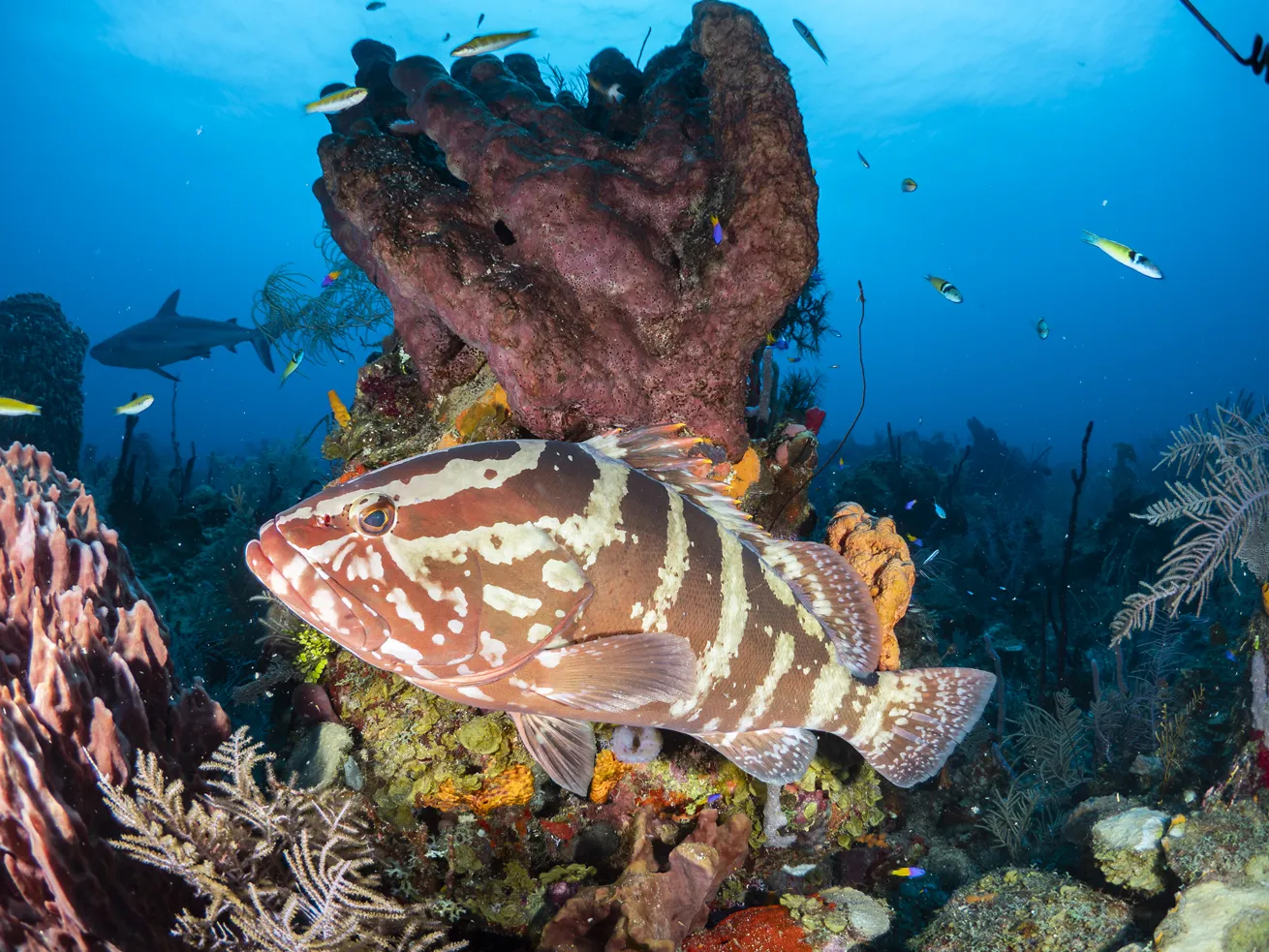
Caroline Power PhotographyOther iconic animals, including Nassau grouper, can be found among the reefs.
The island’s large size means more variety of dive sites. Steep walls no more than 500 feet from shore drop to 2,000 feet of depth, attracting tec divers and rebreather explorers. Coral spawning events with conservation groups like RMP or Caribbean Reef Guardians invite divers to get involved in the science of reef restoration. At Land of the Giants, coral pillars rise from a 100-foot sand plateau. “Imagine skyscrapers of coral erupting from the sand,” Power describes.
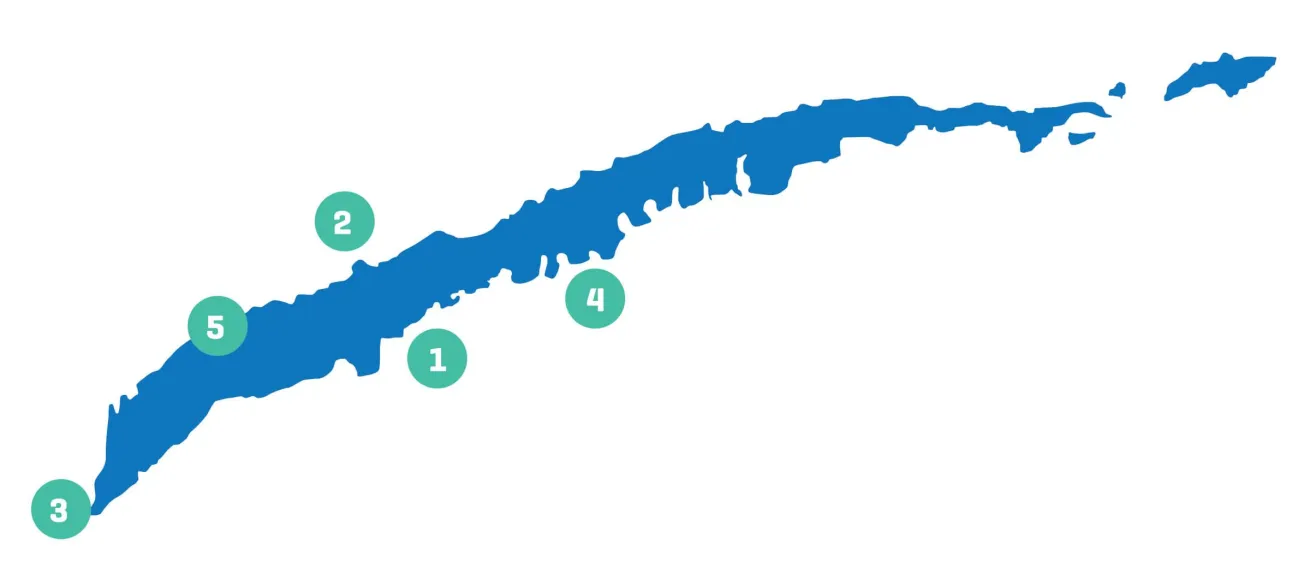
Best Dive Sites in Roatán, Honduras
1 Mary’s Place
2 The Odyssey
3 West End Wall
4 French Key Cut/Mr. Bud
5 Coral Nurseries and Restoration Areas
For Power, the magic is in that diversity. “The reefs are accessible and protected,” she says. “You can have relaxed dives, dramatic walls and incredible encounters—all on the same island.”
Frequently Asked Questions Diving Roatán
GETTING THERE
Direct international flights to Roatán (RTB). Alternatively, take the 1.5-hour ferry from La Ceiba on Honduras’ mainland.
WHERE TO EAT
Try baleadas (a traditional Honduran dish of tortillas stuffed with beans and other fillings) at Yahongreh or cheap street tacos in West End. Enjoy rotisserie chicken at Creole’s, happy hour and live music at Sundowner’s, or upscale dining at Ankor Seafood Grill. Roatán Island Brewing Co. serves local fruit beers, and Oasis makes a great spicy jalapeño mojito.
MORE TO EXPLORE
Snorkel West Bay Beach, hike Port Royal National Park or visit Pigeon Key. Browse West End shops and choose ethical wildlife sanctuaries like Gumbalimba Park or Maya Key.
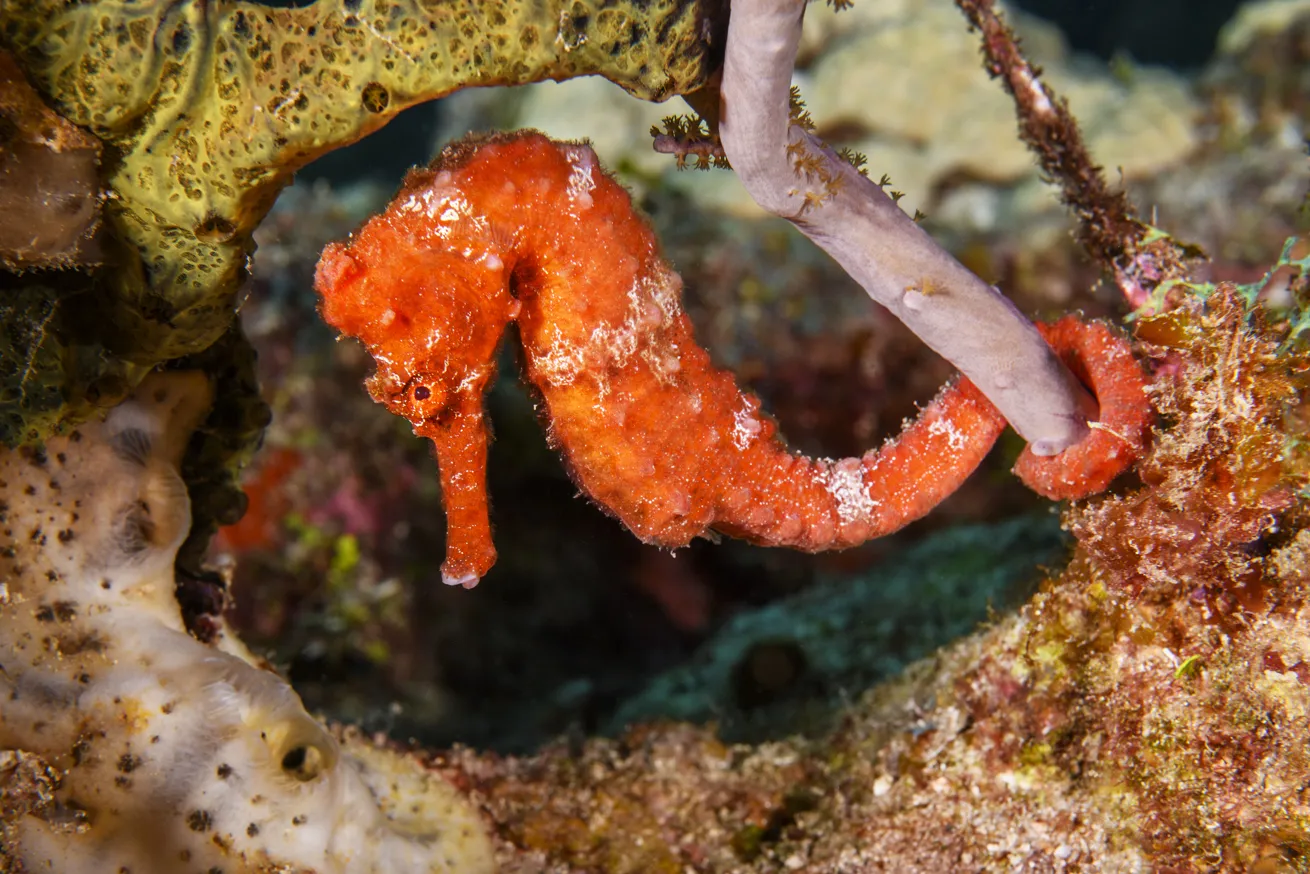
Caroline Power PhotographyA longsnout seahorse grasps a sea fan
Diver's Guide to Utila
Utila is Roatán’s smaller, more affordable and laid-back cousin, known for its budget-friendly backpacker vibes and status as a popular training ground for scuba divers. With steep drop-offs, sheer walls, sandy channels, caverns and opportunities for encounters with marine animals big and small, it’s got a little something for everyone.
Year-round visibility ranges from 60 to more than 100 feet in spring, and most of the 60-plus dive sites are within 300 feet of shore. The island’s size allows divers to hit multiple sites in a single day, and conditions cater to all levels.
The south side, near the harbor, offers smaller delights such as seahorses, nudibranchs, slugs and frogfish, and the lack of current here allows divers to slow down and see it all.
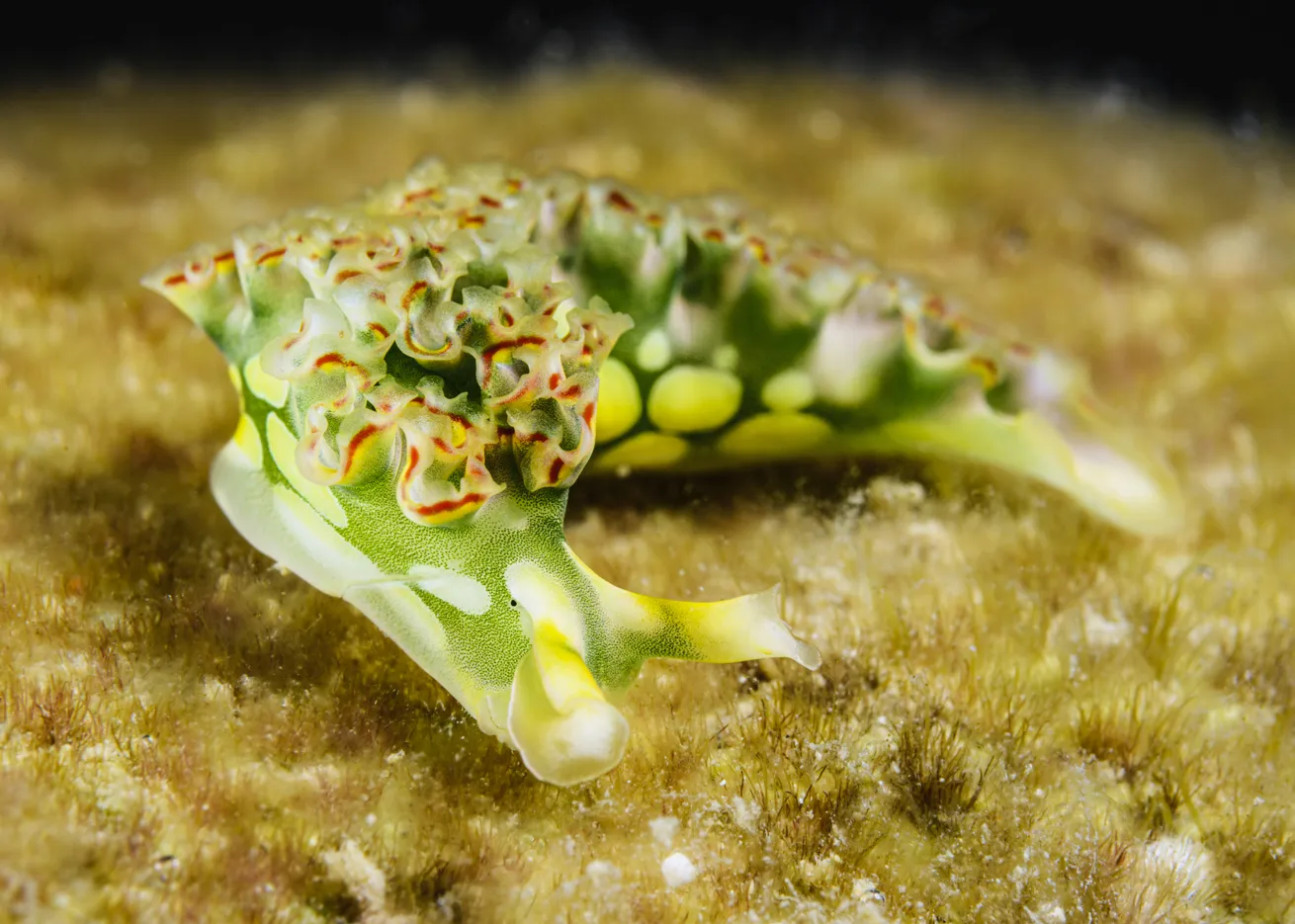
Caroline Power PhotographyA vibrantly hued lettuce sea slug.
At Stingray Point, a wall drops to 140 feet, but an overhang between 50 and 60 feet of depth hosts rare shallow black coral. And 1,000 feet away, at the next dive site, sand patches hide stargazers, garden eels and seahorses clinging to algae. Sand channels such as Little Maze and Labyrinth feature shallow coral structures, perfect for a relaxing dive and practicing photography.
The north side, right at the edge of the Cayman Trench, delivers Utila’s deepest dive sites. Just a few hundred feet from shore, the bottom drops off to depths way beyond recreational and technical diving limits, making the area ideal for tec training.
Off the south side of the island, a seamount called Black Hills stands out for its access to diverse marine life. A coral peak at 35 to 50 feet of depth teems with horse-eye jacks, spadefish and occasional hammerheads. Sea turtles often use the pinnacle as a reference point for surfacing.
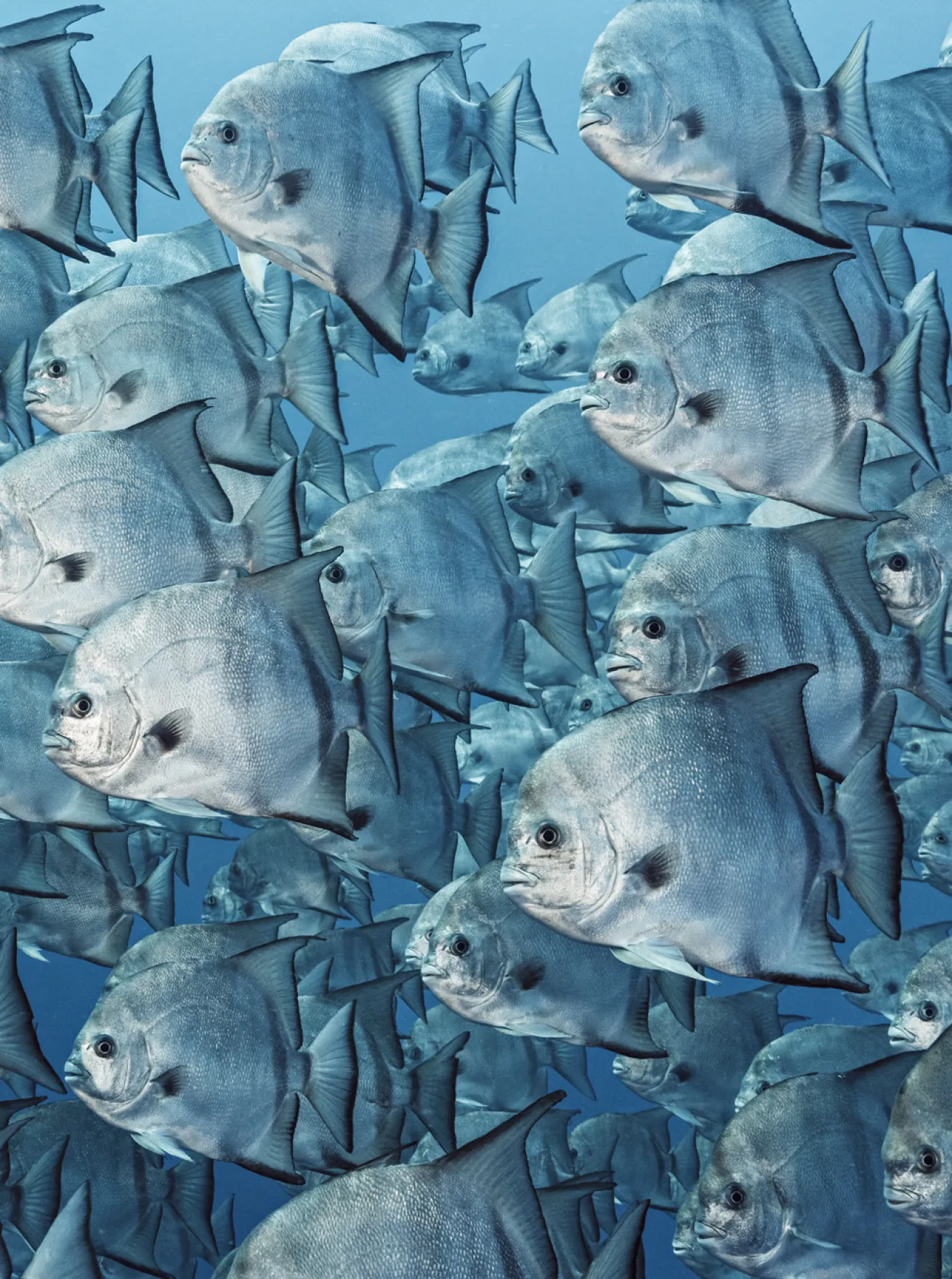
Caroline Power PhotographyA giant school of Atlantic spadefish.
Utila is also the whale shark capital of the Caribbean, with sightings year-round but most likely from March to April and August to September. The island also draws in other pelagics, such as silky sharks, manta and devil rays, and marlin.

Best Dive Sites in Utila, Honduras
1 Duppy Waters
2 Airport Caves
3 Blackish Point
4 Black Hills/The Maze
5 The Pinnacle
Frequently Asked Questions Diving Utila
GETTING THERE
Fly to Roatán (RTB), then take the daily 1.5-hour ferry or a charter flight. Or fly to San Pedro Sula (SPS), bus/taxi transfer 3.5 hours to La Ceiba, and take the 45-minute ferry.
WHERE TO EAT
Divers love the barbecue at Utilian-owned RJ’s Bar and Grill (open three days weekly). The restaurant 1104 serves consistently good, allergy-friendly international dishes, and Mario’s Place has fresh seafood. Mango Tango offers waterside upscale dining and friendly service.
TOP EXPERIENCE
The most magical experience happens during night dives under a new moon. If lucky, you can see “string of pearls,” a rare bioluminescent mating event of tiny crustaceans called ostracods that release glowing blue pulses on shallow reefs.
MORE TO EXPLORE
Relax on private white-sand beaches on Water Cay. Visit the Kanahau Museum of National and Cultural History for guided freshwater bat cave tours. Join Utila Island Cleanups for beach cleanups. Rent an ATV or scooter and explore different neighborhoods, including the island’s highest point, Pumpkin Hill.
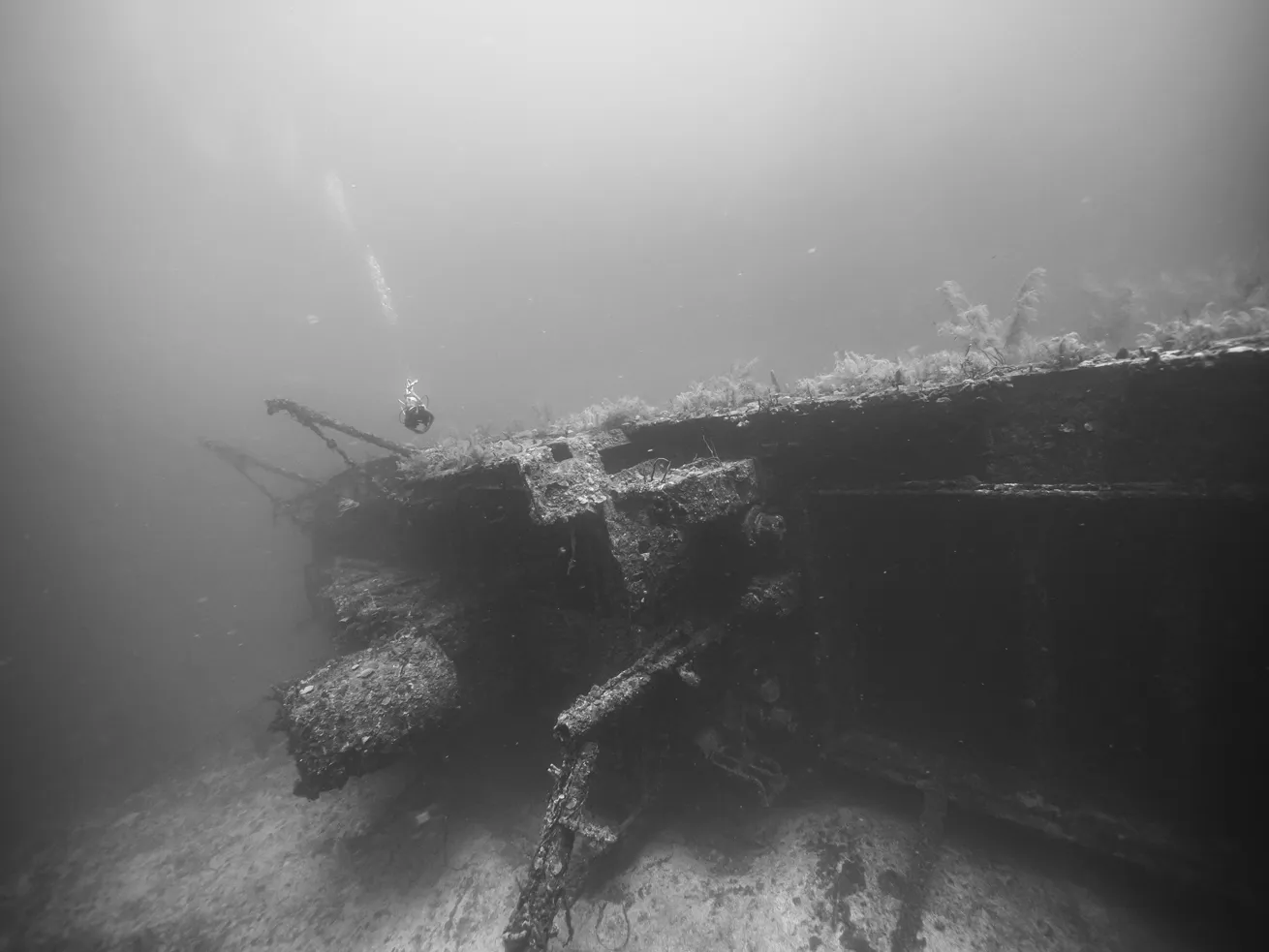
Brandon ColeDivers explore the wreck of the 240-foot freighter Jado Trader.
Diver's Guide to Guanaja, Honduras
Guanaja feels like being in the middle of no-where—in the best way possible. It’s the hardest to reach of the main three Bay Islands. No road circles the island, and transport is exclusively by boat. Residents live mostly on small surrounding cays.
This remoteness breeds serene quiet and an opportunity to disconnect in a relaxed environment. And what the island lacks in infrastructure and amenities, it makes up for in adventure. There are waterfalls to explore and jungles to hike through. It’s wild, green and lush.
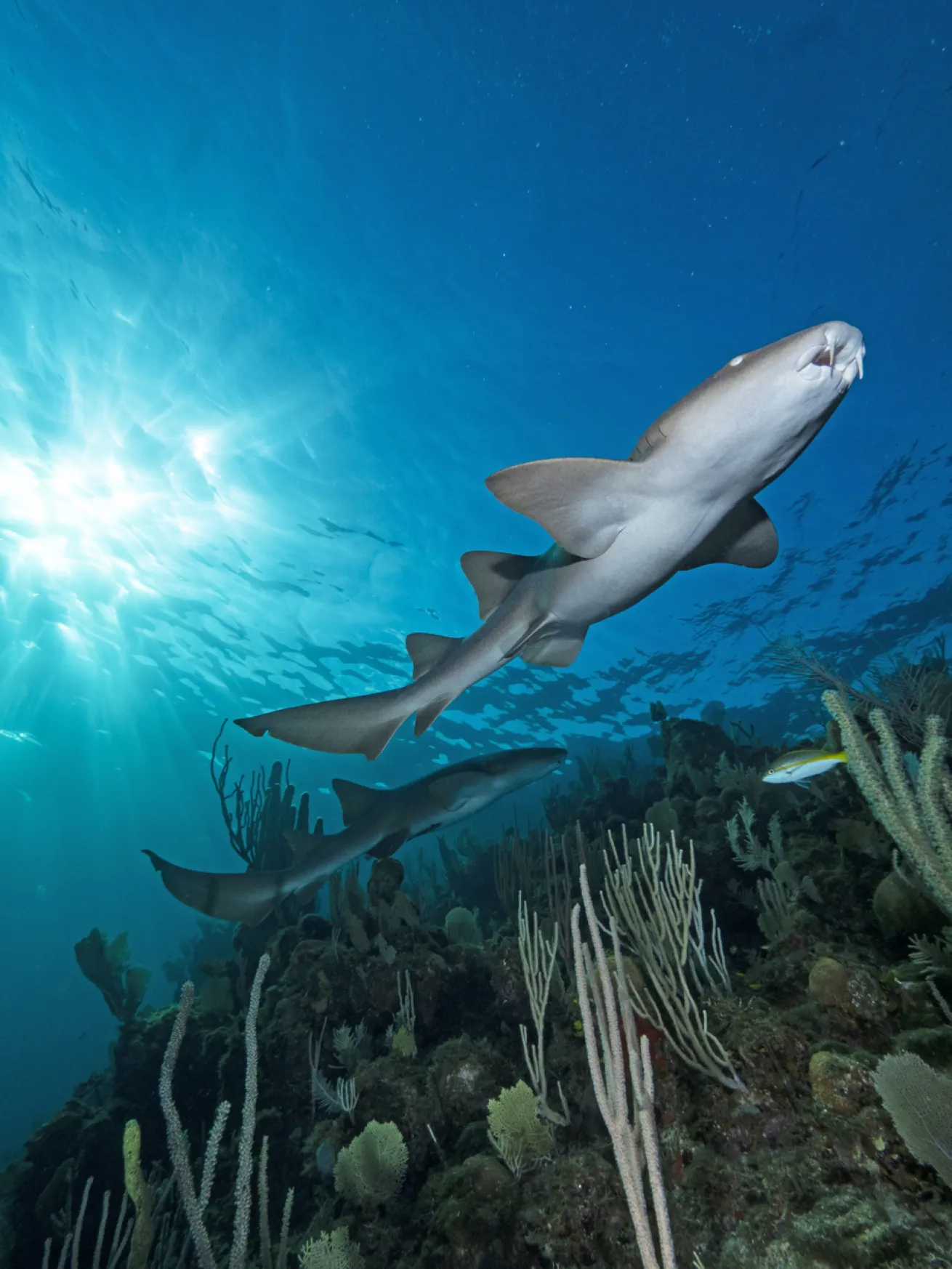
Brandon ColeNurse sharks prowl the reef.
The island’s lack of commercialization also helps preserve its reefs. With few divers, corals remain exceptionally healthy. “Some of the best reefs I’ve seen in the Caribbean are in Guanaja,” says conservation photographer Caroline Power.
But, there’s a tradeoff: Tourism is not a main industry, so locals fish for subsistence and to supply a lot of the restaurants in Roatán. Therefore, large fish are scarce. “The reefs are beautiful, but there’s no life on them,” Power explains. “You won’t see grouper, conch or snapper.”
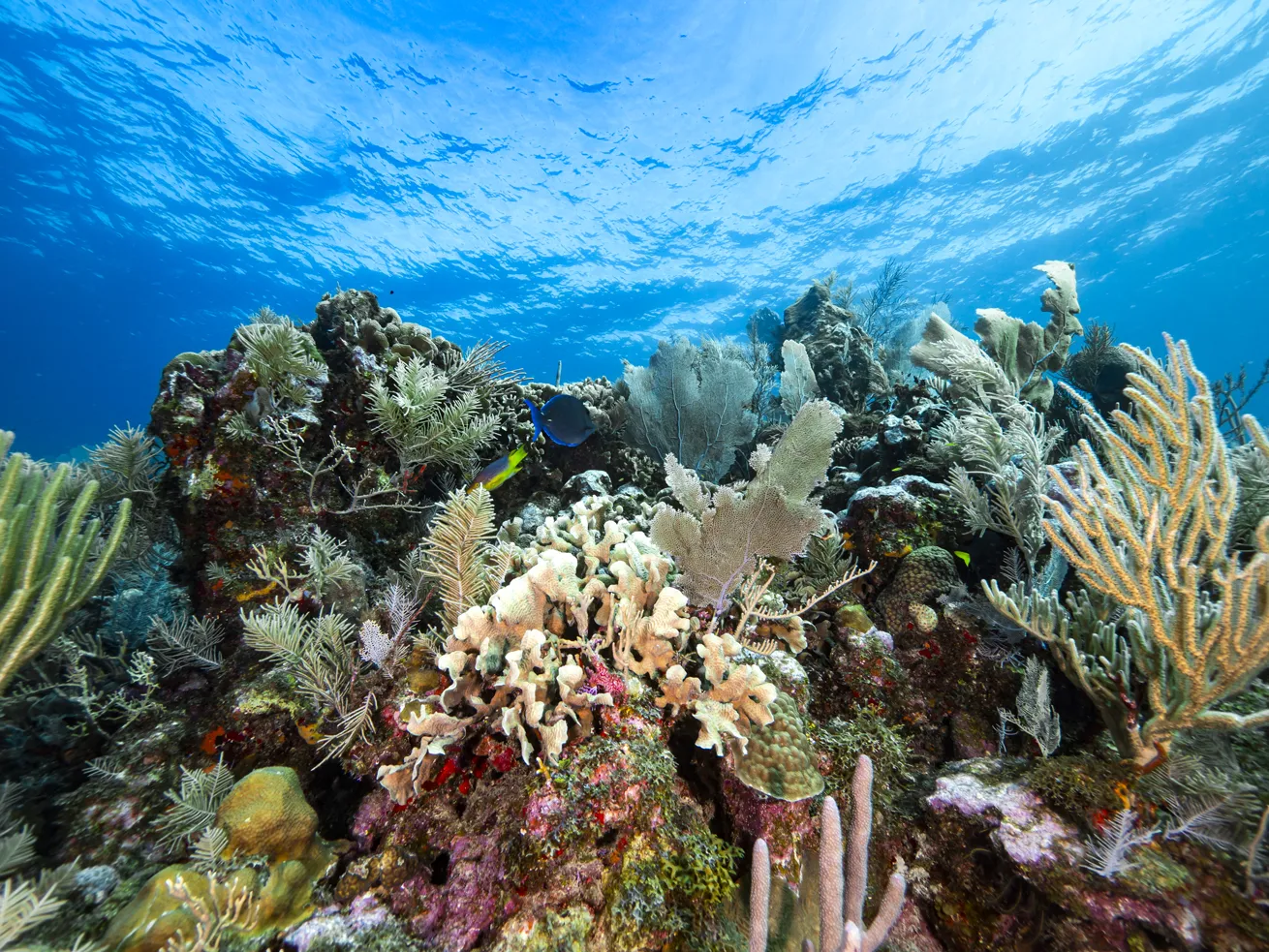
Brandon ColeGuanaja’s reefs see fewer divers than many elsewhere in the Caribbean
In ironic contrast, Roatán has many divers and effective enforcement against fishing, so its reefs are not as pristine as Guanaja’s but full of fish.
Tourists and locals who do visit Guanaja note that it can be challenging to get to but well worth it. For instance, the Jado Trader ranks among the Caribbean’s best wreck dives. This 240-foot freighter was intentionally sunk in 80 to 100 feet of water to create an artificial reef. Tarpon patrol its exterior, while massive schools of silversides pulse inside the hull and fill nearby swim-throughs. The shallow reef adjacent to the wreck offers a lovely place for a safety stop.
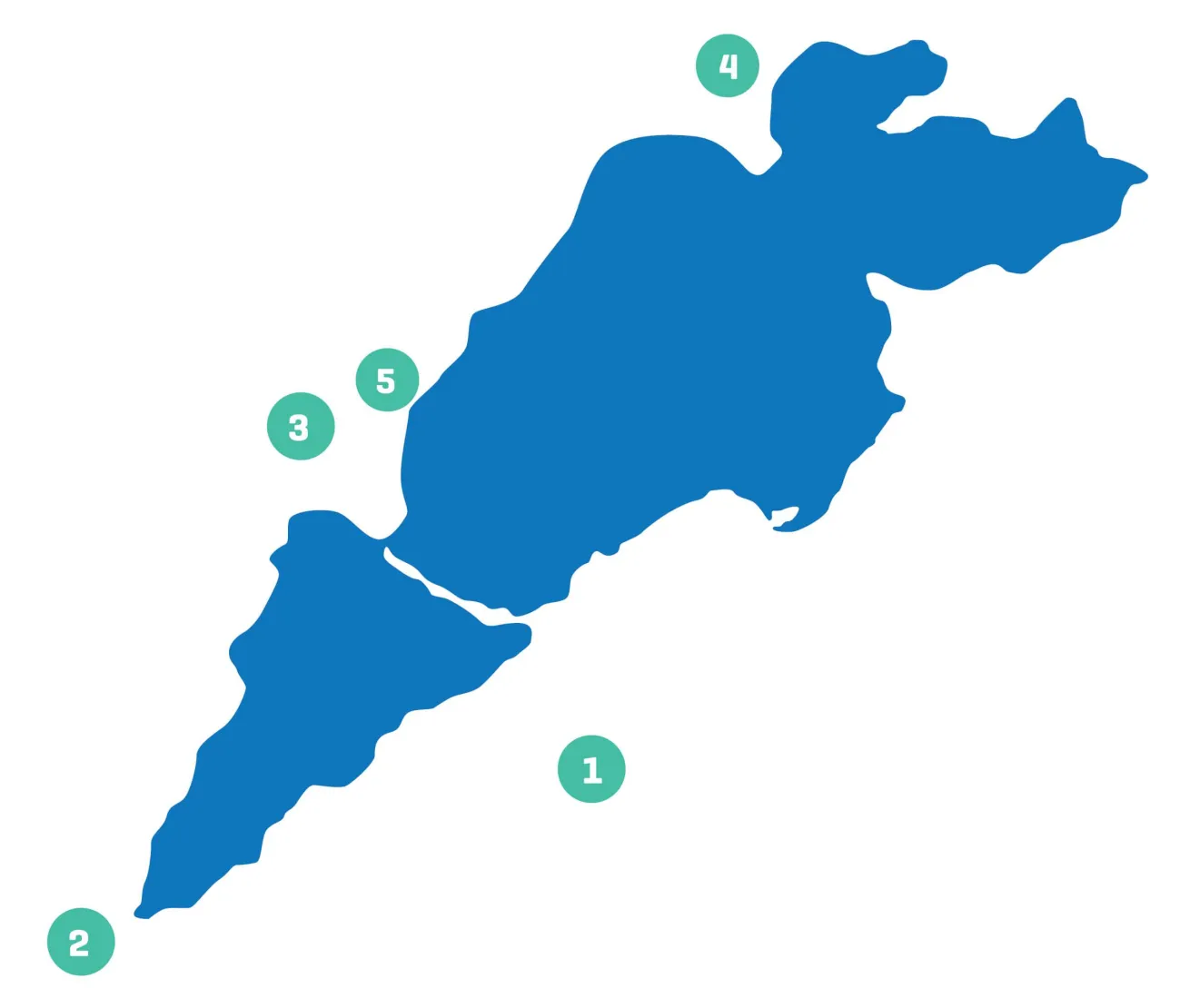
Best Dive Sites in Guanaja, Honduras
1 Jado Trader
2 West End Point
3 Fantasy
4 Black Rock Canyon
5 Pinnacle
Although occasionally present on other Bay Islands, the silversides seem to be most abundant and consistent at Guanaja. “The silversides in Jado Trader and [dive site] Fantasy are year-round, which is pretty awesome,” Power says. “It’s mesmerizing to watch them pulse.”
For those willing to navigate the journey, Guanaja rewards with unparalleled tranquility and unique dive opportunities not found on the other Bay Islands.
Frequently Asked Questions Diving Guanaja
GETTING THERE
Fly to Guanaja (GJA) from La Ceiba (charter or domestic connection), or take a limited ferry from Roatán or Trujillo.
WHERE TO EAT
Mi Casa Too offers top-quality typical island food in a cool setting. Graham’s Place has delicious lunch and dinner options.
MORE TO EXPLORE
Waterfalls and hikes to the island’s center offer topside fun. Nearby, explore Bonacca Cay, a unique canal village with waterways instead of streets—a Caribbean Venice. Mangrove Bight and Savannah Bight are quiet fishing hubs with local eats and island flavor. Otherwise, just sit back and relax.
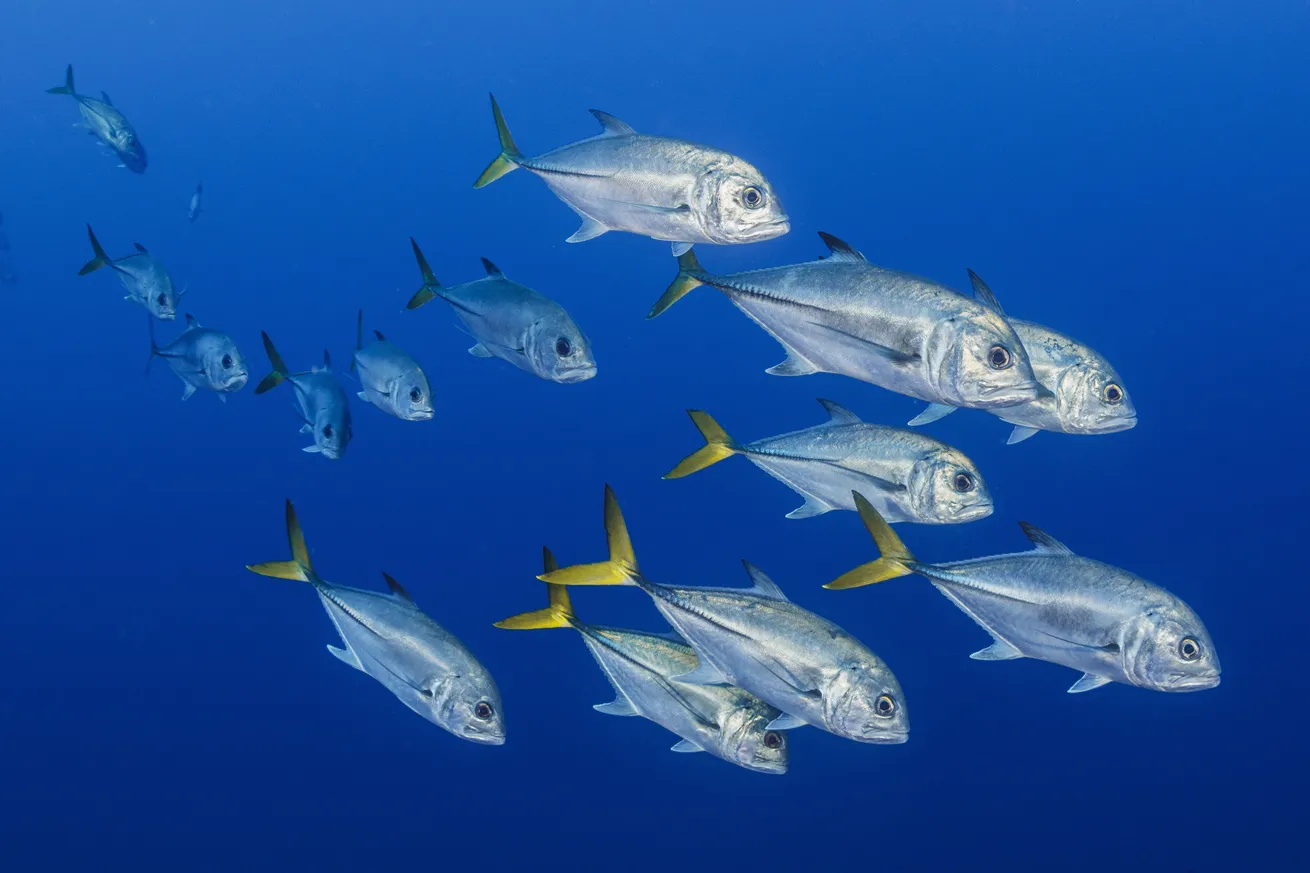
Brandon ColeA school of horse-eye jacks.
Diver's Guide to Cayos Cochinos
The 13-island archipelago Cayos Cochinos is privately owned and protected as a marine reserve. Access is restricted, requiring registration and a day-use fee that costs around $20 USD.
Getting here also requires effort. Most visitors charter a private boat from Utila or Roatán. A few dive shops offer weekly trips, and there are some limited options for overnight stays.
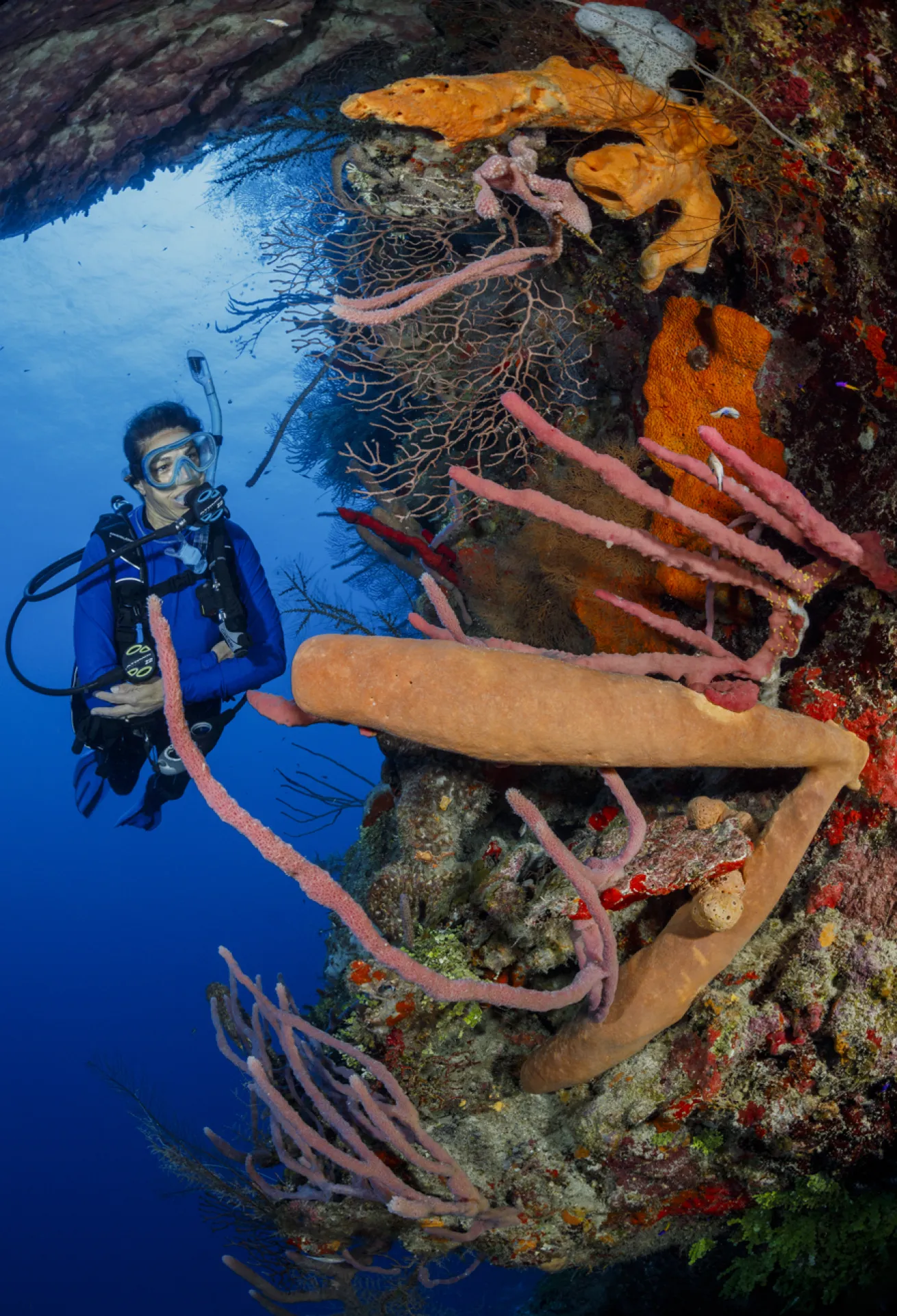
Brandon ColeA diver fins along colorful wall covered in invertebrates.
The reward for these efforts is an exclusive, tranquil experience with secluded beaches and pristine reefs. The tiny Garifuna fishing village on Chachahuate Cay offers a glimpse of simpler life. Formerly a fishing camp, residents here now sell fried fish and lobster to visitors.
Cayos also pays off underwater, with world-class diving on thriving reefs. Roatán Banks, a seamount 6 miles off Cayo Grande, boasts sweeping currents that are exciting for advanced divers and draw schooling fish and large pelagics.
Related Reading: 5 Destinations for Swimming With Whales
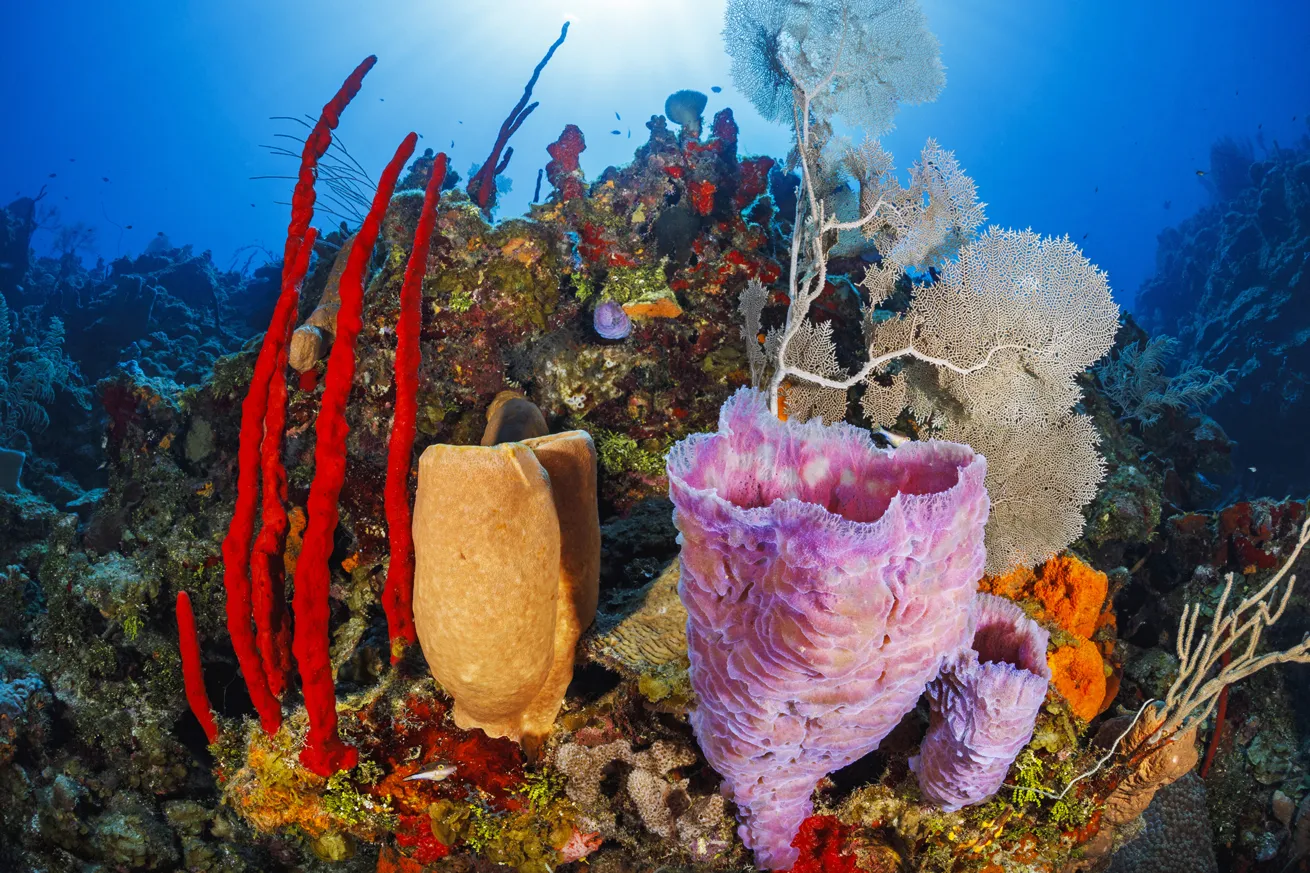
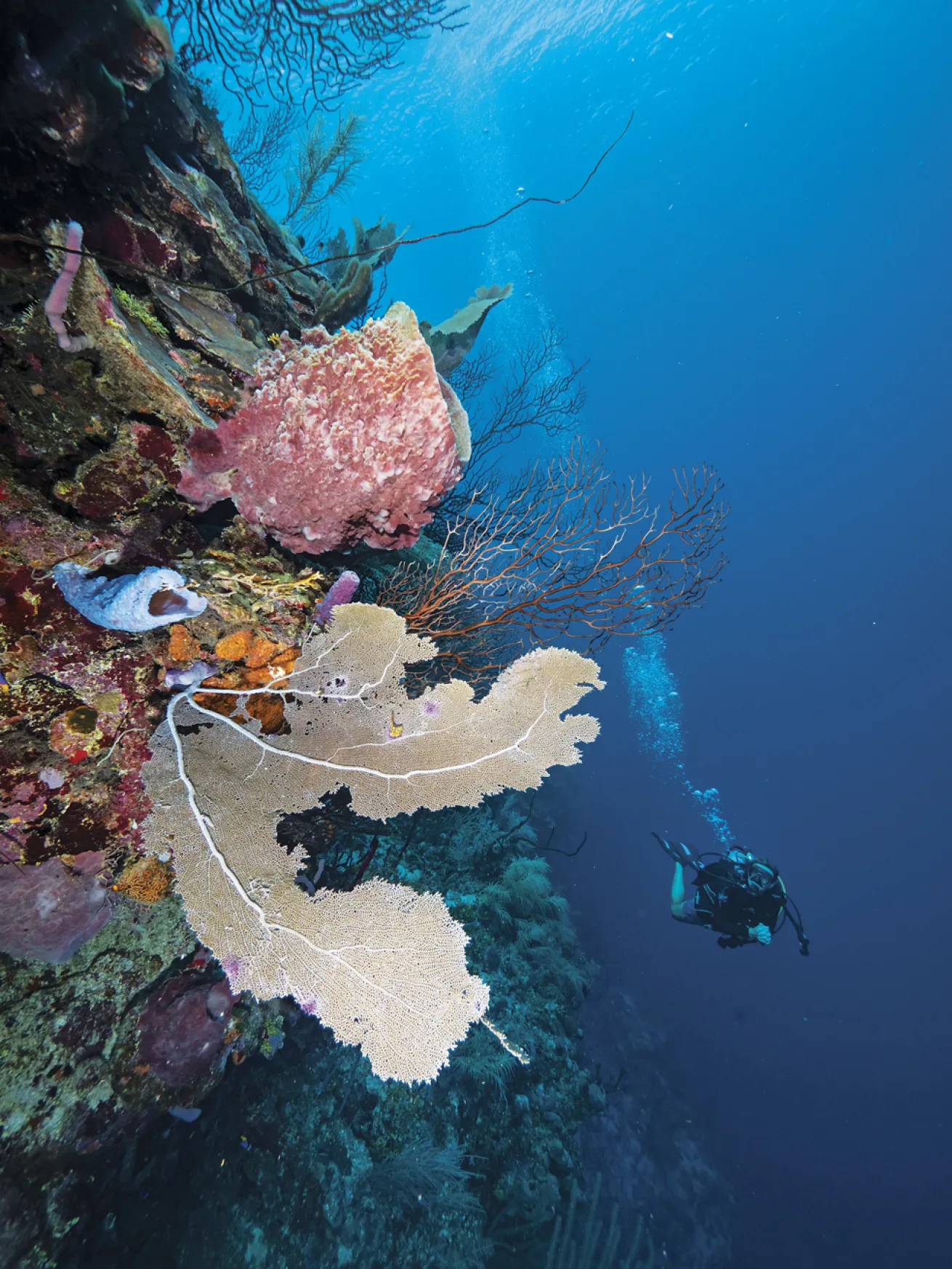
Brandon ColeSponges and sea fans grow along a current-swept wall at about 80 feet
Nearby, Lionshead offers a labyrinth of swim-throughs and coral heads to explore. Parrotfish, overfished on other islands, still dot these reefs. The site takes its name from a nearby underwater volcanic formation that resembles a lion.
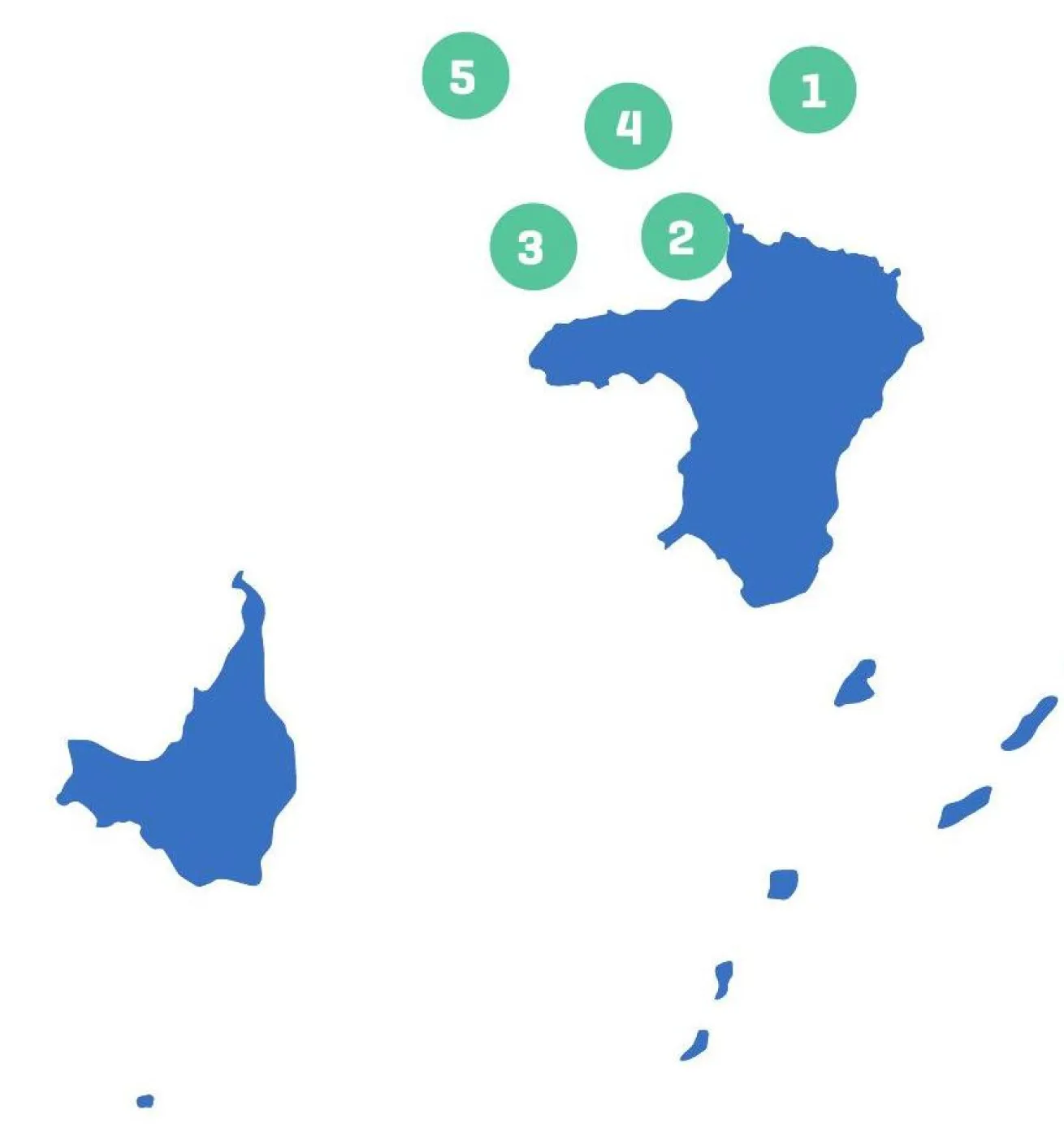
Best Dive Sites in Cayos Cochinos, Honduras
1 Roatán Banks
2 Lionshead
3 Pelican Point
4 CJ’s Garden
5 Las Mariposales
Pelican Point delivers a classic wall dive. Massive barrel sponges cling to the wall, while schools of blue chromis swirl past and large grouper patrol the scene.
Frequently Asked Questions Diving Cayos Cochinos
GETTING THERE
Day trips from La Ceiba (Sambo Creek) or charters from Roatán or Utila. There are no regular ferries.
WHAT TO EAT
Eat lunch at the Garifuna village on Chachahuate. It’s not a restaurant; the menu is beans and rice, chicken or fried fish, fried plantains with red tomato sauce and a coconut.
WHERE TO EXPLORE
Hiking and beaches are superb! Explore the trails, and watch for the unique pink boa on Cayo Grande. The island acts as a sanctuary for this rare reptile.
Garifuna village visits also offer cultural immersion, music and dancing, and traditional crafts.
Tiffany Duong
THE REBEL REEF
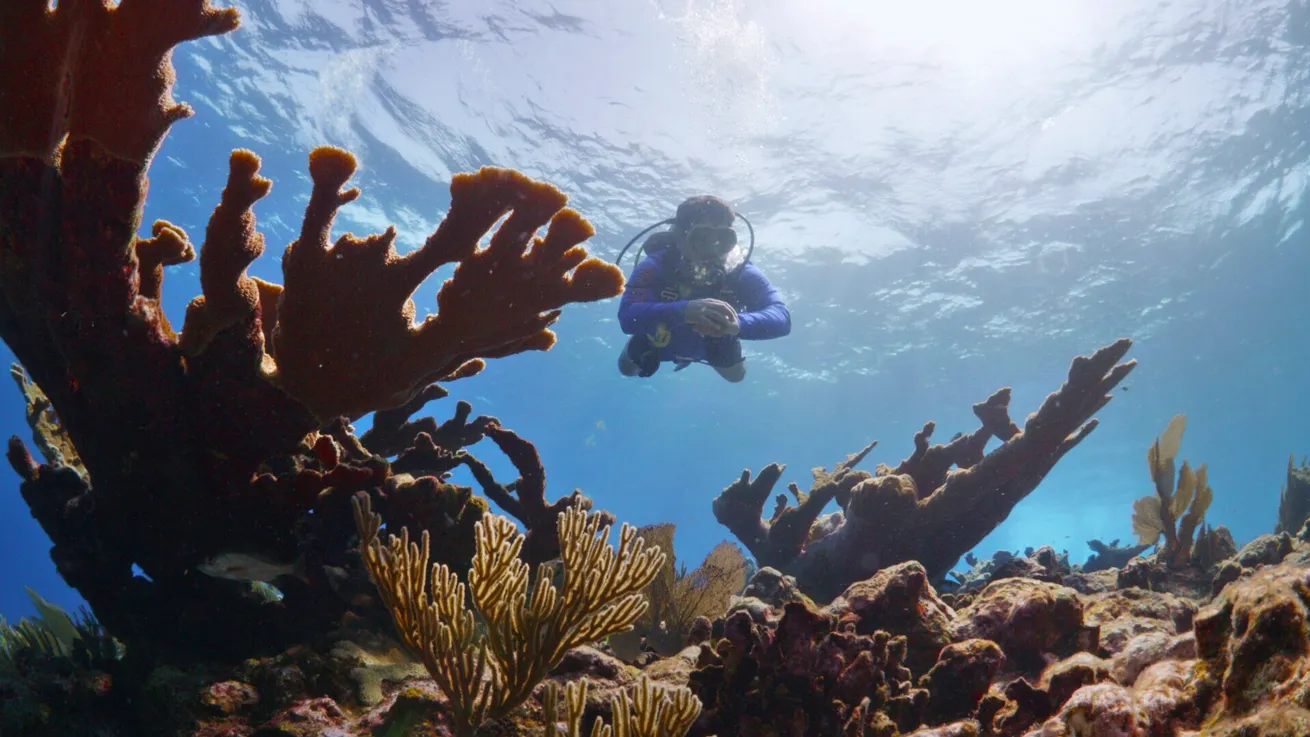
In 2025, the author produced an award-winning short documentary about a mysterious coral reef off nearby mainland Honduras. Despite 100-plus years of pollution, the corals defy the odds and science. The Rebel Reef follows Tela’s first divemaster, Christian, as he finds inexplicable resilience in this ecosystem and in himself.
Click here to learn more about the film!


