

Big animals — we're talking whales, manta rays and sharks — roam the Eastern Pacific waters off Mexico’s Revillagigedo Archipelago, otherwise known as the Socorro Islands. David Valencia, former divemaster and photo pro for the Solmar V live-aboard, is fortunate to dive and photograph in these islands throughout the year. The result? An astonishing and gorgeous collection of big-animal images, as this gallery shows. For more of David's work, check out david-valencia.com
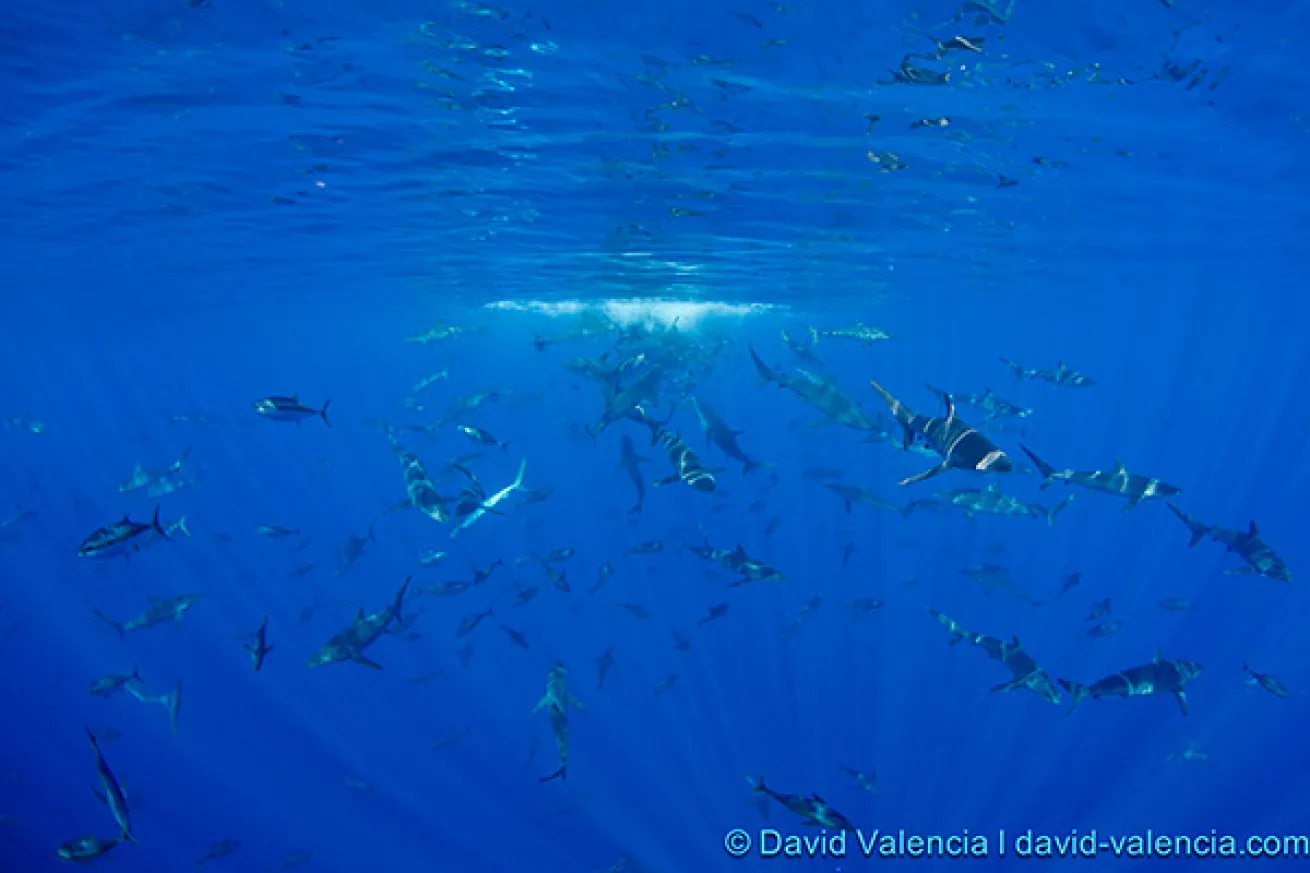
David ValenciaEncountering sharks and marine mammals in the Socorros is blue-water diving.
The Socorros — properly known as the Revillagigedo Islands — are a group of four small volcanic islands 370 miles off Mexico's western coast in the eastern Pacific Ocean. The islands, which together were named a UNESCO World Heritage Site, are magnets for big-animal encounters. The islands are sometimes referred to as Mexico's "little Galapagos."
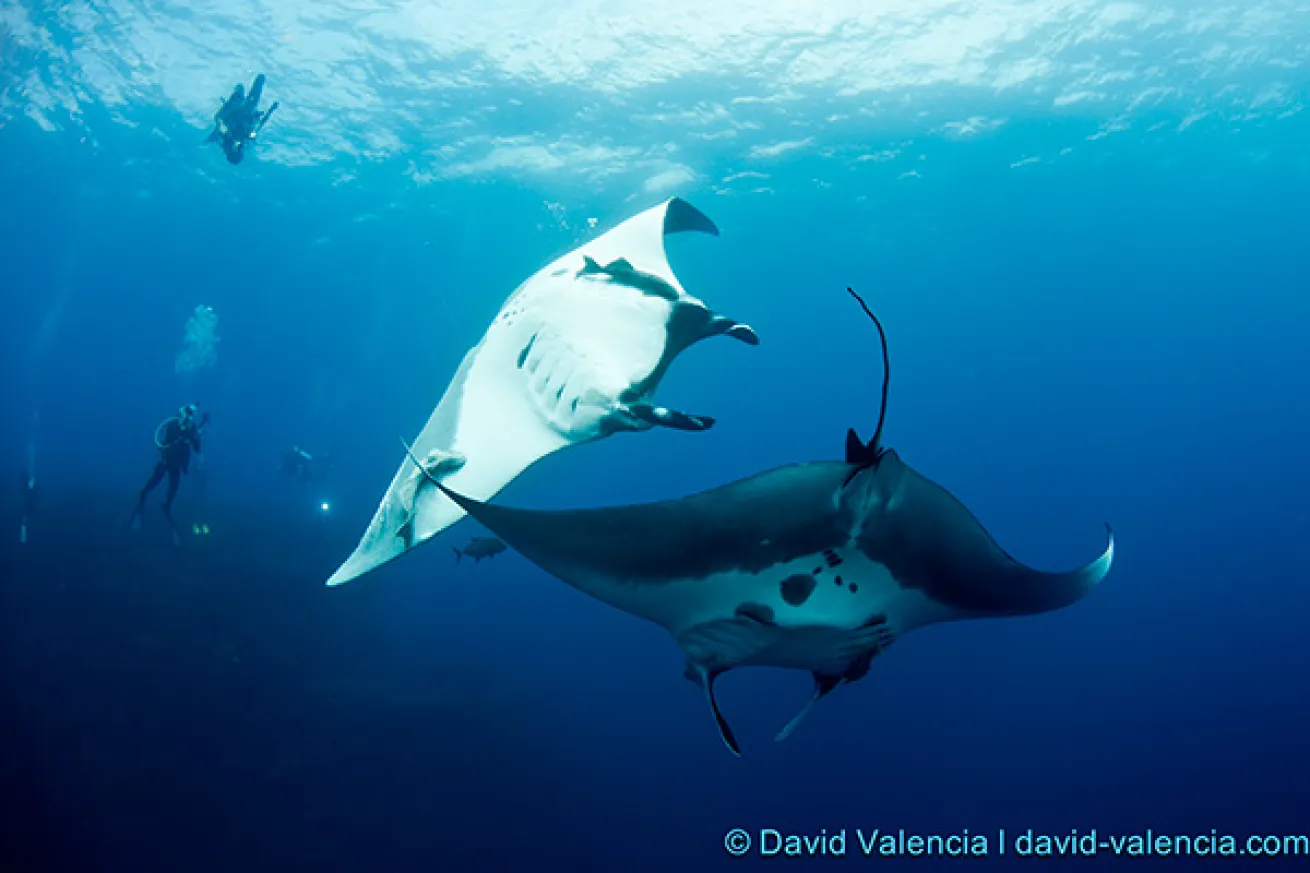
David ValenciaThe Boiler, Isla San Benedicto
San Benedicto — one of the four islands comprising the chain — is known for manta rays and hammerhead shark encounters. It is the third-largest island in the chain and is uninhabited.
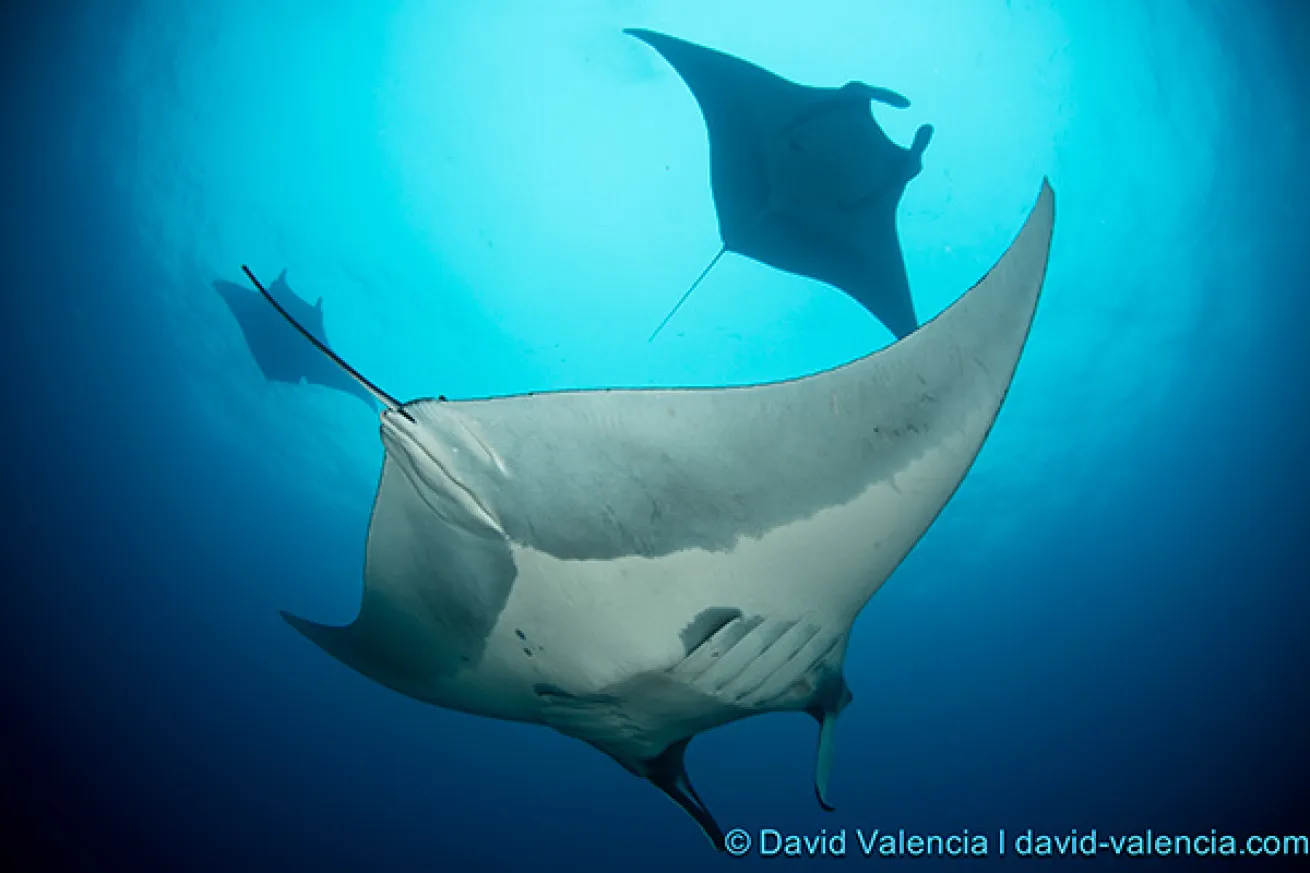
David ValenciaCabo Fear, Isla San Benedicto
The best months to visit are between November and May when the weather and seas are calmer.
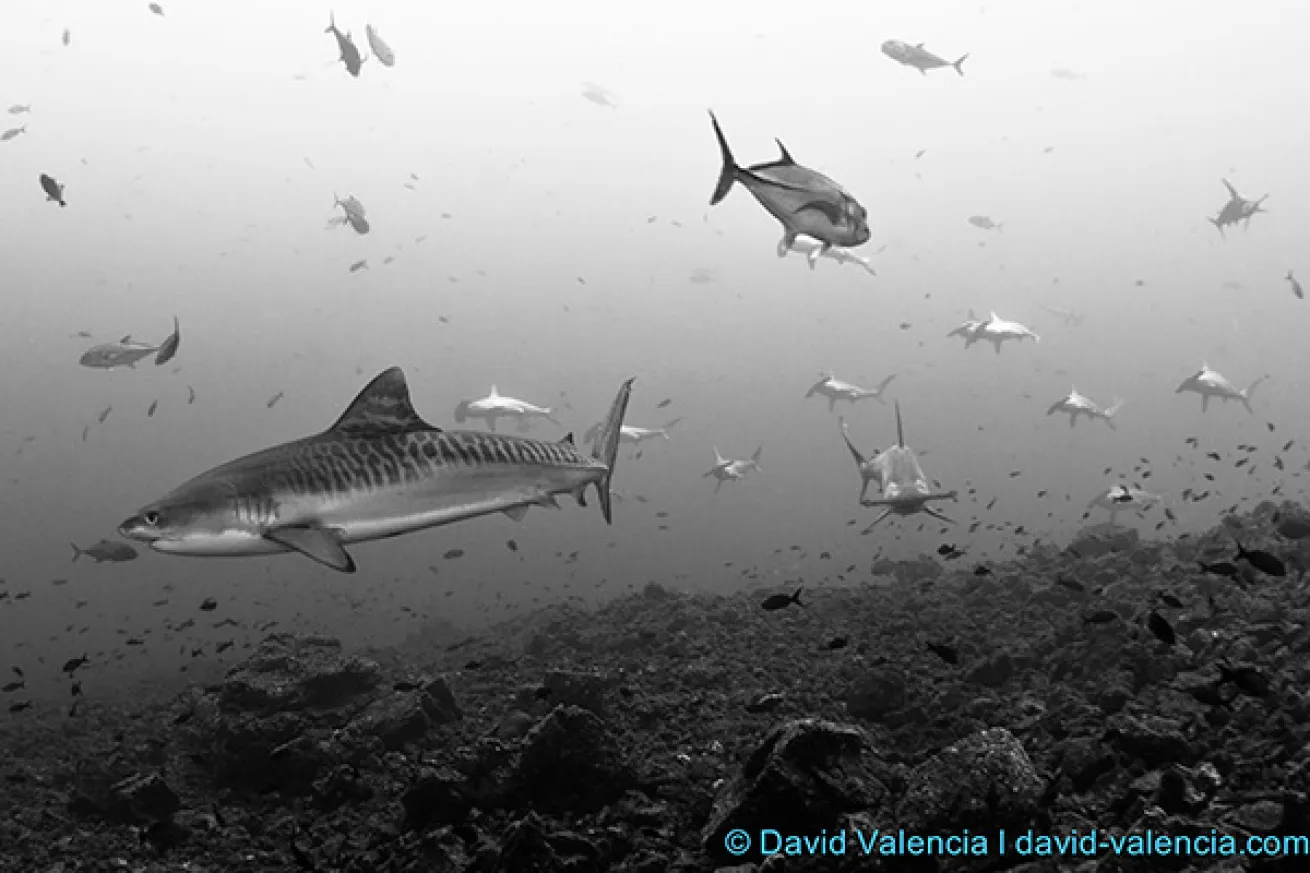
David ValenciaEl Canyon, Isla San Benedicto
Besides San Benedicto Island and Socorro Island, the other two islands in the chain are Roca Partida and Clarion. The Socorro islands are also home to a large population of humpback whales, that come here to breed and calve.
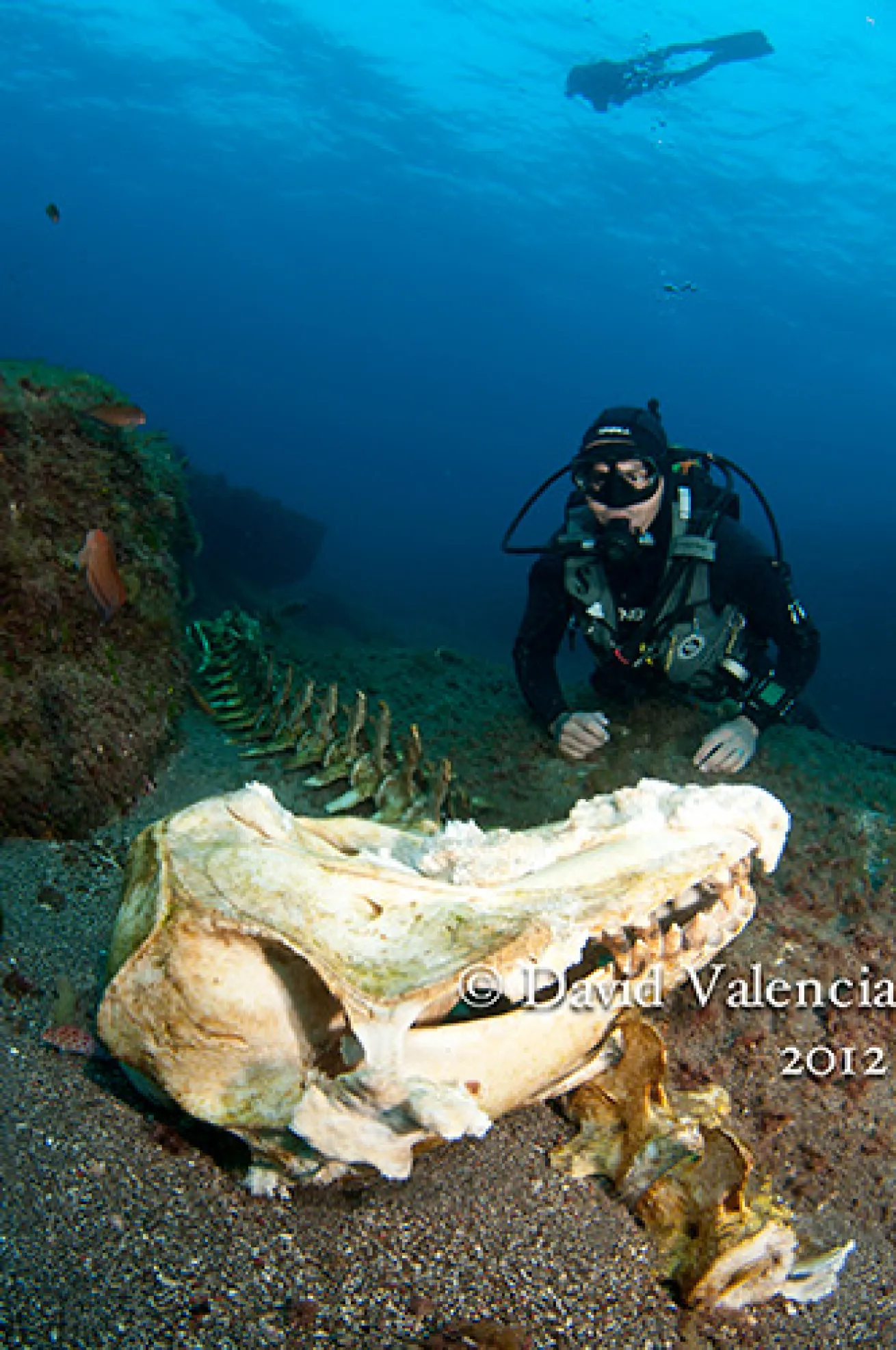
David ValenciaLas Cuevas, Isla San Benedicto
Las Cuevas is where Solmar V crew conduct checkout dives, where guests can sort out weighting and gear issues. There's plenty to see, including some small caves where whitetip sharks like to nap.
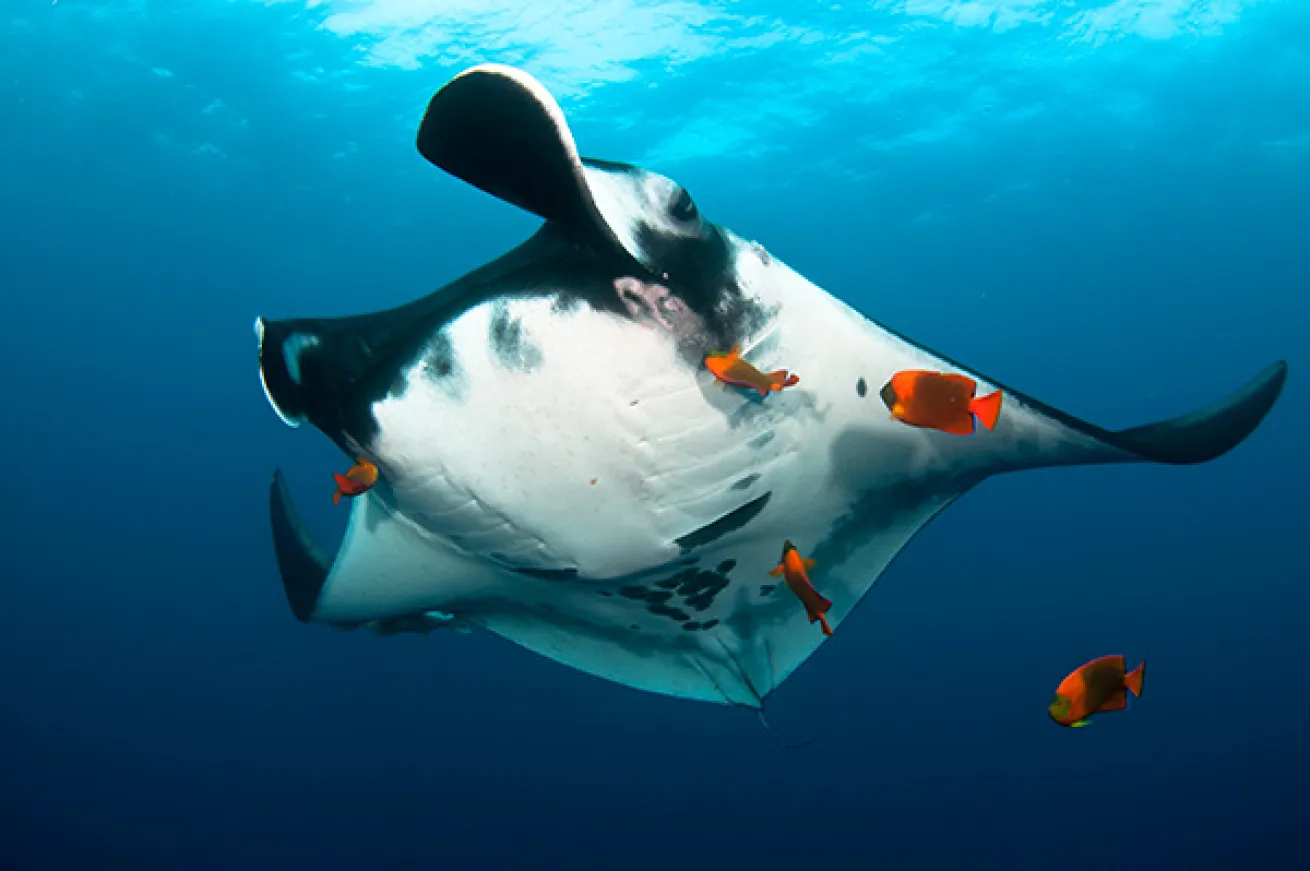
David ValenciaThe sloping ridge at Cabo Pierce, Isla Socorro, attracts all manner of marine life.
Brightly colored clarion angelfish are the cleaner fish that remove the parasites on giant Pacific mantas.
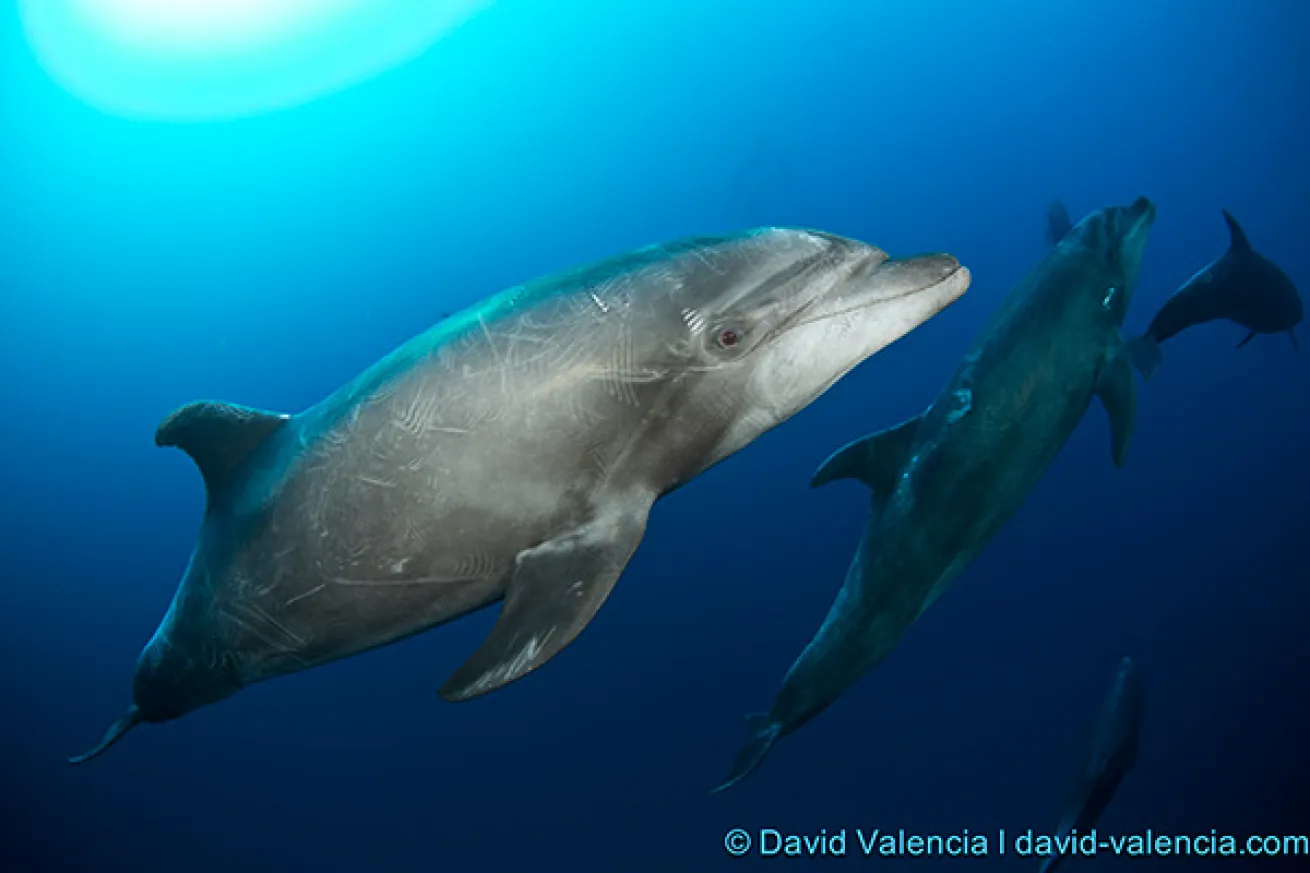
David ValenciaPunta Tosca, Isla Socorro
Dolphins also favor these productive waters, and are fairly reliable during the months of April and May. They're often found in pods of up to 20 animals.
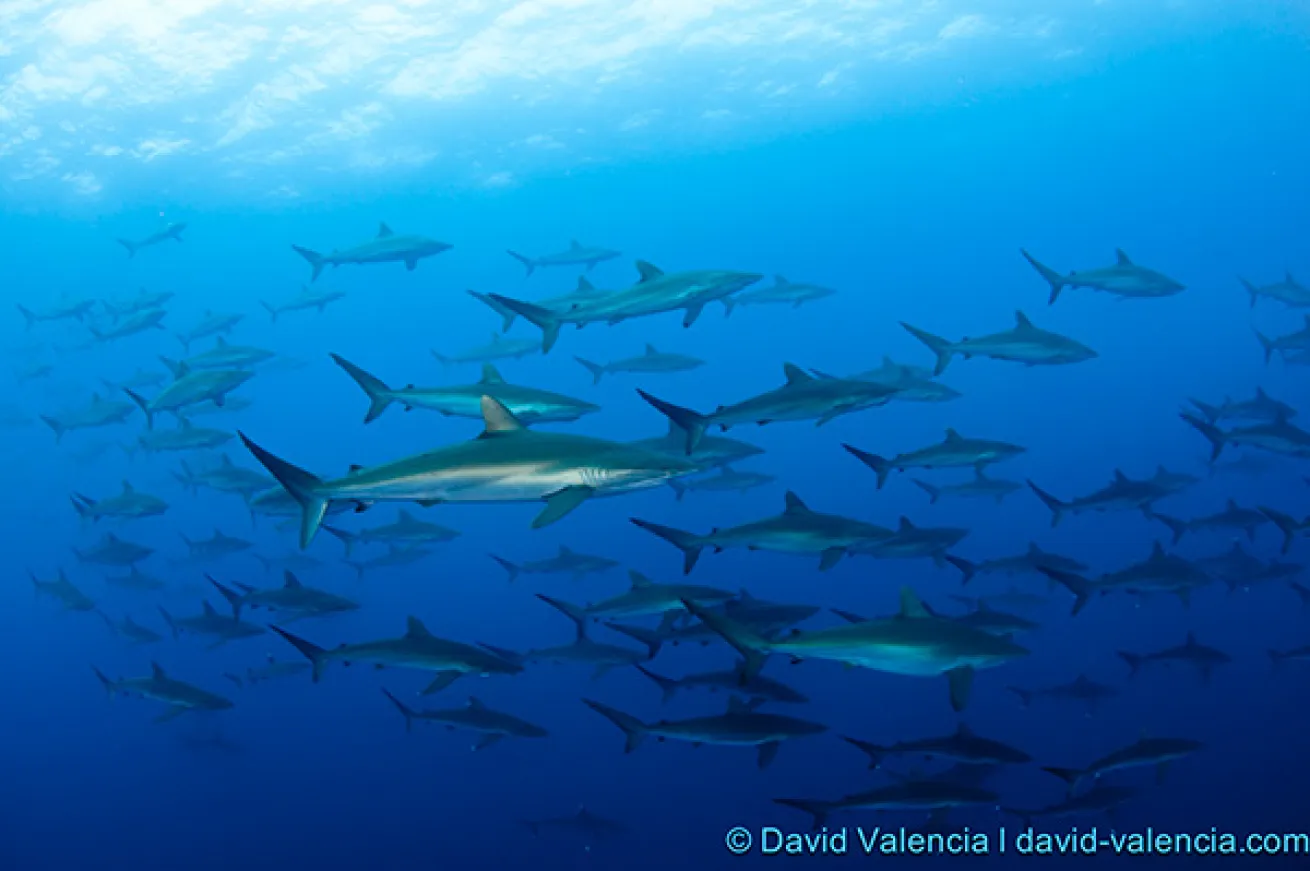
David ValenciaRoca Partida
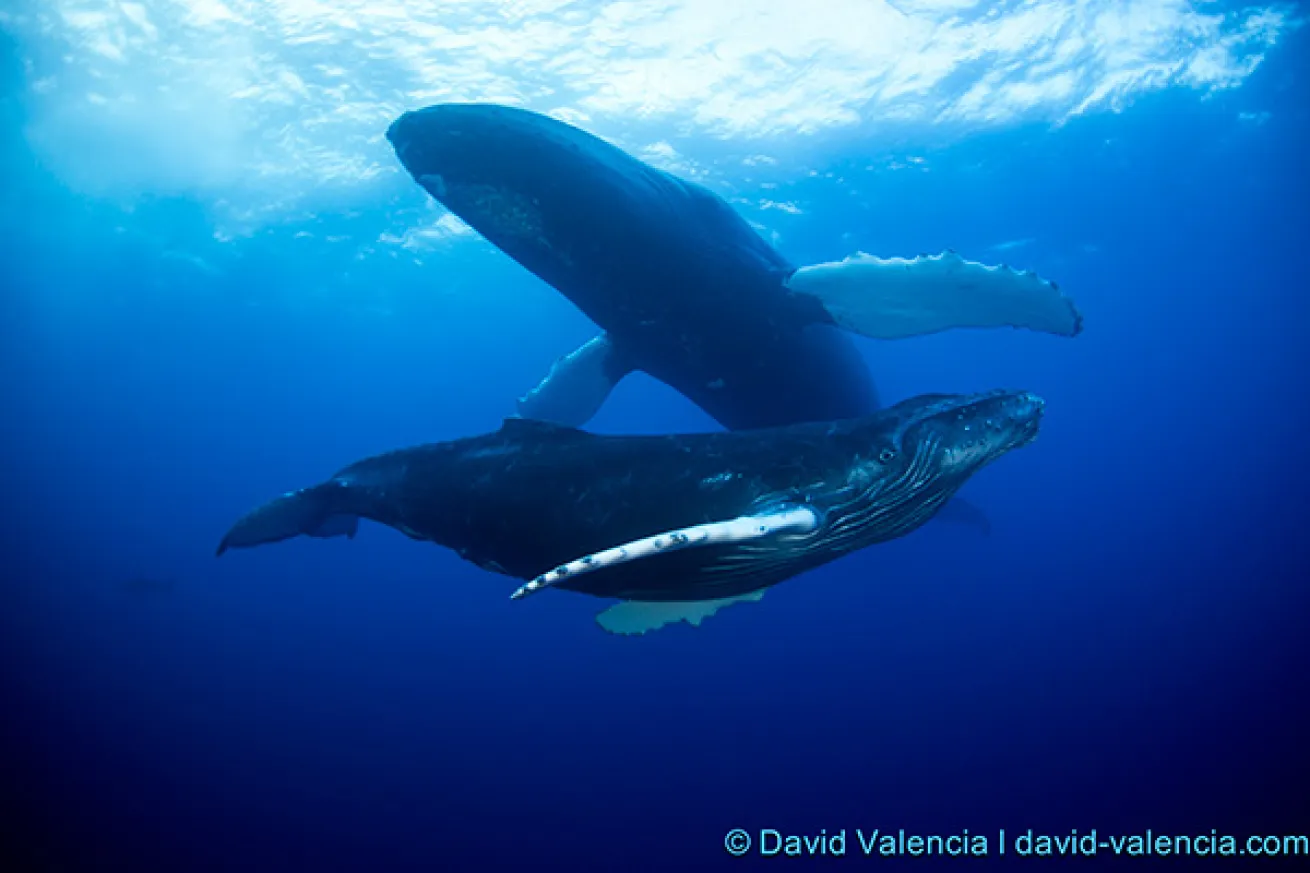
Humpback whales make their annual migration to the chain in early January. They travel thousands of miles from their summertime feeding grounds in Alaska and Canada. Plan a trip to Socorros during this time of year and you'll hear their distinctive songs on every dive.
David ValenciaRoca Partida
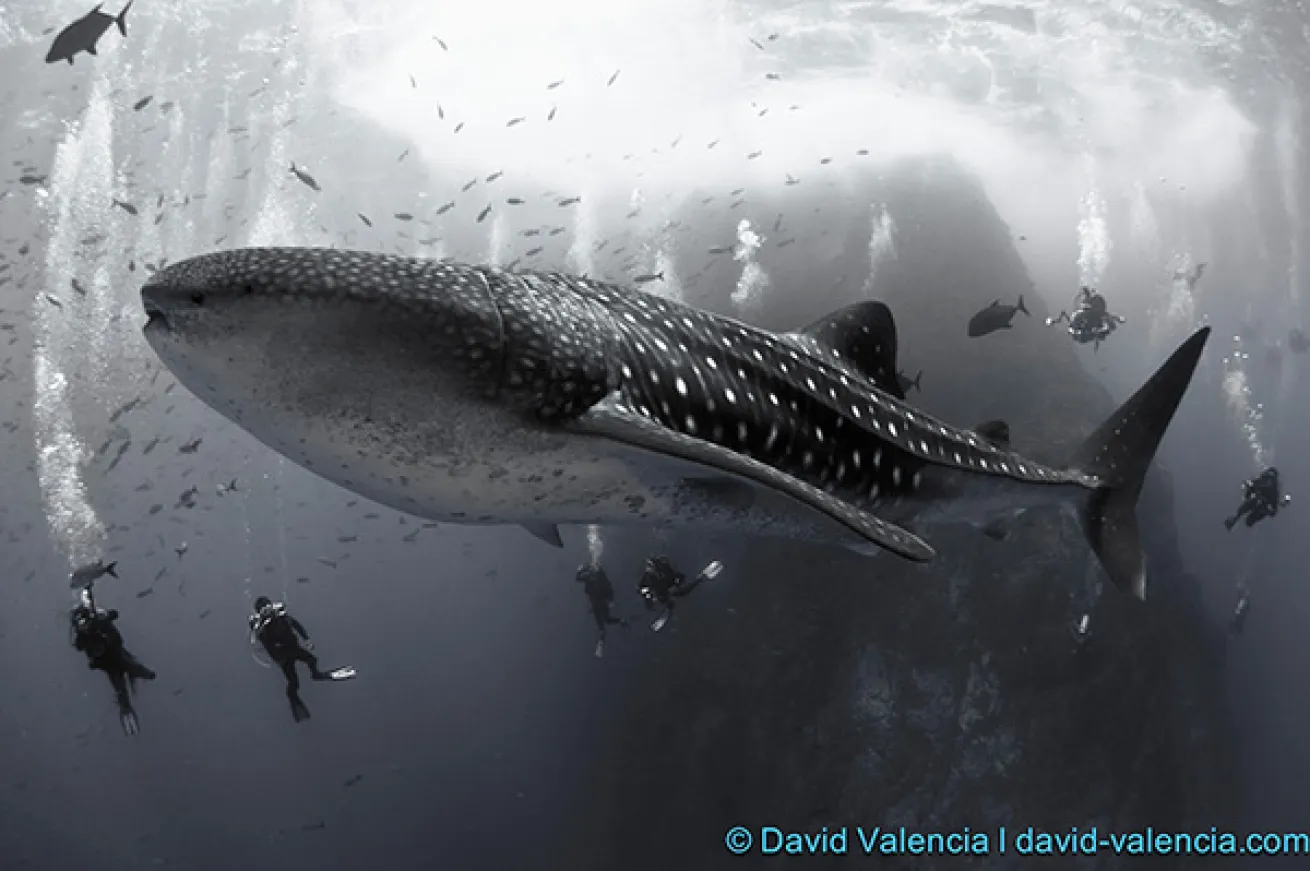
Whale sharks are most commonly found here in late fall or early winter.
David ValenciaRoca Partida


