

Images and Stories/Alamy
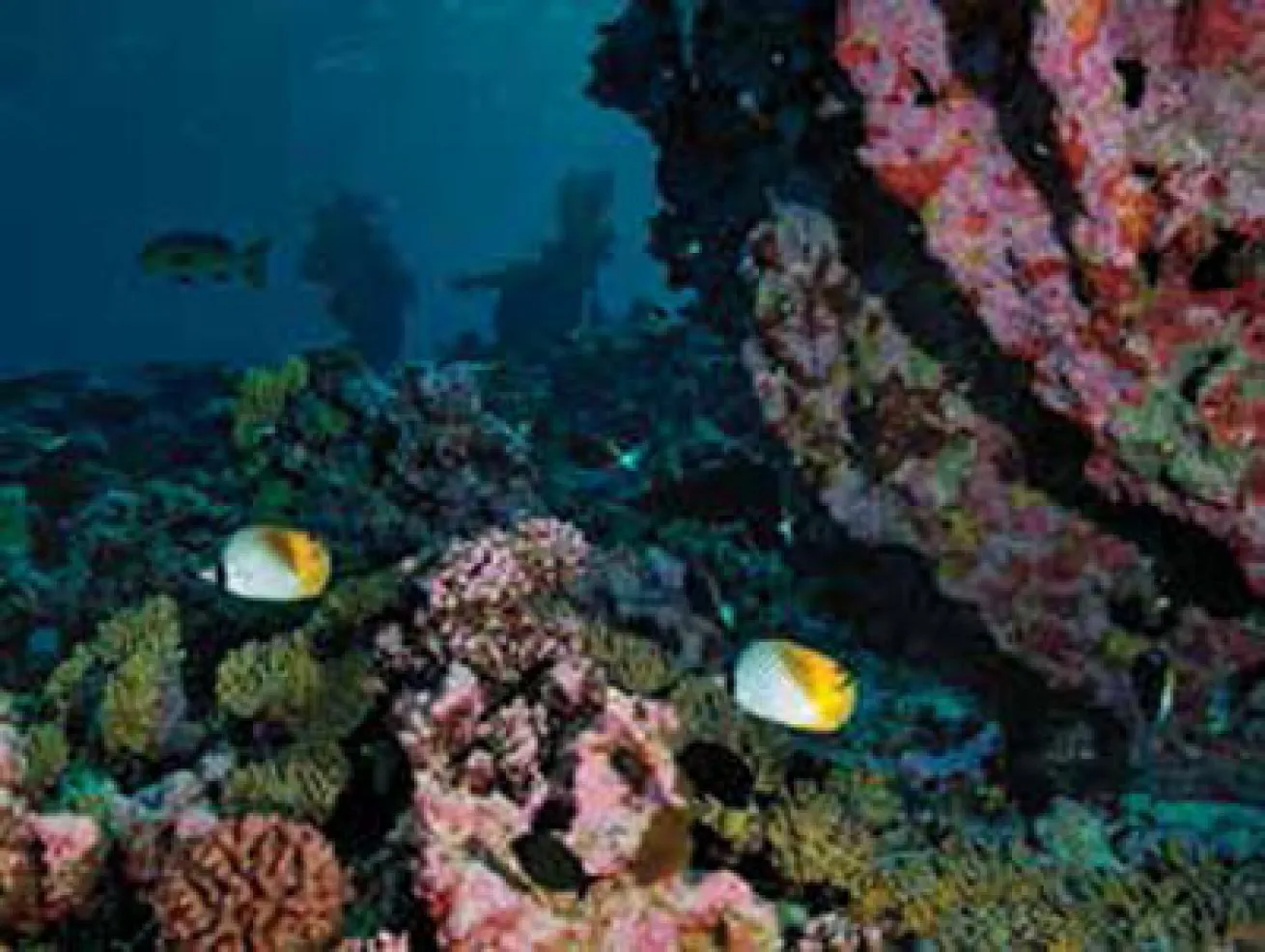
Conservationists have been marshaling support for President Barack Obama’s proposal to expand the Pacific Remote Islands Marine National Monument, from almost 87,000 square miles to nearly 782,000 square miles — all of it adjacent to seven islands and atolls controlled by the United States. Fishing, energy exploration and other activities would be prohibited. The new boundaries would make it the world’s largest marine sanctuary.
“I’m going to use my authority to protect some of our nation’s most precious marine landscapes,” Obama said in a video to participants at a State Department conference in June.
Presidential authority to protect America’s special places has been used in the past. Ulysses S. Grant established the country’s first national park — Yellowstone — in 1872, and Theodore Roosevelt named the Grand Canyon a monument in 1908. George W. Bush created four marine monuments, including the one that Obama plans to expand. “This is a big deal,” Bush said at the time.
It’s about to become an even bigger deal. “The expansion would safeguard nearly 250 seamounts, which are hot spots for biodiversity, likely containing thousands of yet undiscovered species,” said Michael Conathan, director of ocean policy at the Center for American Progress.
Opposition to the expansion has come mainly from the fishing industry. “Expanding the monuments will sever local fishermen’s access to these resources and, in turn, strain the island communities that depend on the Pacific for their livelihoods,” the Western Pacific Regional Fishery Management Council said.
But Conathan says the perception that fishermen will suffer significant financial losses is incorrect. “The reality is that, on average, the longline tuna fleet catches only about 5 percent of its fish in this region,” he said.
The greatest challenge might be in enforcing fishing prohibitions. “Current enforcement is done via regular patrols by U.S. Coast Guard vessels and aircraft, as well as satellite monitoring, to ensure that foreign vessels are not fish- ing illegally in waters that remain open to American fishermen,” Conathan said. “Monument expansion might actually make their job easier in some ways. If all fishing is banned, the Coast Guard would no longer have to differentiate between domestic and foreign fishing vessels.”


