

Punch up your scuba diving in the Pacific and Indian oceans with a black-water plunge, electrifying shark feed, thrilling wreck exploration and more. We've compiled a list of its top 10 best daring dives. So once you're done splashing around in the kiddie pool, take on these dives ... if you dare.
Love scuba diving with sharks? So do we. Visit the Sharks section of our website.
1. Dirty Rock | Cocos Island, Costa Rica
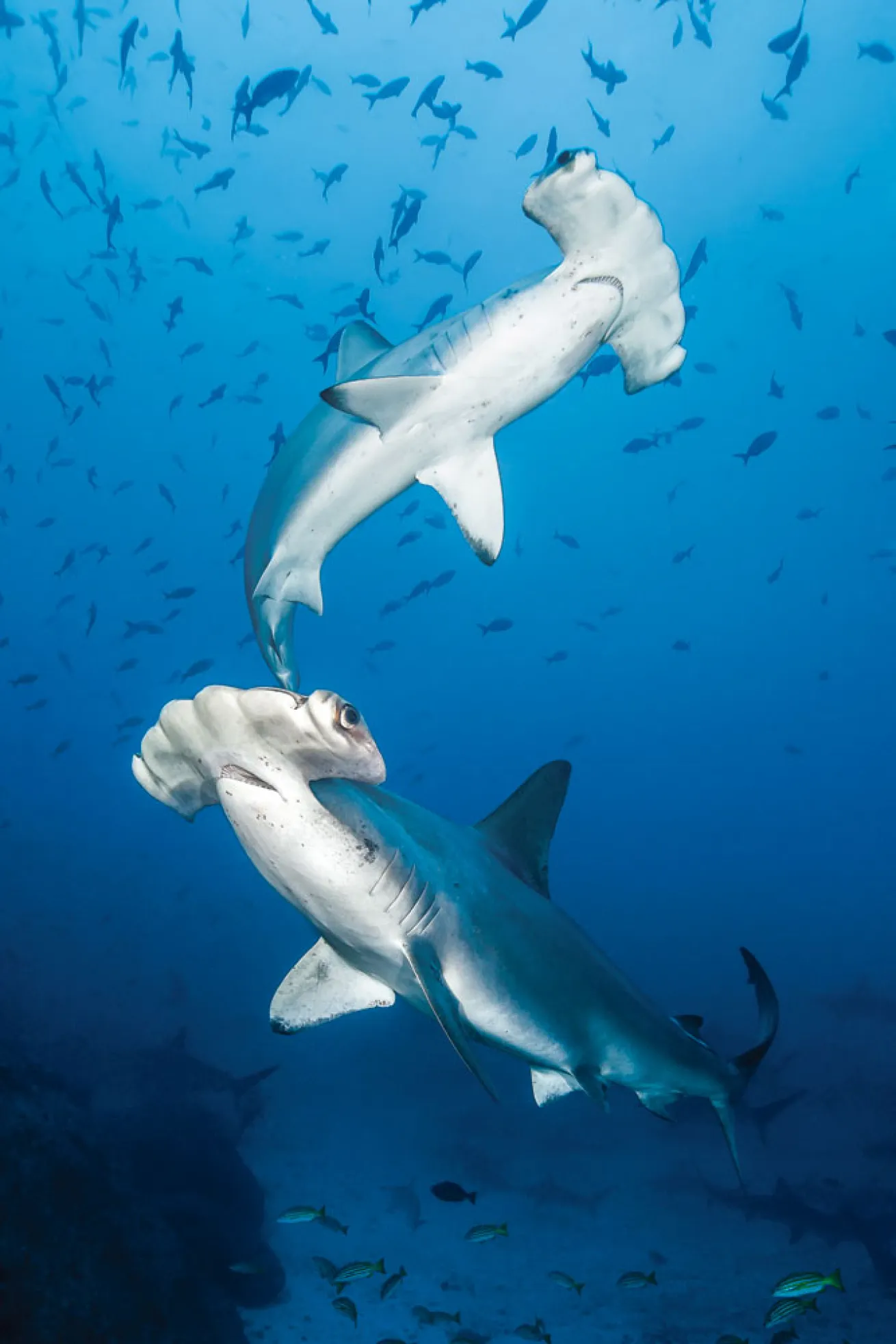
Allison Vitsky SallmonDirty Rock | Cocos Island, Costa Rica
“I can’t tell you how many times I’ve seen billfish at this site,” Wayne Hasson, president of the Aggressor Fleet, says of Dirty Rock. The eastern Pacific site, visited weekly by Okeanos Aggressor, is so named for the bird droppings that coat the volcanic uprising. Descend to a comfortable depth, and this spot becomes only a reference point — the real action is at the next outcropping, Little Dirty Rock. The only route there is a swim over a gorge and through a down-current. “You’ve got to angle your body slightly upward and across at the same time,” says Hasson. But the rewards are many: jacks, hammerheads and other passers-by schooling in the thousands. aggressor.com
2. The Bistro | Beqa, Fiji
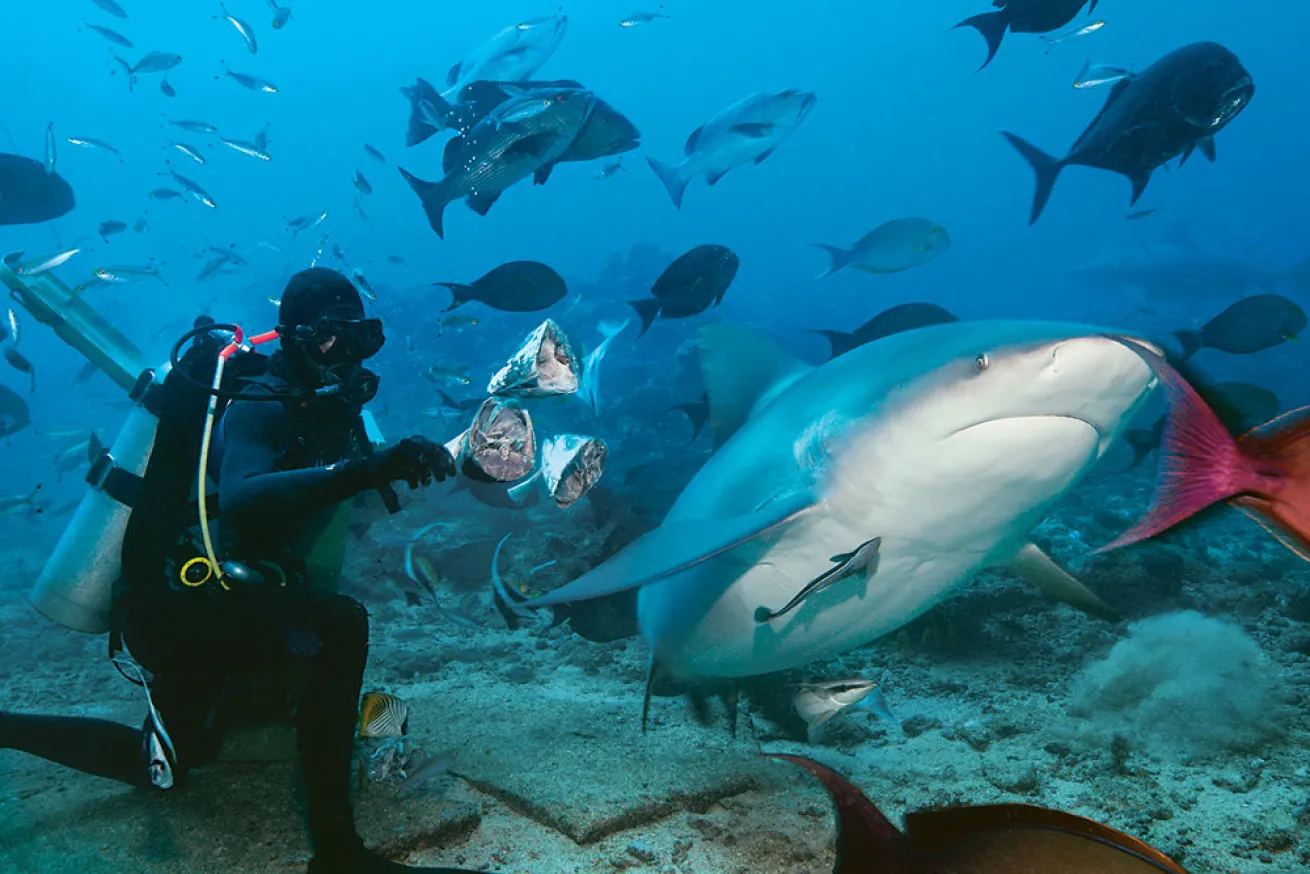
Waterframe/AlamyThe Bistro | Beqa, Fiji
“The challenge is what goes on in people’s minds,” says Brandon Paige of the South Pacific shark dive he started in 1999. Off the coast of Beqa, the Bistro is part of the regular cruising grounds for 12-foot bulls, 14-foot tigers, 9-foot lemons and a few other big species. So it’s no wonder that some first-timers deliberate before jumping in. “We go from people crying,” says the Aqua-Trek manager, “to guests asking if they can feed the tigers — they think they are trained, which they are not.” But at least Paige can give them good news. “The nerves are always gone after the first dive,” he says, and with his tours, nobody is sent away without a second. aquatrek.com
3. Loch Ard | Victoria, Australia
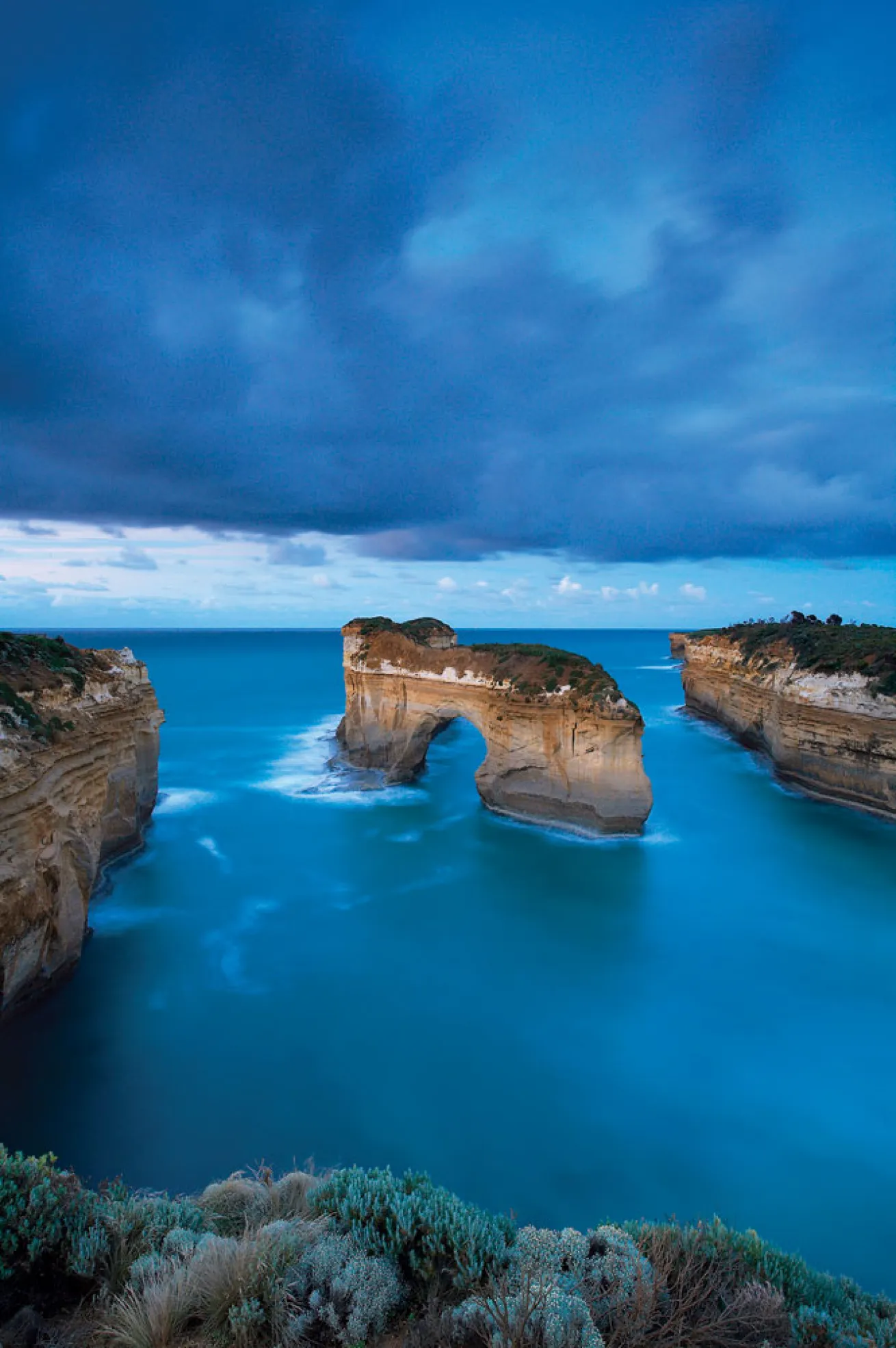
David Noton Photography/AlamyLoch Ard | Victoria, Australia
The scenery of Port Campbell National Park outside Melbourne, Australia, is pure drama. Sheer cliffs drop at right angles from overlooks. The crashing waves below mesmerize but also increase the difficulty factor of diving the wrecks of the Twelve Apostles Marine National Park. Of these, Loch Ard, a square-rigged iron sailing ship, is perhaps the most famous — and the most challenging due to dynamic conditions. Swell factors into every briefing. Linger over the sand at 82 feet, and if you don’t stay low, your body will wave like a flag. And there is much to linger over. Bottles, boilers, bilge pumps, anchors, a bowsprit and pieces of mast still litter the grounds. Among the wreck debris, the drama isn’t the profile of an intact ghostly vessel but the stories behind what remains. academyofscuba.com.au
4. Peleliu Corner | Palau
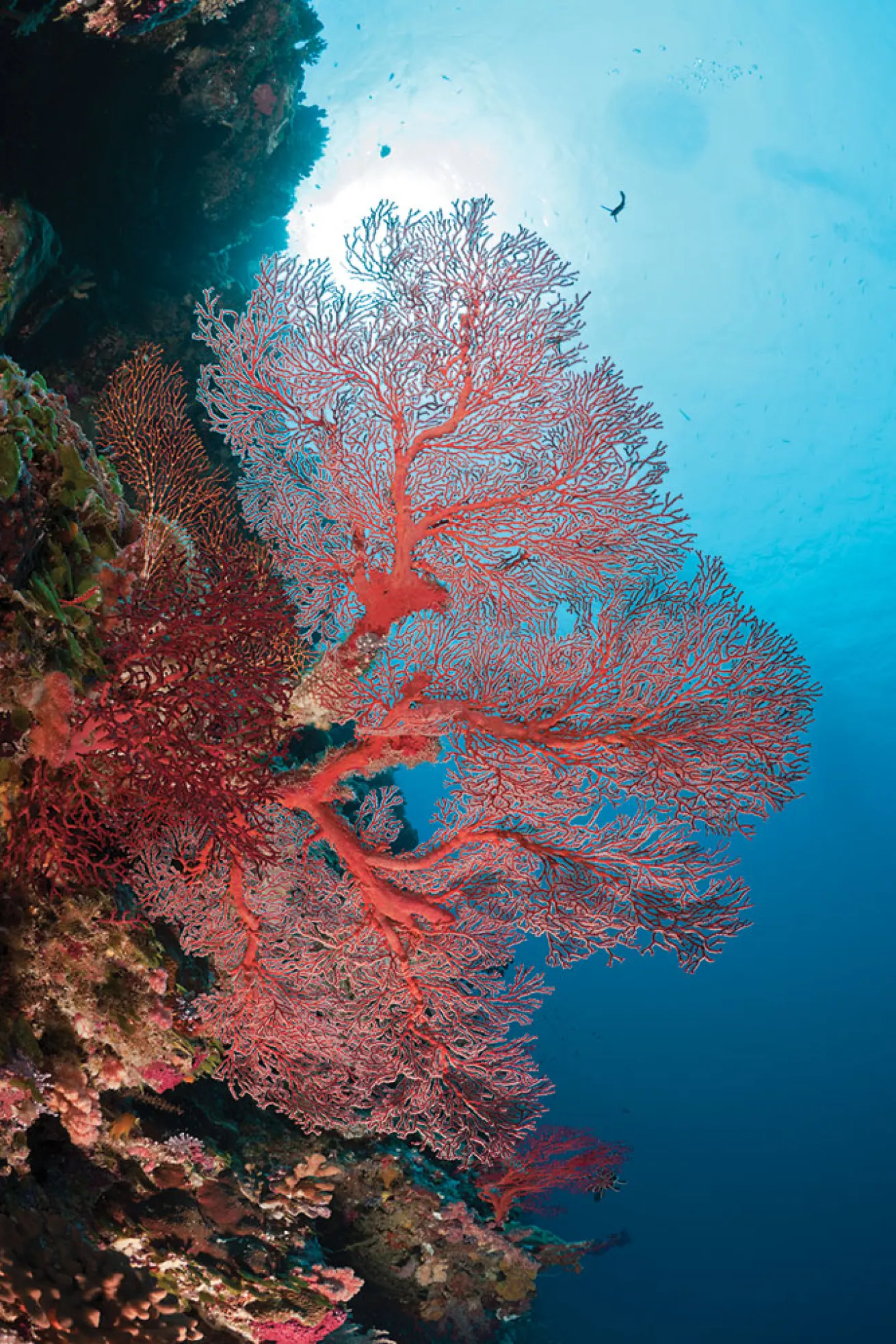
Reinhard Dirscherl/Ocean-photo.comPeleliu Corner | Palau
“Sometimes the current is so strong, reef hooks aren’t an option,” says Marcel Hagendijk. The manager/supervisor of Sam’s Tours is talking about Peleliu Corner, Palau’s most notorious — and often undivable — site. “If you get 40 minutes, you’re doing well,” he adds. Thanks to bottom topography and the convergence of two oceans here in the central Pacific, divers must contend with up and down currents. But the theme-park-worthy water ride explains the giant schools of trevally and barracuda, and four resident bull sharks. Hagendijk also reports seeing whale sharks, great hammerheads, blue marlin and sailfish. But with water, everything is fluid. Says Hagendijk: “Sometimes you hype the site, and there’s no current and no action. And sometimes it’s full-on, and it’s spectacular.” Sam's Tours
5. Rainbow Reef | North Male Atoll, Maldives
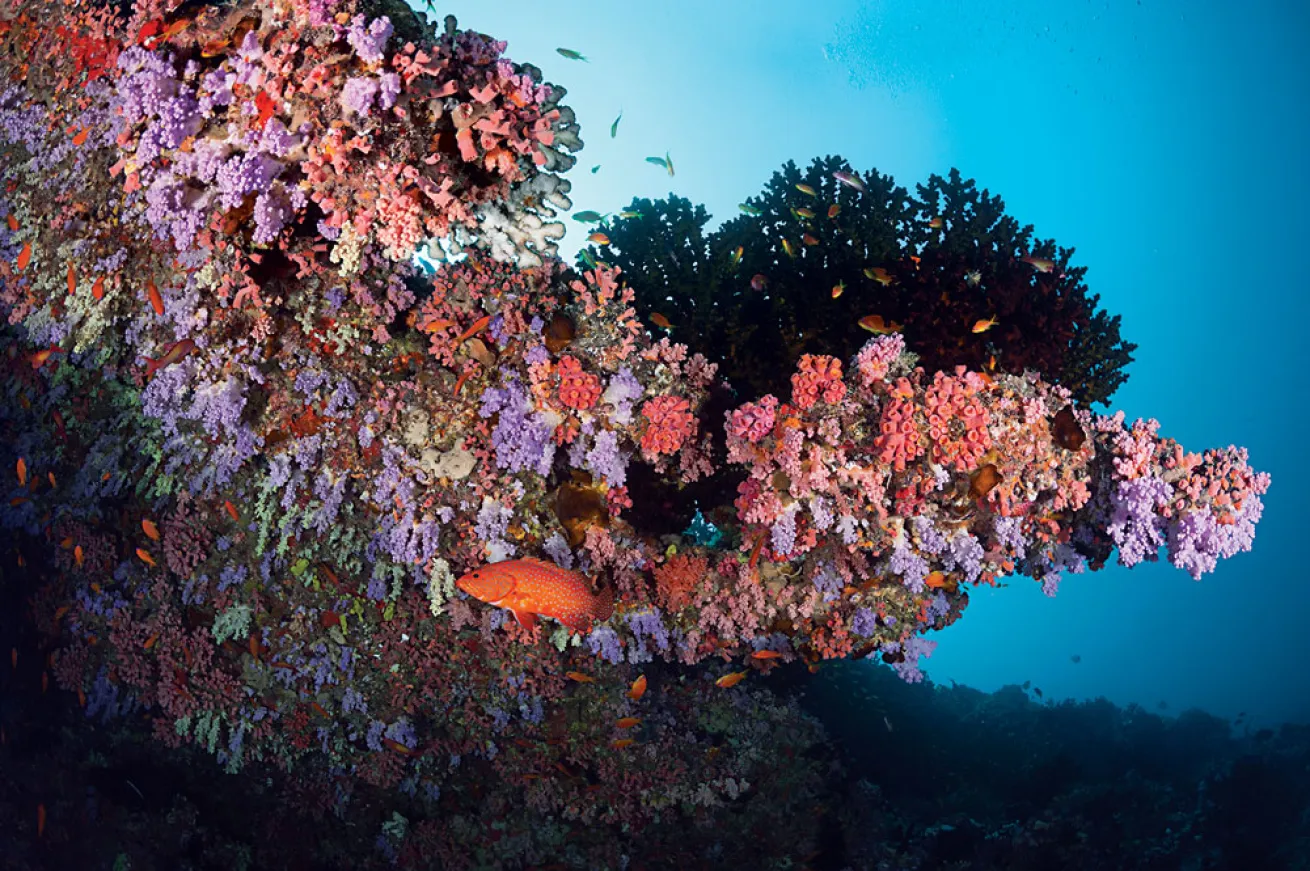
Doug PerrineRainbow Reef | North Male Atoll, Maldives
“We won’t take open-water divers here,” says Ahmed Nihad of Rainbow Reef, a sea mountain smack in the middle of a channel that’s also called HP Reef and Girifushi Thila. To time it just right, the lead instructor at the Four Seasons Kuda Huraa’s dive center coordinates tide changes, and gauges the flow once the boat reaches the site. It’s a hot drop, meaning that like skydivers, you leap with a target in mind. Then you see the spectacular colors. Says Nihad, “The whole reef is covered with red, blue, green and yellow corals — you’re getting every shade.” Four Seasons Maldives
6. Pelagic Magic | Kona, Hawaii
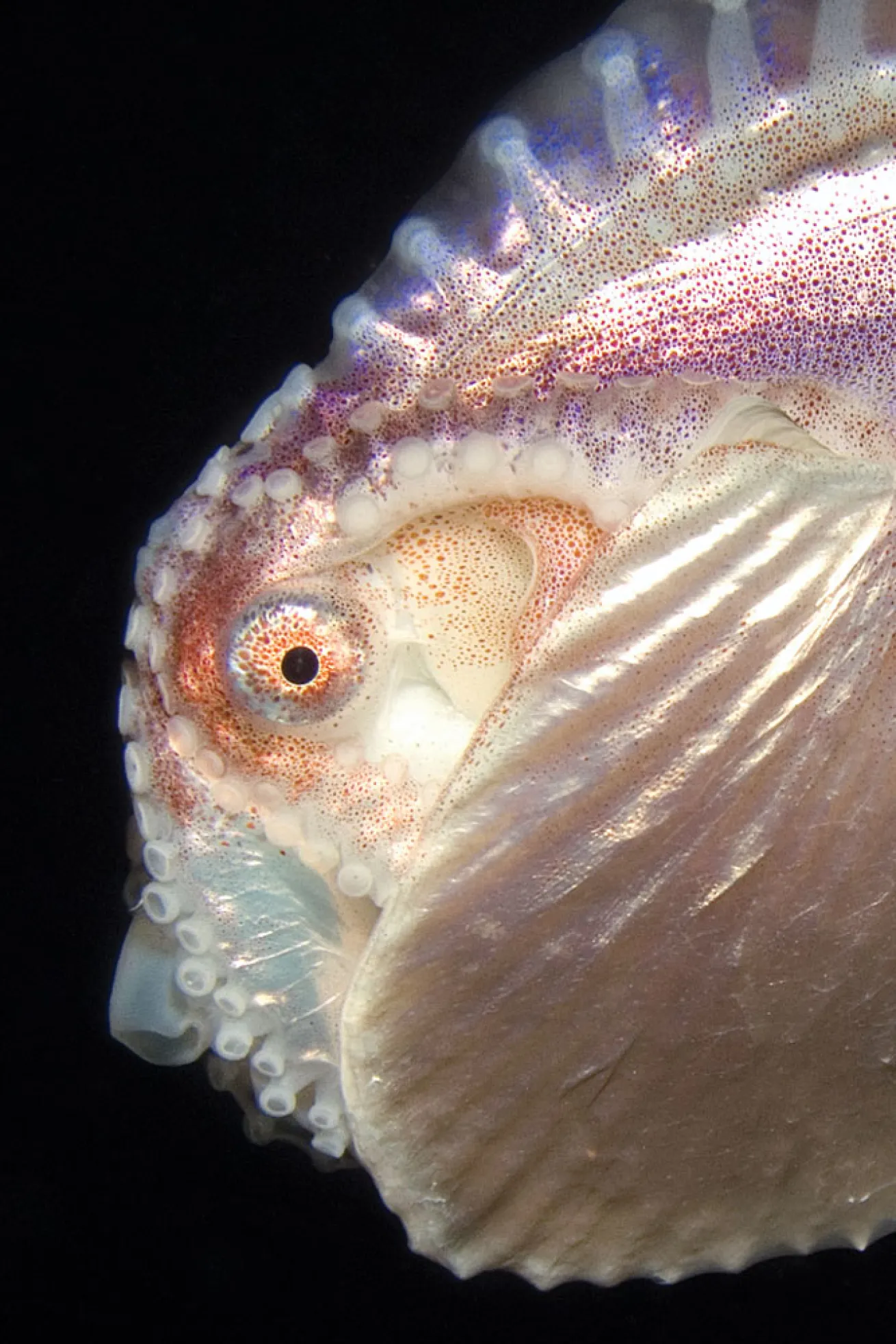
Matthew D’AvellaPelagic Magic | Kona, Hawaii
Start with a sensory-deprivation chamber: warm, black salt water. Now add a collection of psychedelic bioluminescent critters that defy categorization, at least for most of us. This is Pelagic Magic, a night dive that’s made 3 miles and beyond off the Big Island’s Kona Coast. Divers drop to 50 feet or so, but this dive isn’t about depth, it’s about what rises to greet you: deepwater shrimp with paddles on their feet, comb jellies blinking as if strung with tiny holiday lights. The rest might bear resemblances to things you’ve seen before — transparent nudibranchs and worms. So where’s the hurdle? jacksdivinglocker.com
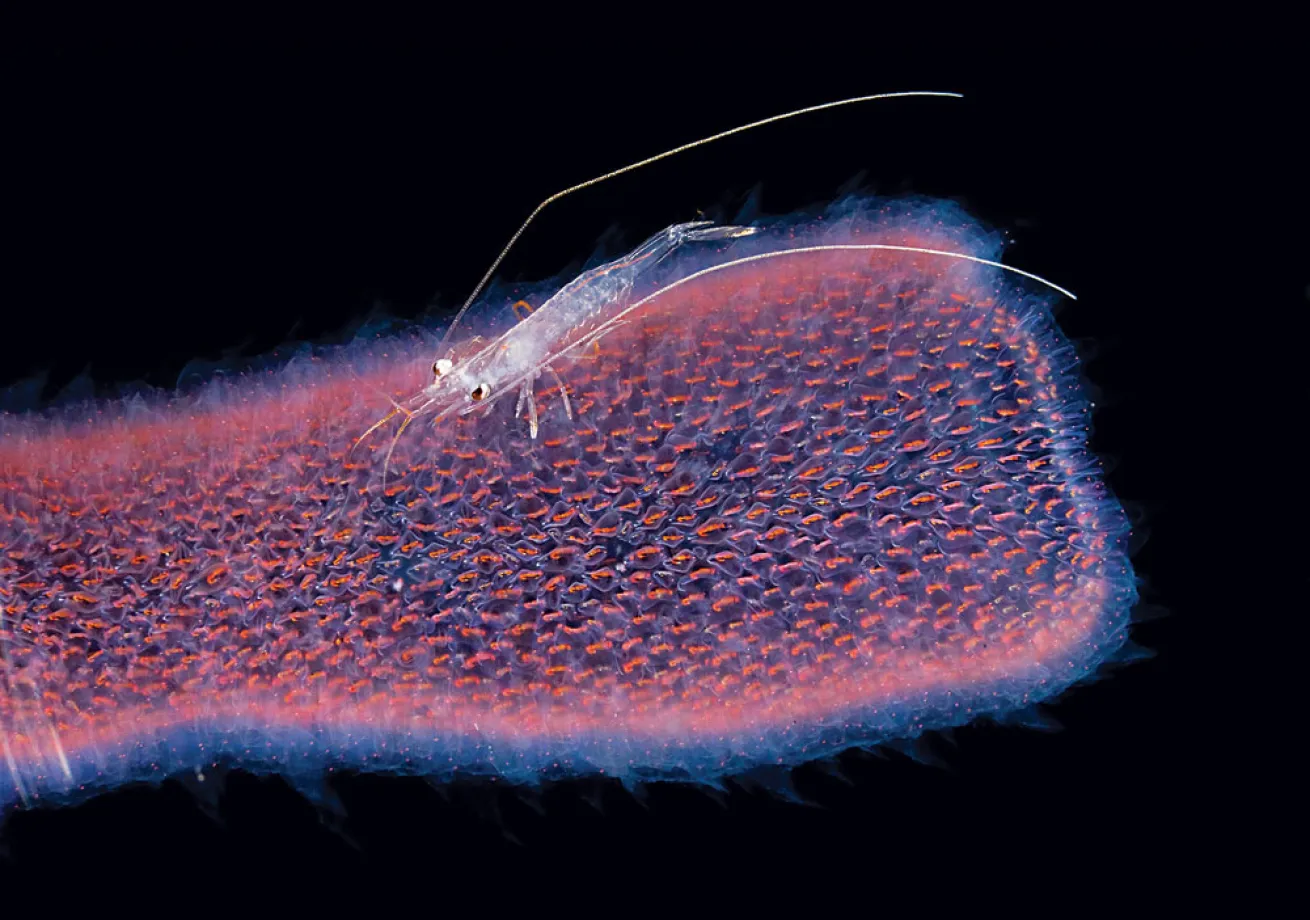
Doug PerrinePelagic Magic | Kona, Hawaii (Continued)
So where’s the hurdle? It’s in your mind. Black water can challenge the sense of serenity most divers have underwater. There’s also the pulse-pounding possibility of oceanic whitetip sharks appearing. jacksdivinglocker.com
7. Darwin's Arch | Galapagos
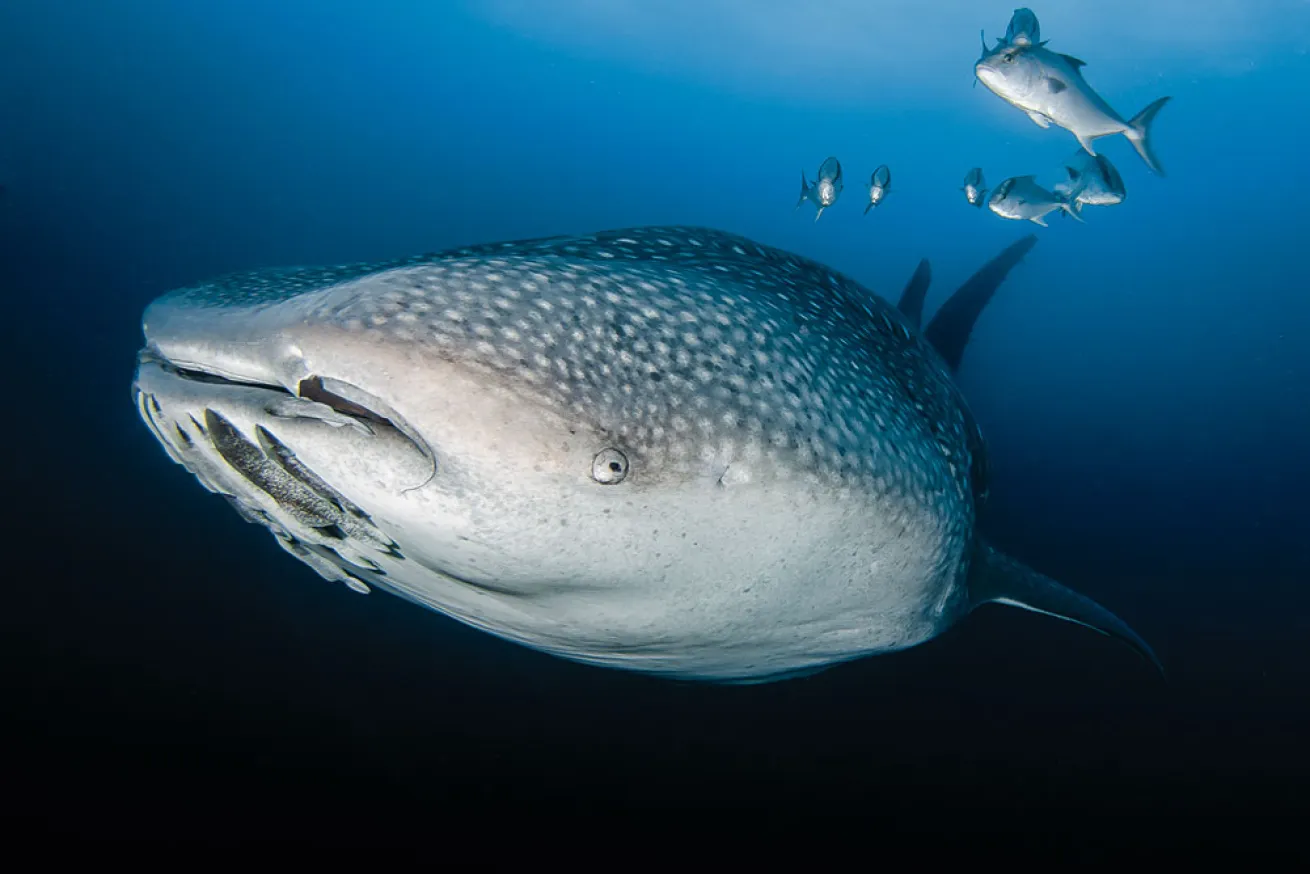
Greg LecoeurDarwin's Arch | Galapagos
The allure of predators is the threat at Darwin’s Arch, one of the Galapagos Islands’ better-known spots, where divers nestle on and behind rocks — anywhere to find protection from the current. But then something wonderful passes, be it hammerhead or whale shark. “And — whoomp! The down-current will suck them down to where that shark is,” says Aggressor Fleet’s Wayne Hasson of divers who give in to the temptation of a closer view. For this reason, every briefing includes a talk about ears. “I tell people when they start feeling their ears popping for no reason, they need to pick up their gauges and realize what’s going on,” says Hasson. “I also tell them that the current won’t suck them down to infinity.” aggressor.com
8. The Big Wall, Zanzibar | East Africa
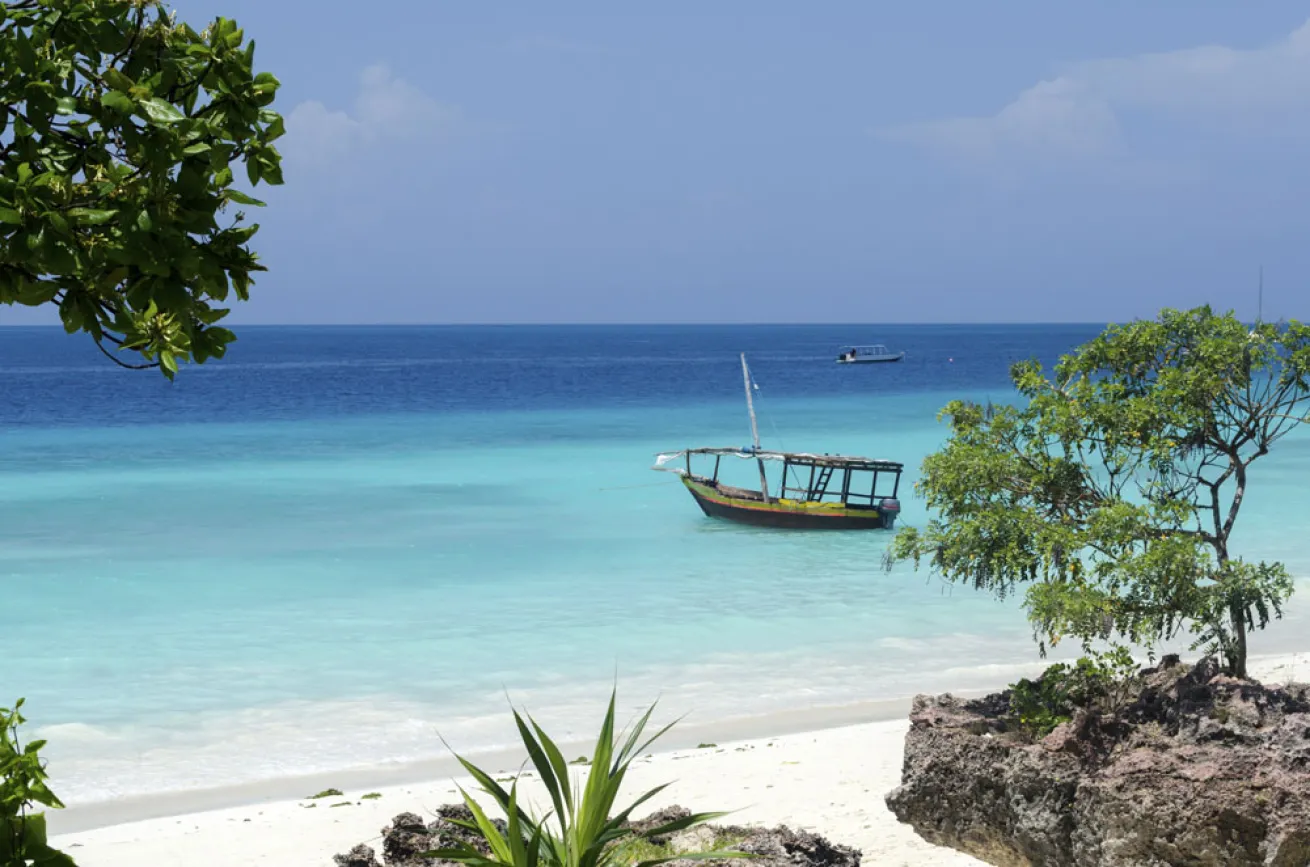
Stock photoThe Big Wall, Zanzibar | East Africa
“If you do a drift dive, you won’t be happy about it,” says Arnold Charo, instructor at Buccaneer Diving, of the Indian Ocean’s Blue Wall, Zanzibar’s most intoxicating swim. The water is always fast-moving, so Charo and his team drop guests far up-current of the attraction, giving them time to equalize before making contact. Then the calorie-burning portion ends. On the reef, find a handhold and settle in as blue-spotted stingrays, Napoleon wrasse, and schools of barracuda whirl past. There’s one more reason to stay put, says Charo: “The current can push you to the wall’s deep end, sometimes to 180 feet.” buccaneerdiving.com/zanzibar
9. Avatoru Pass | Rangiroa | Tuamotu Atolls
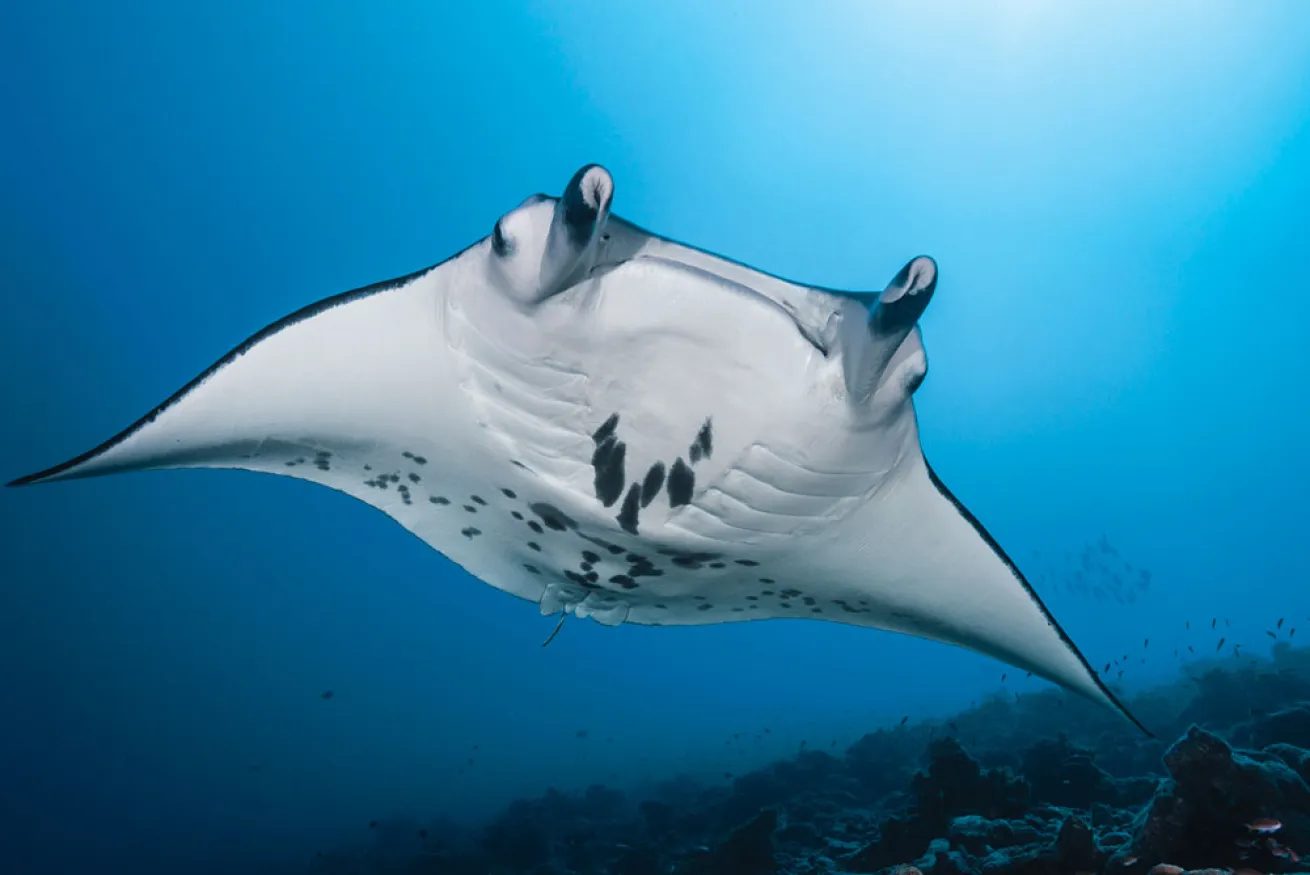
Fabien MichenetAvatoru Pass | Rangiroa | Tuamotu Atolls
The second-largest atoll in the world — from the edge of its lagoon, it's impossible to see the opposite side — Rangiroa offers amazing drift dives. Avatoru Pass is a magical dive that features sharks galore like silvertips. Get in the epicenter of the action, and you'll be rewarded with lots of nice shark portraits. tahiti-tourisme.com
10. Shinkoku Maru | Chuuk, Micronesia
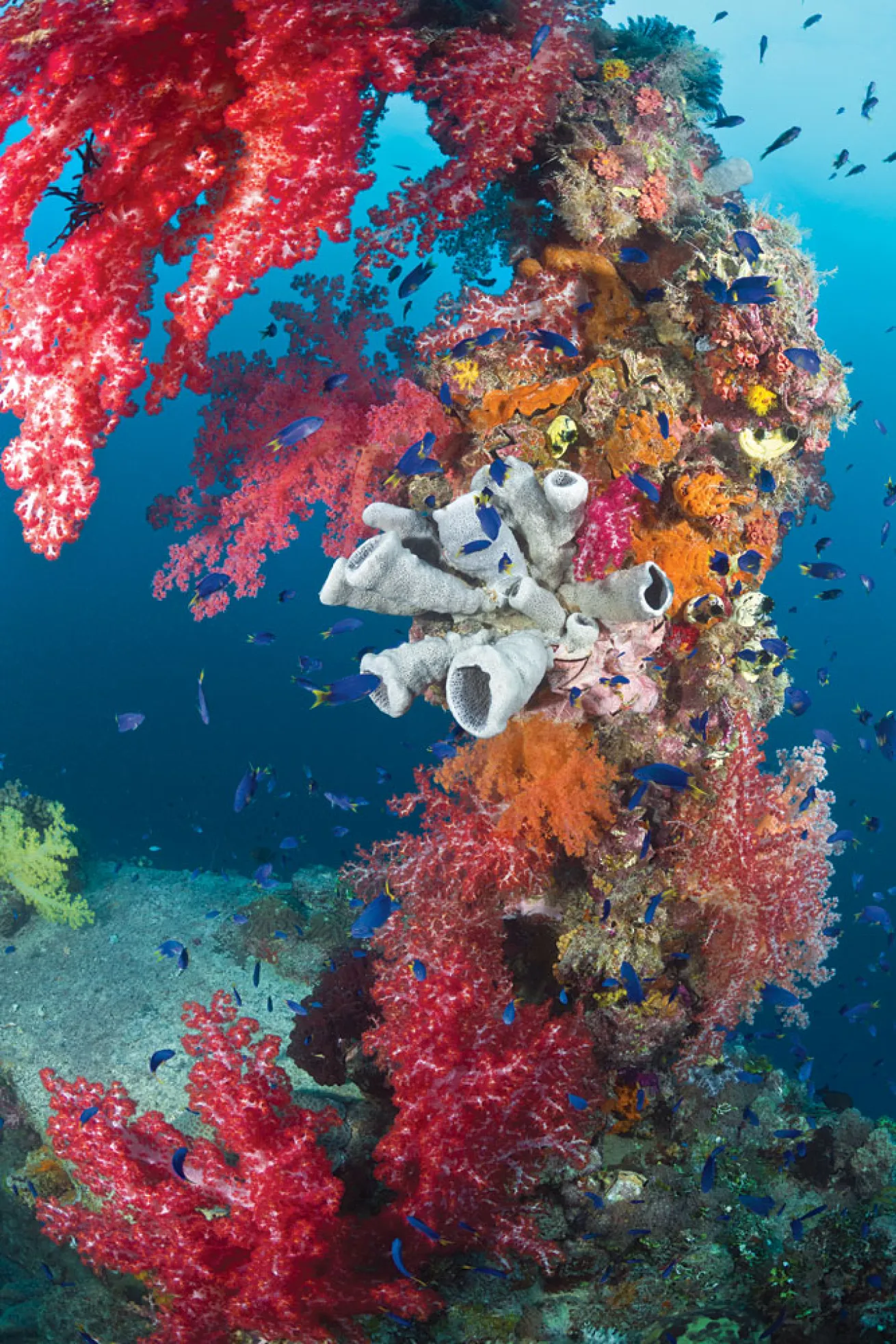
Brandon ColeShinkoku Maru | Chuuk, Micronesia
Ask Cliff Horton, of Odyssey Adventures, for the most challenging profile through Shinkoku Maru — one of Chuuk Lagoon’s best-known wrecks — and he’ll tell you to start on the sand at 130 feet. Then find the hole on the engine room’s port side where the torpedo made contact. Now enter. “It’s dark, and everything inside is a jumble,” Horton says. “There are big sheets of metal blasted and peeled back, and catwalks leading to what appears to be nowhere — everything is all torn up.” Ascend, and you’ll gain a stronger sense of where you are. Toward the stern, you’ll find generators, boilers and watermakers. “Then there’s a bright shaft of light — you can swim up and out that hatch.” Or keep going. Either way, if you’re entering this central Pacific wreck, Horton strongly recommends following a guide. He’s also quick to point out that this is an advanced serving of the wreck, and the menu is vast. “Shinkoku can also be a very simple dive — the bow is gorgeous and in 40 feet of water.” trukodyssey.com


