

Steven P. Hughes
AMANDA’S AGE: 55
EXPERIENCE: ADVANCED OPEN WATER DIVER WITH 70+ DIVES
HEALTH: FIT AND ACTIVE
Amanda worked part-time at a dive shop in Colorado and was elated to be leading a liveaboard vacation to the Cayman Islands with her shop’s dive club. She had retired early from a demanding job as a lawyer and used scuba diving as an outlet for her ambition and competitive edge. Progressing quickly from her open-water to advanced certifications, she took pride in getting the deepest computer read on a dive and ending the dive with the most air remaining.
Amanda understood her responsibility to set an example as the liveaboard trip leader, but once on board, she became fixated on a quest to take part in every dive offered. She thought of it as a game to be won, keeping a tally of her dives compared to fellow divers and sometimes even teasing others for taking a break, calling them wimps.
Related Reading: How to Book a Safe Liveaboard Trip
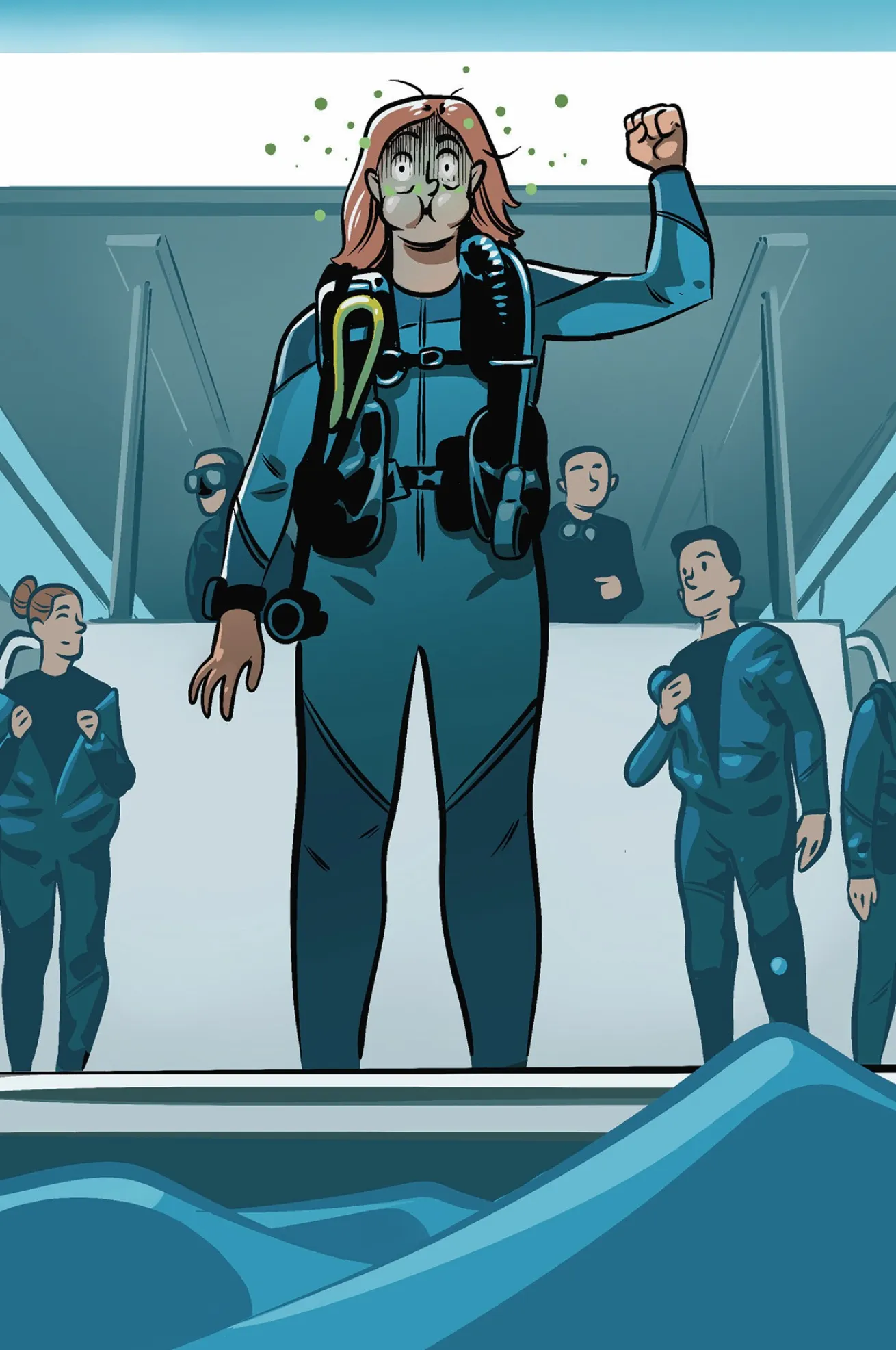
ADAMANT ABOUT CONTINUING TO RACK UP DIVES, SHE KITTED UP ONCE AGAIN.
After completing 14 dives over the first three days of the trip, Amanda was still raring to go on day four. She dived twice in the morning, and on her first afternoon dive, she stayed down for an hour, keeping the divemaster with her as other guests ascended.
When she got back on the boat, she complained of nausea. Instead of resting and letting her body recover, she took an antacid and went out on another dive, claiming to be feeling better.
However, after the next dive, she found a mottled rash on her abdomen when she changed out of her swimsuit.

Steven P. Hughes
Amanda recognized it as a symptom of decompression sickness but was reluctant to tell the crew. After all, she thought, maybe her gear had just rubbed her the wrong way, and the redness would disappear. As the post-dinner night dive approached, she noticed the rash had resolved. Adamant about continuing to rack up dives, she kitted up once again.
By early the next morning, her DCS symptoms had returned, with nausea persisting and a new rash appearing across her upper body. The liveaboard crew administered her oxygen and called the Divers Alert Network emergency hotline, which advised Amanda to visit the nearest medical facility as soon as possible.
Related Reading: Treating a Case of Spinal Decompression Sickness
The liveaboard had to divert from the planned itinerary to take her to a hospital with hyperbaric services on the mainland. By the time she arrived, her rash was painful, and she was experiencing tingling in her hands and forearms.
Amanda was treated with a standard recompression protocol. Her symptoms resolved before she was discharged, and she saw no lasting health effects. However, as her behavior negatively impacted the trip for her guests and others, she was let go from her position at the dive shop.
Lessons for Life
1. Being a trip leader is more than just organization. It’s being a role model. Other divers may copy what you do in and out of the water, especially if you are a more seasoned diver. Be intentional and practice exemplary, safe diving.
2. Seek medical attention immediately if you experience symptoms of decompression illness. Injuries can quickly cascade without proper treatment. Simple issues can compound into disabling or even fatal problems if left untreated.
3. Scuba diving is an inherently risky activity and should never be considered a competition. It is dangerous to compete for longer, deeper dives, minimal air consumption or a more worn logbook. Dive within your limits, and take a break when you need it.


