

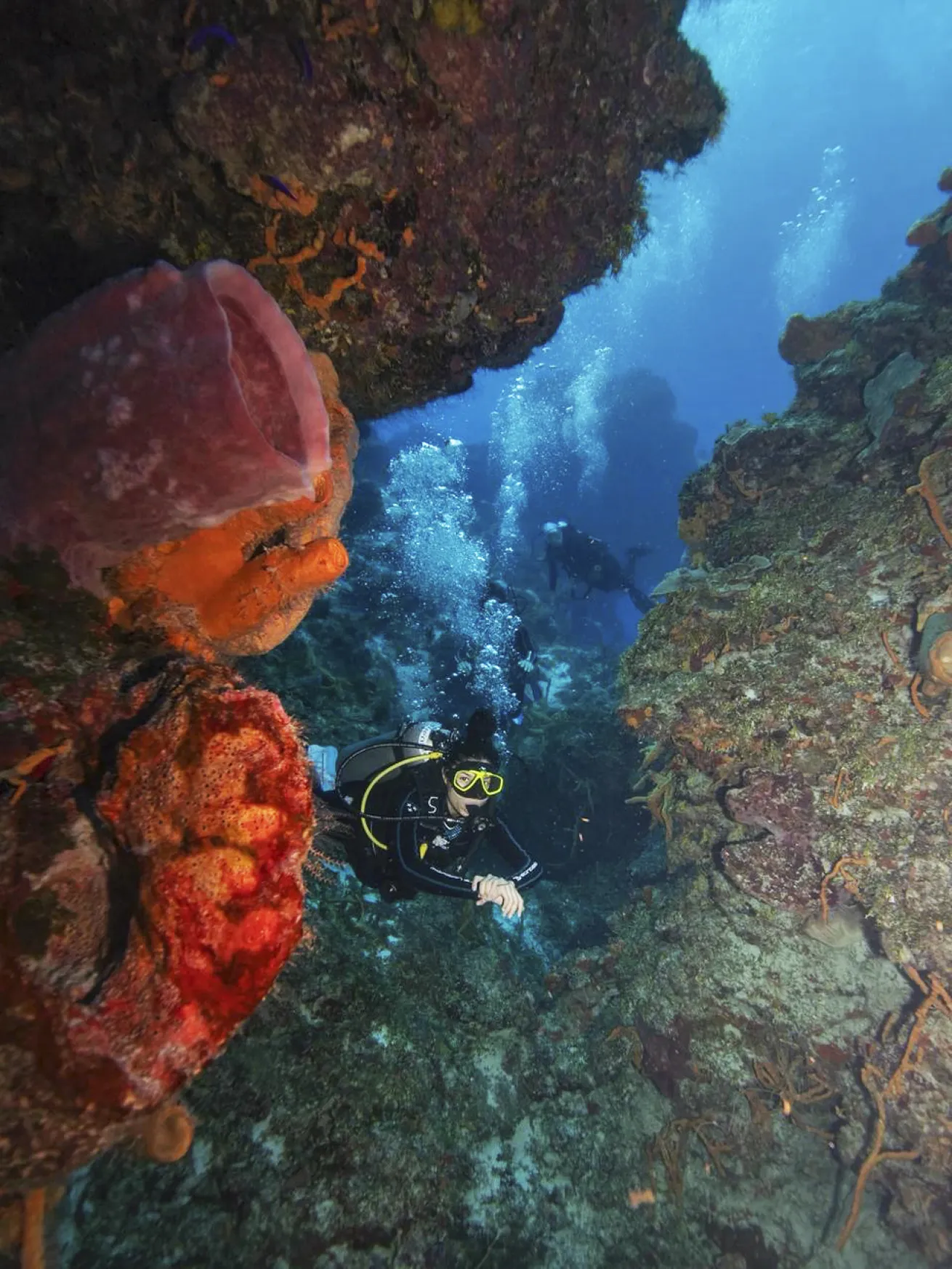
Courtesy Blue Note ScubaDivers navigate obstacles at the Palancar Caves dive site.
Some divers chase a new passport stamp every year. Others return to the same stretch of reef. Few places inspire loyalty quite like Cozumel, a small island just 12 miles off Mexico’s Caribbean coast, where warm currents sweep along dramatic walls and visibility often stretches beyond 100 feet. It’s this consistency and tight-knit community that kept PADI professionals Doug and Julie Atkinson coming back to Cozumel year after year.
In 2021, the Atkinsons had their sights set on running a dive center in Cozumel and hoped to bring forth a conservation-focused ethos. Blue Note Scuba came up as a possibility.
The decision ultimately came down to people and potential. “When we went and met the company and the crew, [they were] absolutely the best in Cozumel,” Doug says. It also didn’t hurt that the dives took place on the best dive boat he’d been on. On land, Cozumel comes alive with its colorful streets, beachfront cafes and delicious Yucatecan dishes, so there’s plenty to love above sea level too.
Related Reading: A Lush Dive Sanctuary on Cozumel's Coast
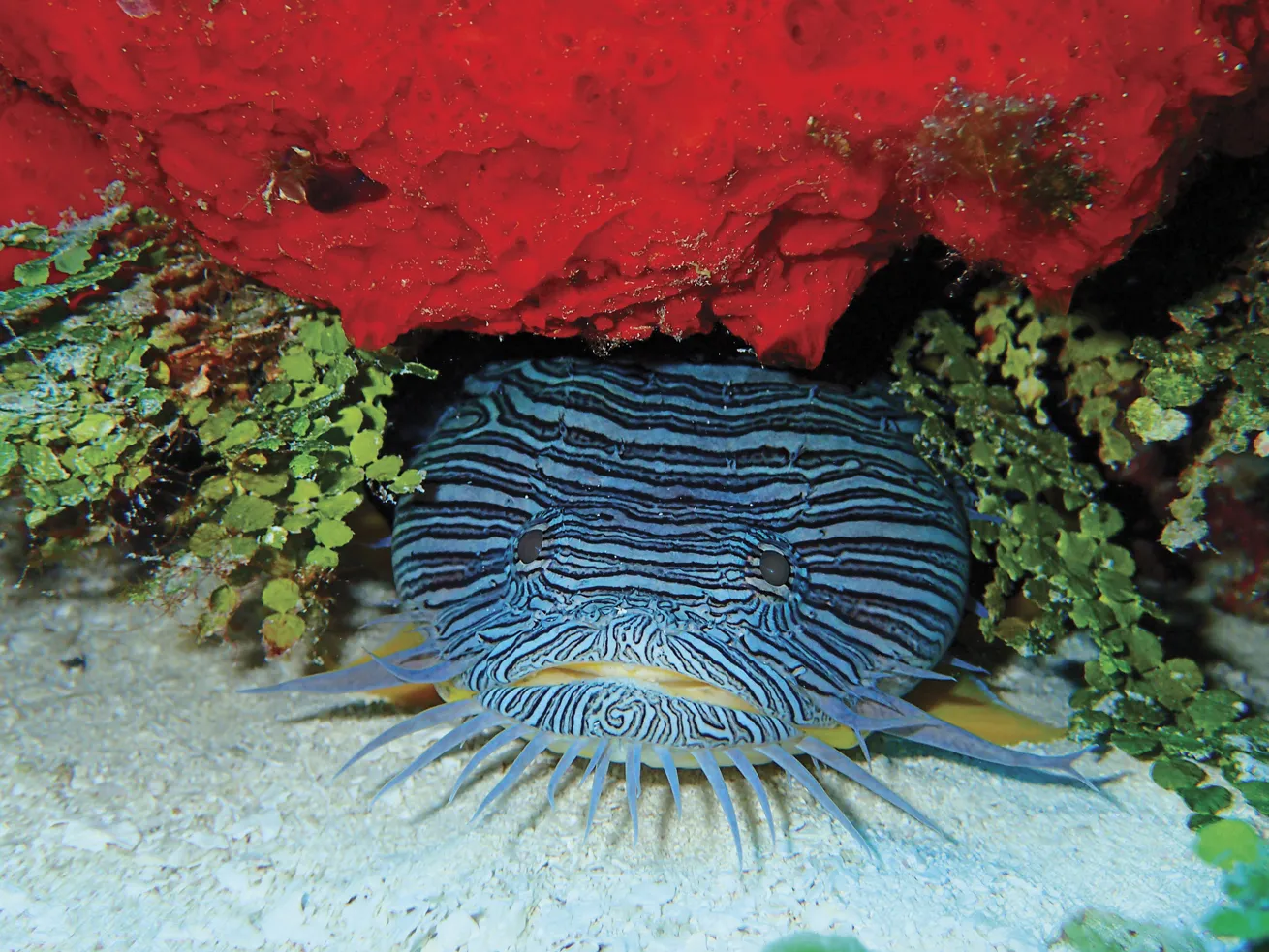
Courtesy Blue Note ScubaThe endemic splendid toadfish.
What Makes Cozumel's Diving Unmatched
Cozumel’s reefs form part of the Mesoamerican Reef, the second-largest barrier reef system in the world. The island is famous for its drift diving, where steady currents carry divers effortlessly along coral walls, keeping the reef flushed with nutrients and oxygen.
On any given dive, you might see schools of up to a dozen eagle rays glide past in formation. They’re spotted year-round, though December through March brings peak numbers. Divers regularly log green, hawksbill and loggerhead turtles. Those who are lucky might even encounter Charlie, a legendary loggerhead rumored to be more than a century old.
“Cozumel also has some of the largest rainbow parrotfish you’ll ever see,” Doug says. “It’s one of those places where you can never go wrong. You can dive the same dive site over and over, and it’s always going to be different.”
Doug’s favorite dive sites in Cozumel are the iconic Santa Rosa Wall and the Palancar Reef, which he returns to for their sheer underwater drama. Santa Rosa Wall is often “the first dive of the trip,” he says, thanks to its sweeping drop-offs and stunning coral structures. Over at the Palancar sites, divers can explore caverns and swimthroughs along the edge of the wall.
Related Reading: Scientists Test Techniques To Help Save Sea Turtle Nests
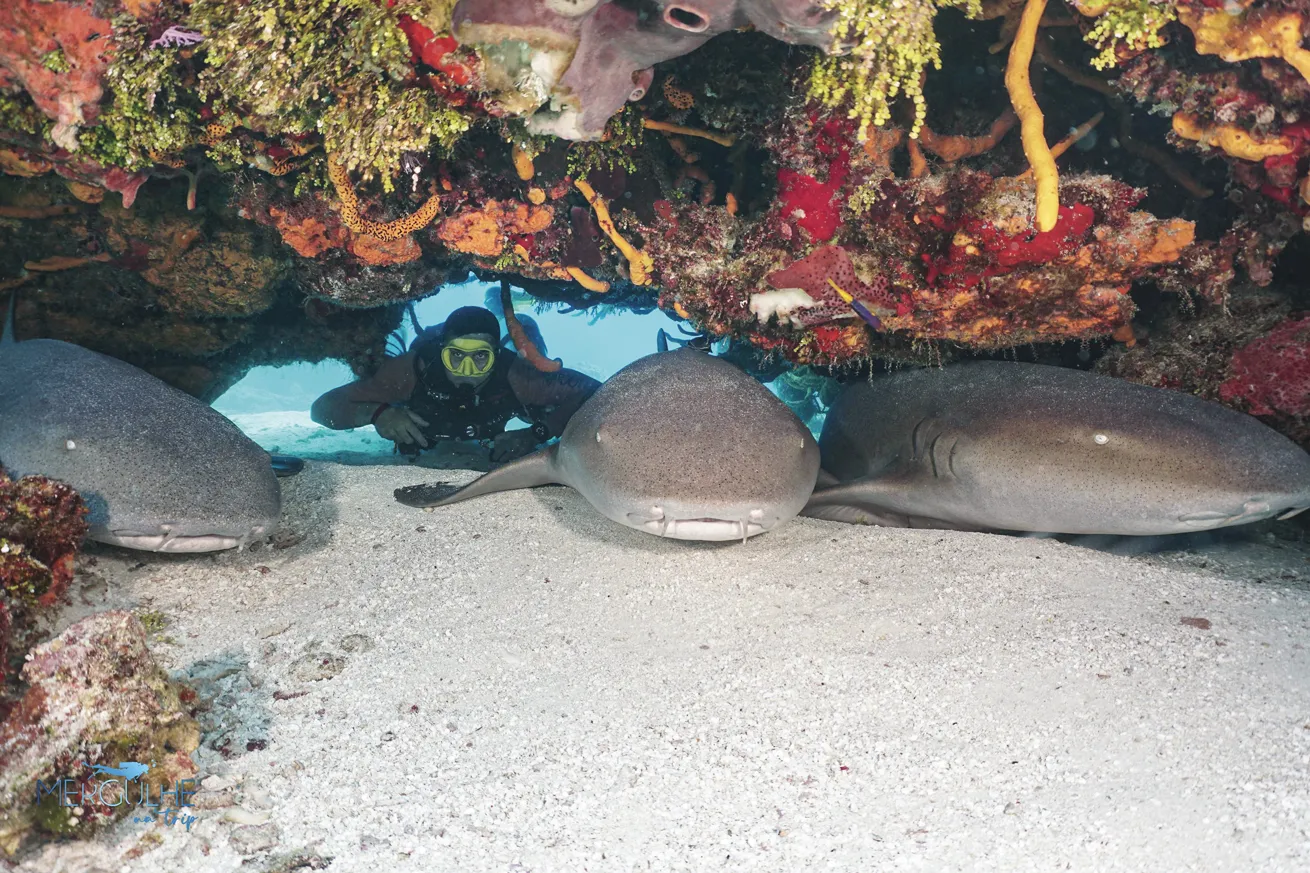
Shutterstock/Mara FeodorA trio of nurse sharks rests on the seafloor.
Protecting Cozumel's National Marine Park
Divers in Cozumel who dive within the Cozumel Reefs National Marine Park pay a daily fee of around $12, which goes toward the maintenance of dive-site buoys, education and park patrolling.
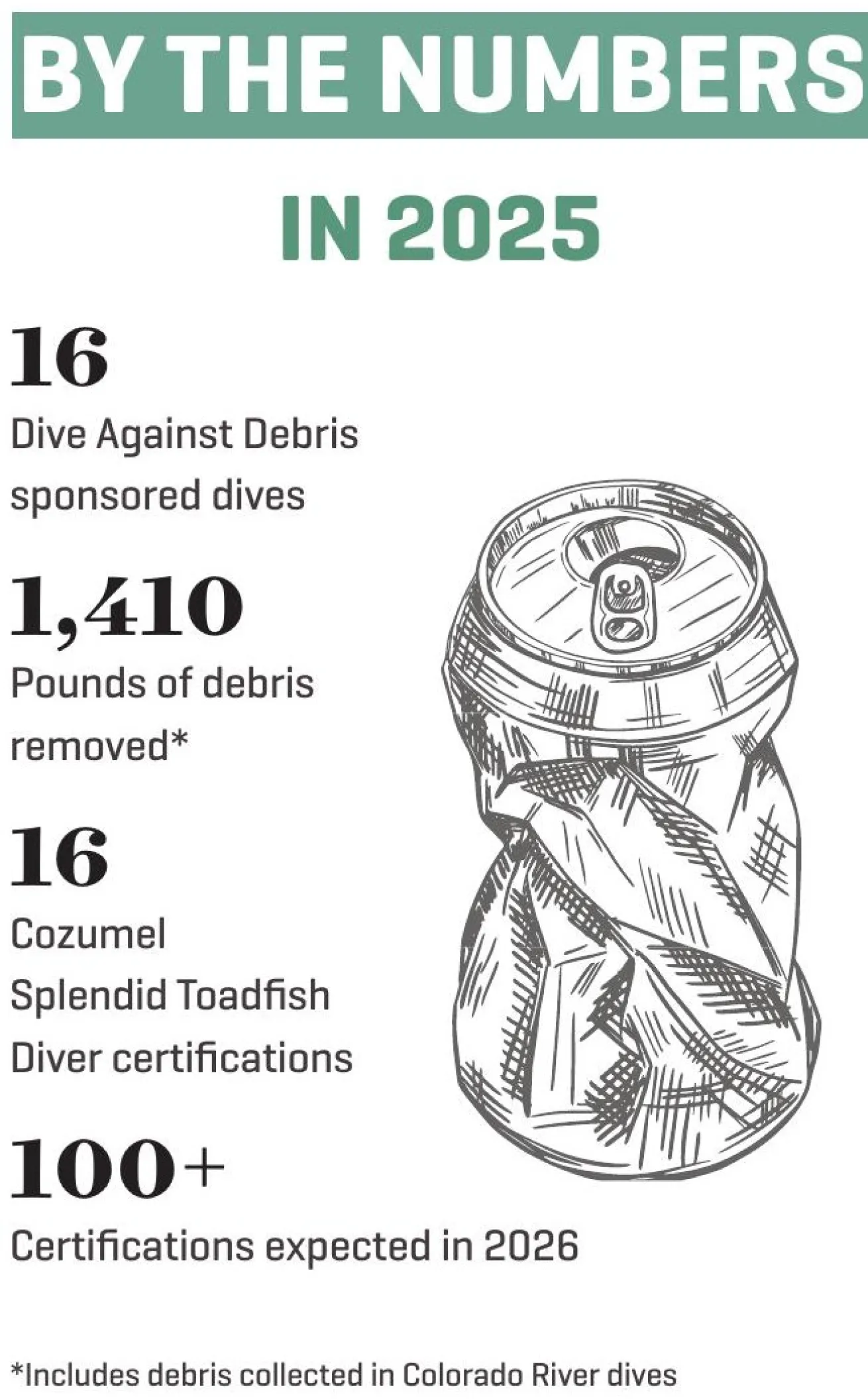
Because the marine park is relatively clean, it’s uncommon to find trash within the reef. In 2025, Blue Note Scuba sponsored 16 Dive Against Debris dives, including dives in the Colorado River, removing over 1,410 pounds (640 kilograms) of trash.
Four years on, Blue Note Scuba is just one of six PADI Eco Dive Centers in all of Mexico (of these, three are on Cozumel). To receive this accreditation, dive centers must actively reduce their environmental footprint, participate in recognized conservation initiatives and integrate marine protection into diver education, going beyond one-off cleanup events and the occasional eco-themed dive. This dive center has an Adopt the Blue dive site, where they collect data and work to keep the site free of debris.
But for Blue Note Scuba, the most important conservation tool is training. “Diving and conservation go hand in hand,” Doug says. When divers understand the marine environment, they’re more likely to make decisions to protect it.
At Blue Note Scuba, every dive course is private, and students receive a personalized education from their instructor that reinforces this ethos. “We’re here to ensure that everyone who dives with us leaves not just certified but confident as divers,” Doug says.
Because Cozumel is such a popular dive destination, many of its most popular reefs are under pressure from the sheer number of visitors. A coral that’s been crushed or kicked can take decades to regrow. At Blue Note Scuba, every diver is entitled to complimentary PADI Peak Performance Buoyancy and Drift Diver courses to help prevent physical damage to the reef.
Related Reading: Protecting Mexico's Pregnant Bull Sharks
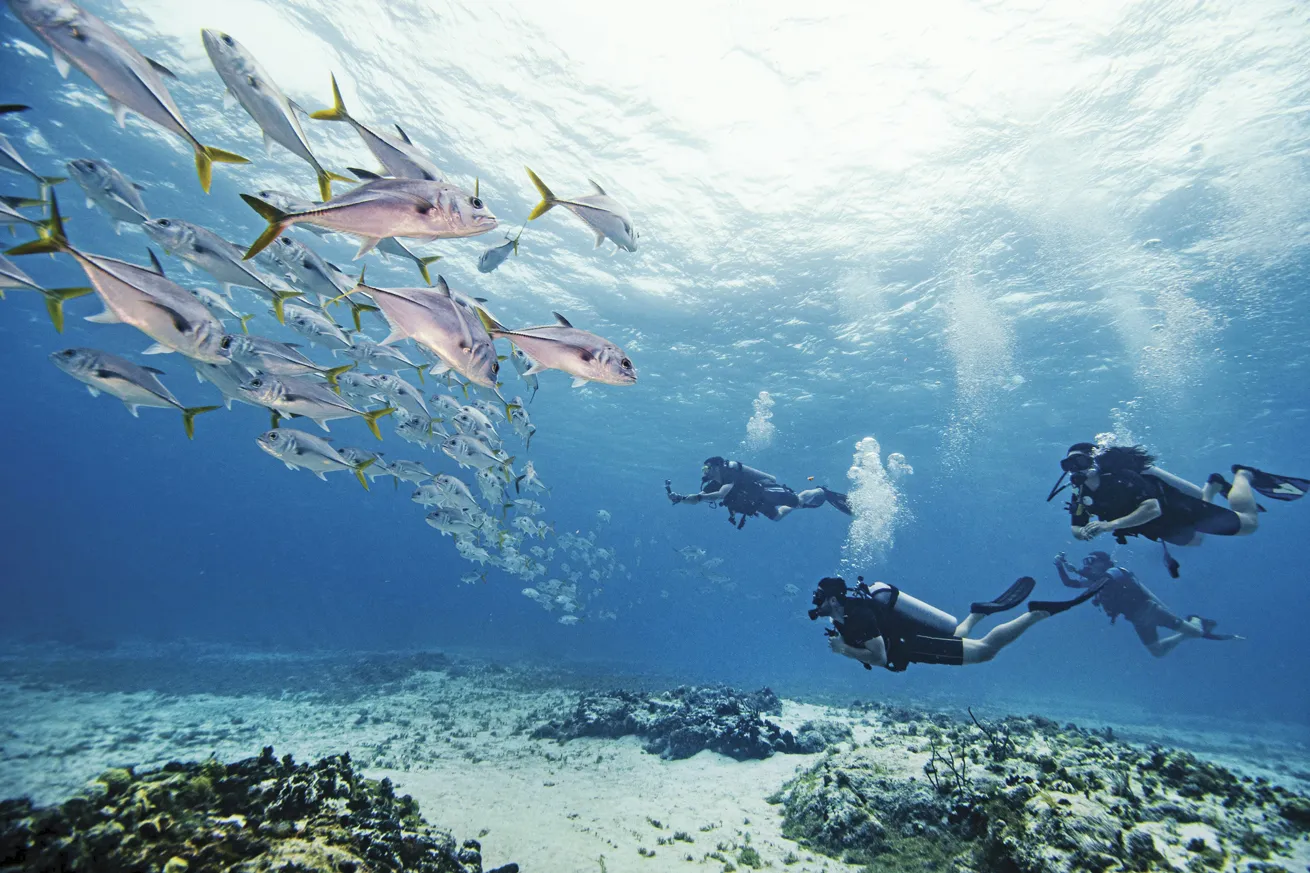
Courtesy Blue Note ScubaDivers pause as a school of horse-eye jacks parades by.
Diving for Splendid Toadfish
This buoyancy training comes especially handy for Blue Note Scuba’s signature PADI Cozumel Splendid Toadfish Diver Distinctive Specialty course. Endemic to Cozumel, this vibrant toadfish finds refuge under the protected crags and crevices of the reef. It is classified as endangered on the IUCN Red List of Threatened Species.
“If a diver’s buoyancy isn’t quite there yet, our instructors won’t teach this course,” Doug explains. “Your buoyancy has to be on point because you need to be able to drop down carefully to see or spot it without impacting the habitat.” Along the way, divers learn more about the species and how to help protect it.
Though the splendid toadfish can be spotted during the day, divers are most likely to catch a glimpse of it at night.
“It’s not always easy to spot,” he says. “It’s largely nocturnal, so during the day you might only glimpse it tucked away in the reef, hiding low in its crevices. At night, though, you’re more likely to hear it, and if you’re lucky, you’ll see it venture out.”
And yes, you really do hear it first.
“It’s called the toadfish because it makes a honking sound like a toad,” he explains. “When you’re underwater and [you hear a sound] like a car horn, that’s your cue to start looking. That’s how you know you’re in the right area.”
The course launched in December 2025 and issued 16 certifications in its first month. In 2026, Blue Note Scuba expects that number to exceed 100 divers. Initially assumed to appeal primarily to children, the specialty has proven just as popular with adults eager to sharpen their skills while protecting a species found nowhere else.
Cozumel’s reefs may be what bring divers back year after year, but dive centers like Blue Note Scuba help ensure those returns are rooted in conservation, offering a space where divers can build their skills and participate directly in its protection.


