

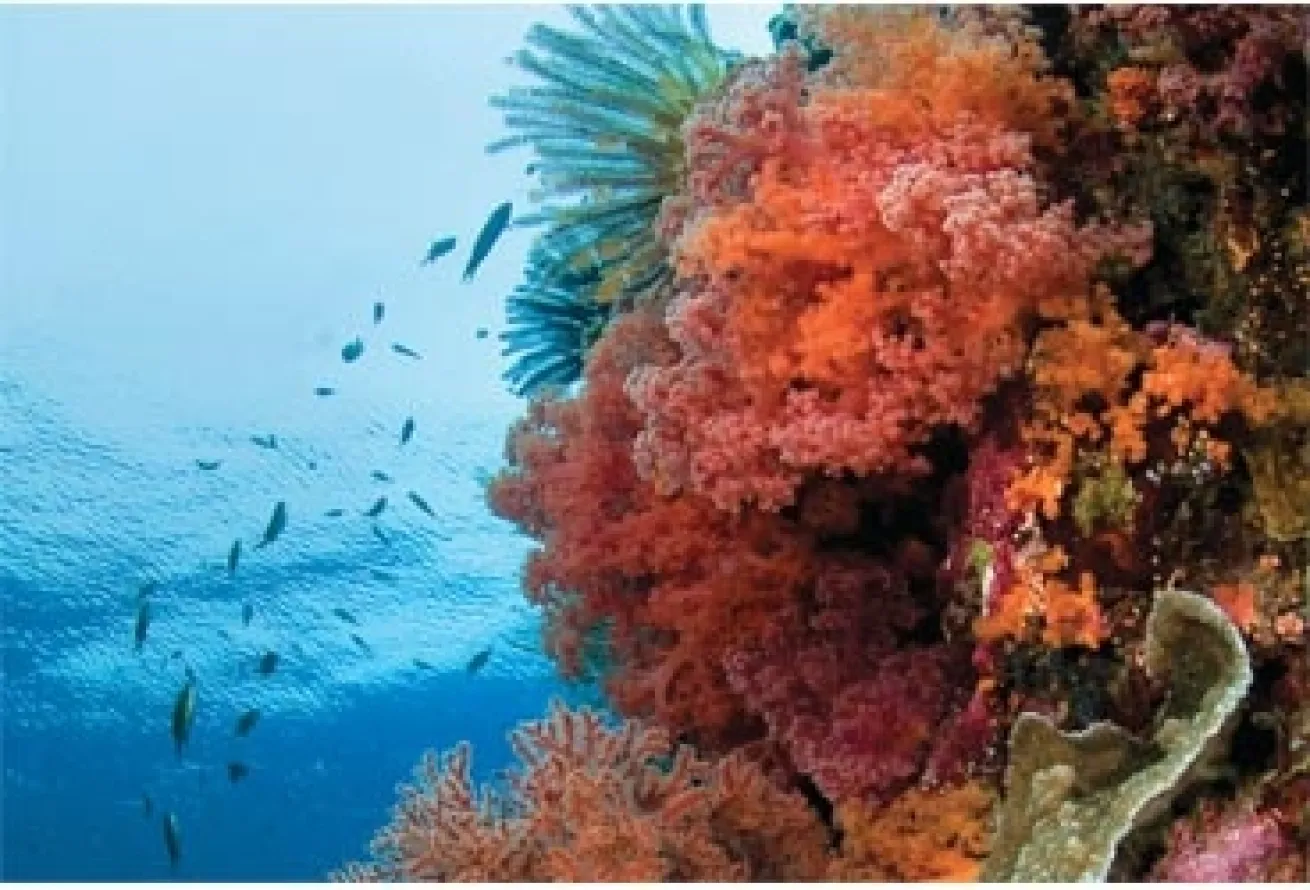
HAVE YOU BEEN wondering why the amazing colors from your dive are absent from your photos? If you're not using the appropriate strobes or not lighting subjects properly, your images will appear blue. Don't fret. This common problem is easily remedied.
Photography is all about light and learning how to control it. Shooting underwater poses a unique challenge due to simple physics. Water absorbs light in ways that air does not. In nearly all cases, ambient light alone will not produce the colorful, pleasing images you hope for. Specific frequencies of ambient light get absorbed at different depths. Red nearly disappears at around 15 feet, followed by orange at 30 feet, yellow at 60 feet, green at 90 feet and eventually even blue at 180 feet. Strobes emit daylight-balanced light to help paint the color back into your images, create contrast, accentuate textures and retain details. Strobes are used to fill in light where shadows dominate, or can provide the key lighting.
SEEING THE LIGHT Good photographers spend their entire career studying light, and learning from experience and experimentation. Photography is very subjective with an unlimited number of ways to get creative with your lighting. However, a few basic rules will help you re-create and even transcend the colorful splendor of your dives. Whether you shoot with one strobe or two, the positioning of your strobes plays a vital role in the quality of your lighting. By placing strobes on articulated arms extended away from the camera, you achieve even and soft lighting with limited shadows. This positioning also reduces the illumination of particles in the water column, aka "backscatter." With one strobe, position it to the side and above the camera at a 45-degree angle. In all instances, diffusers will help to widen the angle of coverage and reduce hot spots.
Water absorbs all light, whether natural or from strobes. Always try to get as close as possible to the subject. Remember that light from your strobes actually travels twice the distance between you and your subject by the time it completes its round trip and enters your camera. Even the most-powerful strobes can't illuminate subjects beyond a short distance away or brighten large scenes, such as an entire reef. As a result, strobes must be strategically positioned to light part of the foreground to create contrast against the ambient exposed background.
WHICH STROBES ARE FOR YOU? There is no "best" strobe: All strobes can help you create well-exposed and colorful images, as long as you understand how to work within the limitations of each. Smaller strobes are great for macro and short distances, while larger subjects and wide-angle scenes require more light output. Select strobes based on how much macro versus wide angle you enjoy shooting, your camera's connection type and, of course, budget. If you're using a compact point-and-shoot camera, your strobe will most likely connect via a fiberoptic cable, which is an optical slave triggered by the internal flash from the camera. SLR housings have an internal hot-shoe connector, and strobes are hard-wired to the camera body.
One strobe or two? Although you can get by with one, photographers who are serious about quality rely on two. Doing so provides more options and greater control over angles, shadows and general lighting quality. Some photographers, myself included, even use three or more to accomplish specific creative lighting techniques.
MACRO: DON'T SWEAT THE SMALL STUFF Almost any strobe is powerful enough for macro photography when you are close to your subject and lighting solely by strobe without the need to balance ambient light. Shooting macro with larger strobes requires dialing down the power to prevent overexposing the image.
Most modern strobes offer TTL (through the lens) metering, a system that automatically adjusts the flash output to achieve the correct exposure. TTL technology varies by camera and housing manufacturer, and sometimes requires an external TTL converter. Shooting macro with TTL often results in good lighting exposure, allowing you to focus on factors like composition, camera settings and creative lighting angles.
WIDE ANGLE WHEN SIZE MATTERS Shooting wide angle requires additional power and a broader angle of coverage. The larger the guide number, the more powerful the strobe. Technically, the guide number = f-stop times distance, and is ordinarily expressed at ISO 100. So a guide number of 22 (ISO 100/meters) can expose a subject 1 meter from the camera at f-22, or 2 meters at f-11. These guidelines are rated for shooting in air not water, which yields a significantly lower effective underwater guide number due to absorption.
Power is one consideration when selecting a strobe. A wide range of sizes, weights and battery types make traveling with some models easier than others.
THE LIGHT AT THE END OF THE TUNNEL The best recommendation is to buy the most-powerful strobe(s) you can afford. Unlike cameras, strobes won't become outdated every few years. A strobe is a worthy investment that will prevent your images from singing the blues.
LEARN MORE about underwater lighting at sport diver.com/strobes & divephotoguide.com.
|
|
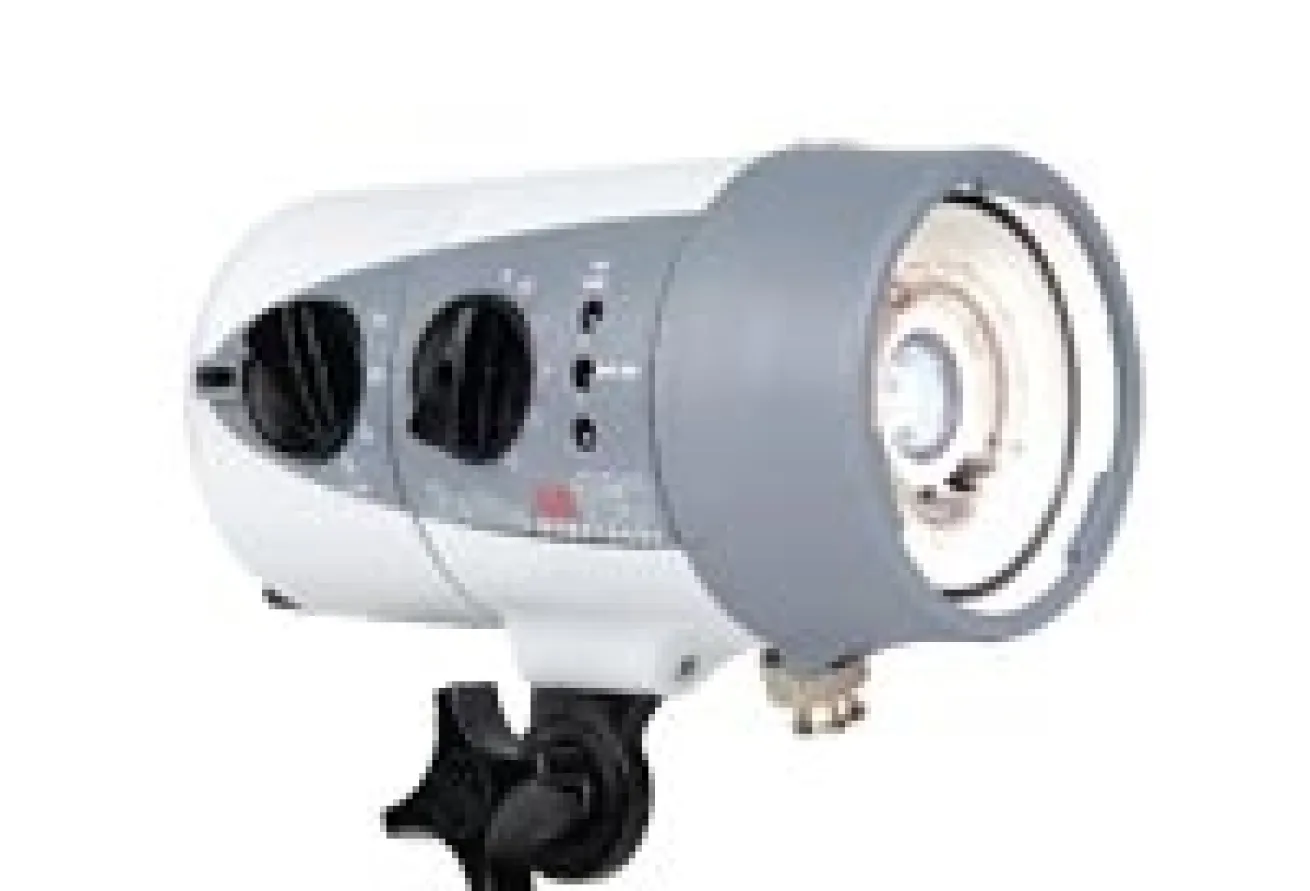
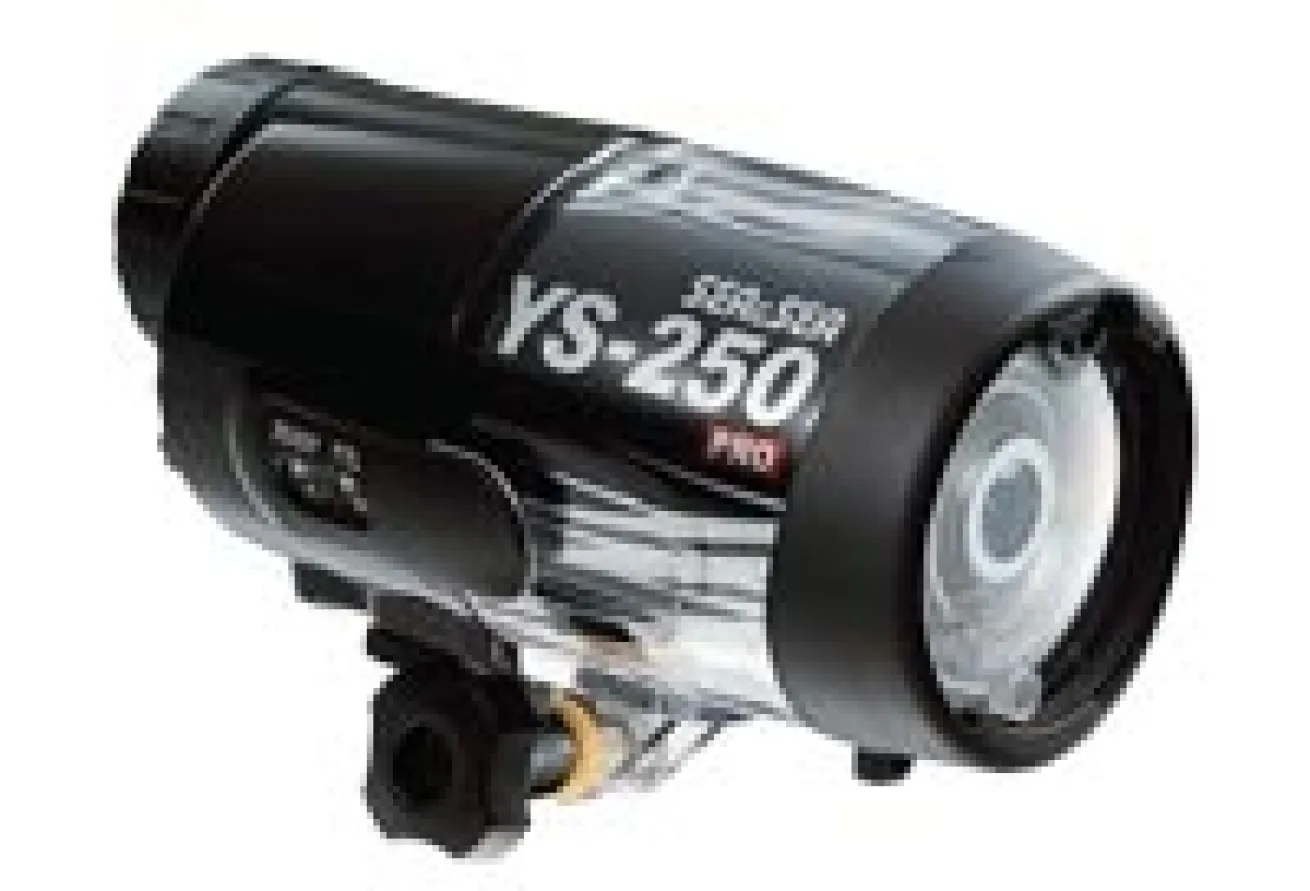
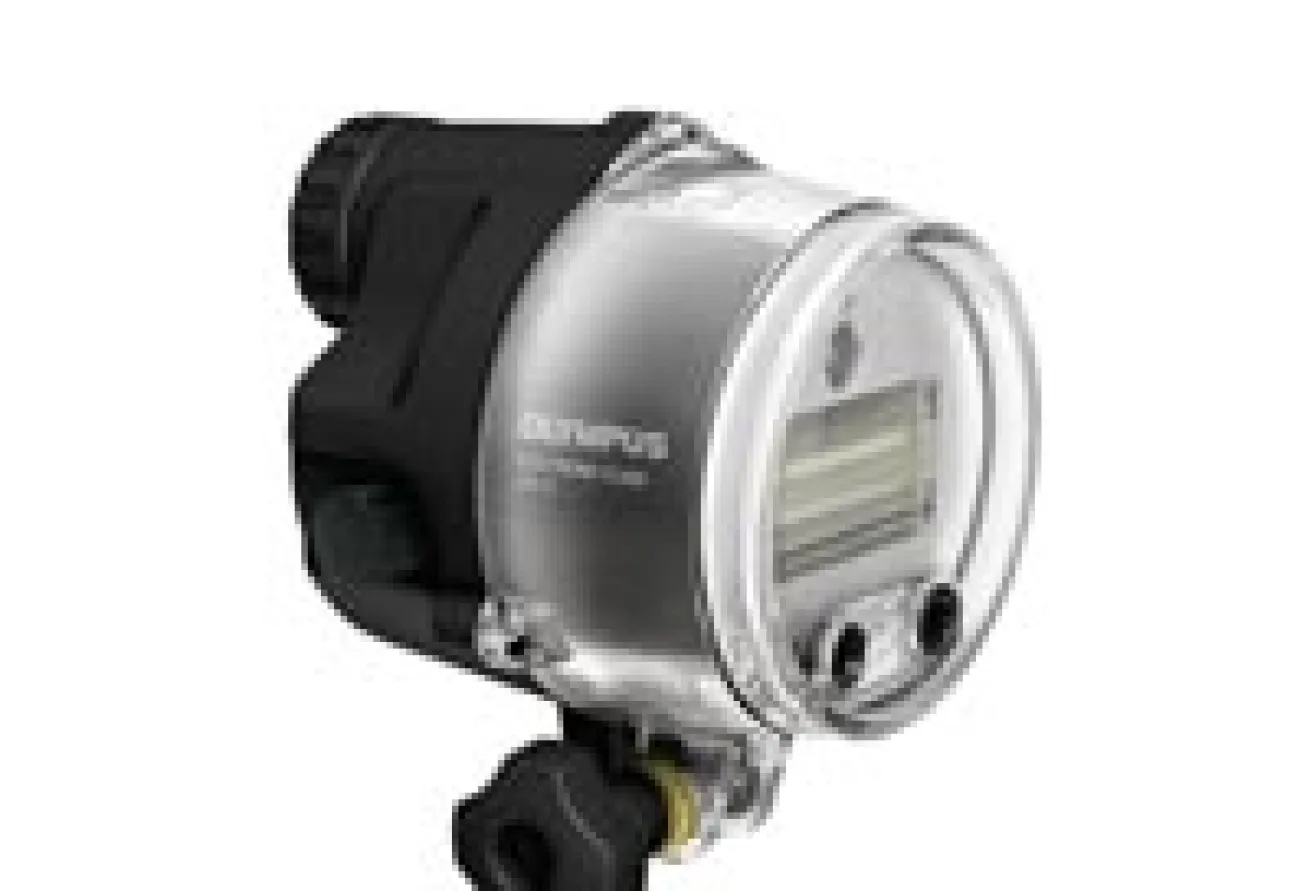
| | SEA&SEA provides a wide range of strobes, offering various options in power output, size, fiber optic or wired sync cords, and battery types.| Olympus is making strides in theunderwater world, offering twostrobes that are primarily intendedfor use with its cameras.| Ikelite's line of strobes is known forproducing a slightly warm color temperature,and like SEA&SEA, they canbe used with any model camera.|


