

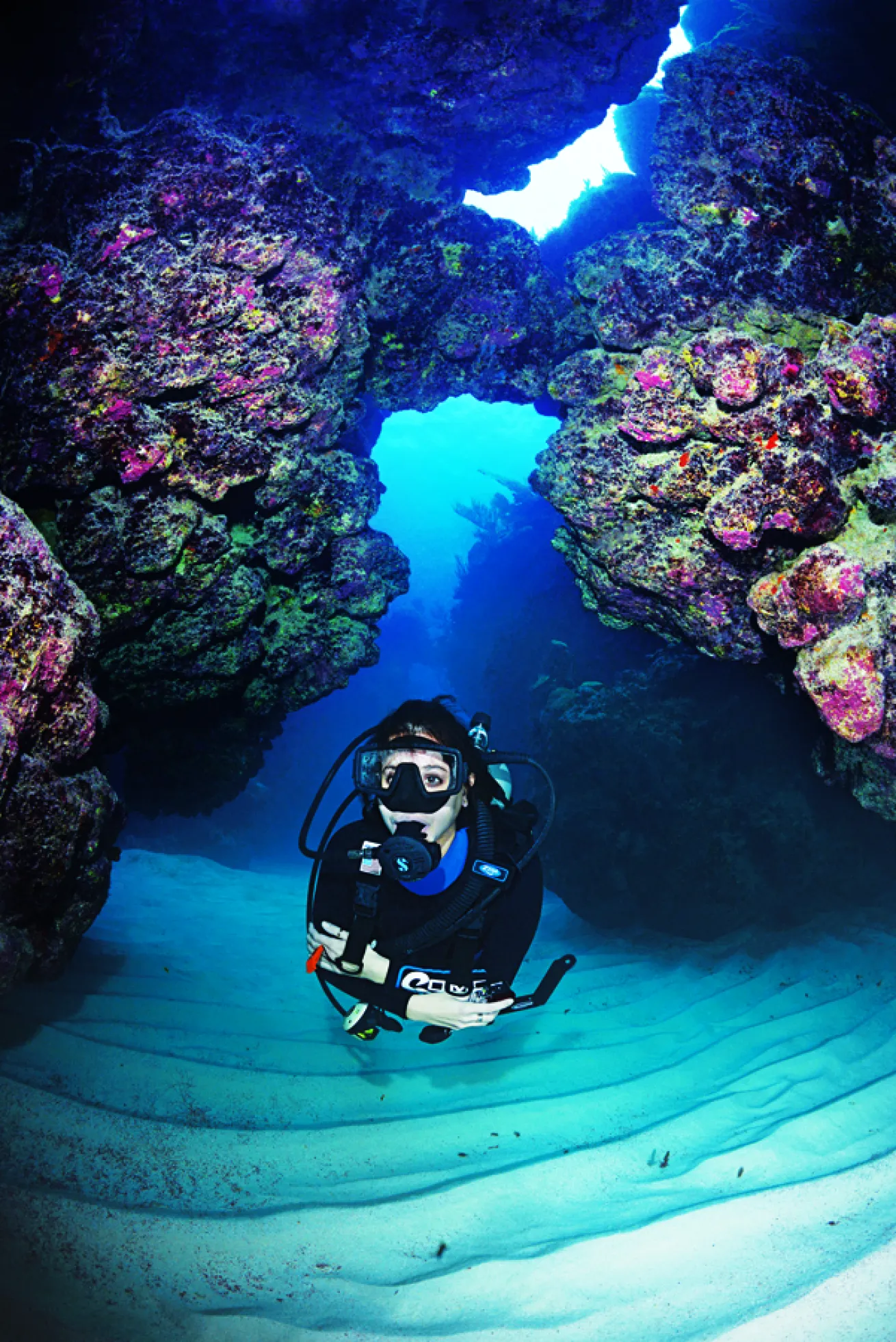
STUART PHILPOTT
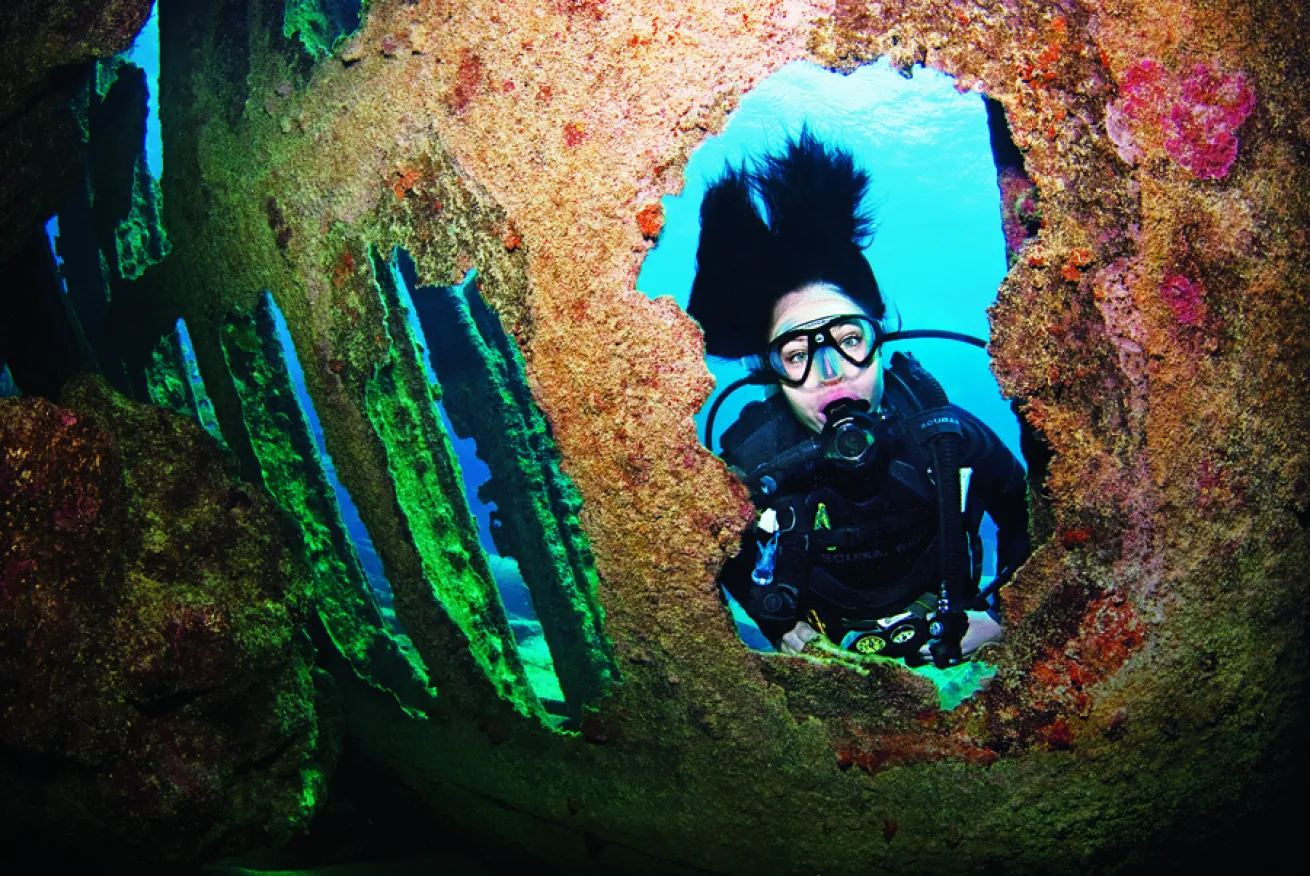
STUART PHILPOTTThe Rita Zorvetta, an Italian cargo steamer, is intact enough for penetration, with tons of tunnels for divers to explore.
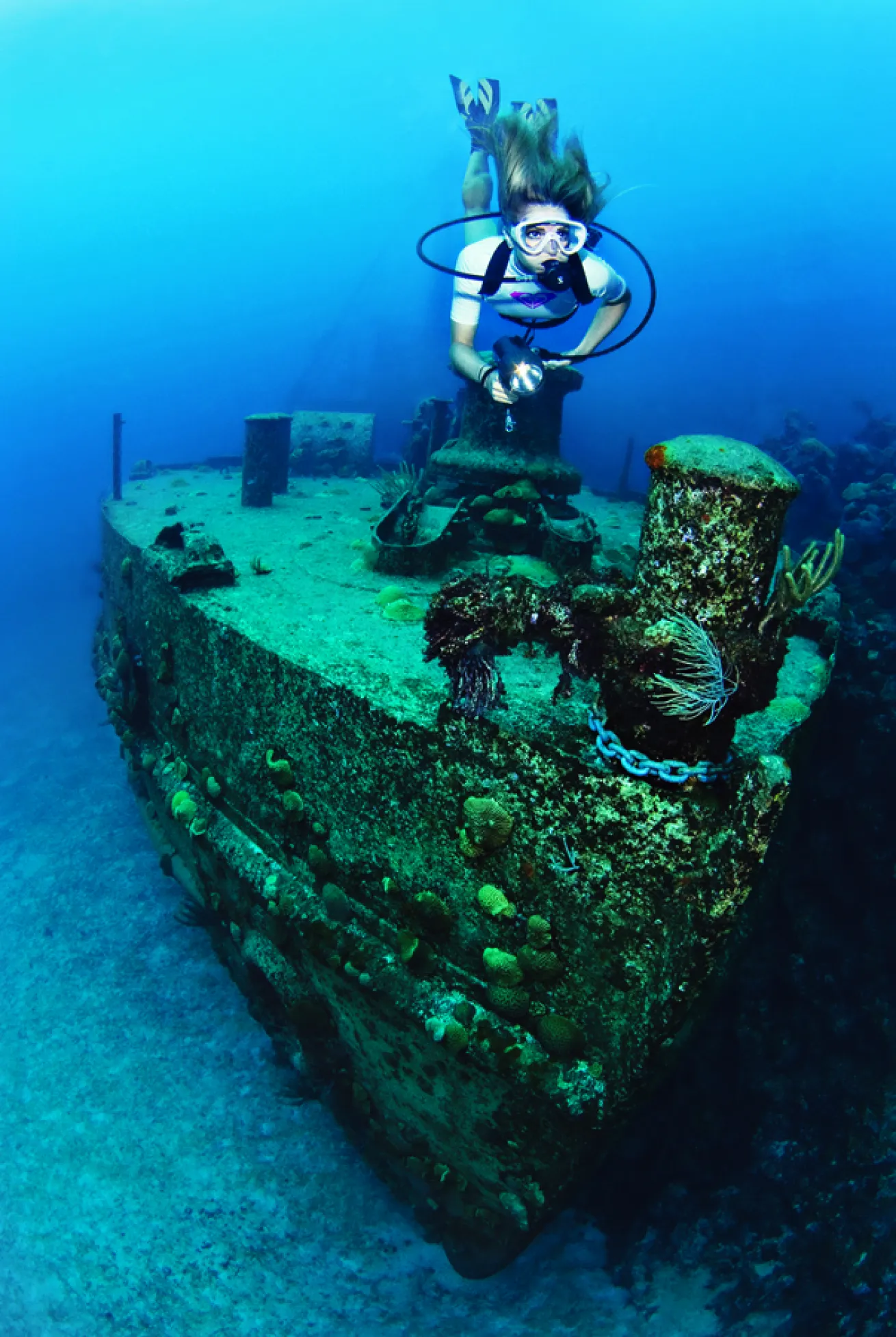
STUART PHILPOTTThe Hermes spent 10 months in St. George’s Harbour before it was donated to the Bermuda Dive Association.
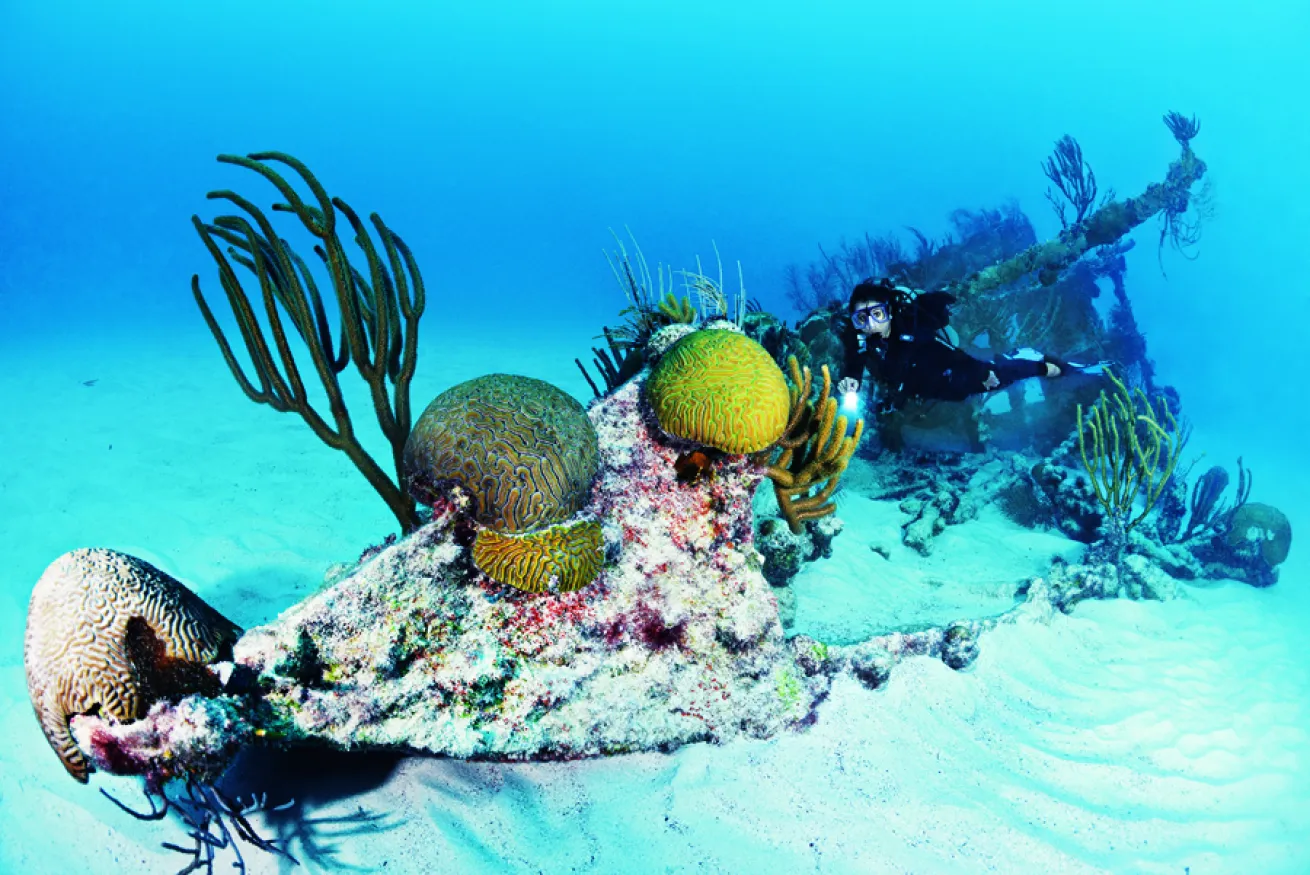
STUART PHILPOTTA blockade runner for the Confederacy during the Civil War, the Mary Celestia went down on a Bermuda reef in 1864.
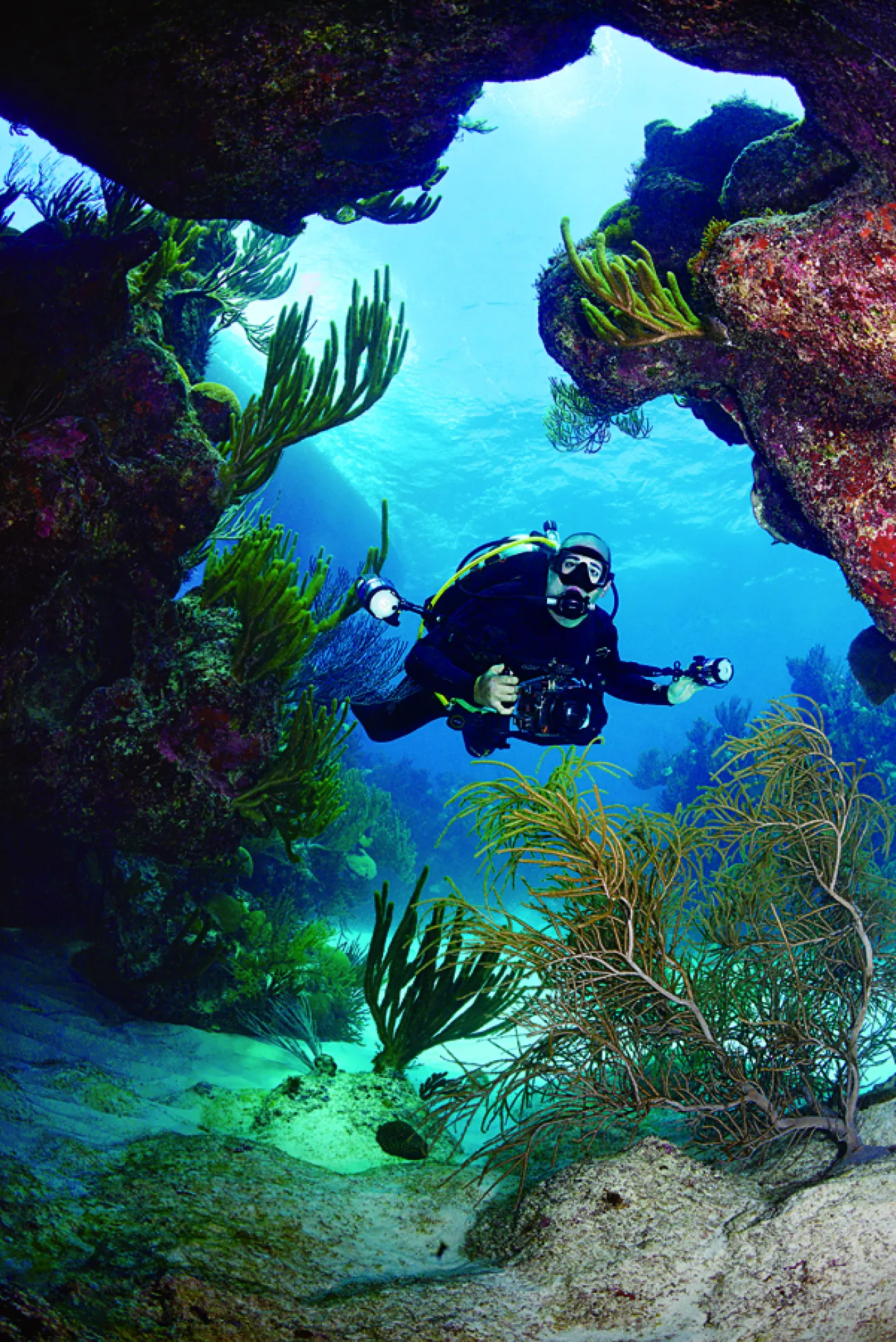
STUART PHILPOTTAfter more than 350 years underwater, the Virginia Merchant wreck is brightly encrusted with corals.
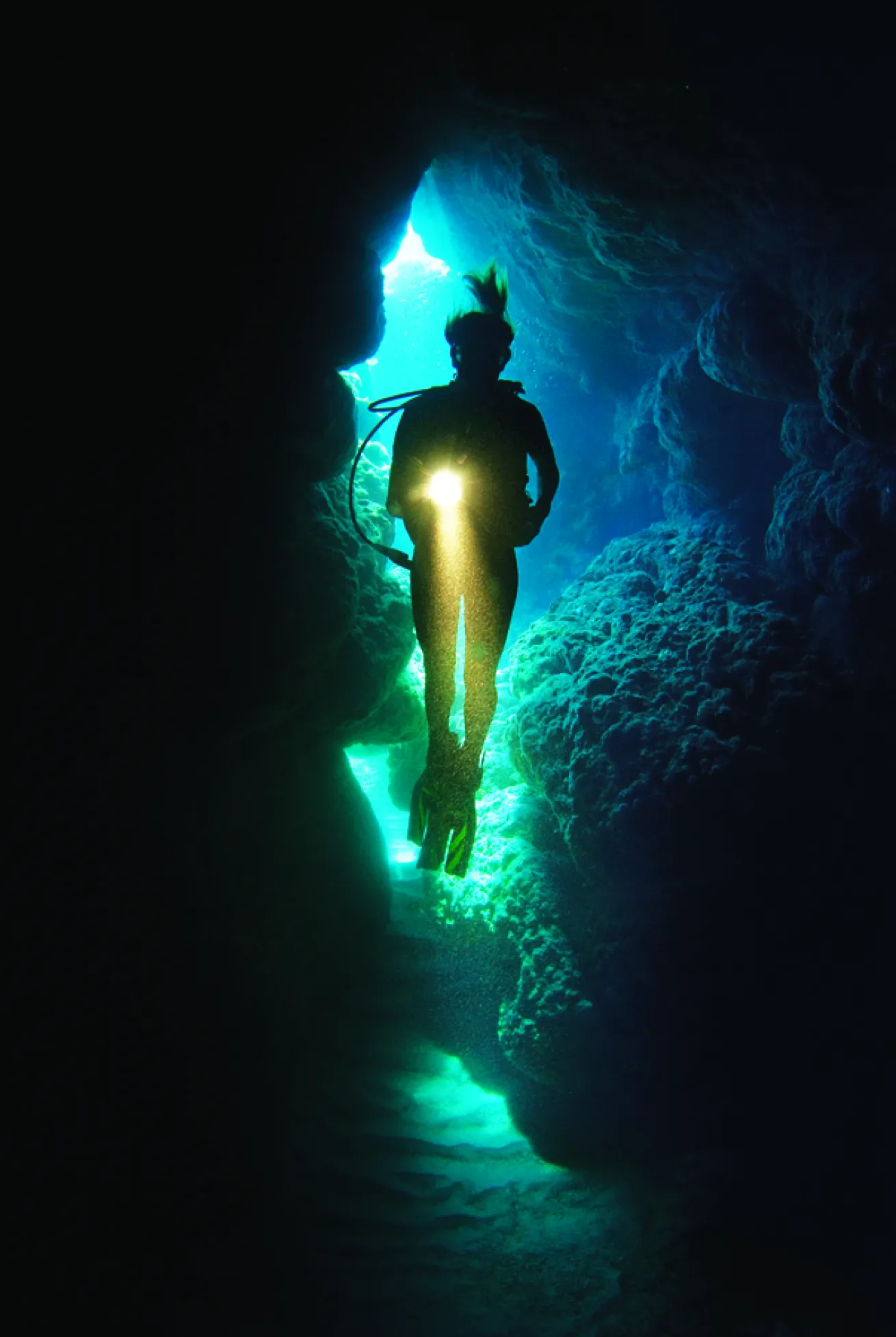
STUART PHILPOTTThe reef around the wreck of the Virginia Merchant offers plentiful cracks and crevices for exploration.
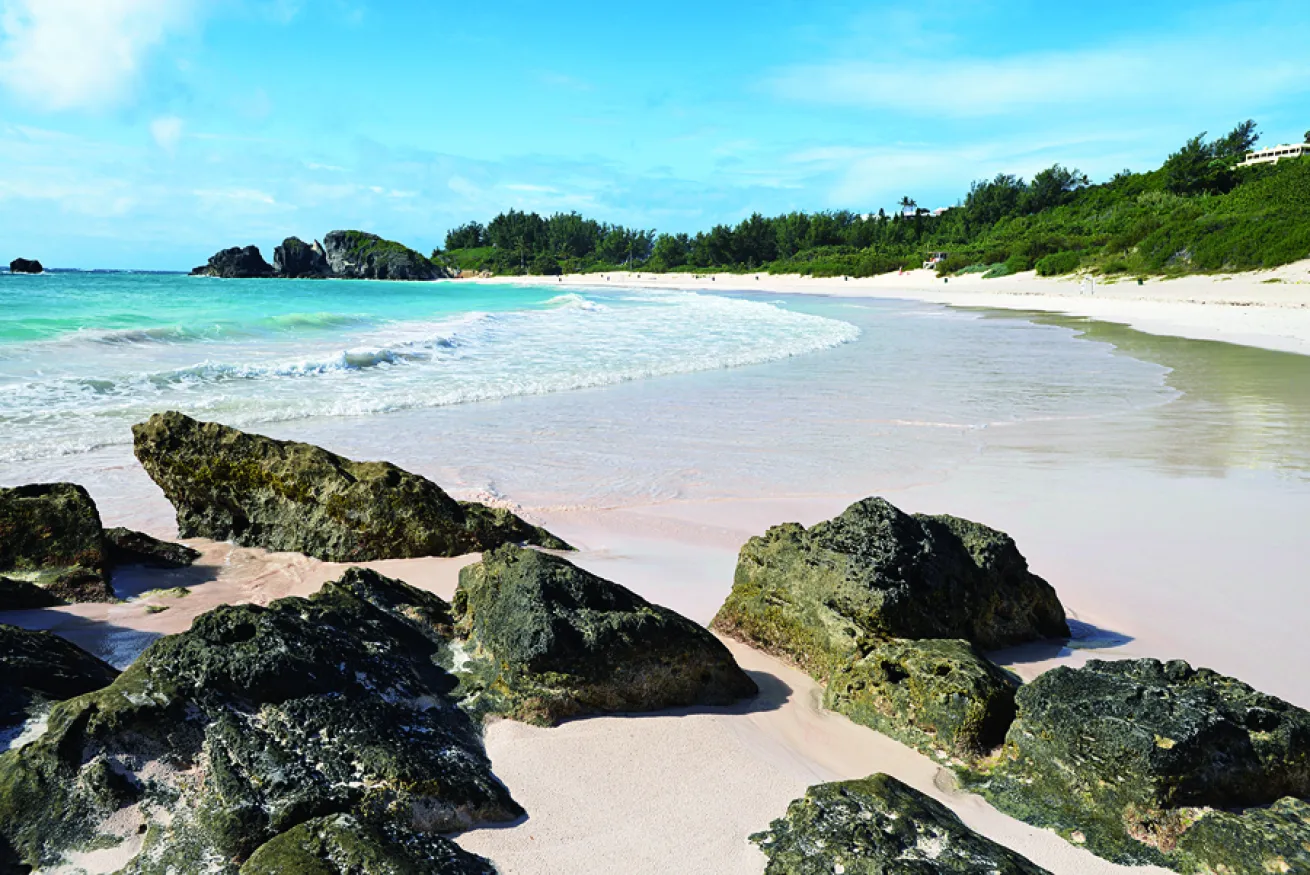
STUART PHILPOTTBermuda is famous for its pink-sand beaches, like this one at the Fairmont Southampton hotel.
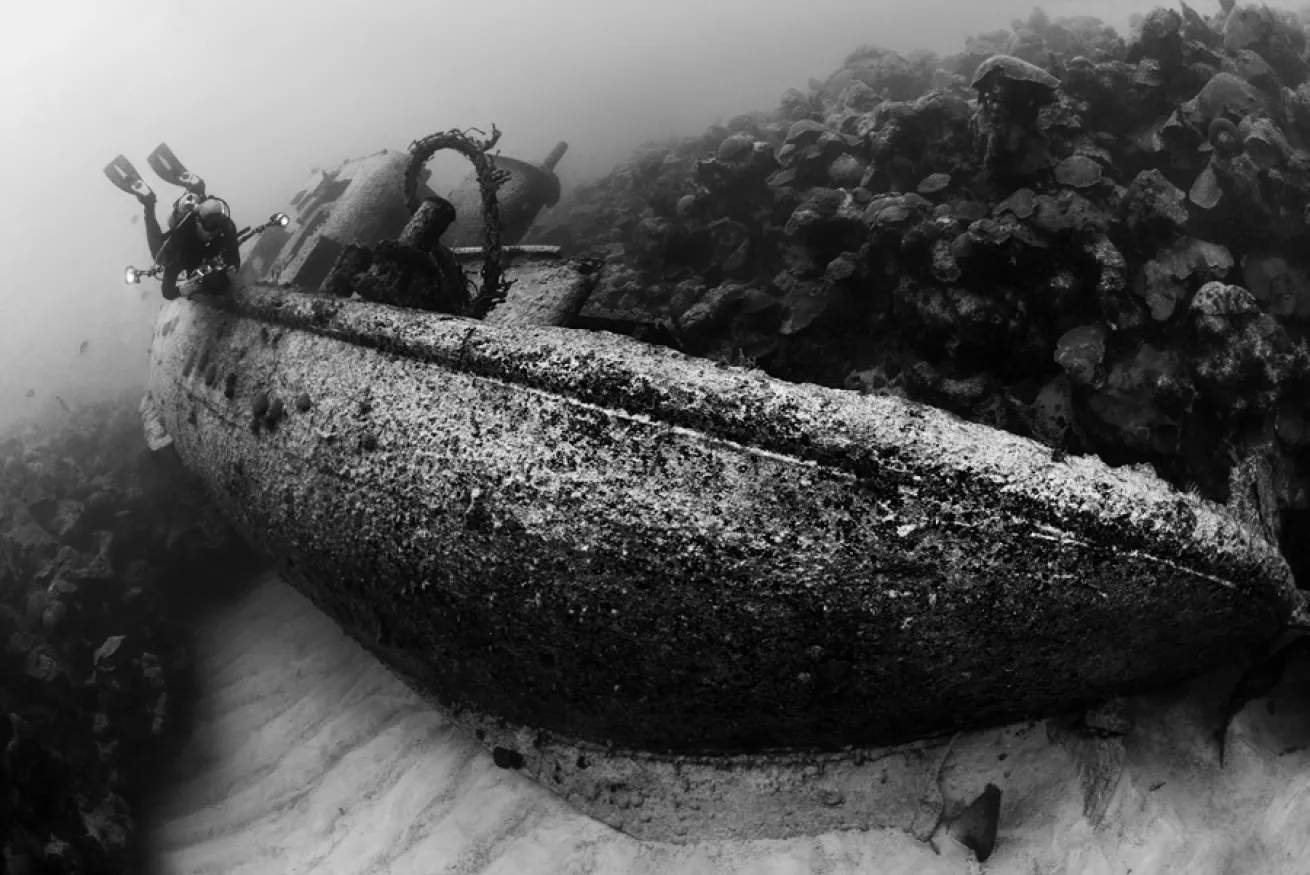
STUART PHILPOTTDivers can visit two wrecks in one dive: the 55-foot-long King tugboat (pictured), and the nearby 75-foot-long Forceful tugboat.
STUART PHILPOTT
STUART PHILPOTT
STUART PHILPOTT
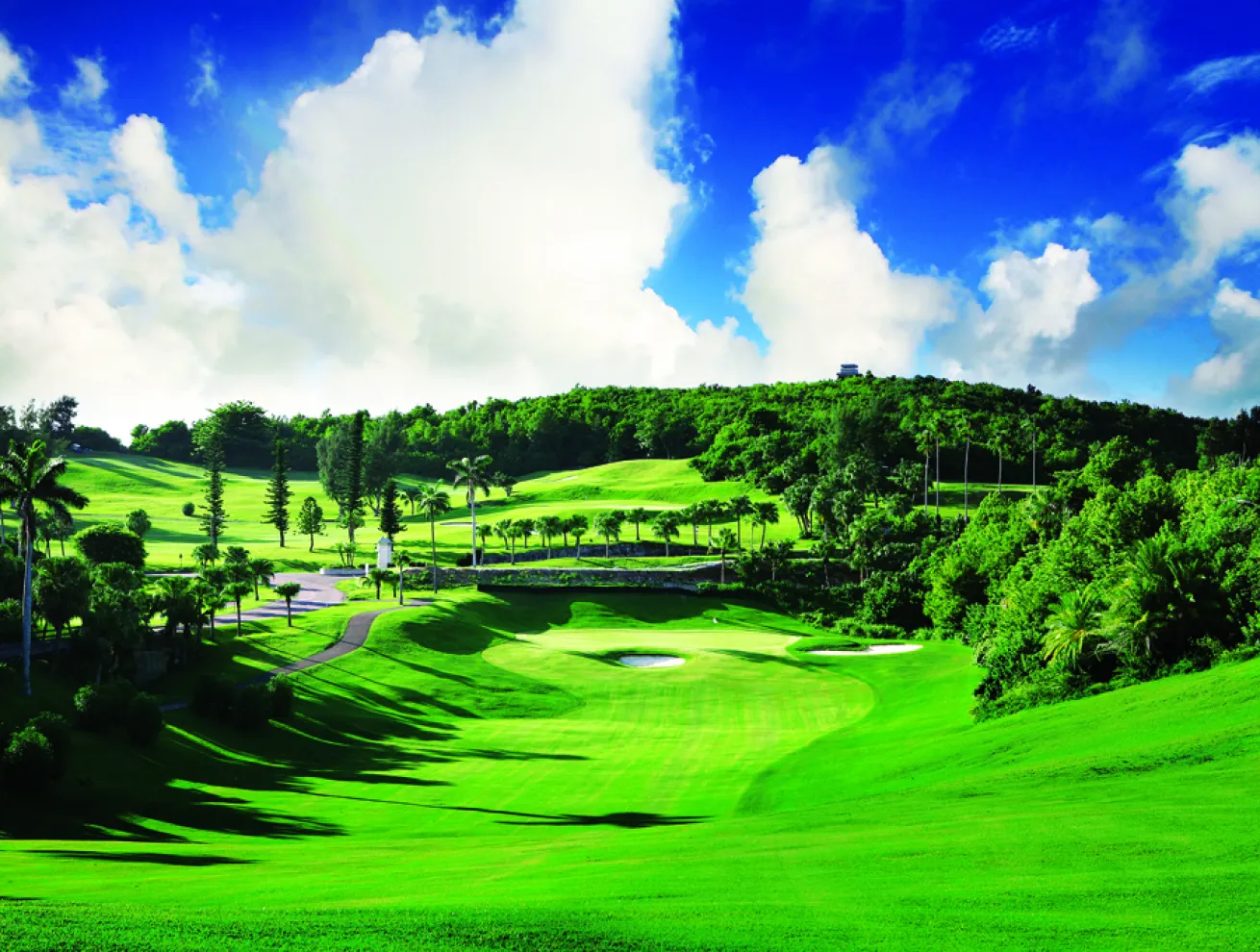
STUART PHILPOTTThe manicured grass of Bermuda’s plentiful golf courses is a topside allure for visitors to Bermuda; this one is at Rosewood Tucker’s Point.
A Little Slice of Bermuda
“You go to heaven if you want, I’ll stay here in Bermuda.” Mark Twain wasn’t even a diver, but he succumbed to Bermuda’s allure, along with authors and artists from William Shakespeare to Georgia O’Keeffe all of whom took inspiration from stories of these shores dating back to the 1500s.
Bermuda isn’t just for divers. Couples come here for its pink-sand beaches and Bermuda “moon gates”: Asian-influenced garden gates said to bring luck to lovers. Golfers fly in, woods and irons in tow, for resorts like the Rosewood Tucker’s Point hotel. Catering to all par levels, some refer to the course as “golf porn” — which explains the devoted repeat clientele. (New Yorkers can leave LaGuardia Airport and be on the green in two hours.)
Bermuda’s position in the central North Atlantic brings stormy seas that, in addition to its shallow reefs, are largely responsible for its storied wrecks. Thankfully so: Bermudians value their rainfall.
As early as the 1600s, houses were built with white limeston filters on their roofs that deposit rainwater into tanks under the homes. Even today, after a good rain, you hear locals happily say, “My tank is full.” Bermuda was eco-friendly before there was even a name for it.
Those life-giving storms have been good for divers too. Along with Bermuda’s almost record-breaking number of wrecks — 300 plus — storms are still rearranging the underwater landscape here. Each one brings a glimmer of hope that the next dive might be the one that reveals that still-unfound treasure — a silver Spanish dollar or doubloon waiting to make an appearance, ending a century or more in hiding.
On this visit, I’m told the operators we’re diving with — Dive Bermuda, FantaSea Diving & Watersports, and Triangle Diving — are just beginning their hunt to uncover the location of the long-lost Roanoke.
In 1864, the 218-foot-long steam-packet ship left Havana bound for New York. It was taken captive by the Confederate States of America and was scuttled off Bermuda’s east end. For more than 100 years it has been lost at sea, defying modern notions that technology like radar and GPS can locate anything.
Shipwreck Graveyard
With a few days to kill before the hunt to find the elusive Roanoke, I gear up with Dive Bermuda to explore wrecks that already have their places on the dive map.
First up: Hermes. The proud, still-intact 165-foot steel buoy tender was purpose-sunk in 1984. Visibility here is about 100 feet, offering a clear view of a ship full of open-water passageways and portholes streaming with light, rays hiding in the nearby sand patches, hovering barracuda, and clouds of yellowtail snapper.
Our second target, the Mary Celestia, is not as intact. It found its final resting place after crashing into a reef on the south side of the island in 1864. What was intact: five bottles of 148-year-old wine in its bow, revealed in 2011 by storms from the previous winter.
The 225-foot side-paddlewheel steamer, in its day, served as a Confederate blockade runner. Like many Civil War-era ships, Mary Celestia was made of wood and is not as well-preserved as its steel neighbors. The difference calls for a sharp eye: More than once I watch as coral heads buzzing with chromis miraculously transform into paddlewheels, anchors or bows, revealing glimpses of their former life. And you never know, there could always be another stray bottle of wine lurking in the shadows.
Wrecks like the Mary Celestia give divers more time to explore nearby swim-throughs — Bermuda has tons. Which is why many of the dive guides here have affectionately nicknamed themselves “swim-through junkies” or “tunnel rats.”
Case in point: the Virginia Merchant. One of the only parts left of this vessel is the anchor — divers search for the camouflaged artifact, then move on to play among a maze of nearby swim-throughs, following oversize sand paths through reefs teeming with marine life.
X Marks the Spot
When D-Day arrives, I set up on the boat departing from Triangle Diving. There’s a buzz in the air from the mix of on-island dive operators, staff and regulars. The camera table is piled high with cupcakes from staffer’s girlfriends, homemade cookies and even a fruit plate. Thermoses are filled with hot chocolate. We’re pretty much set. The plan: We’ll take the boat out to the coordinates the group has pinpointed as the spot of the Roanoke’s long-lost hideaway, and we dive in — cameras and video gear ready to capture the ship as it dramatically comes into view. An epic experience awaits us.
Then it happens: About an hour out, we hear what every diver dreads — the captain calls the dive. He’s been working for Dive Bermuda for 20 years, so we respect his judgment. The morning’s conditions are too rough for us to hit our mark. Disappointed but not deterred, the captain steers us in the direction of a more suitable dive site.
For us, it’s Cathedral. As I spot a spinning school of horse-eye jacks, I approach the site’s namesake. The reef’s domelike structure is perforated with skylighted shafts that open up to rays of sunlight. It might not be a new discovery on the dive map, but it’s clear why Cathedral is a favorite. The dramatic ambience proves to be the perfect consolation prize.
Back on board, the energy is still surprisingly high. It’s almost as though we’re glad we didn’t find the Roanoke. Lucky for us, it’s not going anywhere. In Bermuda there’s always another wreck to find, another treasure to dream about, another dive to be explored.
And on Mary Celestia, they still haven’t accounted for all that wine.
DIVE FOR A CAUSE: Unfortunately lionfish are an unwelcome visitor to Bermuda's reef system. Here's how to make the best of the problem by capturing and using the lionfish for good. Watch it HERE.
Divers Guide to BermudaE
Average Water Temp: 75 degrees F >> What to Wear: 3mm in late spring to early fall; 5mm in early spring and late fall; 7mm/drysuit in winter >> Average viz: 60-200 feet >> When to Go: mid-March to December >>
For more info, check out sportdiver.com/bermuda
DON’T-MISS DIVES
CRISTOBAL COLON
The Spanish transatlantic luxury liner sank in 1936 and is Bermuda’s largest shipwreck, measuring 499 feet and three decks high. Used for bombing practice during WWII, today it’s a haven for large grouper and other reef fish.
HERMES
This intact 165-foot U.S. Coast Guard buoy tender was sunk as an artificial reef in 1984. Today divers can circumnavigate the outside of the ship or safely explore the vessel’s interior rooms and hallways.
RITA ZOVETTA
After running aground on the south side of the island, the 394- foot Italian cargo ship found its resting place at 69 feet, making it ideal for photographers for its lengthy bottom time and an abundance of marine life.
DIVE OPERATORS:
BLUE WATER DIVERS & WATERSPORTS
Top Side To-Dos
Explore
If you can’t pull yourself from the water, check out the ferry schedule on Sea xpress. Departing out of the Hamilton Ferry Terminal, choose a route, and catch glimpses of Bermuda’s charming cottages, regal homes, the historic town of St. George — a UNESCO World Heritage site — and the Royal Navy Dockyard. seaexpress.bm
Bike
Explore the island and get some exercise via the Bermuda Railway Trail, created in 1984 on 18 miles of former railway. Bike rental shops with knowledgeable owners can give you a map with all of Bermuda’s must-see spots. Bikes are limited, so make a reservation if you can. Try Eve’s Cycles. evecycles.com
Eat
Even if you’re not staying at Elbow Beach Bermuda, head over to Mickey’s Beach Bistro and Bar (open seasonally). You’ll find a menu of fresh offerings, and this spot is one of the only places that offers beachside dining during the day. (Locals love it too, so you know it’s good.) Pompano Beach Club’s Ocean Grill is the spot to celebrate a week of killer diving. On the menu: Bermuda fish chowder, Atlantic salmon and Bermuda rum cake. elbowbeachbermuda.com; pompanobeachclub.com
Savy Side Trips
Cab it! (Like a Local)
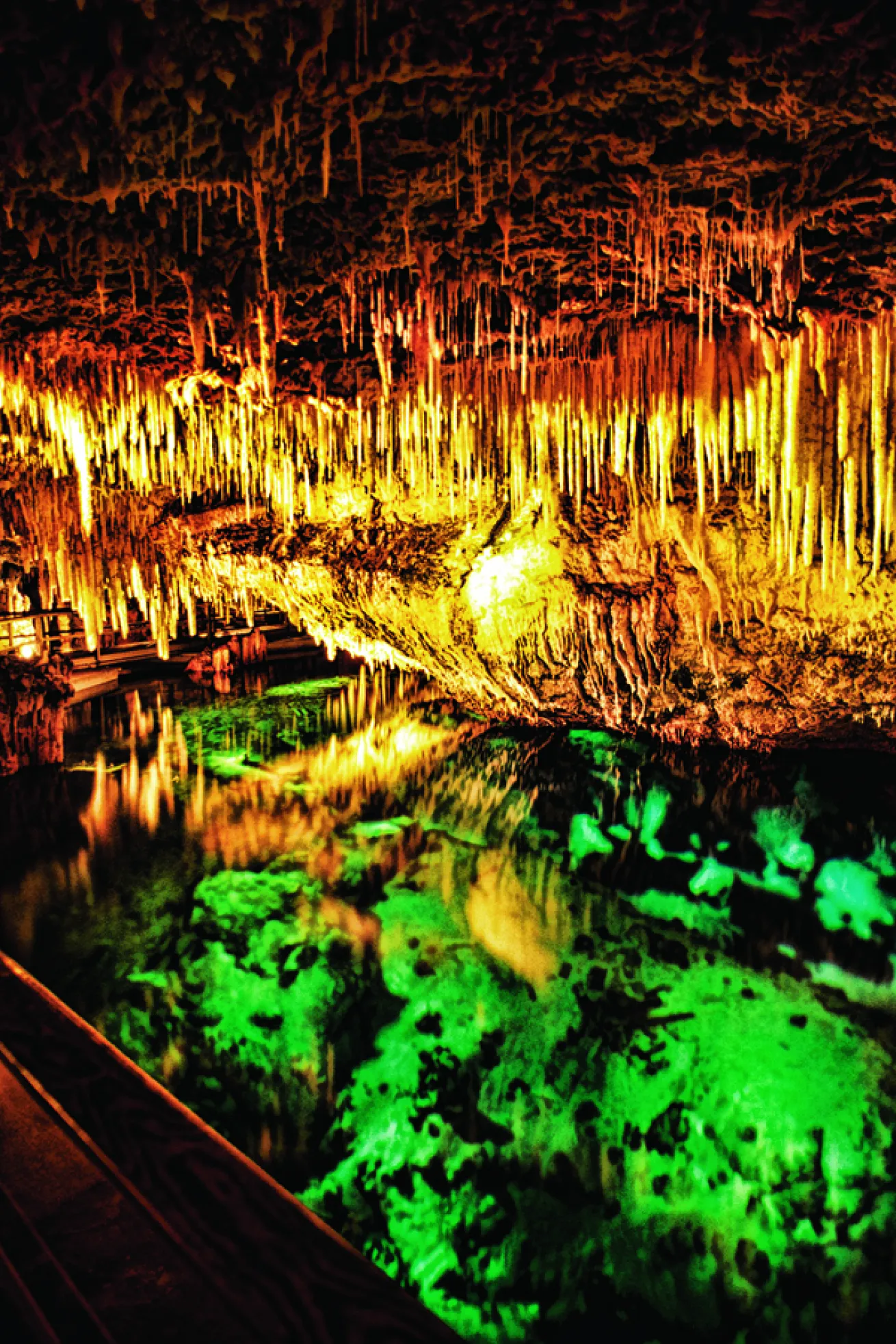
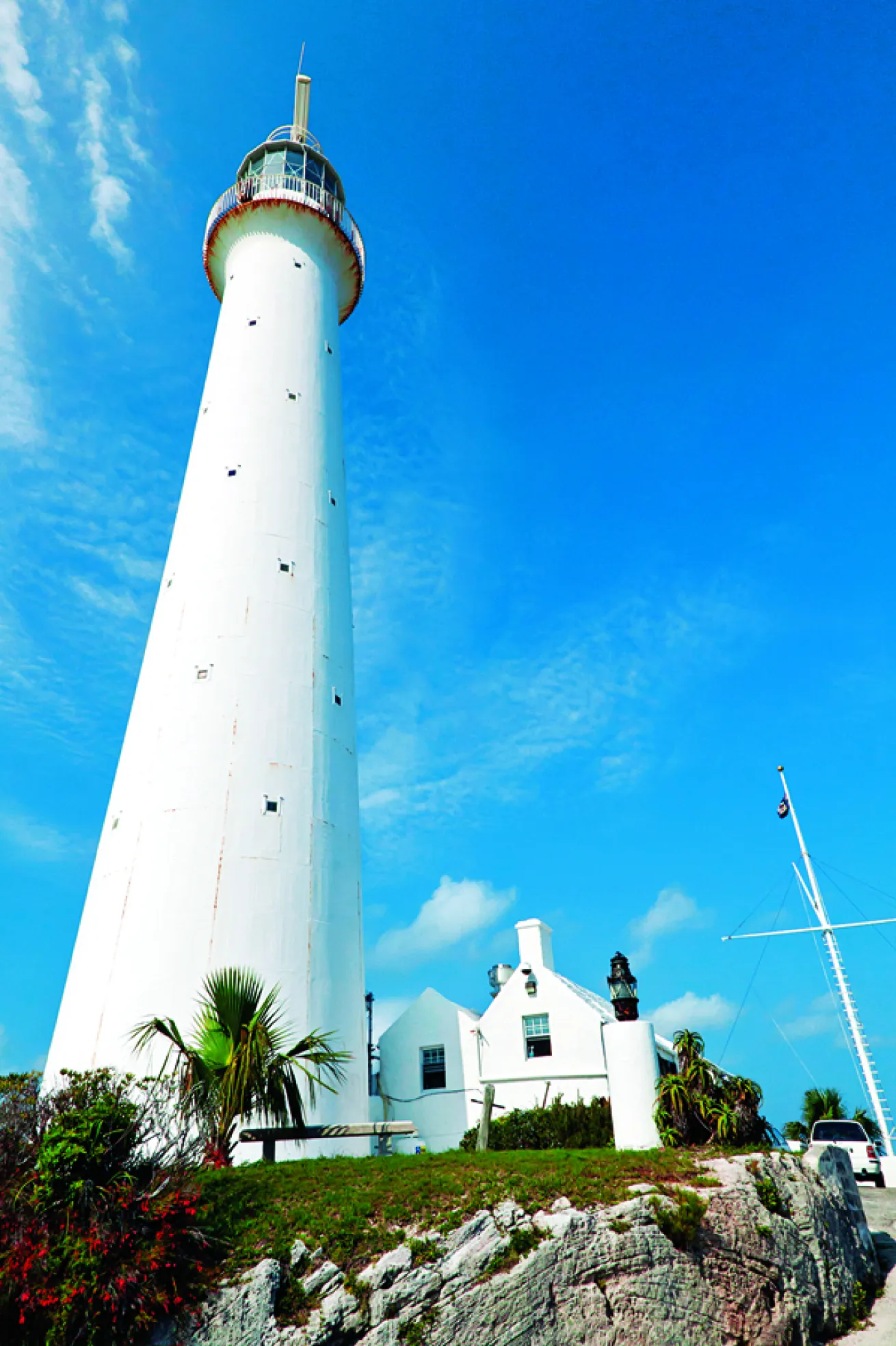
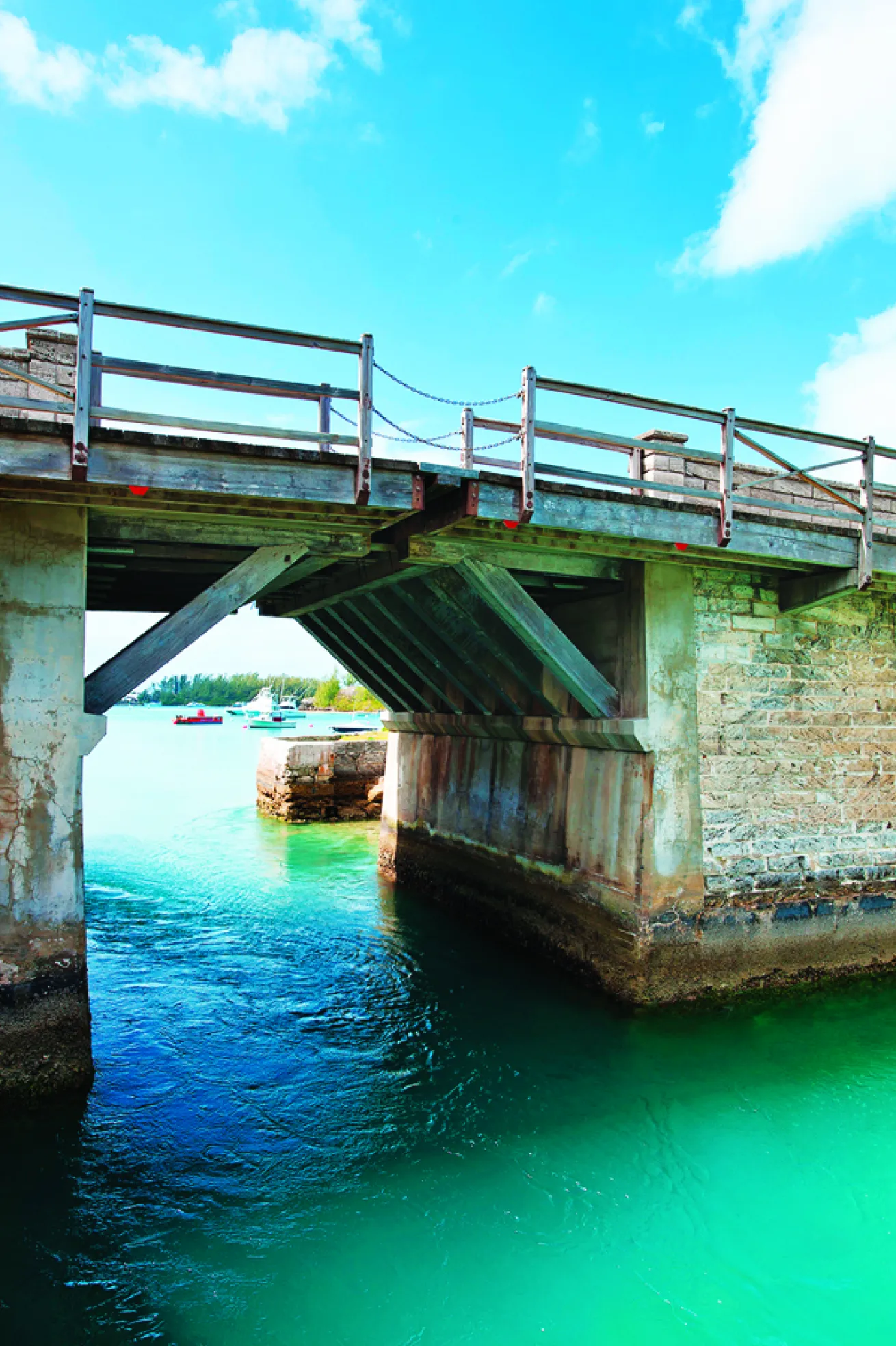
Hire a cabbie for the day to get your own personal island tour. It’s more convenient than a group tour, and you’ll have the freedom to stop as you please, whether it be for a look atop one of the historic forts or a stop at: 1) Crystal Caves (water-filled caves found by boys playing cricket), 2) Gibb’s Hill Lighthouse (for one of the best views on island), 3) Somerset Bridge (said to be the world’s smallest), or for a beer at one of the local pubs (which won’t be hard to find). Word on the street: There’s one church for every pub.


