

Walt Stearns
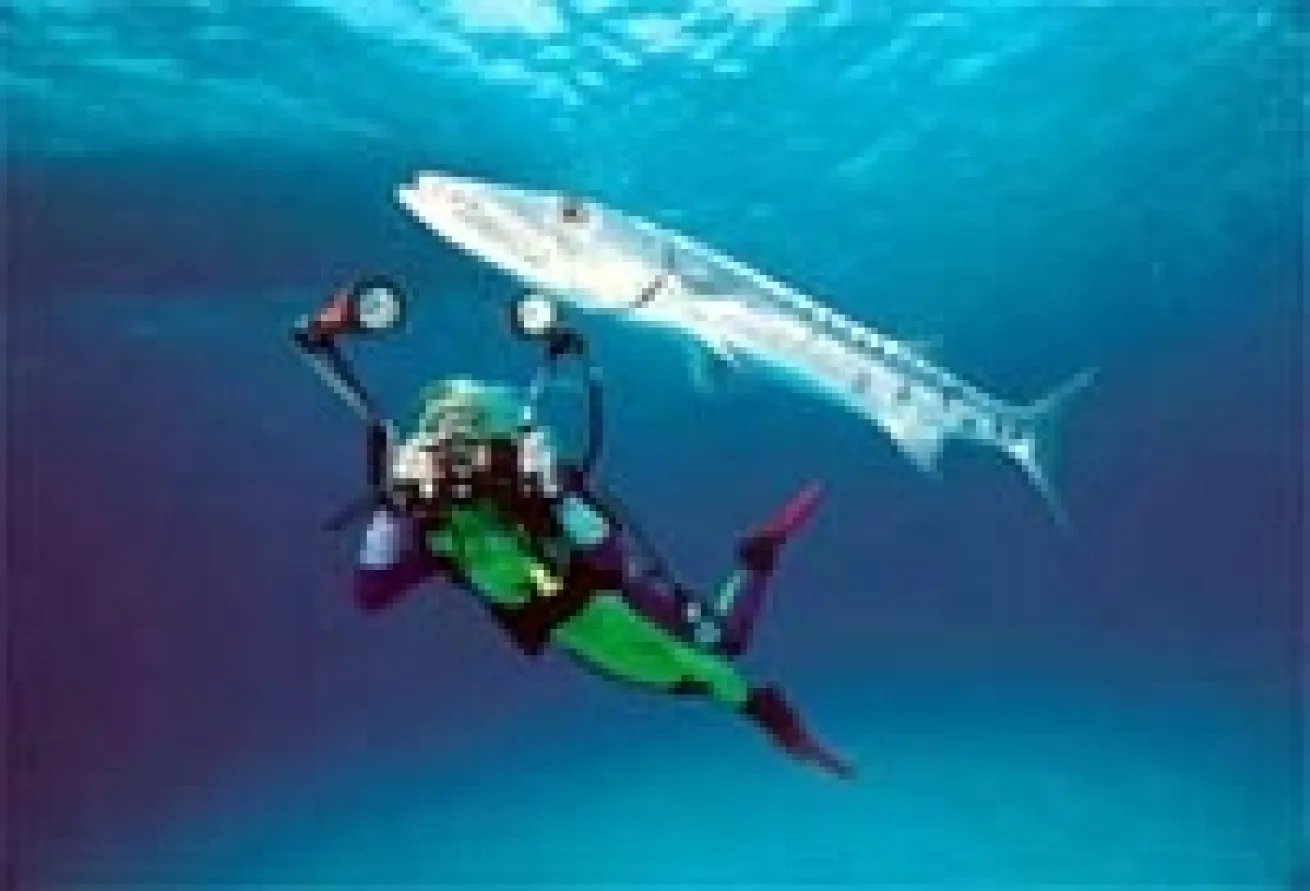
Years ago, underwater photographers earned a bad reputation for the environmental damage they sometimes caused. In the early days of diving, many underwater photographers wore additional weight to make sure they would be able to stay on the bottom. This excess weight ensured a lack of movement, in turn allowing the photographers the necessary time to compose their works of art. Unfortunately, little or no thought was given to the impact on the reefs. Things have changed, and the pursuit of an image is no longer considered justification for damaging the underwater landscape. Today, underwater photographers are held to the same no-impact standards as the rest of the diving public. In reality, anyone using a camera underwater must develop superior swimming and buoyancy control skills. The seemingly simple acts of holding and manipulating a camera system can turn even highly experienced divers into fumbling novices. If we wish to become skilled and conscientious underwater photographers, we must first work on our diving skills. Buoyancy control is by far the single most important dive skill one needs to master before attempting to take underwater photographs. Controlling Buoyancy Buoyancy control can be divided into three levels of expertise. It is sad to say, but most divers never put enough time into reaching the third level. They flounder somewhere between levels one and two, unknowingly bumping the reef and kicking up silt. Before taking a camera into the open water, you should first develop your buoyancy skills to the highest level. When we first started diving, remember how we flailed around, arms and legs akimbo, not yet comfortable in controlling our movements? At this most basic level, we needed to learn how much weight was required to make ourselves neutrally buoyant. Once properly weighted, we gained some control. But we still drifted up and down with each breath and used our hands to steady ourselves. To achieve the second level of buoyancy control, we must learn to imitate marine mammals, with our arms and hands folded and stationary, our bodies relaxed and horizontal with a slight arch. With practice we can learn to use our breath and fins to ascend and descend, hold position and accelerate. Through controlled breathing, we can remain suspended in mid-water with no hand or leg action. To practice this skill, select a stationary point of reference then attempt to hold a vertical position. If you start to descend, take a deeper breath and if you start to ascend, exhale. Remember to breathe continuously and be conscious of your breathing. Once you can maintain position for about 60 seconds, you are ready to master skill level three. Hand Movements Now, it is time to learn to work with your hands in a proper and responsible way. Start by twirling your thumbs; get a length of rope and tie some knots. Write a poem on your underwater slate or just take some notes. At first, your buoyancy skills may deteriorate, as your mind is focused on the hands. With time, however, you will be able to handle both tasks simultaneously. Now, it's time to add a camera. Start in a pool or a shallow sand-bottom lagoon. Bring along a handful of objects that can be positioned as imaginary photo subjects. Next, enter the water with your complete camera setup in hand, whether it is just one camera or underwater housing and strobes. Check your weighting, then descend and establish neutral buoyancy. Assume different body positions and practice holding them. Focus and compose potential images while maintaining buoyancy. Be conscious of your fins and knees. Are they off the bottom? If this were open water, would they be causing environmental damage or stirring up silt? Good buoyancy control not only allows you to hover and hold any position without undue body movement; it also will reduce your air consumption. And using less air means more bottom time to compose that prize photograph. For more information on UW photo and video courses, contact your local PADI Resort or Operator, or go to www.padi.com. Pool TrainingA pool or a protected body of water is the best place to adjust your weighting and bring your buoyancy under control. When properly weighted and neutrally buoyant, you should be able to descend by simply exhaling. When you wish to stop descending, just inhale. Ocean Training For information about ocean training of phot buoyancy and practical photo techniques, in the clear waters of the Cayman Islands, click on the home page below. For information about amphibious cameras and camera kits, click on the home page below. For more information about metal underwater camera housings, submersible strobes, special lenses and other photo products, click on the home page below. For more information about underwater housings, submersible strobes and photo products, click onto the Ikelite home page below.


