

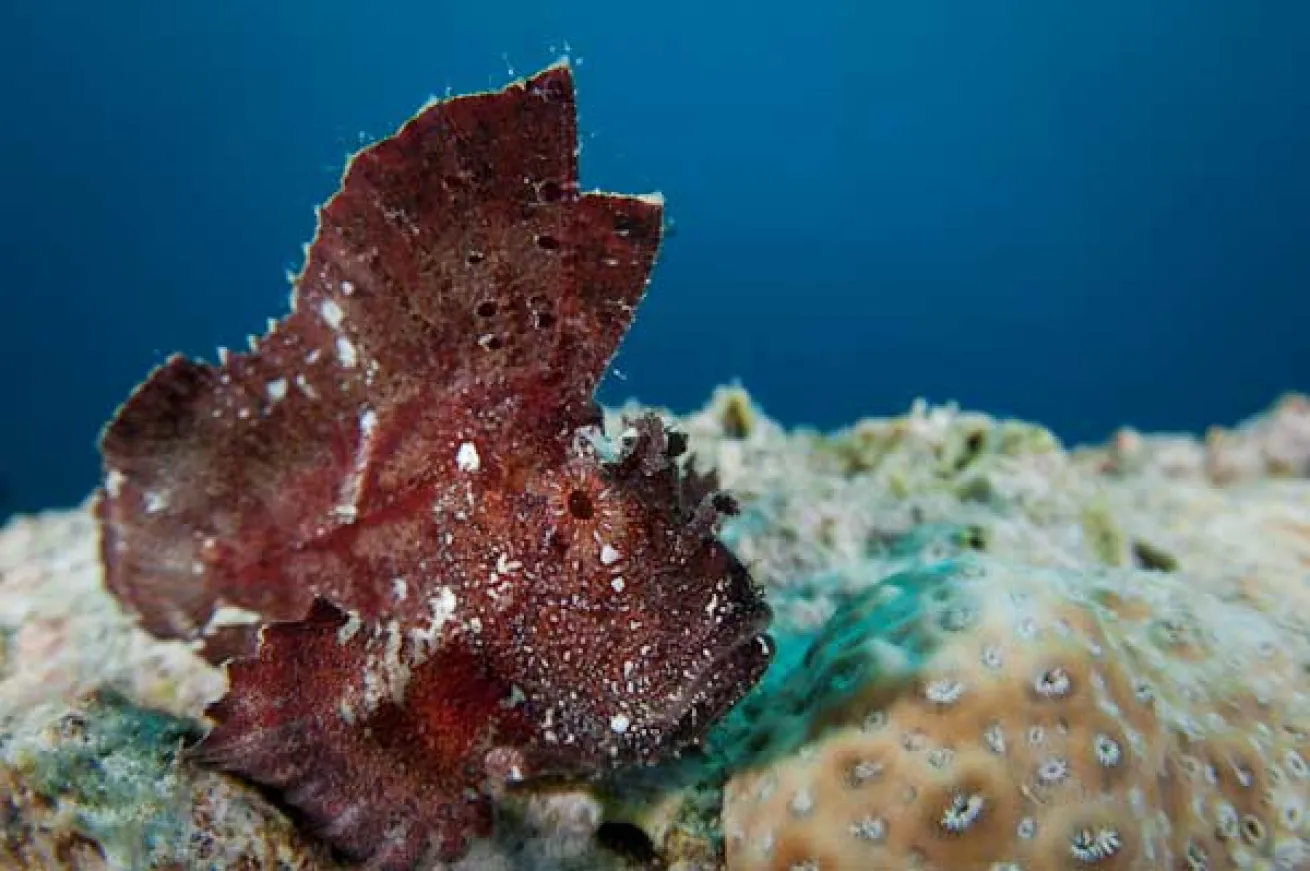
Christian Loader/ScubazooThe interesting perspective of macro wide-angle (MWA) produces images with depth – small subjects appear larger than life, and seem to jump out to the viewer.
SETTINGS: Nikon D300, Tokina 10-17mm, 1/160s, f9, ISO200.
Nexus mini dome port.
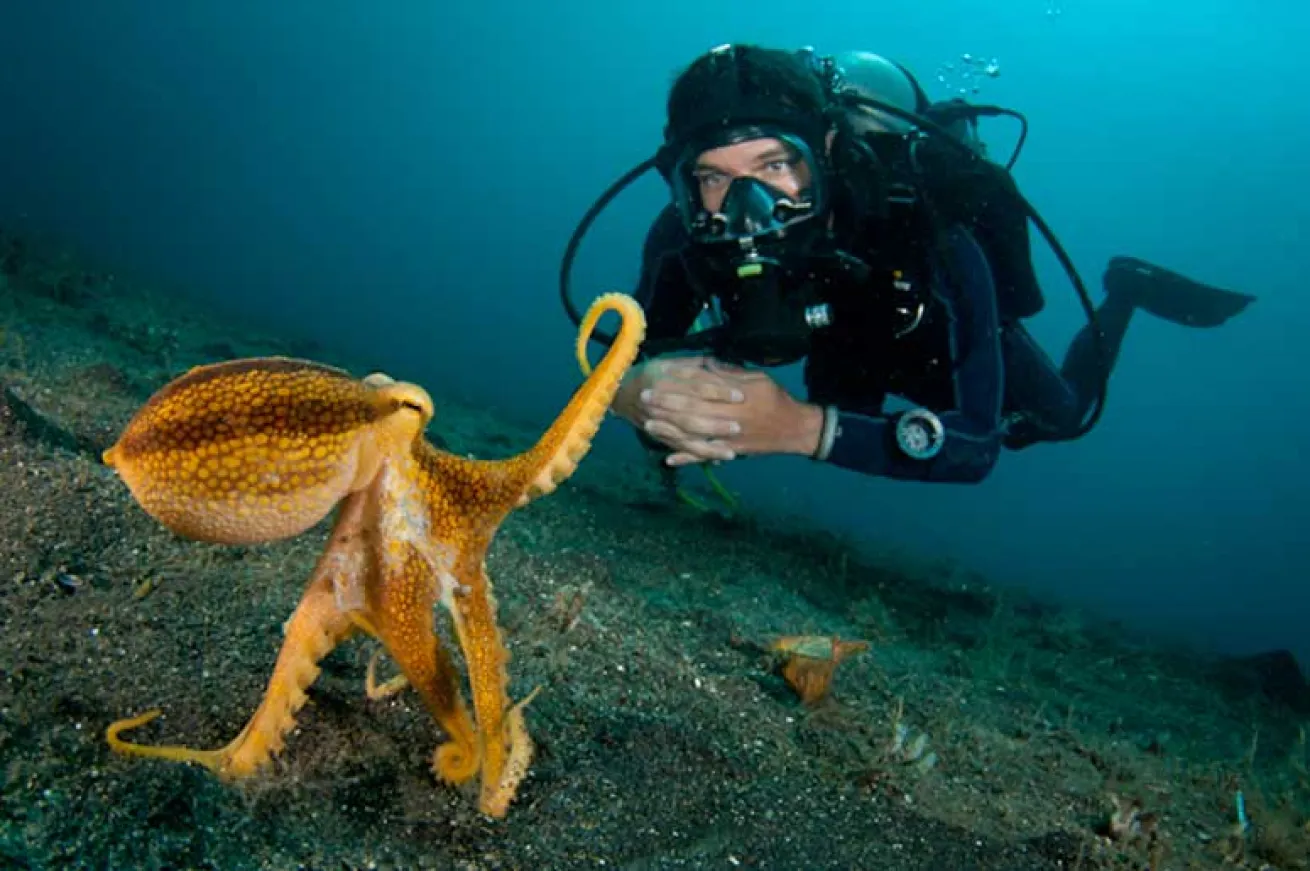
Christian Loader/ScubazooFisheye lenses with up to 180 degrees field-of-view are the best for the close focus wide angle (CFWA) technique, and have a very close focus distance of just a few inches.
Backgrounds such as divers, wrecks, jetties, caves, and walls for example work well when composing MWA images.
SETTINGS: Nikon D300, Tokina 10-17mm, 1/160s, f10, ISO200.
6'' dome port.
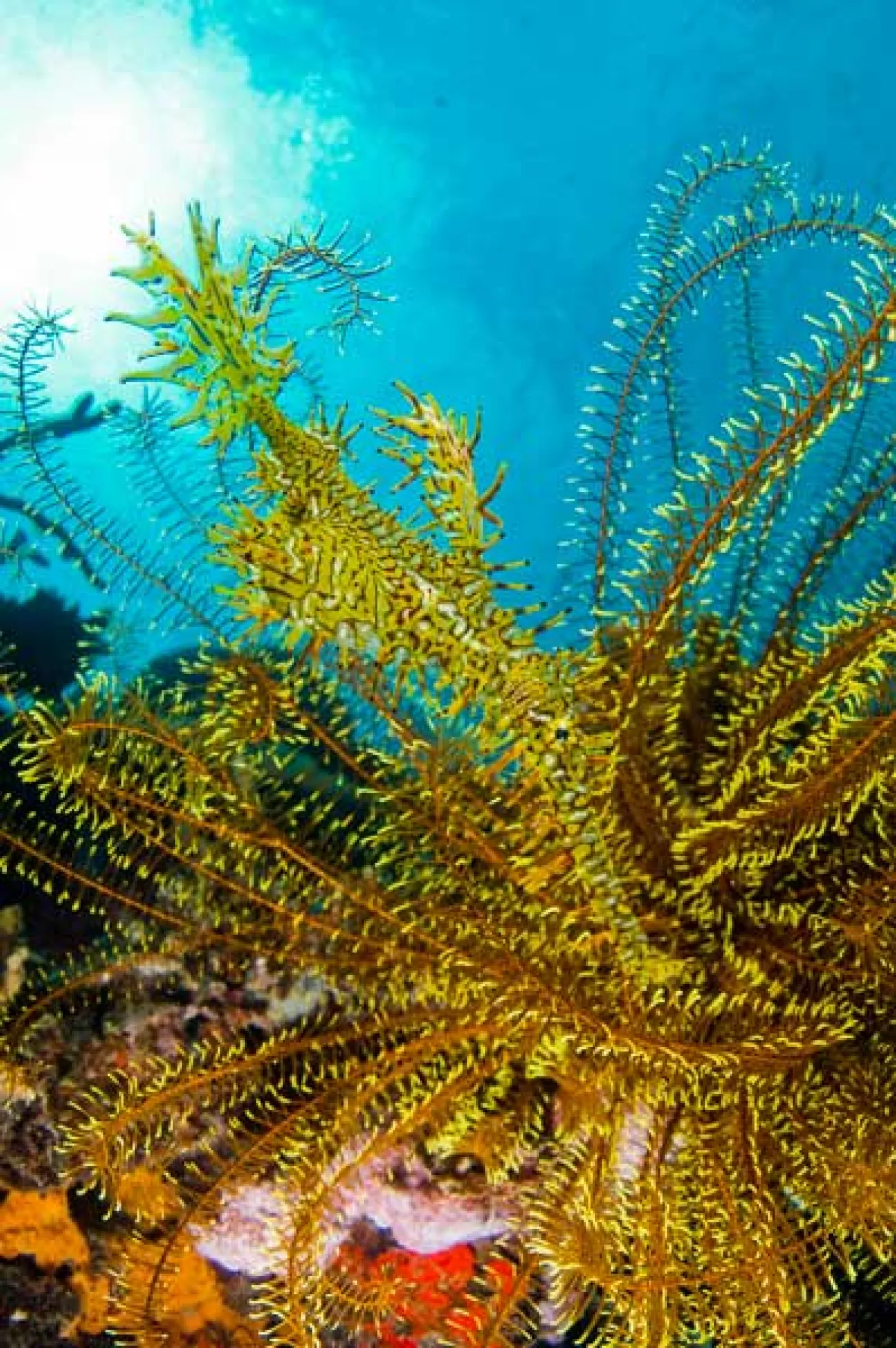
Jason Isley/ScubazooOrnate Ghost Pipefish inside a Feather Star - Gaya Island, Sabah, Malaysia
For MWA, shoot from a low angle and try to isolate your subject against a brighter background. A 45 degree viewfinder on DSLR housings can be beneficial in these situations, allowing a more comfortable shooting position. Removing the left handle of your housing is another way to get lower down for a better angle.
SETTINGS: Nikon D2Xs, Nikon 10.5mm, 1/160s, f8, ISO100.
Nexus mini dome port.
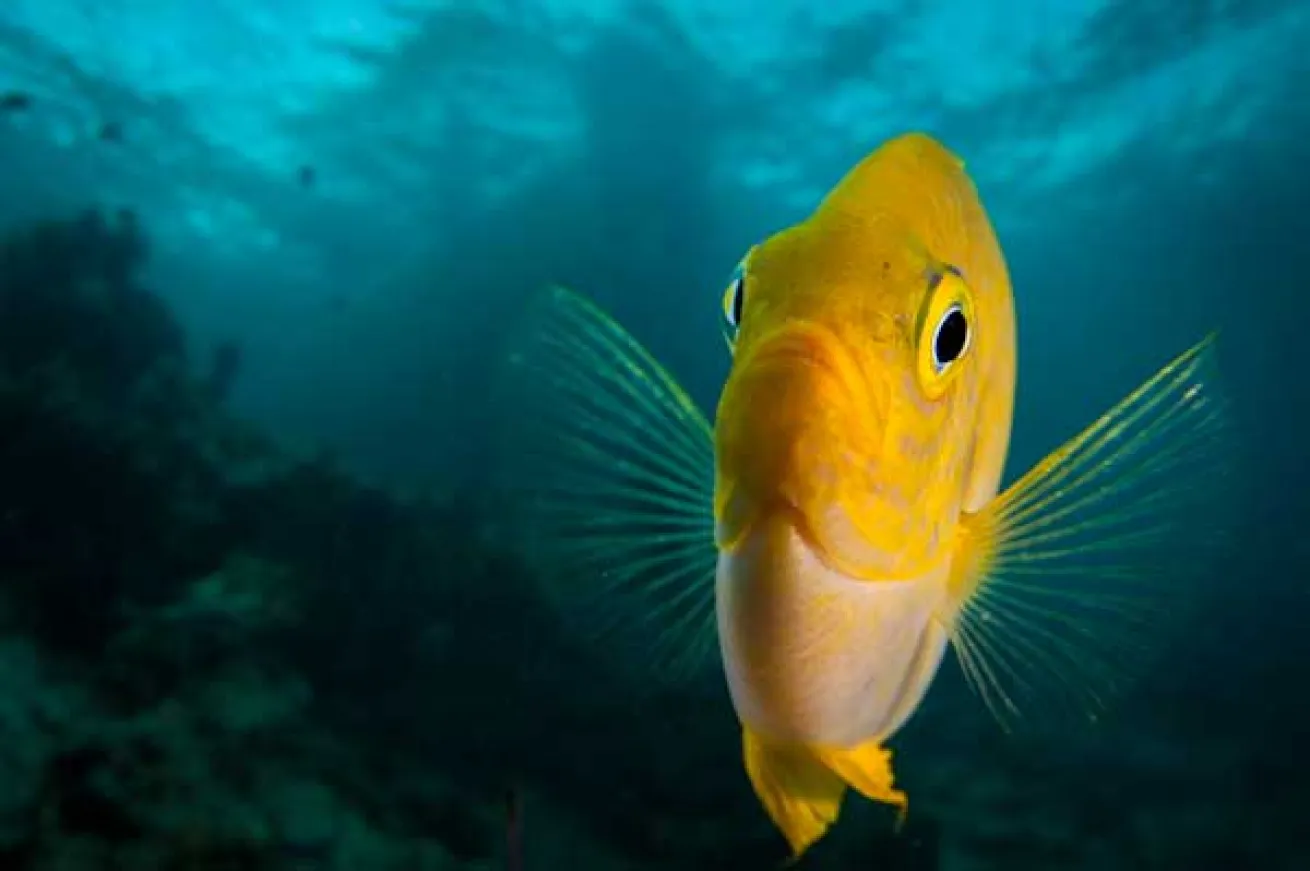
Christian Loader/Scubazoohooting MWA in midwater, keep in mind the ambient light from above on the subject. This is more important for vertical/portrait shots, and you may need to slightly increase the power on the lower strobe to compensate.
Plain, blue water backgrounds can be dull, but surface texture, sun beams or sun bursts can liven it up.
SETTINGS: Nikon D300, Tokina 10-17mm, 1/160s, f8, ISO200.
Nexus mini dome port.
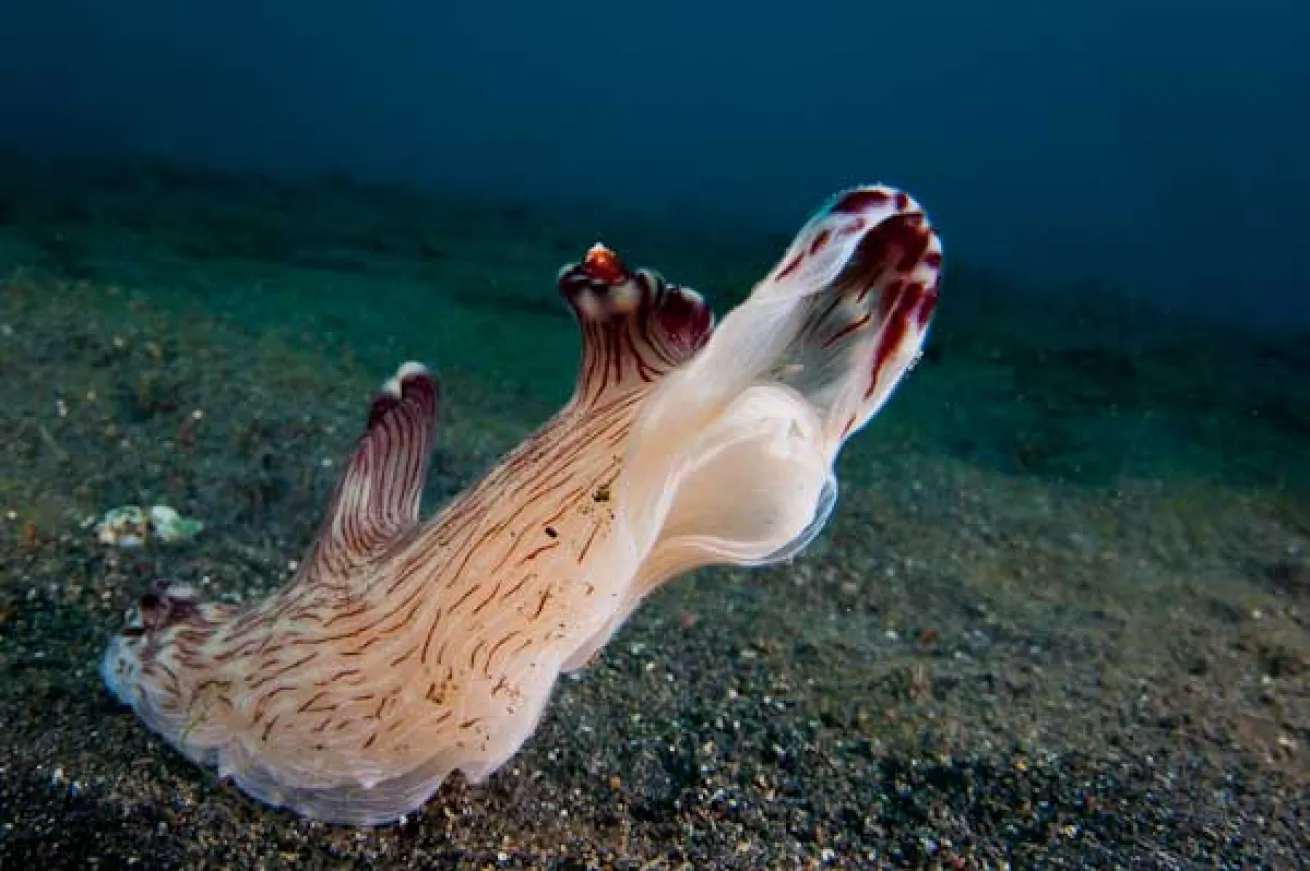
Christian Loader/ScubazooThis nudibranch was almost touching the mini dome port. Using a mini dome meant I could tuck my strobes in very close pointing slightly inward - evenly lighting up this small subject. With a larger dome port this shot probably wouldn't have worked, as lighting the front of the nudibranch would have been difficult.
SETTINGS: Nikon D300, Tokina 10-17mm, 1/160s, f14, ISO200.
Nexus mini dome port.
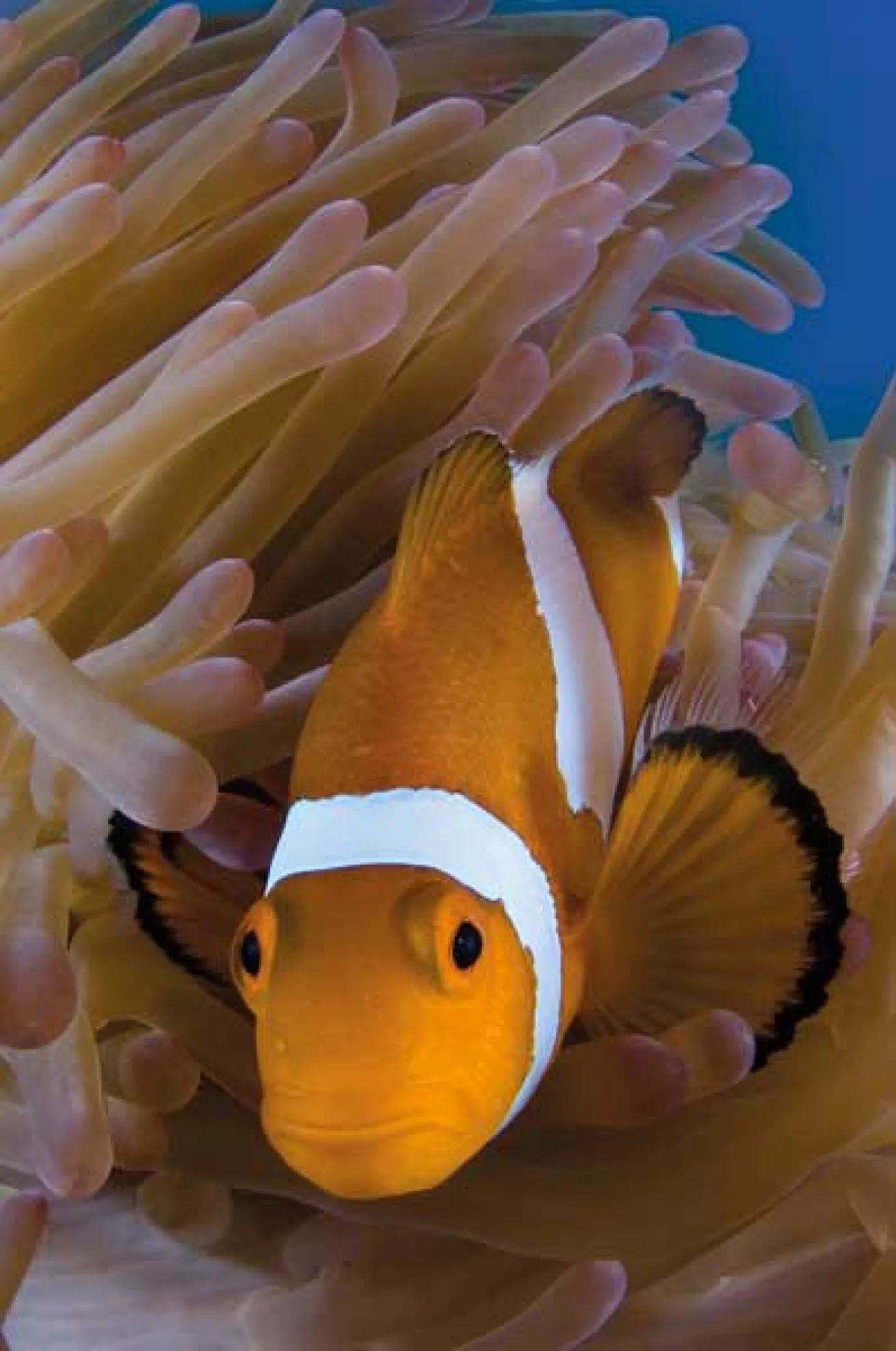
Jason Isley/ScubazooColourful and charismatic subjects such as this anemonefish result in striking MWA images which captivate the viewer.
SETTINGS: Nikon D2X, Nikon 10.5mm, 1/250s, f20, ISO100.
Nexus mini dome port.
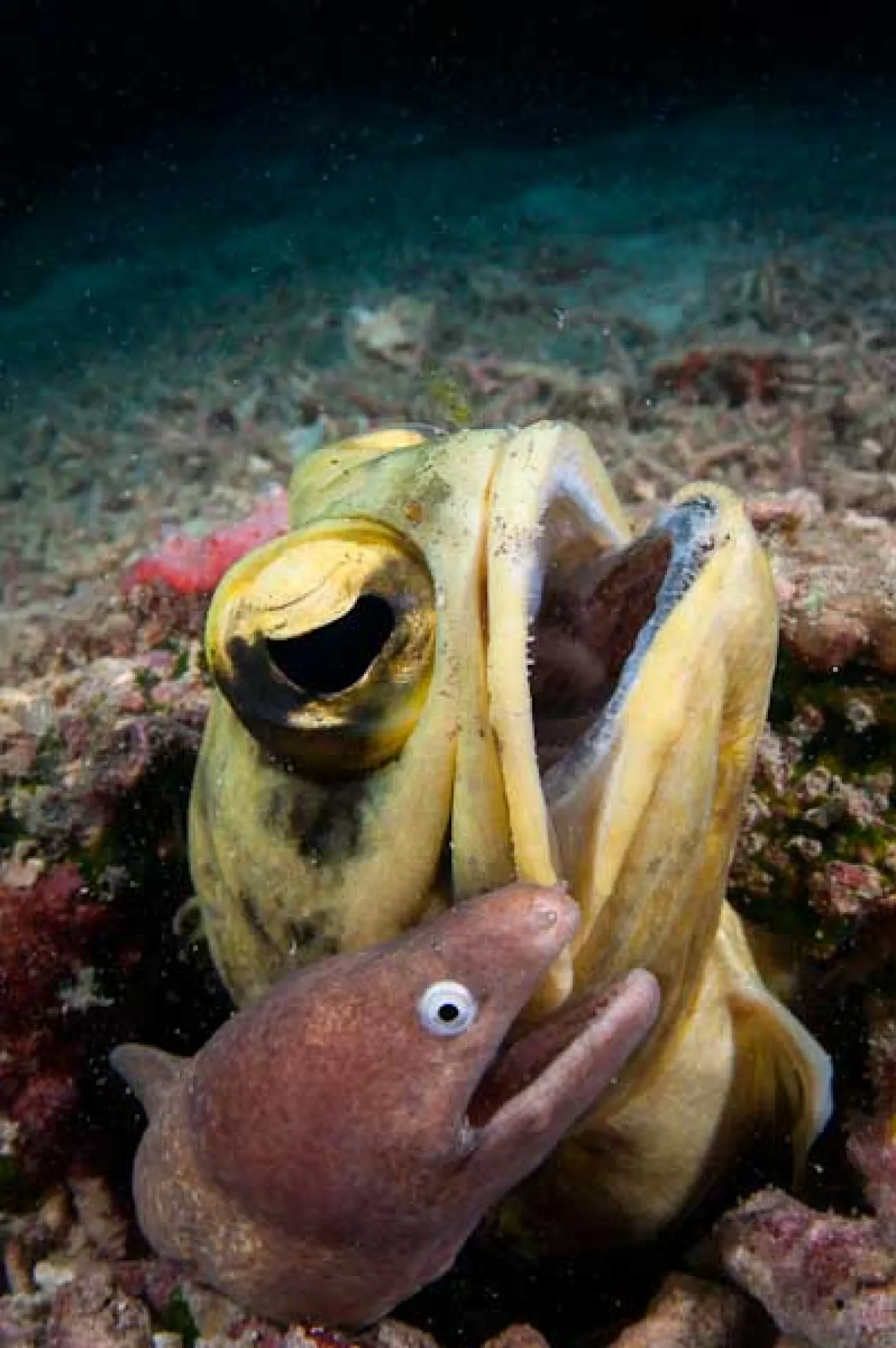
Christian Loader/ScubazooFor small subjects such as this unusual pair, using a 1.4x teleconverter with a fisheye lens narrows the field-of-view, allowing you to fill the frame better with the small subject.
SETTINGS: Nikon D300, Tokina 10-17mm, 1.4x Teleconverter, 1/160s, f20, ISO200.
Nexus mini dome port.
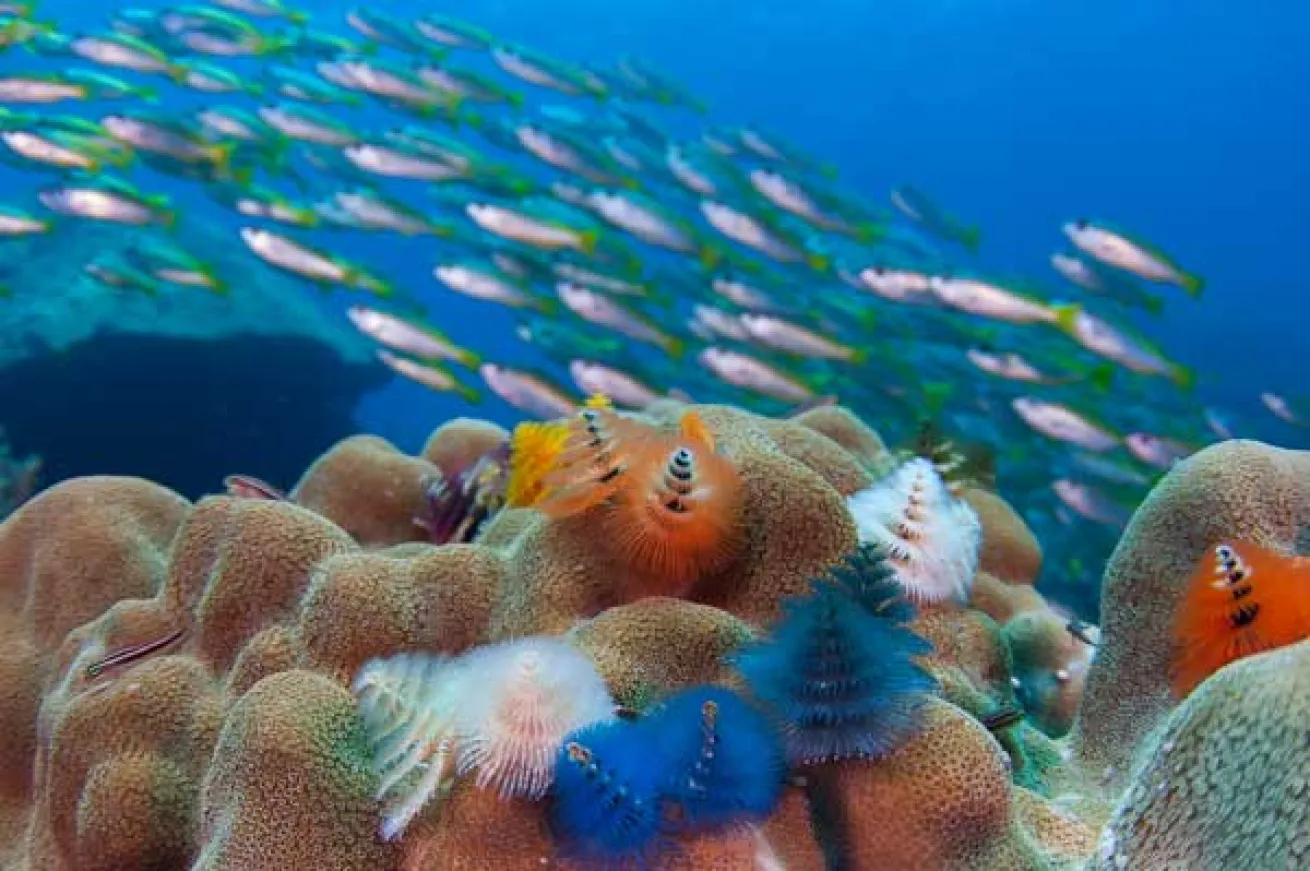
Christian Loader/ScubazooThe Tokina 10-17mm fisheye zoom lens is very popular among underwater photographers. Zoomed in at 17mm, tighter compositions such as this are possible.
Stationary, colourful subjects such as sea stars, feather stars, anemones, soft corals, or Christmas tree worms for example are easy subjects to shoot when using the MWA technique for the first time.
SETTINGS: Nikon D2Xs, Tokina 10-17mm, 1/160s, f8, ISO200.
Nexus mini dome port.
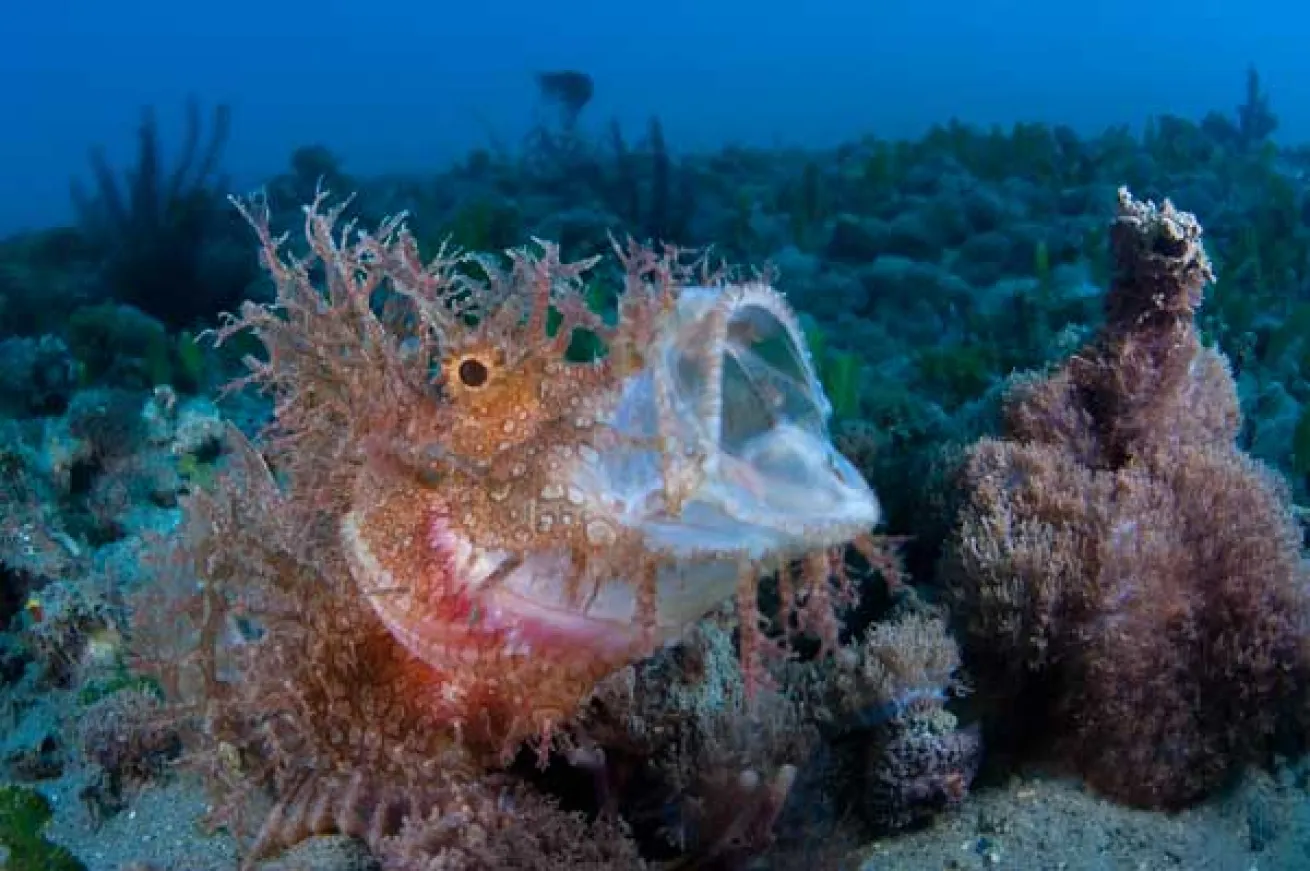
Jason Isley/ScubazooShooting up close on the seabed, review each image carefully and be aware of overexposed, burnt highlights in the foreground. Pay close attention to your strobe power and positions, and use diffusers on the strobes to soften the light.
SETTINGS: Nikon D700, Nikon 10.5mm, 1/50s, f5.6, ISO100.
Nexus mini dome port.
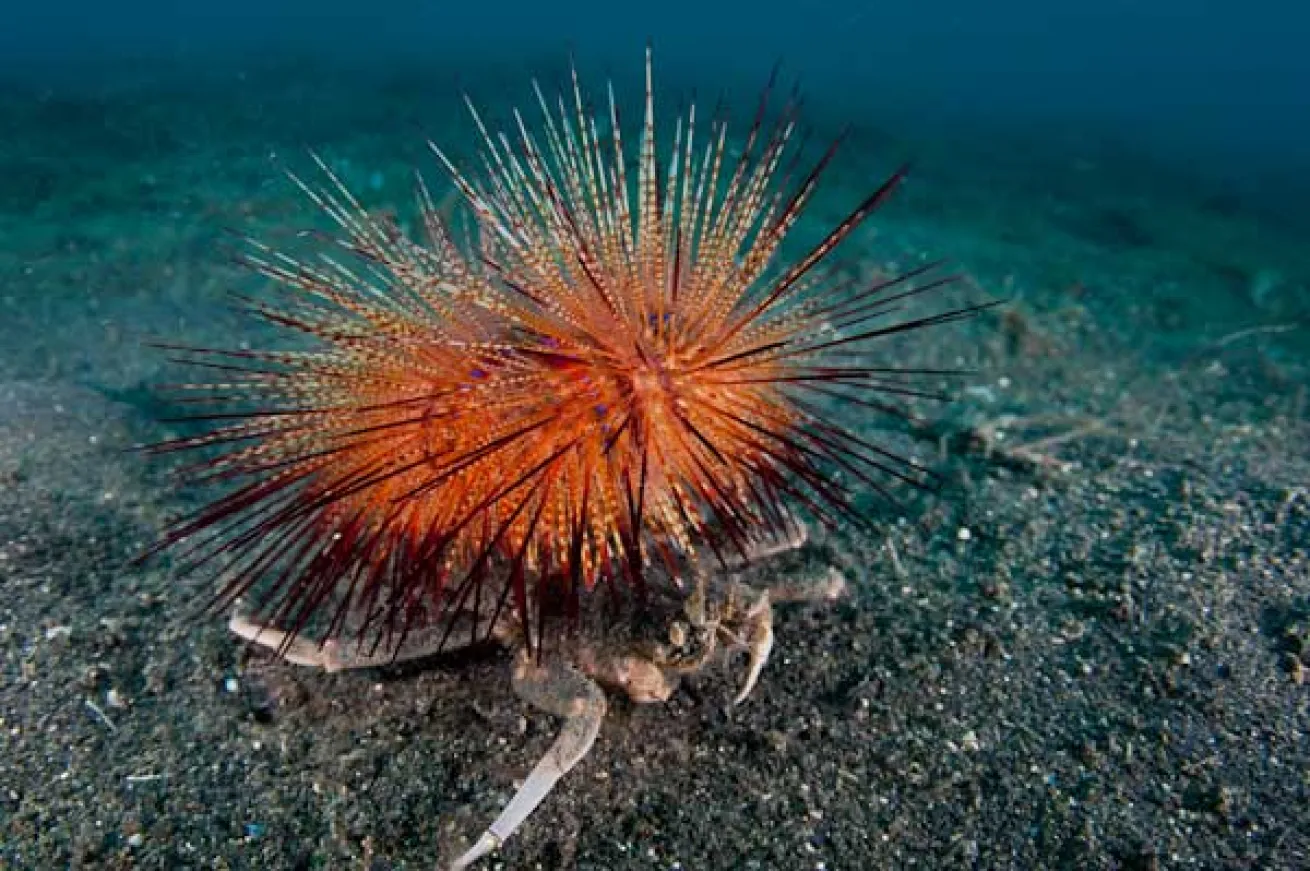
Christian Loader/ScubazooCarrier Crab & Fire Urchin - Lembeh Strait, Sulawesi, Indonesia
The common rule of underwater photography "get close, get closer!" applies heavily with MWA. However, know your limits and be respectful – don't get too close that your camera equipment damages any marine life.
SETTINGS: Nikon D300, Tokina 10-17mm, 1/160s, f9, ISO200.
6'' dome port.
Macro wide-angle (MWA) techniques include using fisheye lenses which deliver 180-degree views with a very close focus distance on the subject. MWA can be used in a wide variety of locations and situations. For more on macro photography, visit our Macro Photography: 5 Photography Tips.


