

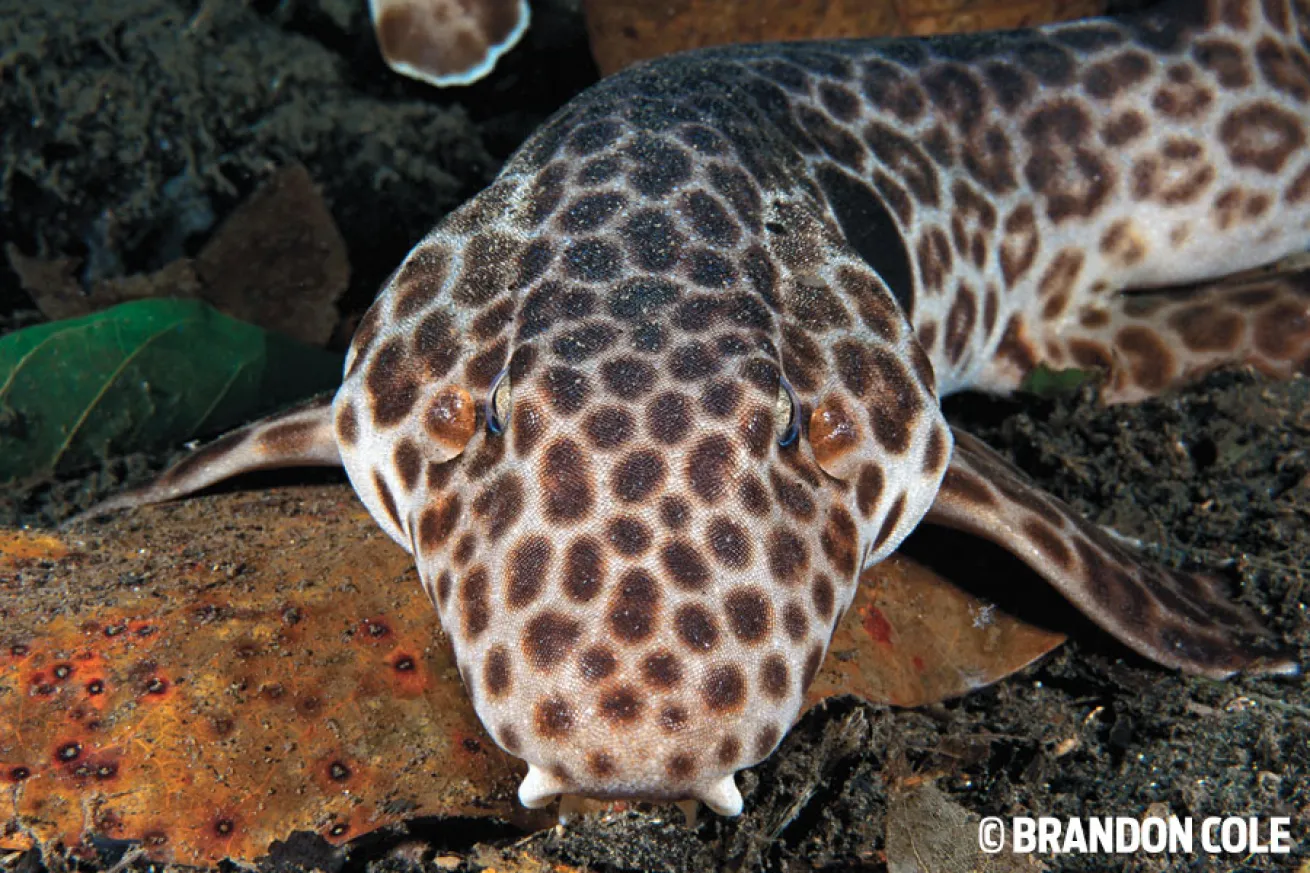
Brandon Cole Marine Photography/AlamyAlso known as the “walking shark,” this small Australasian shark gets around by using its front fins, much like feet, to push off the seafloor.
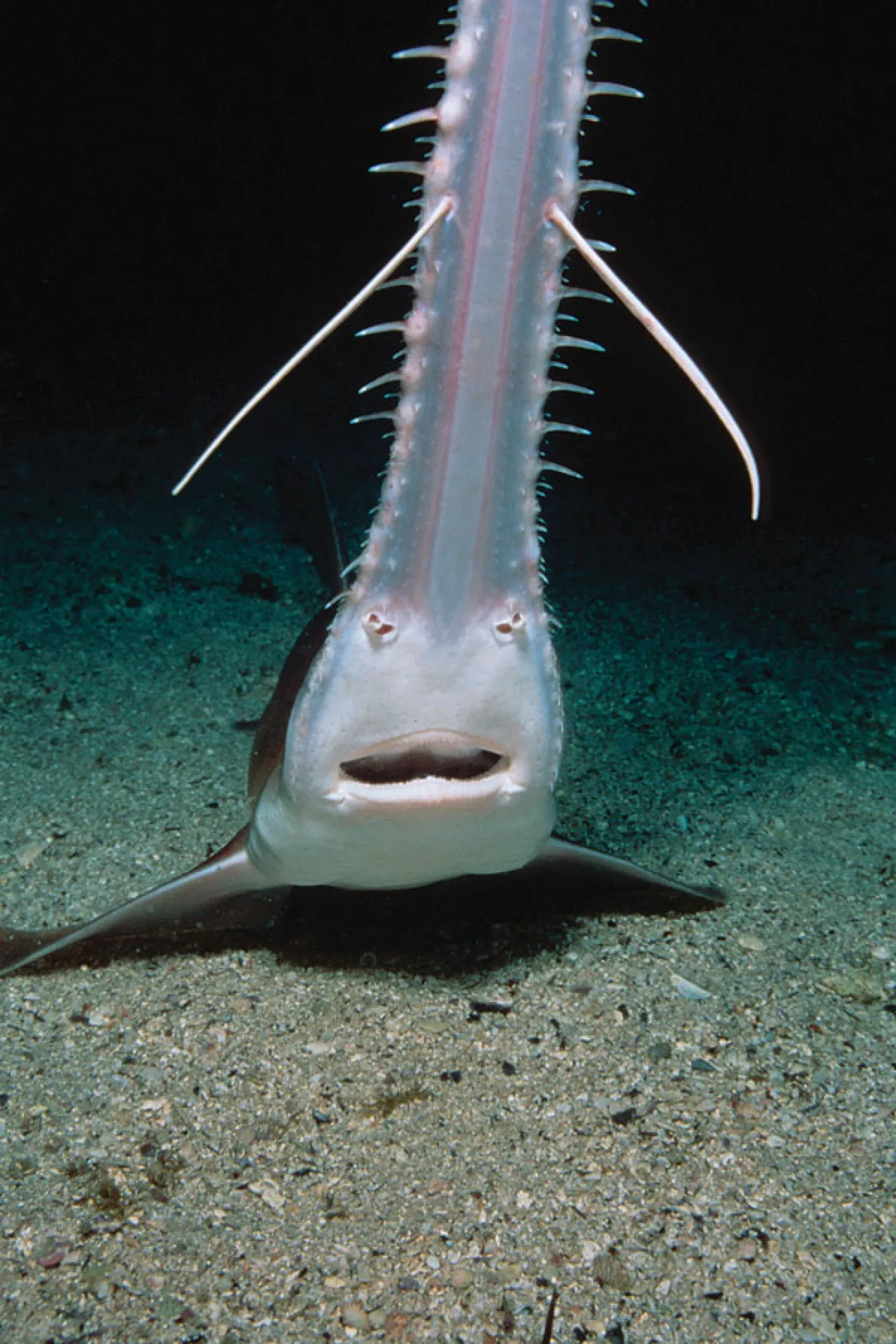
Marty Snyderman/Seapics.comSaw sharks use their nasal barbels to sense prey buried in the sand. Once located, they use their formidable saws to slash their dinner before eating.
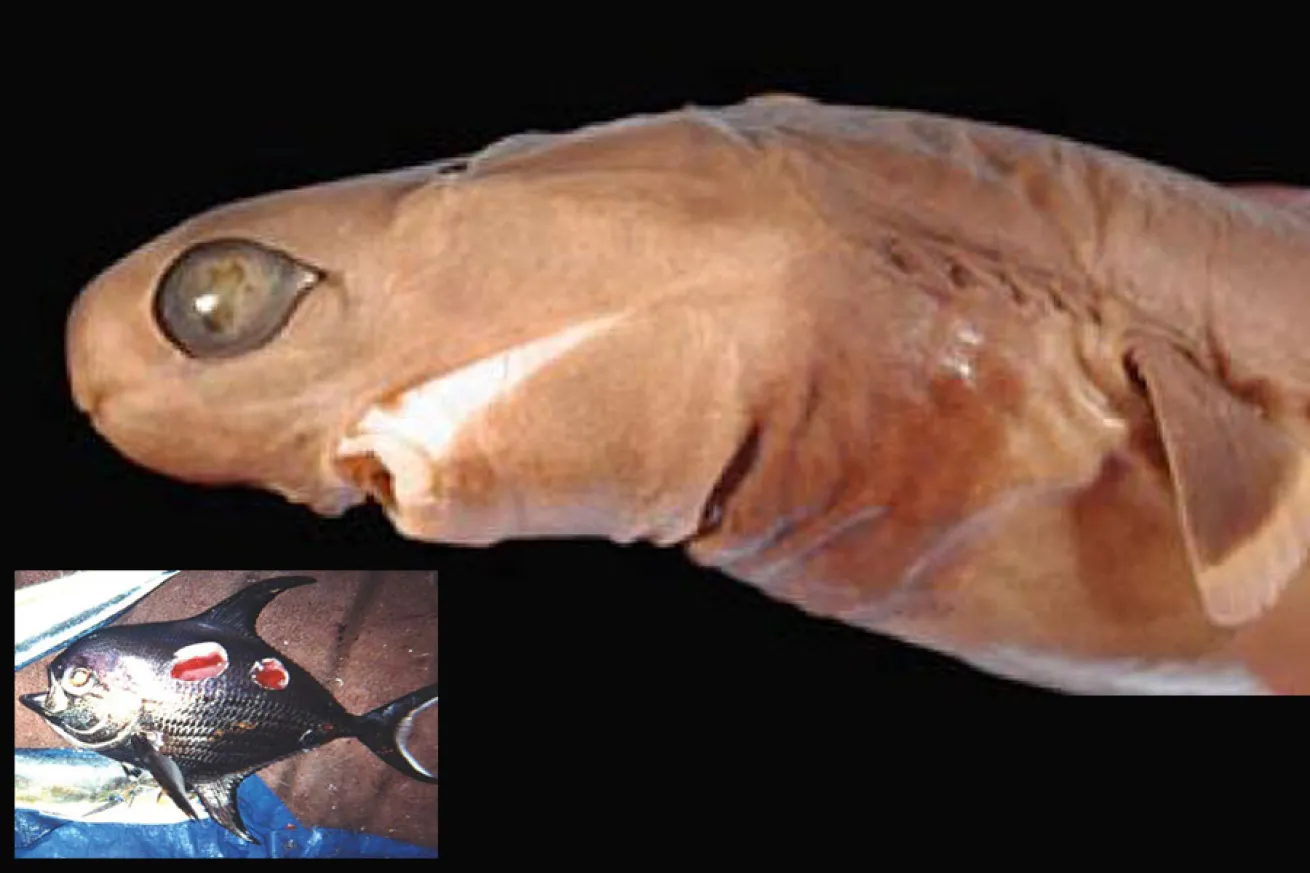
From Wikipedia, the free encyclopediaThis small shark usually sneaks up on its much-larger prey and delivers a small, biscuit-round bite — hence the name “cookiecutter.” Pictured here is another fish showing the markings of a "cookiecutter" bite.
_Photo Credits:
_"Isistius brasiliensis" by NOAA Observer Project, Wikimedia;
"Cookiecutter damage" by PIRO-NOAA Observer Program, Wikimedia.


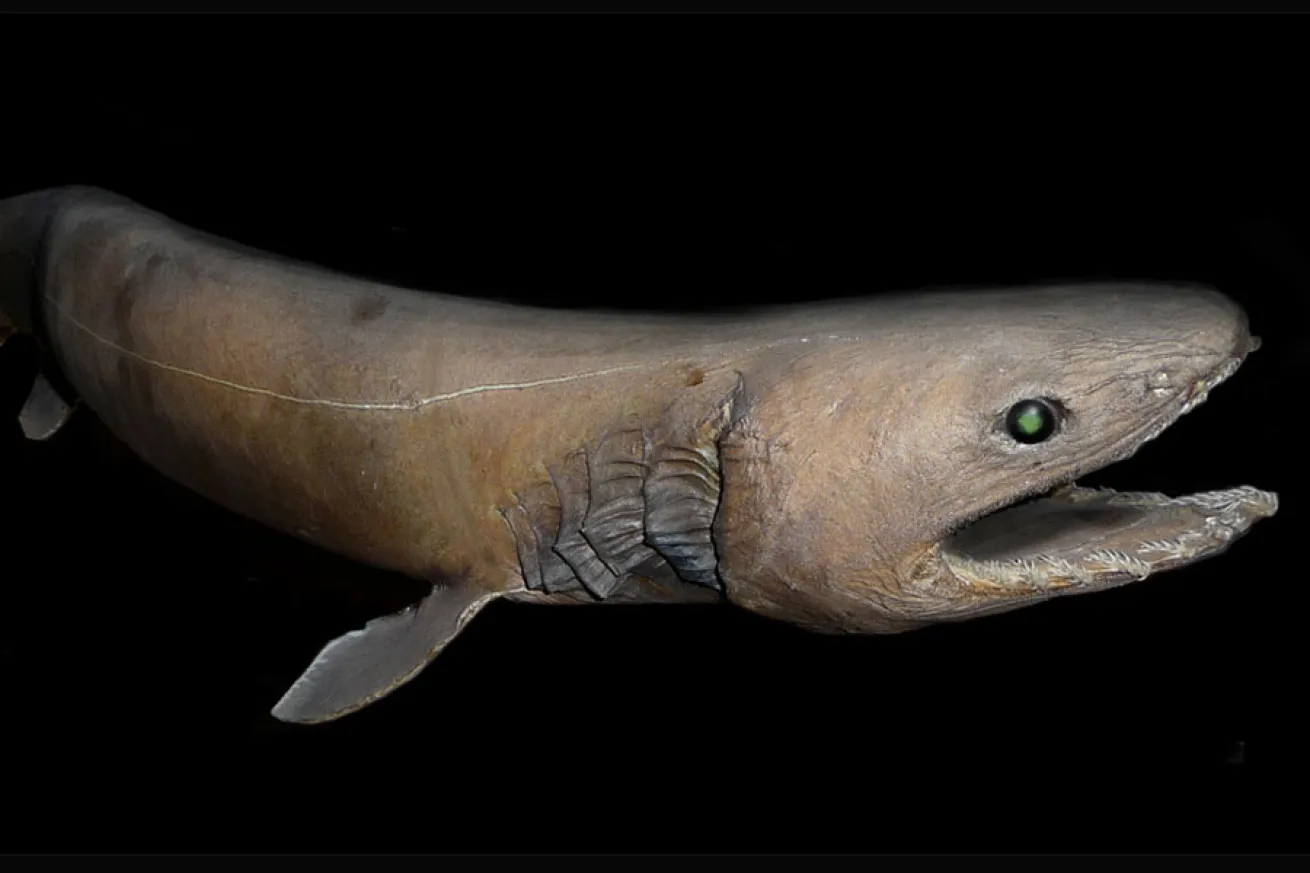
From Wikipedia, the free encyclopediaThis eellike shark is a denizen of the deep, living at depths up to 660 feet. It’s named for the ruffled appearance of its gills.
_Photo Credit: _"Chlamydoselachus anguineus2" by Citron

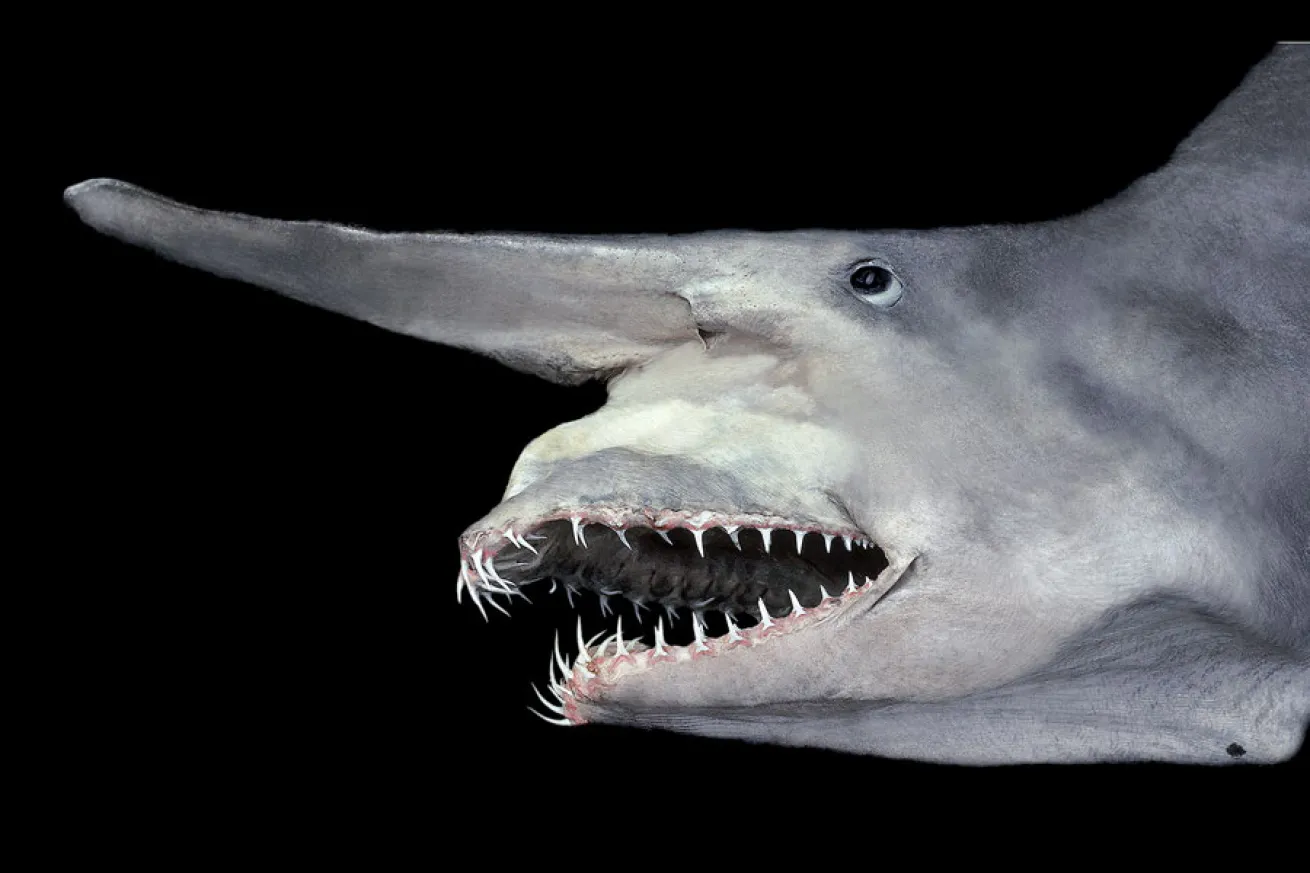
David Shen/Seapics.comThis rarely seen, but aptly named, deep-sea shark uses its prominent proboscis to detect its prey’s electrical signals.
Ready to learn more about sharks? Check out these other great photo galleries on Sport Diver:
Shark Discovery: 5 Prehistoric Sharks
Year of the Shark: 10 Apex Predators We Need To Protect
7 Things You Didn't Know About Hammerheads
Photography Tips: How to Take Pictures of Sharks