

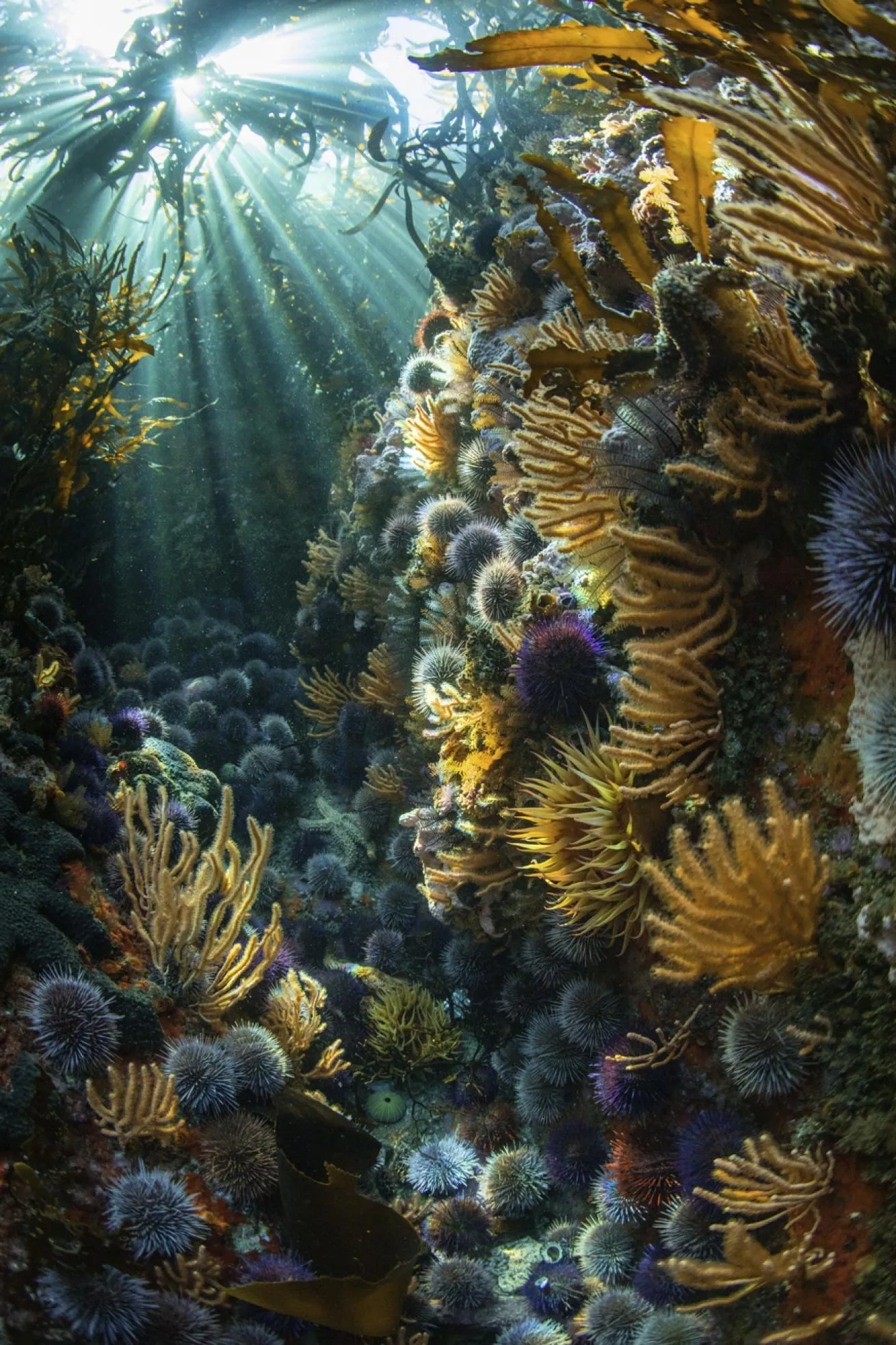
James LoweThe Grand Prize winner of the 2025 Through Your Lens photo contest of a kelp forest in South Africa.
These four renowned underwater photographers made up the judging panel for this year’s Through Your Lens photo contest. To give you some insight into their process, we asked each of them what they look for in a winner.
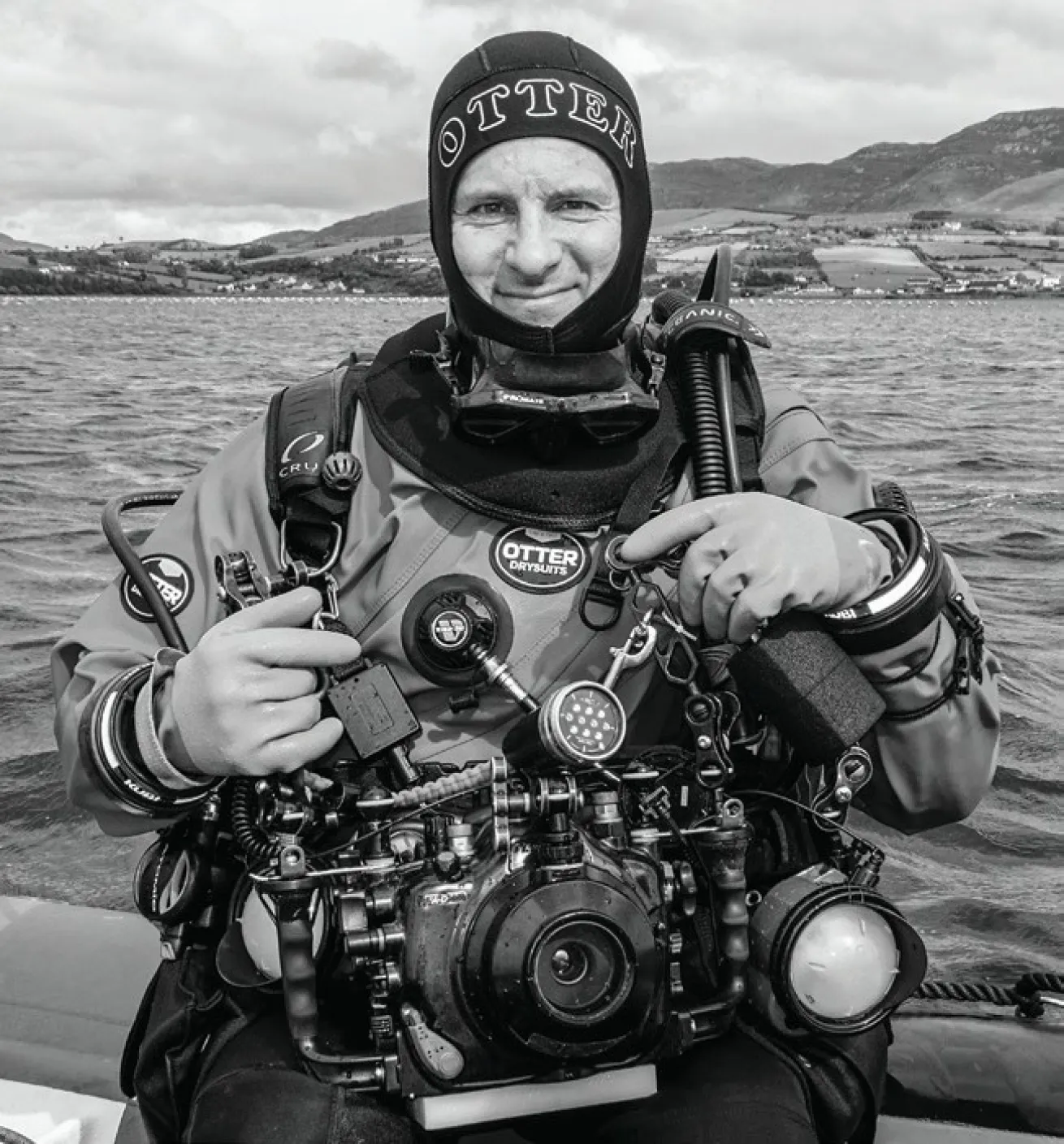
Brandon Cole
Brandon Cole is a wildlife photojournalist whose award-winning imagery showcases the incredible animals that inhabit environments from tropical coral reefs to cold-water kelp forests.
What Makes a Winning Image?
On paper, before looking at a photograph, I would say that originality, technical competence—often excellence—and pleasing composition and color are all important. The standout images possess most if not all of these qualities. (This year there was an impressive number of spectacular pictures submitted. Congratulations to all those who entered the competition!)
For me personally, what helps really elevate a capture beyond its worthy peers is the magical ability to evoke emotion, to create a connection between the photo’s subject matter and the viewer. This, of course, is personal and inherently subjective, but when an image conjures forth a memory or opens a window to imagining, even feeling what it was like to be right there behind the lens at that precise moment… That’s the secret sauce for which I’m looking during the judging process.
I want to be transported, a witness to the beauty and wonder of the scene, an active participant in that specific encounter with that featured creature.
Related Reading: Announcing Scuba Diving's 2025 Underwater Photo Contest Winners
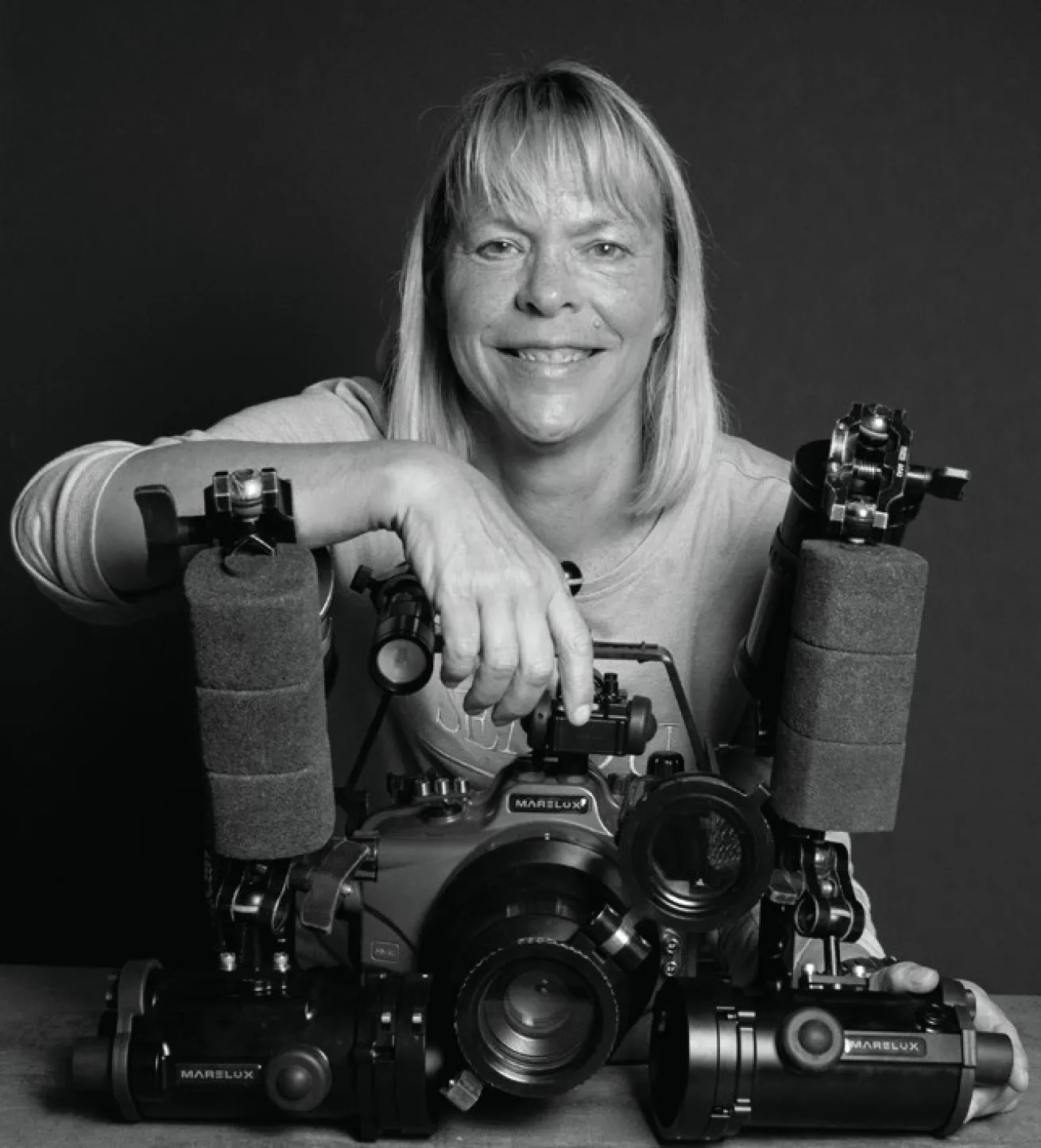
Kate Jonker
Kate Jonker is an underwater photographer, freelance writer and photography coach. Her love for scuba diving led her to open Indigo Scuba in Gordon’s Bay, South Africa, with her husband in 2008.
What Makes a Winning Image?
What does make a winning image? In short, a winning image makes you feel something. A great shot doesn’t just showcase technical skills—it tells a story, evokes emotion or reveals a subject in a way we haven’t experienced before. Think about the “star of the show”: Is your subject front and center, sharp, well-lit and engaging? Is there a sense of connection, curiosity or wonder? Judges are drawn to images that hold their attention and make them pause. That means good composition, thoughtful lighting and that spark of magic—whether it’s capturing something “ordinary” in a unique way or a captivating moment in time—such as patterns made by a school of fish as they move through the frame. Technical excellence gets your image through the first round, but it’s storytelling that gets it onto the winner’s list. So be bold. Choose the photo that speaks to you, the one that makes you fist-pump underwater after hitting the shutter or grin when you review it on your screen. If it gives you that buzz, it’s likely to do the same for the judges.
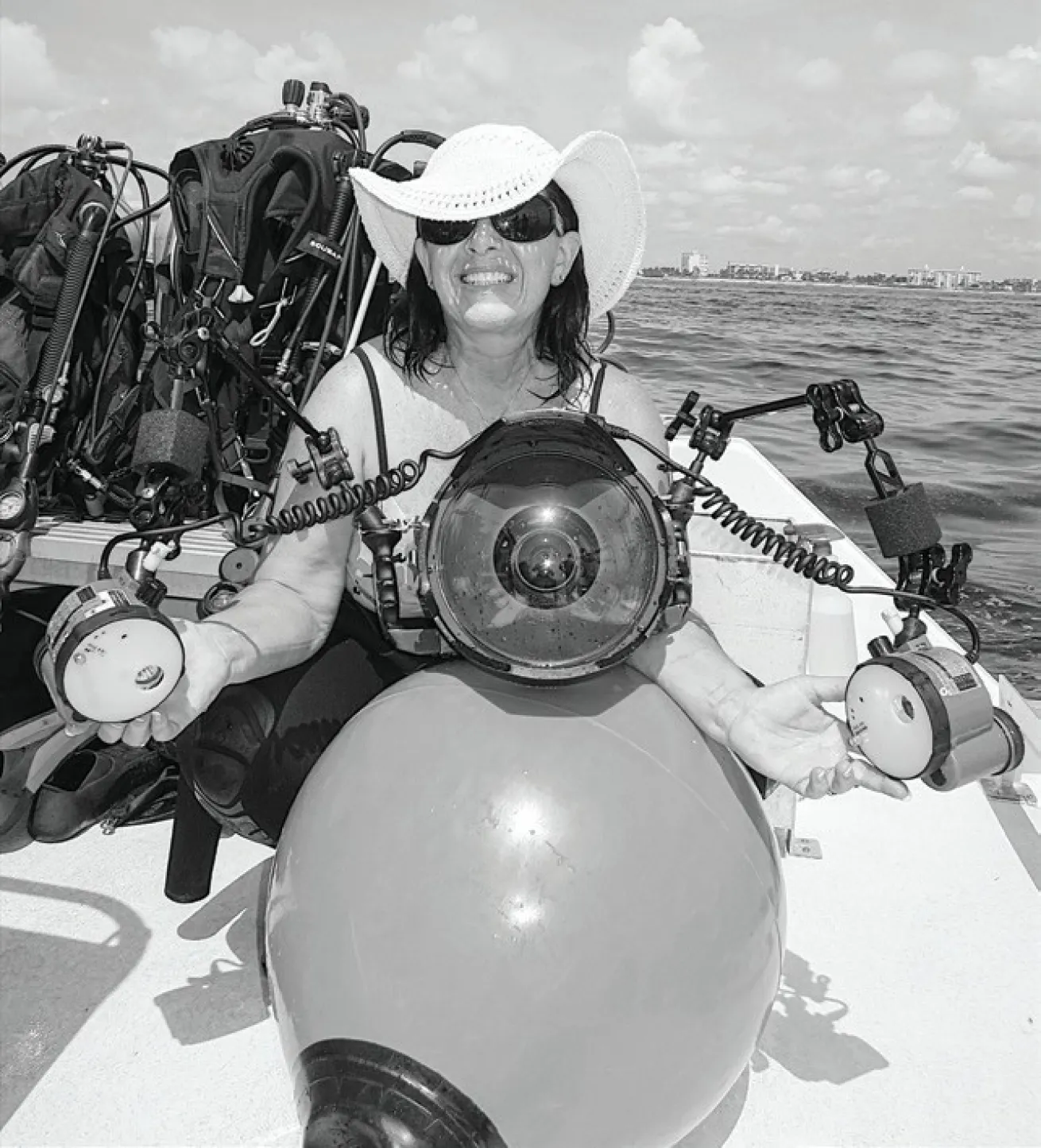
Suzan Meldonian
An award-winning photojournalist, author and April 2020 Sea Hero, Suzan is a pioneer in photographing the planktonic world of blackwater diving and has been recognized by the Ocean Artists Society.
What Makes a Winning Image?
A winning image makes an impact by showcasing realism and crisp physical image characteristics with regard to contrast, color accuracy, sharpness/ detail and composition. The overall image is “readable” in a glance, achieving balance in dynamic range, light exposure and contrast. It also elicits a viewer response of: “I’d like to photograph like that,” or “I’d like to go there.”
Excellence in composition is key. Characteristics of a winning composition include an alluring or clever point of view in combination with use of color. Additionally, using diagonal lines that move the viewer’s eyes throughout the image in a palatable way creates a captivating shot.
It should evoke an emotional response. It may communicate humanistic traits (love, sense of family, kindness, cuteness, beauty, sincerity).
It can be unusual wildlife behavior rarely or never seen before. Discovery of a new creature or an inviting exposure of a new location underwater.
Whether using editing tools or not, the base image is solid—a balanced combination of all the attributes at the photographer’s disposal.
Good choices on choosing new methods or photographic experimentation that is interesting and delightful to look at without an overexaggerated use of software tools.
Related Reading: 11 Captivating Images From Scuba Diving Magazine's 2025 Photo Contest
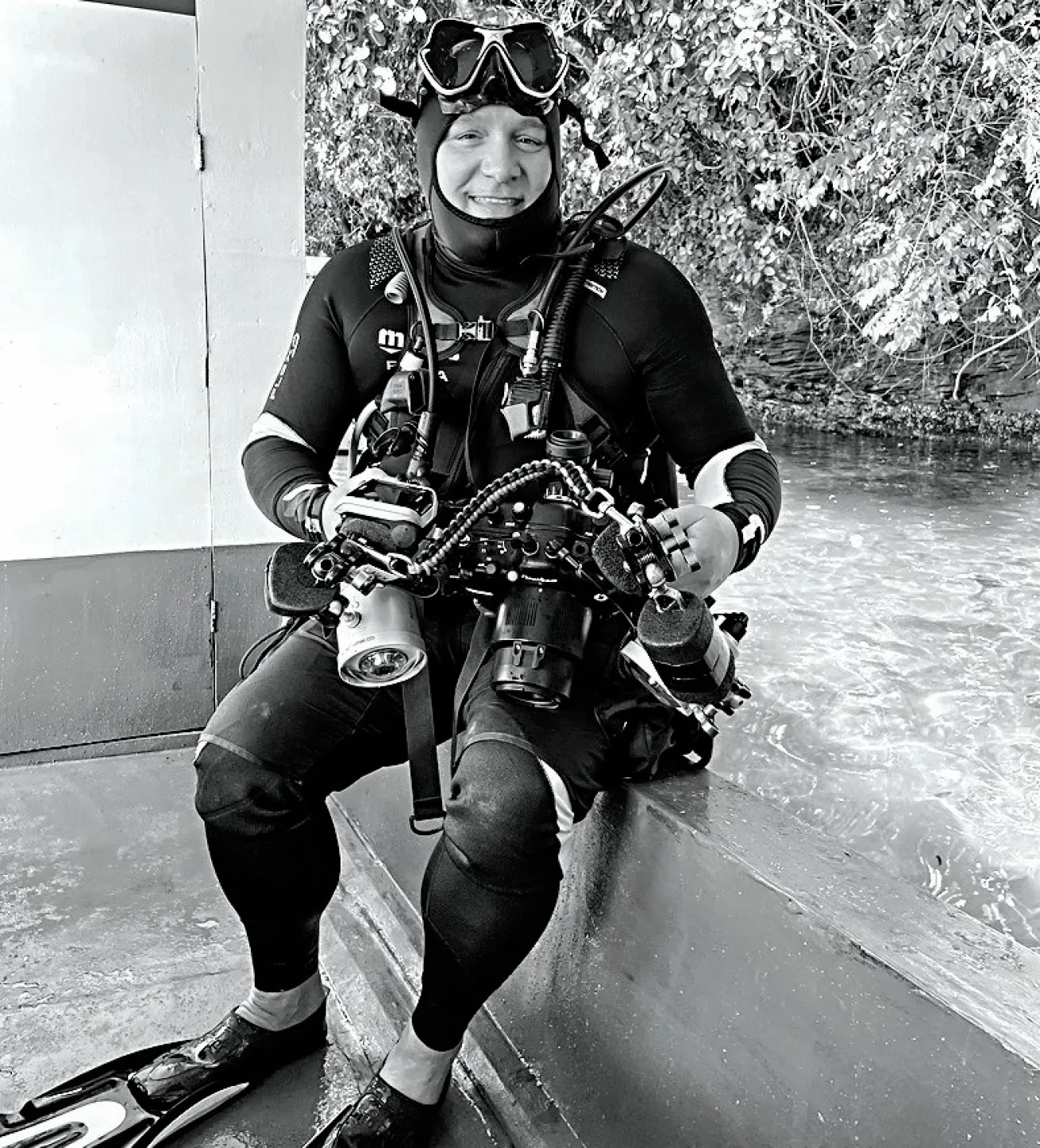
Dr. Alex Mustard
Alex Mustard is an underwater photographer with a Ph.D. in marine ecology. His photographs have received many awards and recognition in the Wildlife Photographer of the Year contest over the past 20 years.
What Makes a Winning Image?
There isn’t a formula for a winning image. We try to go into the judging with an open mind, hoping to be impressed. We’re looking for images that impress us and will also amaze all the readers of the magazine.
This is a contest for underwater photography, rather than an underwater nature photography contest, so wrecks, divers and anything you might see on a dive are all appropriate subjects. Successful images need to jump out and grab our attention from the thousands entered, but they also need the ability to continue to impress us when we return to them through the judging process. Simple images tend to do well on social media, stopping people scrolling and getting likes. However, these shots often fade through contest rounds compared to more involving and sophisticated compositions.
Although there is a lot of agreement in our initial choices, we don’t agree on everything! Importantly, the judging process includes a discussion phase, where you can speak for the images you love and also listen to the passion other judges have for their favorites. Sometimes this changes the order; sometimes it doesn’t.