

Debbie ArriagaMeet our underwater photographer Debbie Arriaga as she shares her tips and tricks for getting the best photography underwater.
Debbie ArriagaMeet our underwater photographer Debbie Arriaga as she shares her tips and tricks for getting the best photography. For more on underwater photography and scuba diving visit Sport Diver.
Debbie ArriagaMeet our underwater photographer Debbie Arriaga as she shares her tips and tricks for getting the best photography. For more on underwater photography and scuba diving visit Sport Diver.
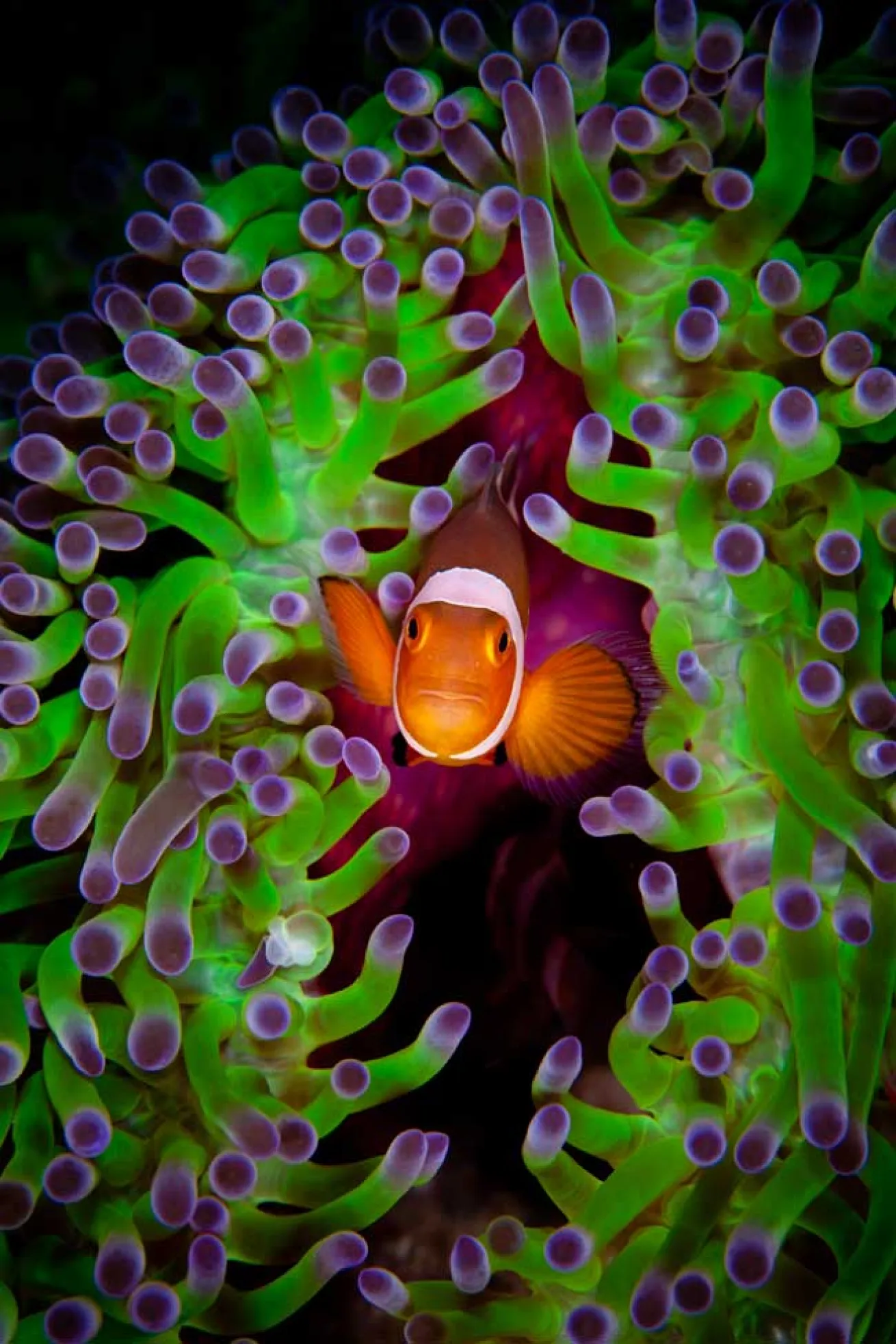
Debbie ArriagaAnti-chovy, Misool, Raja Ampat
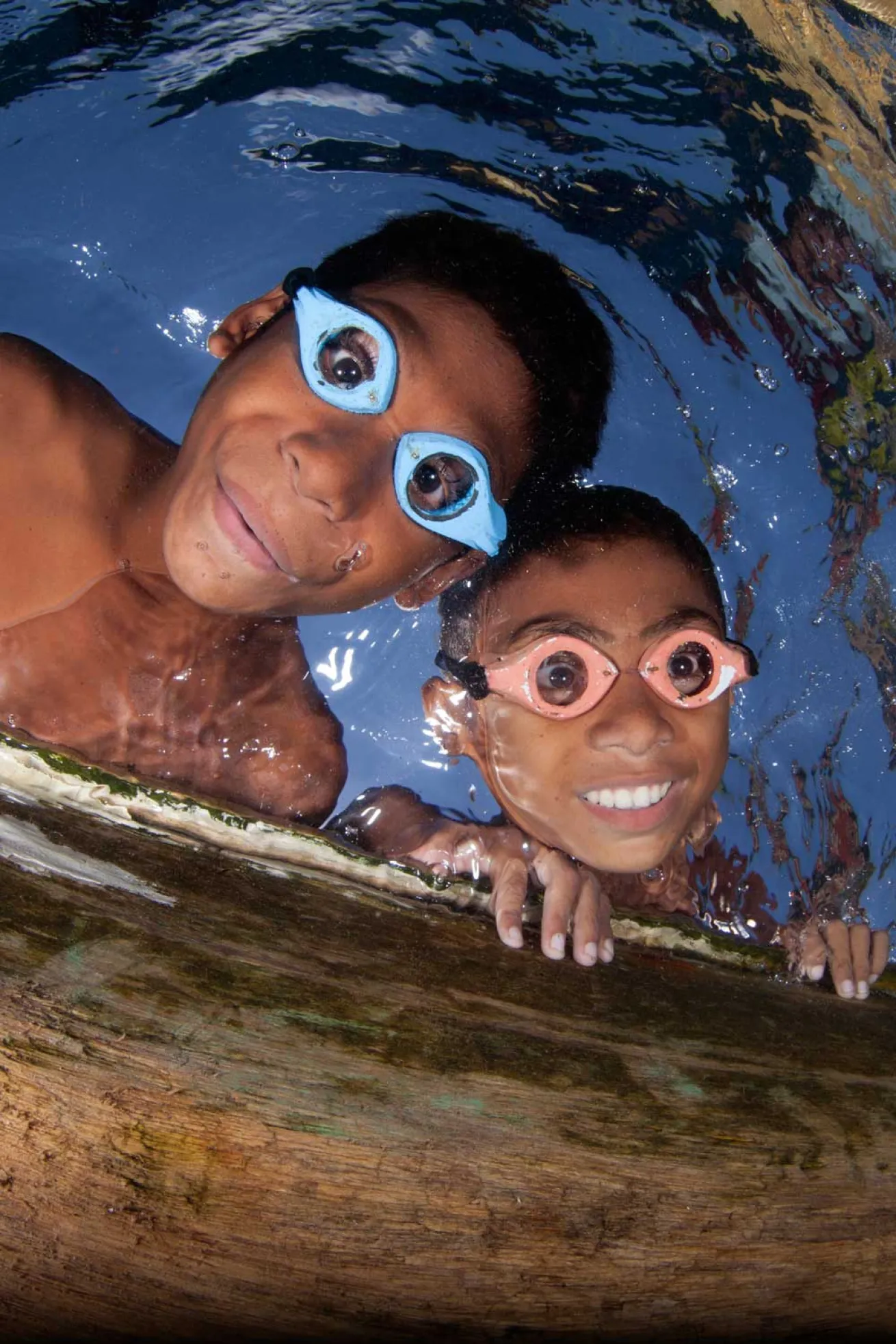
Debbie ArriagaAlor
Debbie ArriagaMeet our underwater photographer Debbie Arriaga as she shares her tips and tricks for getting the best photography. For more on underwater photography and scuba diving visit Sport Diver.
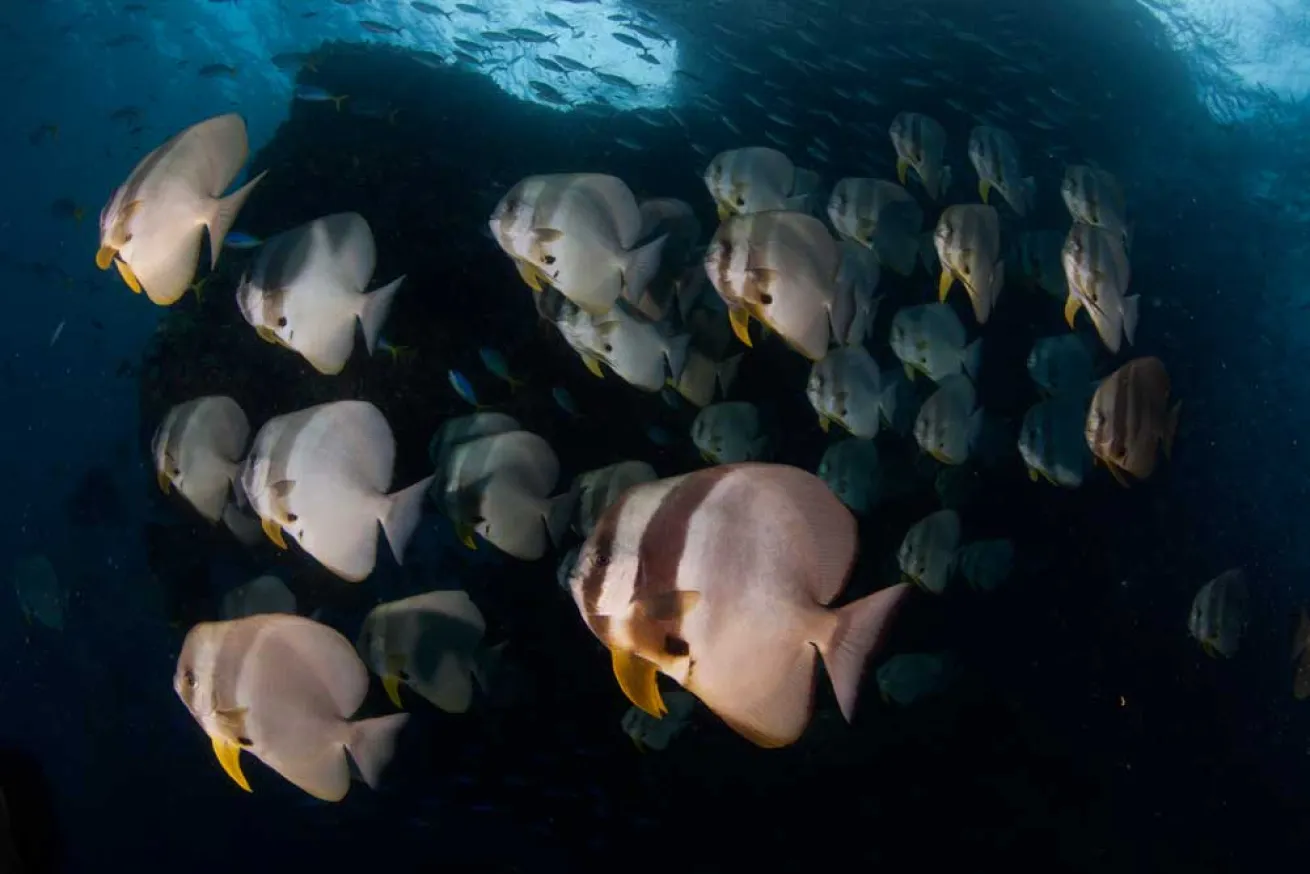
Debbie ArriagaBaby Rock, Misool, Raja Ampat
Debbie ArriagaMeet our underwater photographer Debbie Arriaga as she shares her tips and tricks for getting the best photography. For more on underwater photography and scuba diving visit Sport Diver.
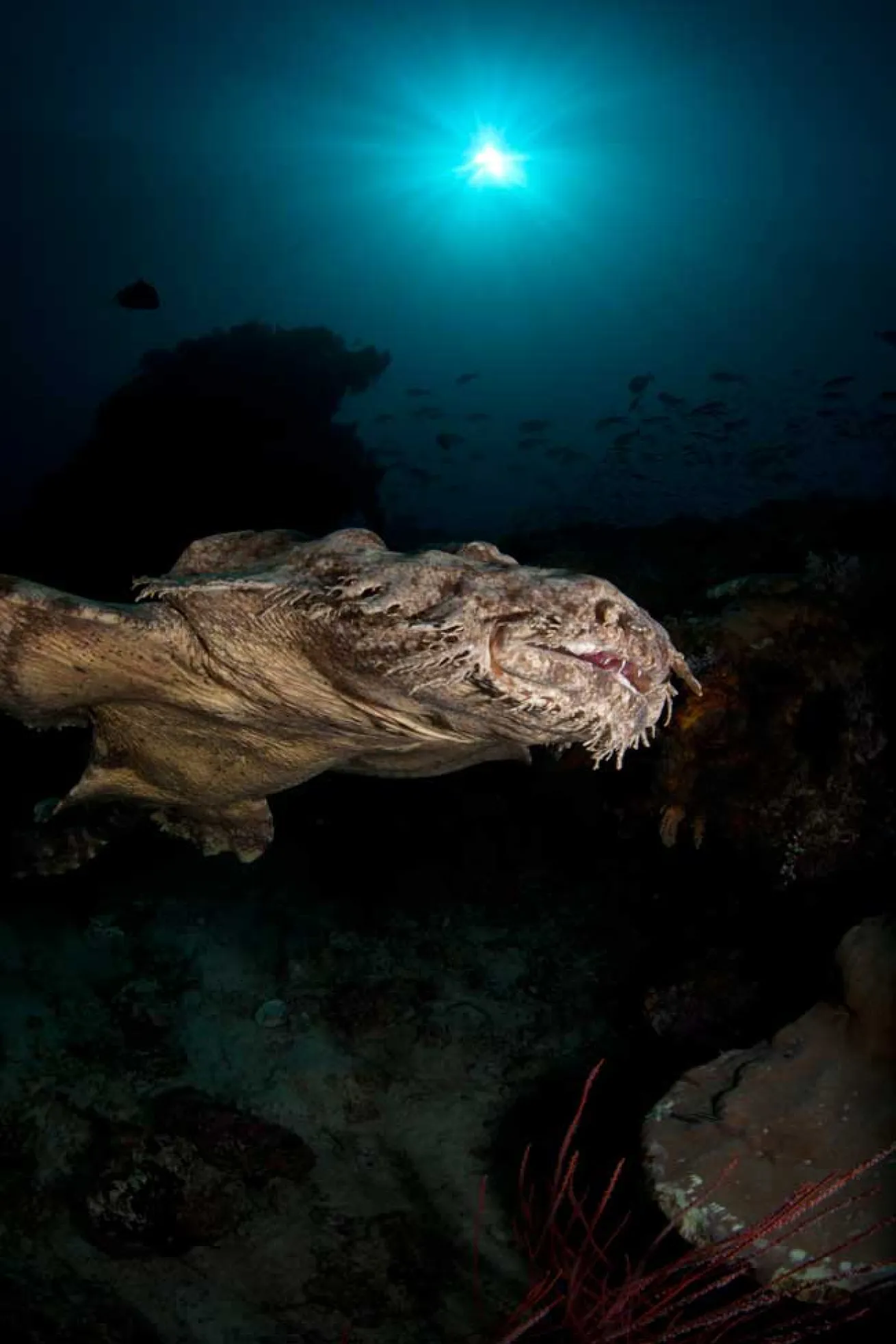
Debbie ArriagaCitrus Ridge, Raja Ampat
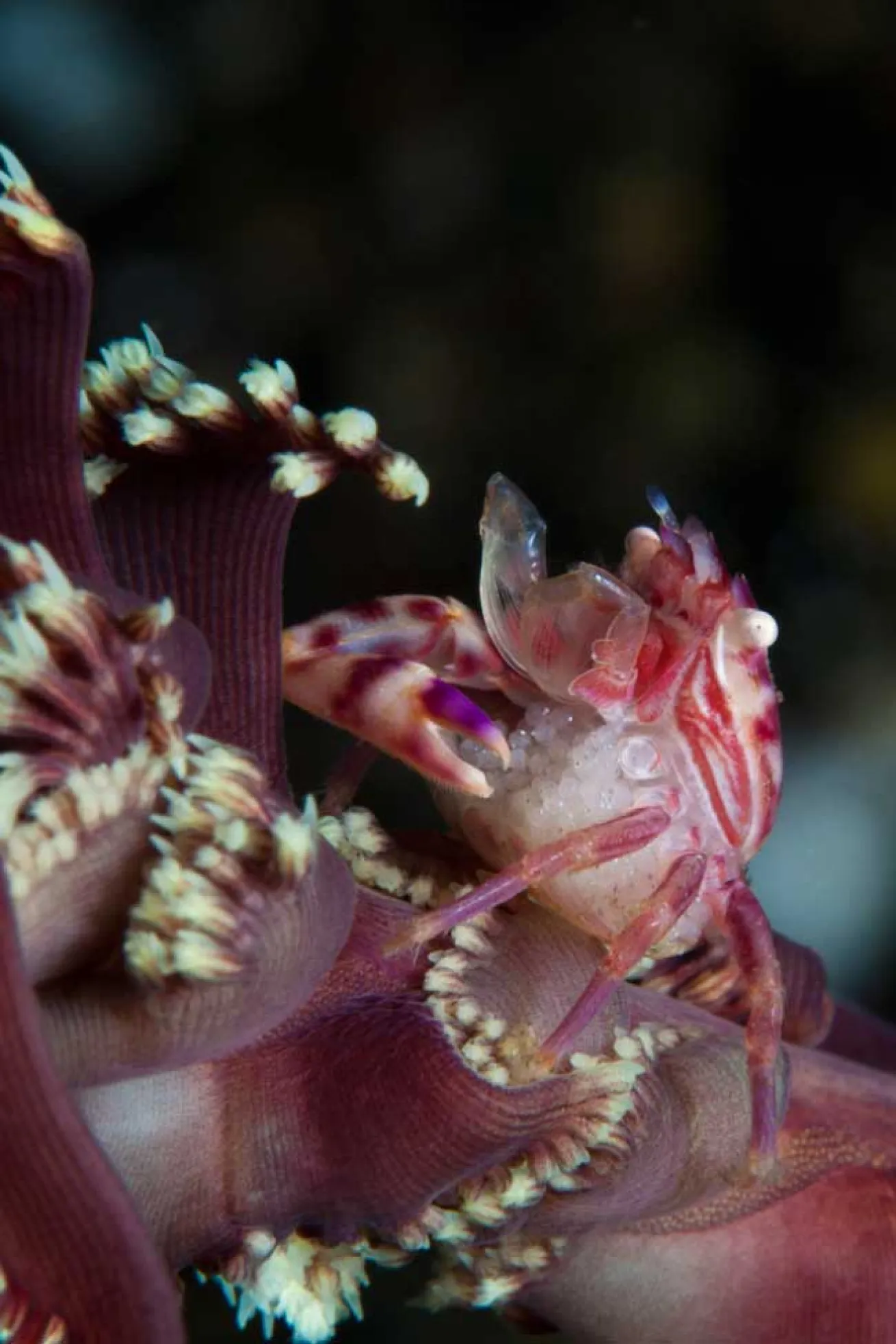
Debbie ArriagaMeet our underwater photographer Debbie Arriaga as she shares her tips and tricks for getting the best photography. For more on underwater photography and scuba diving visit Sport Diver.
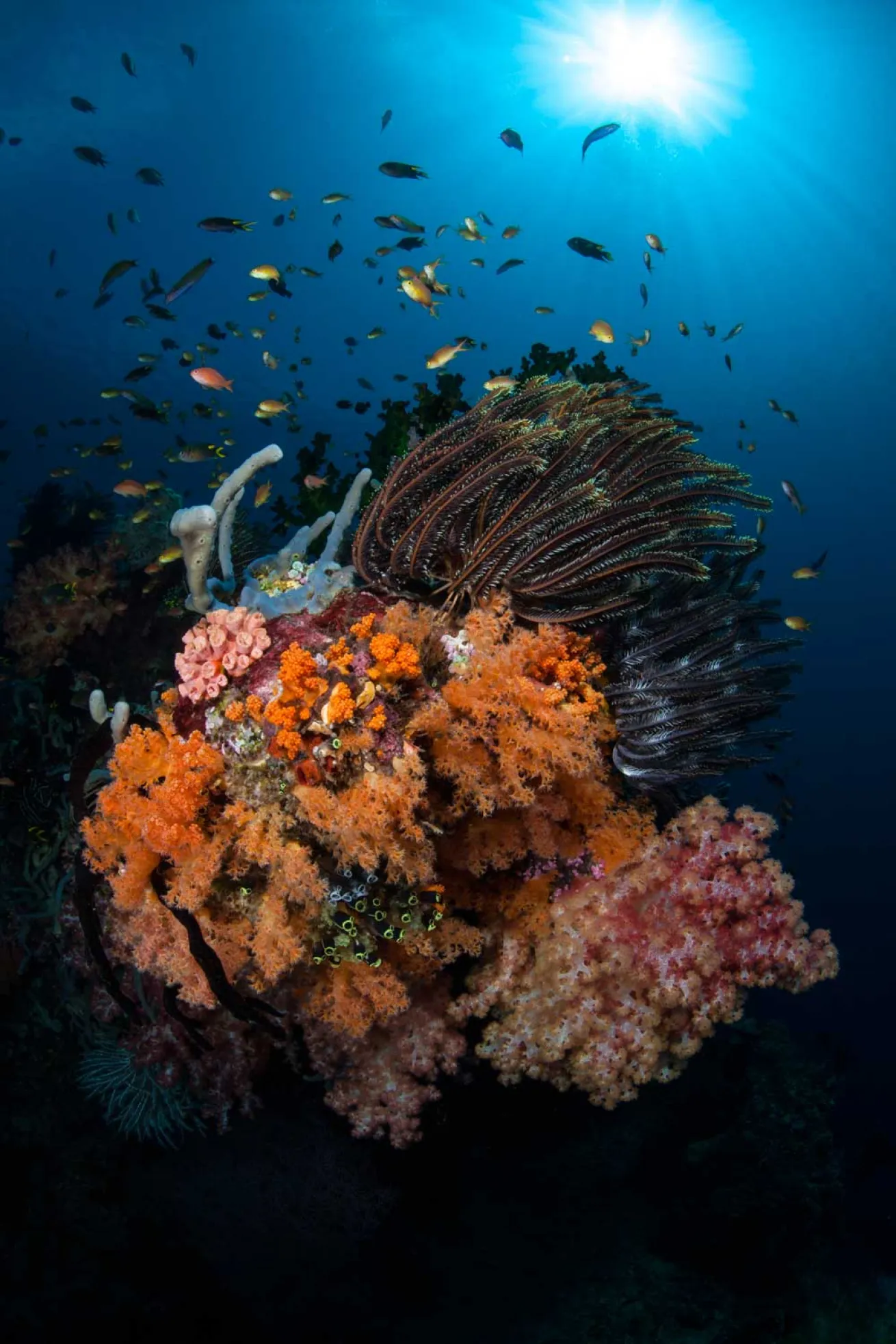
Debbie ArriagaFour Kings dive site, Raja Ampat
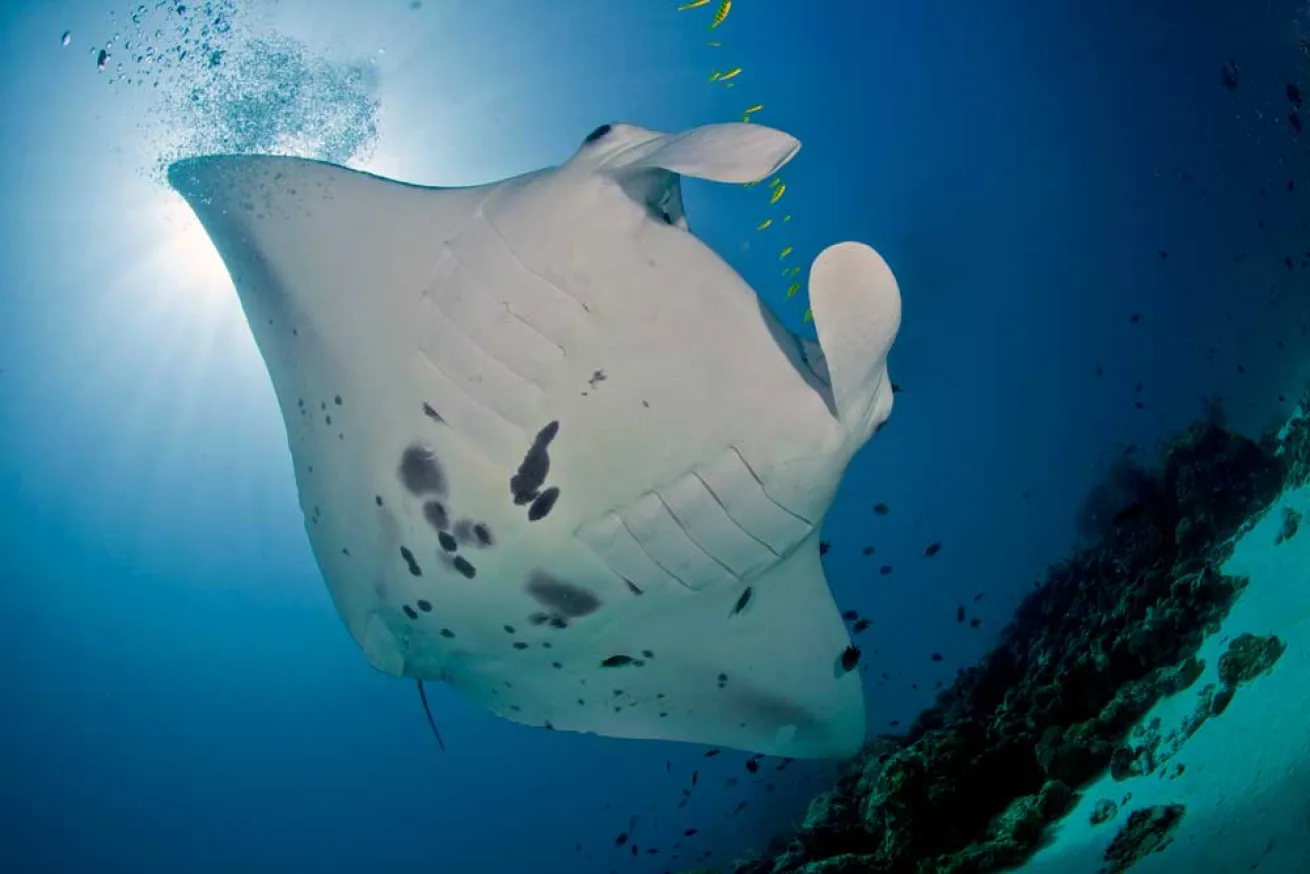
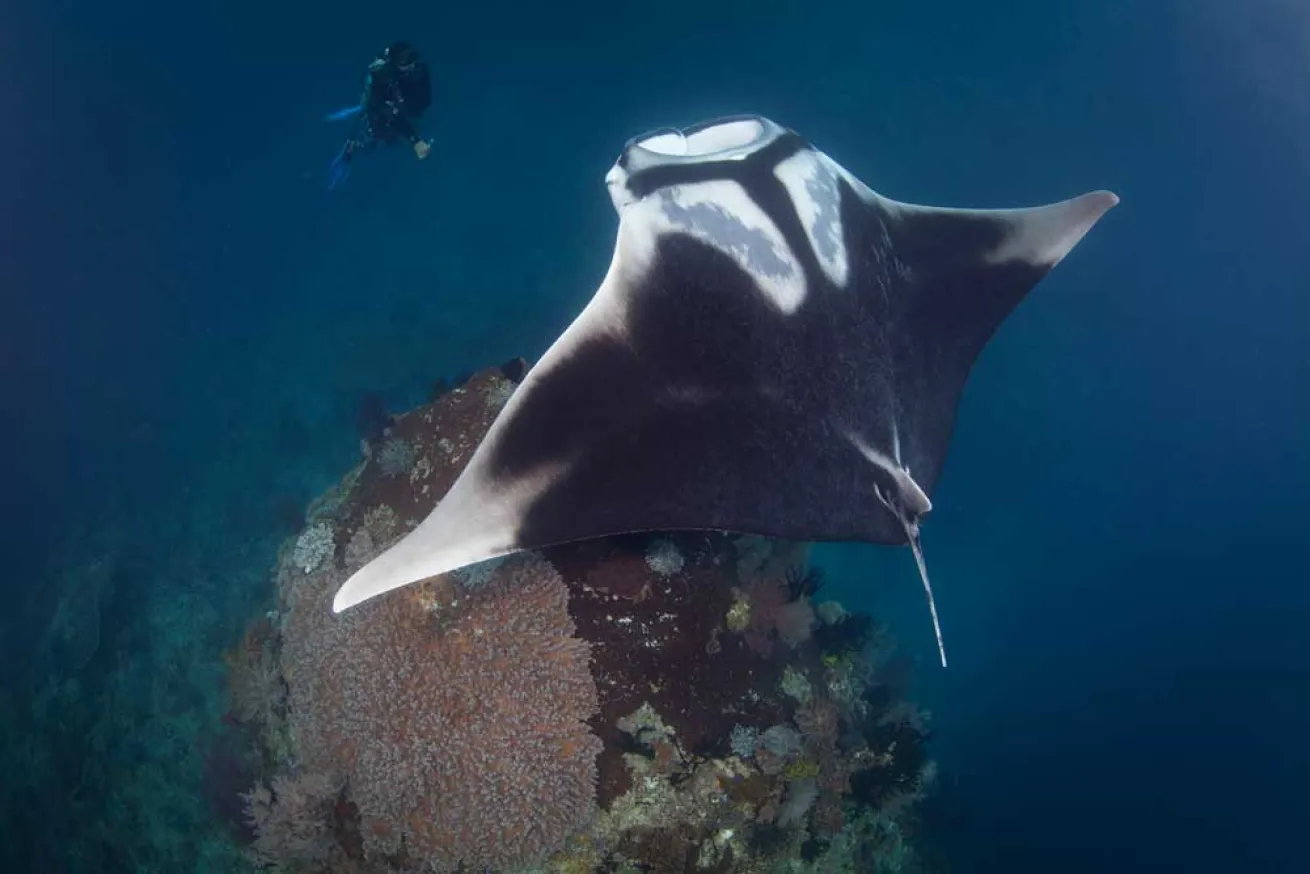
Debbie ArriagaManta Sandy, Raja Ampat
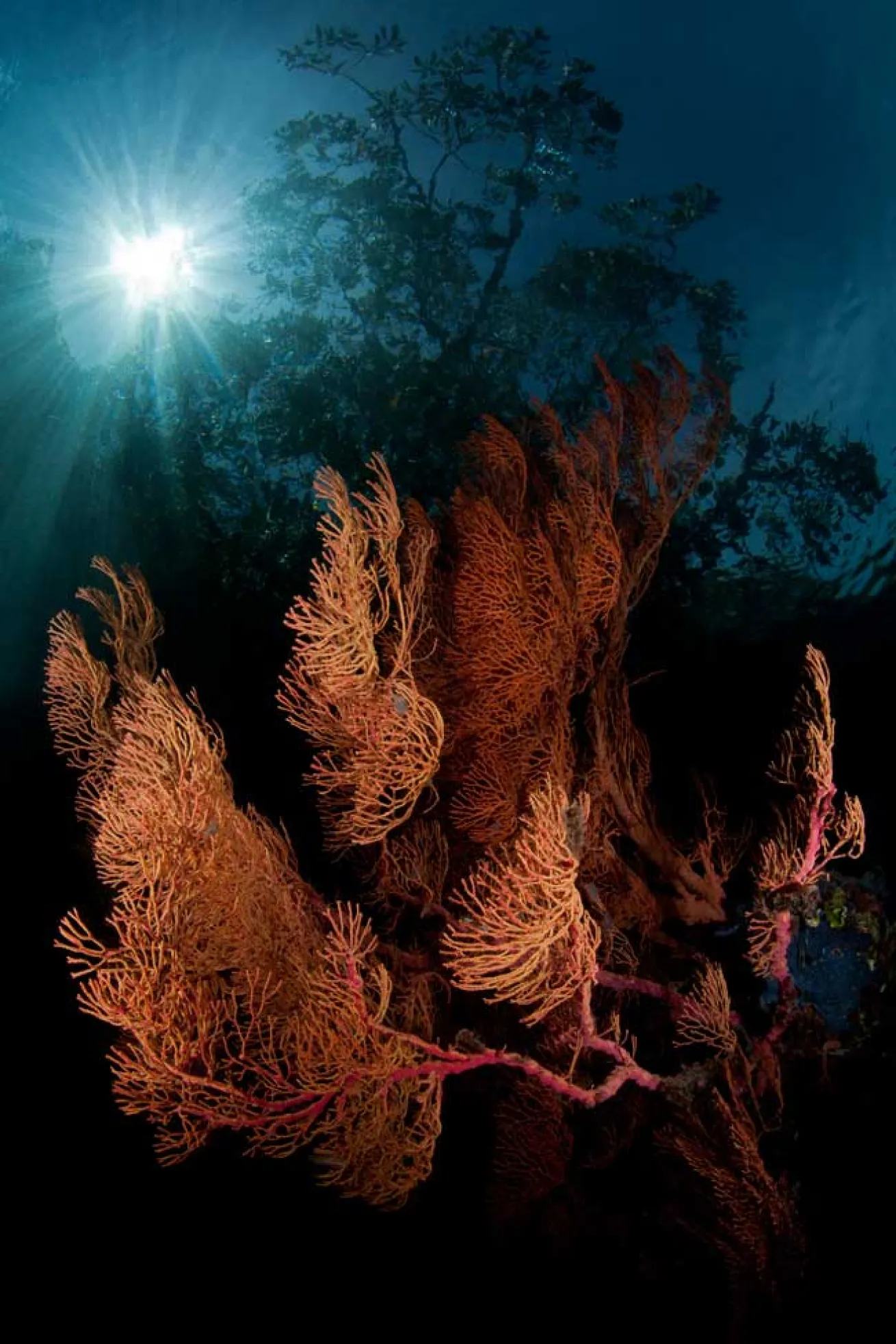
Debbie ArriagaYanggelo, Raja Ampat
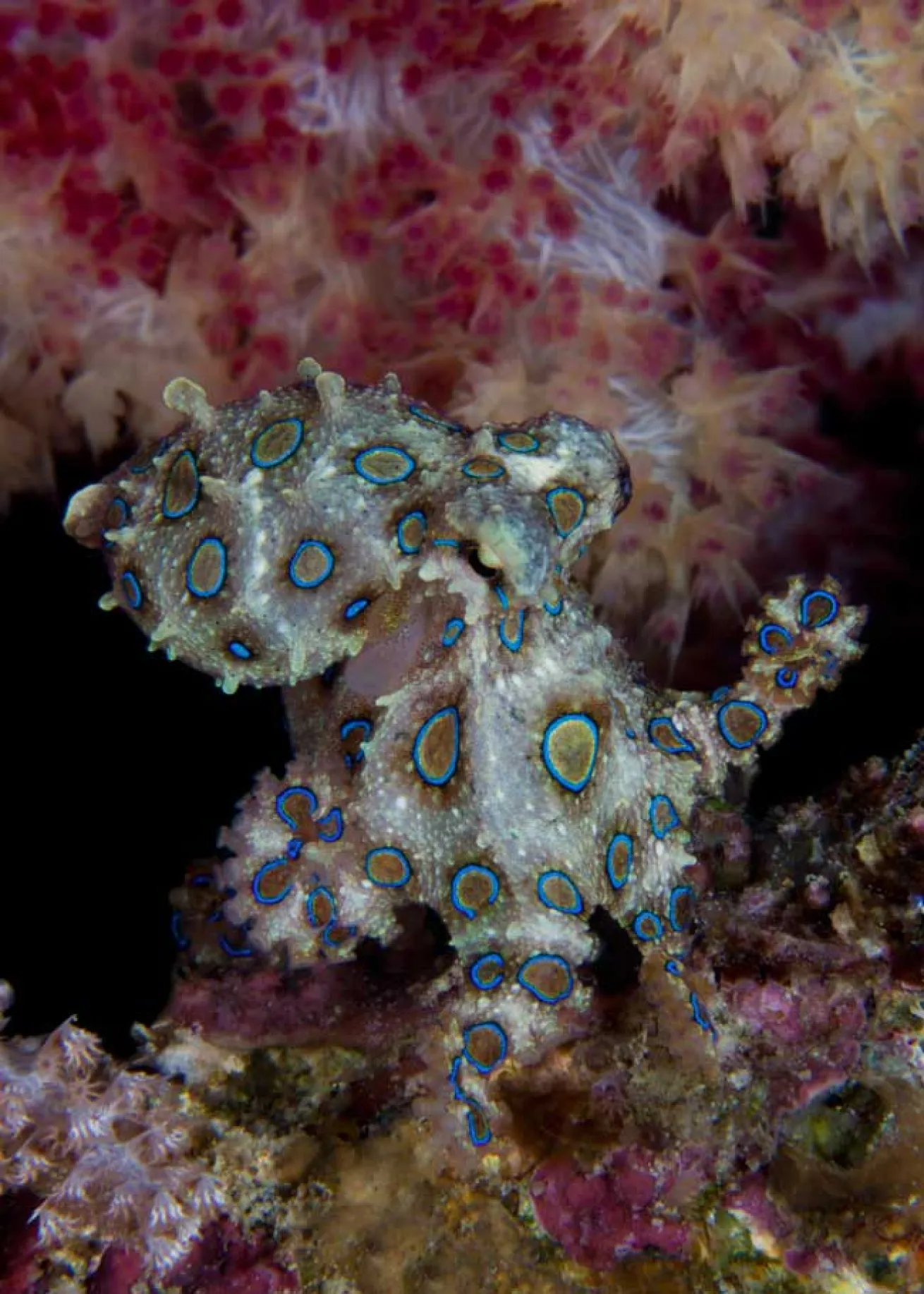
Debbie ArriagaPamana Island, Flores
Meet our underwater photographer Debbie Arriaga as she shares her tips and tricks for getting the best photography. For more on underwater photography and scuba diving visit Sport Diver.
**Where do you live and how old are you?
**I am 38 years old and I live in Bali, Indonesia.
**How long have you been diving? What made you want to learn to dive and where did you start?
**In the year 2001 I was traveling in Australia and when you are a backpacker there is a list of “to dos” – sky diving, bungee jumping, scuba diving and so on. Watching BBC documentaries about the Great Barrier Reef when growing up made me decide to do my Open Water course on this famous reef.
**When did you start shooting underwater? Why did you start using a camera?
**I first used a camera underwater in 2005. At that time I was diving in the Similan Islands in Thailand and having always been interested in photography I decided to buy a housing for my camera.
**What was your first camera setup? What camera system do you use now?
**This first underwater camera was a Sony point and shoot. Now I use a Canon 5D MkII with a Seacam housing for wide-angle photography and a Canon 5D MkIII with a Sea and Sea housing for macro.
**Underwater photographers seem to have an ability to look at the underwater world and know what sort of picture could be made, in a way that's not obvious to the non-photographer looking at the same site. Is that something you are born with or a learned trait?
**I worked as a Divemaster and had more than 3000 dives guiding guests before I took a SLR camera underwater. The way I see the underwater world is different to many people because I had so many dives to simply observe and explore. I believe that some people are born with an “eye” for photography but it can also be a learned trait, especially as you gain more experience.
**Variable current and a fair amount of organic material in the water column seems common in this area, how would you advise budding photographers to learn to deal with each?
**When you are taking photos in currents the best strategy is to stay low to the reef, as long as your buoyancy control allows for this and you don’t damage the reef. If the visibility is low opt to shoot macro; if you’re shooting wide angle then keep your strobes far from the port to avoid backscatter.
**What is your most memorable underwater moment?
**I have been lucky at one particular dive site in Komodo National Park, Castle Rock to have had many dolphin encounters. The one that most sticks out in my mind is when I was with only one other diver. Having already enjoyed a few sightings of dolphins we stuck around to see what else would happen. One of the dolphins hanging around was a female whom I had named ‘jaggedy fin mum’ due to the marks cut out of her dorsal fin and because she had a small baby with her when we first ever saw her. She came zooming over the top of our heads and off into the deep sending thousands of fish fleeing straight towards us.
We were hence staring into the deep watching out for the dolphin to come back when my buddy starting making small noises through her regulator. I turned to look at her and there was the dolphin, a fully grown, huge bottlenose dolphin, only a few feet away squeaking/squawking at us and moving her head like she was looking us up and down! This dolphin attention also brought over several white tip reef sharks to see what was so interesting. Then giant trevallies and a big grey reef shark joined in. The sharks and jacks were circling within a few feet of us, coming very close. And as fast as she appeared the jaggedy fin mum swam off.
**What type of photography do you prefer (wide-angle, macro, etc.)?
**My favorite type of photography is wide angle, even though the lighting can be very difficult I love to photograph reef scapes, especially in places so full of soft corals such as Raja Ampat.
**Any scary or funny moments underwater?
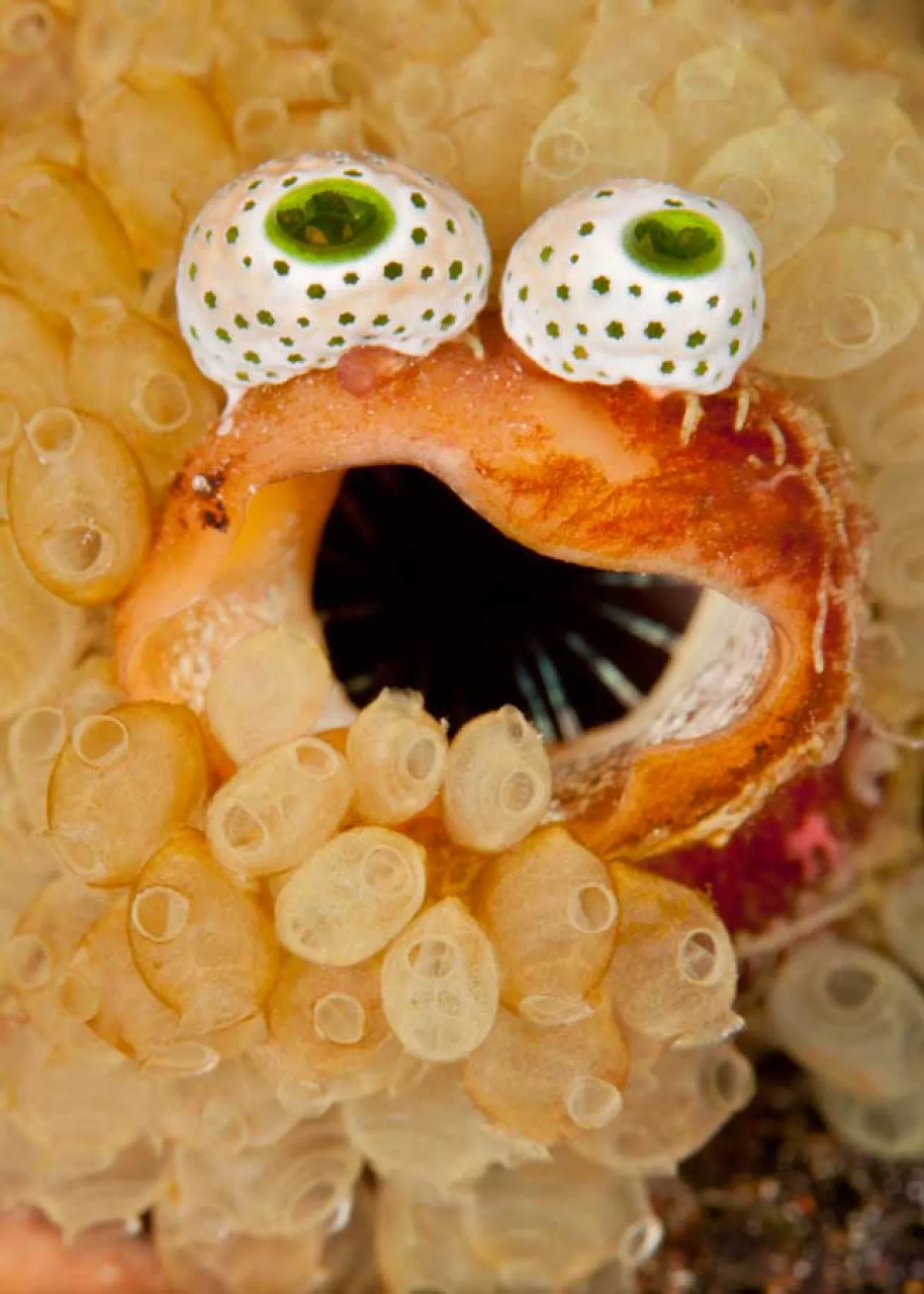
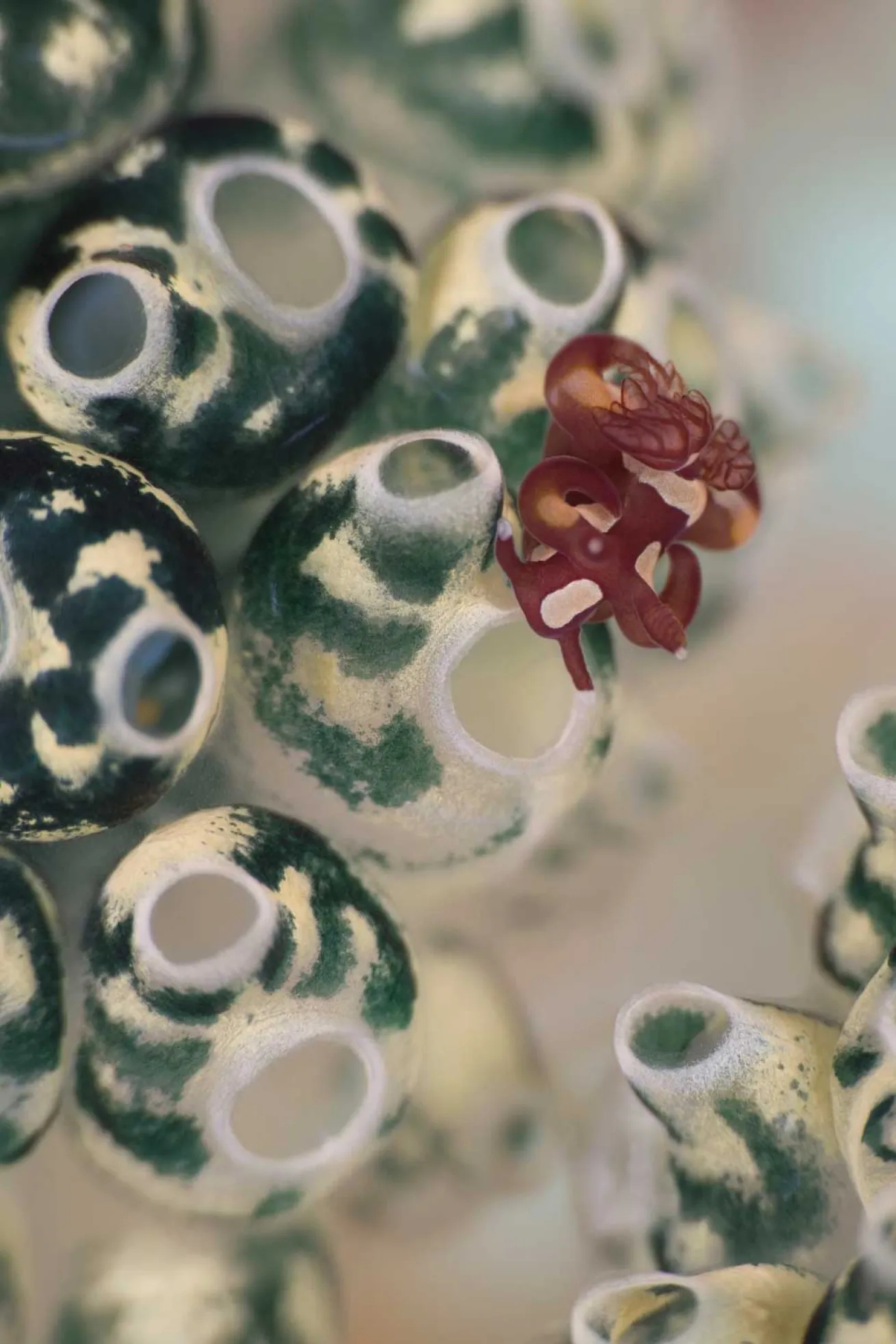
**In the north of Raja Ampat I found a small colony of turnicates that had all come together to make a face. I found this extremely amusing and stayed the whole dive there, mostly laughing and taking only a few photos. I have included this photo in my portfolio, I think it looks like Big Bird!
**Any awards or honors?
**No! I have spent the last 10 years working on liveaboards so rarely have internet access to publicize my photographs.
**Where have you been published?
**My photo was on the front cover of Sport Diver magazine in the November edition 2013. I have also been published in many marketing materials for Arenui Liveaboard. Finally I have a website www.debbiearriaga.com.
**What are you proudest of?
**I was pleased with my photos of the sea lions in the Sea of Cortez because it was the first time I had photographed such fast moving creatures. It was so much fun and I managed to get some shots I’m proud of even though most of the time I was just enjoying the sea lions playing with my parents and me. However, so far as being a published photographer I am most proud of my photograph being on the front cover of Sport Diver magazine.
**Are there any underwater photographers you admire and why?
**First on the list has to be my husband Jerry Arriaga whose macro shots make me very jealous! William Tan for his fantastic macro behavior shots. Stephen Wong for his wide angle. Takako Uno for her uncanny knack for finding new species of nudibranchs and taking great photos of them. Finally Rod Klein who was my very first teacher of using manual mode.
**What advice do you have for beginning photographers?
**Before taking a camera underwater you should be a confident diver and have excellent buoyancy. If you need to improve your buoyancy go diving in a pool and practice hovering and being able to stay as still as possible while taking photographs. This is essential because it doesn’t matter how good the photo is if you had to destroy some coral to take it.
**Where are you going next?
**I work in the diving industry so I am lucky that all year round I dive in Indonesia in Raja Ampat, Komodo, Ambon, Alor, Banda and Bali. In 2015 we have a trip to Galapagos planned.


