

David Henshaw
Our Photo Expert
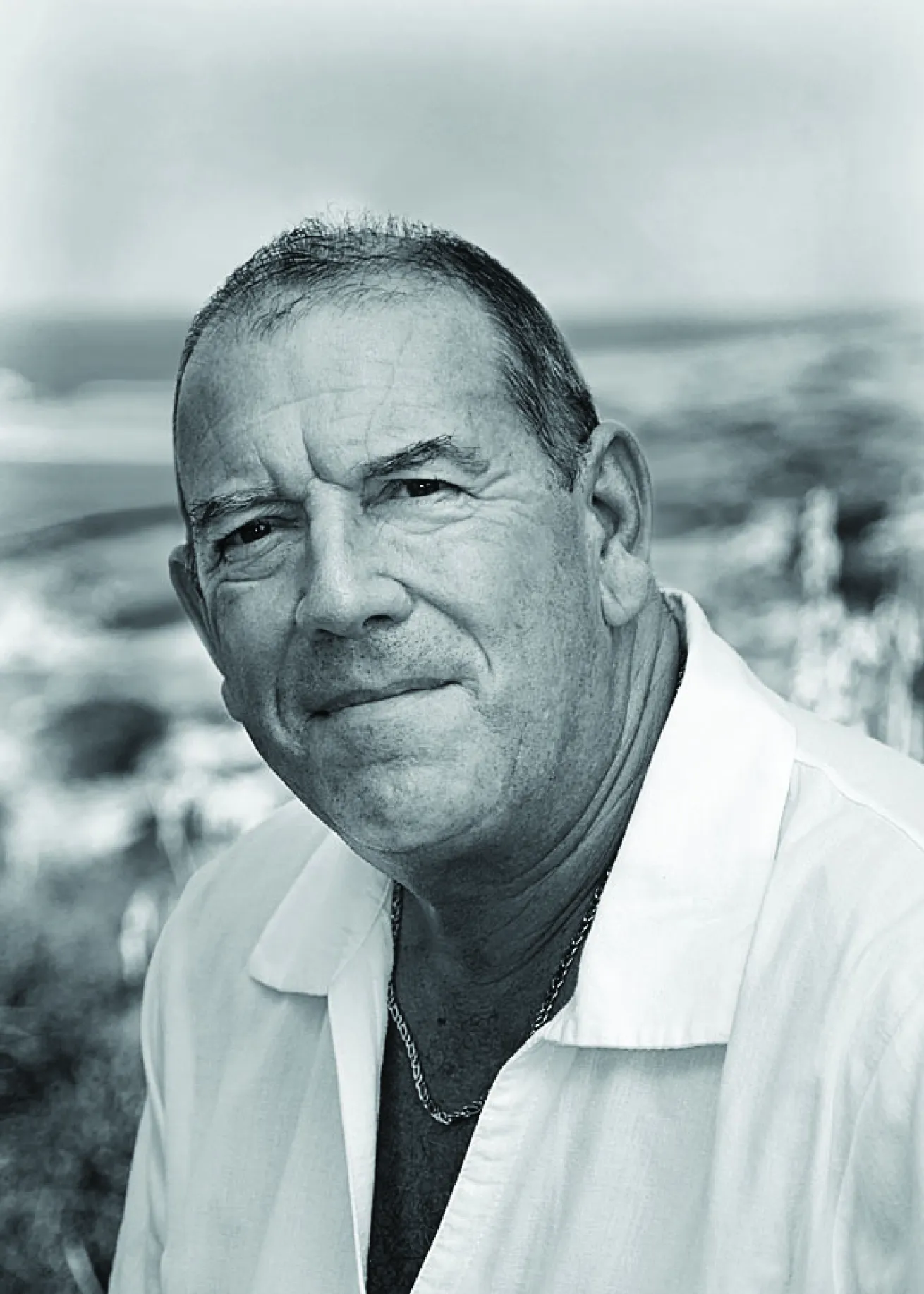
David Henshaw began working in underwater photography 12 years ago, and his work has been featured both in magazines and international photographic competitions. Based in Menorca Spain, he travels and shoots with his wife, Debi, who is also a successful underwater photographer. digitaldiving.co.uk
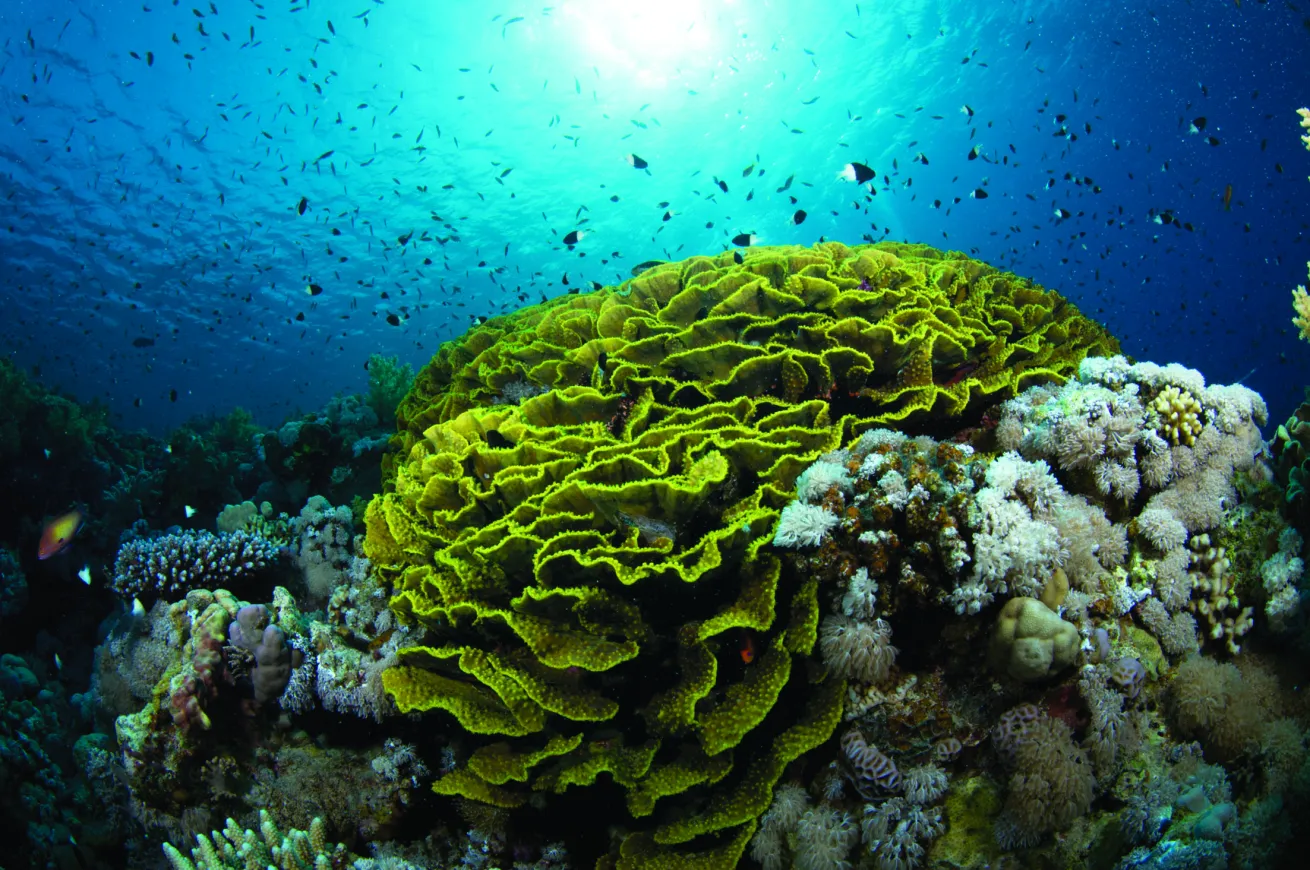
Capturing the vibrance of colors is the object in wide-angle reef photography. Look at the scene in front of you and note its makeup, available light and points of interest. The inclusion of the sun can add another dimension to reefscapes, so consider its position -- early morning or late afternoon can create great opportunities to capture sunbursts and dappled rays. The high midday sun will give the strongest light but with it will present its own technical challenges, so consider hiding the sun behind a coral formation or shoot with the sun behind you.
It's important to achieve even light over the foreground subject; including a strong silhouette in the background--such as a boat on the surface, or a diver or a wreck in the background--often brings an added dimension to the image. Colors play a big part in capturing the reef, so look for good contrasts; reds and yellows always work against the blue background. Changing aperture settings can have a dramatic effect on the strength and depth of color of blue water -- practice different settings at the same scene to see the difference.
We are trying to achieve an accurate representation of the scene underwater so that anyone looking at the images, diver or not, can get a clear picture of what we have seen. The same rules apply to reefscape photography as in other photography: The rule of thirds, composition, including diagonal lines, and subject matter all make for a better image.
Rule of Thirds
This composition guideline is that an image should be imagined as divided into nine equal parts by two equally spaced horizontal lines and two equally spaced vertical lines, and that important compositional elements should be placed along these lines or their intersections. It's best to do this while you're shooting and looking at your viewfinder, but you can also do it in post-production. Practice by going back to old images and cropping so that the stronger visual elements of your image fall along the lines of a 9-square grid.


