

Judy G
Judy G
Judy G
Judy G
Judy G
Judy G
Judy G
Judy G
Judy G
Judy G
Judy G
Judy G
Judy G
Judy G
Judy G
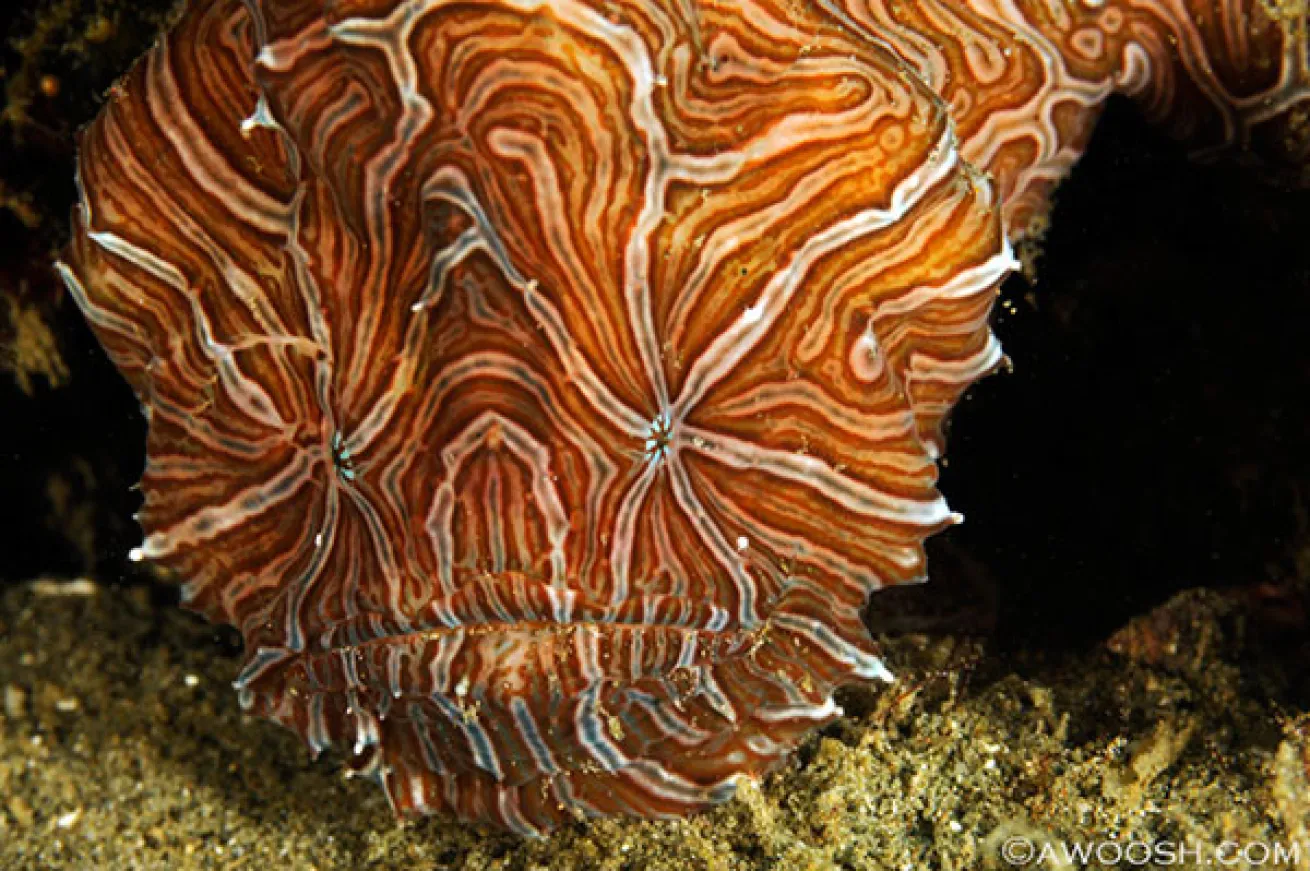
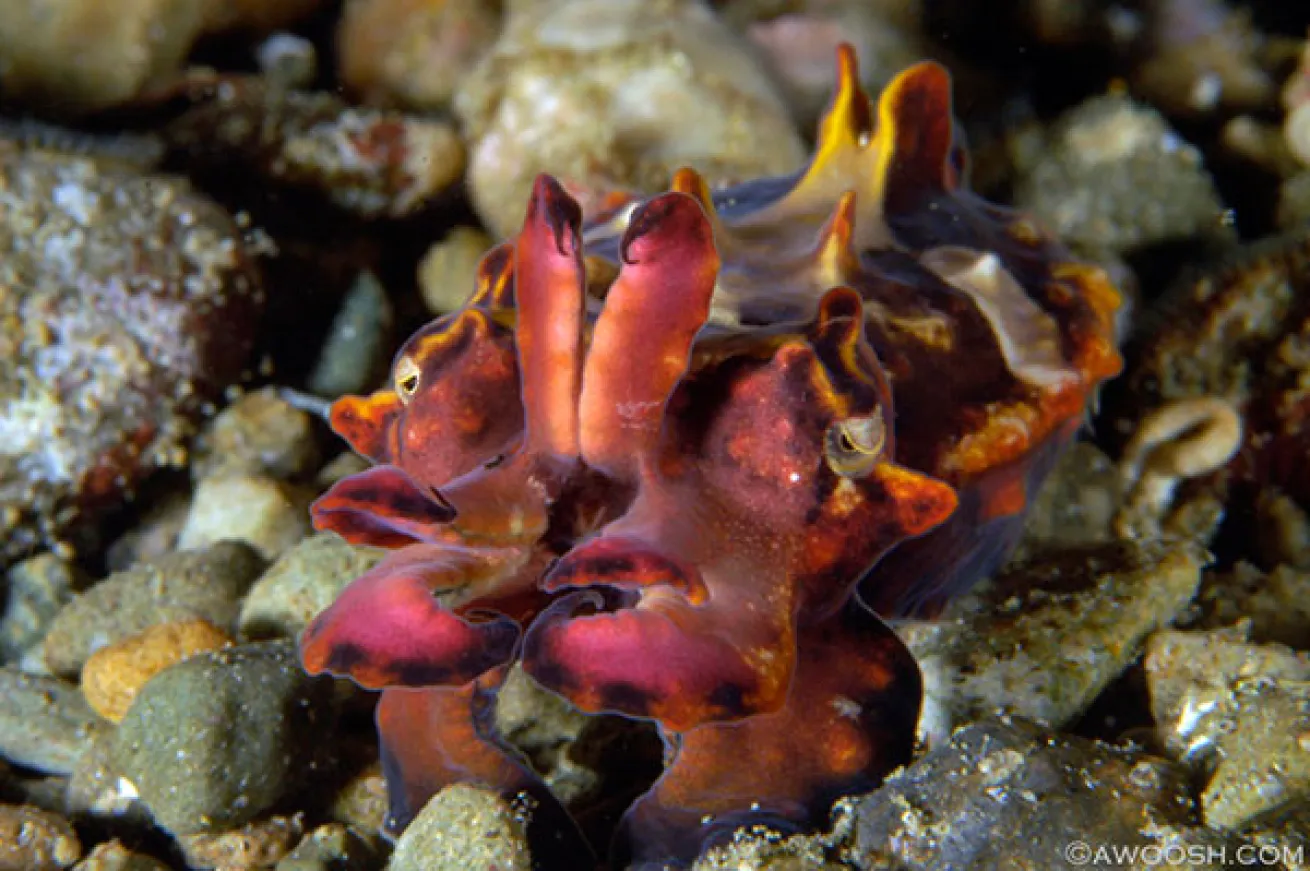
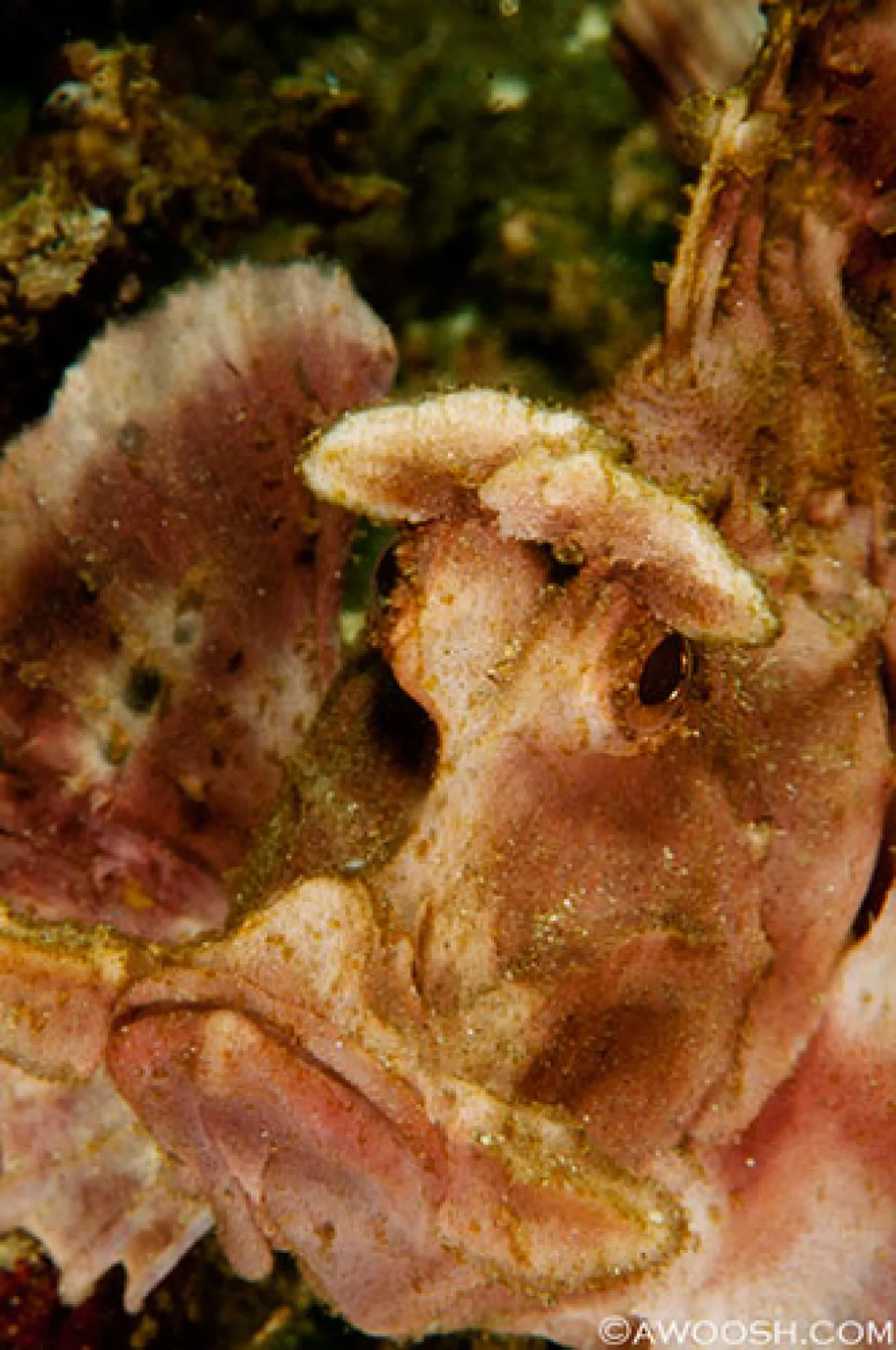
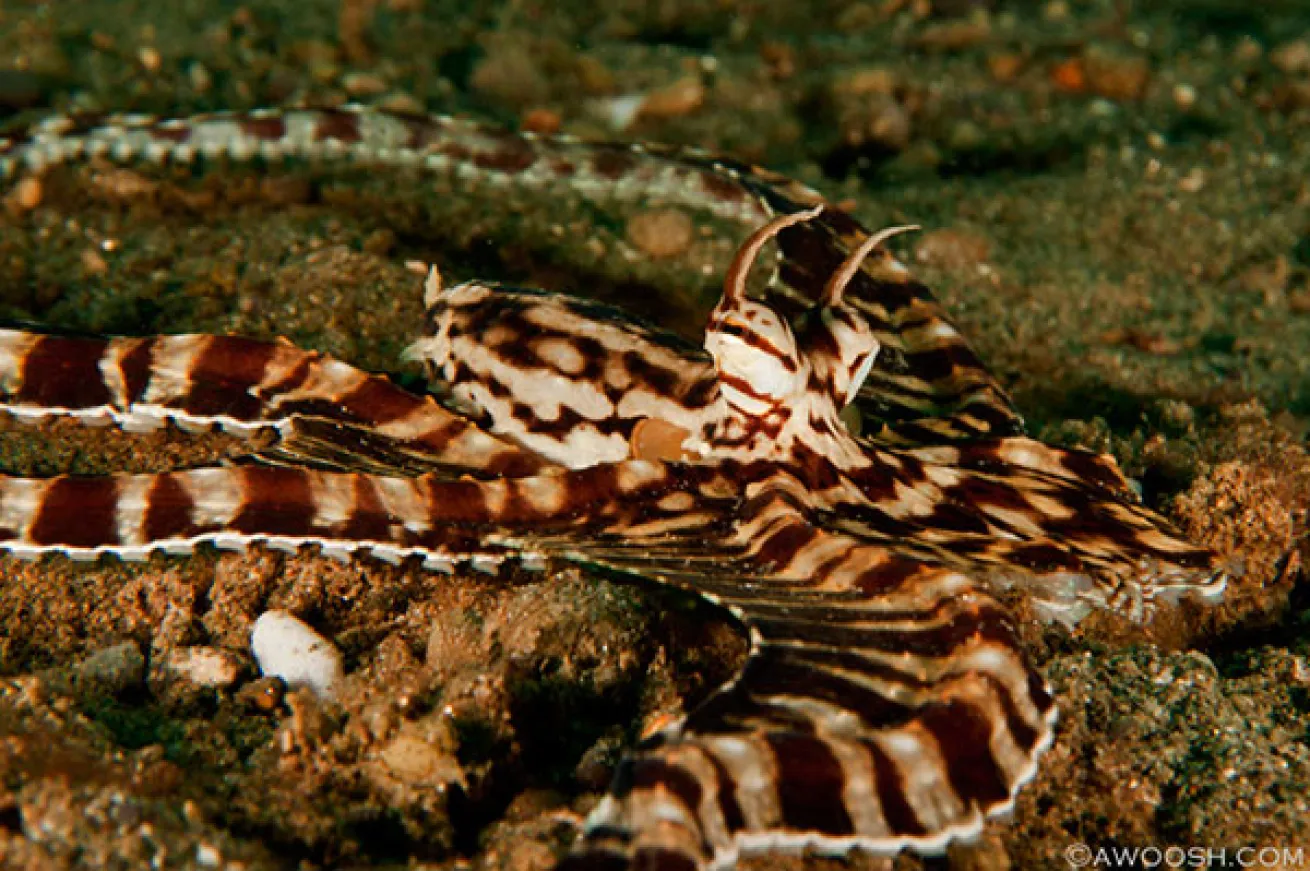
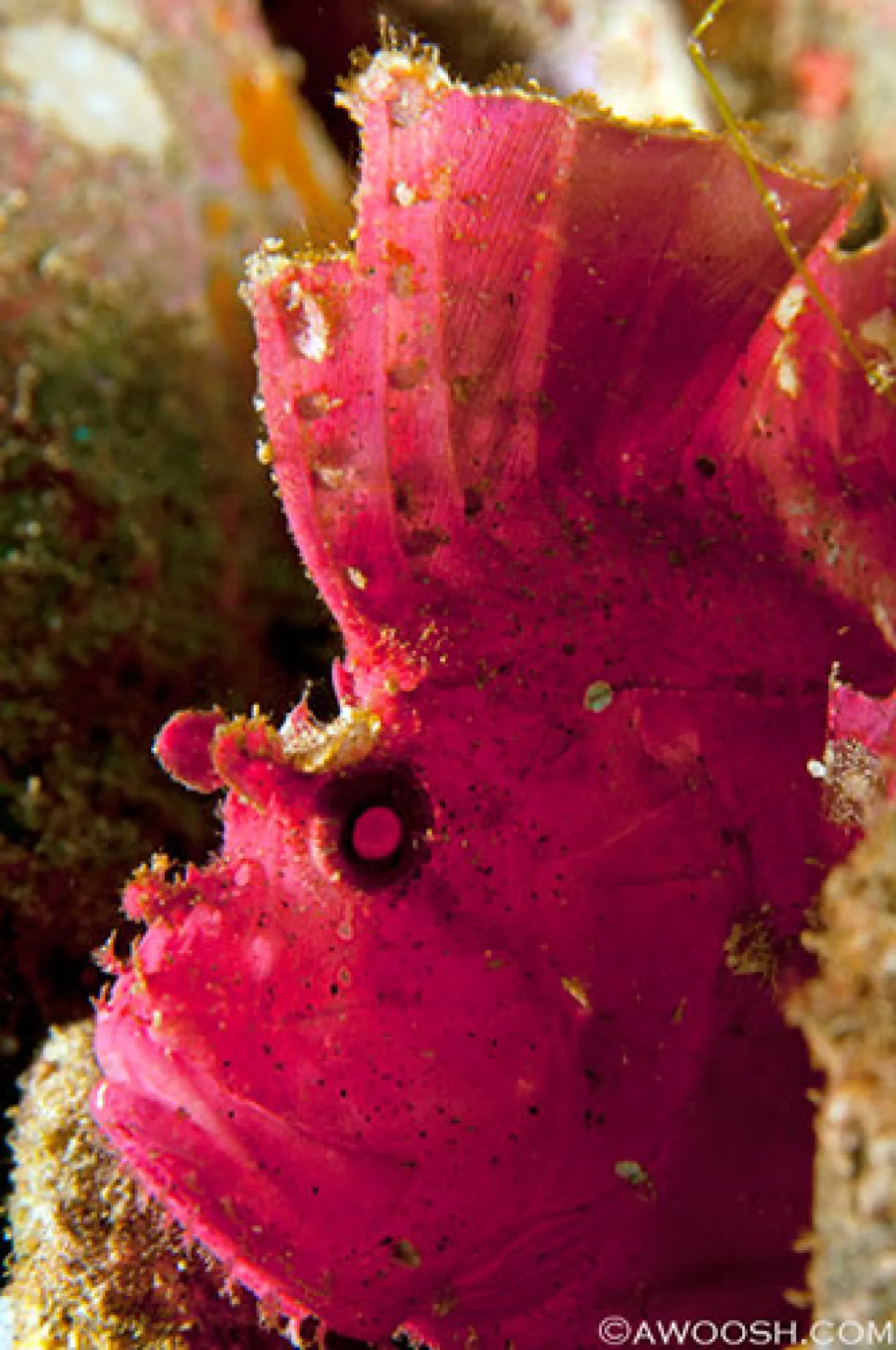
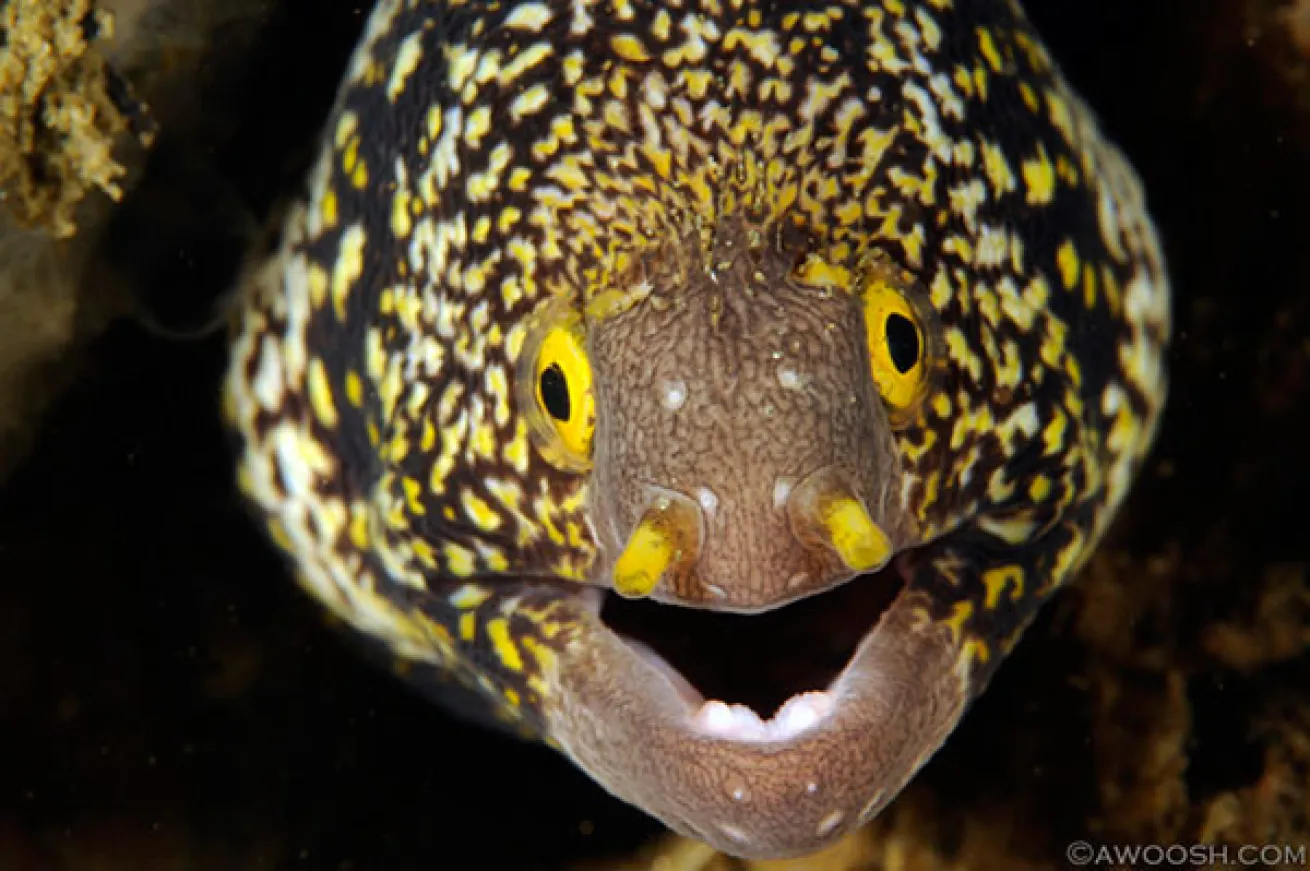
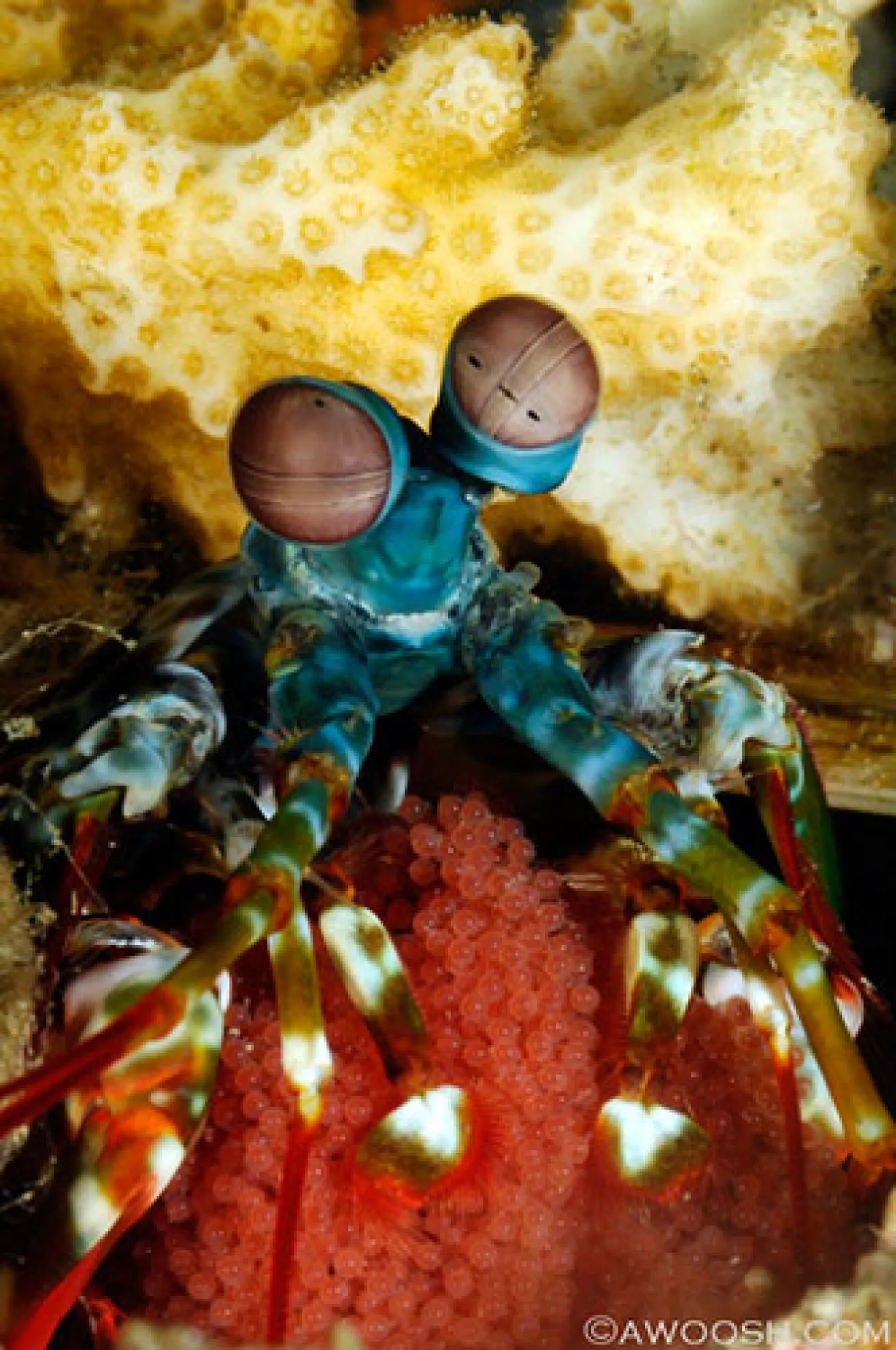
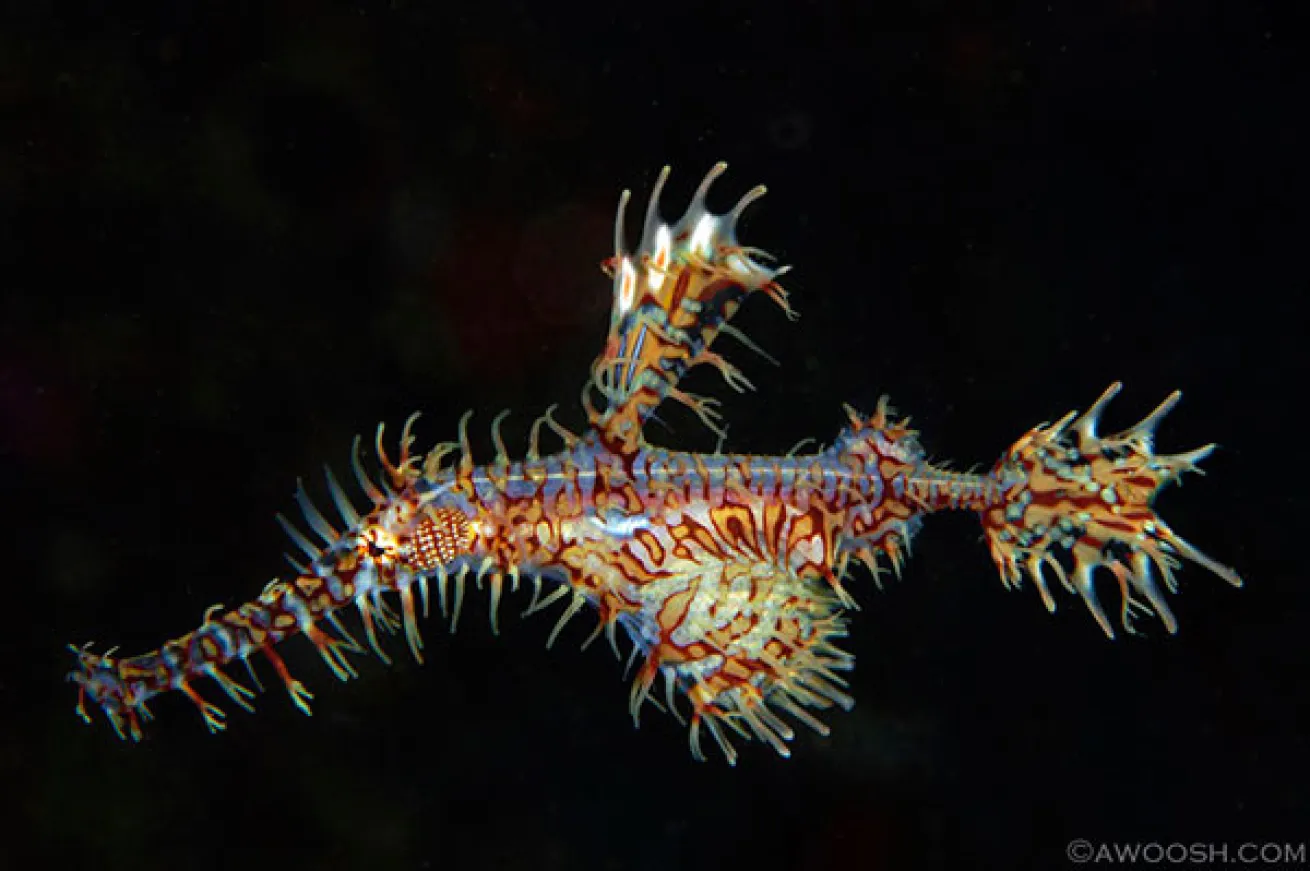
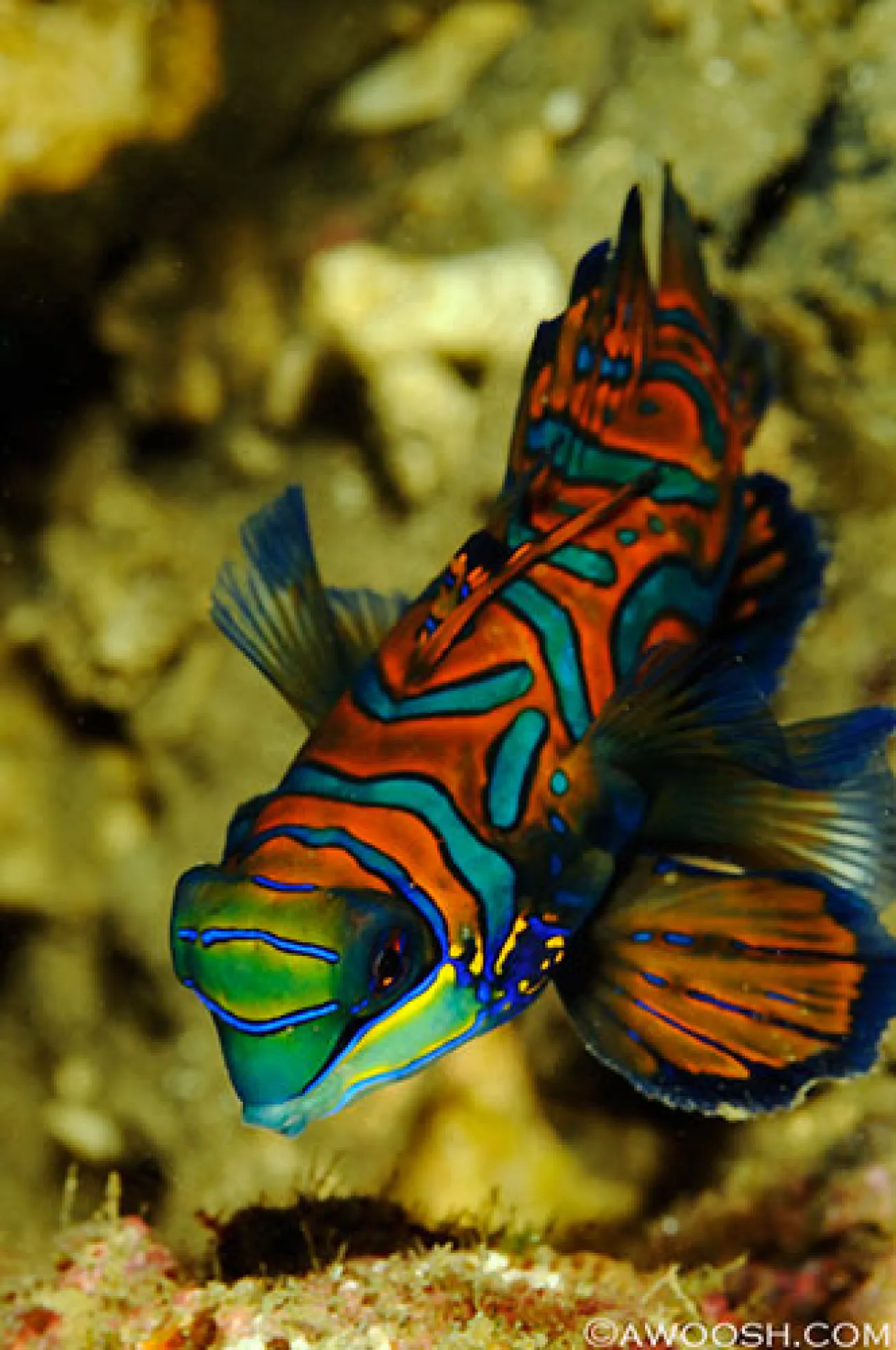
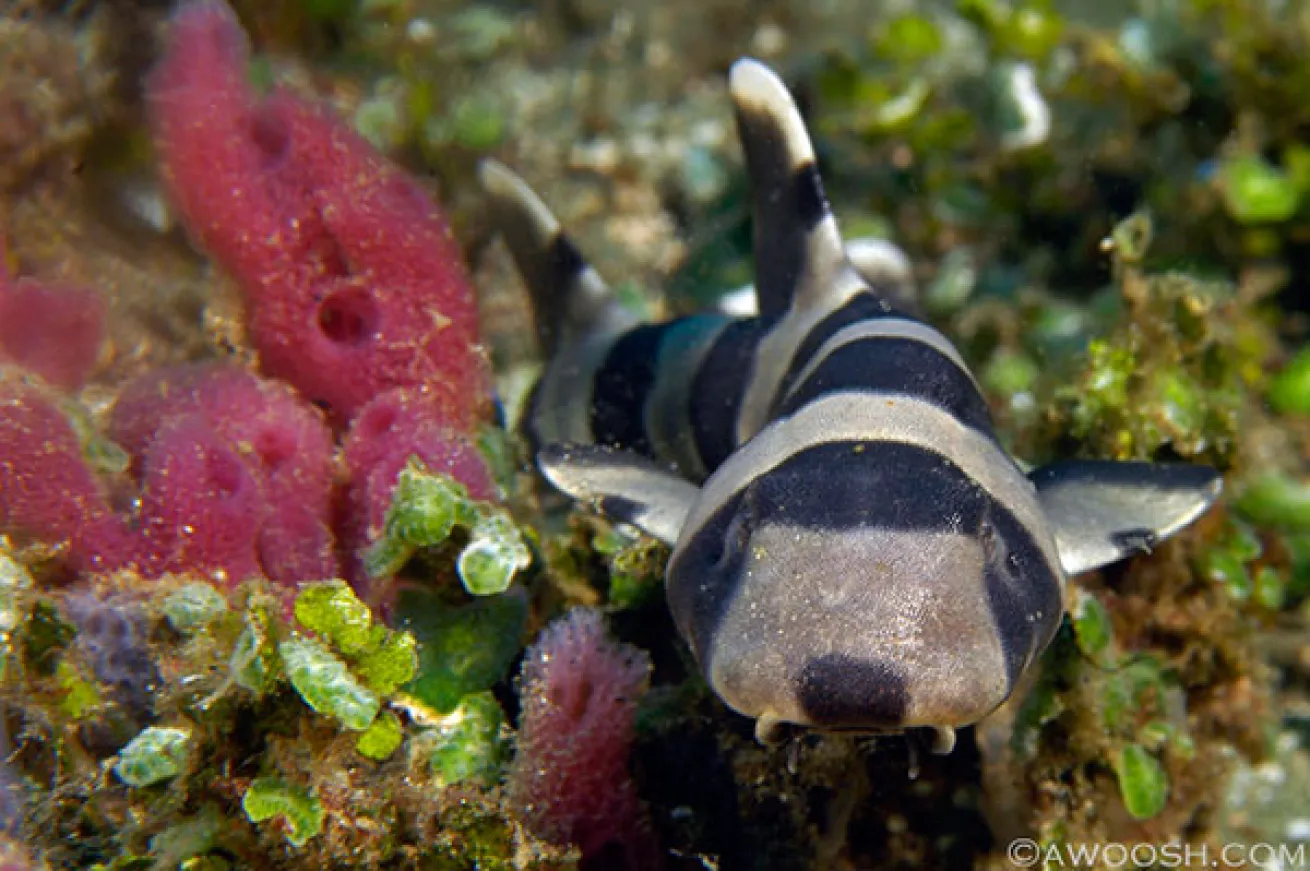
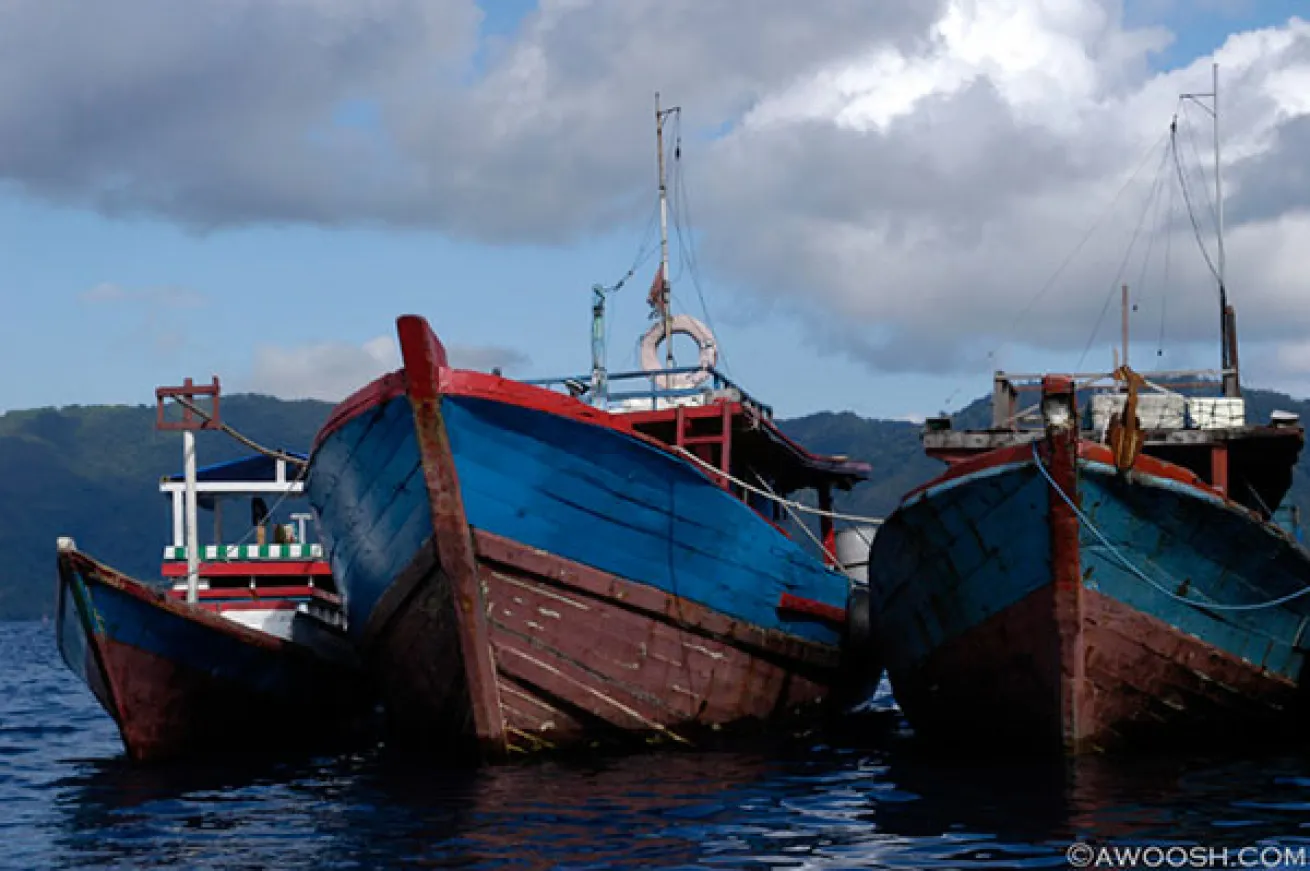
Who would have thought that diving in a garbage dump could be such a thrilling and rewarding experience? ;^) And who would have thought that me, historically a beauty-seeking, naturalist, big-picture kind of photographer, would ever become an avid muck diver? Muck diving has become very popular over the past decade as divers, and most especially photographers, continue to scour the seas for new and unusual experiences and photo opportunities. Muck diving is so called because the bottom is typically gently sloping or flat, and silted or sandy (depending on the location). There is typically no coral reef, although there can be occasional coral outcroppings or “boulders” (also known as bommies) popping up in an otherwise visual wasteland. When you come across one of these bommies, they are typically teeming with life, as they may offer the only habitat for reef-loving creatures within a large area. Very often they are cleaning stations, with large populations of cleaner shrimp and wrasse, and they attract all sorts of fish and eels from surrounding areas to come in for some grooming. Most of the well-documented muck diving thus far has been done in Asia (especially the Philippines, Indonesia, and Papua New Guinea), but its possibilities are truly limitless. In fact, thinking about it, the very first “muck dive” I ever did was under a dock on Quadra Island in British Columbia, many years ago. On our return from a boat dive in the epic Discovery Passage, we had been asked to do a shallow dive, under the docks and boats, to recover a tool dropped by one of the fishermen. And I noticed, while doing a search pattern for the tool in deep, dirty silt, a lot of very cool and unusual nudibranchs creeping along the grubby and detritus-strewn substrate. It seems counterintuitive that there should be so much interesting marine life living in such dirty and seemingly barren conditions. But the location must be nutrient-rich for so many creatures to flourish there. I’ve dove “clean muck” in several locations – in the Tulamben area of Bali, in a remote bay in the Raja Ampat archipelago of Indonesia, in Lembeh (on the northeast corner of the large island of Sulawesi) and in several locations in Komodo. And I’ve dove “dirty muck” – in Ambon Harbour, at Banda Island, and in Bima Bay on the island of Sumbawa – all also in Indonesia. All offer great macro diving. And I liked the dirty diving in Ambon (at least I liked the amazing critter roll call) so much that I have returned to do it several times. The difference between “clean muck” and “dirty muck” is the amount of human-produced detritus in the water. Ambon Harbour is an Indonesian fishing port, as well as a port for larger shipping vessels, including freighters and ferries, which supply this remote area of Indonesia, so the water is not very clean, and the bottom even less so. The locals have also historically dumped their garbage in the ocean (a terrible practice that is still rampant in poorer parts of Asia) and that results in a significant quantity of plastic bags being released into the ocean, causing peril to fish and mammals that may ingest them, and creating a surreal blizzard of shopping bags on some dives in the harbour when there is current present. And all that garbage also manifests itself as debris on the reef – old tires, clothing, shoes, broken furniture, bent bicycles, unidentifiable bits of building and landscape materials, and even the occasional diaper! Amazingly, many creatures seem very content to make their homes in this trash-strewn environment. I will admit that on my first planned muck dive (which was a shore dive in Bali, and ‘twas clean muck), I initially felt disappointment as I sculled out over the sandy, seemingly barren, gently sloping bottom. The visibility was murky, and really, there were no reef features on the site at all. It wasn’t until our guide starting tapping his tank to beckon us, and using his metal stick to point at fascinating little critters in this vast sandbox, that I began to get it – muck diving is a treasure hunt, and oh, what wonderful things can be found! Muck-diving sites seem to have an unusually large population of nudibranchs, eels, crustaceans and cephalopods. On one good muck dive, you might get to see a dozen or so varieties of nudibranchs, creeping along the bottom, mating, or feeding on hydroids and sponges. Mimic Octopus, Coconut Octopus, Blue-ringed Octopus, and Wonderpus can be found with some regularity at popular muck-diving locations in Indonesia. Cuttlefish are spotted frequently as well – including the gorgeous and fairly rare Flamboyant variety. And eels – Ambon Harbour, in particular, is rich with eels, including Snowflake, White-eyed, Blue Ribbon, Chain Moray, White Margined, Blackspotted, and others. In fact there are so many eels there that you will often find several sharing one lair. On one dive, I stopped counting after spotting 40 (!!!) of them. And then there are the fish – the unusual, and the downright bizarre. Traveling to Ambon to photograph a Psychedelic Frogfish has been mecca for photographers, although unfortunately one has not been seen for several years now. I was lucky to be able to see (and photograph) two of these crazily coloured and patterned, rarely spotted creatures, on two separate trips there. And there are other froggies as well – including Hairy, Giant, Painted, and others. There are regular sightings (seasonally dependent) of Rhinopias (several varieties), another photographic mecca. Leaf Scorpionfish are quite common, and come in several colorations, including the fairly unusual bright pink version. Several varieties of dragonets can be spotted, including the really bizarre Fingered Dragonet, and the beautiful and elusive Mandarinfish. Also fairly common on muck sites are Crocodilefish, and others of the flathead fish family. Given the sandy/silted substrate, there are also many creatures that are burrowers, including several varieties of jawfish, shrimp gobies, mantis shrimps and the super creepy Stargazer fish. Unbelievably, the very best muck-diving sites in Ambon Harbour are right beneath the areas where the fishing boats dock and clean their catch, and where garbage gets dumped with unfortunate frequency. These are the epic Laha 1, 1½ & 2, that macro photographers speak of with hushed reverence. The sheer diversity of animals living in this undersea squalor is impressive. There are many, quite rarely spotted creatures, some of which I have only ever seen in Ambon, and only ever on this site. I should also add that not all the diving in Ambon Harbour is this dirty – I have dove several “muck” sites there that are pristine by comparison. But muck diving, most especially dirty muck diving, is not for everyone. It has the greatest appeal to macro photographers and to keen critter hounds. Those who enjoy clear blue water, coral gardens, scenic and dramatic reefscapes, and large animal sightings will probably not enjoy this kind of diving. The visibility is often quite poor, and most of the subjects are small, with many of them being best viewed with a magnifying glass or through a macro lens. Excellent buoyancy control is a must for muck divers. These dives happen on sandy, silted sites. Making any kind of contact with the bottom, in fact even using normal finning techniques several feet above the bottom, can cause a silt storm of epic proportions that can reduce the visibility to zero and seriously annoy other divers and photographers hoping to see and/or photograph all the cool stuff. A good muck diver uses a fins up, sculling technique for propulsion and for positioning themselves up over a subject. This avoids the updrafts generated by regular finning that can lift the silt with each stroke. Many muck divers choose to use a muck stick to help them avoid any kind of contact with the silt. These strong but narrow sticks are usually at least 14 inches long (silt can be very deep at some locations), and about one-quarter inch in diameter. Ideally, they have a wrist lanyard and a clip so they can be stowed on one’s BC or clipped off to a camera when not in use. The best ones are manufactured out of stainless steel, so they won’t bend or break if used in current. The stick is gently introduced into the sand (after visually confirming that one is not skewering some buried critter), and is used to hold oneself in place, up off the bottom. It can also be used as a monopod of sorts for a camera, and for banging on one’s tank to get the attention of another diver. Leaving a subject unsilted becomes easy too – just use the muck stick to push yourself up and away from the bottom. Used properly, the stick is the only thing to contact the bottom on a muck dive – the diver and his or her camera are well clear of the bottom, with fins up as well. Nitrox is an excellent idea for muck diving — the sites are typically flat to gently sloping, with depths ranging between 20 and 80 feet. Nitrox allows for really generous bottom times in these conditions. One final consideration is health. Diving in dirty water has some perils – the most common of which is ear infection. I make it a practice to rinse my ears thoroughly after each dive with fresh, clean water, and thoroughly dry them. I then apply eardrops (I use a brand called Barusol). This helps to dry out and restore the chemical balance to the ear canal so that nasties can’t make a home in that warm, moist environment. I also carry prescription antibiotic eardrops in case an ear infection does develop while on a trip. I think it is a good idea to wear a full layer of neoprene, leaving as little skin as possible exposed to the water. This includes a full hood with neck cover and warm water booties or neoprene socks. In addition to creating a barrier from any nasties, it is also an effective defense against any stinging critters. After every dive, I rinse my suit and my skin with clean water. There is currently one land-based dive resort on Ambon Island (Maluku Divers), and they do a great job of getting their divers out to all the primo sites. Live-aboard boats doing a Banda Sea itinerary typically embark and return to Ambon, so there is a chance on either end of one of those trips to add a few days of epic muck diving in Ambon, and sometimes the live aboard itinerary will include a day or two of muck diving in Ambon. On one trip, we did a transition cruise from Ambon to Sorong, which was a southern Raja Ampat itinerary. This also allowed us a few days of land-based muck diving in Ambon before heading out on the live aboard. For me, this is the perfect combination — beautiful, big-scene reef diving, with a few days of critter-rich muck diving thrown in for good measure. And to really appreciate good muck diving, a local guide is essential. These eagle-eyed guys and gals have an amazing knack for knowing where to look for the coolest of critters. Without the help of a guide, many of the images in this Ambon Muck Diving Gallery would never have been captured.
Born and raised on the west coast of Canada, Judy has always felt a strong connection to the ocean. As an avid underwater photographer and photo essayist, Judy has traveled extensively to pursue her passion. Her work has been featured in several dive publications and websites. To follow her photo and travel blog, visit her at: Awoosh.com.


