

Create A Solid Foundation
A scuba diver’s mask, fins and snorkel are usually the first items of gear he or she buys. Here are some of the newest dive mask models., plus tips on choosing the best one.
Masks Dive masks come from the manufacturer with a mold-release compound coating the lenses, which will cause them to continually fog if not removed. Non-gel toothpaste works well, as does a mild abrasive cleaner — including those made specifically for dive masks. Get more tips on prepping your brand-new mask for its first dive.
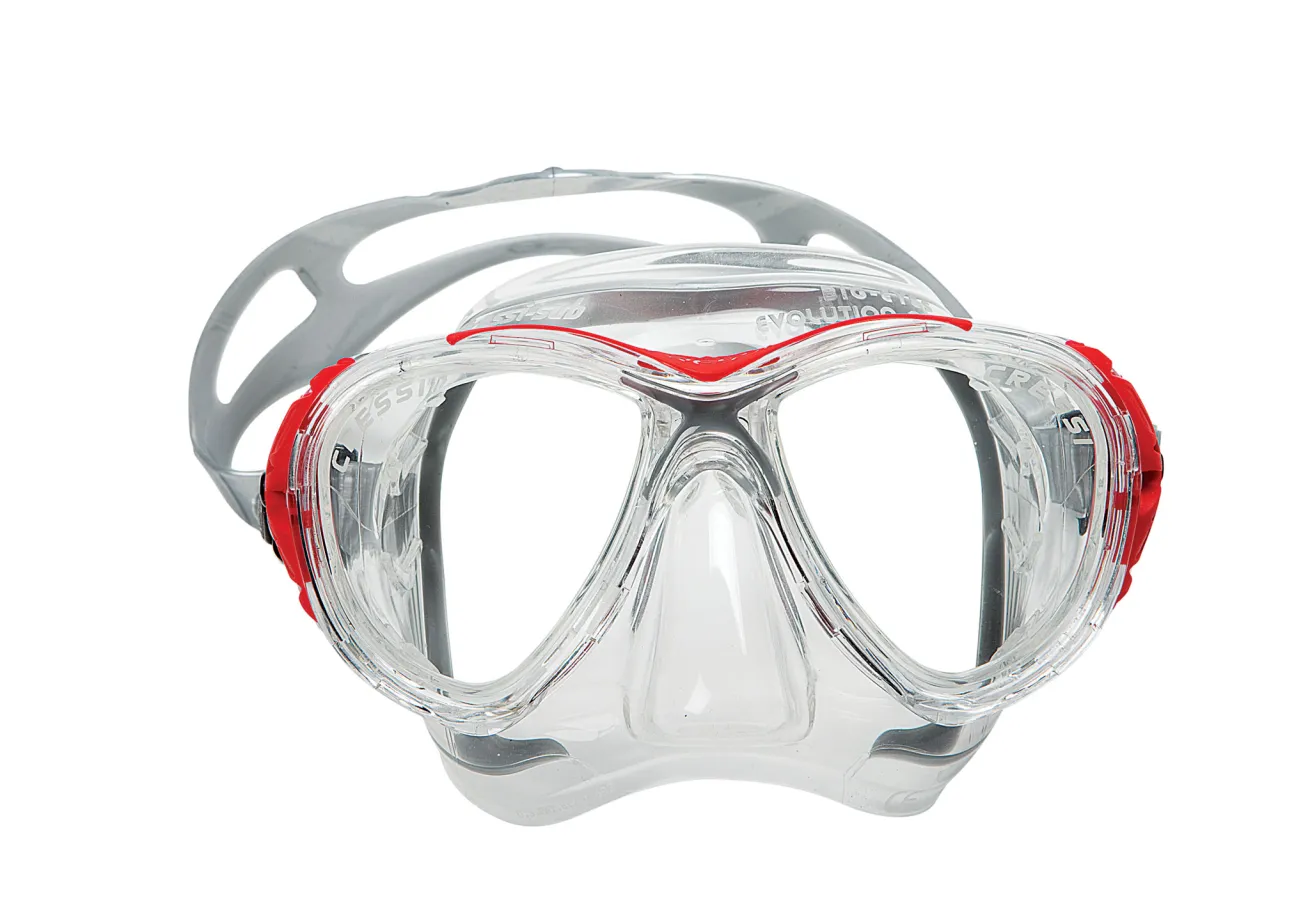
Carrie GarciaThe inverted-drop shape has been the Big Eyes trademark for years. Cressi's frameless mask is lightweight, low volume and offers a compact profile. The buckles attach to the frame by an elastic element that can be bent sideways on a 180-degree curve, which means they can fold flat for packing.
GOOD FOR: Large faces; travel; divers who need prescription lenses
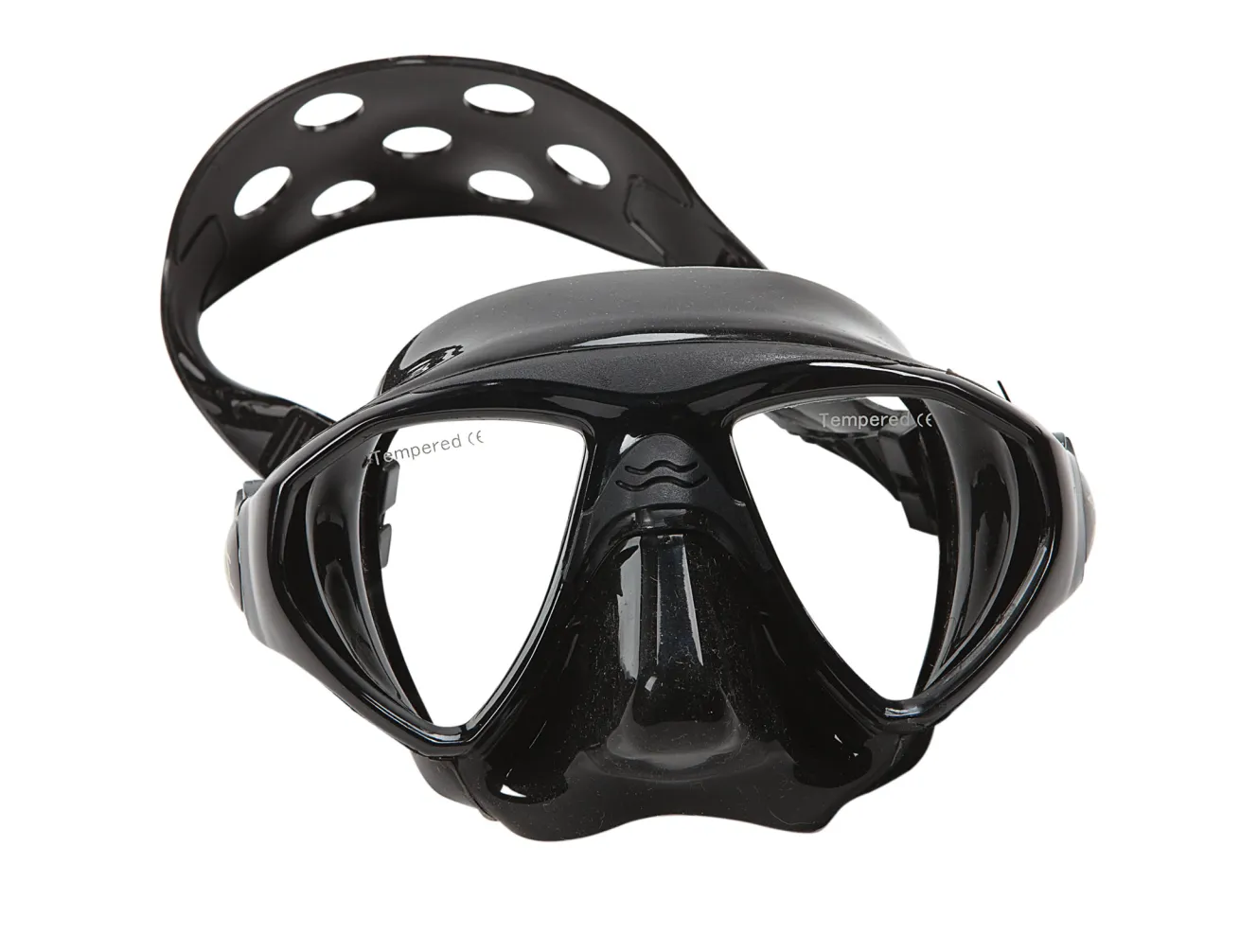
Carrie GarciaBy bonding the silicone skirt directly to the mask’s frame, IST has made this new mask lighter and more compact. Comfortable neoprene mask strap and good field of view.
GOOD FOR: Divers who have trouble clearing their mask.
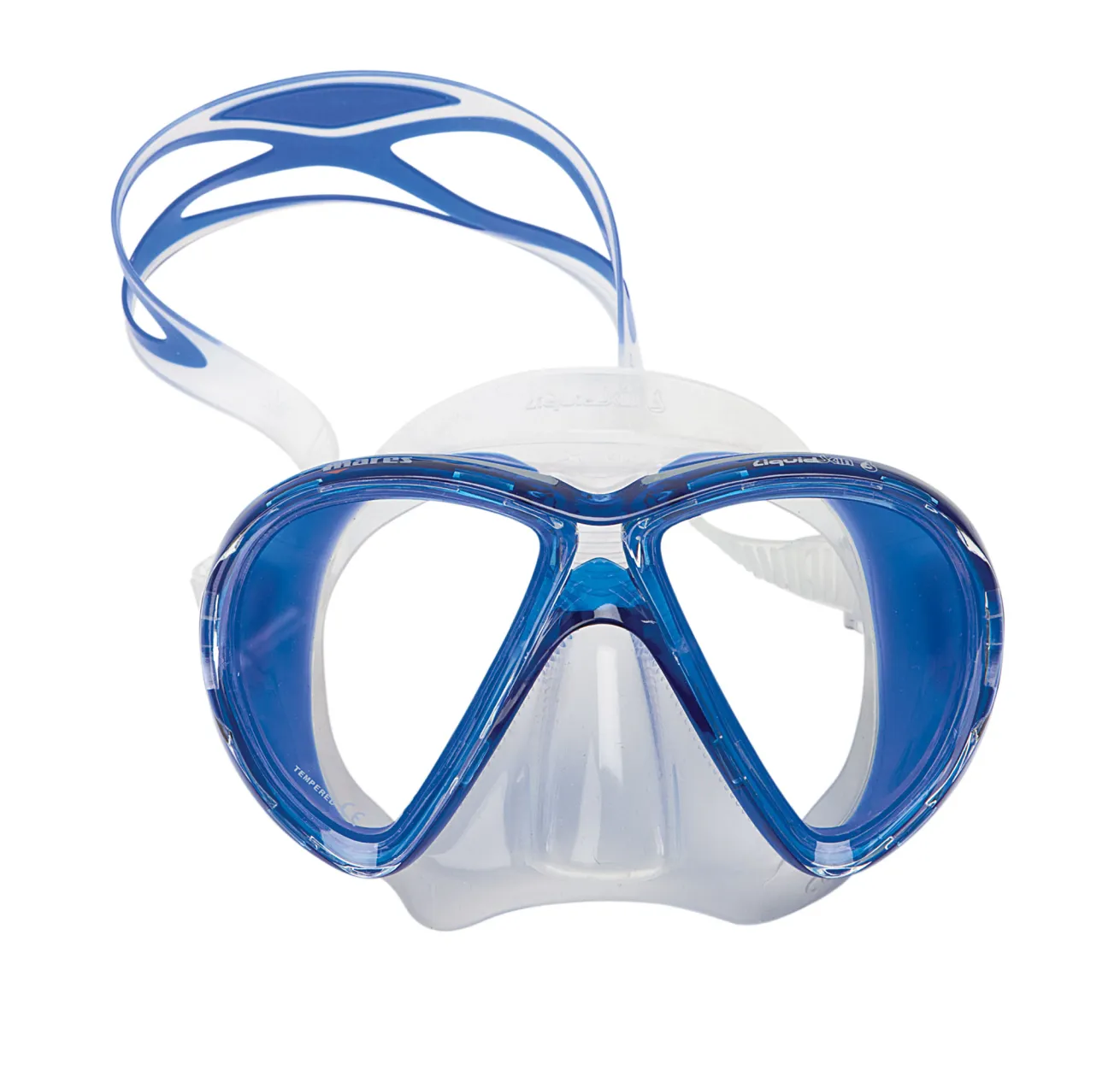
Carrie GarciaA twin-lens low-profile design, the X-Vu features Mares’ patented Liquidskin technology, which the company says is 45-percent softer than standard silicone.
GOOD FOR: Divers who prefer a soft material that seals to their skin
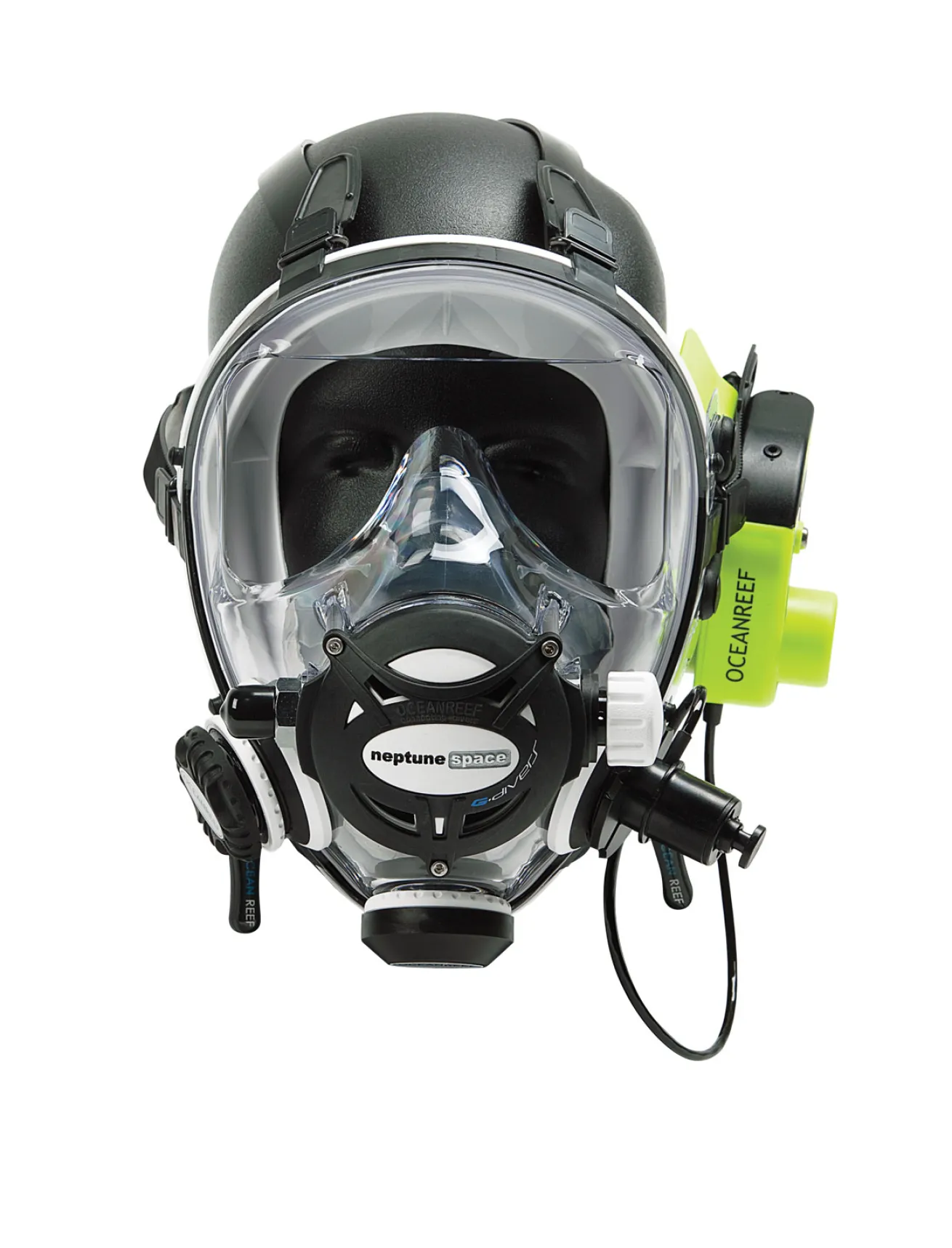
Carrie GarciaThe Neptune Space G.Divers full-face mask, equipped with a GSM G.Divers underwater transceiver, is OCEAN REEF's entry-level comm kit for recreational diving. Hook up the single channel Push-To-Talk G.Divers communication unit, and divers can talk to their buddies or to the dive boat using separate comm units.
GOOD FOR: Working divers and underwater researchers who need to communicate with support staff.
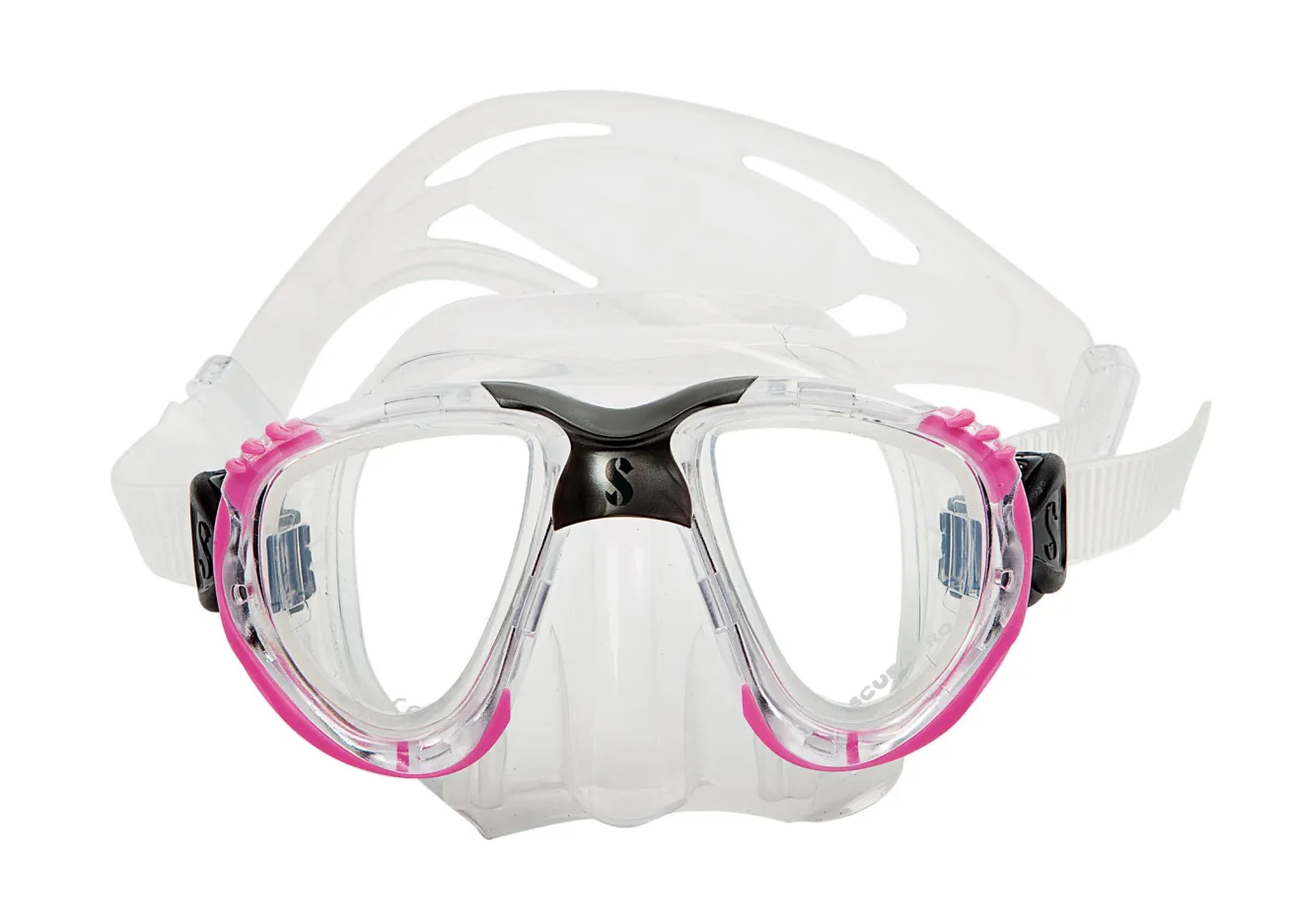
Carrie GarciaThe supple, double-sealed silicone skirt accommodates a wide range of face shapes, and swiveling strap buckles prevent binding in this very low-volume mask. The Scout’s nose pocket is indented for fast, effortless clearing.
GOOD FOR: Divers looking for a comfortable skirt.
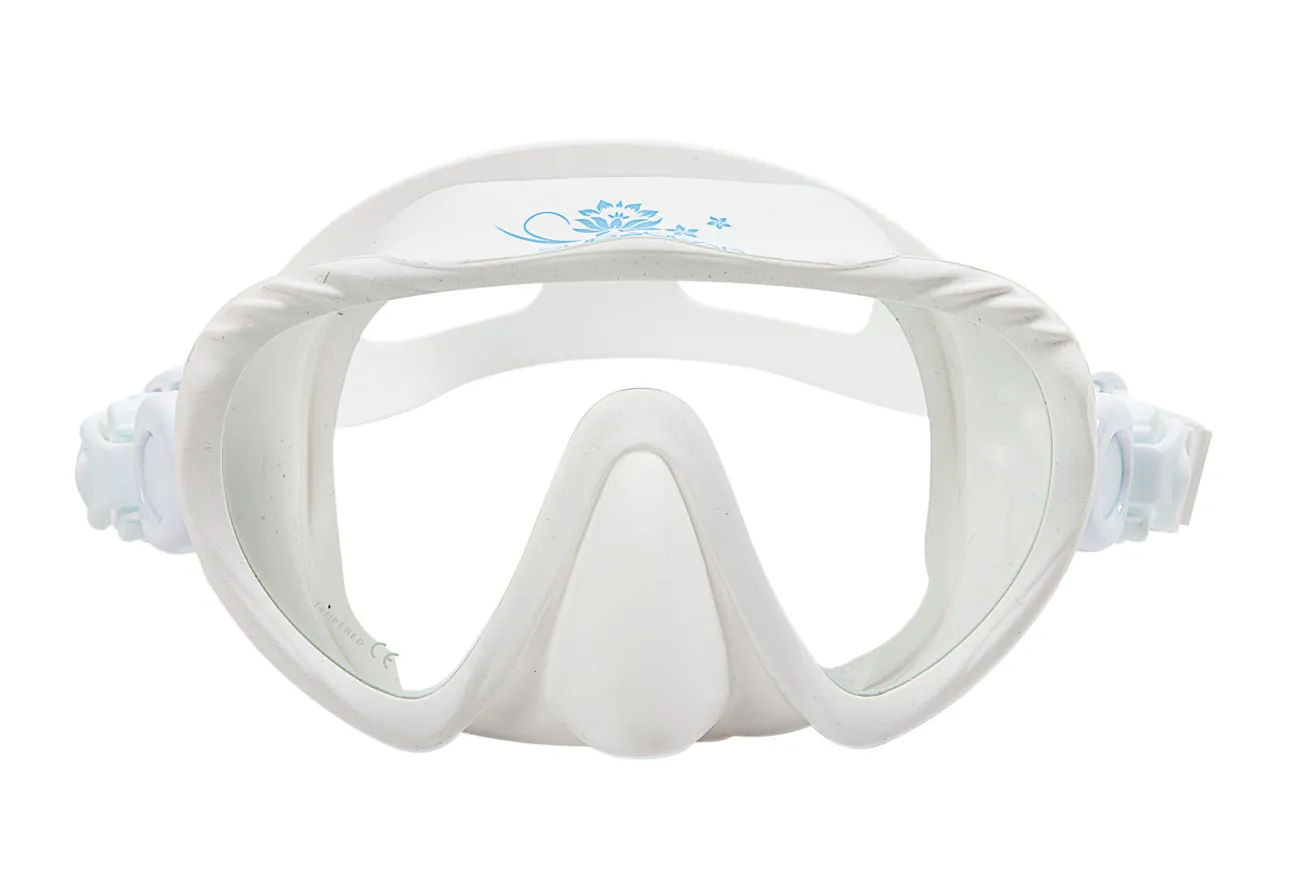
Carrie GarciaThe Sprite’s distinctive white skirt is made from supple, high-grade silicone, and the sleek, frameless design makes it both low profile and low volume, so it’s easy to wear and clear.
GOOD FOR: Divers who get claustrophobic in a black-masked skirt.
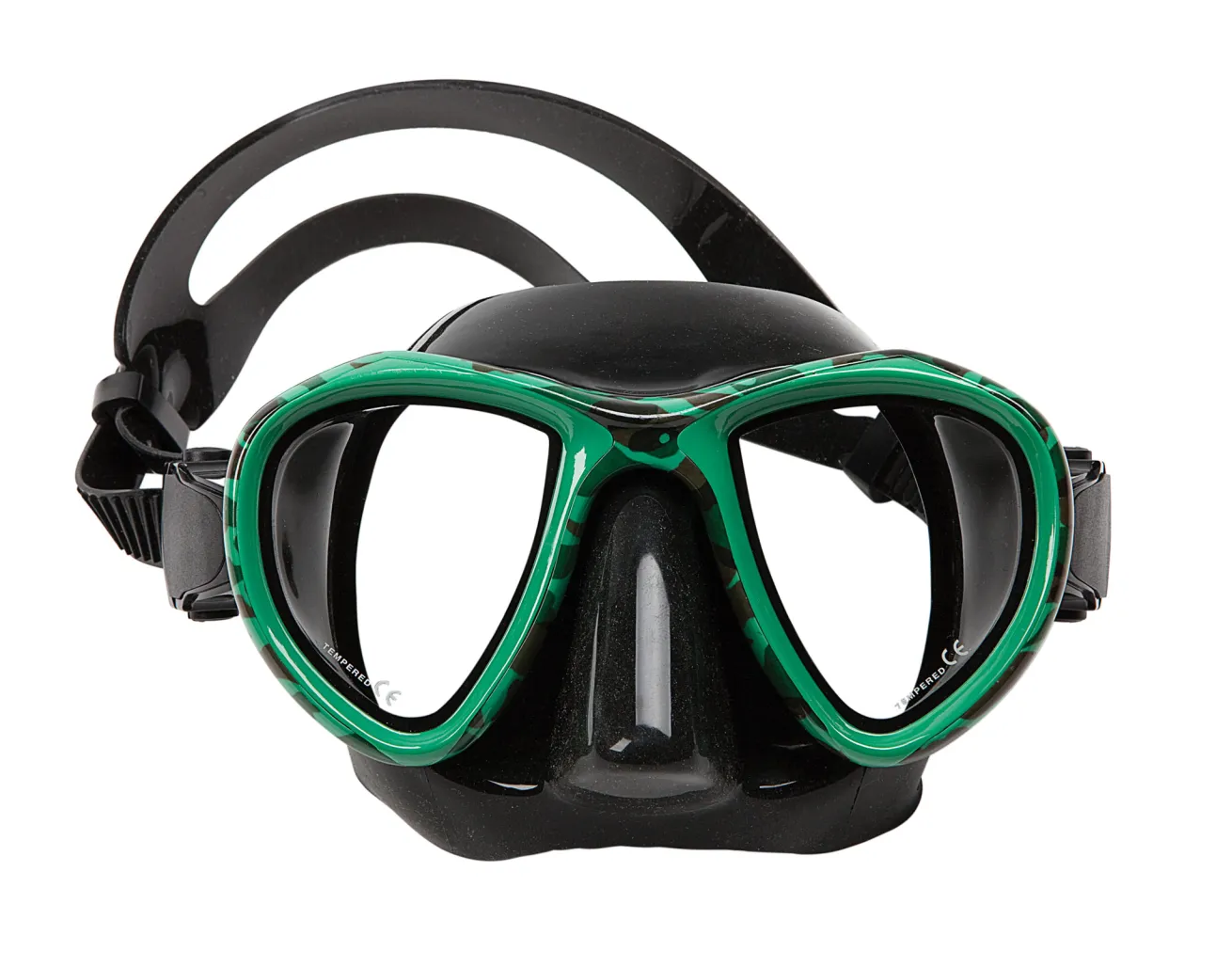
Carrie GarciaFree divers will appreciate the MK-303 for its compact frame, low internal volume and supple black silicone construction. Skirt-mounted strap buckles are infinitely flexible and allow for folding and compact storage.
GOOD FOR: Free divers and divers who travel a lot and want to cut down on the amount of space their dive gear takes.
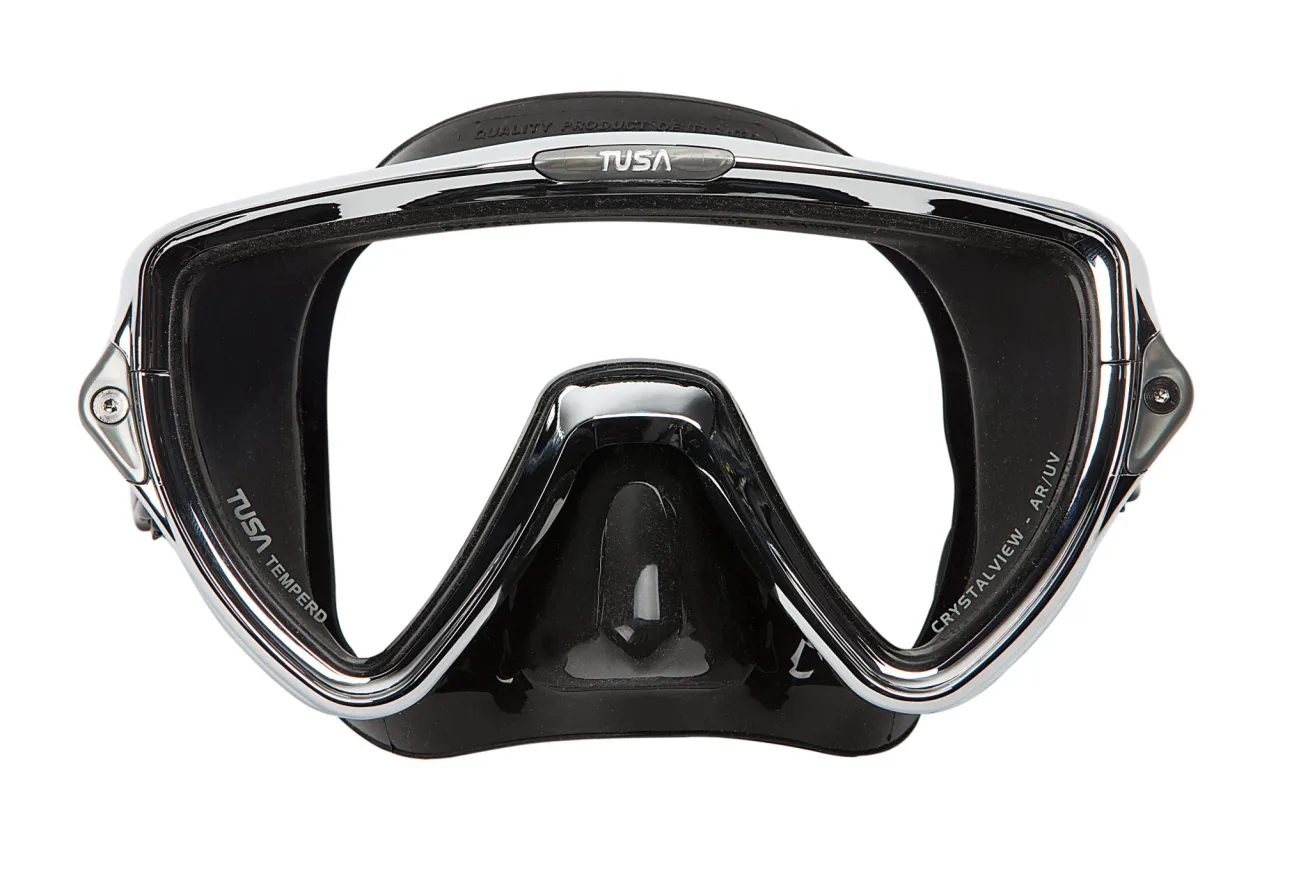
Carrie GarciaThe special-edition chrome frame and black skirt give this mask a retro feel, but it’s built around high-tech features such as Tusa’s Crystalview Optical Glass treated with an anti-reflective and ultraviolet coating that delivers incredible clarity.
GOOD FOR: Divers who want a sturdy mask.
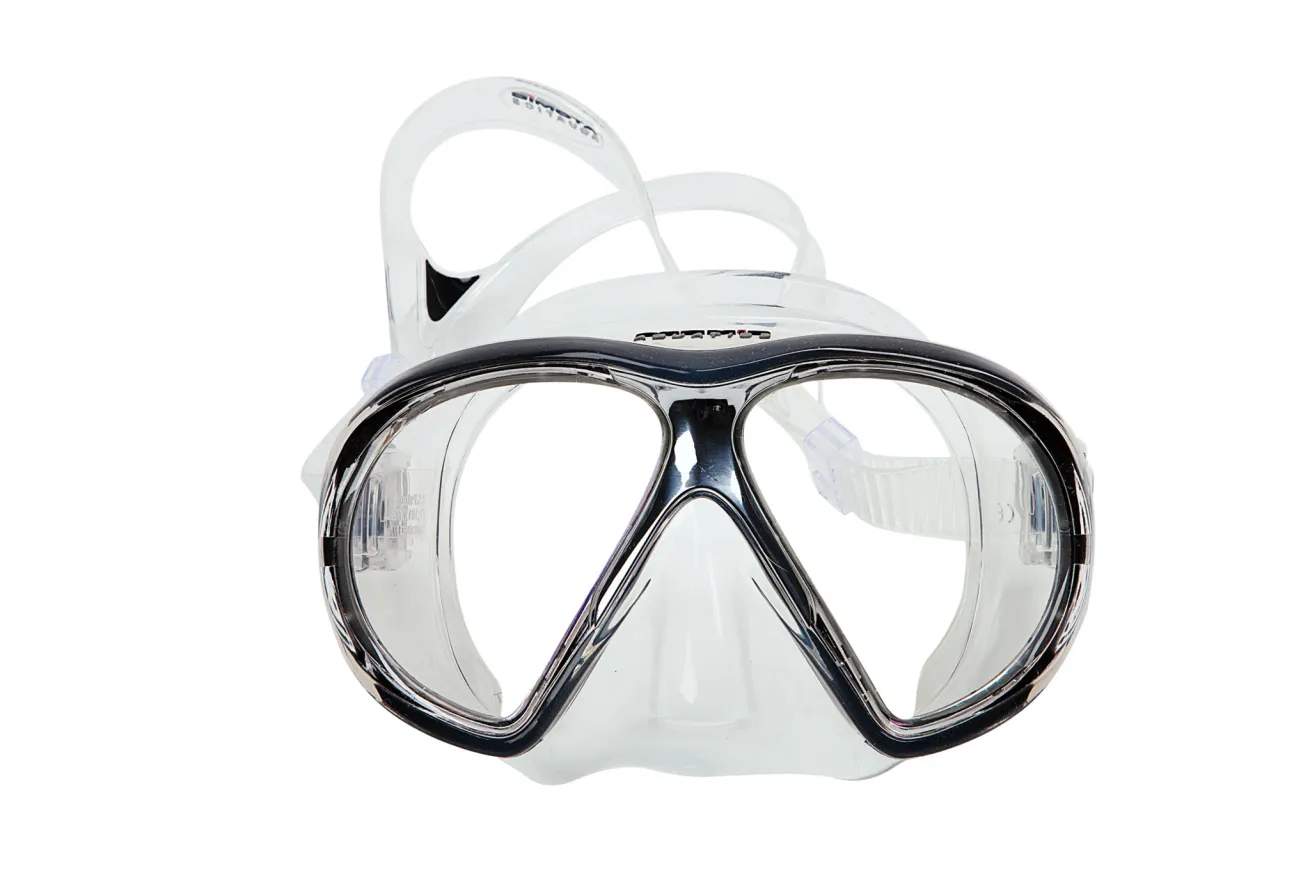
Carrie GarciaThis classic twin-lens design is enhanced with smart engineering, boasting a low internal volume and squeeze-to-adjust strap buckles. Photographers will appreciate Atomic’s ultraclear-lens technology, which eliminates color distortions.
GOOD FOR: Divers looking for a comfortable, easy-to-adjust mask.
The Great Mask Debate
Black vs. Clear Skirts: Clear skirts allow more light to enter the mask, making everything brighter, including an underwater model’s face. Black skirts offer a more traditional look that many divers consider cool and let less light in, which underwater photographers often prefer.
One, Two or Four Lenses? Four lenses will marginally increase peripheral vision, but the trade-off is an increase in volume, which makes equalizing and clearing slightly more difficult. Beyond that, differences are negligible.
Snorkels are an essential piece of safety equipment, especially while you’re waiting on the surface for boat pickup. A snorkel is especially important for long surface swims to the dive site, because using it is a way to preserve precious air.
Folding snorkels that can be stored in a BC pocket and easily deployed are a great way to maintain safety without the clutter.
Paddle fins work best with a traditional, longer scissors kick, while split fins are designed for a more rapid, shallower flutter kick. Depth-compensating, self-adjusting spring straps are a nice upgrade from traditional fin straps.


