

Darren Jew
Darren Jew
Darren Jew
Darren Jew
Darren Jew
Darren Jew
Darren Jew
Darren Jew
Darren Jew
Darren Jew
Darren Jew
Darren Jew
Darren Jew
Darren Jew
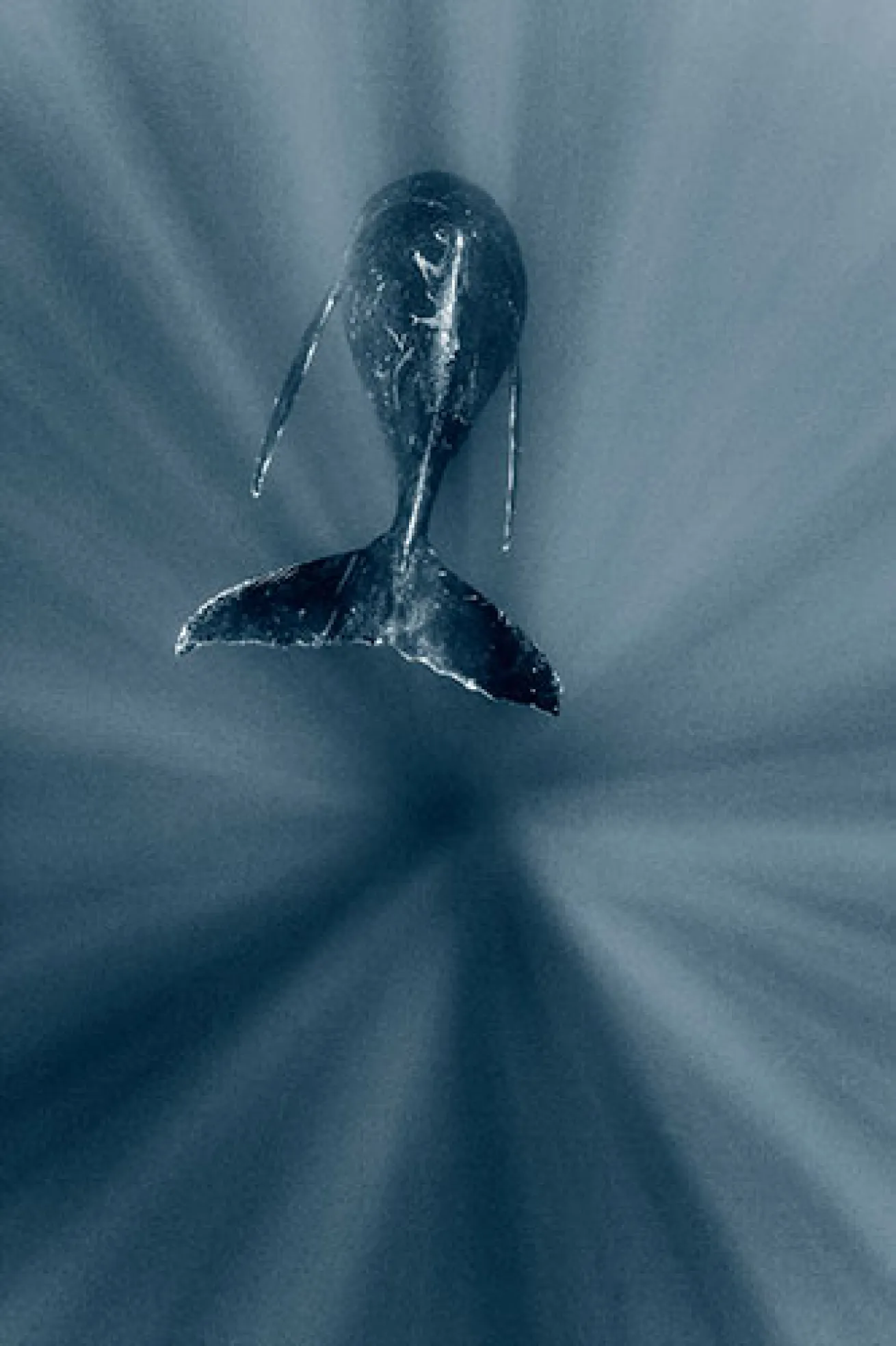
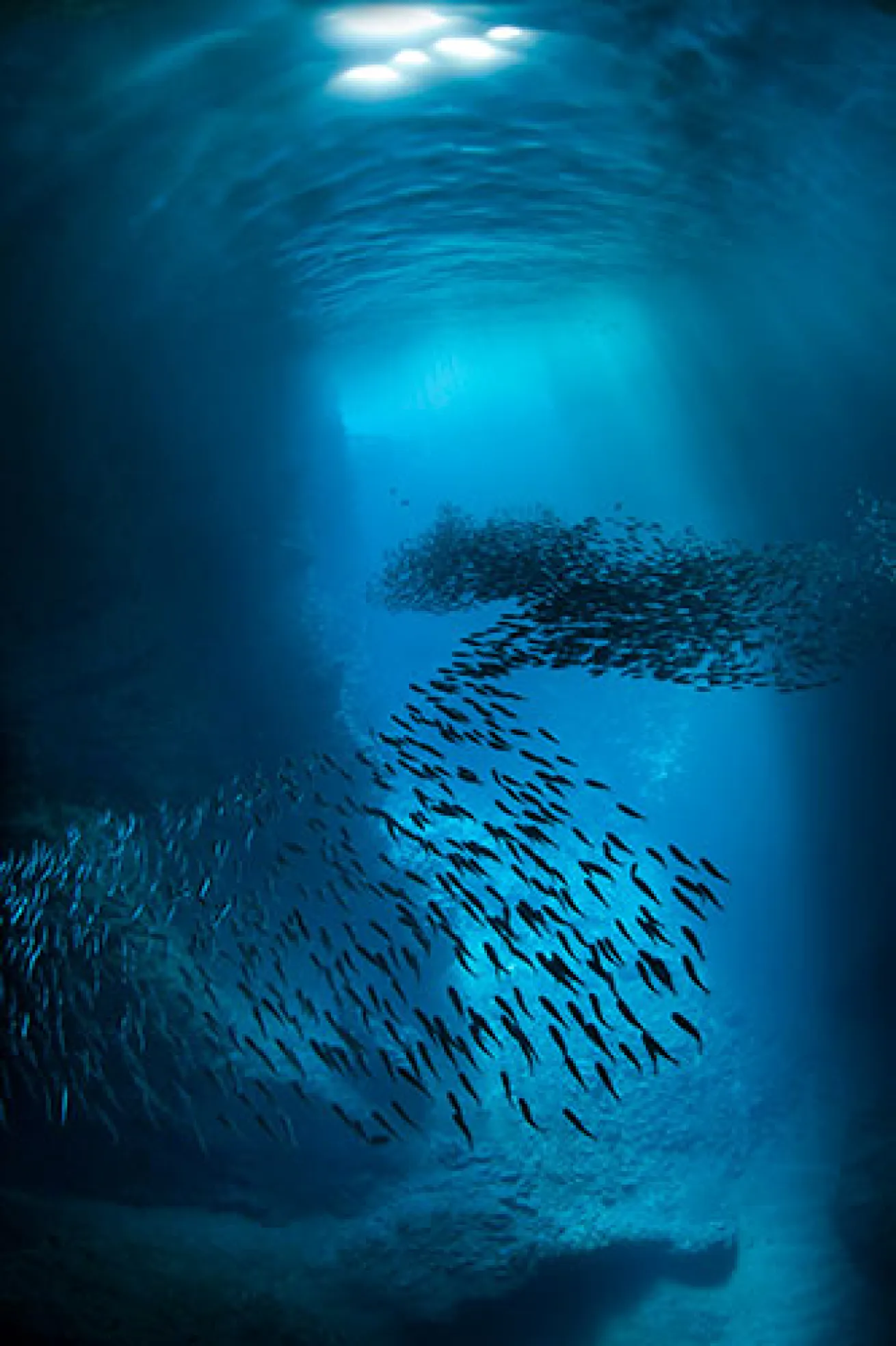
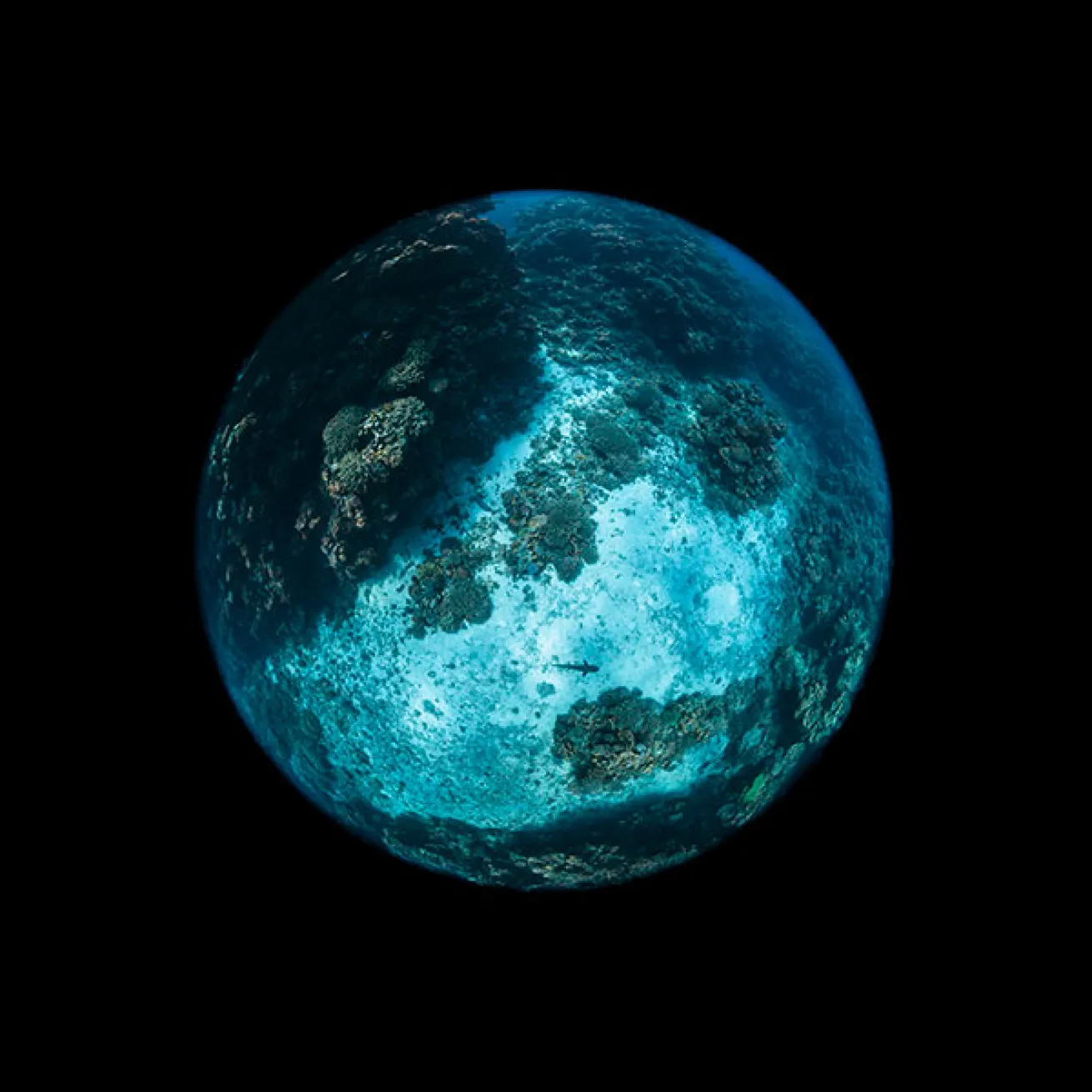
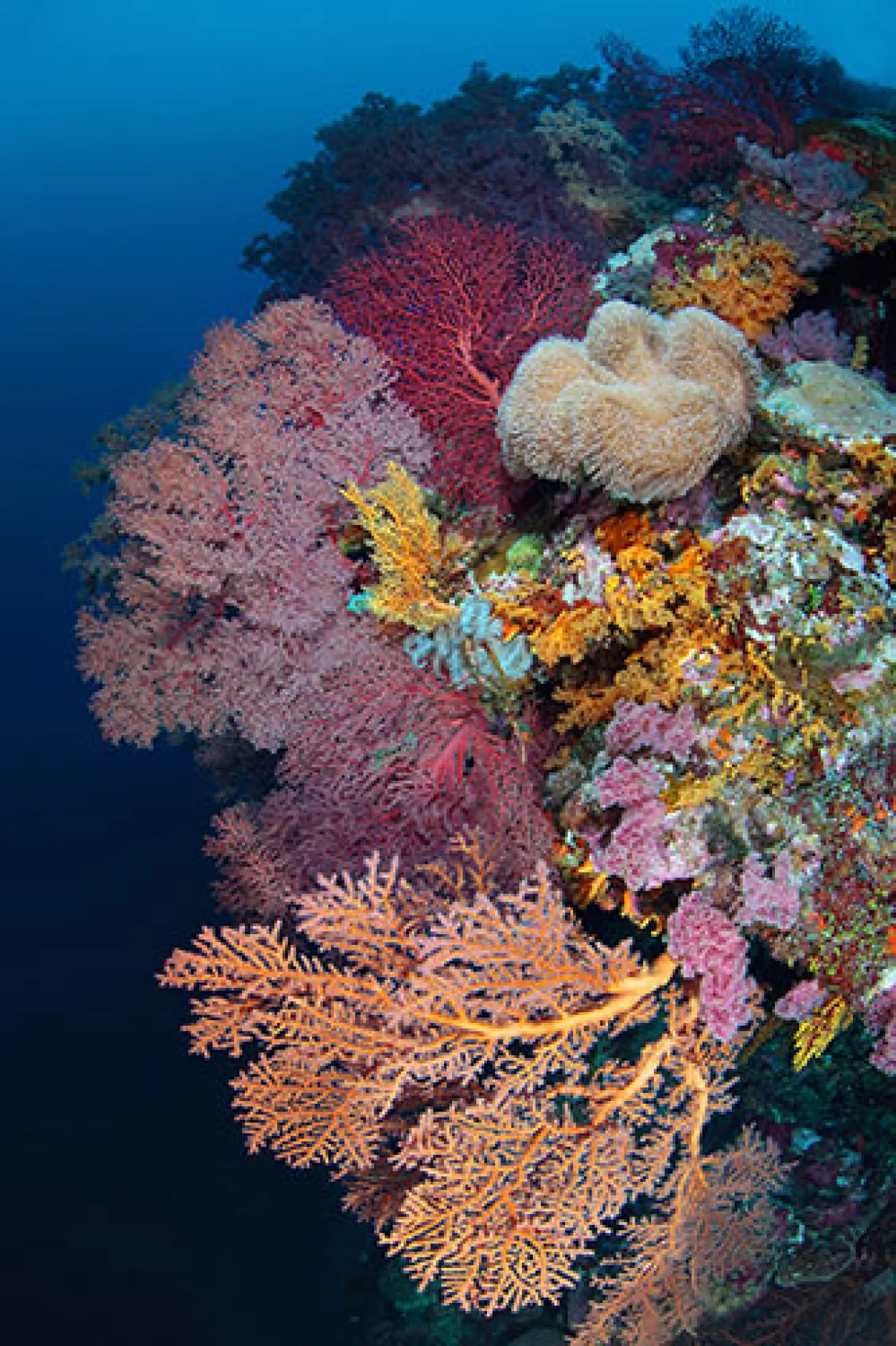
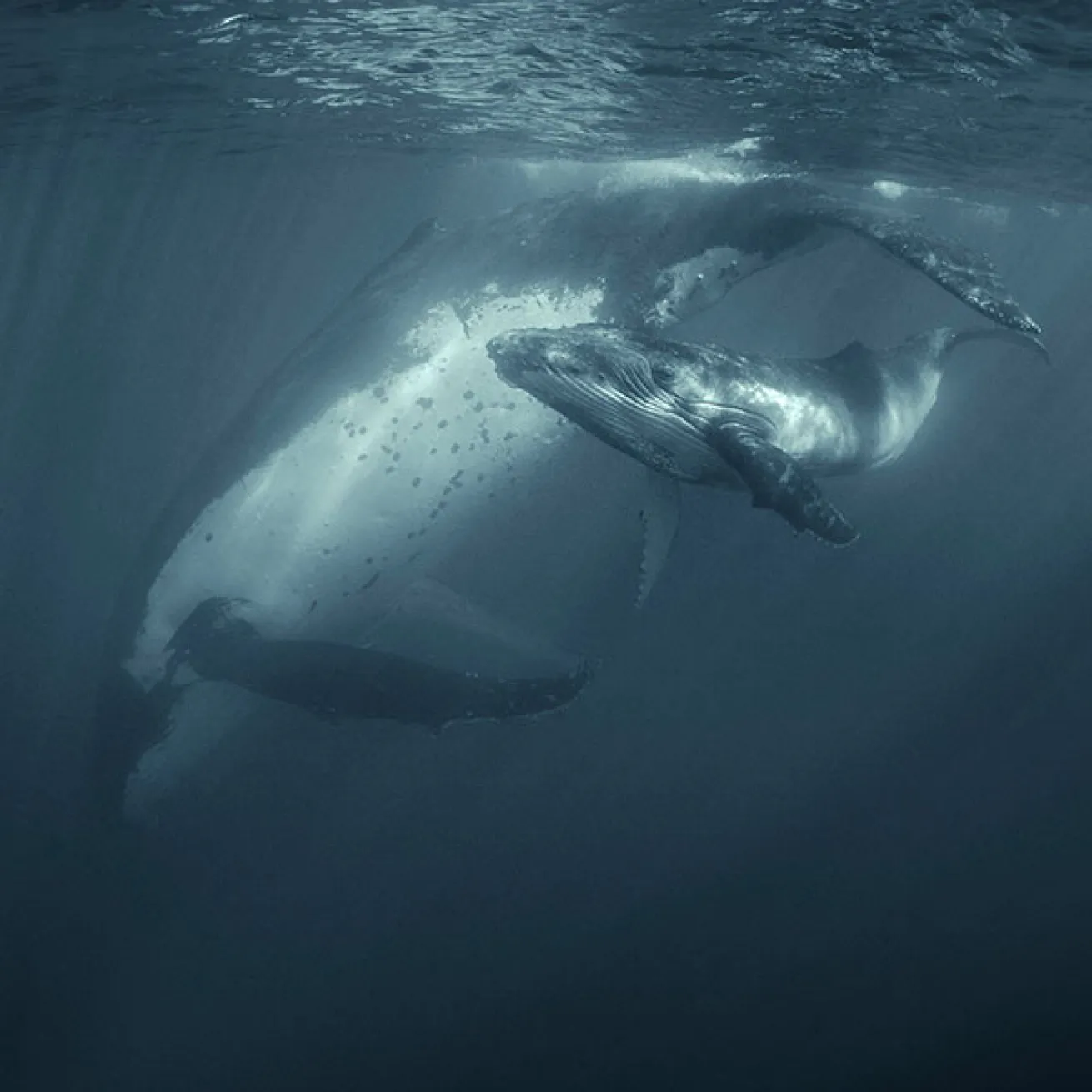
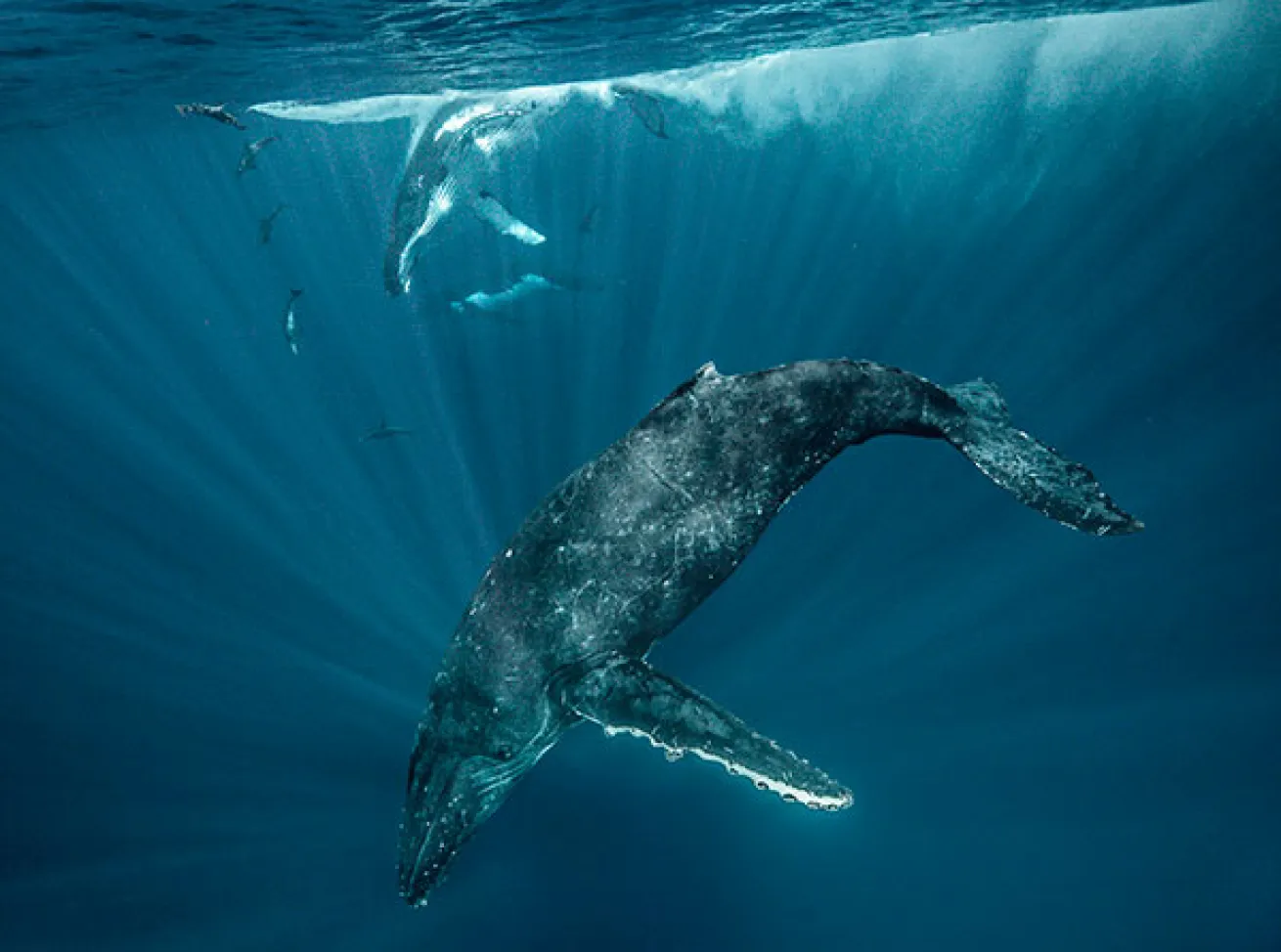
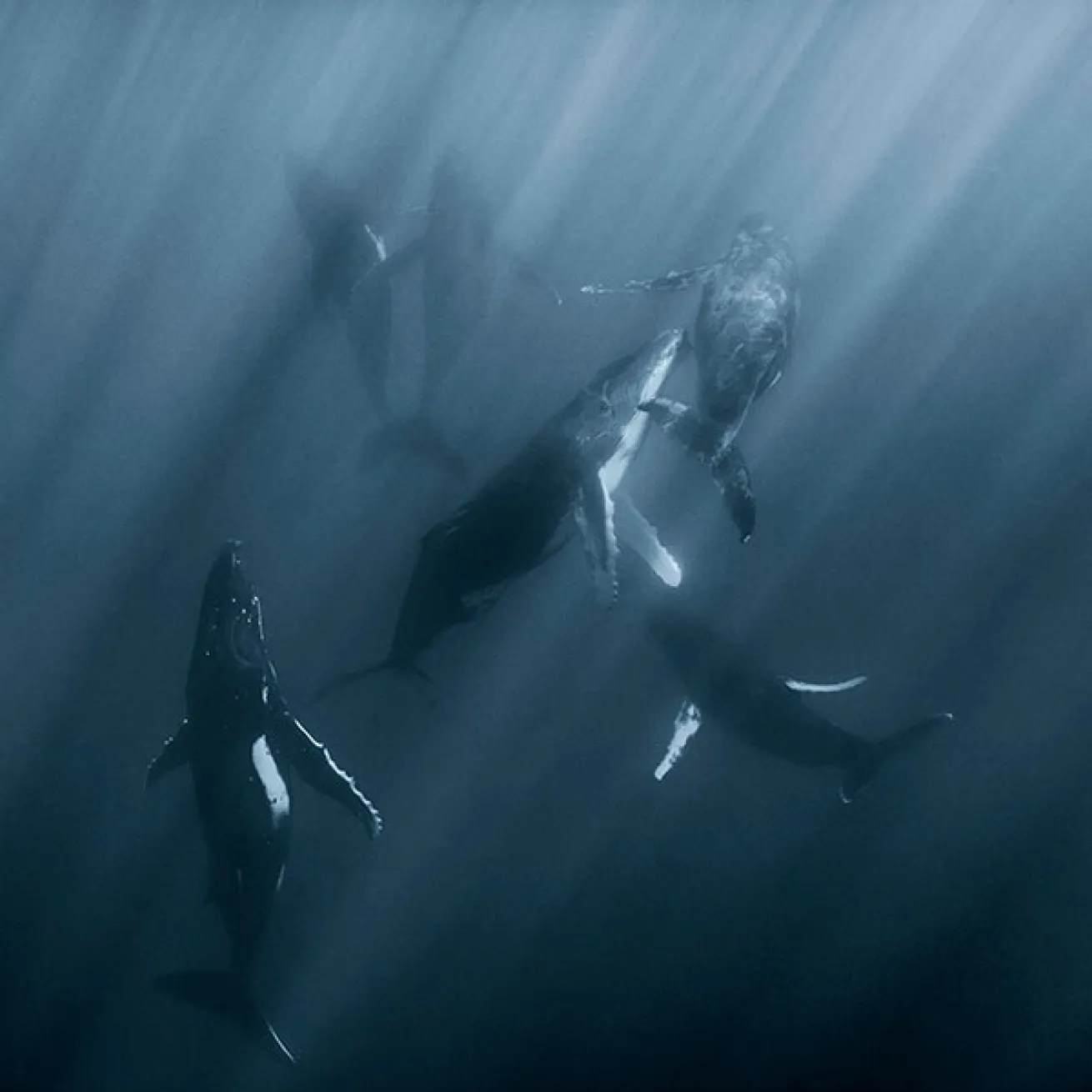
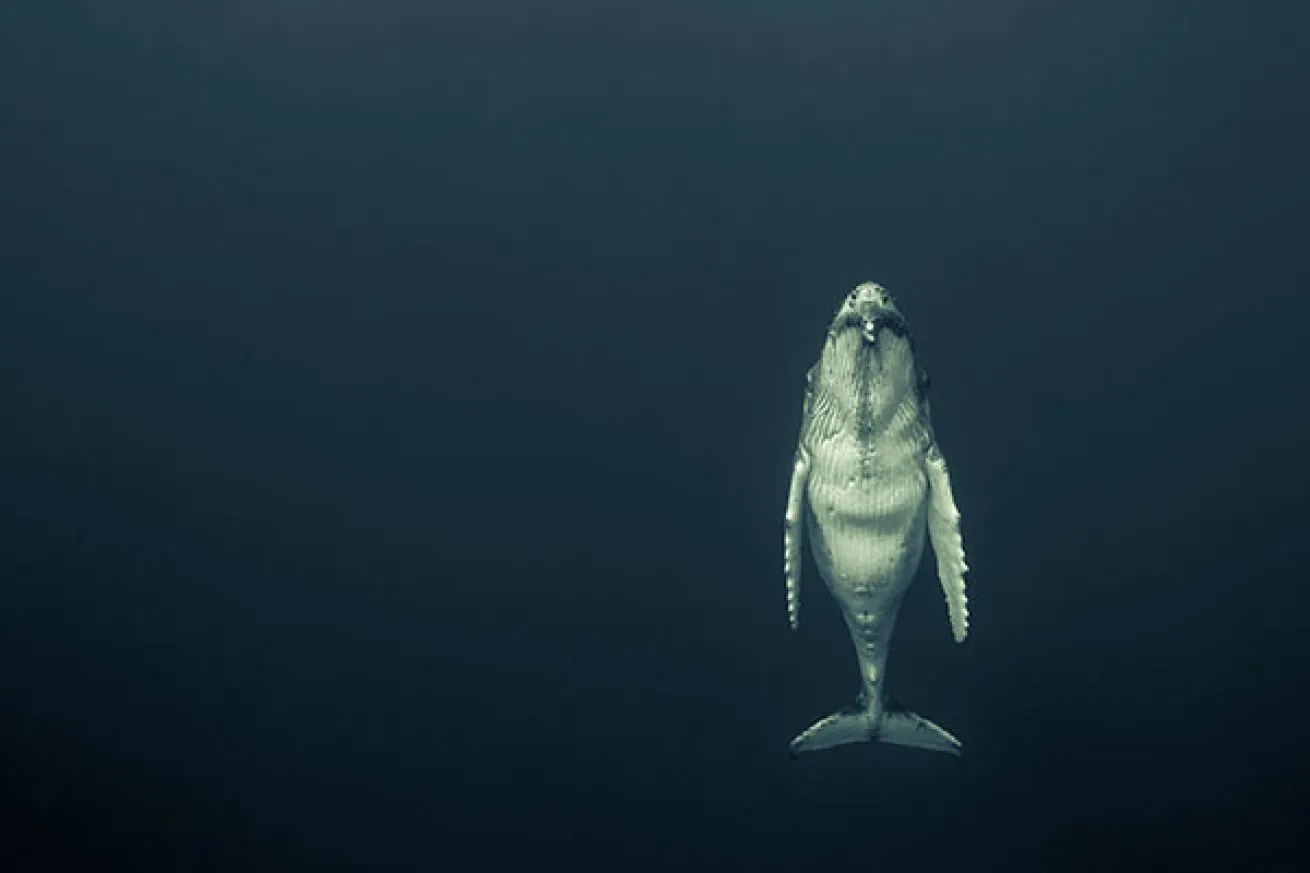
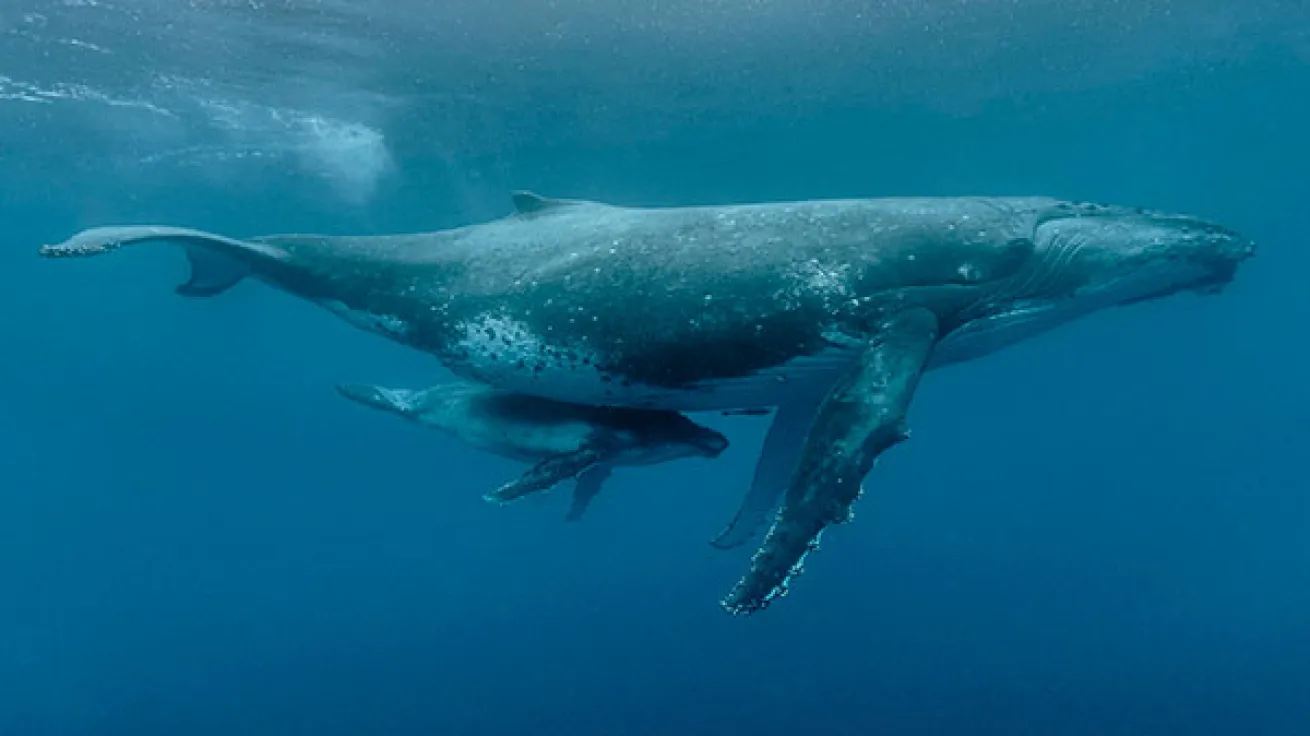
Scuba diving with whales, dolphins and sharks? Underwater photographer Darren Jew has done it all, and has photographed the planet’s landscapes and wildlife from Antarctica to Zambia during career – on mountain peaks, desert plains and beneath the ocean’s surface. We couldn't be more delighted to present a sample of his underwater photography and to give you a glimpse into the journey he's taken.
Sport Diver Asia Pacific: Darren, you travel all over the world! Where is home?
Darren Jew: I Live in Brisbane, Queensland
SDAP: How long have you been diving?
DJ: Since I was 14... 33 years now!
SDAP: A long time! Where did you start?
DJ: As a PADI Junior Open Water Diver with Brisbane Dive Systems in 1980.
SDAP: How long before you started shooting underwater?
DJ: Not long after I learned to dive, when I was about 16.
SDAP: What camera did you use then?
DJ: A Nikonos III — today, I shoot with a Canon EOS1Dx in Nauticam housing. Lenses: EF8-15mm f4L Fisheye; EF16-35mm f2.8L II; EF 100mmF2.8L IS Macro.
SDAP: You've had a lot of memorable moments as a wildlife photographer. Do you have a favorite?
DJ: The first time I saw a humpback whale underwater.
SDAP: Any scary or funny moments underwater?
DJ: Nothing scary, I love being underwater, whatever is happening.
SDAP: You are a Master Photographer with the AIPP (Australian Institute of Professional Photography) and have been awarded the title of Canon/AIPP Australian Science, Environment and Nature Photographer of the Year in 2007, 2009, 2010 and again 2012. But you've recently received another honor — tell us about it.
DJ: Canon announced the launch of its new Masters Program, which unites 12 of Australia and New Zealand’s leading photographers in a program that aims to inspire Australians to be creative and bring out their originality. And I was selected as one of them.
SDAP: Congratulations! And you've also been published in a number of publications.
DJ: I regularly work on underwater stories for Australian Geographic journal, and over my career have had images published in BBC Wildlife; GEO; Living Planet Magazine and I work for clients such as Tourism Australia, Greenpeace, WWF, CSIRO and Tourism Queensland. I also do a lot of wok with Canon.
SDAP: What are you proudest of?
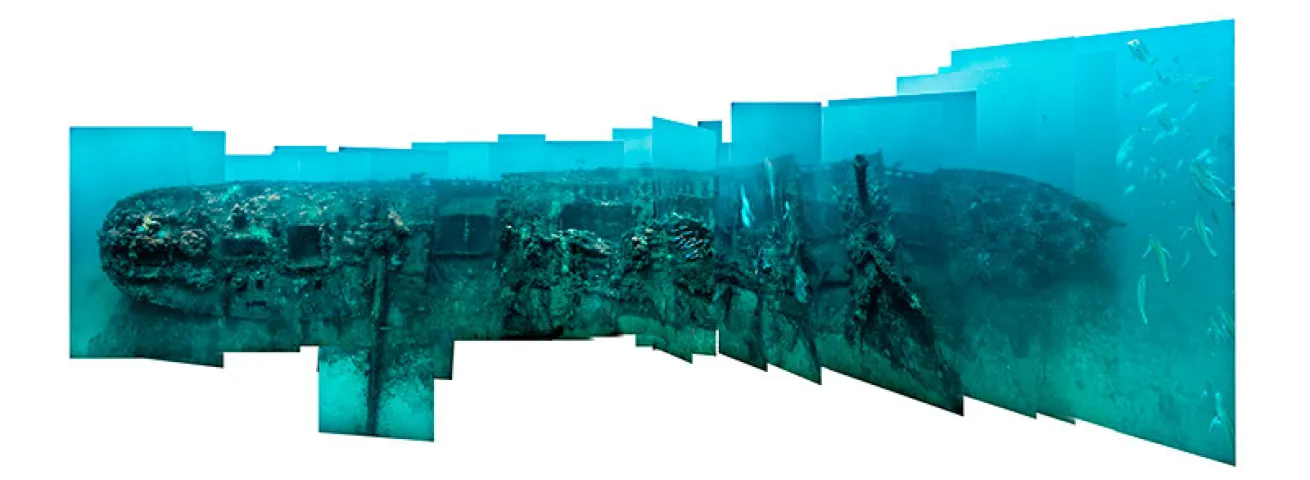
DJ: The completion of a 40-image photo-mosaic of the wreck of the S.S. Yongala has been my most rewarding challenge.
SDAP: We love that image! Thanks for letting us include it in the photo gallery (above). Whose work do you admire?
DJ: David Doubilet is the photographer I look up to most — his images always make me feel like I'm in the sea, and that's what I try and achieve with my work.
SDAP: What advice do you have for beginning photographers?
DJ: Learn about terrestrial photography so you know the principles of good photography. Don't start using your camera until you are very comfortable underwater. Consider taking a Peak Performance Buoyancy specialty, as control over your position in the water column is the most critical aspect of underwater photography after camera and lighting technique.


