

Pacific Love
The world’s largest ocean impresses in every way, from its underwater diversity to its life-changing topside splendor. There are countless things for scuba divers to celebrate in the Pacific Ocean, but here are 25 of our favorites.
Can't get enough of the best diving on the planet? Check out 36 Big Animal Encounters and 50 Best Dive Sites.
Idyllic Islands
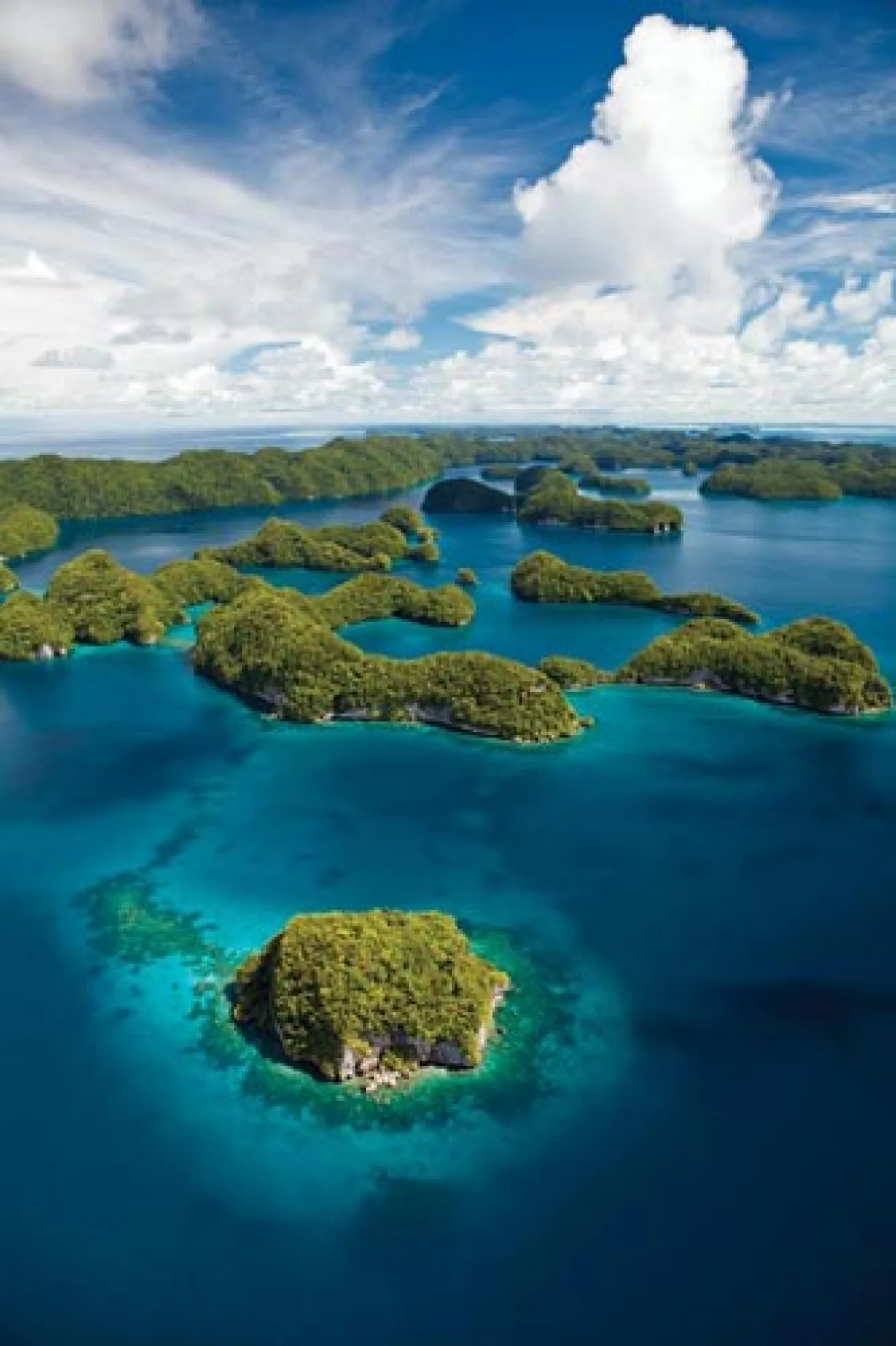
Michele WestmorlandIdyllic Islands
Tropical islands capture the imagination of traveling divers like no other terrestrial environment. Perhaps it’s the promise of languid living, warm water and beautiful natives. Maybe it’s the fantastic diving that typically comes with the package. From Palau’s Rock Islands (shown here) to Hawaii, French Polynesia, Fiji and beyond, there are thousands in the Pacific — take your pick.
Abundance
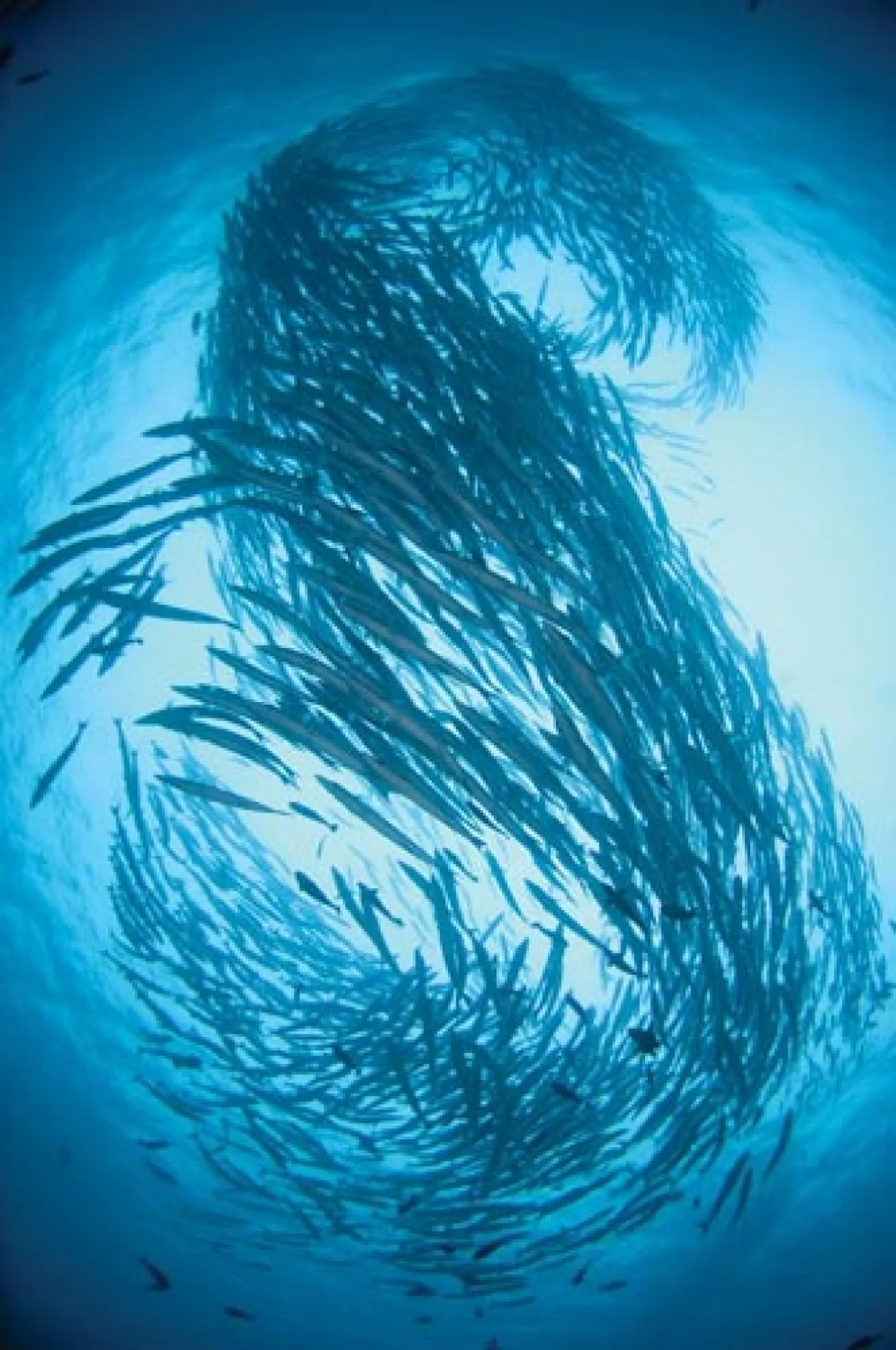
Jason Isley/ScubazooAbundance
With more than 63 million square miles (163 million square kilometers) of salt water in which to thrive, the countless species of marine life lucky enough to live in the Pacific Ocean (like these schooling chevron barracuda off Sipadan, Malaysian Borneo) have room to grow large and multiply, creating an astounding biomass — and endless opportunities for divers.
Blue Water Dives
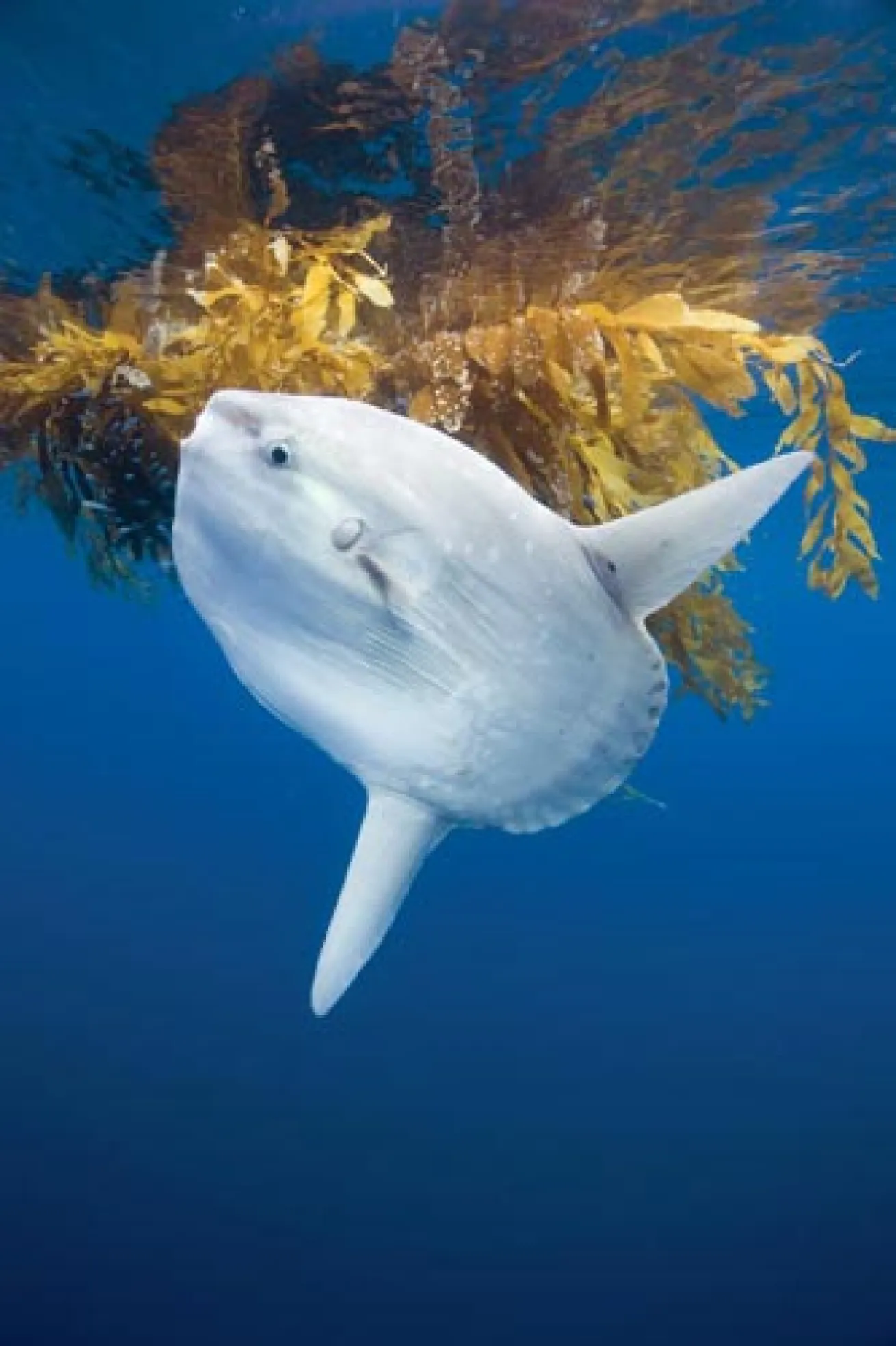
Richard HerrmannBlue Water Dives
With vast stretches of open ocean to cruise, the pelagic creatures of the Pacific are as varied as they are exciting. From mola mola (shown above off the California coast) to bluefin tuna, humpback whales and other far-reaching travelers, sometimes if you hang there long enough, an amazing creature will swim by.
Amazing Underwater Structures
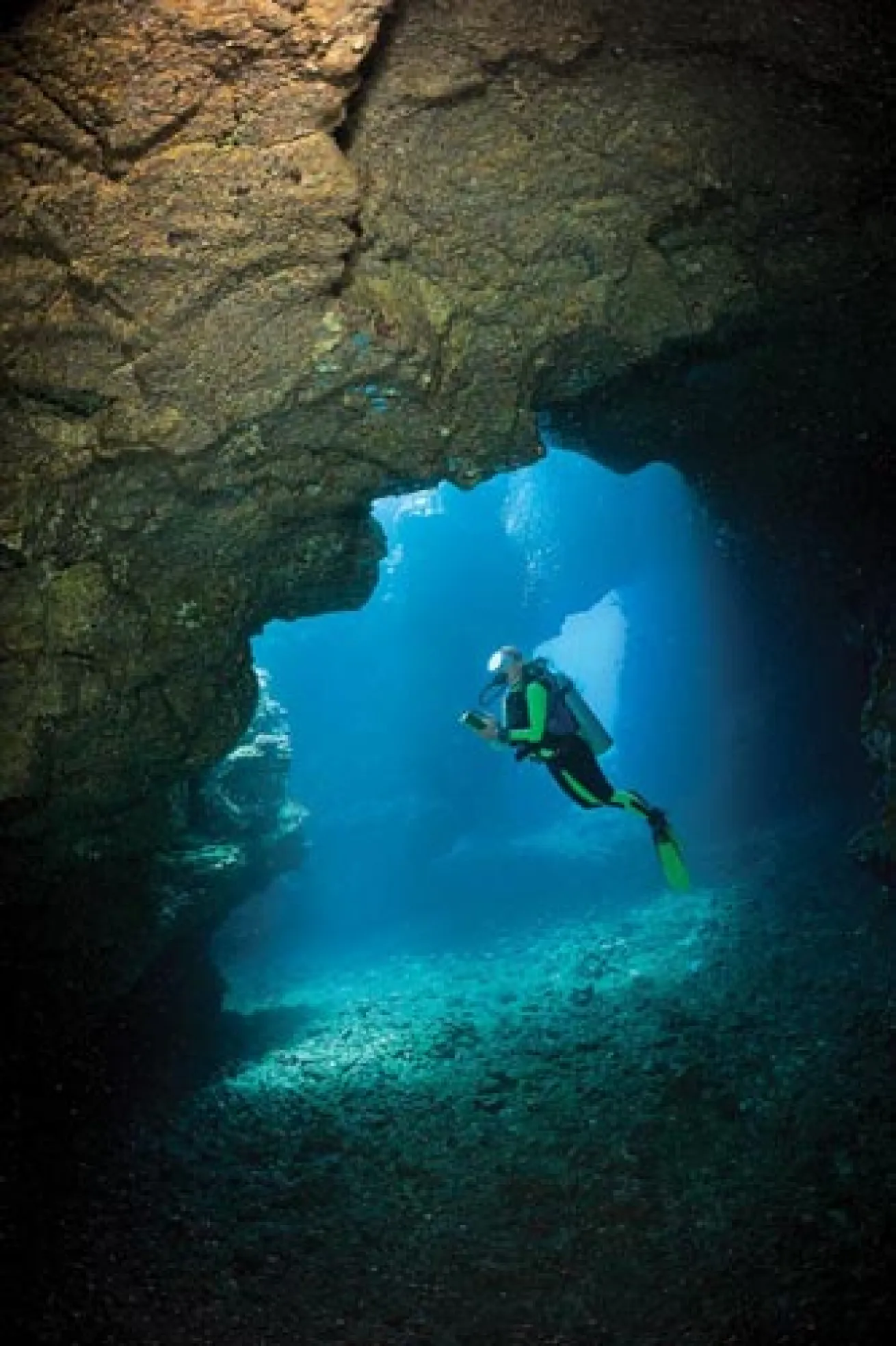
Reinhard DirscherlAmazing Underwater Structures
Divers enjoy great benefits from the Pacific’s Ring of Fire — caverns, tunnels, arches, swim-throughs and all other manner of compelling underwater structures. From Lanai’s First Cathedral (shown here), to Palau’s Saies Tunnel and beyond, the region’s volcanic heritage has created some of the world’s most intriguing dives.
Astounding Color
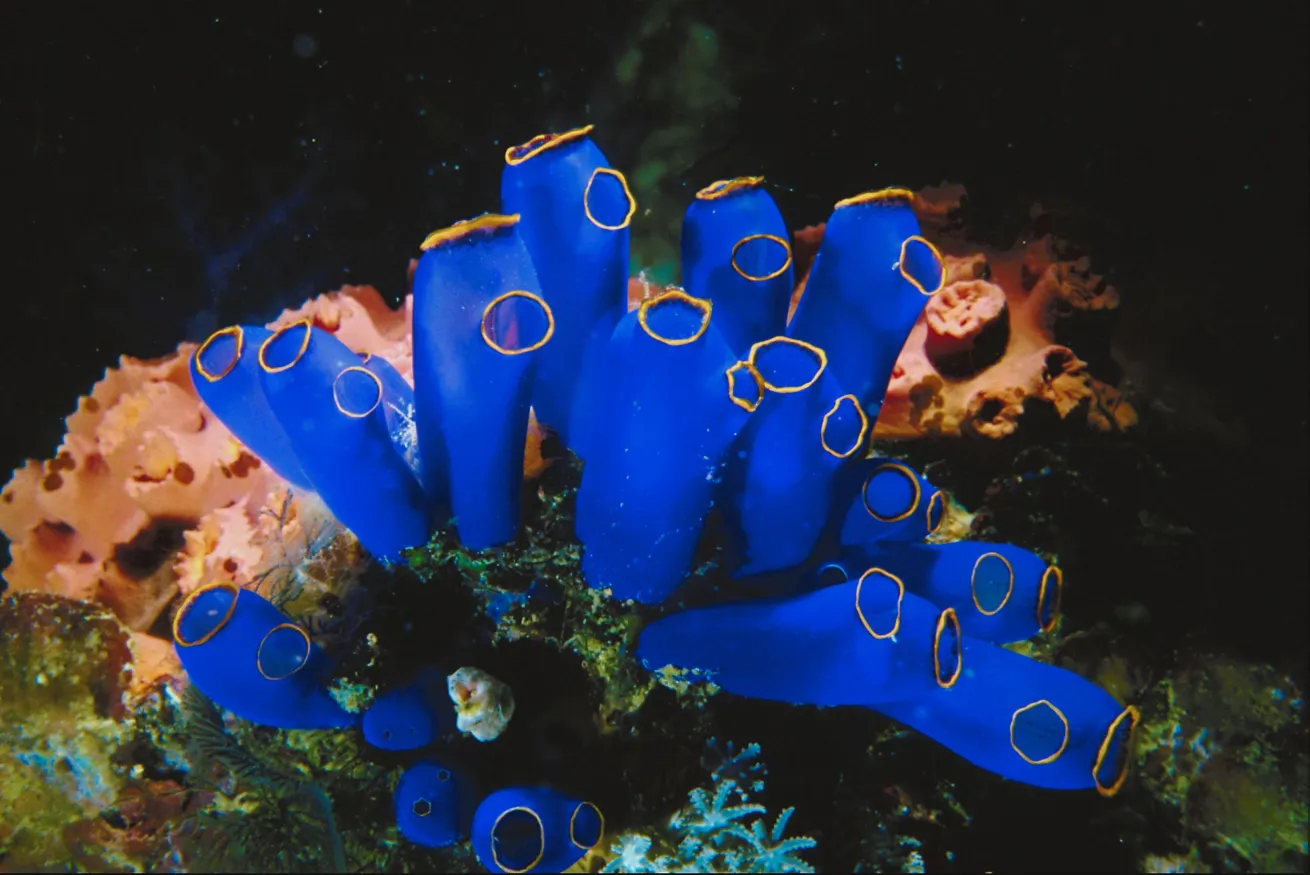
JupiterimagesAstounding Color
For some reason, everything seems more vibrant, rich and dramatic in the Pacific — fish, crabs, corals, flowers, sunsets — everything. We’re not sure if it’s the quality of the visibility, a special hue of the water or just the dreamy state of mind that often occurs when we’re there. And it really doesn’t matter why.
Sea Lions
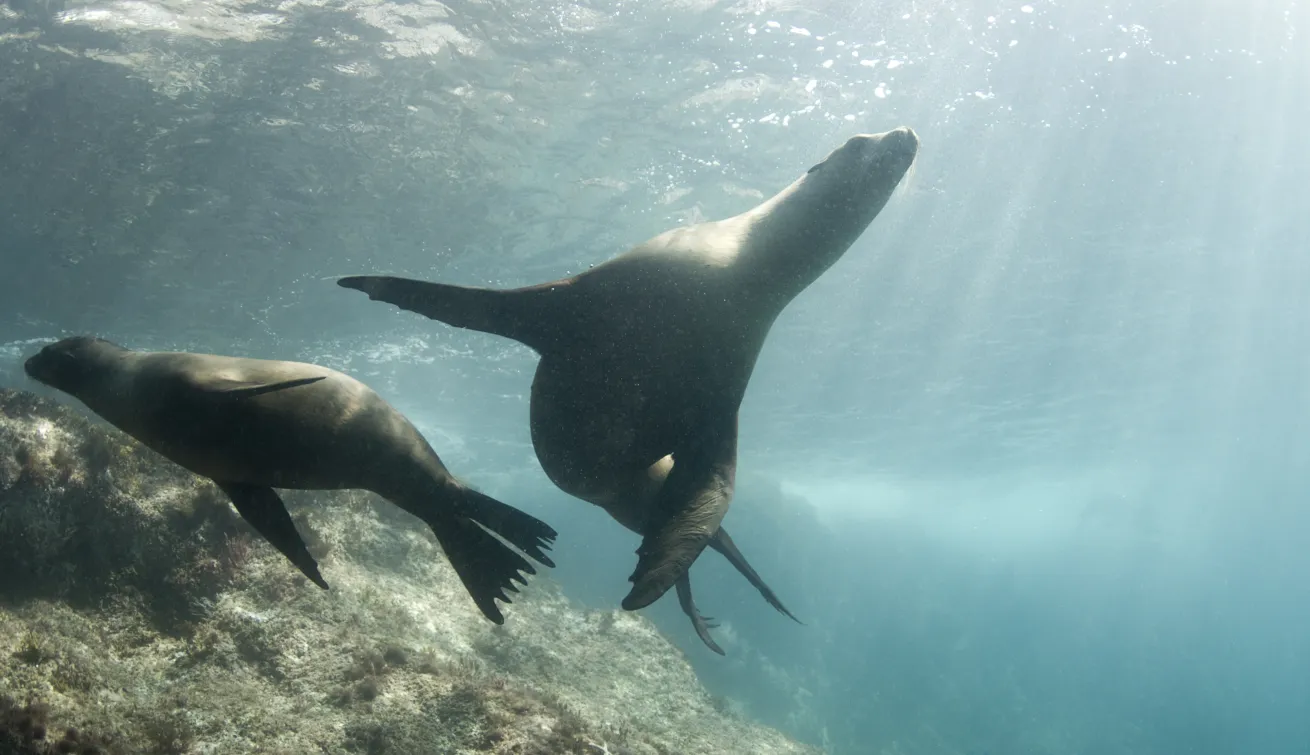
ThinkstockSea Lions
Few oceangoing creatures are more fun to encounter underwater than sea lions and their pinniped cousins. Encountered most frequently by divers in California, Mexico’s Sea of Cortez and the Galapagos Islands, the mammals’ incredible agility, strong curiosity and ability to hold their breath for amazingly long periods of time make them one of the most adept — and entertaining — critters in the Pacific.
Volcanoes
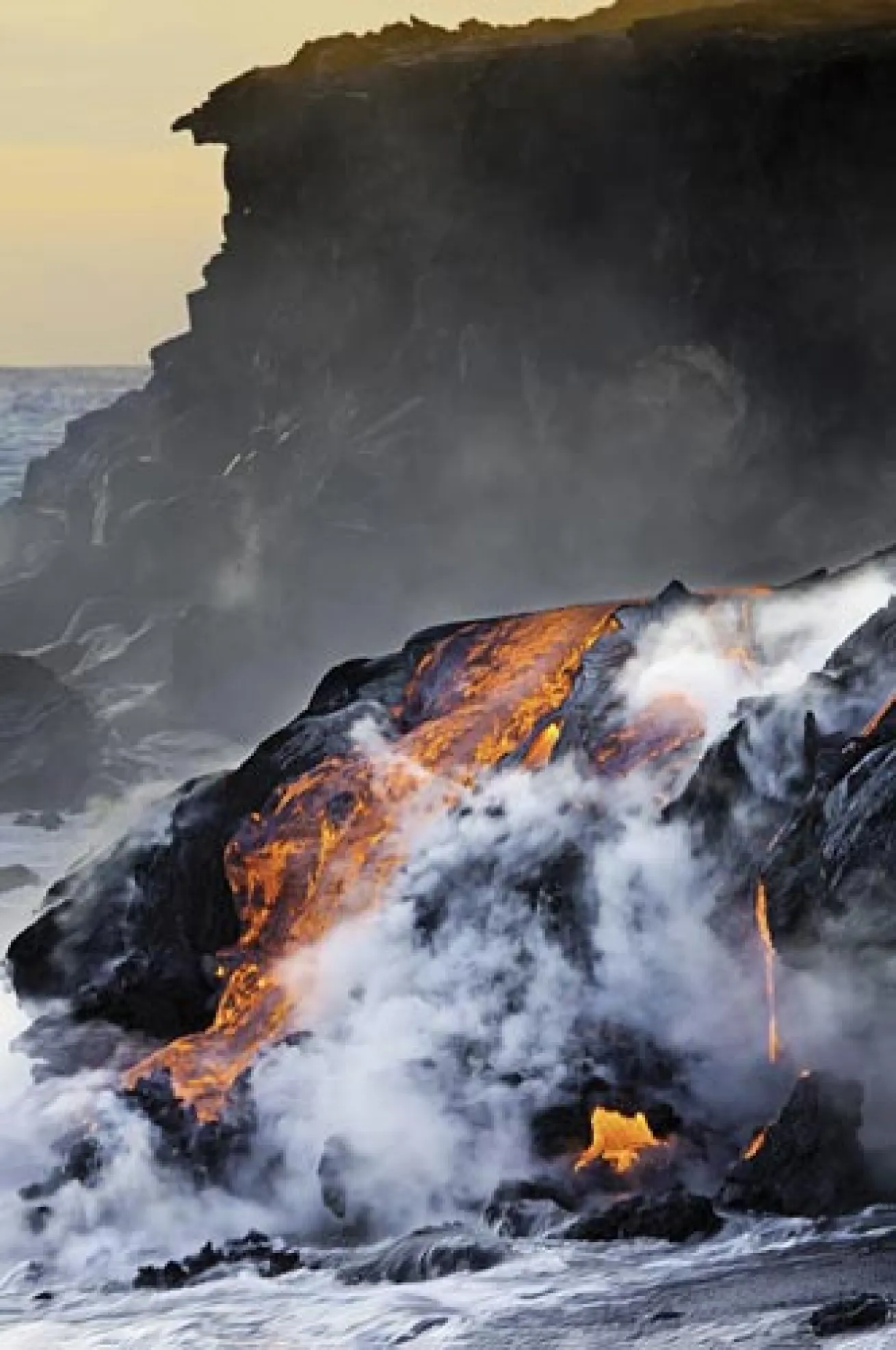
David FleethamVolcanoes
The Ring of Fire — a horseshoe-shaped string of volcanic hot spots that stretches from Peru north to Alaska and down to New Zealand — is directly responsible for many of our favorite Pacific destinations, whether active (like the Big Island of Hawaii’s Kilauea shown here) or not.
Soft Corals
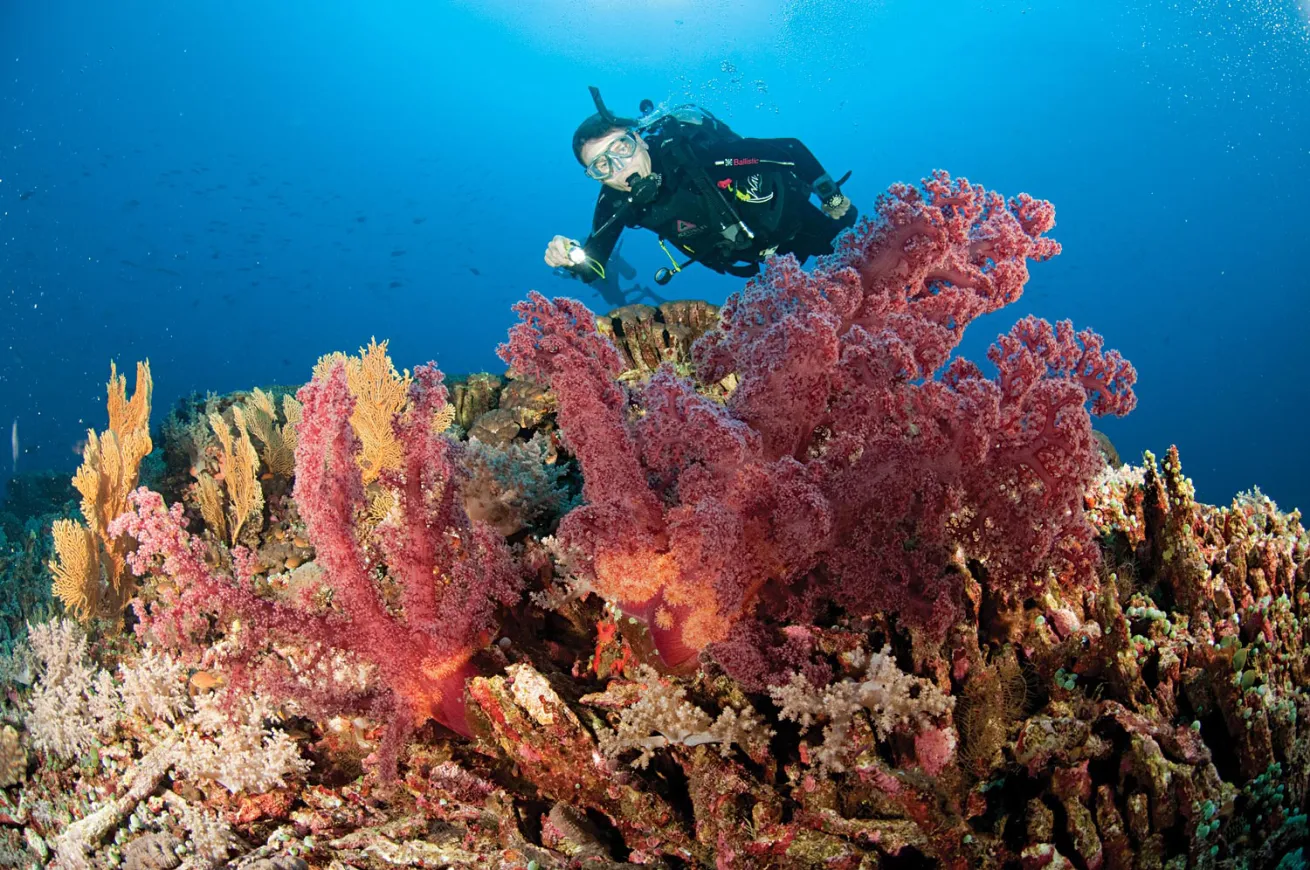
Ty SawyerSoft Corals
As delicate as they are beautiful, soft corals of the order Alcyonacea exist without producing a hard skeleton like their stony cousins. They’re a signature sight at top Pacific dive destinations including Fiji, Indonesia, Papua New Guinea, Malaysian Borneo and Palau.
Heavenly Beaches
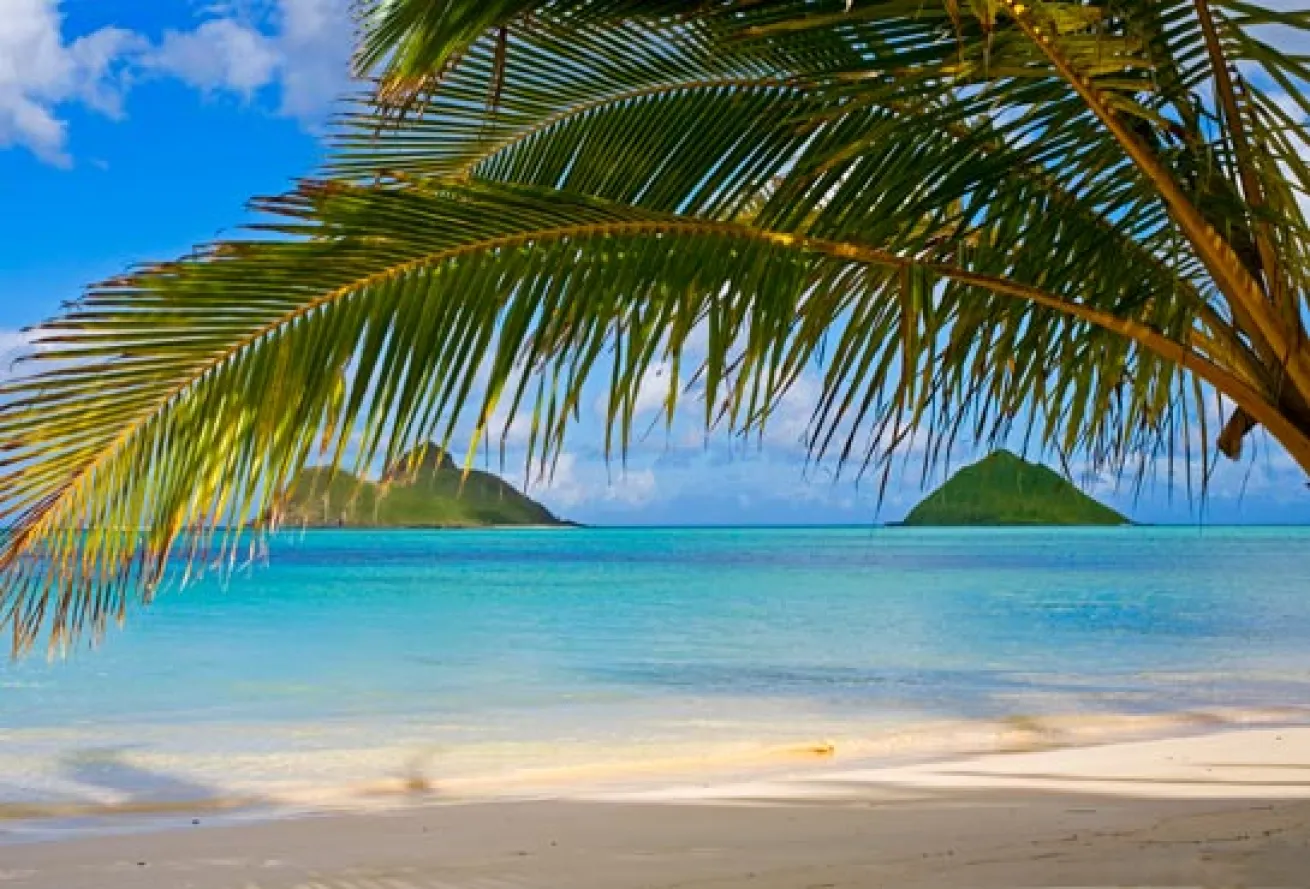
istockphotoHeavenly Beaches
From the storm-lashed coast of Northern California to the golden shores of Central America, black sands of Hawaii and palm-fringed strands of Tahiti and beyond, the Pacific has created some of the most memorable beaches on Earth. And chances are good that you can still find an amazing one all to yourself.
Whale Sharks
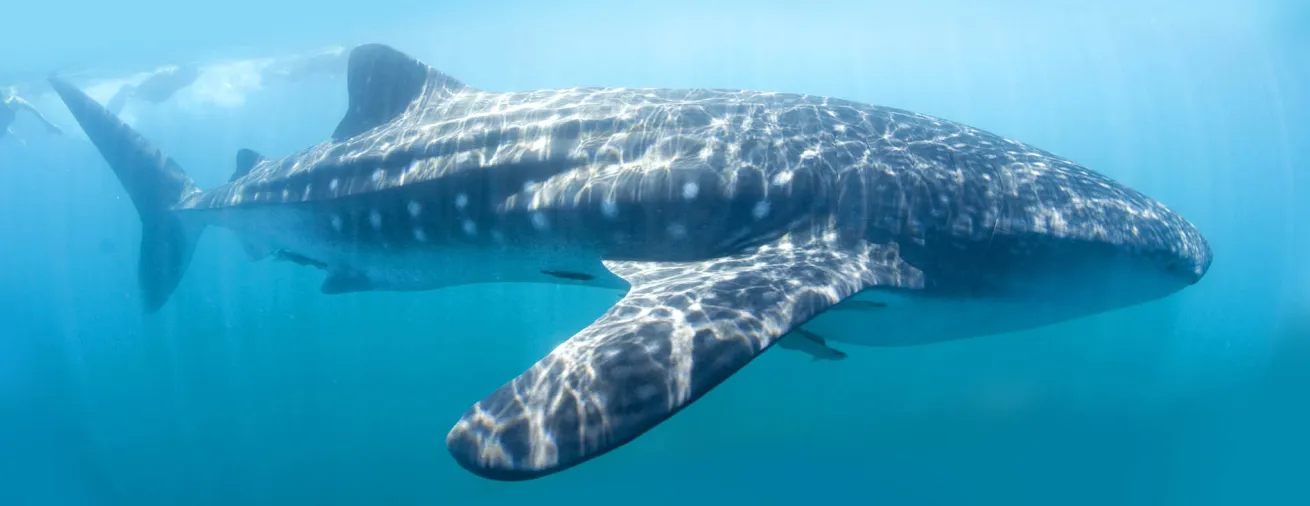
Franco BanfiWhale Sharks
The ocean’s largest fish — which sports one of nature’s coolest paint jobs — whale sharks are well represented in the Pacific. If you don’t understand why these massive sharks are divers’ most sought-after encounter, head for the Philippines (Oslob), Maldives (South Ari Atoll), Australia (Ningaloo) and Indonesia (Cenderawasih Bay) to experience for yourself.
Rich Cultures
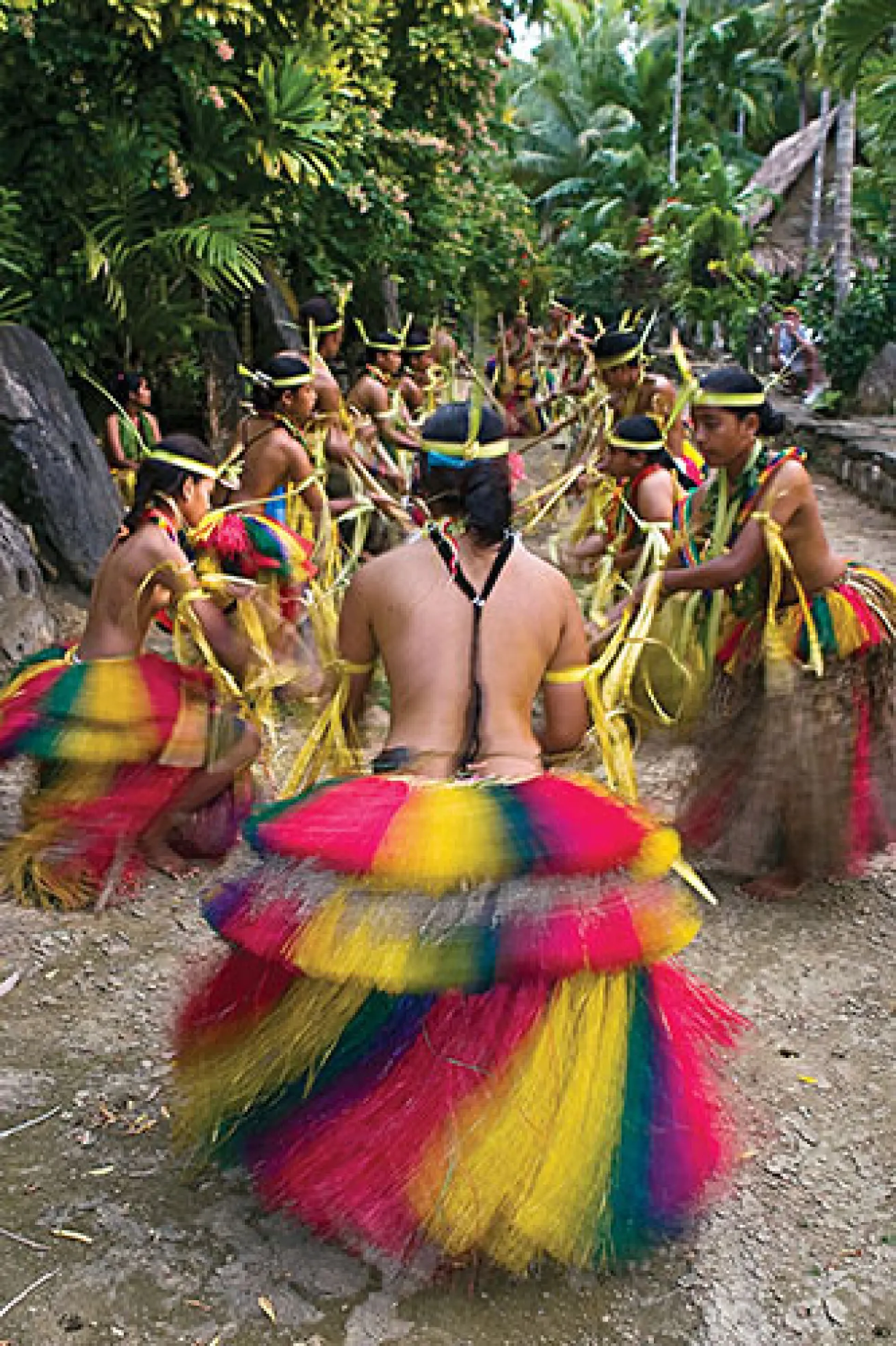
Ethan DanielsRich Cultures
The heart of Polynesia beats strong in the Hawaiian hula, the Fijian meke, the Tahitian otea and the Yapese stick dance (seen here). As traveling divers, we’re fortunate to have the opportunity to experience these traditional forms of human expression, cultural reverence and exuberant celebration. Bring your dancing shoes because, heck, you might even be asked to join in.
Over-Water Bungalows
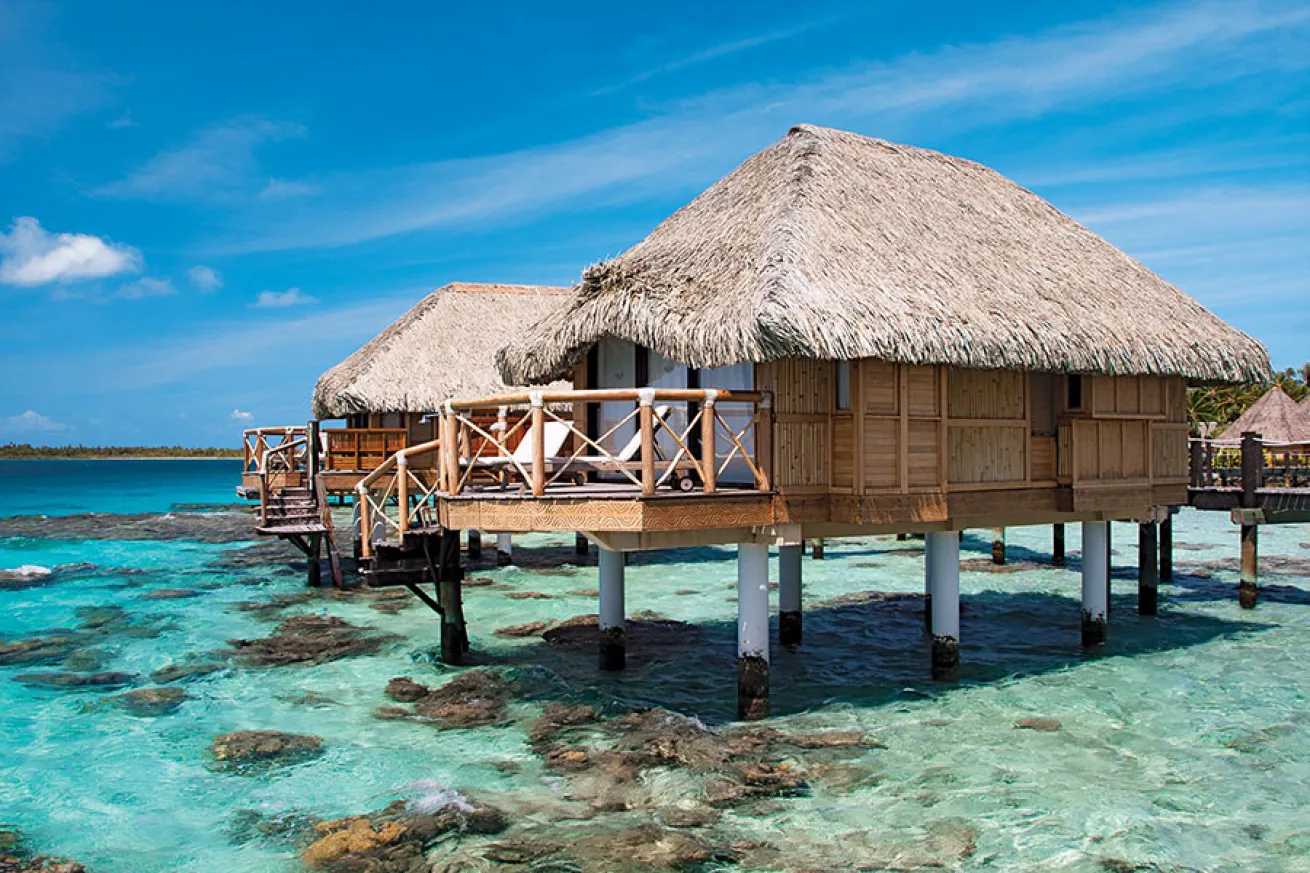
Franco BanfiOver-Water Bungalows
It’s a fantasy-turned-reality for certain. Sleeping mere feet above the beautiful blue Pacific and watching tropical fish color your front yard from a lounge chair is a diver's dream come true. And at destinations like Fiji, Tahiti, the Maldives, Bora Bora, and Borneo, all you have to do is make a reservation.
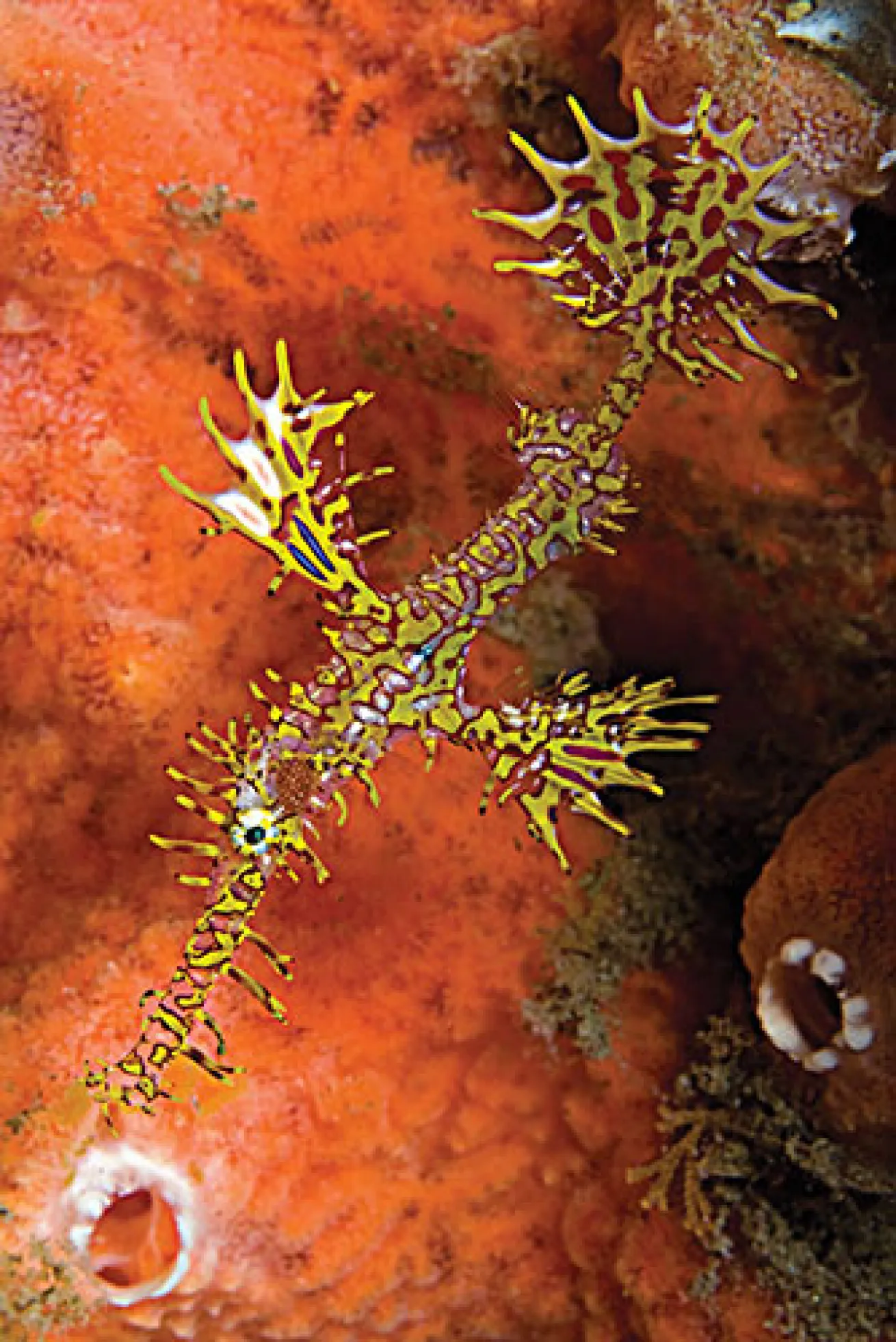
Ornate Ghost Pipefish
Felipe BarrioOrnate Ghost Pipefish
We try not to play favorites, but is there a more beautiful fish in the Pacific than the ornate ghost pipefish? (We’ll take arguments for mandarinfish too.) If you’re lucky enough to find one — increase your luck in destinations like Indonesia, Thailand or Malaysia — sit back and enjoy its impossibly intricate colors and whorls.
Jellyfish Lake

Ethan DanielsJellyfish Lake
The unique geography of Palau’s Rock Islands — famed for their mushroom shapes — makes this curious biological anomaly possible: an isolated marine lake filled with millions of virtually stingless jellies adapted to survive through a symbiotic relationship with algae that compels them to migrate around the lake following the sun. Swimming — no scuba allowed! — in this unique environment is truly an otherworldly experience.
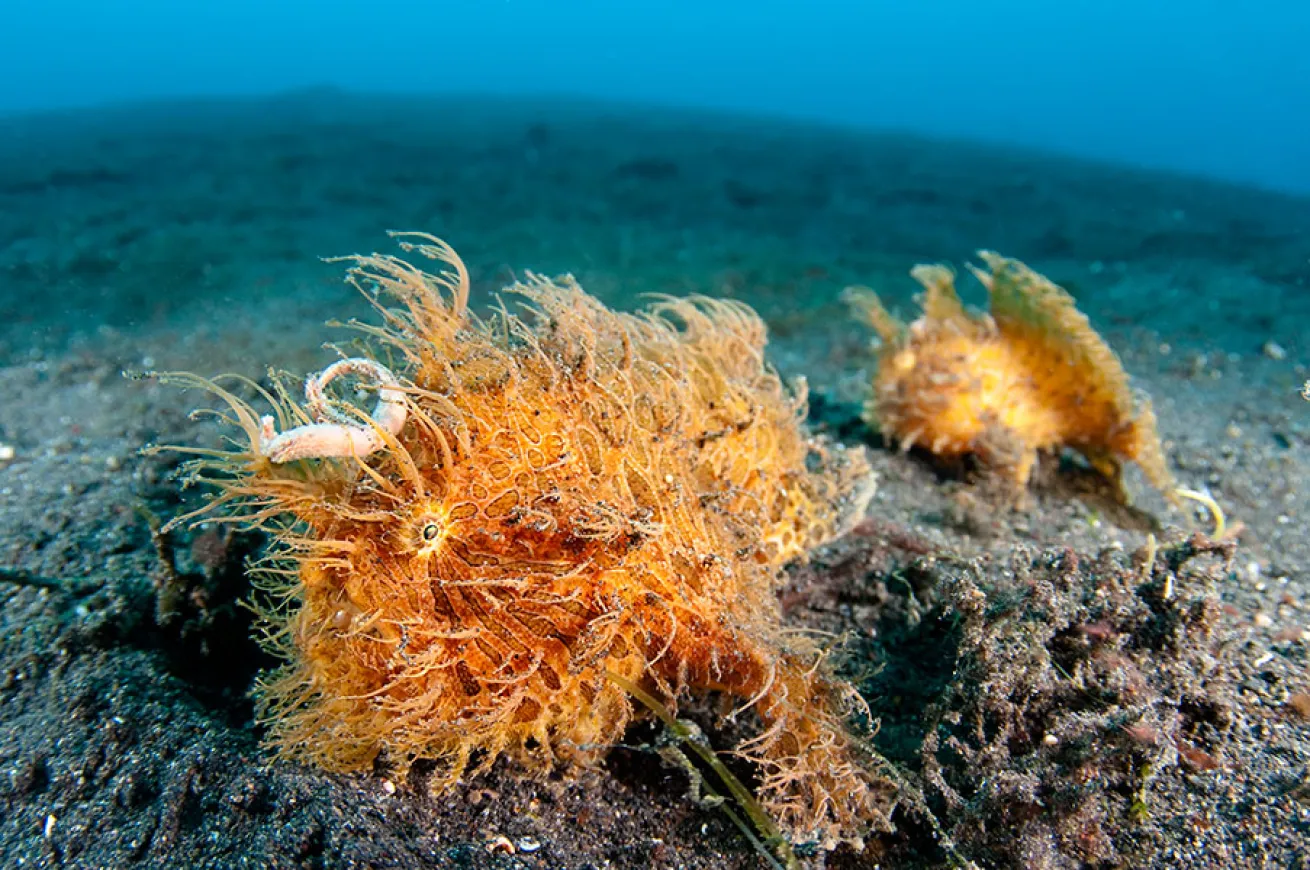
Iconic Dives
Christian LoaderIconic Dives
Perhaps no region in the world has more iconic sites than the Pacific. Whether it’s big fish at Palau’s Blue Corner or the small, hairy denizens of Lembeh Strait’s Hairball, every dive is a dive guaranteed to make your buddies back at home blue with envy.
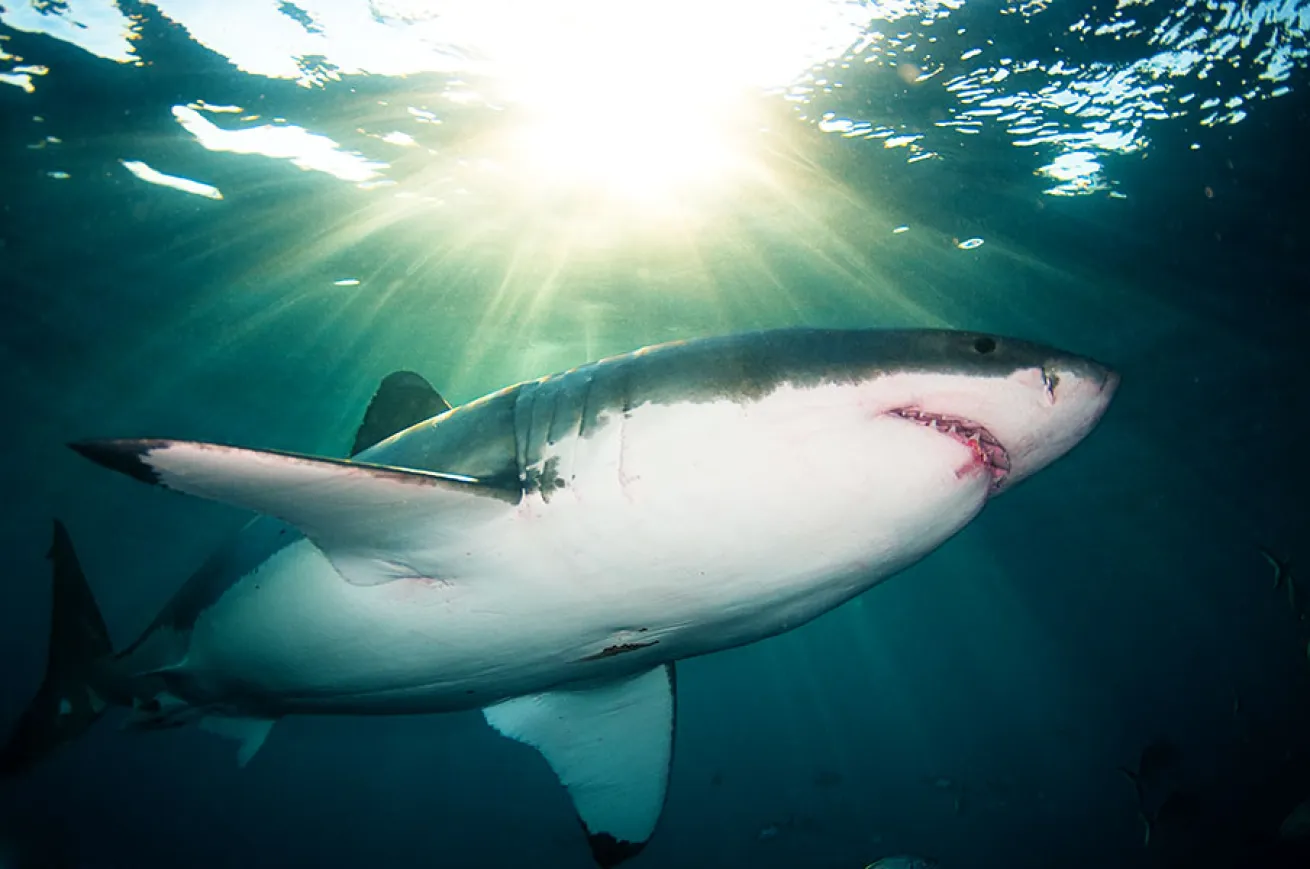
Great White Sharks
Christian LoaderGreat White Sharks
There’s nothing like a face-to-face encounter with a massive great white shark to get your adrenaline pumping. And South Australia’s Neptune Islands — only 40 miles southeast of Port Lincoln — is the place to do it, thanks to good visibility and a dependable supply of the sharks’ favorite meal (sea lions) nearby.
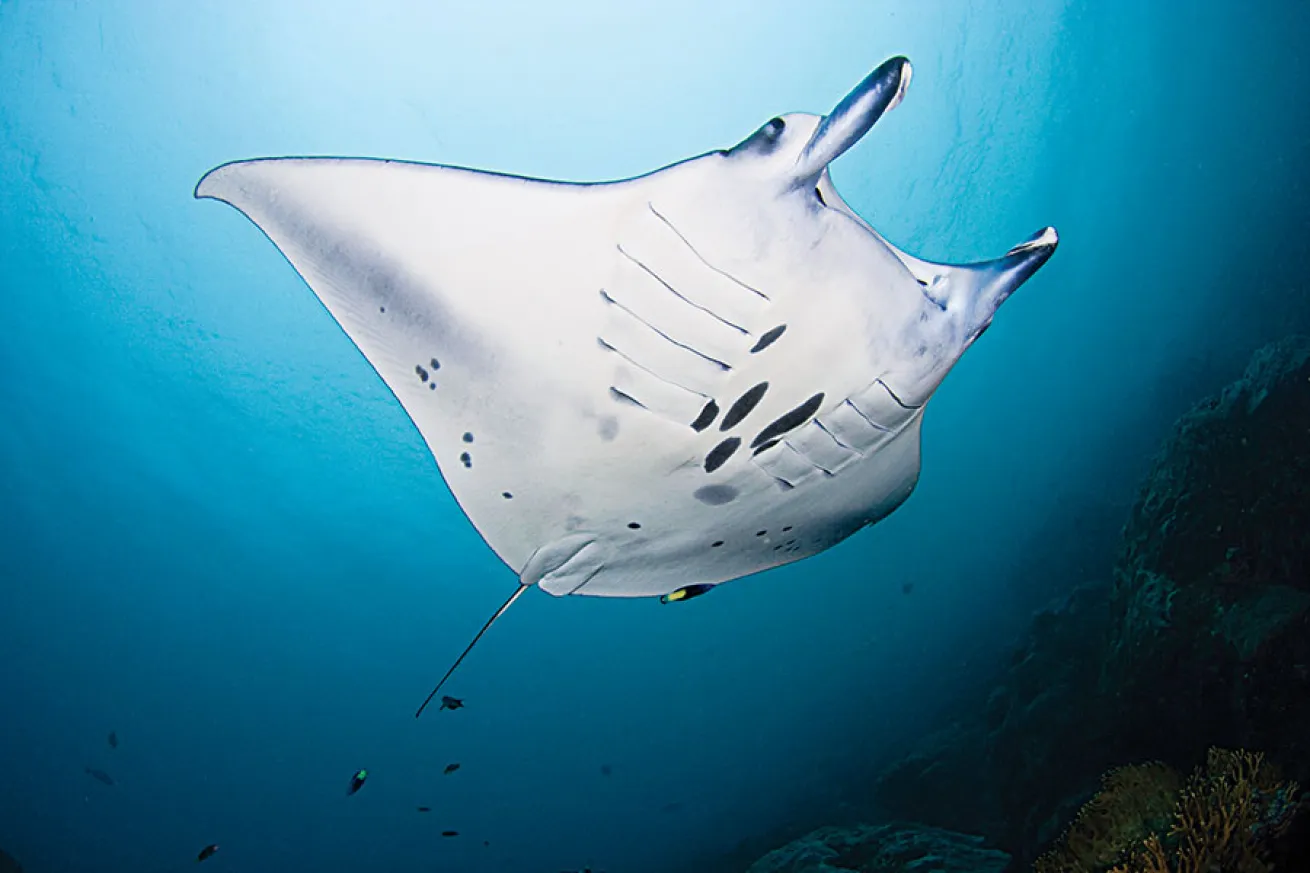
Giant Oceanic Manta Rays
David FleethamGiant Oceanic Manta Rays
Graceful and elusive, the giant oceanic manta is the largest of all its cousins in the ray family, and a perennial favorite of divers for impressive aerobatic maneuvering and sheer majesty — they can grow up to 25 feet from wing tip to wing tip. Preferring nutrient-rich waters where plankton are plentiful, the filter feeders can be most commonly encountered in the Galapagos, Costa Rica’s Cocos Island, Hawaii (for possibly the world’s greatest night dive) and Yap.
Whales
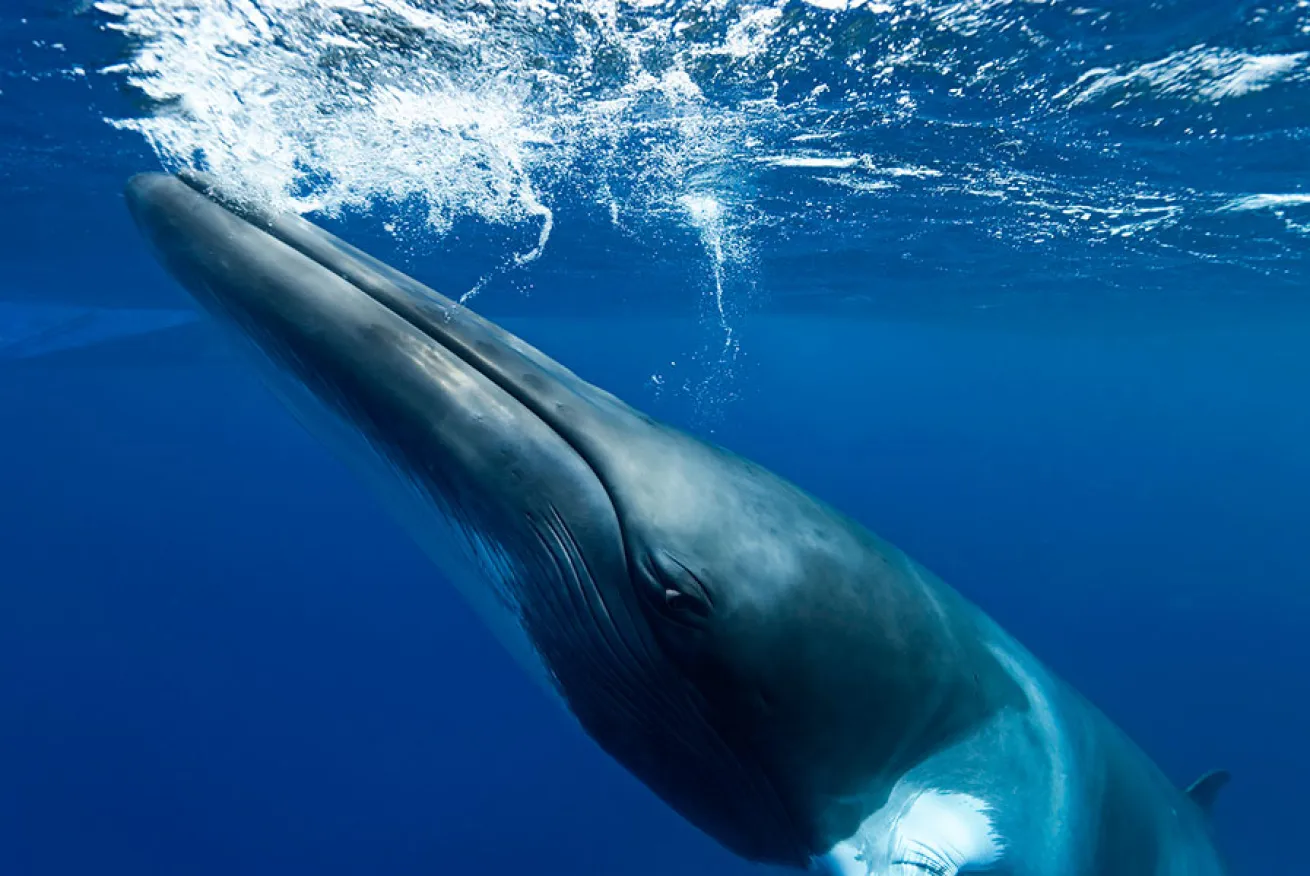
Jürgen FreundWhales
You love big fish and marine mammals and so do we. Established destinations like the Maldives are home to mantas and whale sharks, Australia has minke whales and Tonga has humpbacks, while Micronesia has everything in between; but it’s new hotspots like Sri Lanka — with its sperm whales — that make us thank our lucky stars for the Pacific.
Small Creatures
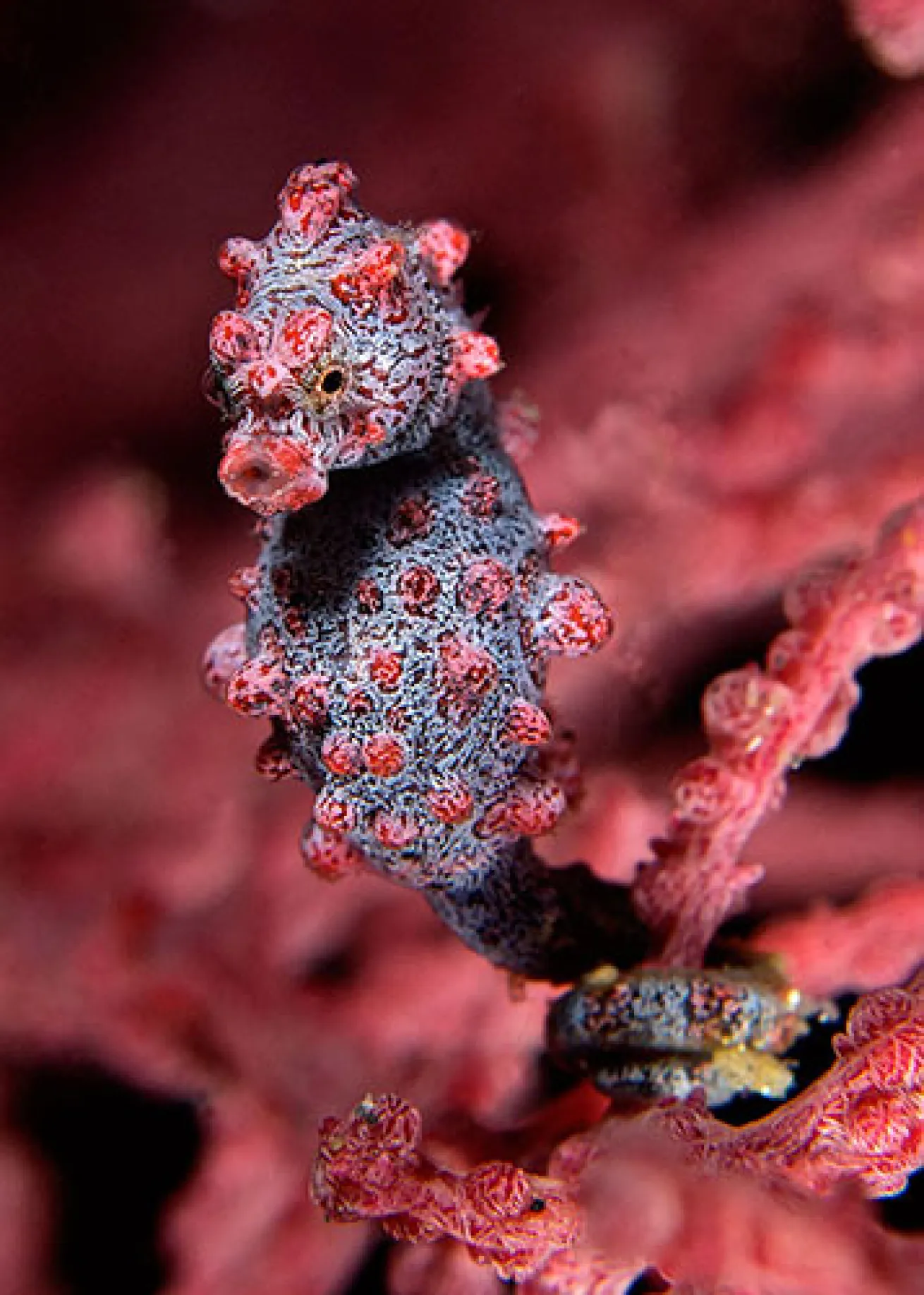
David HenshawSmall Creatures
Once you’ve had your fill of the big animals, take a second to consider the smaller marine life — like gaudy nudibranchs in Thailand, blue-ring octopus and mimic octopus in Indonesia, and pygmy seahorses in PNG. These critters aren’t just colorful and cool to look at — because they’re smaller they’re a whole lot easier to photograph too!
Anemonefish
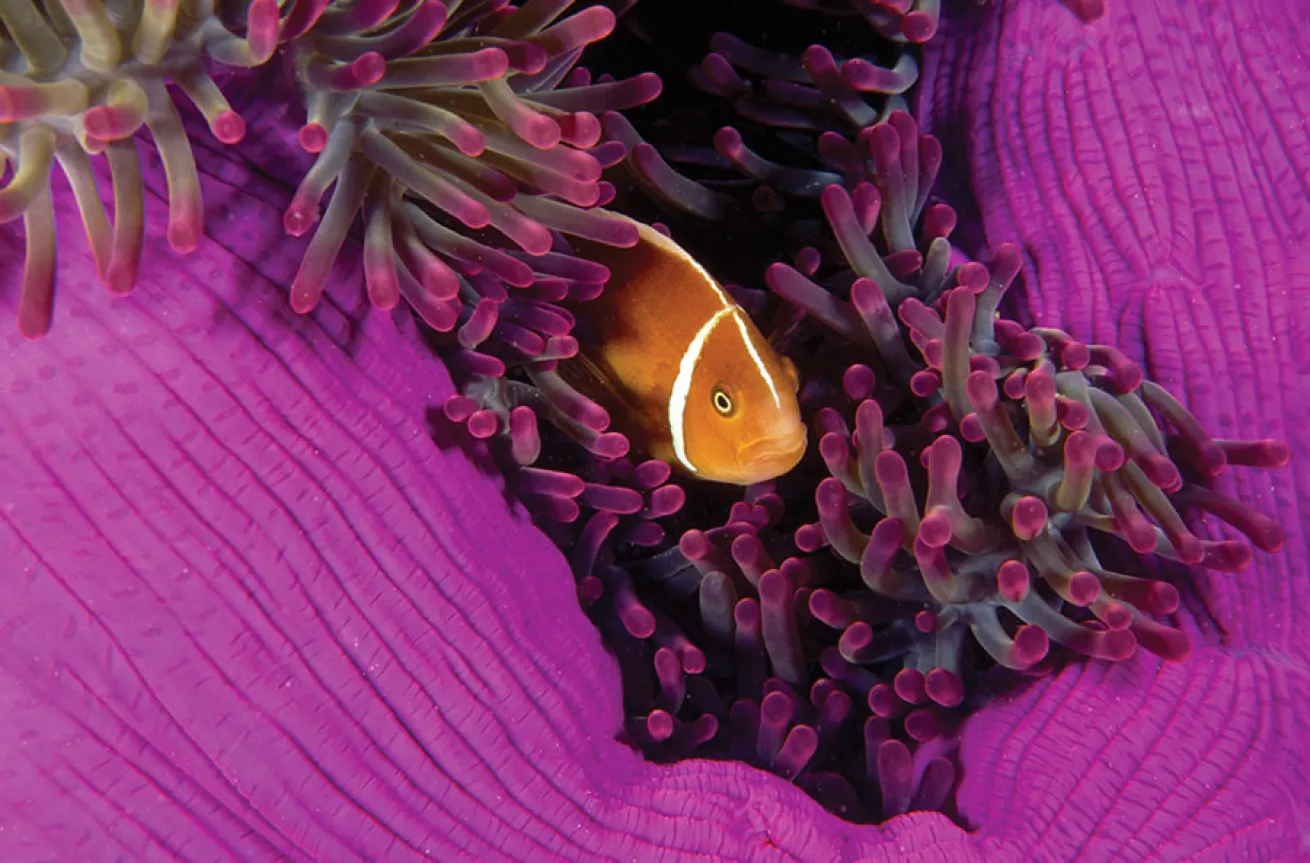
Fred BavendamAnemonefish
Finding Nemo — the anemonefish is quite possibly the most famous fish in the world, thanks to the 2003 computer-animated film produced by Pixar. But the simple anemonefish isn’t so simple: This species (such as the pink anemonefish seen here) captures the imagination of divers not only for its intricate, symbiotic choice of habitat — inside venomous sea anemones — but because of their beautiful coloring and shy nature.
Astounding Colors
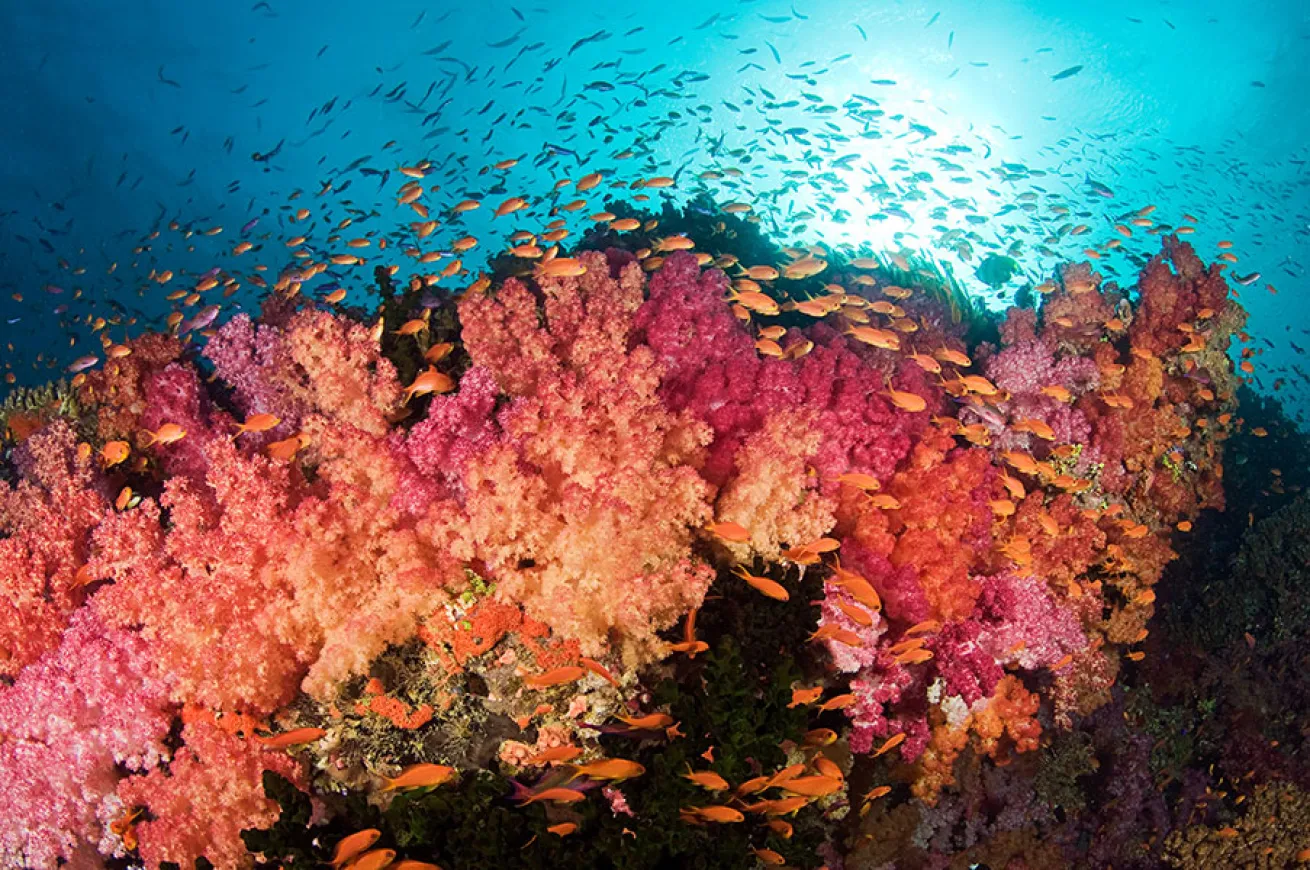
Jim PattersonAstounding Colors
Everything seems more vibrant in the Pacific. Fish, crabs, corals (like this eye-popping Fijian Dendronephthya), flowers, sunsets — everything is just ... better. Maybe it’s the quality of the visibility, a special hue of the water or just the dreamy state of mind that often occurs when we’re there.
Galapagos Surface Intervals
Stock photoGalapagos Surface Intervals
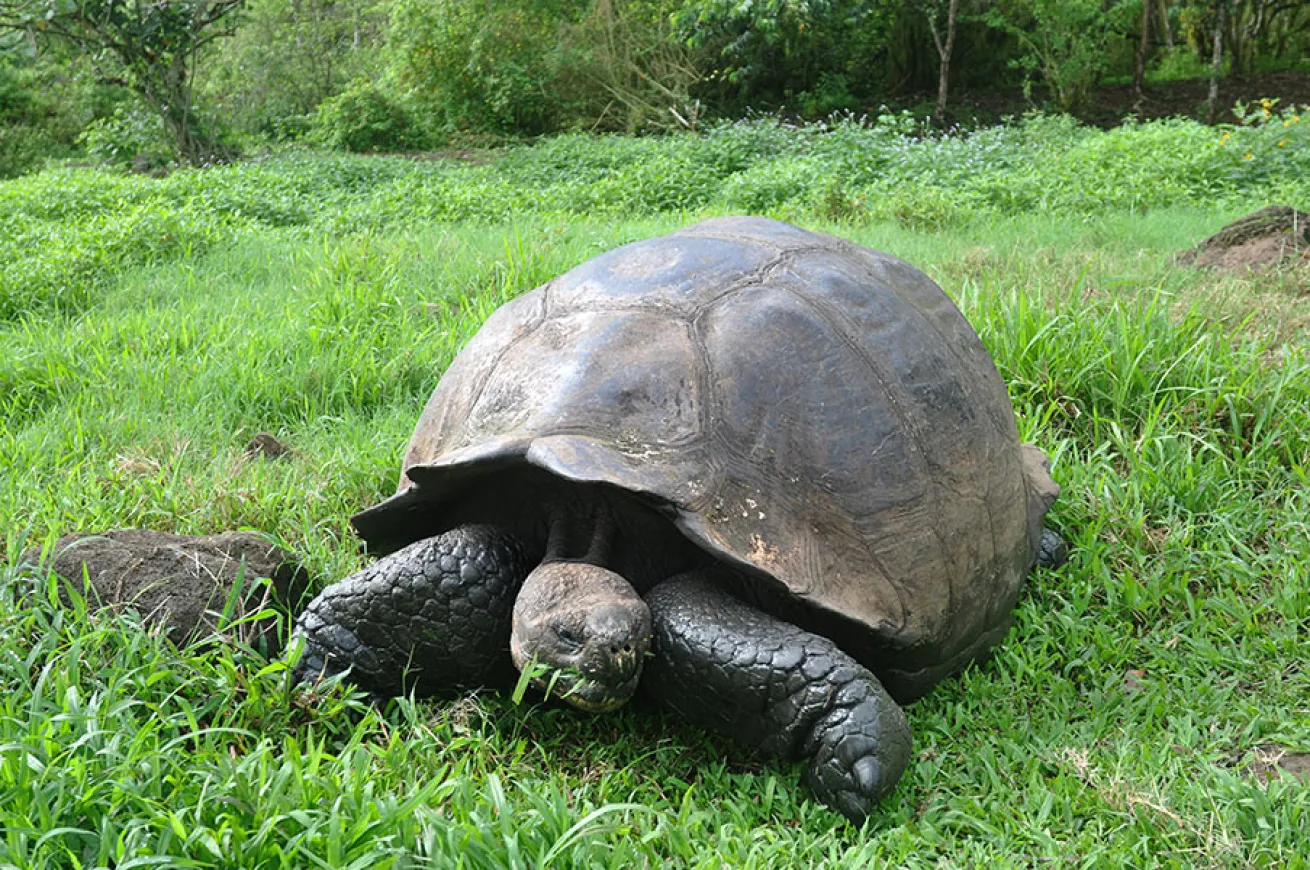
If you’re anything like us, you’d rather spend your life underwater; since we don’t have gills, though, we eventually have to surface. In Galapagos, surface intervals are almost better than the diving: Every day you’re treated to dolphin escorts, land visits with giant tortoises, imposing volcanic islands, and Zodiac rides to watch as blue-footed boobies, marine iguanas, penguins and sea lions showcase Darwin’s theory of evolution.
Great Barrier Reef
Jean-Paul FerreroGreat Barrier Reef
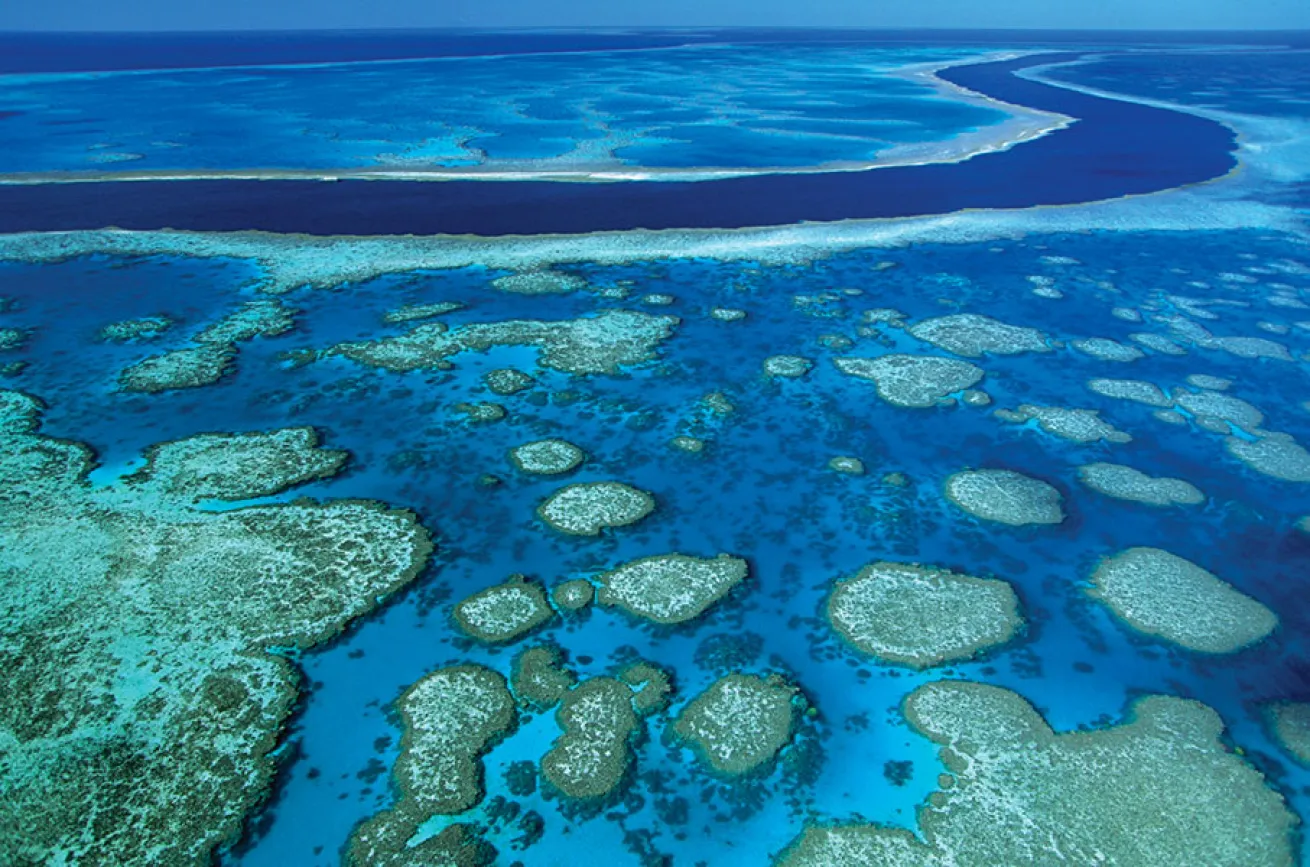
Consider the numbers: 135,000 square miles of total surface area, 1,600 miles long, 2,900 individual reefs, 900 islands, 400 kinds of coral, 4,000 varieties of mollusks and 1,500 types of fish. With statistics like those, it’s no wonder Australia’s Great Barrier Reef is one of the Seven Natural Wonders of the World, a UNESCO World Heritage Site and — with such famous sites as Steve’s Bommie, Cod Hole, SS Yongala and more — Australia’s greatest treasure.
Wild Rides
Jason IsleyWild Rides
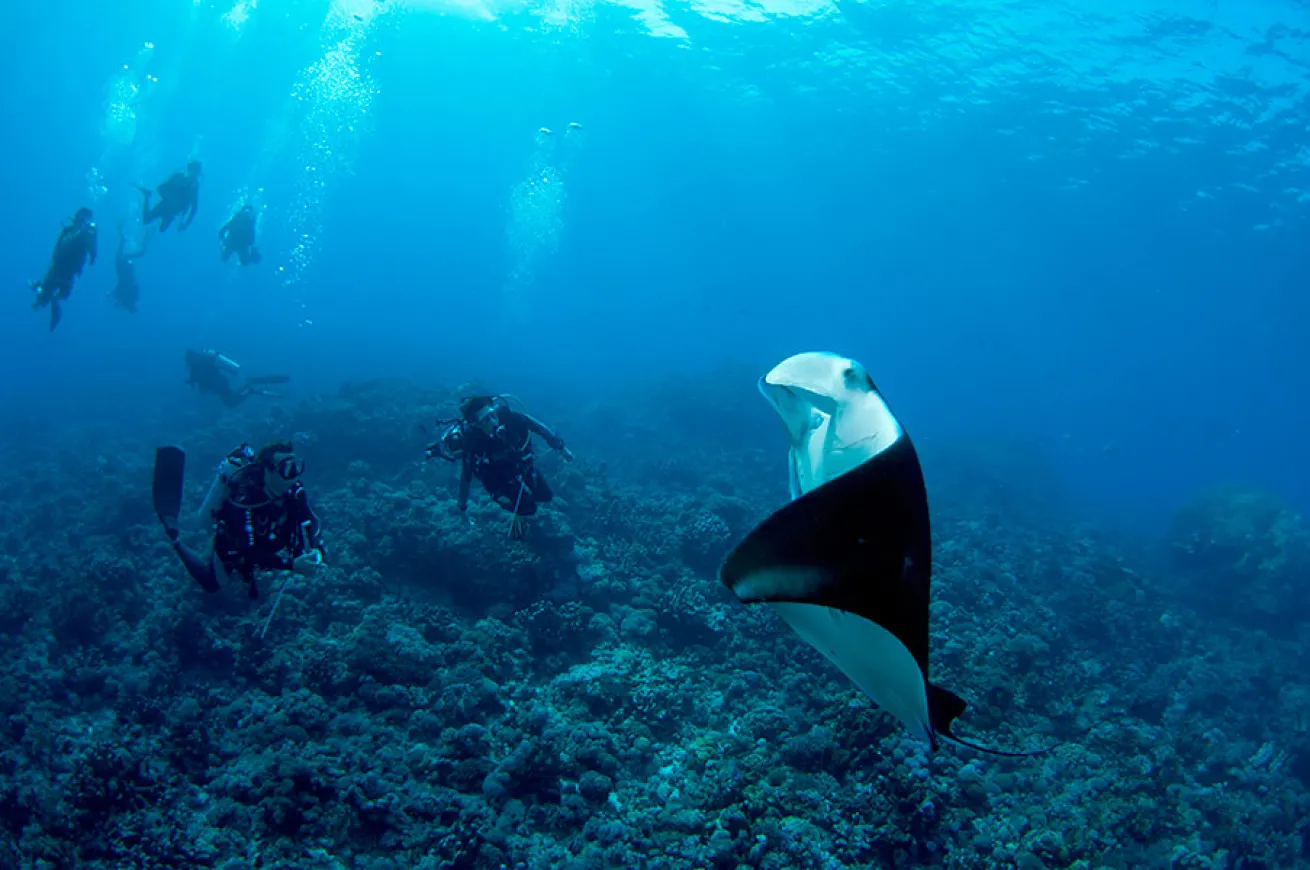
Drift diving takes on a whole new meaning in the Pacific, with more radical tidal changes, stronger currents and greater overall magnitude at such noteworthy destinations as Fiji, Palau and the islands of French Polynesia. Simply pick a site, jump in and hang on!
World War II Wrecks
Todd WinnerWorld War II Wrecks
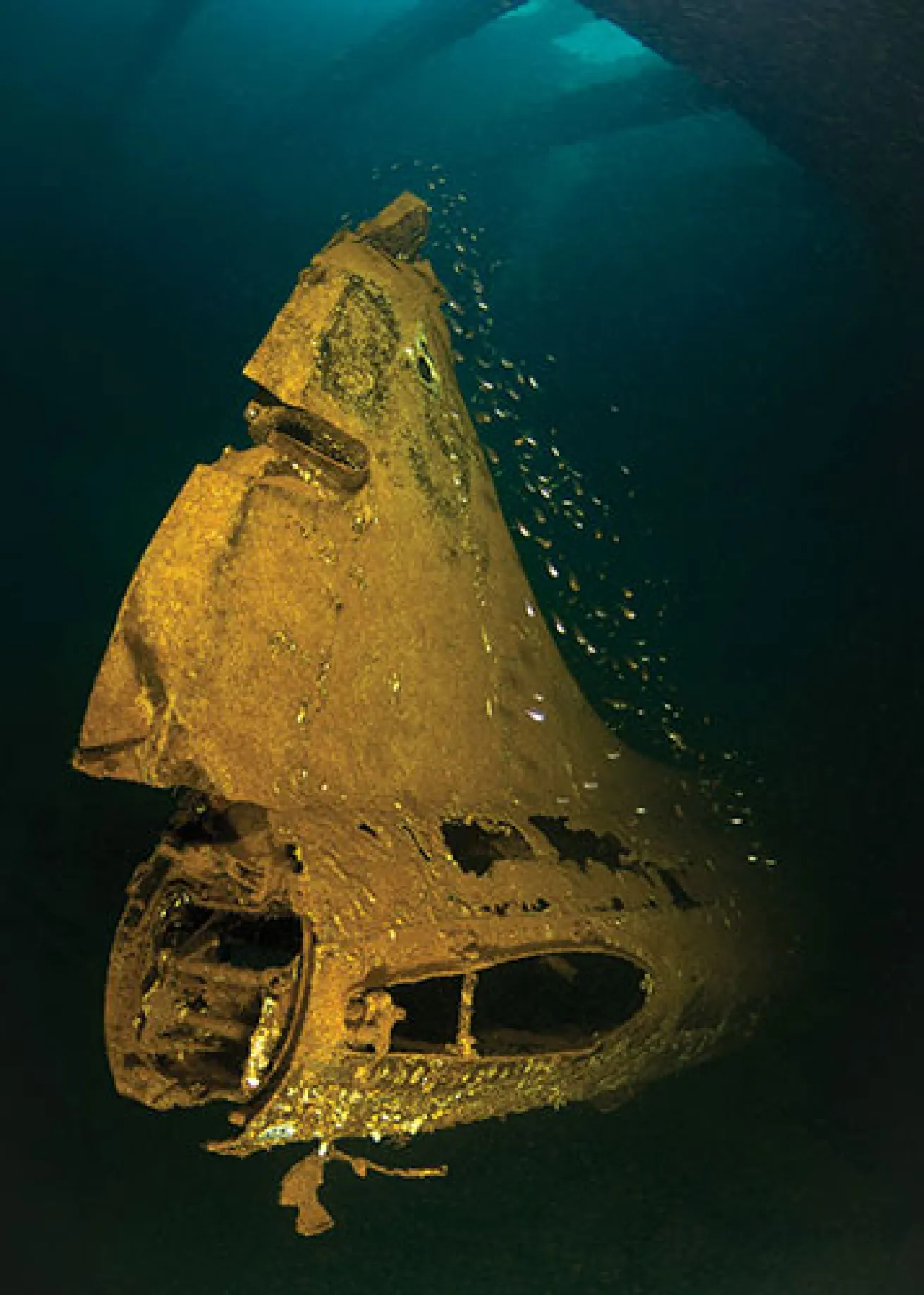
The sunken legacy of World War II is evident in many of the Pacific’s top dive destinations. Palau has the Helmet Wreck, 370-foot Bichu Maru and others. Chuuk Lagoon is packed with more than 40 submerged warships and aircraft, including the 433-foot Fujikawa Maru (above). And there are other rusting relics on the bottom in the Philippines, Borneo, Papua New Guinea and beyond.


