

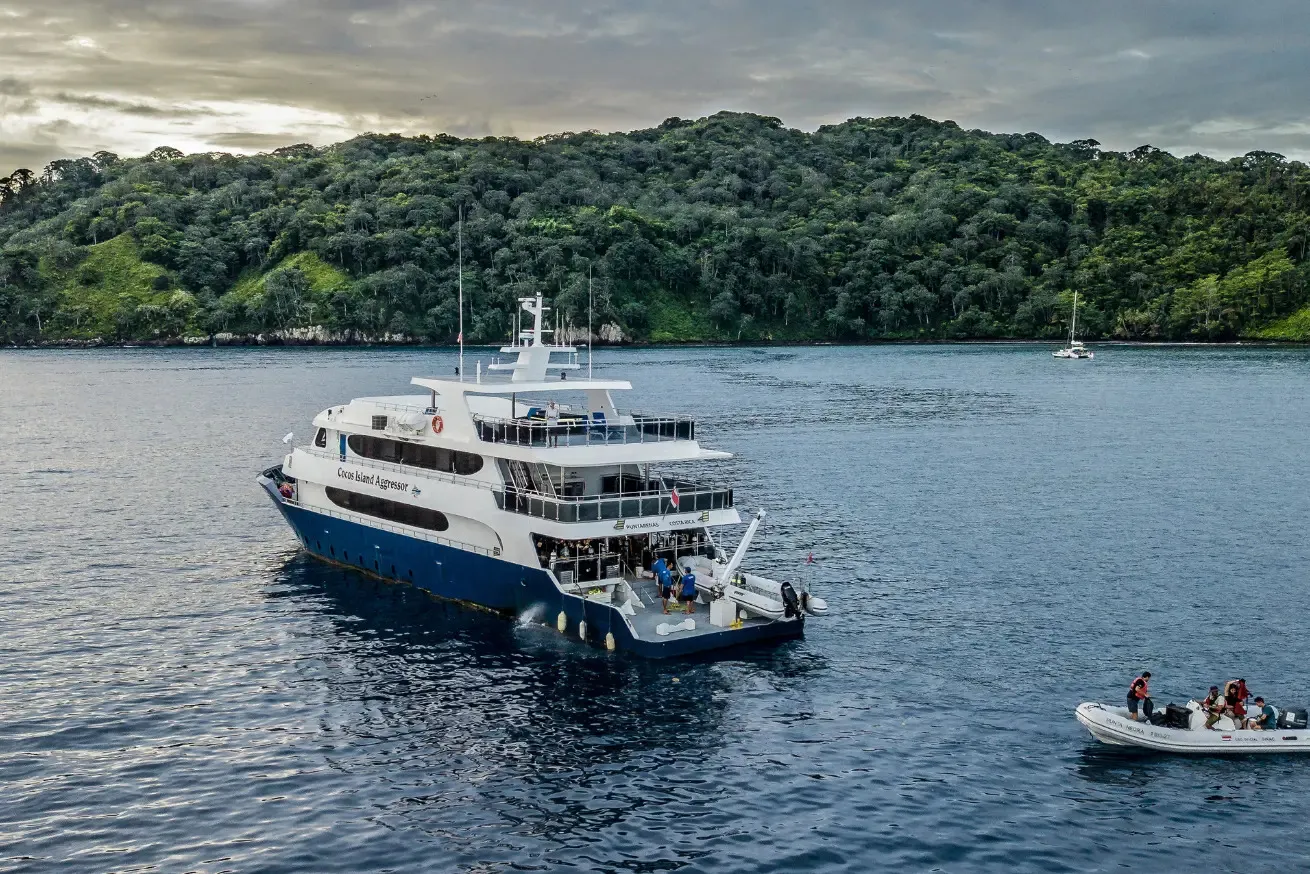
Courtesy of Aggressor AdventuresThe Cocos Island Aggressor.
For many divers, earning an advanced certification opens the door to advanced liveaboard diving in destinations like the Galápagos Islands, Cocos Island, the Maldives and the Red Sea. But choosing the right liveaboard requires more than picking a bucket-list destination. Experienced divers should evaluate dive freedom, itinerary difficulty, crew expertise, onboard training opportunities and how the trip aligns with their goals and experience level.
After more than 30 years in the dive industry and thousands of dives around the world, I've found that experienced divers consistently ask the same questions before committing to a liveaboard adventure.
Here are five of the most important.
1. What level of dive freedom or guided structure should I expect on a liveaboard?
One of the biggest differences between liveaboards is how dives are conducted.
Some vessels provide a highly guided experience, with divers expected to remain with the group and follow the dive guide throughout the dive. Others offer greater flexibility, allowing buddy teams to navigate independently while following agreed-upon dive parameters.
Neither approach is inherently better. It simply depends on the destination, conditions, and the operator's philosophy.
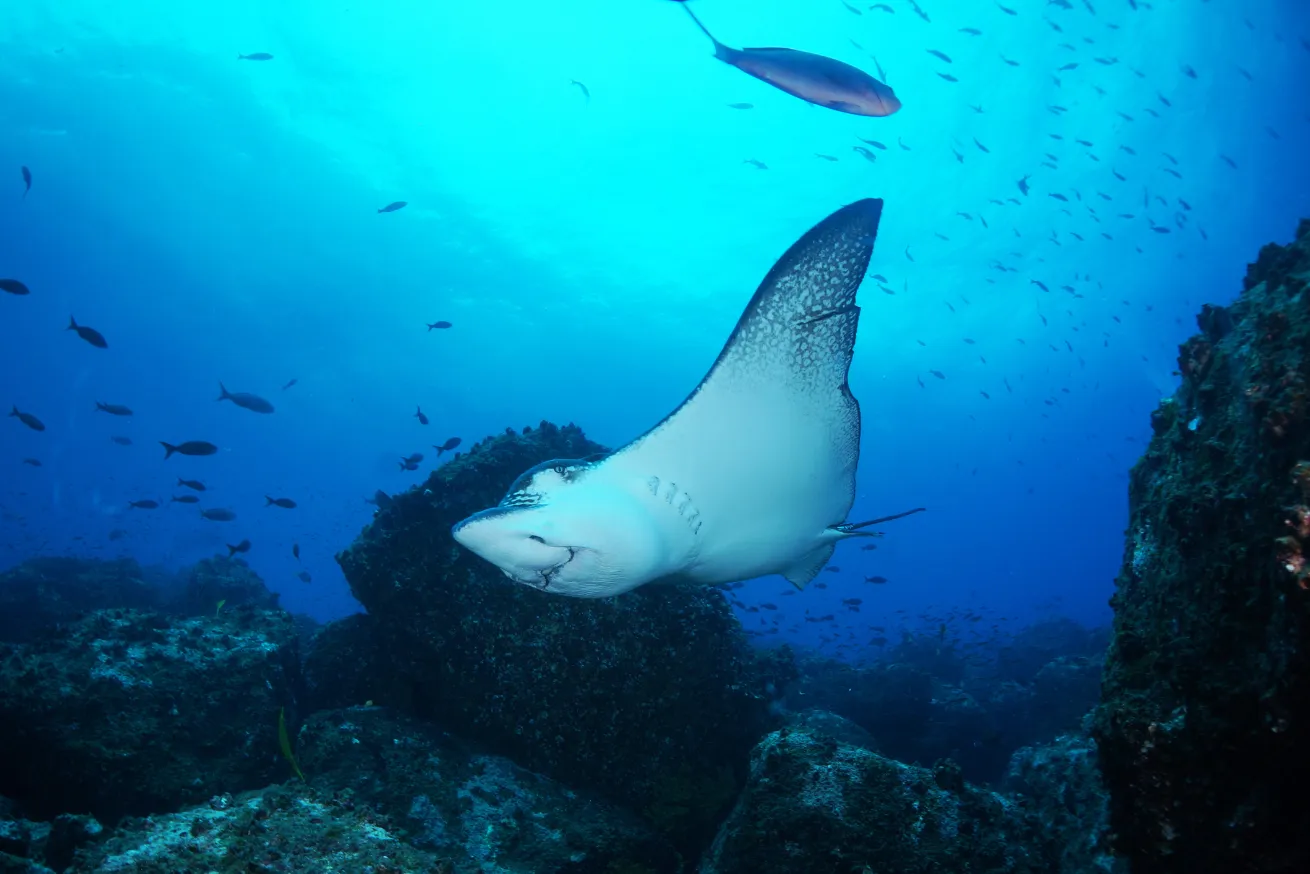
Courtesy of Aggressor AdventuresDivers enjoy spectacular marine life encounters on the Galapagos Aggressor III.
For example, in areas known for strong currents, remote conditions, or complex navigation, a more structured approach may enhance both safety and the overall guest experience. In other destinations, experienced divers may appreciate the opportunity to explore at their own pace while remaining within established limits.
Before booking, ask how dives are typically conducted. Understanding whether the operation emphasizes guided diving, buddy team independence, or a combination of both will help ensure the experience aligns with your expectations.
The best operators are transparent about their procedures and can clearly explain how they balance diver freedom with safety.
2. How do I know if a liveaboard itinerary matches my experience level?
Certification level alone doesn't determine whether you're ready for a liveaboard. Recent experience, comfort in challenging conditions and familiarity with advanced diving techniques are equally important.
The conditions encountered in destinations such as the Galápagos Islands, Cocos Island, or certain regions of the Maldives can be significantly more demanding than those found on a typical resort dive vacation. Strong currents, negative entries, blue-water descents, rapid depth changes and open-ocean conditions often require skills that are developed through experience rather than certification alone.
When evaluating an itinerary, look beyond the marketing photos and bucket-list species. Ask questions about typical current strength, average dive depths, water temperatures, visibility, and the type of entries commonly performed.
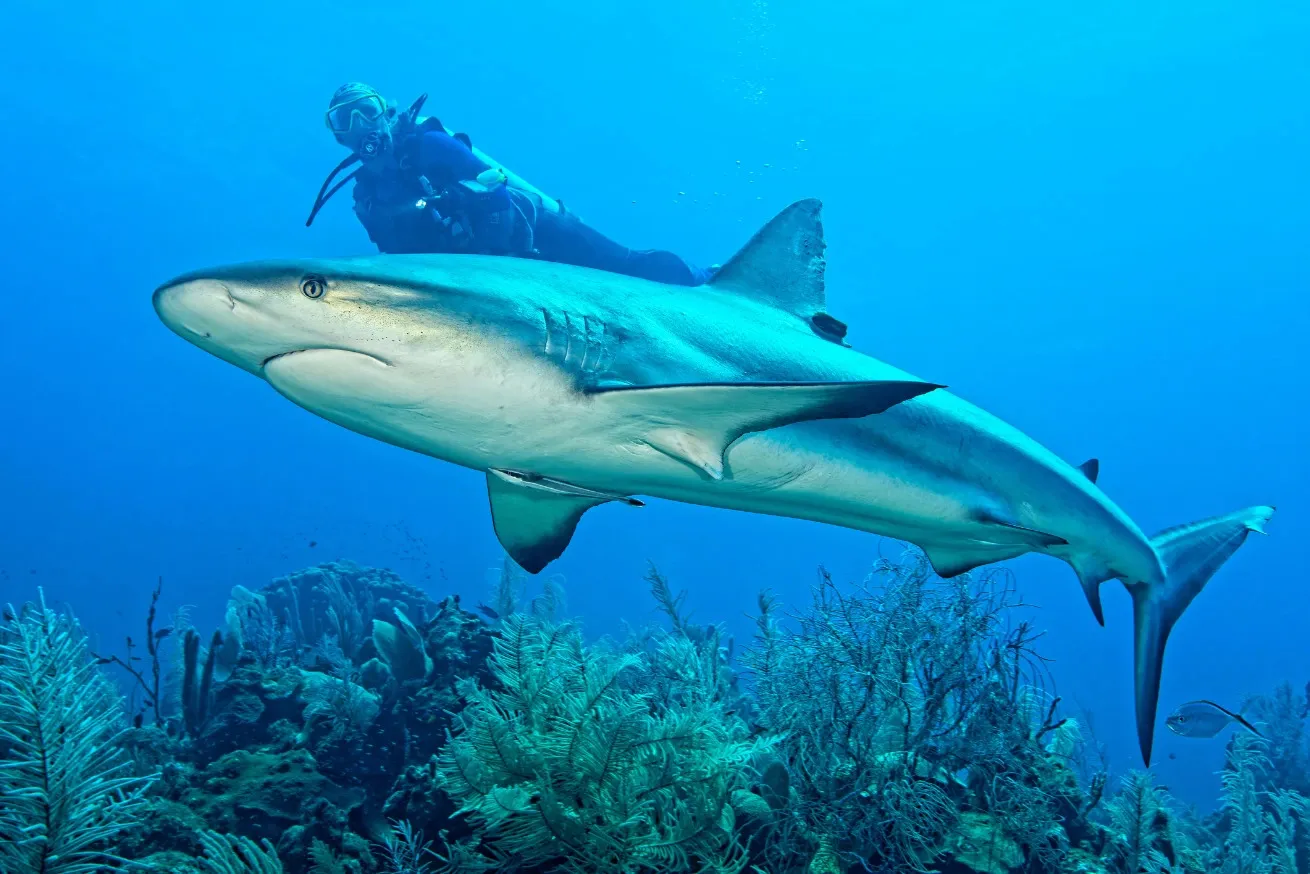
Courtesy of Aggressor AdventuresGo beyond the barrier reef and dive the untouched coral atolls of Belize on the Belize Aggressor III or Belize Aggressor IV.
It's equally important to honestly assess your recent diving experience. A diver with hundreds of lifetime dives who hasn't been underwater in two years may face different challenges than someone with fewer total dives but extensive recent experience in similar conditions.
A quality liveaboard operator will ask detailed questions about your diving background and help determine whether an itinerary is a good fit. That's not a sales tactic—it's a sign of a professional operation that wants you to have the best possible experience.
3. What makes a great liveaboard operator?
Every reputable liveaboard should provide safe diving, comfortable accommodations, and professional service. What distinguishes a truly exceptional operation often comes down to consistency and attention to detail.
Great operators excel at the small things that many guests never notice. Dive briefings are thorough and relevant. Dive decks are organized and efficient. Crew members communicate clearly and anticipate guest needs before problems arise.
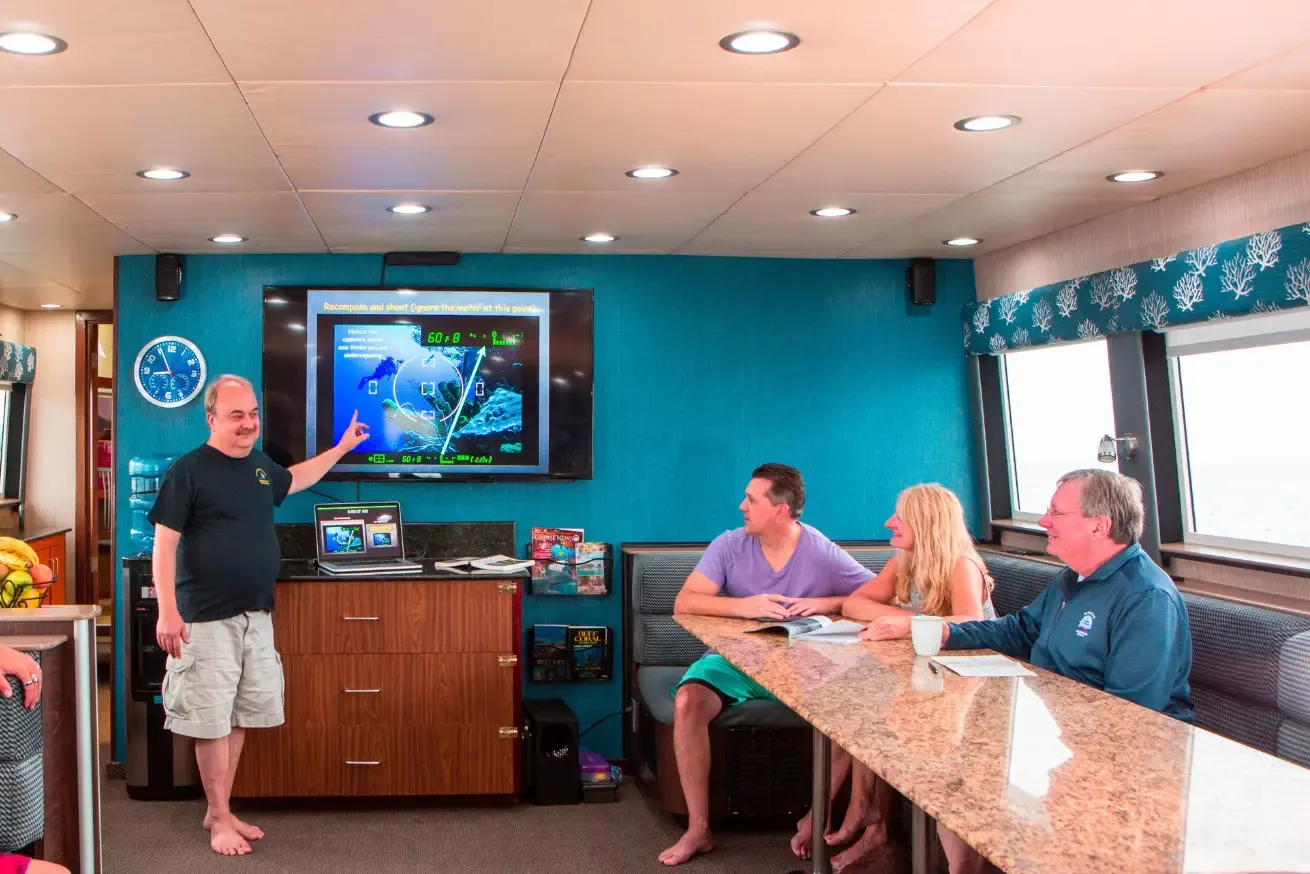
Courtesy of Aggressor AdventuresAggressor Liveaboards across the world are committed to providing guests with safe and unforgettable experiences.
The difference is especially noticeable when conditions become challenging. Weather changes, currents shift, and marine life doesn't always follow the script. Exceptional crews adapt quickly, communicate effectively, and maintain a positive guest experience even when plans need to change.
Experienced divers also tend to appreciate operators that invest in crew training, vessel maintenance, safety systems, and environmental stewardship. These elements may not appear in glossy brochures, but they often have the greatest impact on the overall quality of a trip.
Ultimately, the best liveaboard experiences aren't defined by luxury amenities alone. They're defined by professionalism, consistency, and a crew that genuinely cares about delivering outstanding diving.
4. Liveaboard vs. Resort Diving: What’s the difference?
Both liveaboards and land-based dive resorts offer incredible opportunities to explore the underwater world, but they deliver fundamentally different experiences.
Resort diving typically combines diving with other vacation activities. Divers may complete one or two dives in the morning before returning to shore for sightseeing, dining, or relaxation. It's an excellent option for travelers who want to balance diving with other experiences.
Liveaboard diving is designed for divers who want maximum time underwater and access to remote dive sites.
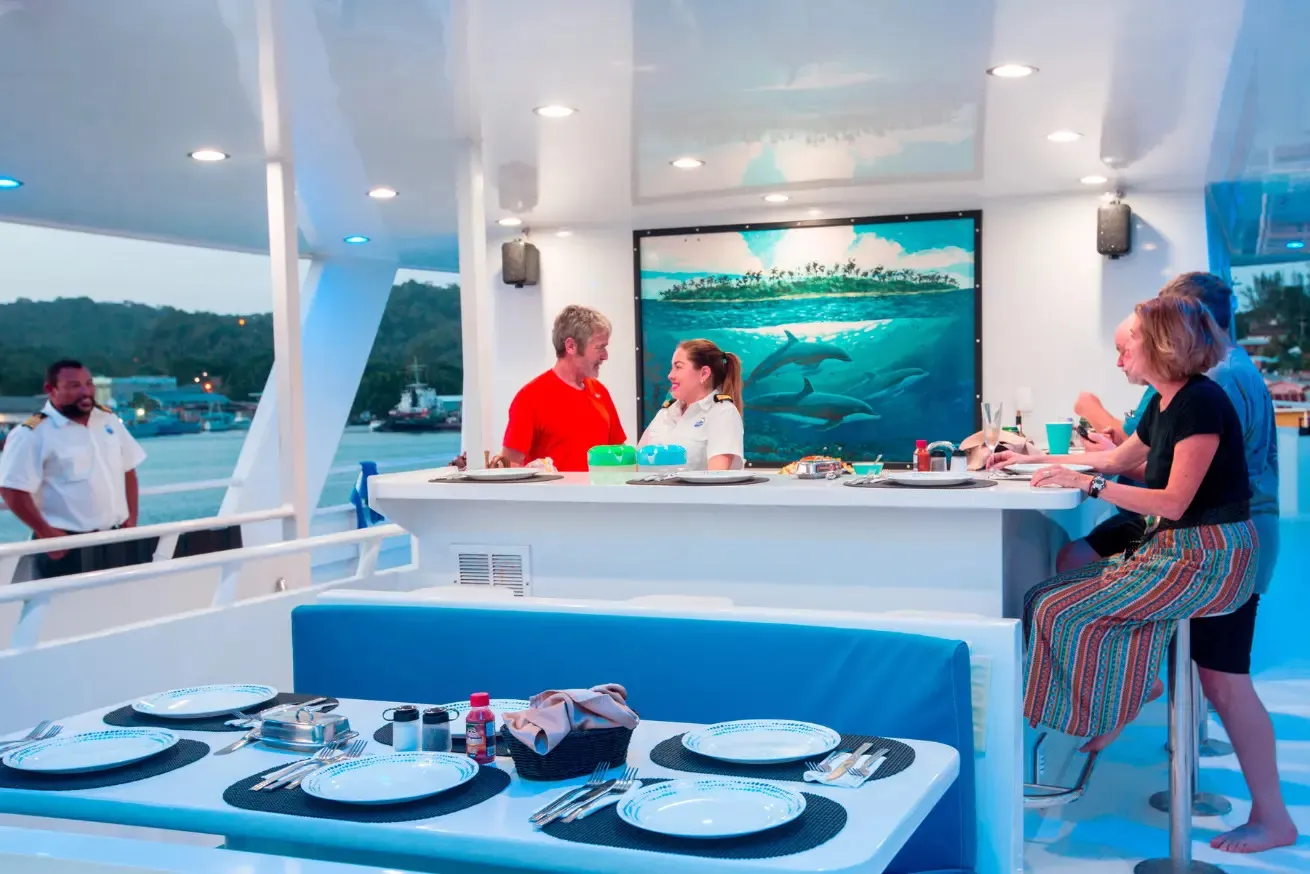
Courtesy of Aggressor AdventuresGuests aboard the Roatan Aggressor.
Instead of spending valuable vacation time traveling to and from dive sites each day, divers eat, sleep, and travel aboard the vessel. This allows access to remote reefs, seamounts, and marine parks that are often beyond the reach of day boats.
The result is more time in the water and more opportunities to experience a destination in depth.
For advanced divers, this immersion is one of the greatest advantages of liveaboard travel. Multiple dives per day over the course of a week create an environment where skills improve naturally. Buoyancy becomes more refined. Air consumption often improves. Confidence in varying conditions grows with each successive dive.
There is also a unique sense of camaraderie that develops onboard. Sharing meals, dive stories, wildlife encounters, and sunset conversations with fellow divers creates lasting friendships and a sense of community that is difficult to replicate elsewhere.
For many divers, the liveaboard becomes more than a dive trip—it becomes a complete diving lifestyle, even if only for a week.
5. What dive courses can you take on a liveaboard?
Many divers are surprised to discover that a liveaboard can be one of the most effective environments for continuing education.
Because divers are completing multiple dives each day under the supervision of experienced instructors and dive professionals, there are numerous opportunities to develop new skills and gain additional certifications.
Popular courses offered aboard many liveaboards include Enriched Air (Nitrox), Deep Diver, Drift Diver, Peak Performance Buoyancy, Digital Underwater Photographer, Fish Identification, and Search and Recovery. Depending on the vessel and itinerary, divers may also be able to complete Advanced Open Water Diver training or other specialty certifications.
What makes learning on a liveaboard unique is the ability to immediately apply newly acquired knowledge. A skill discussed during a morning briefing can often be practiced on the very next dive and reinforced repeatedly throughout the week.
This combination of instruction, repetition, and real-world application accelerates learning in a way that can be difficult to replicate in traditional classroom-based environments.
For many experienced divers, continuing education onboard isn't about collecting certification cards. It's about becoming a more capable, confident, and versatile diver.
Final Thoughts
Liveaboards provide some of the most rewarding diving experiences available anywhere in the world. They offer unparalleled access to remote destinations, maximize time underwater, and create opportunities for divers to grow both technically and personally.
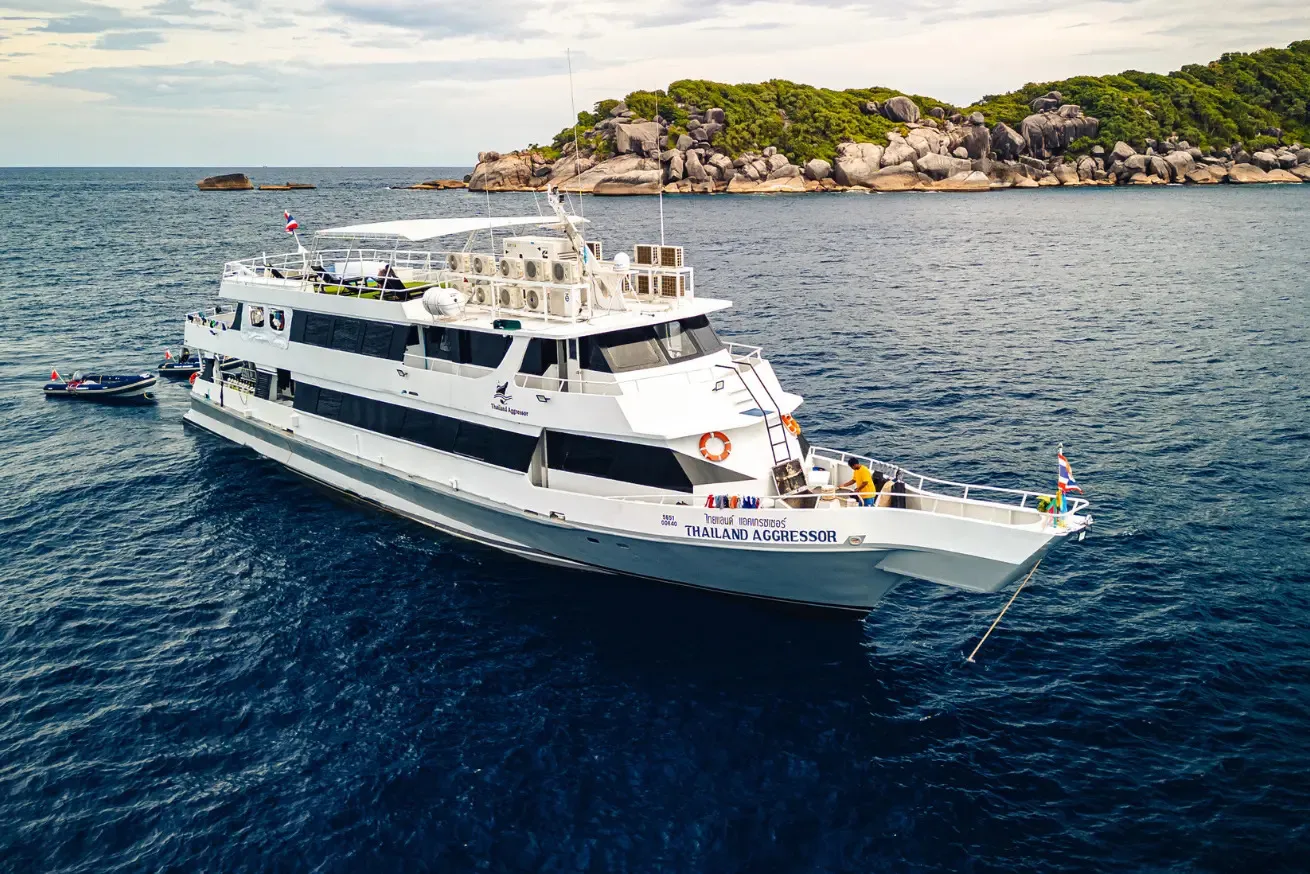
Courtesy of Aggressor AdventuresThe Thailand Aggressor.
The key is choosing the right operation and the right itinerary for your goals and experience level.
By asking thoughtful questions before booking, advanced divers can better align expectations, prepare for the conditions they'll encounter, and ultimately get more from every dive.
After all, the most memorable liveaboard trips aren't simply about where you go. They're about the experiences you have, the skills you develop, and the stories you bring home long after the final dive.
Contact Aggressor Adventures:
Phone: +1 706-993-2531
Toll Free: 800-348-2628 (USA/CAN)
Email: [email protected]
About the Author:

Portrait of Jay Roberts
Jay Roberts, CEO of Aggressor Adventures
Born in Clearwater, Florida, and raised in Dover, Arkansas, Jay Roberts developed a passion for exploration and adventure early in life. Now based in Augusta with his wife and children, Jay has built both his career and family life around the spirit of discovery. A lifelong diver who entered the industry at 19, he has spent more than 30 years in professional diving, earning credentials as a PADI Staff Instructor. His journey with Aggressor Adventures has taken him through nearly every level of the organization—from Cruise Director and Captain to Operations Manager and now CEO—bringing firsthand operational experience, leadership, and a deep connection to the guest experience that continues to shape the company today.


