

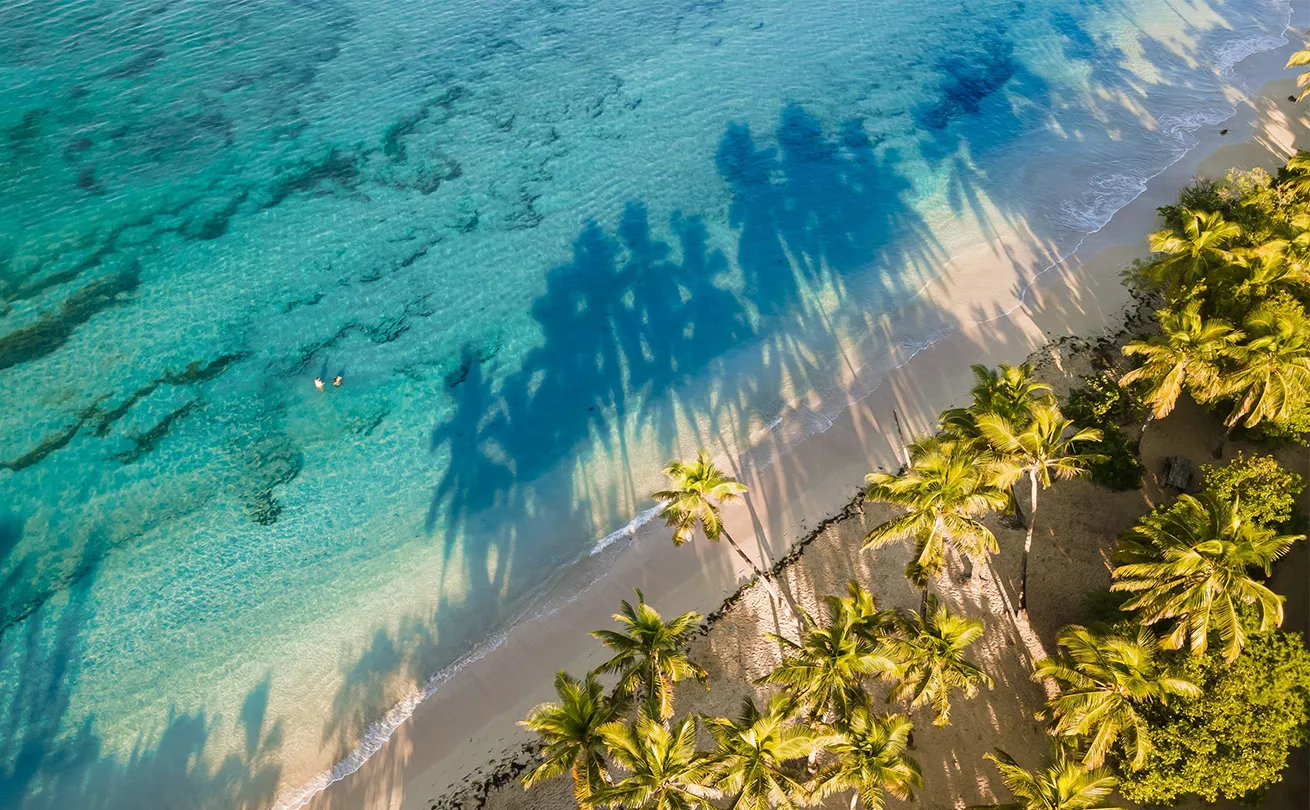
Shutterstock.com/Wirestock Creators
I drop into the warm, shallow waters off Saint-Pierre, where the remains of a three-masted ship L’Amelie rests on a bed of seagrass. Sunk in the devastating 1902 volcanic eruption of Mount Pelée, colorful coral and energetic marine life have since reclaimed it. A juvenile cowfish roams as if it owns the place while sunlight dances on the wreck’s living curves. It is my first dive in Martinique and just a taste of the dives to come.
Martinique is a rugged French-Caribbean island shaped by volcanoes with West Indies culture. While better known for its hiking, beaches and rum, it also offers a surprisingly diverse dive scene: lava-sculpted formations, technicolor coral gardens and shipwrecks with stories to tell.
Divers, like myself, are often surprised. Not by the warmth of the Caribbean waters or the clarity, but by the quiet and the way even the most popular sites feel uncrowded. It’s like you're discovering something for the first time, even if you're not the first to swim through it.
Before you pack your mask and fins, here’s what you need to know for your Martinique dive trip.
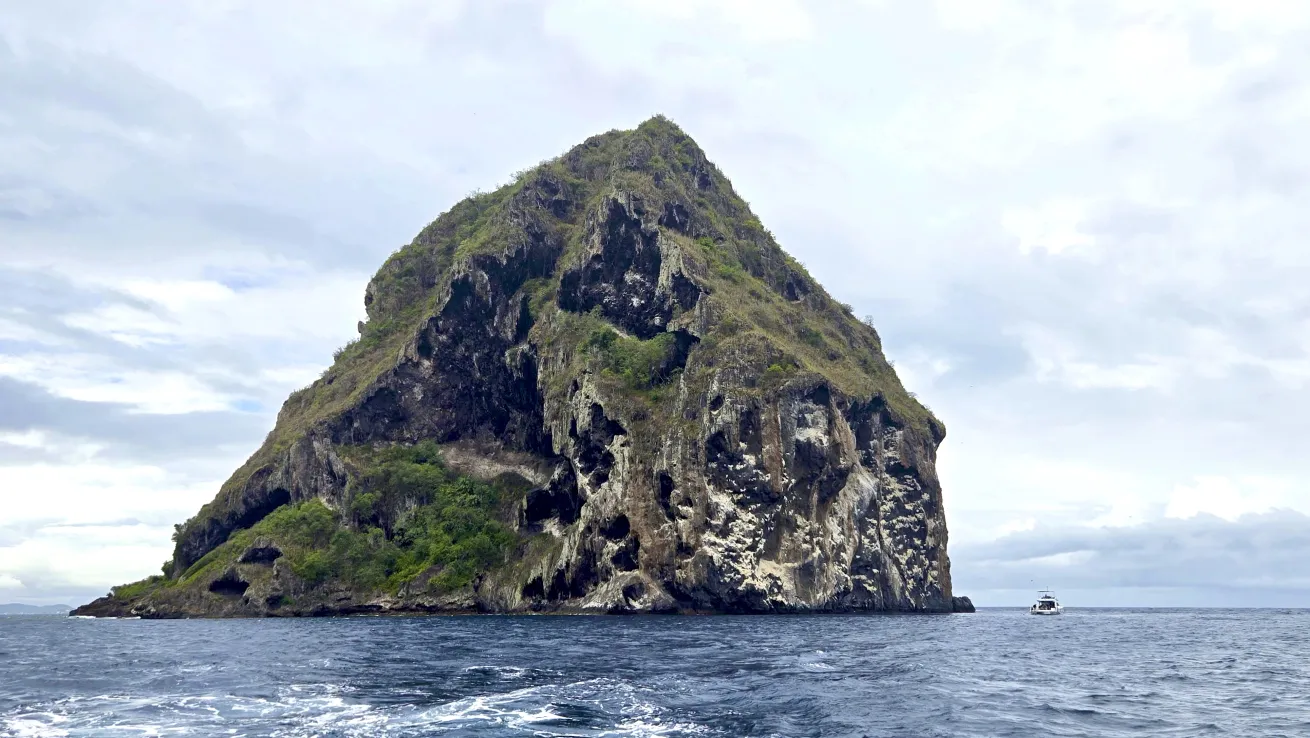
Rachel HuberDiamond Rock, One of Martinique's famous dive sites
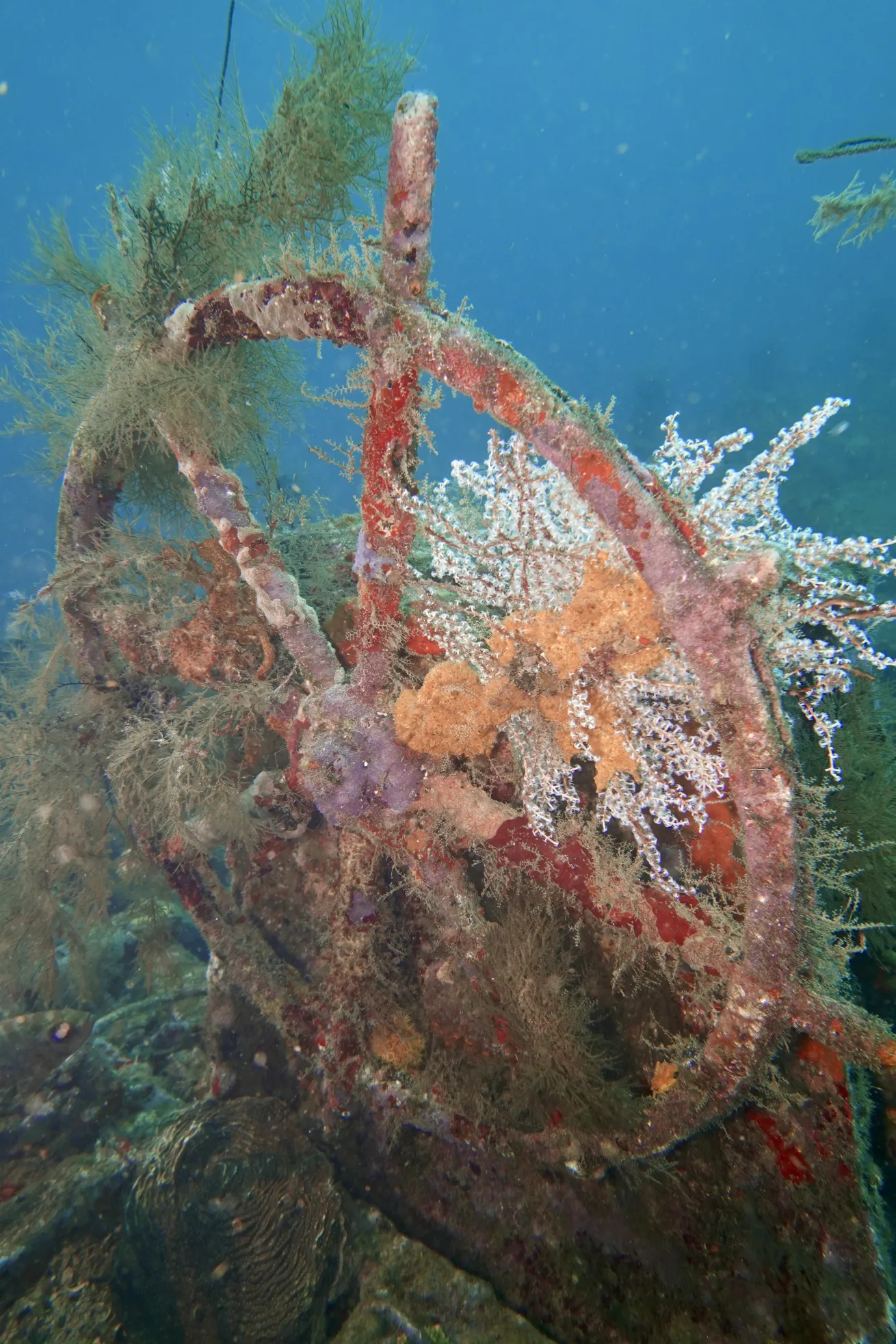
Rachel HuberThe wreck of the Nahoon.
Martinique’s Best Dive Sites
Martinique may not be on every diver’s bucket list—but that’s part of the charm. In the morning you can explore a historic wreck and in the afternoon drift alongside turtles. From eerie structures and coral mazes to macro photography, Martinique has it all. Here are five sites worth planning around.
1.Diamond Rock
Rising dramatically from the sea, Diamond Rock is a lava-formed islet with arches and a cathedral-sized tunnel where divers can feel the boom of crashing waves above. While schooling fish are sparse, the site impresses with beautiful coral, moody ambience and shifting light.
Above the surface, Diamond Rock has a wild naval history. During the Napoleonic Wars, the British fortified the island, commissioning it as the HMS Diamond Rock. They lived on and defended it for 18 months before the French eventually recaptured the land.
Experience: Intermediate to advanced (strong current). Max depth 200 feet (60 meters).
Related Reading: Ash to Artifact: Saint-Pierre’s Underwater Ghost Town
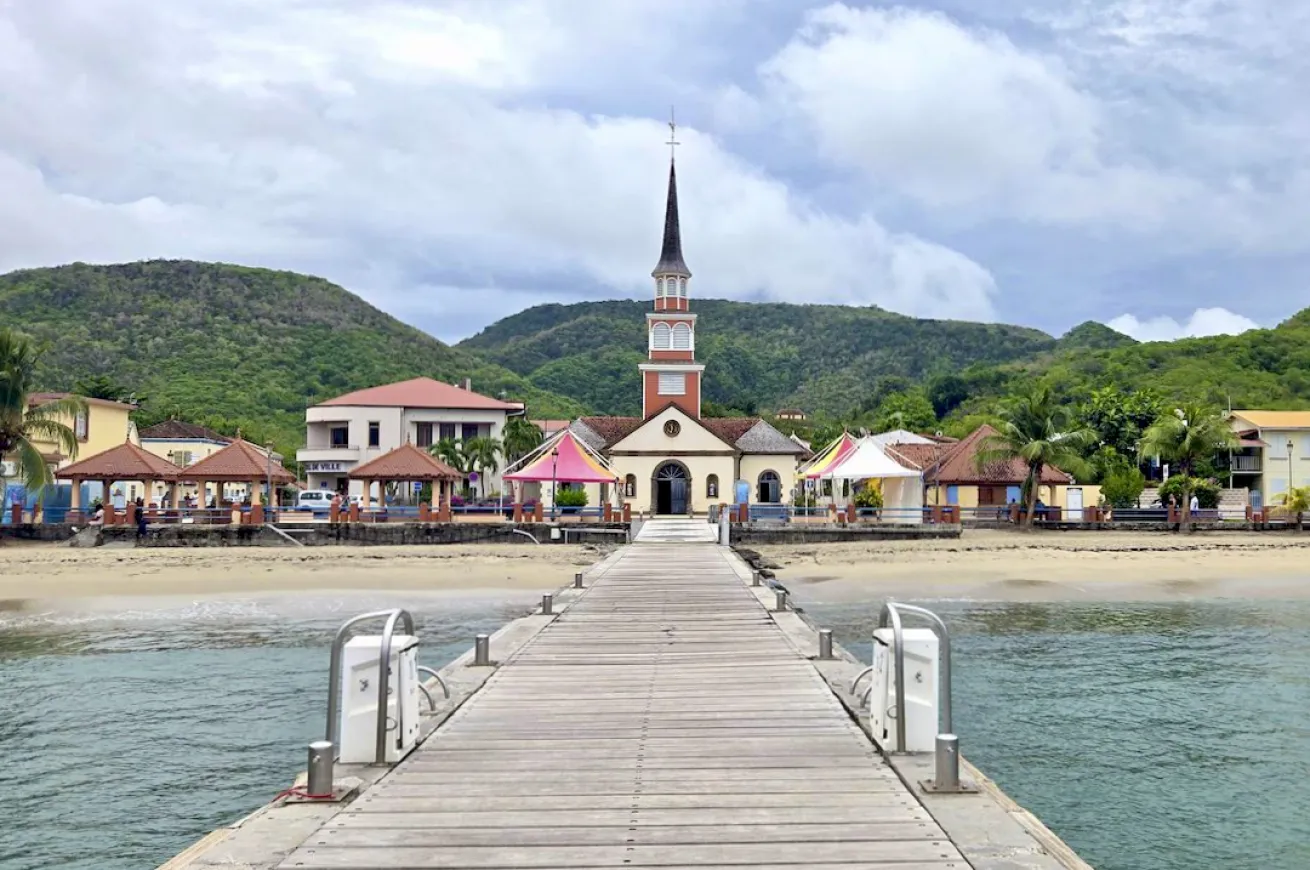
Rachel HuberHistoric Anse D'Arlet is known for it's idyllic beaches and easy access to popular dives.
2.Wreck of L’Amelie
Damaged in the 1902 volcanic eruption, this three-masted ship now rests in a bed of seagrass, its broken frame rich with coral and sponges. A healthy habitat for juvenile fish, eels and rays, it feels like floating through an aquarium, rather than a shipwreck. This site is easy to explore with bright lighting, making it a perfect introduction to the island-ideal for beginners, photographers and night dives.
Experience: All levels. Max depth 40 feet (12 meters).
3.Wreck of the Nahoon
Sunk intentionally in 1993, the Nahoon is a 115 feet (35 meters) steel-hulled boat that sits upright, mostly intact. Coral has crept across its deck and hull, while curious fish have made it home. The ship’s propellers and wheel are still visible, along with scattered machinery. A full loop of the Nahoon is possible with a quick peek around the engine room. It's a short but atmospheric deep dive, great for photographers.
Experience: Intermediate to advanced with deep certification. Max depth 115 feet (35 meters).
4. Cape Solomon
Tucked in a small cove called La Piscine (“The Pool”), this tumbling coral-covered rock slide is as enchanting above as it is below. Weave through arches and boulders, looking for stingrays, leopard rays, lobsters and colorful reef fish. The coral garden makes it an excellent site for photographers, snorkelers and divers.
Experience: All levels. Max depth 135 feet (41 meters).
5. Pointe Burgos
A local favorite for its calm conditions and clear waters, Pointe Burgos’s dive begins on a coral plateau that gently slopes to 180 feet (55 meters). Here it sharply drops into the deep. Layered coral hides homes for parrotfish, wrasses, rays and schools of fish. With excellent visibility and a range of depths, divers can explore shallow reefs or a deeper wall dive.
Experience: All levels. Max depth 82 feet (25 meters).
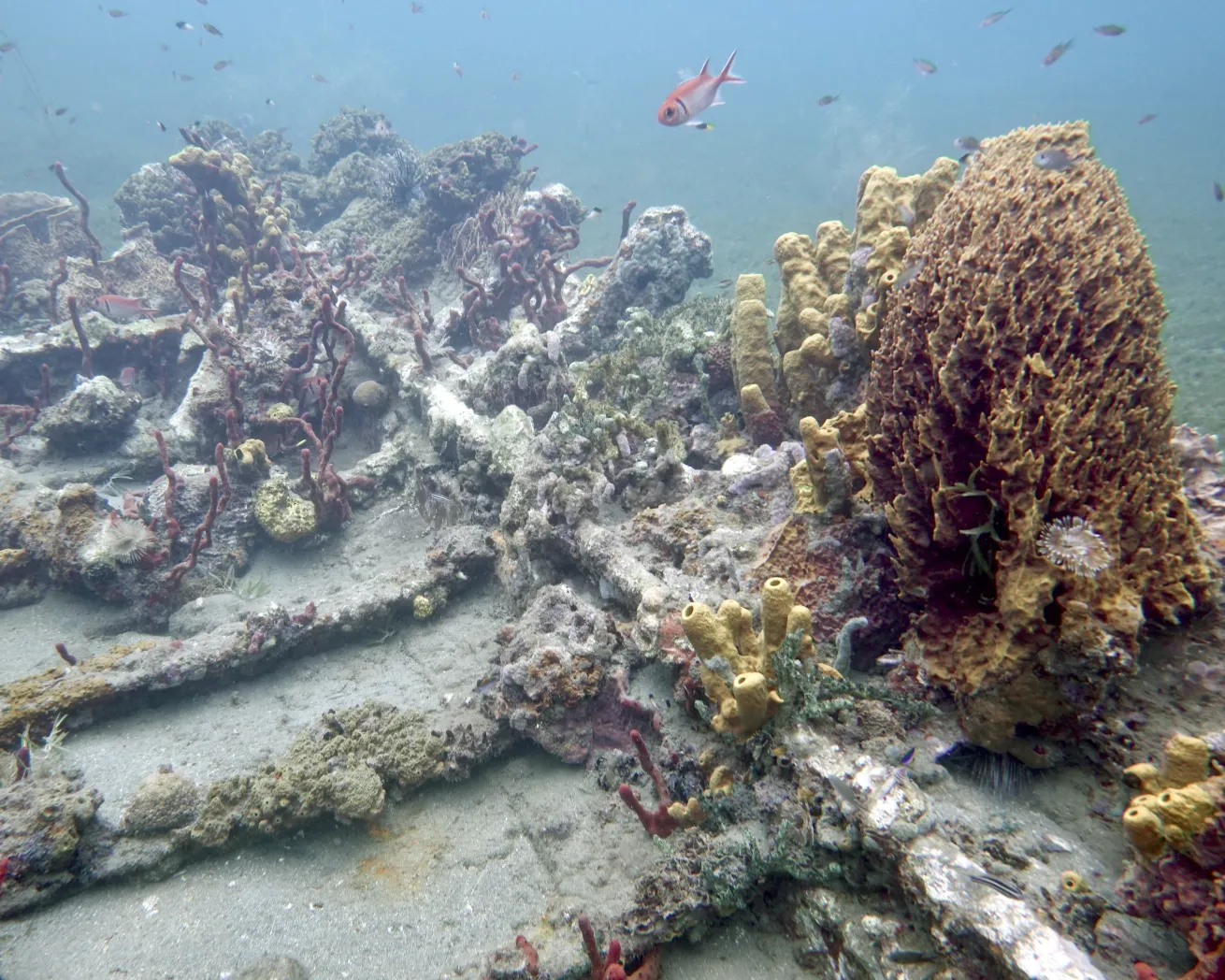
Rachel HuberThe aquarium-like wreck, L'Amelie has been reclaimed by reef.
Top Highlights Diving Martinique
Whether you’re cruising over coral gardens or peeking inside sponges, Martinique delivers an incredible range of reef dives. But just offshore from Saint-Pierre, lies something a little different.
Wrecks of Saint-Pierre
You don’t need to hike Mount Pelée to feel the island’s volcanic legacy. Just off the coast of Saint Pierre, lie over seven wrecks—steamers, schooners, barges and sailboats—remnants of the catastrophic May 8, 1902, eruption that flattened the town within minutes by a fiery cloud. Not all are accessible to recreational divers, but those that are offer unforgettable glimpses into the island’s wild past.
Resting at various depths, these wrecks are more than just relics; they are alive with movement, color and marine life. Shallow vessels like L’Amélie make for long, relaxing dives ideal for newer divers or photographers. While deeper sites like the Roraima and Biscaye offer more challenging, haunting encounters that require advanced, technical or deep-diving experience. These wrecks don’t just preserve history, they let you swim through it.
Related Reading: Five Shipwrecks to Explore in Grenada
Turtle Encounters: In the seagrass bays of Anse Dufour, Anse Noire and Grande Anse, you’ll likely come face to face with a napping sea turtle. Martinique’s calm waters are a haven for three species: the endangered green and hawksbill turtles and the larger leatherback (which is rarely seen while diving).
Turtles are present year-round, but sightings peak from March to November during the spawning season. Local researchers have tracked turtles arriving from as far as South America and Africa. The island is a sea turtle sanctuary worth visiting.
Eco-Conscious Diving: Martinique is also raising the bar for sustainable destinations. As a UNESCO Biosphere Reserve, the island’s seagrass beds, coral and marine life fall under extensive French conservation policies.
Sustainability here goes beyond policy. Two pioneering dive centers are leading the way with solar-powered boats, cutting emissions and reducing underwater noise. Mooring buoys have replaced anchors, therefore reducing the impact on the reef, across the island and in Anse D’Arlet, the Lakay Underwater Trail offers an educational underwater path, teaching visitors about marine ecology.
Some dives come with a story, and Martinique has more than a few.
You feel them in how the coral clings to lava, the wrecks whisper stories of the past and the sea turtles doze unbothered in the shallows. On shore, those same stories are felt in the scent of sugarcane rum drifting by, long, flavorful lunches and the quiet moments that invite you to slow down.
Martinique moves to its own rhythm-sunlit, shaped by nature, drenched in history and full of moments that linger. Above and below the surface, the island stays with you.
Need to Know Diving Martinique
Language: French, but most dive staff speak English.
Currency: Euro (€)
Airport: Martinique Aimé Césaire International Airport (FDF)
When to Go: Year-round, with best visibility December to May
Water Temp and Visibility: 79-84°F (26-29°C) and 20-30+ m (65-100+ ft)
Post-Dive Rituals: Expect to be served Punch Planteur (rum and fruit juice) with salty snacks post-dive, or order the traditional Ti’Punch (rum, lime, and sugar)
Topside Tips: Explore bustling Fort-de-France markets, hike dormant volcanoes, or enjoy guided tours of historic rum distilleries
PADI 5 Star Centers: