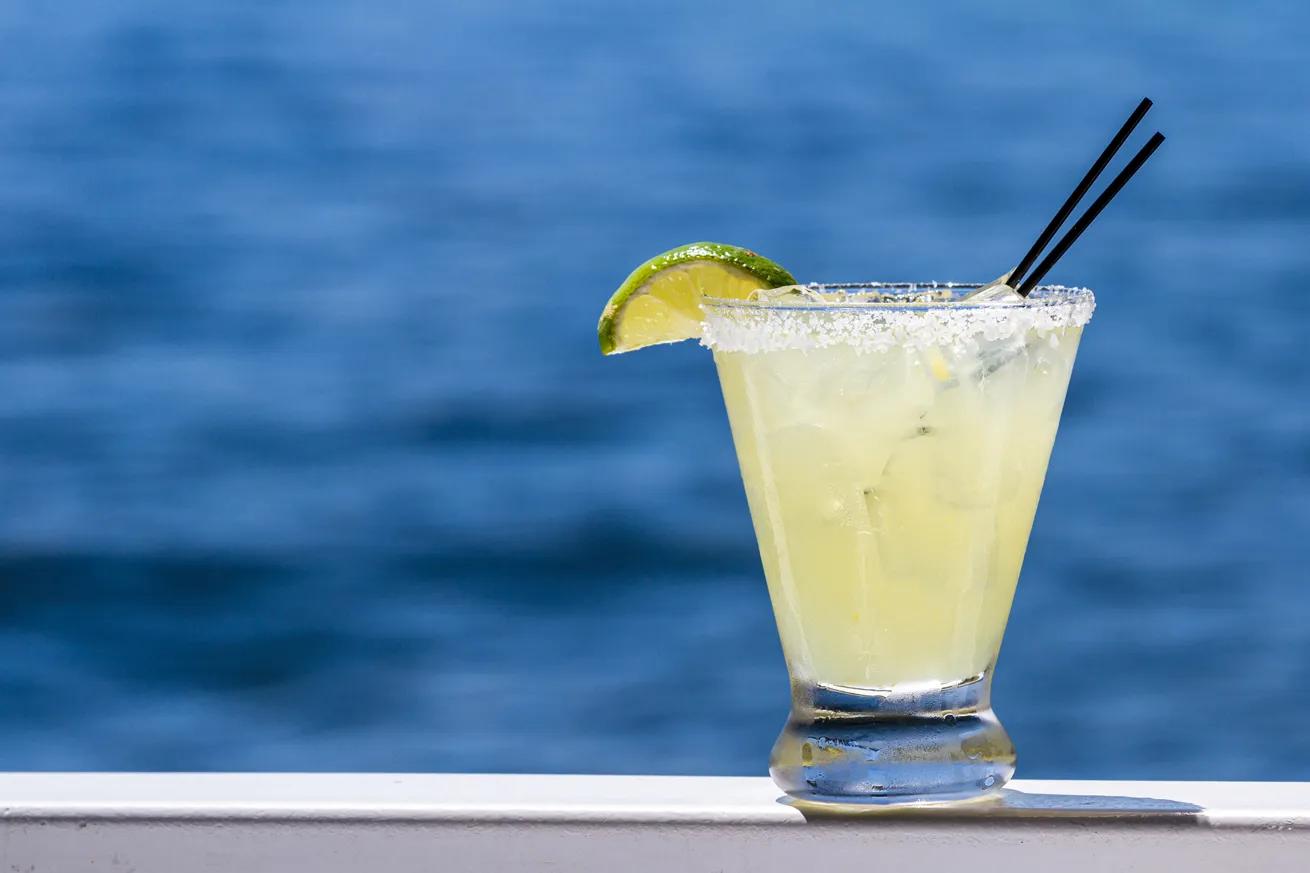
SHUTTERSTOCK/NATURE’S CHARMThe effects of alcohol, such as dehydration and electrolyte imbalance, can negatively impact your dives. Most professionals recommend a conservative waiting period of 12 to 24 hours between drinking and diving.
For many of us, a vacation is not complete without a drink in hand. And if you’re reading this article, there’s a good chance a vacation is also not complete without your mask and fins. While it may seem harmless to “sleep off” a night of drinking and gear up the next morning, diving with a hangover introduces real risks that can compromise both your safety and enjoyment underwater. Understanding how alcohol interacts with diving can help you make responsible decisions.
How Does a Hangover Affect My Diving?
A hangover is more than just a headache. It’s a constellation of physical and psychological symptoms caused by alcohol and its byproducts. According to research from the University of California, Berkeley, and the University of Arizona, the average person’s blood alcohol content increases roughly 0.02 to 0.05 percent per drink and is cleared by the liver at roughly 0.015 to 0.020 percent an hour. That means it takes an average of one to three hours to clear one drink. Keep in mind that these are very rough estimates. Multiple factors, including sex, ethnicity, weight, medications and prior drinking habits greatly impact your personal metabolism. In addition, the residual effects of alcohol continue to impact your body long after all the alcohol has been cleared.
One of the most substantial effects of alcohol is dehydration. Alcohol is a diuretic, promoting fluid loss and leading to reduced blood volume. While diving, dehydration is also a risk factor for decompression sickness and may impair the body’s ability to eliminate inert gases like nitrogen. Additionally, alcohol consumption disrupts the balance of electrolytes, which can contribute to muscle cramps or weakness.
Related Reading: Is It Safe To Use the Hot Tub After Scuba Diving?
Together, these effects can impair your swimming ability and cause you to increase your air consumption. Starting a dive in this state is far from ideal and results in a shorter dive with a narrower margin of safety.
Diving can exacerbate the nausea and dizziness associated with hangovers. Motion sickness is already common in diving, especially during long boat rides or on surface intervals. Hangovers can lower your threshold for nausea, increasing the likelihood of vomiting. While manageable, this can ruin an otherwise pleasant day for yourself, your boat crew and fellow divers.
Hangovers lead to more than just physical impairments. Even if blood-alcohol levels have returned to zero, hangovers can impair your attention, reaction time and decision-making. One way this occurs is through alcohol’s tendency to disrupt normal sleep architecture. This results in shorter and less restful sleep. When a late night of drinking is paired with early morning boat departure times, fatigue is to be expected. This can translate to slowed reaction times, impaired situational awareness and, thus, critical errors such as navigation mistakes or out-of-gas scenarios.
How Much Alcohol Is Safe?
From a practical standpoint, most training organizations and dive pros offer a conservative recommendation to avoid alcohol for at least 12 to 24 hours before diving. If you do decide to drink the night before a dive, make sure to enjoy in moderation. Drinking water or electrolyte-containing fluids alongside or after alcohol can help. If you wake up with any hangover symptoms—headache, dry mouth, fatigue or nausea—it is a strong signal that your body has not fully recovered.
Recovery will take time, and no amount of morning hydration can fully reverse the systemic effects of alcohol instantly. Popular remedies such as a cold shower, coffee or taking NSAID medications may improve your symptoms but do not address the underlying effects of drinking.
It should also be emphasized that diving under the influence of alcohol or other substances can be extremely dangerous and should always be avoided. Ultimately, the safest choice is simple: Don’t dive if you feel unwell. Missing a dive is far preferable to dealing with an emergency underwater. Diving is meant to be enjoyable, and feeling alert, hydrated and physically prepared enhances both safety and experience. That beer or margarita will still be there after your dive days are over!