

Vanessa Mignon
Vanessa Mignon
Vanessa Mignon
Vanessa Mignon
Vanessa Mignon
Vanessa Mignon
Vanessa Mignon
Vanessa Mignon
Vanessa Mignon
Vanessa Mignon
Vanessa Mignon
Vanessa Mignon
Vanessa Mignon
"I don’t understand why when we destroy something created by man we call it vandalism, but when we destroy something created by nature we call it progress." — Ed Begley, Jr.
Progress has often been used as an excuse to justify the loss of precious habitats and wildlife. But what is the limit? When is progress actually becoming and viewed as vandalism? Would we let progress degrade and destroy one of the world's most exquisite natural wonders?
Because right now, the Great Barrier Reef in Australia, the largest coral reef system on earth, is under threat of rapid and large-scale industrialisation.
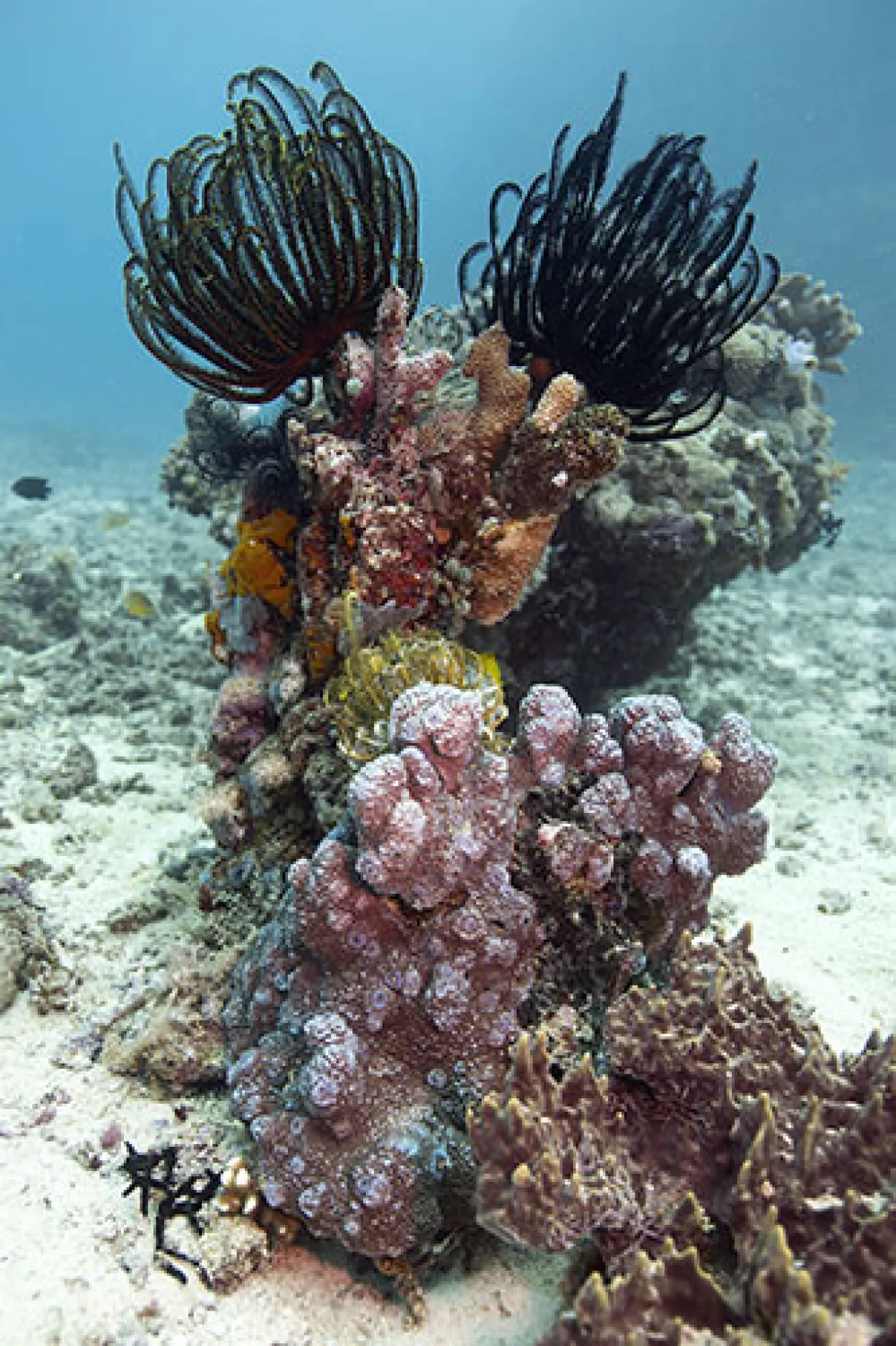
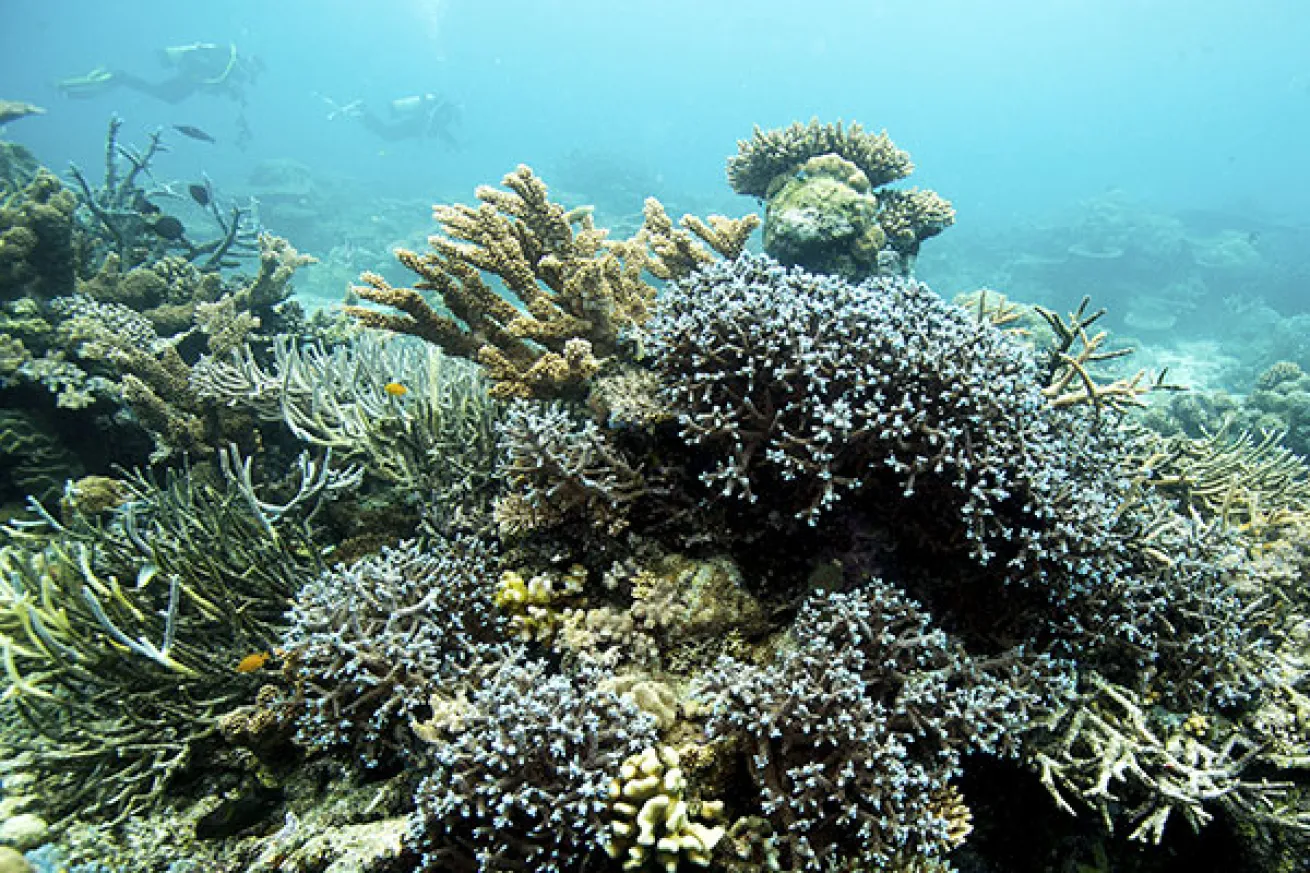
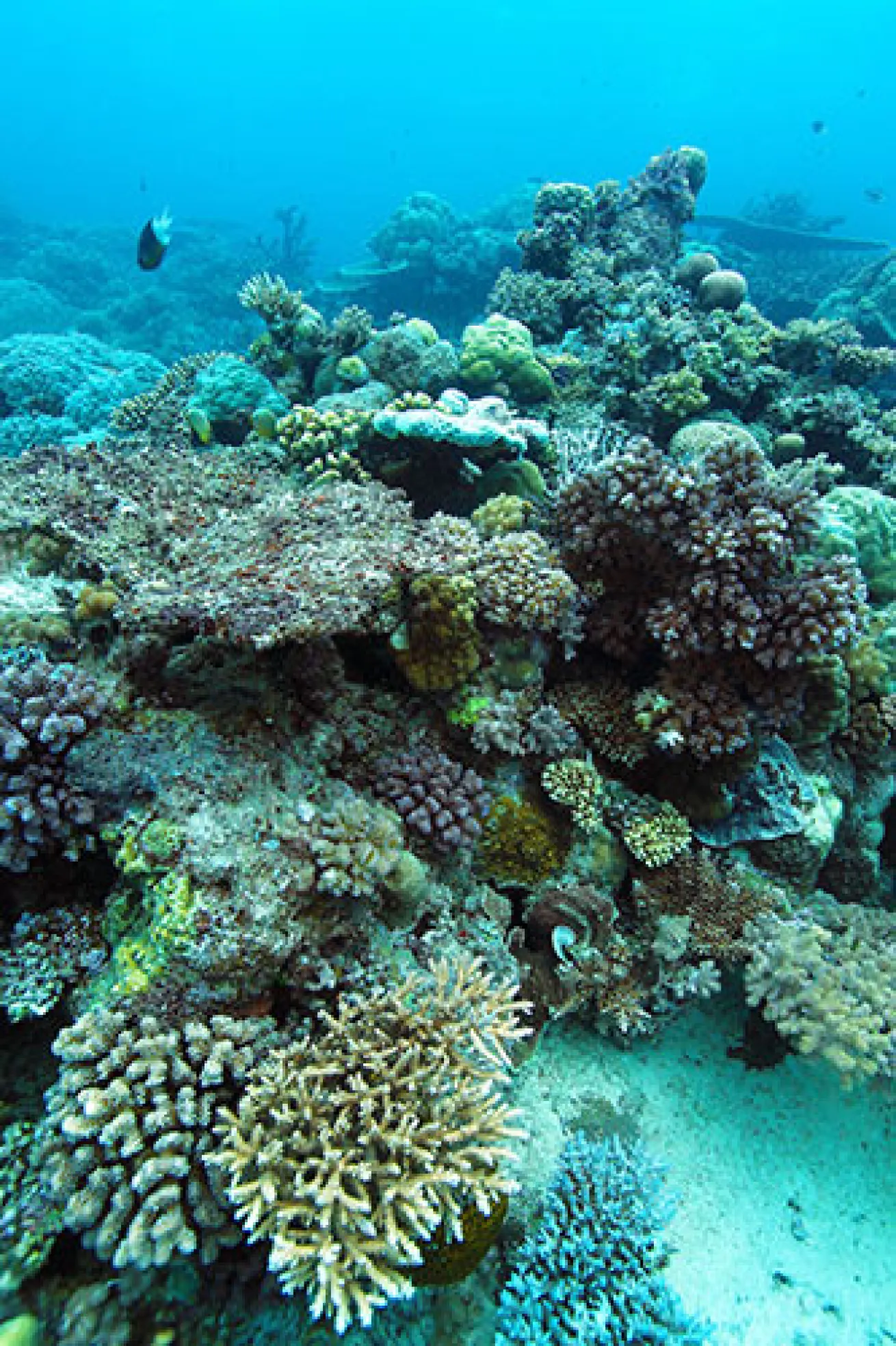
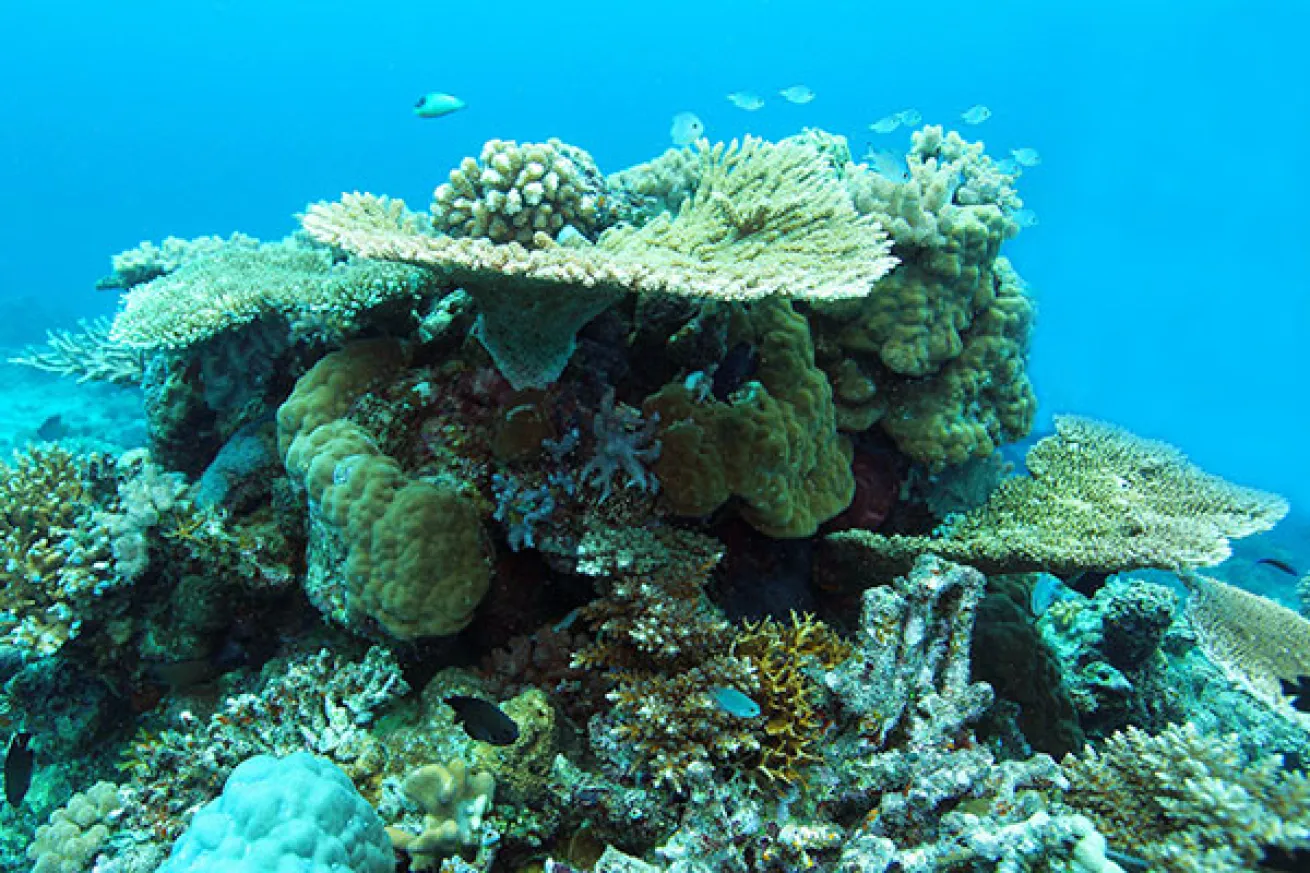
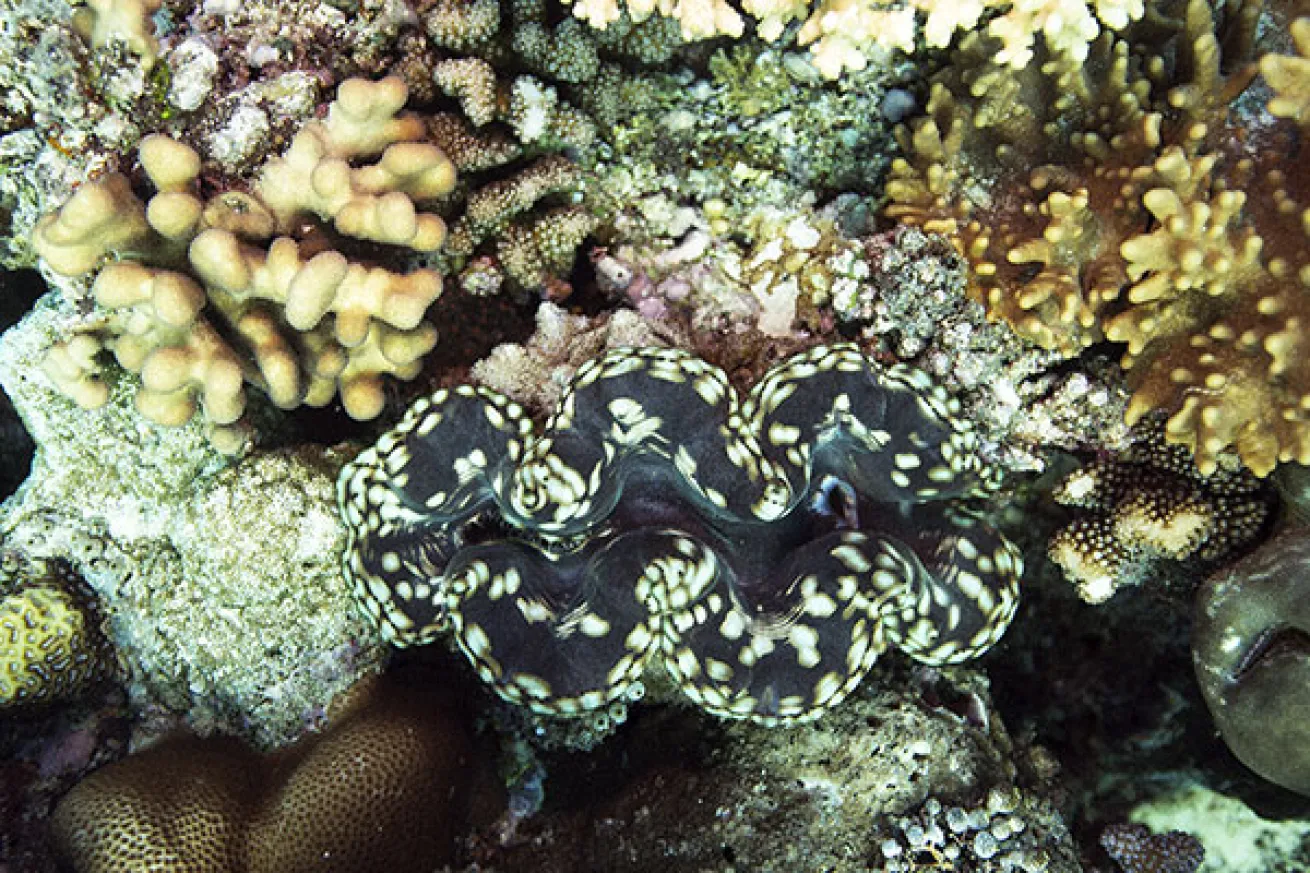
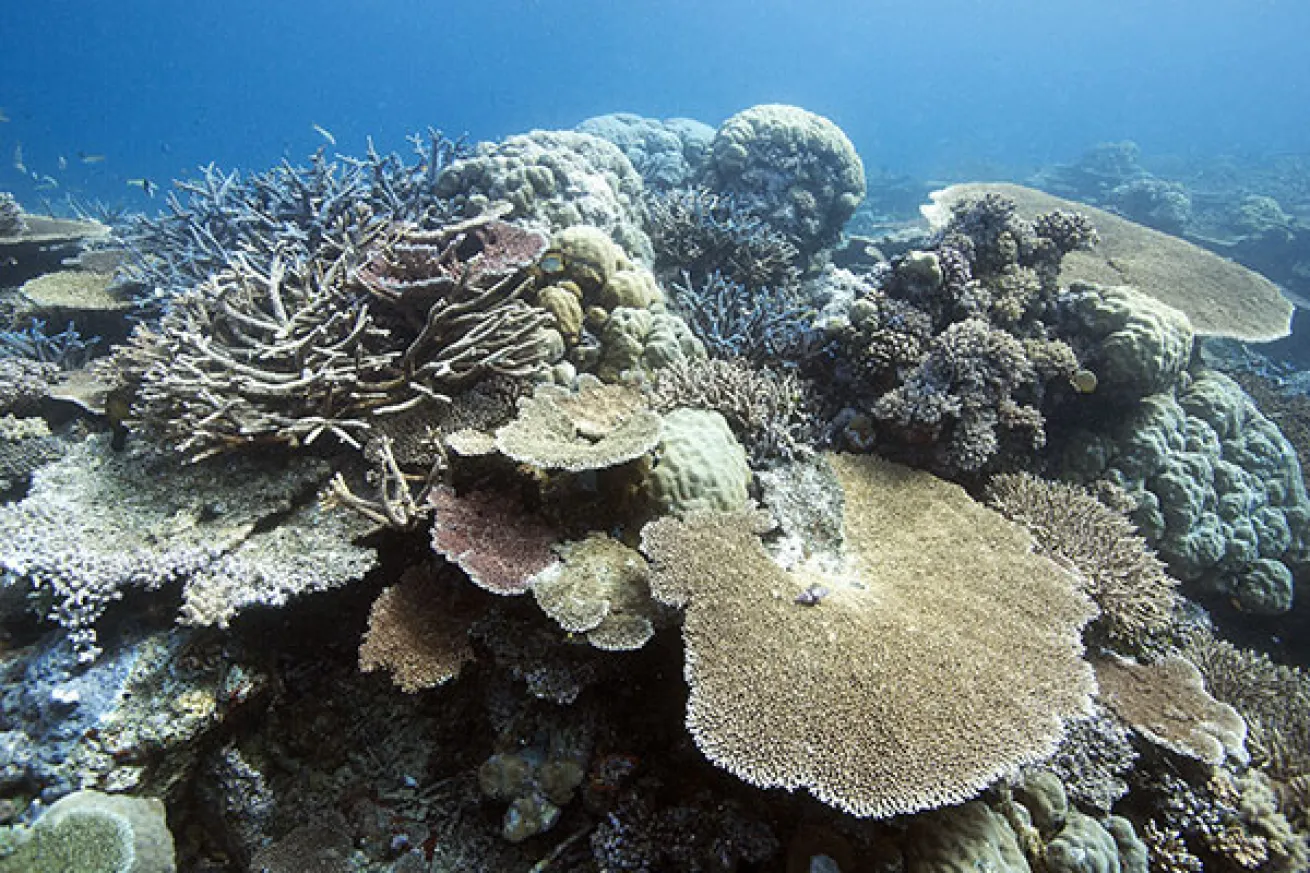
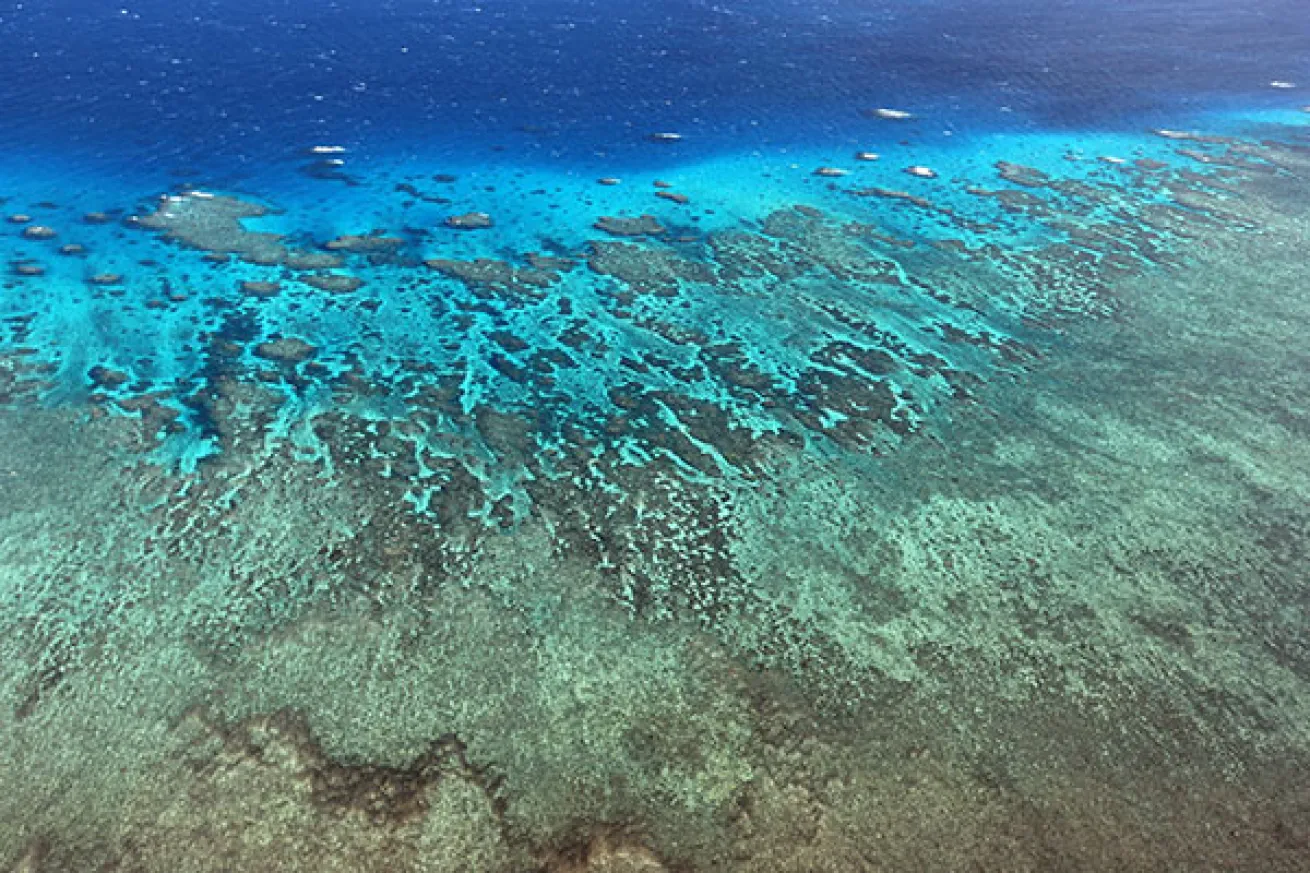
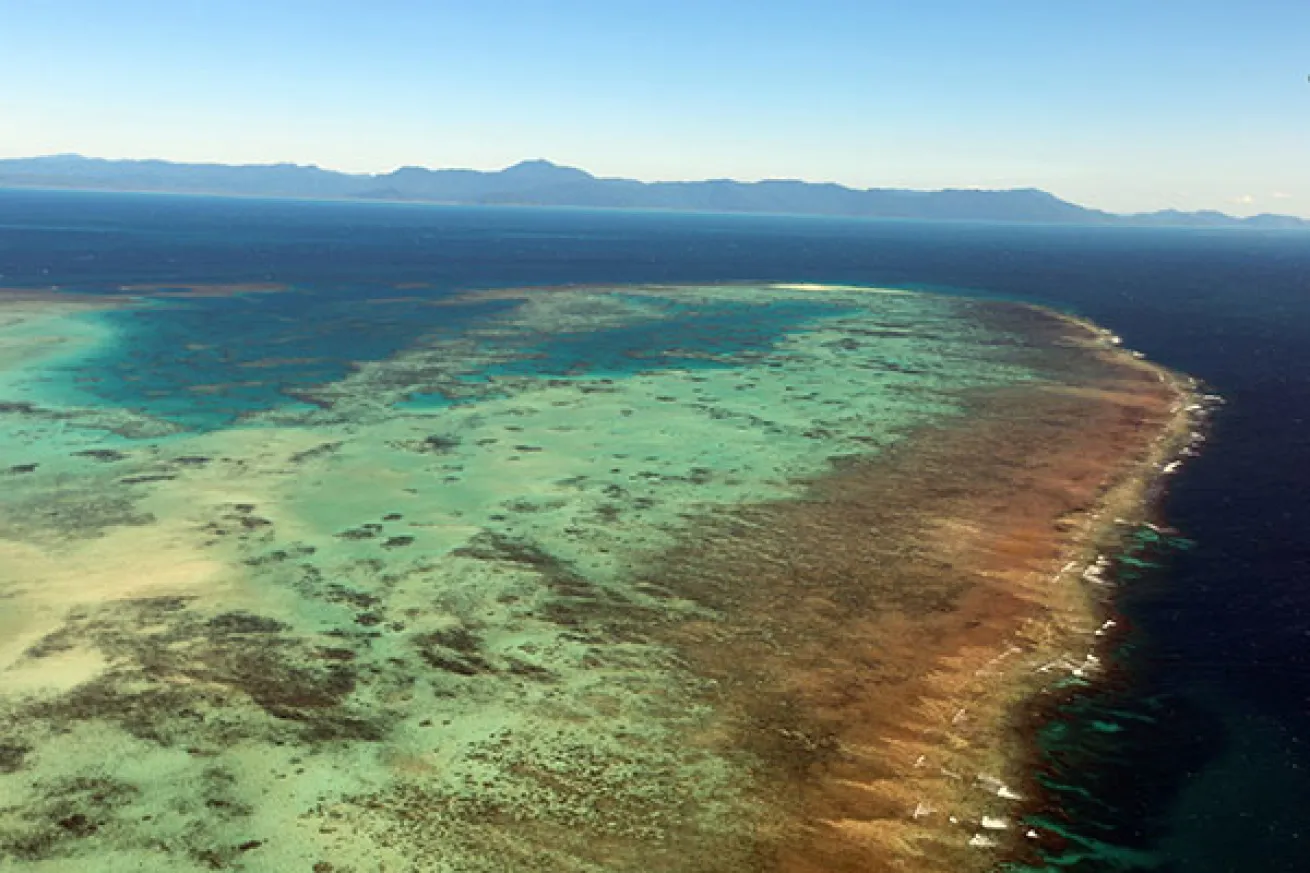
The Great Barrier Reef covers 348,000 square kilometers of the northeast coast of Australia. It is not a continuous barrier but instead a broken “maze” of about 3,000 individual reefs that together forms a complex living structure visible from space.
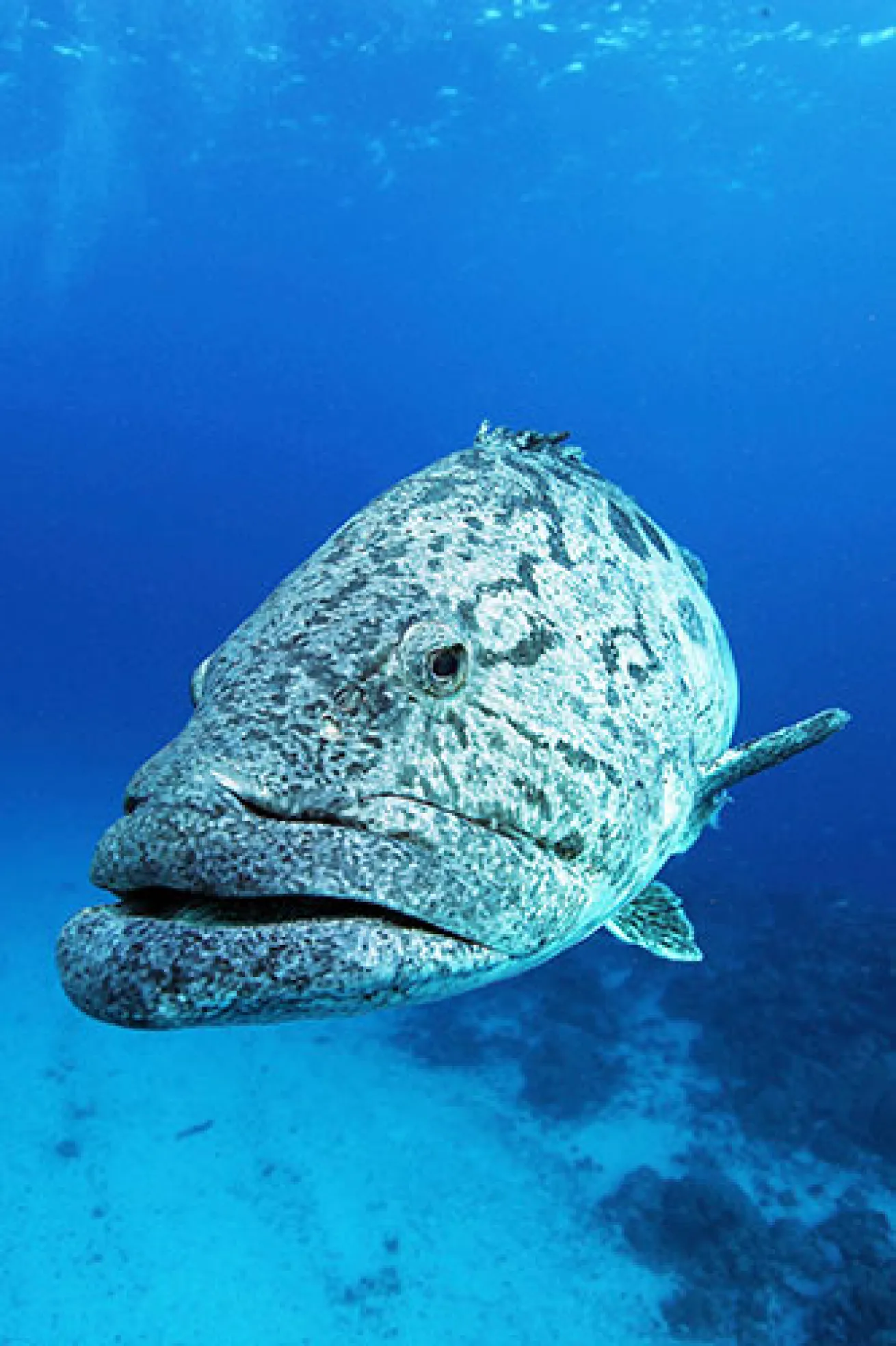
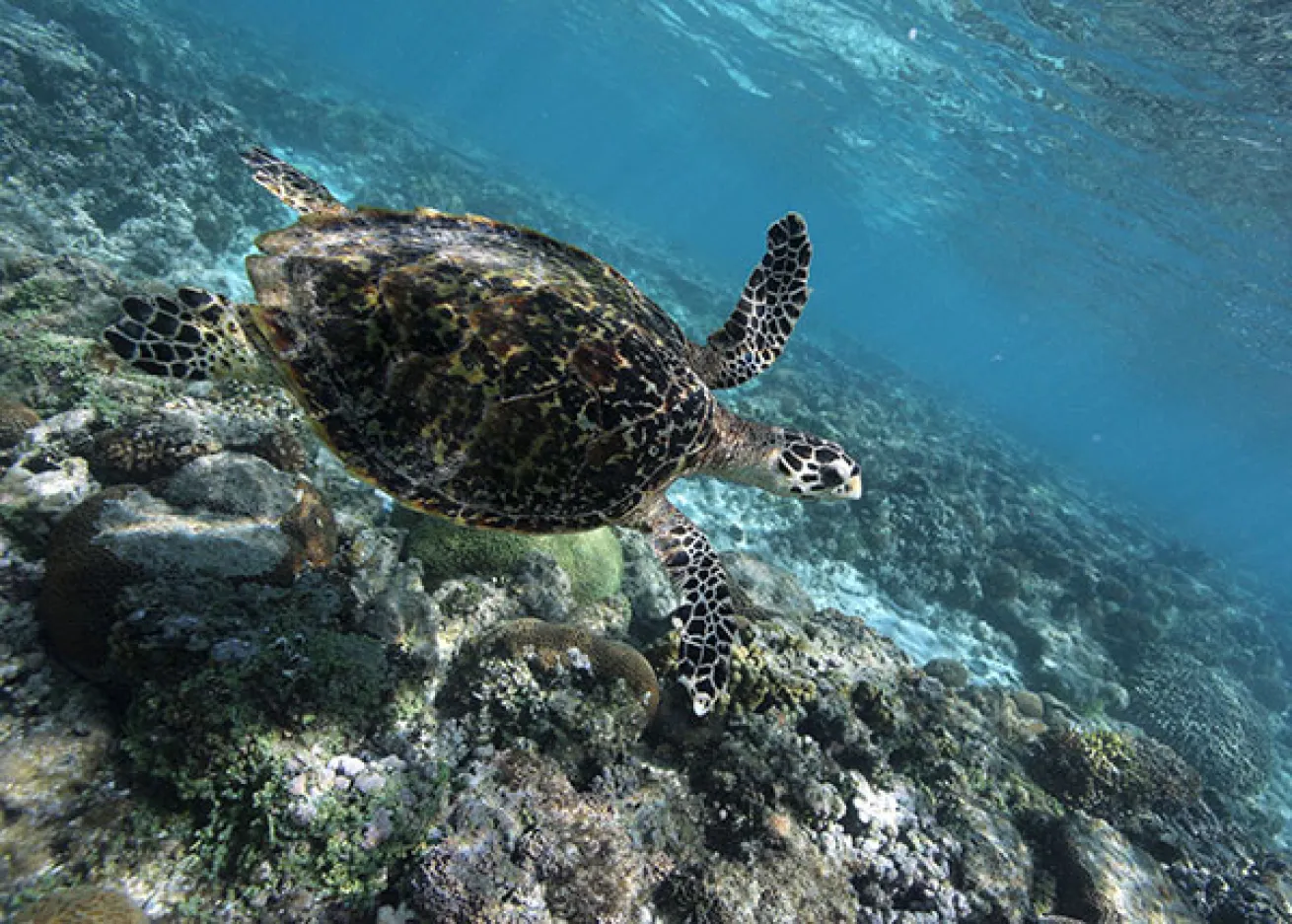
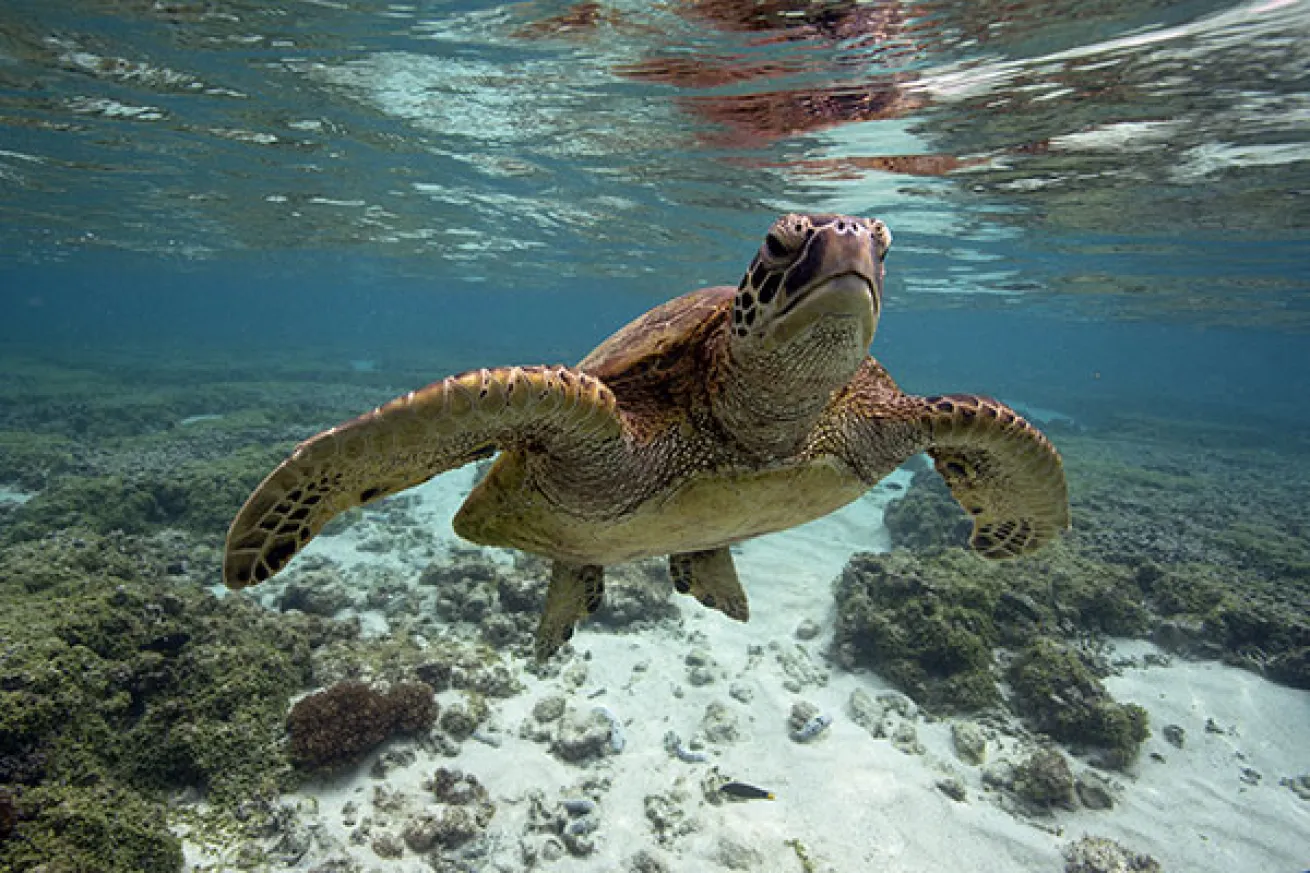
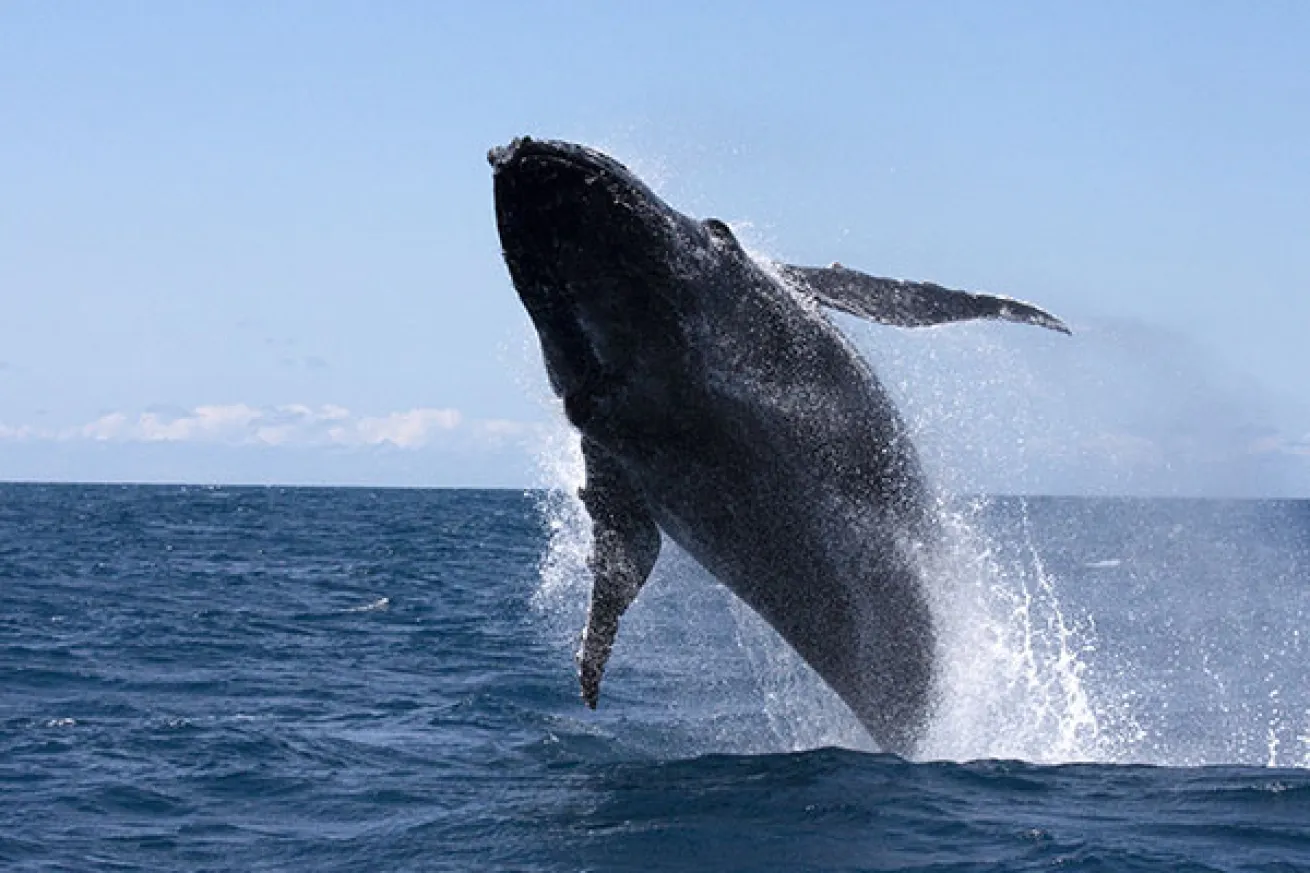
It is one of the richest and most diverse natural ecosystems on the planet and is home to about 1,500 species of fish, over 360 species of hard reef-building corals, over 4,000 species of molluscs and many vulnerable or threatened species such as whales, dugongs, manta rays and six of the world’s seven species of marine turtles. The Great Barrier Reef is actually a nesting and birthing area for several species of turtles like the green and hawksbill turtles, which are listed as endangered on the IUCN Red List. It is also a breeding ground for magestic humpback whales, which every year migrate from the Antarctic to mate, give birth and nurse their babies.
As a result of such unique diversity, the Great Barrier Reef was listed as a World Heritage Area in 1981 and is viewed as one of the 7 Natural Wonders of the World.
The Queensland and Australian governements have been working together in managing the Great Barrier Reef and protecting this international icon. However, they are currently considering proposals for rapid and unprecedented expansion of the coal and gas industries and their associated infrastructures in the Great Barrier Reef area. These will include open-cut mines, railways, mega-port developments, increased dredging, dumping of millions of tonnes of seabed in the reef’s waters, and increasing shipping traffic through the Great Barrier Reef. This could lead to the loss and degradation of coastal habitats and reefs, and directly threatens the wildlife which depends on them. It also means increased danger of shipping accidents, marine pollution, oil spills and the possible introduction of marine-pest species via ballast-water exchange and hull fouling.
It seems unimaginable that industrialisation projects that present so many risks to the Great Barrier Reef could even be contemplated. The fact that it is a precious and unique ecosystem should be enough to make us want to protect it and fight for it. But if this is not enough motivation, surely we can not ignore that this natural wonder supports a $6 billion tourism industry and over 60,000 jobs.
In addition to concerns associated with industrialisation, the reef is facing other threats, especially due to climate change. Corals are very sensitive to changes in water quality and sea temperatures. Rising ocean temperatures increase the frequency of coral bleaching, which happens when stressed corals eject their oxygen producing zooxanthellae algae in an attempt to save energy. In addition, rising carbon dioxide levels also make the seawater more acidic, which inhibits the formation of calcium carbonate skeletons (including shells, corals, crabs, sea urchins, etc). It is also likely that climate change will increase the severity of cyclones, which will add additional pressures on the reef wildlife and habitats.
In view of those existing challenges, negative human impact should be kept to a minimum if we are to ensure the survival of this World Heritage listed icon. In 2012, the United Nations visited the Great Barrier Reef, expressed their concerns about the threat of industrialisation on the reef, and warned that the Great Barrier Reef could be listed by the World Heritage Committee as “World Heritage in Danger” by 2015 if no action is taken to rectify the situation. When the World Heritage Committee met in June this year, they moved this decision forward a year and will now consider listing the Great Barrier Reef as “in danger” by 2014. The Committee highlighted the need to protect the reef further and better and recommended that:
• No new developments that impact the reef be approved
• No developments outside existing port areas be approved
• Environmental laws protecting the reef be strengthened
If the State and Federal governments fail to comply with those recommendations by mid-2014, when the committee is scheduled to meet, the Great Barrier Reef could be listed as "in danger".
I feel that some further industrialisation of the reef is inevitable sooner or later. I hope however that proper risks assessments will be conducted and that sustainable plans and conservation programs will be put in place for any industrialisation project. I hope that the precious Great Barrier Reef would not be compromised for the sake of development and money. It is our responsibility to ensure that our concerns are raised and heard and that the Great Barrier Reef is protected. Right now, Environment Minister Mark Butler is reviewing a proposal to allow three million tonnes of seabed to be dredged and dumped in the reef's waters, and is to make his decision by 9 August. Please get involved in saving the reef, have your say and spread the word!
To find out more about the Great Barrier Reef campaign and contribute to the appeal, please visit the Australian Marine Conservation Society and Fight For the Reef.
_Based in Sydney, Australia, Vanessa Mignon is a full-time business analyst who travels to remote locations and photograph amazing wildlife encounters, including mantas feeding feeding in the Maldives, whale sharks feeding in West Papua and humpback whales courting in the Kingdom of Tonga. To see more of her work, visit Vanessa Mignon Photography. _


