

Summer vacation isn’t just for the schoolkids. June is one of the best months for scuba diving worldwide, with favorable topside weather, calmer seas and many animals traveling along their annual migration routes.
Browse our list of the five best June scuba diving destinations, and start dreaming up your midyear getaway.
Looking for other months? See our full 2026 Scuba Travel Calendar.
North Carolina: Graveyard of the Atlantic
Dive Highlights: Boat Dives, Cold Water, Wrecks, Big Animals, Photo Opps

Brandi MuellerSand tiger sharks patrol shipwrecks down the Eastern Seaboard.
One of the Atlantic’s most thrilling dive experiences lies just off Morehead City on North Carolina’s Crystal Coast. Named for the hundreds of ships claimed by stormy seas, the Graveyard of the Atlantic is home to an underwater spectacle unlike any other.
Here, sand tiger sharks regularly steal the show, distracting from even the most historic wrecks. With rows of jagged, protruding teeth and a perpetual gape to show them off, they look like something out of a nightmare. But don’t let appearances fool you. These docile creatures are among the most placid shark species divers encounter. They’re slow moving, nonaggressive, and remarkably tolerant of divers.
More often than not you’ll find them patrolling in loose aggregations around North Carolina’s shipwrecks, each swirling in the midst of a cloud of baitfish. This isn’t a coincidence either; the baitfish use the sharks for protection. In turn the sharks use the smaller fish to attract larger fish.
Iconic dives here include the Caribsea, the SS Papoose, and the German U-boat U-352, one of only a handful of divable submarines on the East Coast. Each wreck teems with life, from spadefish to amberjack to the resident sand tigers. June is peak season as water temperatures climb into the mid-70s, visibility stretches to 60 feet or more, and sand tiger numbers swell as they return for summer hunting grounds. —Candice Landau
Operators: Olympus Dive Center
Related Reading: Diving with—and Saving—North Carolina's Sand Tiger Sharks
Sea of Cortez, Mexico: Fish Out of Water
Dive Highlights: Boat Dives, Big Animals, Aggregations, Photo Opps

Tobias FriedrichMobula rays fever by the hundreds—or sometimes thousands—in the Sea of Cortez from April to June each year.
Before you see a school of mobula rays underwater, you’ll see them in the air. These high-flying fish are known to leap from the water and perform captivating aerial acrobatics.
Below the surface, they put on an equally entrancing show, flapping their wing-like pectoral fins and gliding through the water in synchronized fevers.
Tens of thousands of mobulas pass along Mexico’s Baja Peninsula to feed, mate and give birth from April to June. It’s the largest ray migration on Earth—and you can see thousands of individuals on a single swim. (Note: As all action happens near the surface, the encounters are snorkel-based.)
In May, you’ll often see mobulas in the nutrient-rich waters between La Paz and Cabo San Lucas. While it’s possible to view them via dayboat, many visitors opt to book a liveaboard so they can stay in the heart of the action for a whole week. —Melissa Smith
Operators: Cabo Private Guide; Dive Ninja Expeditions; The Dive Gurus
Related Reading: Why La Paz Should Be Your Next Dive Trip
Australia: Dwarf Minke Whales on the Great Barrier Reef
Dive Highlights: Boat Dives and Liveaboard Options, Big Animals, Photo Opps

Brandon ColeA dwarf minke whale swims near the Great Barrier Reef. This sleek baleen whale is often seen by scuba divers and snorkelers during the Austral winter months.
“Tiny whale” might sound like an oxymoron, but in the whale world, that's exactly what dwarf minkes are. Under 30 feet in length, they’re the smallest of the baleen whales, and they return to Australia predictably each year.
When migrating through the Great Barrier Reef to mate and breed in June and July, these curious whales hang out at the remote Ribbon Reefs, a string of 10 separate reef segments off Cairns’ coast. Divable from a liveaboard, these lively reefs are famous for dramatic bommies, drift dives, endless schools of fish and, of course, extroverted dwarf minkes that seek out close encounters.
Known for their unusual fascination with boats, they will often approach snorkelers and watercraft for inspection. If you listen closely, you might just hear their alien-like calls, which are reminiscent of Star Wars blasters. —Ariella Simke
Operators: Spirit of Freedom; PADI Travel
Related Reading: What It’s Like to Dive with Minke Whales on the Great Barrier Reef
Cocos Island, Costa Rica: School’s in Session
Dive Highlights: Liveaboard Diving, Advanced Diving, Aggregations, Big Animals
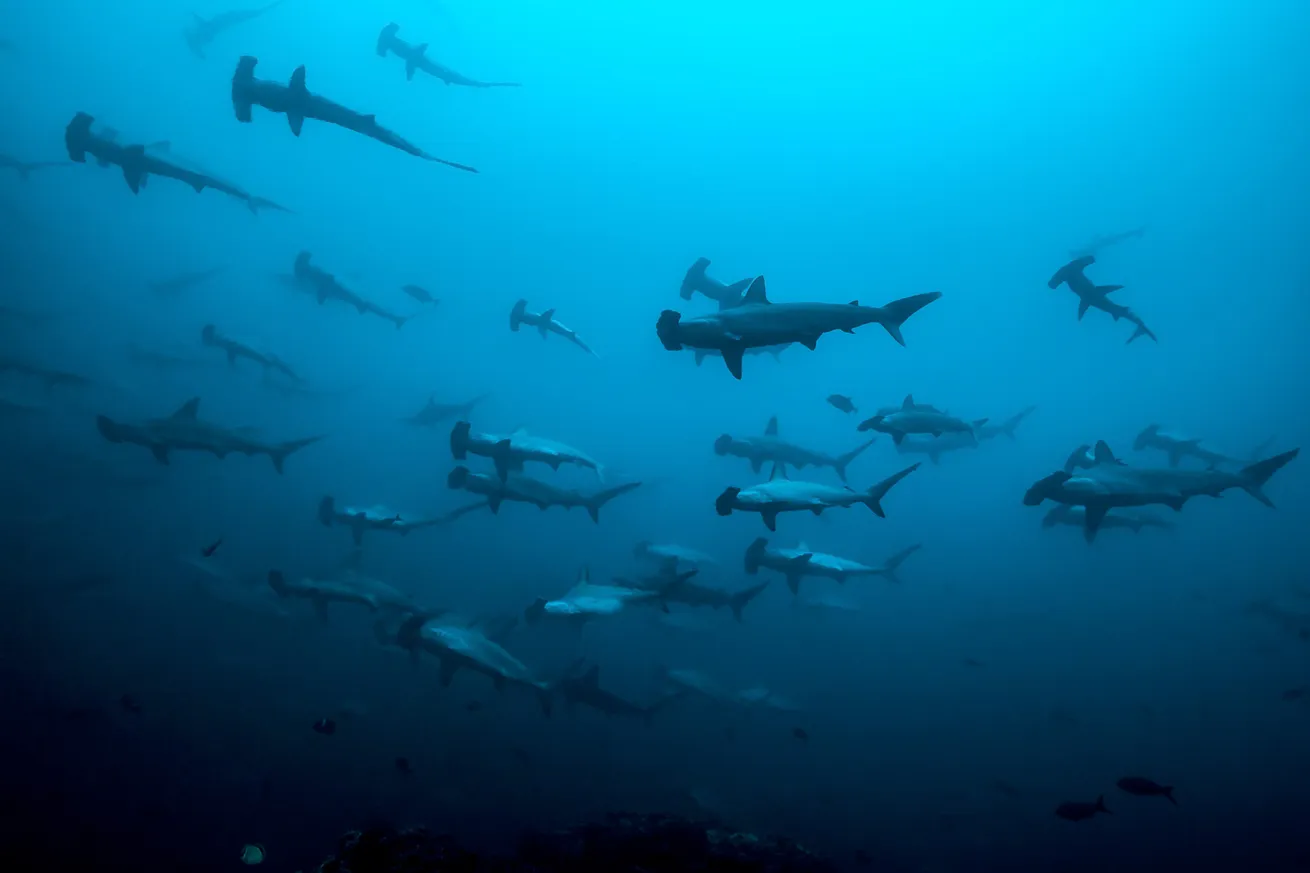
Tobias FriedrichA school of scalloped hammerhead sharks swims through the blue water of Cocos Island.
There’s a reason schooling hammerheads are on nearly every diver’s bucket list. To behold 50 to 100, possibly even hundreds, of scalloped hammerheads in one location elicits powerful emotion, from tears of joy to mouths gaping in awe.
This outpost island, 340 miles, or approximately 36 hours, from shore, is a hotspot for the species. June is the start of the high season, due to the three currents that pick up and start ripping. These swiftly moving waters can make for a fun challenge, as the goal isn’t to enjoy a roller-coaster drift but to stay in one fixed spot on the reef as the show glides by.
In recent years, tiger sharks have been in the mix, adding an extra thrill. —Brooke Morton
Operators: Aggressor Liveaboards; Undersea Hunter
Related Reading: Restoring Order to the Shark Populations of Cocos Island
Bonaire: Family Friendly Diving
Dive Highlights: Shore Diving, Photo Opps
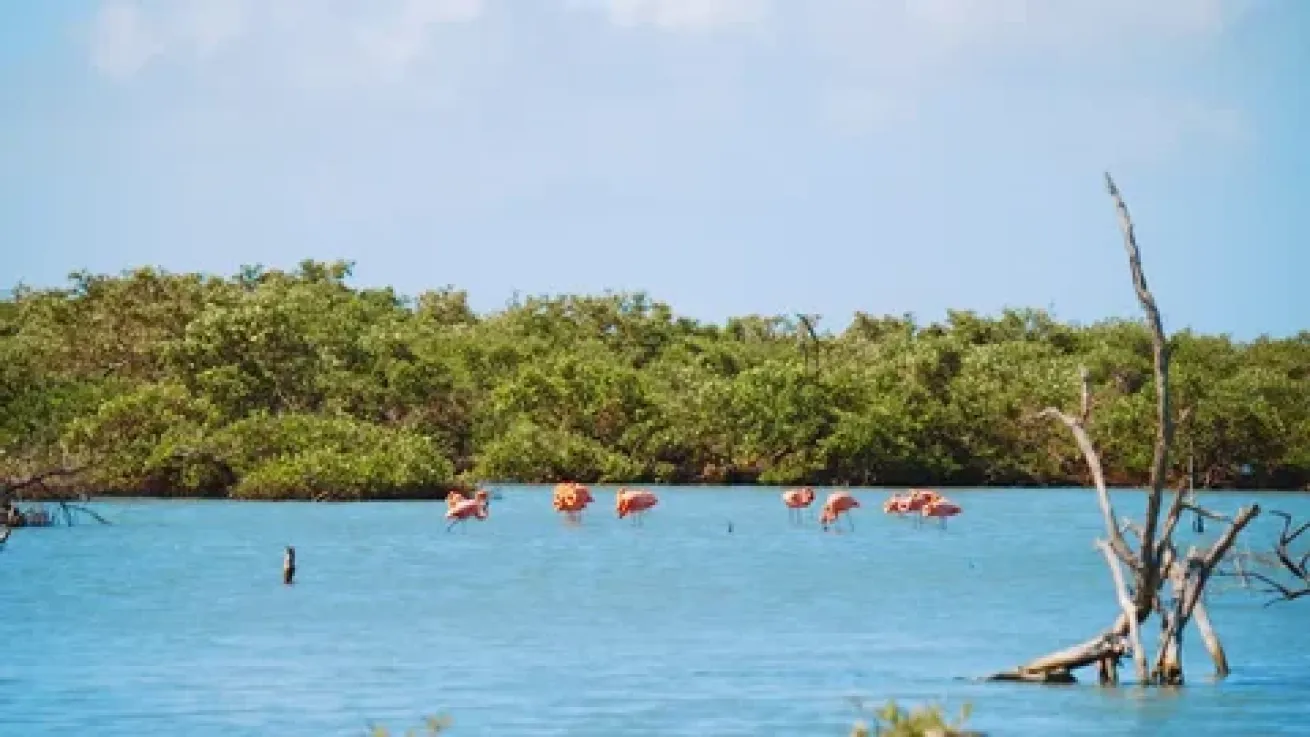
StephanKogelman/ShutterstockJune is peak flamingo breeding season on Bonaire.
If you’re looking for somewhere laid back to take the family over summer break, Bonaire may be just the ticket. The Caribbean desert island boasts over 80 shore diving sites, so there’s plenty to choose from to suit divers of all skill levels.
Renting a truck to traverse the island, you can move at your own pace, pick sites you and your kids are comfortable with, and pack all the extras (snacks and water, a change of dry clothes, a favorite playlist, etc.) to ensure stress-free days of diving.
The vacation doesn’t have to be all diving, all the time. Bonaire is full of topside entertainment. Grab ice cream and walk around downtown Kralendijk, feed donkeys at Donkey Sanctuary Bonaire, spend a day exploring the island’s salt flats, kayak through a maze of mangroves, or simply chill by the pool of a resort. June is also peak flamingo breeding season on Bonaire, so you’ll have a good chance to spot some of these unique birds. —Melissa Smith
Operators: Buddy Dive Resort; Dive Friends; Delfins Beach Resort; Plaza Resort/Toucan Diving
Related Reading: How to Take Your Bonaire Dive Trip to the Next Level
Where to Dive Next Month
North Carolina, the Sea of Cortez, the Great Barrier Reef, Cocos Island and Bonaire are five of the best scuba diving destinations for June trips. If you’re traveling during another month, find additional recommendations here:


