

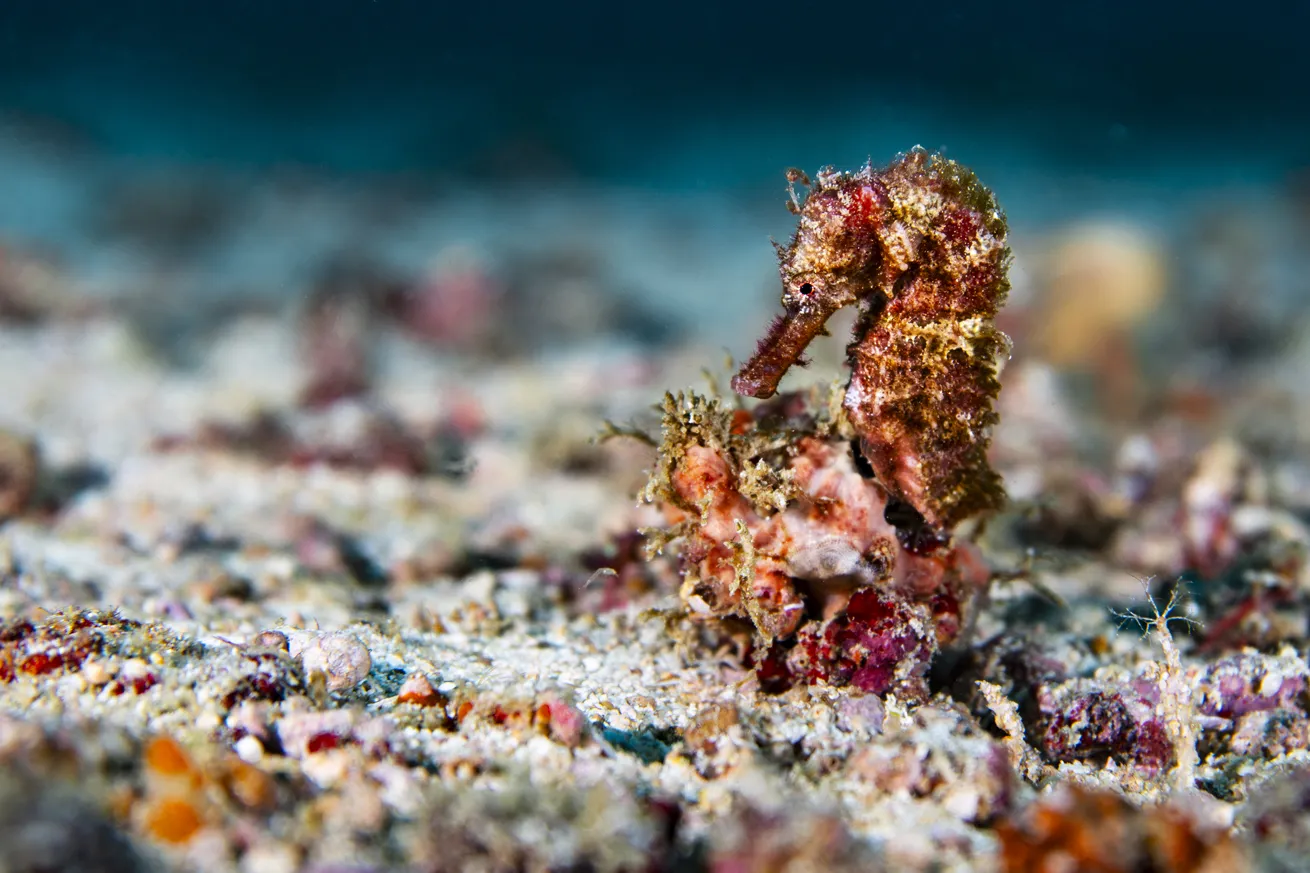
Francesca PageA seahorse in the rubble at a dive site in Dauin, a region renowned for its muck diving.
Salty-haired, eyes wide, cheeks aching from an uncontrollable smile, I blurt out, “That was one of the best dives of my life!” I turn to my partner and squeeze his arm. “I’m so happy.”
The Zodiac glides back toward the boat. Reflections of the night sky dance across the dark, glassy water. Below, the glow of divers’ lights flickers as they complete their safety stops.
It’s moments like this that remind me exactly why I fell in love with diving.
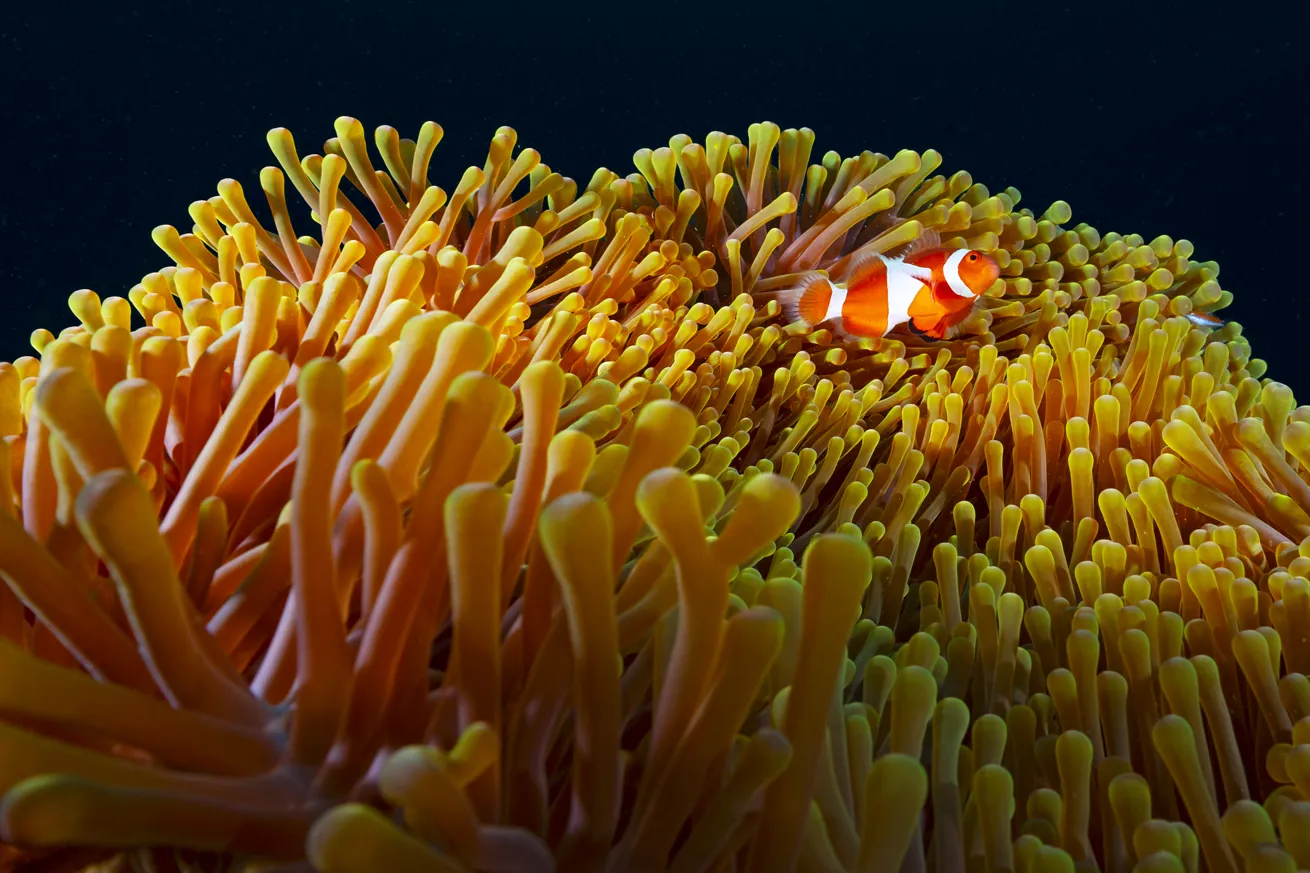
Francesca Page
There’s one thing you should know before diving the Visayas, an island group in the central Philippines: It will raise your diving standards, permanently. Yes, it really is that good. Pair it with a well-outfitted liveaboard like Philippines Aggressor II, and the experience is hard to beat.
Set within the Coral Triangle in the Western Pacific, the Visayas lie at the heart of one of the most biodiverse marine ecosystems on Earth, offering some of the Philippines’ best diving. Conditions are excellent year-round, with peak diving in dry season from November through May.
Related Reading: Exploring Moalboal's Underwater Landscape
If you’re diving the Philippines, a liveaboard isn’t just a luxury, it’s the way to do it. The distances between sites are vast, and what would take weeks to piece together from land, Aggressor covers effortlessly, often while you sleep. Each dive flows seamlessly into the next destination, turning the entire trip into one continuous adventure.
Aggressor offers generous space on board to relax, comfy cabins with plush beds, and a crew that anticipates your every need. It’s diving at its most effortless and rewarding.
On a 10-day itinerary, the journey feels like a list of the marine world’s greatest hits. Expect everything from thresher sharks and vibrant coral reefs to exceptional macro life, whale shark encounters and vast schools of fish. The route is carefully adapted to the season, making the most of weather, sea conditions and visibility, so every dive feels like it’s exactly where you’re meant to be.
Related Reading: Close Encounter With a Whale Shark

Francesca PageA thresher shark glides gracefully through the dark blue.
Dancing With Sharks
Elusive and extraordinary, threshers are the reason I first fell in love with sharks.
When I was 17, I completed a PADI specialty course about shark conservation and awareness on Malapascua, a Philippine island best known for thresher shark encounters. True to the course’s promise, I came face-to-face with thresher sharks, and in that moment, fear transformed into love. Returning years later felt like coming full circle.
We are at the dive site Kimud Shoal, just off Malapascua, widely regarded as one of the best places in the world not only to see thresher sharks but to experience truly unforgettable encounters with them. This submerged pinnacle, crowned with swaying pink soft corals, serves as a vital cleaning station. Here, these evolutionary marvels glide in at surprisingly shallow depths, sometimes as little as 30 feet.
A thresher shark soars into view, gliding straight toward the cleaning station. It begins to circle me and my partner, each pass a little closer. Its big, intelligent eyes are locked onto us. There’s an energy to this shark, a presence you can feel. It comes so close I can almost reach out and touch it. One sweep of its pectoral fin passes within inches of my camera’s glass dome.
This is what makes encounters like this so special—it’s on their terms. The shark chooses to stay out of curiosity. My heart is racing as five minutes turns to 10, climbing rapidly into one of the best shark encounters of my life.
And then, suddenly, it’s over. A cleaner fish nips too hard. In an instant, the shark snaps sideways, its long tail, capable of striking prey with incredible speed and raw power, cracking through the water with a sharp, explosive whoosh! And just like that, it disappears into the blue. It’s a moment I’ll carry with me for years to come.
We dive the site three times in total, and each dive leaves me speechless.
Seeing three to four thresher sharks per dive is something truly special and a testament to just how unique this place is.
Related Reading: Saving the Sharks With Art
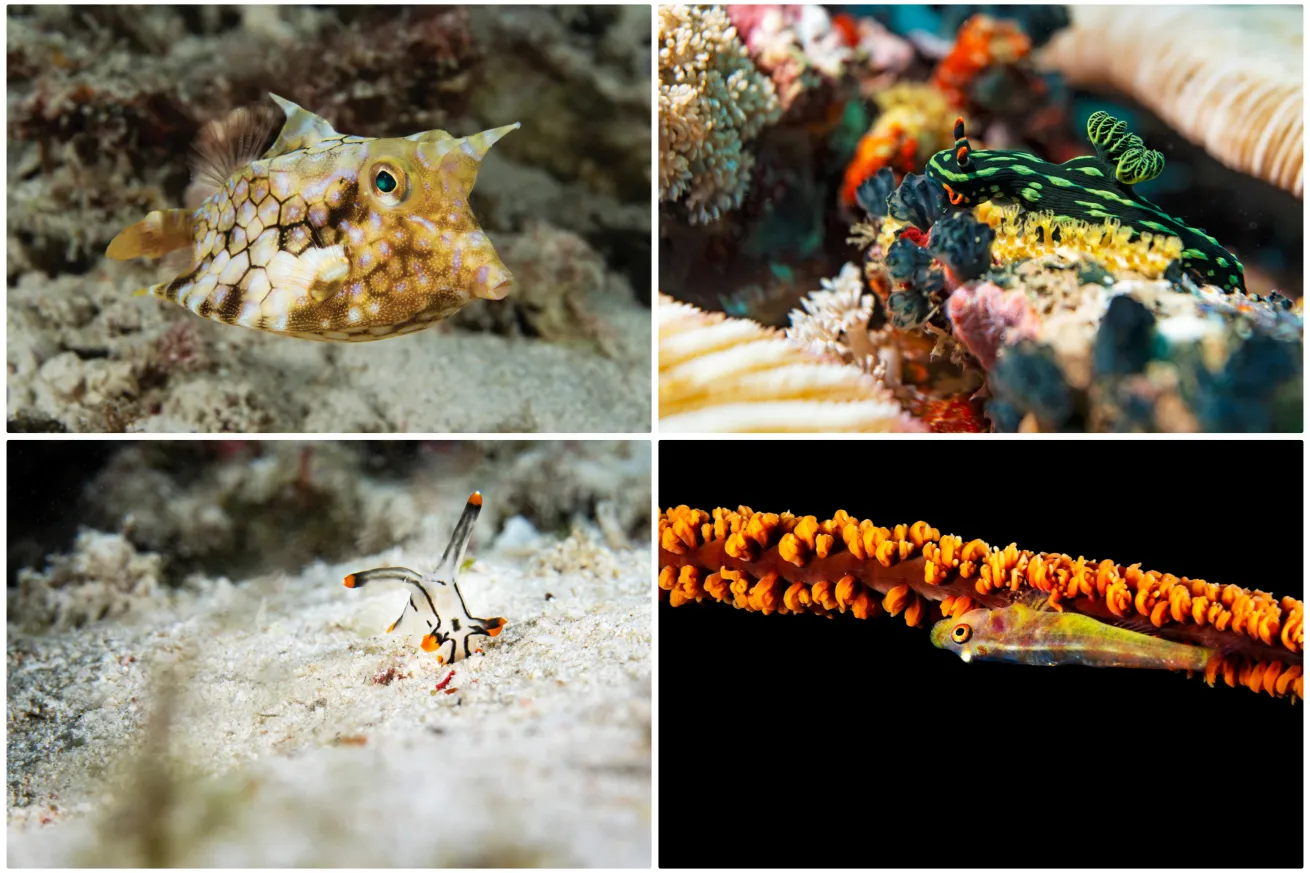
Francesca PageClockwise From Top Left: A thornback cowfish; a Nembrotha kubaryana sea slug; a whip coral goby hangs on to a branch; a Thecacera picta sea slug.
Macro Paradise
We motor south to Dauin, a muck-diving haven, to appreciate the little things. Plunging into the darkness, bubbles swirl around me as I adjust my dive light and let my eyes settle into the ocean’s night. Beams from my group’s lights cut through the water column, illuminating the volcanic black sand and the quiet anticipation of what this dive might bring.
As a newbie to macro muck diving, my mind is like a sponge as I learn the slow, patient pace and perfect buoyancy that skilled macro divers have mastered. Our guide, Jefry, with eyes like a hawk, can spot a bobtail squid buried in the black sand from what feels like a mile away. He is a macro wizard, and I am grateful to be paired with him as he finds one bucket-list critter after another.
Suddenly, excited squeals echo through the water, tanks bang and a dramatic flicker of his light signals us over. He’s found something special. I swim closer and see my first flamboyant cuttlefish, moving gracefully across the sand as it goes about its evening. It’s the cutest cuttlefish my eyes have ever seen. It slowly plods along the sand, hunting, on two arms, stunning oranges and purples pulsing down its back.
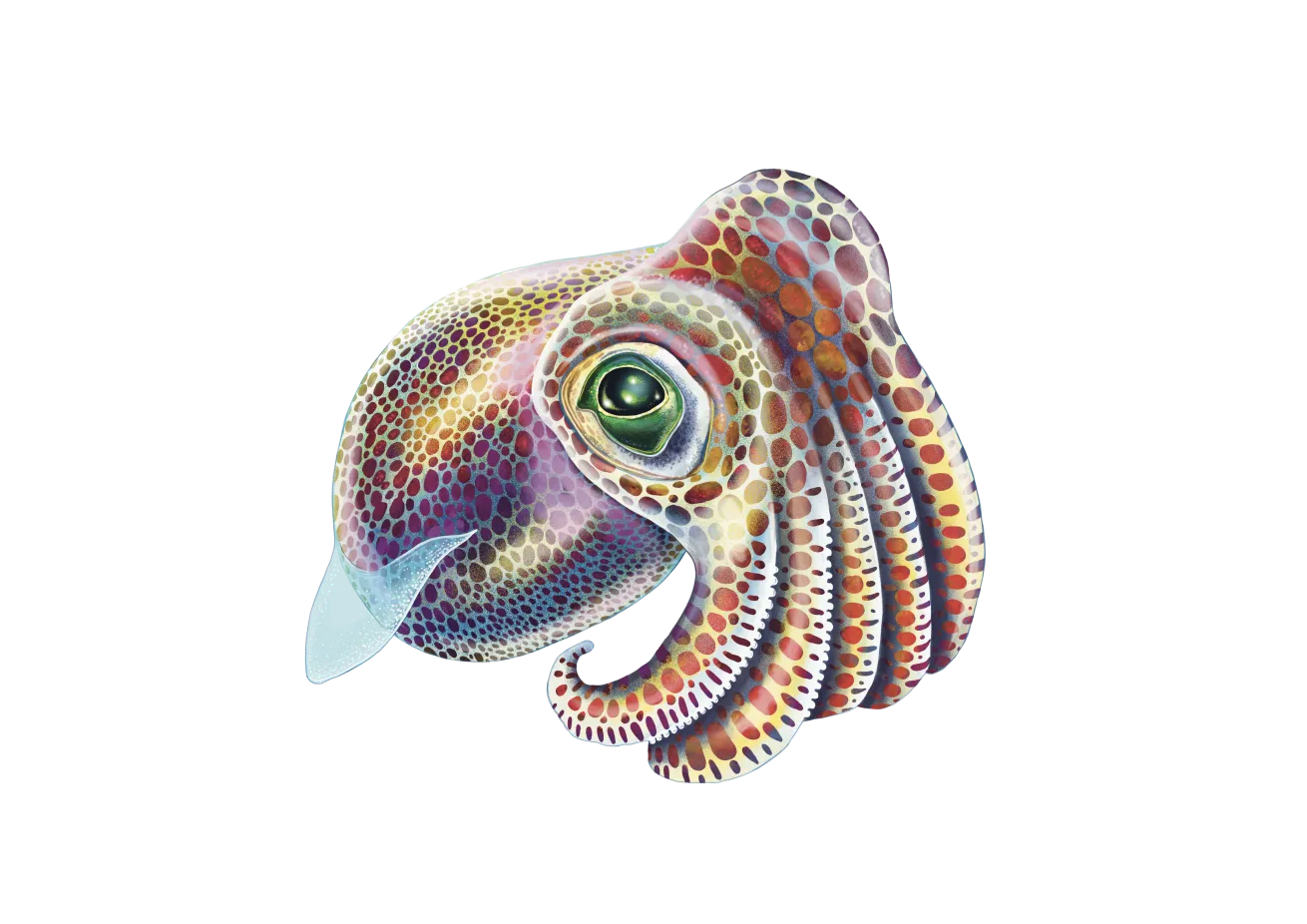
Francesca PageBerry’s bobtail squid
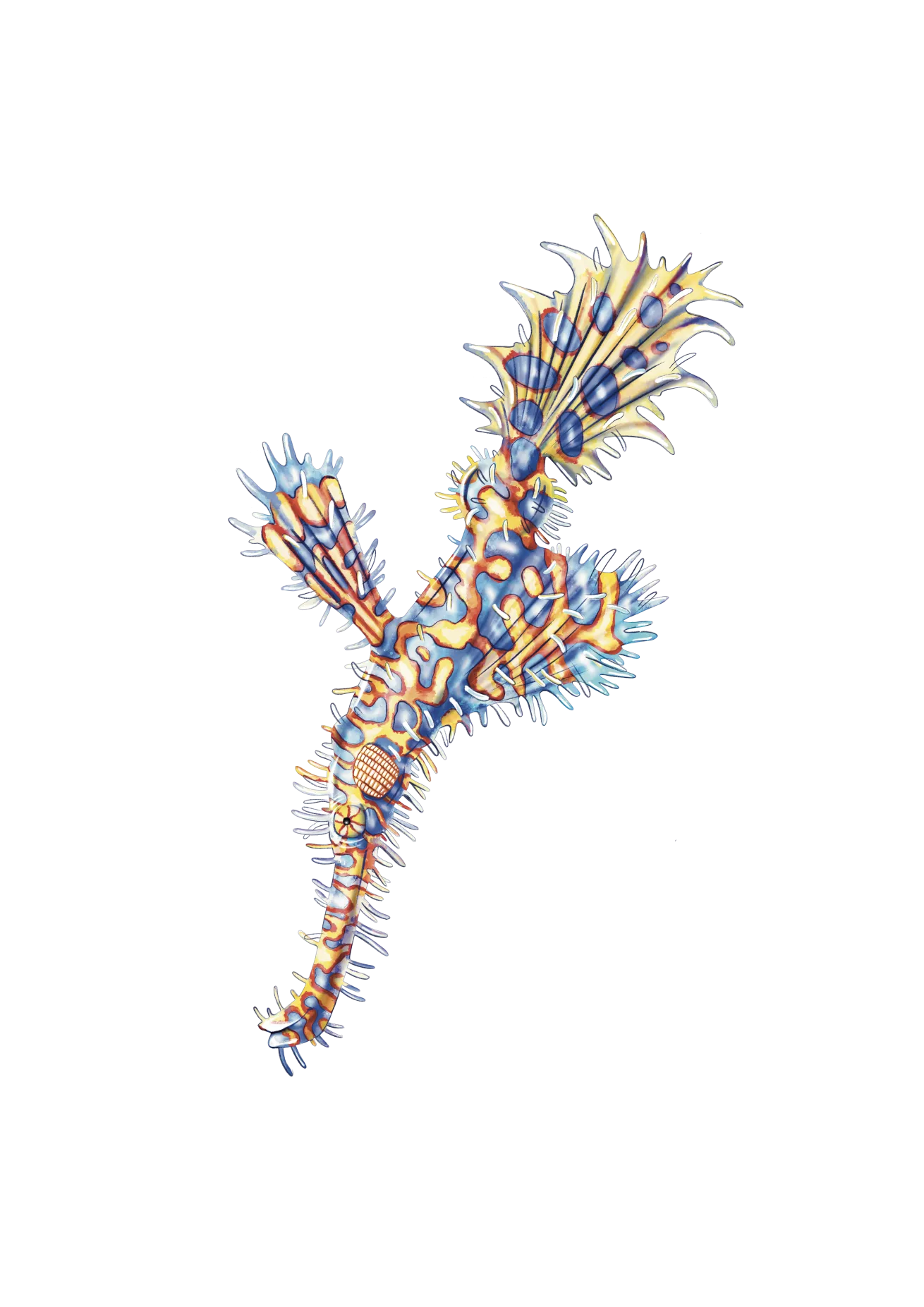
Francesca PageOrnate ghost pipefish
I glance down at my dive computer: We’re two minutes into the dive. Two minutes! Suddenly, another flash of light catches my attention. This time, four divers are signaling me at once, each with an incredible critter to show. I am spoiled for choice. Who do I swim to first?
The sheer abundance of marine life in Dauin blows past every expectation. Every moment underwater delivers something new. Seahorses use our dive lights to hunt, bobtail squid dot the black sand and ornate ghost pipefish hover head-down, perfectly camouflaged.
Back on board, the experience shifts to luxury. Evenings on Aggressor feel like a reward in themselves. Dinner is beautifully presented, each dish carefully plated, with a level of detail that feels closer to fine dining than life at sea. It’s the perfect setting to unwind, compare dive logs and relive the day’s discoveries.
Around the table, the room hums with energy. Stories overlap, species lists grow and the collective tally of marine life is staggering. Dan, from New York, leans over to tell me about his night-dive encounter, a wunderpus octopus, its striking orange and white bands glowing as it hunted across the reef. A true bucket-list moment.
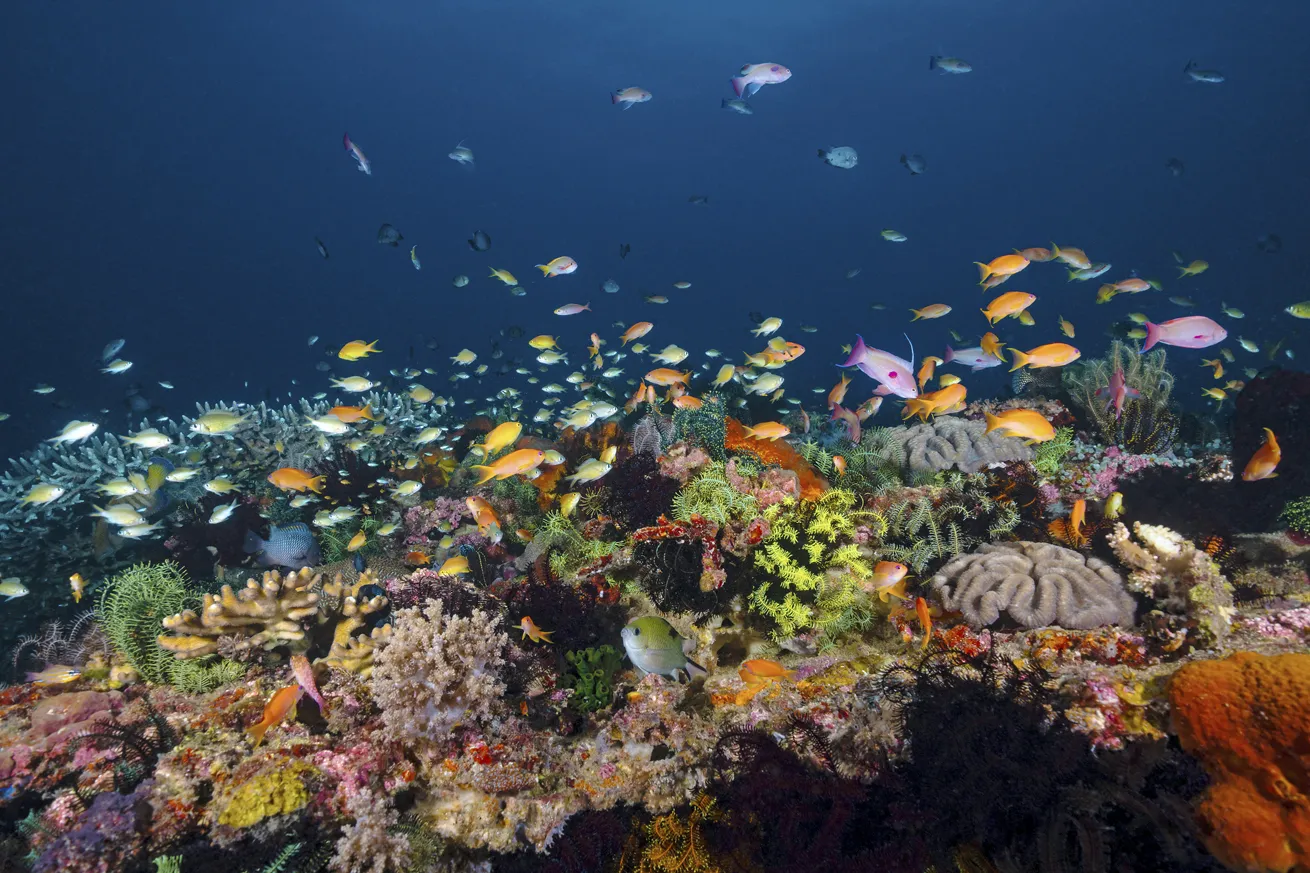
Francesca PageA reef explodes with colorful life, boasting numerous unique fish and coral species.
A Kaleidoscope of Color
At breakfast, Mo, the cruise director, can barely contain his excitement as he announces our next dive site “is home to every color of the rainbow!”
Apo Island is one of the Philippines’ crown jewels: a protected marine reserve teeming with more than 650 species of fish and 400 species of coral. Roughly 5 miles east of Dauin’s coast, it offers something for every diver—drift dives, coral walls, macro life and sprawling coral gardens bursting with color. Ten dive sites circle the island, chosen daily based on conditions and experience levels. But the truth is it’s hard to go wrong here. Every site feels alive, layered with vibrant, thriving coral that makes each dive unforgettable. On this trip, we explored Rock Point West and Chapel, two sites that more than lived up to the island’s reputation.
The dive bell rings. It’s showtime! Diving with Aggressor is a rare kind of ease. After years working in the diving industry, I’m wired to slip into autopilot—prep gear, organize logistics and safety. Here, that instinct softens. Everything is handled with precision and care, leaving you free to simply dive and relax. Wetsuit on, mask in hand, camera at the ready.
Moments later, we back-roll into the sea and slip beneath the surface at Chapel. Coral towers in every direction, an explosion of greens, reds, purples and blues. Candy-colored feather stars carpet bommies between swaying anemones, while schools of fish woosh past. Turtles rest on bright-yellow tablet corals as cleaner fish dart busily around them. It’s overwhelming at first—there’s life everywhere, demanding your attention all at once.
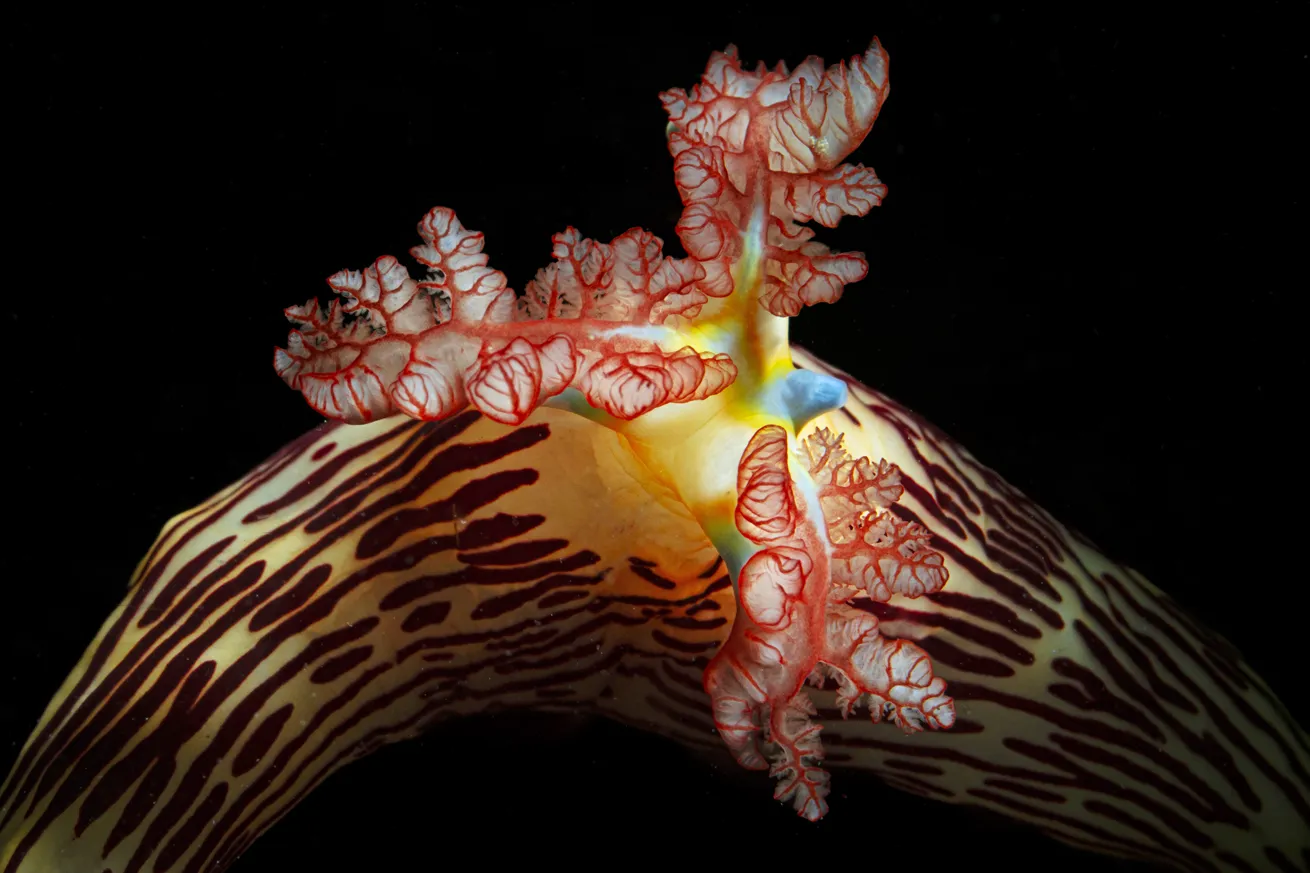
Francesca PageA Nembrotha lineolata sea slug
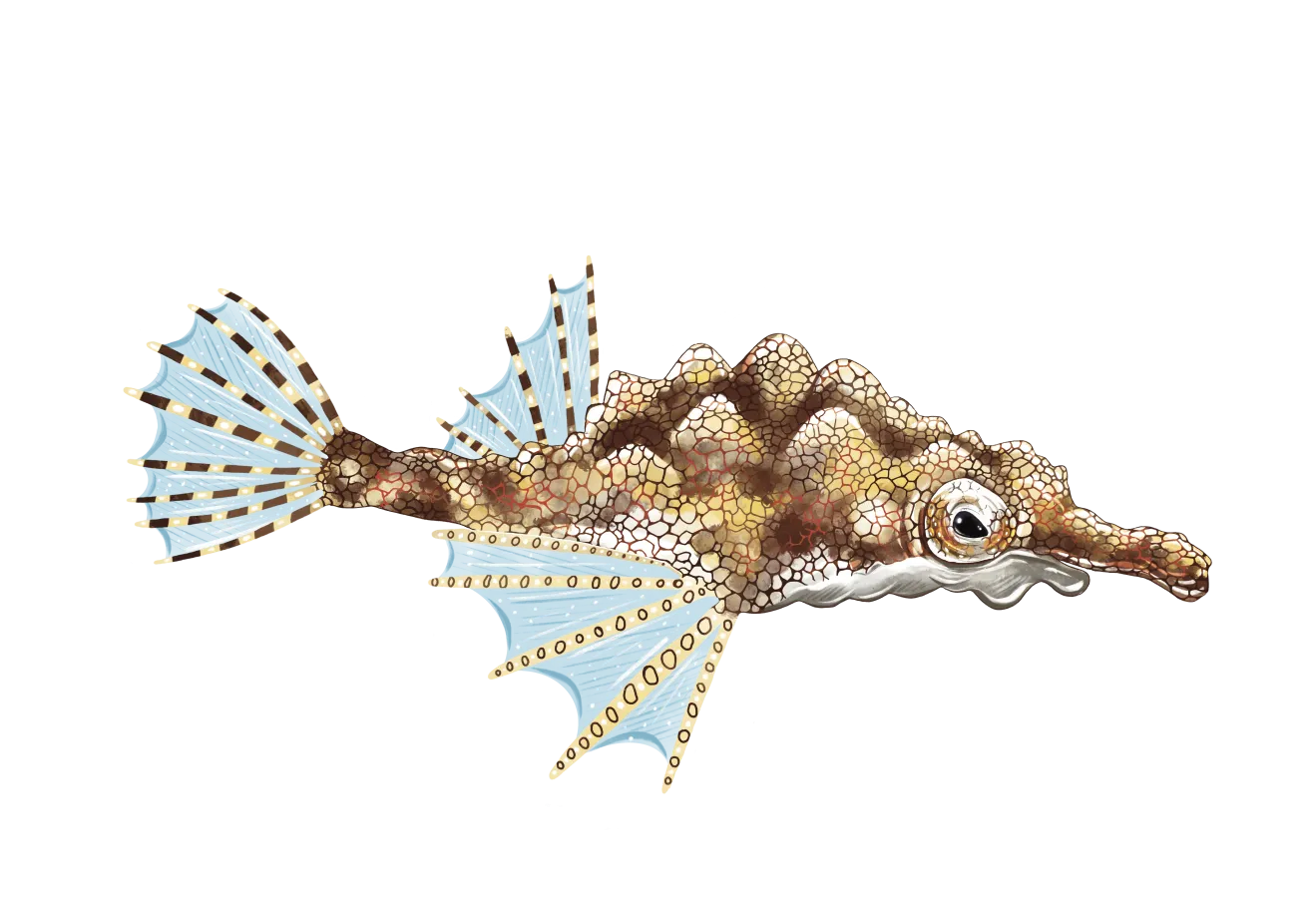
Francesca PageDragon sea moth
But as my eyes adjust, the chaos softens into detail. I begin to notice the quieter, hidden worlds within the reef.
Jefry taps on his tank. He’s found something. I drift down, hovering just inches above the sand, steadying my breath as the seafloor comes into focus. Two tiny, perfectly camouflaged creatures, delicate and alien-like: dragon sea moths. I’ve never seen anything like them. Each dive expands my ever-growing mental catalog of ocean life.
Related Reading: How to Photograph Camouflaged Animals Underwater
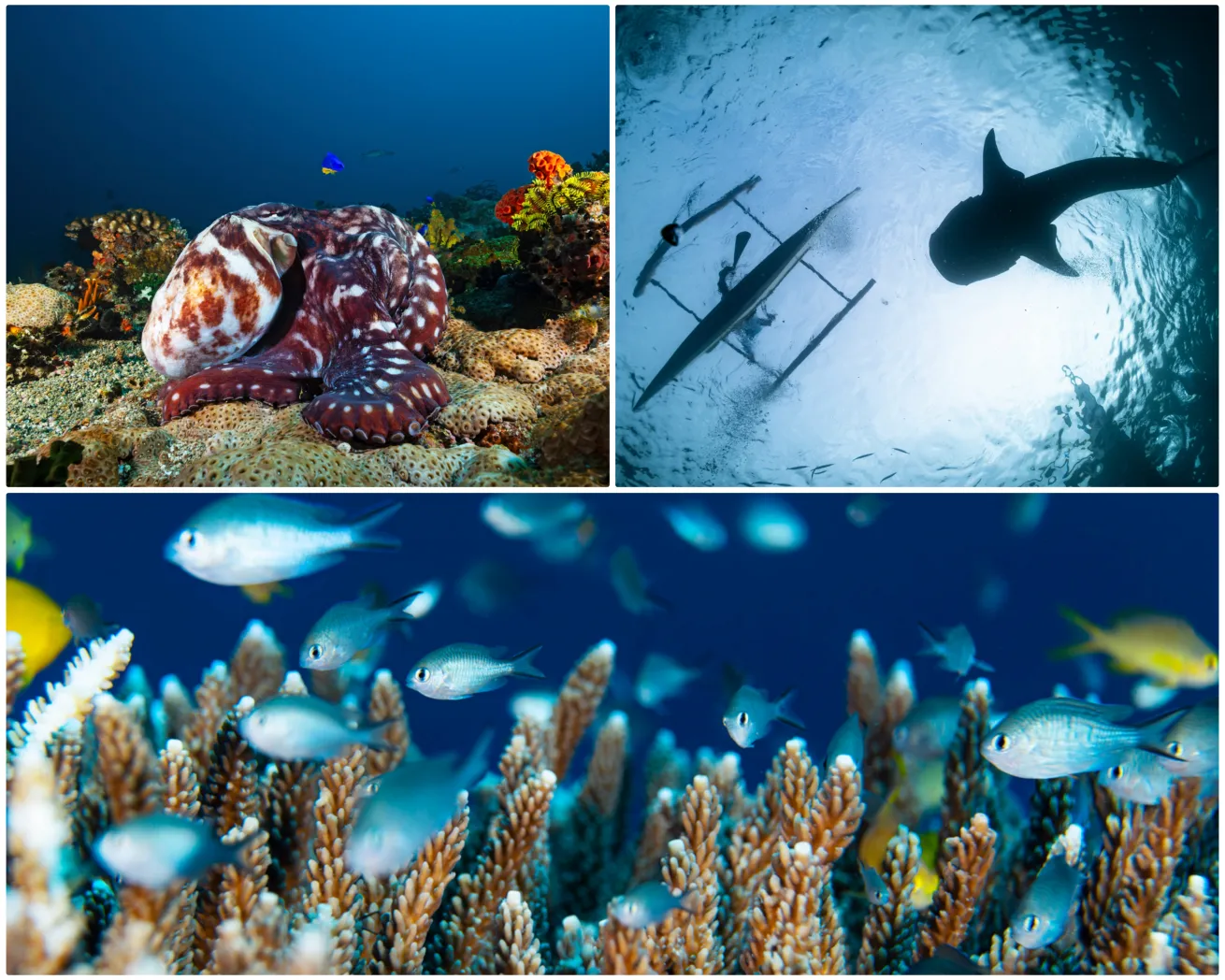
Francesca PageClockwise From Top Left: A day octopus; a whale shark silhouetted near the surface; a school of chromis on the reef.
As we continue, more characters make themselves known: frogfish, scorpionfish and orangutan crabs, an instant favorite. And then, the grand finale.
A hunting octopus bursts out from the reef, spreading itself over the coral, shape-shifting and leaving nowhere for prey to hide. Completely absorbed, it allows us to watch, leaving me mesmerized as its body pulses from deep red to ghostly white, patterns flickering with every movement. For 10 minutes, we are transfixed. What a way to end a dive!
DOLPHINS CALL OUT IN THE DISTANCE, THEIR HIGH-PITCHED SQUEAKS PIERCING THROUGH THE WATER AS WE DO OUR SAFETY STOP.
The final dive of the trip ends with an unexpected serenade. Dolphins call out in the distance, their high-pitched squeaks piercing through the water as we do our safety stop, gazing into the blue. Back on the boat, we’re greeted with singing and dancing from the crew, a joyful “welcome back” that never fails to make me smile. But this time, there’s more to celebrate. Those distant dolphin calls weren’t so distant after all. The crew tell us the boat was surrounded by them playing in the late afternoon’s golden light.
It feels like the perfect send-off.
That night, as I fall asleep, moments from my extraordinary week of diving replay like a movie: unforgettable underwater encounters and late-night conversations that remind me that divers are my sort of people.
It’s the kind of trip that fills your soul and leaves you recharged for what’s next.
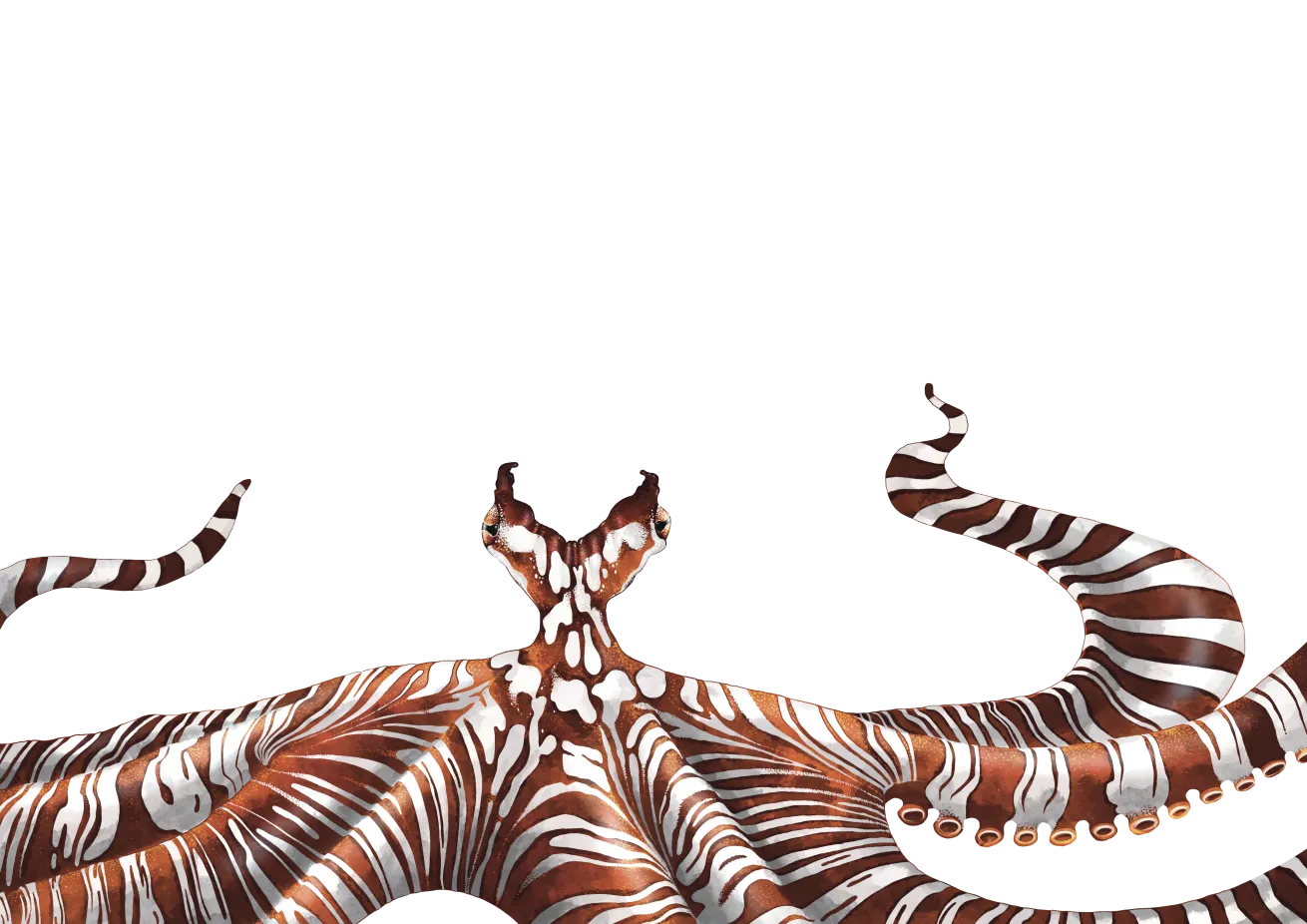
Francesca PageWunderpus octopus
Need to Know Diving Visayas
When to Go For optimal diving conditions, plan your trip during the dry season, which runs from November to May.
Conditions Sea temperatures remain warm year-round, typically between 79°F and 86°F. Currents can be strong at some sites, but during the dry season, you can expect calmer waters and excellent visibility.
Itinerary 11 days/10 nights; up to 40 dives total
Diving Equipment For those who prefer to travel light, full gear is available to rent aboard Philippines Aggressor II. The crew takes care of everything, from setting up and refilling tanks to rinsing your equipment, so all you need to do is slip into your wetsuit, grab your mask, and hop on the tender. Wetsuits and cameras are rinsed separately at freshwater stations on the dive deck, complete with showers for added convenience. Nitrox is available, as well as sidemount diving (single tank only) and DIN adapters, making every dive effortless and tailored to your needs.
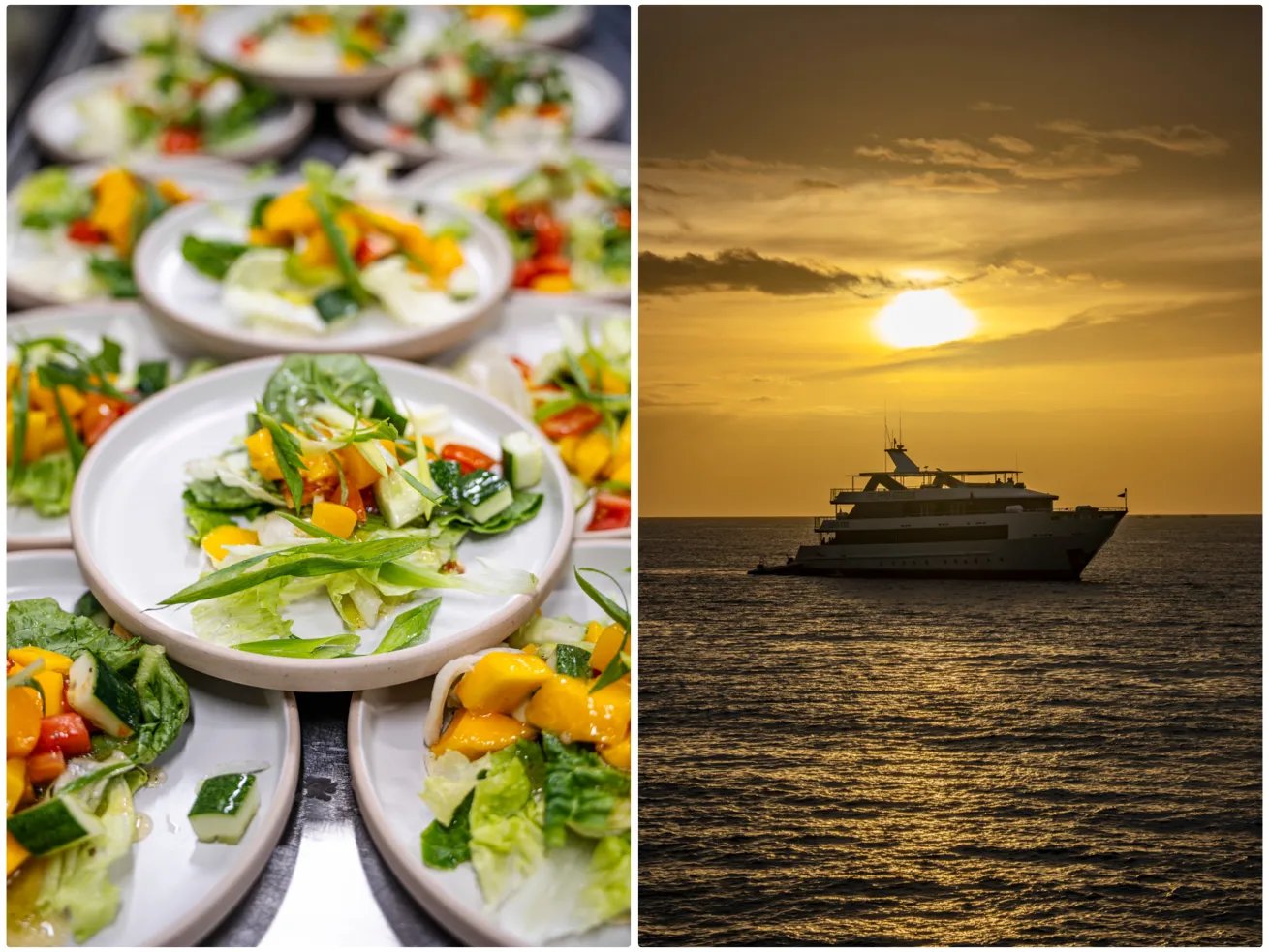
Francesca PageFrom left: A fresh meal served aboard the yacht; Philippines Aggressor II.
About the Philippines Aggressor II
Year Built 2024
Length 140 feet
Maximum Guests 26
Staterooms/Beds Philippines Aggressor II’s 13 cabins are modern, clean and thoughtfully designed, with comfortable beds and ample storage for luggage and camera gear, plus a private bathroom with a hot shower. The lower deck includes eight twin staterooms with panoramic windows; the upper deck features five balcony suites.
Amenities A spacious camera table, dedicated charging stations and fully equipped camera room make it easy for photographers to manage and prep their gear. Between dives, there’s plenty of space on open deck areas to unwind and soak up the surroundings. A jacuzzi and outdoor bar offer the perfect setting to relax.
Food/Drink Meals on board are fine dining, with most served as sit-down experiences and beautifully presented. All beverages, including alcohol, sodas and juices, are included and available throughout the day. Well-catered plant-based and gluten-free dishes are available on request.
For more information, head to: aggressor.com


