Courtesy Niue Tourism/David Kirkland
Niue might be small, but as far as conservation goes, Niue is a heavyweight.
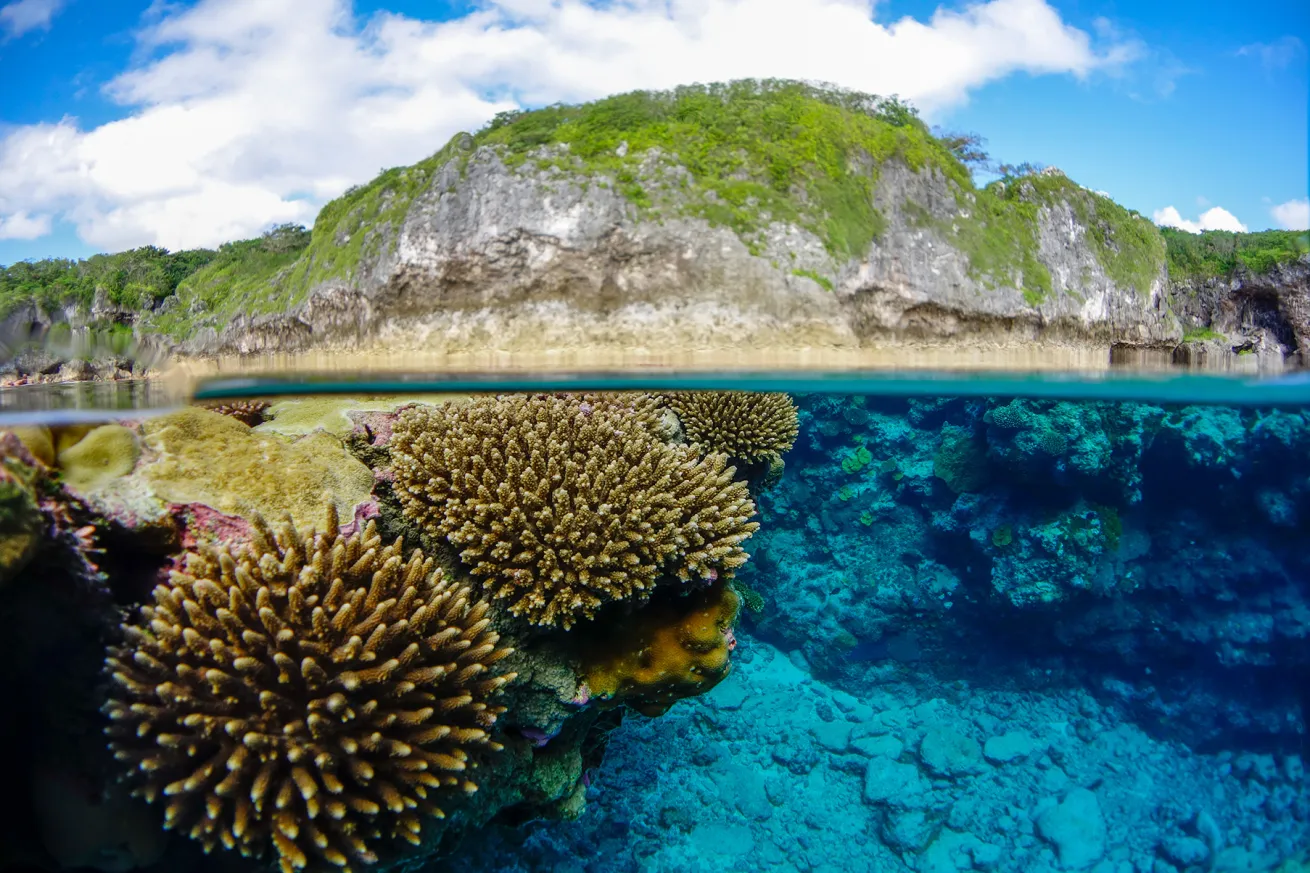
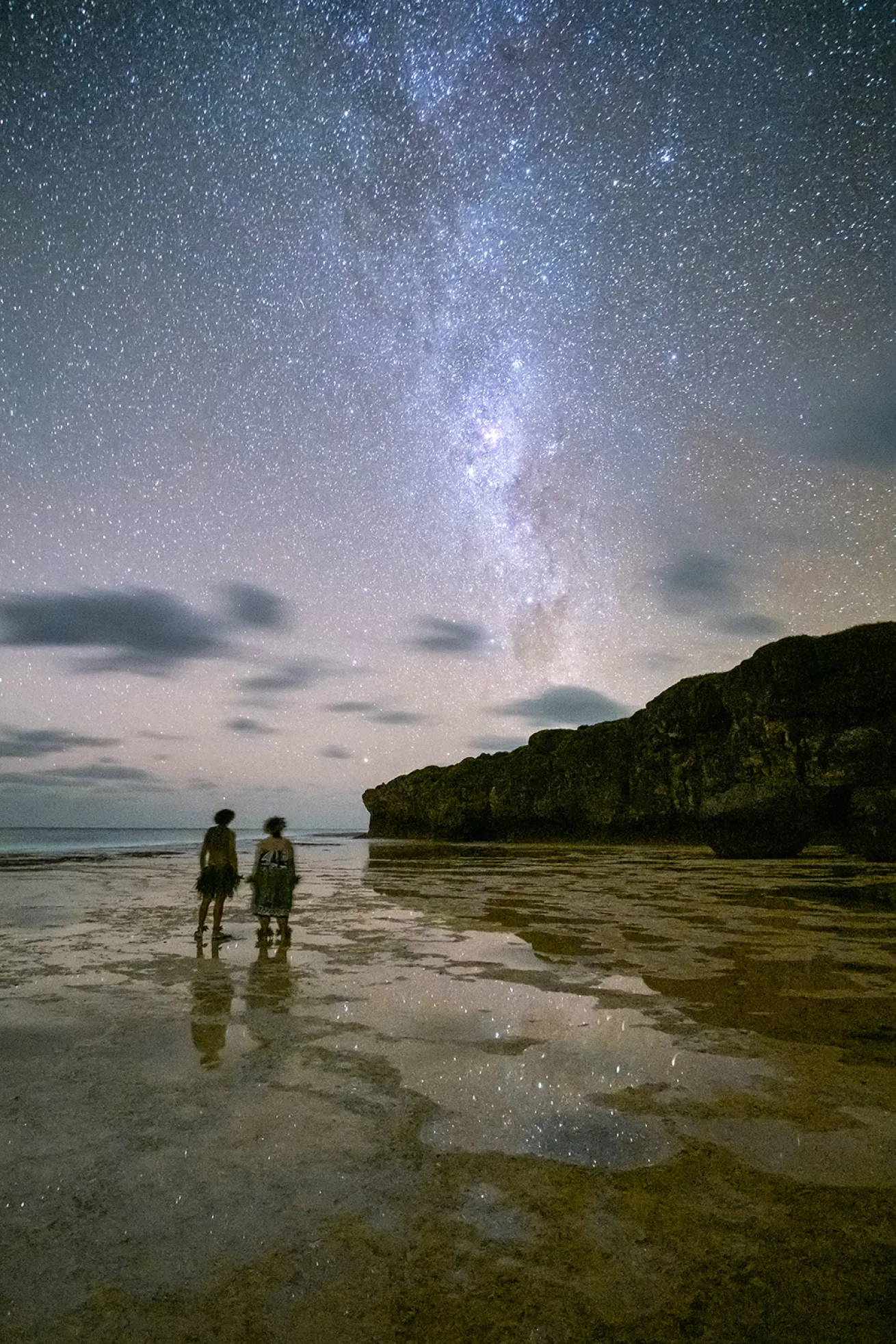
It was the first country to become a dark sky sanctuary. It’s preserved its largest remaining forest area (the Huvalu Forest Conservation Area, covering 23 percent of the island). Niue also established an enormous marine reserve, the Moana Mahu Marine Protected Area (49,035-square-miles), constituting 40 percent of the country’s Exclusive Economic Zone.
Courtesy Niue Tourism/Mark Russell
Located 1,491 miles northeast of New Zealand, Niue is a self-governing nation in close alliance with New Zealand. There are approximately 1,700 residents living in 14 villages around Niue, and the land belongs to their families, cultivating a strong connection to the island they call home.
Niue is a quirky place with its own rhythm, and that’s just how Niueans prefer it. This place is made for self-exploration, with a wealth of natural attractions to enjoy: there are sheltered rocky coves to swim in; scenic forest walks to wander; dolphins and whales to watch; and snorkeling and diving in remarkable visibility, with a healthy population of endemic sea snakes. Niue is laid back, but not for sitting still.
Niue quickly became one of our favorite places on the planet. Come see why we love it; we have a feeling you will, too.
Related Reading: Ultimate Diving Guide to Raja Ampat’s Magical Misool Resort
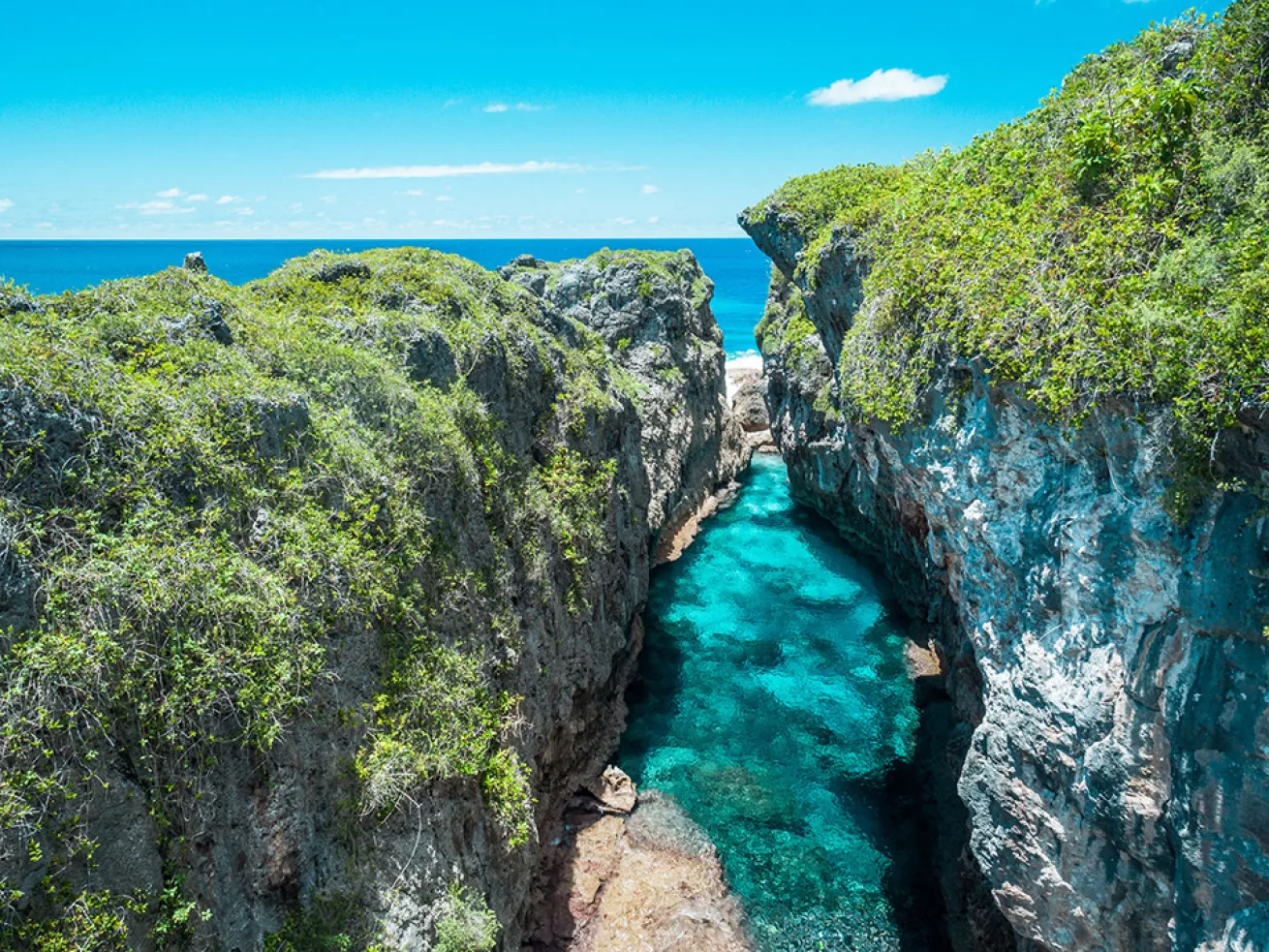
Courtesy Niue Tourism/Johnathan IrishRock chasms like this one of Matapa Chasm are found throughout the island.
Wonderfully Weird
This wild drop of an island is located in the middle of an ocean triangle formed by Tonga, Samoa and the Cook Islands. From the air, it resembles a flat green muffin top: Niue’s highest peak is 223 feet above sea level and rocks (rock pools, rock chasms, rock pinnacles) dominate the landscape; white sand beaches are thin on the ground.
Niue is believed to have been settled more than a thousand years ago by voyagers from Polynesia. Visitors are absorbed into the island’s daily rhythms, rather than set apart in tourist areas. Niue is Niue, and you’re welcome to come along. Strike up a conversation while picking up some homemade coconut bread from a café, or browse the thrice-weekly market (makete) for handicrafts and fresh fruit, or to ogle at live uga (coconut crab) for sale.
Mostly, though, visitors are given their own space to explore, and driving tours of the island never disappoint.
Tip: Pack your swimsuit, towel, reef shoes (not flip-flops, but scuba booties will work), reusable water bottle, and snacks, like locally-made coconut and plantain chips. There is good signage and natural paths with wooden guardrails, but that’s about it. Explore Niue offers guided tours, including an orientation tour that is a great introduction to Niue.
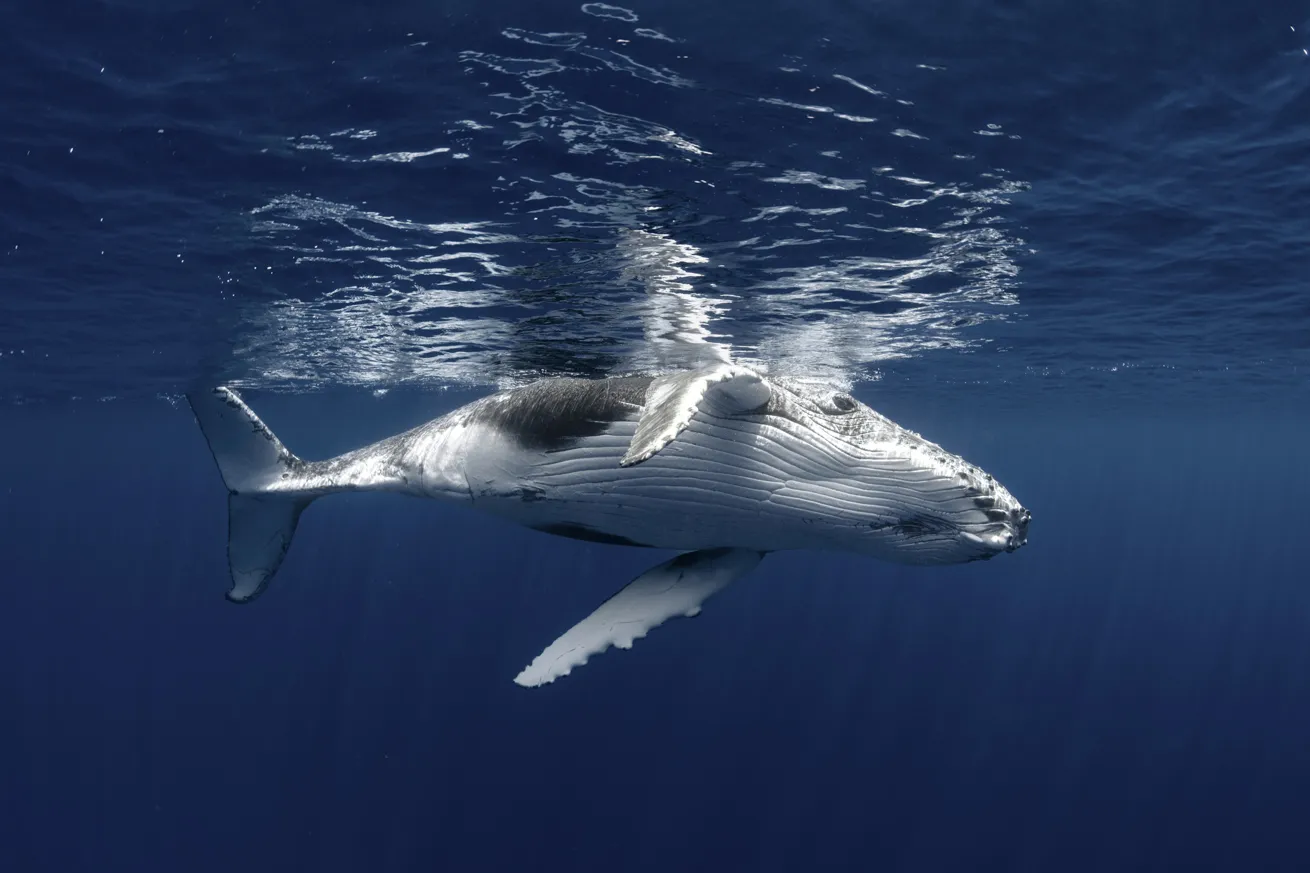
Richard CondlyffeTravelers have a chance to witness humpback whales from July through October.
Starting from Alofi Town Centre and traveling counter-clockwise, drive to Avatele Beach (a good snorkel/swim spot) and Washaway Café, a real-deal beach café with an “honesty bar” that is open Sundays from 11 am until late.
On the southeast coast, a long flight of stairs leads to Anapala Chasm, a cold, dark freshwater pool. Further along the coast in the Huvalu Forest Conservation Area is Togo Chasm. Follow the coastal forest path as it winds through razor-sharp pinnacles, past waves thundering against the coastline, and descend a ladder into an unlikely find: a protected inland oasis, with white sand, palm trees and an algae-choked lagoon.
Within the Huvalu Forest Conservation Area are forest tracks like Vinivini Bush Road, an old 4WD trail through mature rainforest that can be walked or cycled.
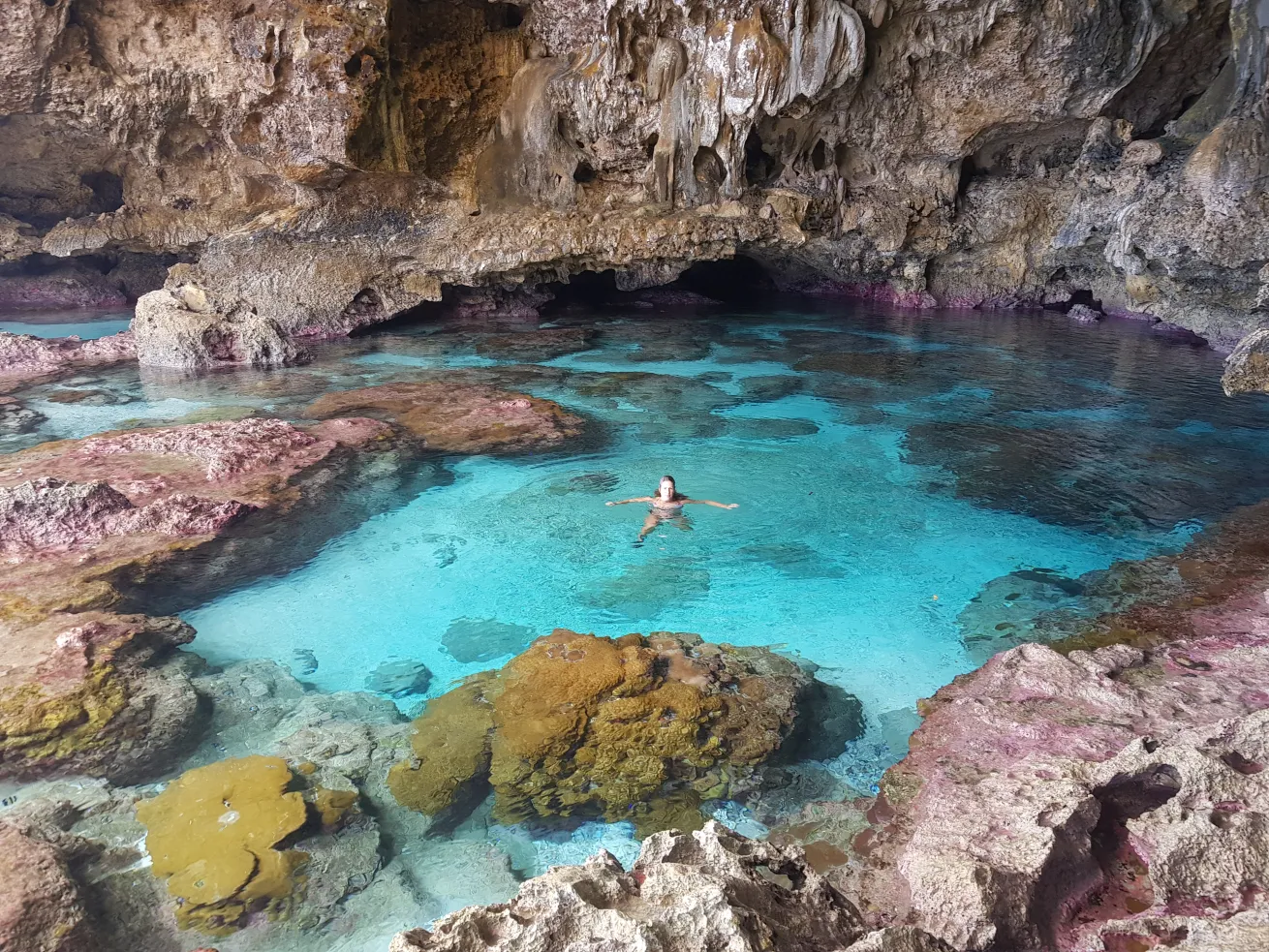
Chris TaylorNiue has a number of secluded caves and chasms, some of which have sheltered rock pools for swimming.
The northwest coast is dotted with secluded caves and chasms (Matapa, Limu and Vaila, for example), some with sheltered rock pools for swimming. Avaiki Cave was our favorite, and one of the most magical experiences of our entire journey. Soaring cathedral ceilings arc over an opalescent pool of blues, popping pinks, and glowing purples, with views straight out to sea.
It’s easy to understand the cultural importance of these places. These caves are Niue’s history. They were freshwater sources and homes for early settlers. They are places of ancient burials and the wellspring of legends.
Tip: Pools can be “forbidden” for traditional reasons. Please adhere to closures. Also, don’t walk on coral and avoid wearing lotions and insect repellents in the pools.
If you visit July through October, you might have the opportunity to snorkel with humpback whales. (Niue respects the whales’ privacy and strict regulations are enforced, such as going out with a licensed operator.)
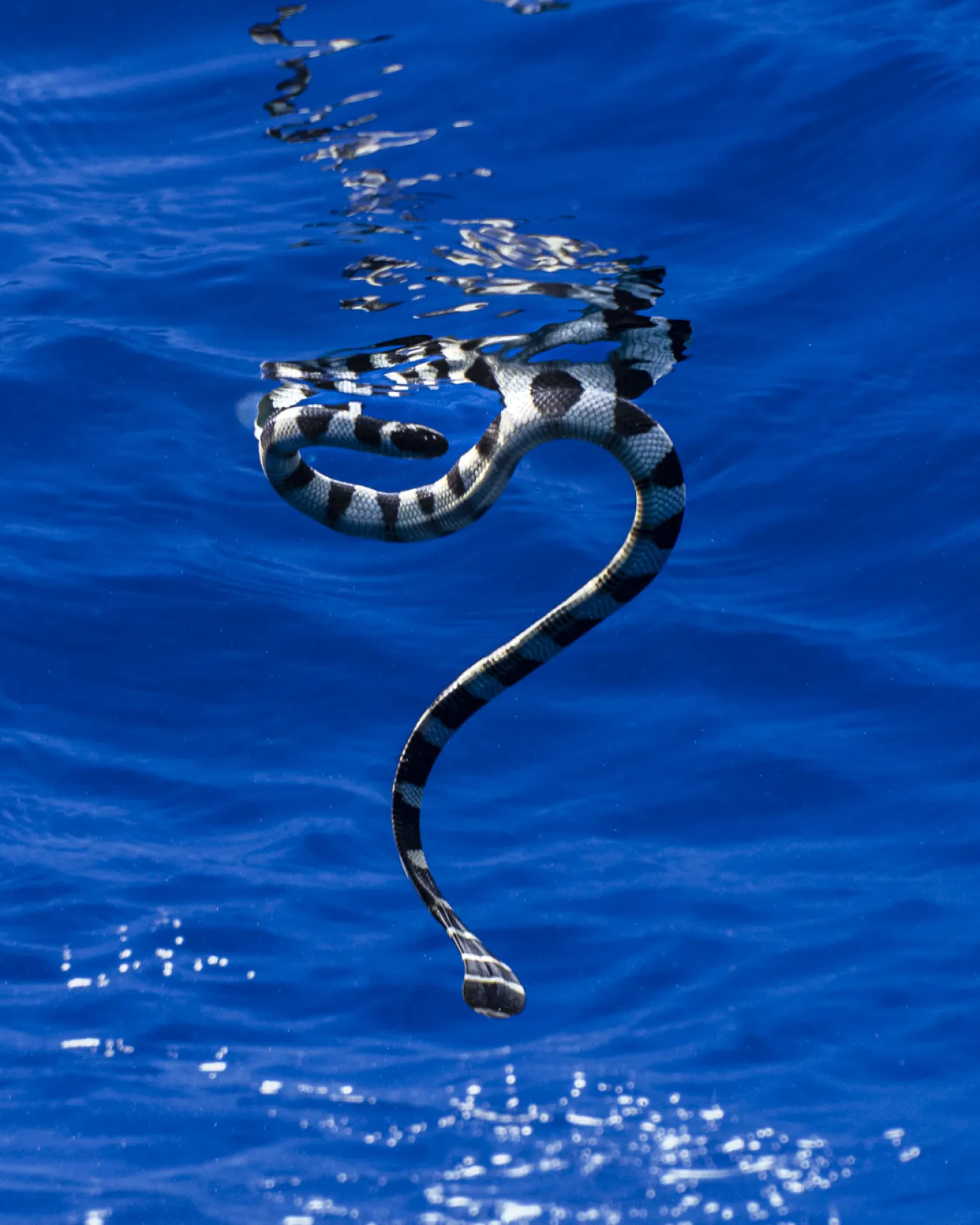
Richard CondlyffeThe katuali is a flat-tailed sea snake endemic to Niue.
Caves, Caverns, and Sea Snakes
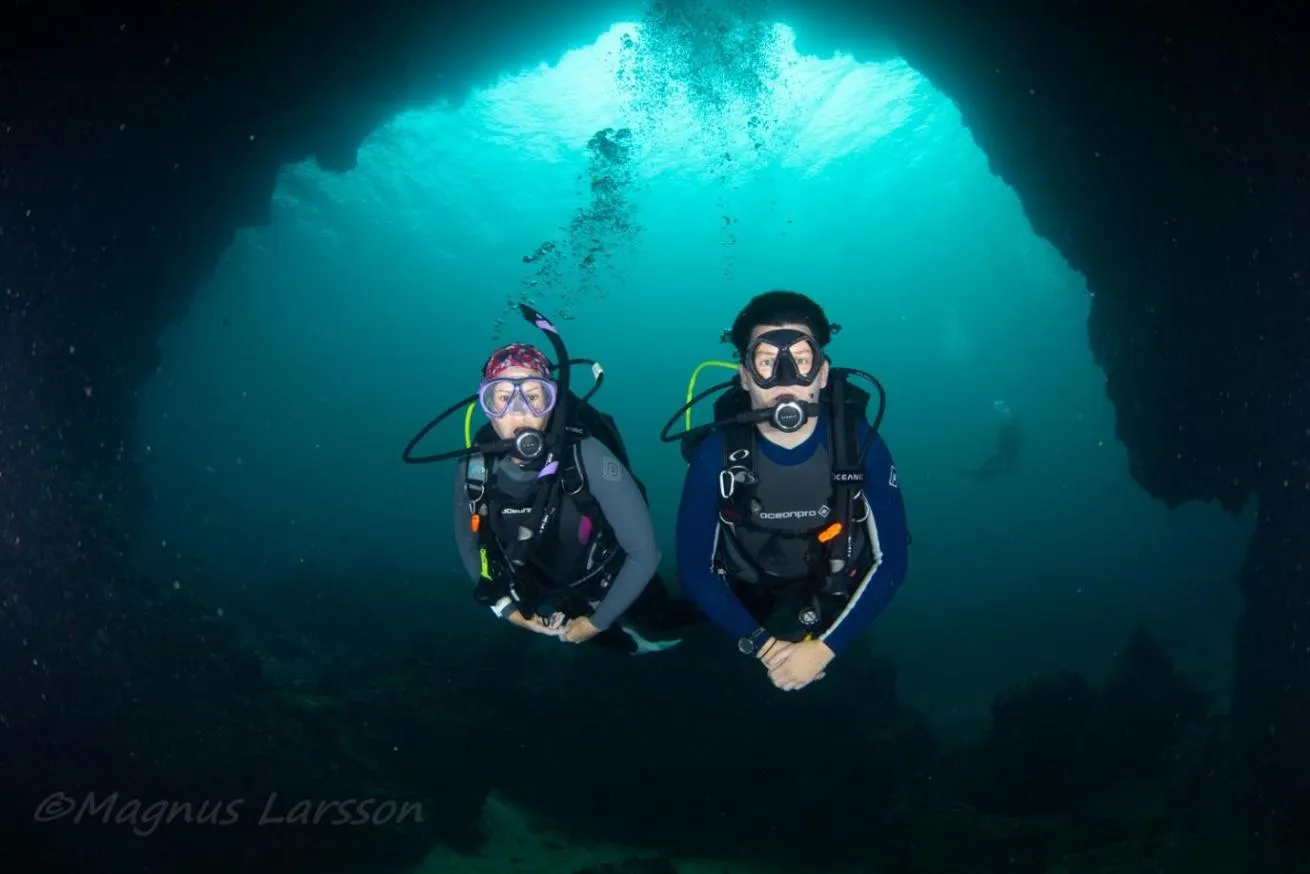
Underwater, Niue’s rocky landscape continues, with the same caverns, canyons, and arches as found topside. (The limestone filters rainwater, resulting in remarkable visibility.) This is another spot for exploratory diving: along with a dozen or so established dive sites, more are being discovered all the time. Keep an eye out for marine life like green turtles, whitetip reef sharks, trevally, eagle rays, honeycomb groupers, yellowstripe goatfish and dolphins.
The Tunnel is an easy dive. Deep channels cut through twisted topography, leading to a coral garden where propagation efforts are underway. In 2017, Niue lost around 60 percent of its coral in a major bleaching event and the island’s isolation means the reef is vulnerable. In addition, Drupella snails are attacking the weakened coral. (Divers can assist dive guides in removing the snails to help preserve coral. Thousands have been taken off the reef so far.)
Other spots like Chimney (a dark cave with a vertical chimney exit onto a reef) and Bubble Cave (a small cave where the air pressure changes with the surge) offer a little more excitement with their intriguing landscapes.
The Dome Cave is a place of dreams—wondrous and spooky in equal measures. Timing it with the surge, we entered a short, dark tunnel. We emerged into an open chamber with thousands of ancient stalactites, stalagmites, and fluted columns, removing our gear and climbing up onto the rocks to look around. But we weren’t alone in the cave.
The Dome Cave is a favorite with katuali, a flat-tailed sea snake endemic to Niue. These lithe black-and-white creatures are highly venomous and remarkably placid and curious. The cave was filled with them: dozens joined us entering and exiting the cave.
Related Reading: A Diver's Guide to Bormes-les-Mimosas, France
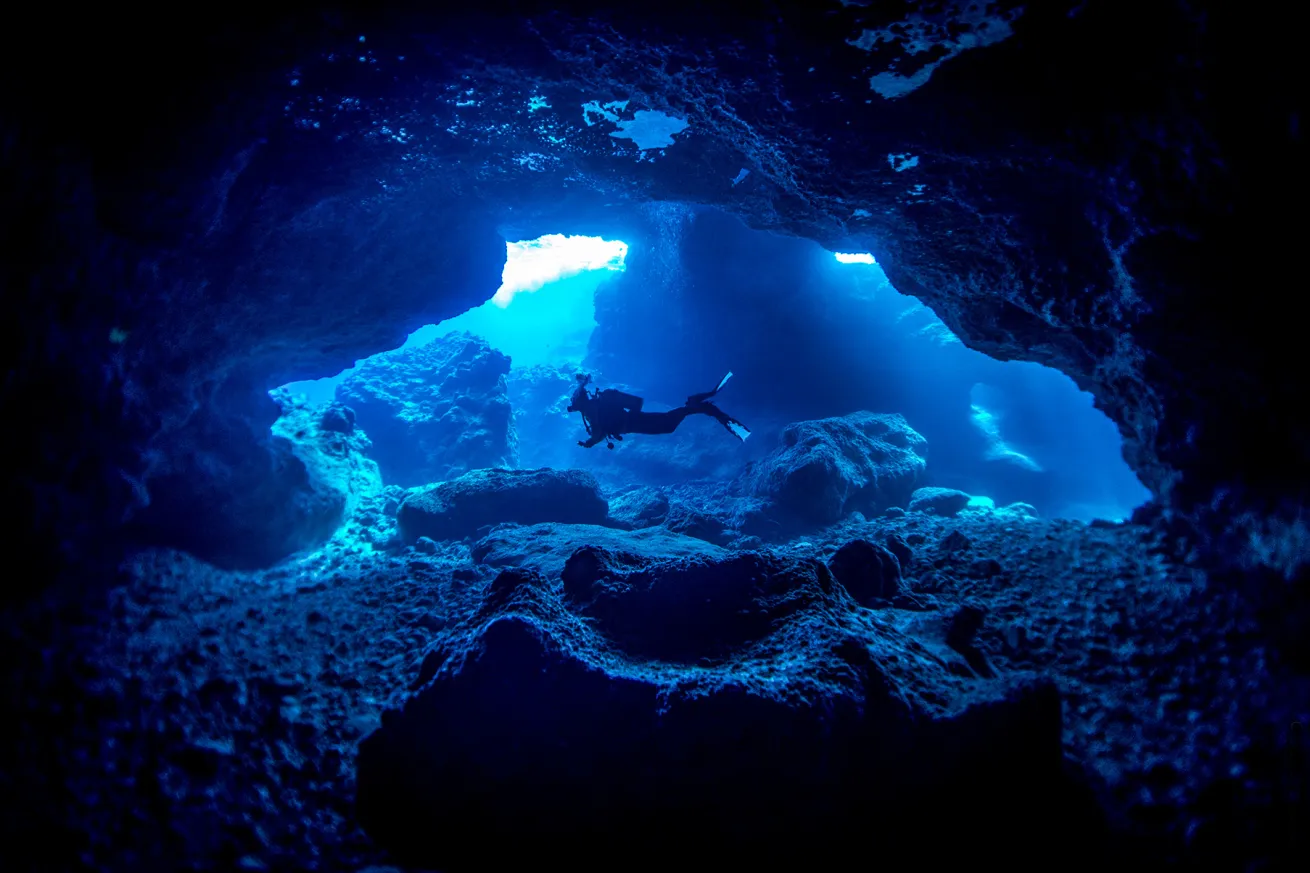
Courtesy Niue Tourism/David KirklandDivers explore Bubble Cave in Niue, a dive site that begins in the open ocean and offers the chance to encounter everything from emperor angelfish and sea snakes to moorish idols and even whales.
Need to Know Diving Niue
When to Go: Niue has warm temperatures (averaging 77 degrees) that cool in the evenings. Many Niueans visit with family and friends during Southern Hemisphere summer (November through March) and tourism businesses may or may not be open (check and pre-book accommodation). There are yacht crowds May through November, whale-watching season is July through October, and diving is year-round (conditions tend to be a little rougher December through April).
Dive Conditions: Visibility is excellent—beyond 98-feet, thanks to the lack of rivers. Water temperatures are around 73 degrees in winter and 82 degrees in summer. Depths are up to 98 feet. Suitable for divers of all levels.
Operators: Niue Blue has recently been named a PADI Eco Center, which is awarded to operators promoting marine biodiversity and community resilience in their own backyards. Located next to the Scenic Matavai Resort, Niue Blue offers diving and dive courses, snorkeling, and whale tours. Pre-booking before arrival is essential.
Travel Tips: Air New Zealand has direct flights from Auckland to Niue twice a week. Renting a car is best and driving explorations are a ball. You can drive around the island in about two hours. Conservatively casual dress for warm weather (to respect cultural traditions). Pack good reef shoes (rocks are slippery and sharp) and walking shoes, plus a wind-jacket and warmer layer.
Make a Difference: Just by visiting Niue you’re supporting a destination that is making an effort to create a long-term, sustainable future for itself. Pay attention to the Niue Ocean Wide Project (NOW), a partnership between Niue’s government and Tofia Niue, a local non-profit that aims to ensure the long-term sustainability of Niue’s ocean resources. NOW has created a vast no-take marine reserve around Beveridge Reef (a partially submerged atoll in its waters) and reinvigorated community-managed marine areas, which helps maintain cultural heritage and healthy fish stocks for food. They are also working with neighboring South Pacific countries on sustainable fishing practices for pelagic migratory species, including sharks with Dr. Jess Cramp and tunas with Dr. Alan Friedlander of Pristine Seas.
BIO
To create their unique National Geographic book, A Diver’s Guide to the World: Remarkable Dive Travel Destinations Above and Beneath the Surface , dive travel experts Carrie Miller and Chris Taylor traveled to 50 inspirational locations around the world, spending more than 250 hours underwater. Carrie is also the author of 100 Dives of a Lifetime: The World's Ultimate Underwater Destinations. @beneaththesurfacemedia; @carriemiller_writer