

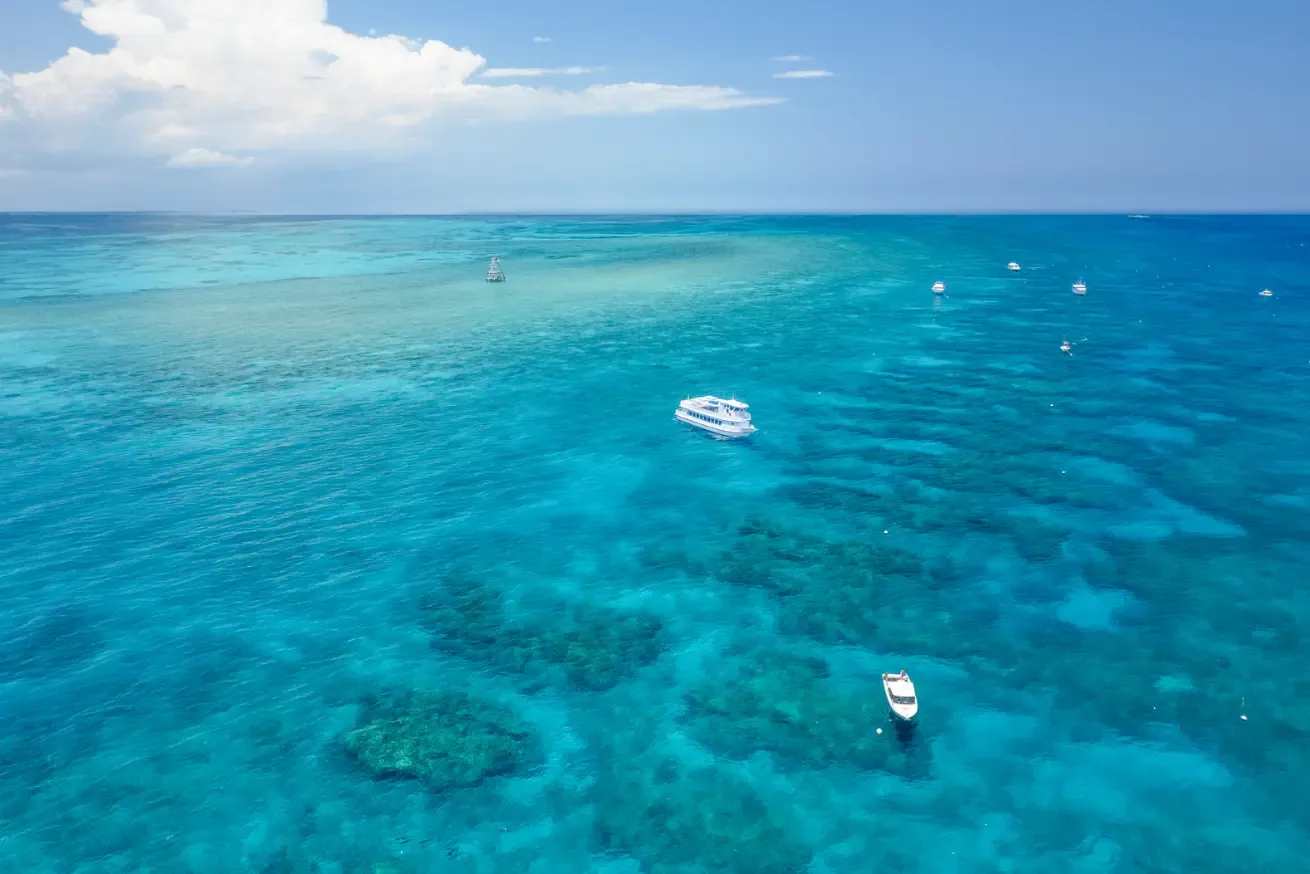
Courtesy of Visit Florida KeysMolasses Reef in Key Largo from above.
For those who love the world’s oceans, marine stewardship takes many forms.
For divers, it can mean such activities as taking part in a reef cleanup event, participating in citizen science and coral restoration efforts and even just continuing to master your neutral buoyancy to minimize impacts on ocean environments.
On a larger scale, marine stewardship registers in impactful governmental policies that can span things like fishery management, the regulation of coastal zone development and the creation of Marine Protected Areas (MPAs) in some of the world’s most vulnerable coastal areas.
Marine Protected Areas by the Numbers
According to the National Oceanic and Atmospheric Administration, there are roughly 1,000 MPAs across the waters of the United States, covering 26 percent of U.S. waters and ranging from open ocean and intertidal zones to estuaries and coastal zones.
The organization defines MPAs as regions that are “designated and managed for the long-term conservation of marine resources, ecosystem services, or cultural heritage.”
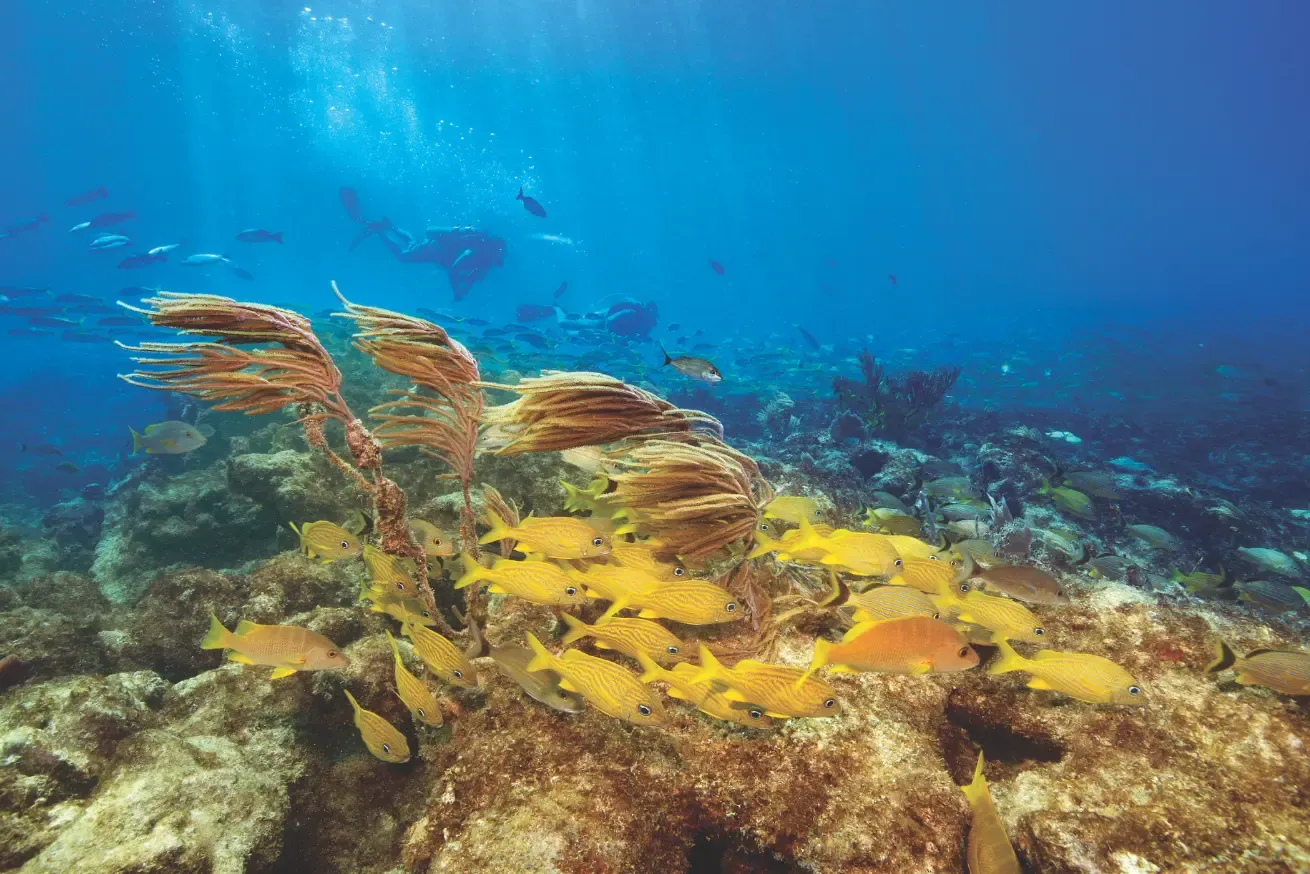
Courtesy of Visit Florida KeysIn Islamorada, you'll find a wide variety of shallow coral reefs to explore.
This might extend to such actions as designating waters as “no take” or “multiple use” areas, limiting destructive human activities within them such as oil and gas drilling, or restricting fishing activities to protect a region’s biodiversity, among many other initiatives.
The Florida Keys National Marine Sanctuary
A prime example of an MPA in action–protecting the ocean environments it was designed to benefit while also welcoming the public to explore and enjoy its beauty in a way that’s in sync with ocean conservation–can be found in the waters of The Florida Keys.
Within the Florida Keys National Marine Sanctuary, the MPA sprawls across roughly 4,539 square miles of coastal and federal waters. It’s an area that stretches from the southern border of Biscayne National Park in Miami and all the way through The Florida Keys archipelago to include the islands of the Dry Tortugas, some 70 miles west of Key West. The region harbors incredible biodiversity and beauty, home to more than 6,000 different animal species as well as the largest documented contiguous seagrass community in the Northern Hemisphere.
In addition to the only coral barrier reef in the continental United States, this MPA also protects treasures such as thriving mangrove forests and the country's maritime heritage in the form of hundreds of shipwrecks.
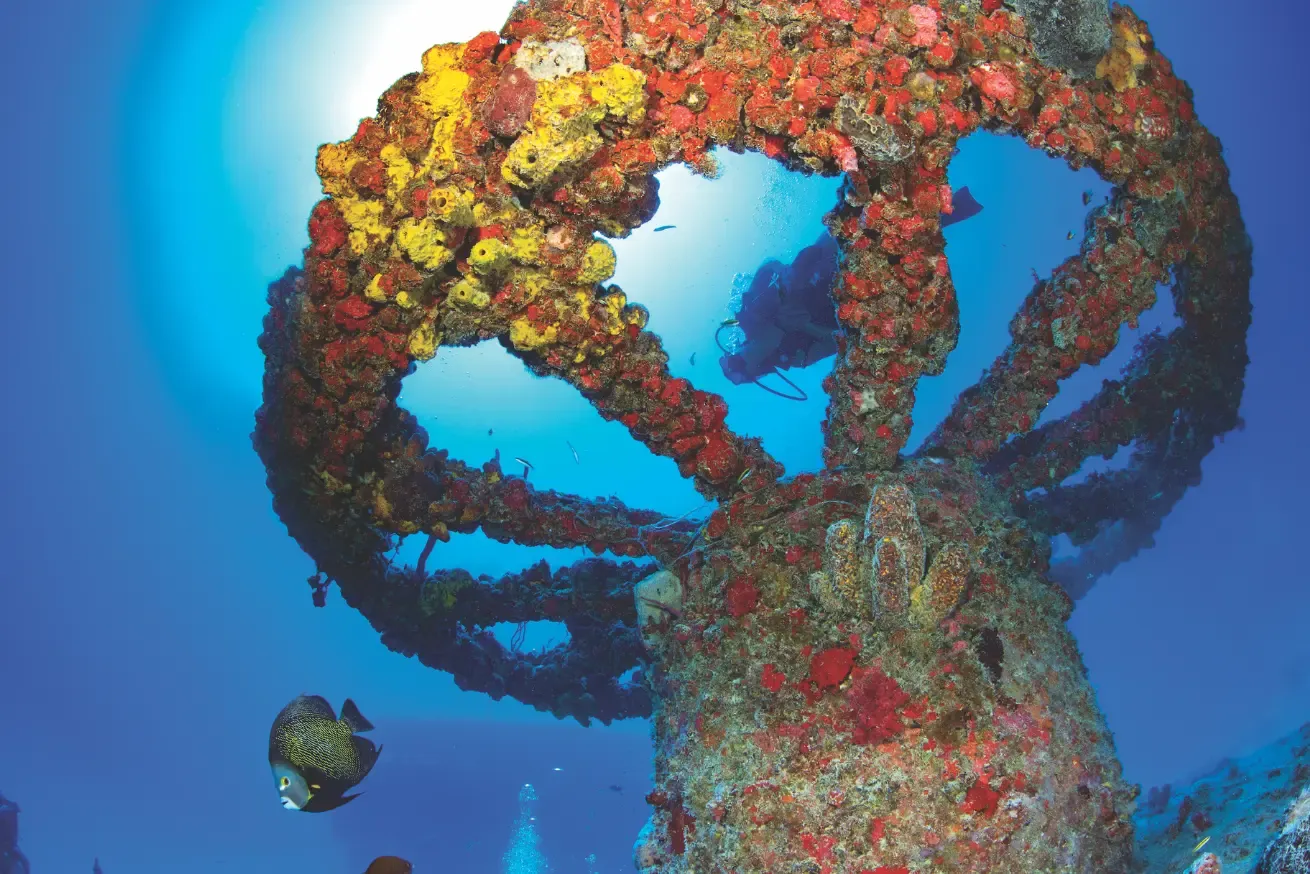
Courtesy of Visit Florida KeysThe Thunderbolt is a 188-foot shipwreck sitting upright in up to 120 feet of water, located about 5 miles south of Marathon in The Florida Keys.
The waters of the Florida Keys National Marine Sanctuary were officially established as an MPA in 1990 when President George H.W. Bush signed the Florida Keys National Marine Sanctuary and Protection Act into law.
A comprehensive management plan and the development of marine zones within the waters soon followed. Today, the sanctuary spans multiple marine zone types that aim to protect special habitats, including coral reefs, while also balancing commercial and recreational interests that allow the waters of The Florida Keys to be used and enjoyed by divers, snorkelers, boaters and anglers.
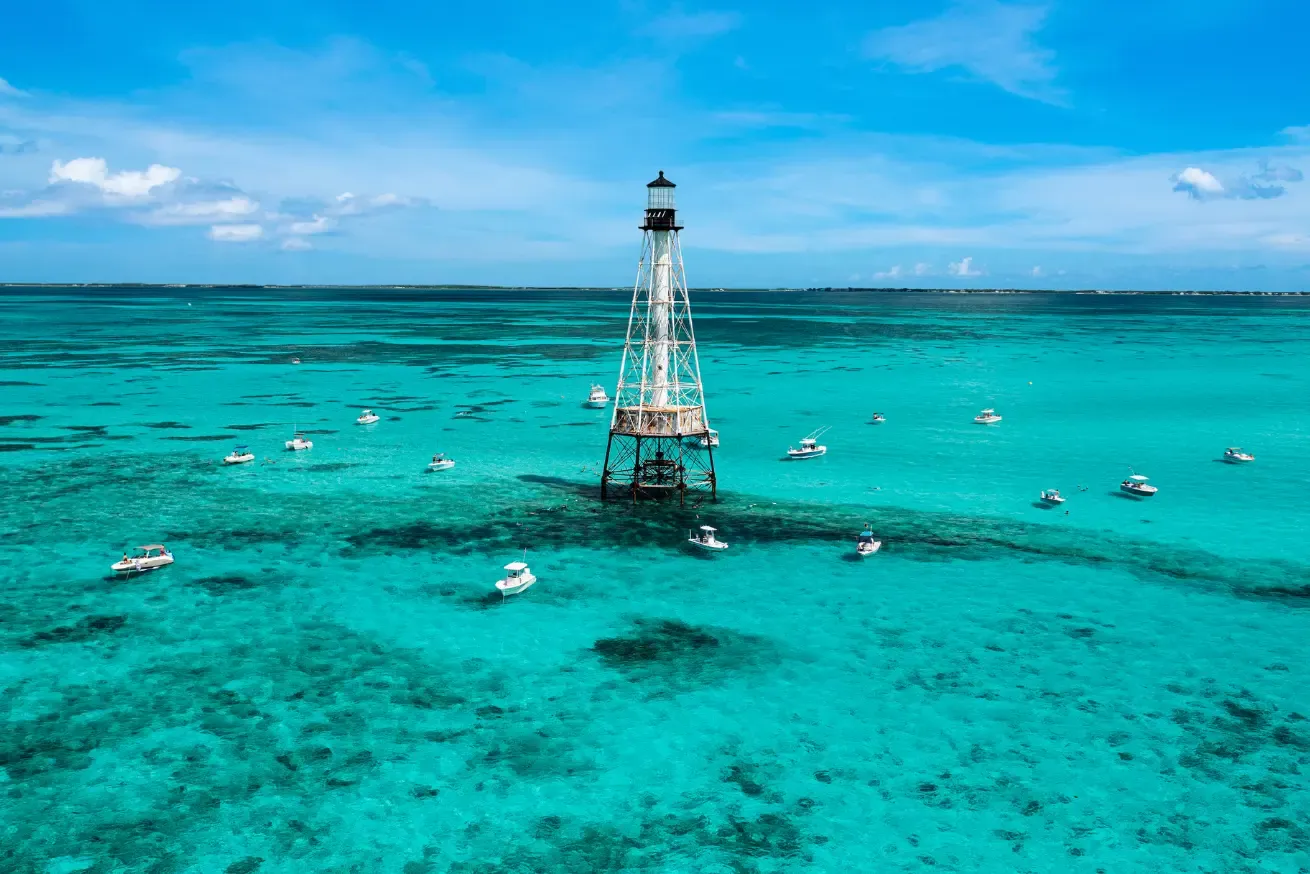
Courtesy of Visit Florida KeysAlligator Reef is a famous diving destination located about 4 nautical miles offshore of Islamorada in The Florida Keys.
Throughout the entire MPA, prohibited activities include feeding fish and sharks from boats or while diving and anchoring vessels on live coral, among many other safeguards.
How Marine Protected Areas Benefit Marine Life
While divers will certainly appreciate the underwater views of The Florida Keys, there are many success stories since the designation of the Florida Keys National Marine Sanctuary as an MPA that may not be as obvious to the untrained eye.
Within the sanctuary’s no-take ecological reserves in The Florida Keys–including Western Sambo Ecological Reserve, near Key West, and Tortugas Ecological Reserve near Dry Tortugas National Park–several reef species have stabilized or rebounded in numbers compared to the adjacent fished areas.
Those species include Caribbean Spiny Lobsters and different species of reef fish such as bar jacks, parrotfish and butterflyfish.
Related Reading: Best Florida Keys Conservation Dive Events for 2026
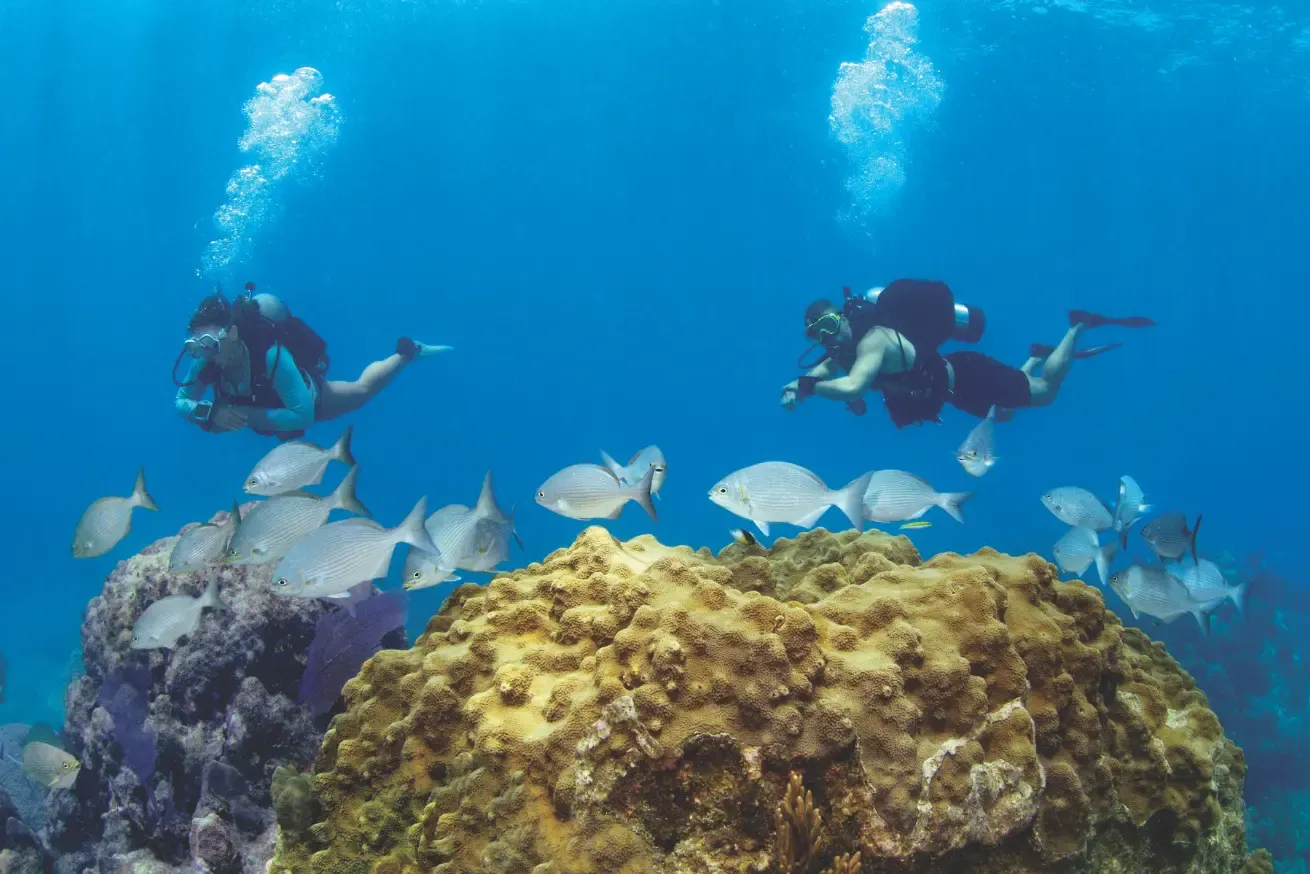
Courtesy of Visit Florida KeysLooe Key Sanctuary Preservation Area in The Florida Keys.
South of Big Pine Key, the Looe Key Sanctuary Preservation Area within the MPA has noted an increase in fish biomass since gaining protected status as well as the rebound of top predators including barracuda, reef sharks and jacks. Some branching coral populations have also been restored.
How Divers Can Support Marine Protected Areas
There is much work still to be done when it comes to preserving vulnerable reefs and coastal areas in The Florida Keys, and it takes everyone working together to make a difference.
Scuba divers have the unique chance to make their impact felt every day, and certainly every time they dive.
Consider heading out on a guided snorkeling or diving program with the Coral Restoration Foundation for hands-on experiences cleaning coral nurseries and outplanting corals onto the reefs. Dive shops like Captain Hook’s Marina and Dive Center on Looe Key offer single-day specialty certifications to help with reef restoration. You can also make your next dive in The Florida Keys a PADI Dive Against Debris or join a local beach cleanup.
Related Reading: How to Get Involved in Coral Reef Restoration in The Florida Keys
The MPA is in place to do its part for a better future for the waterways of The Florida Keys. It’s up to us as divers, then, to find our own path to make a difference to these waters that nourish us in many ways.


