

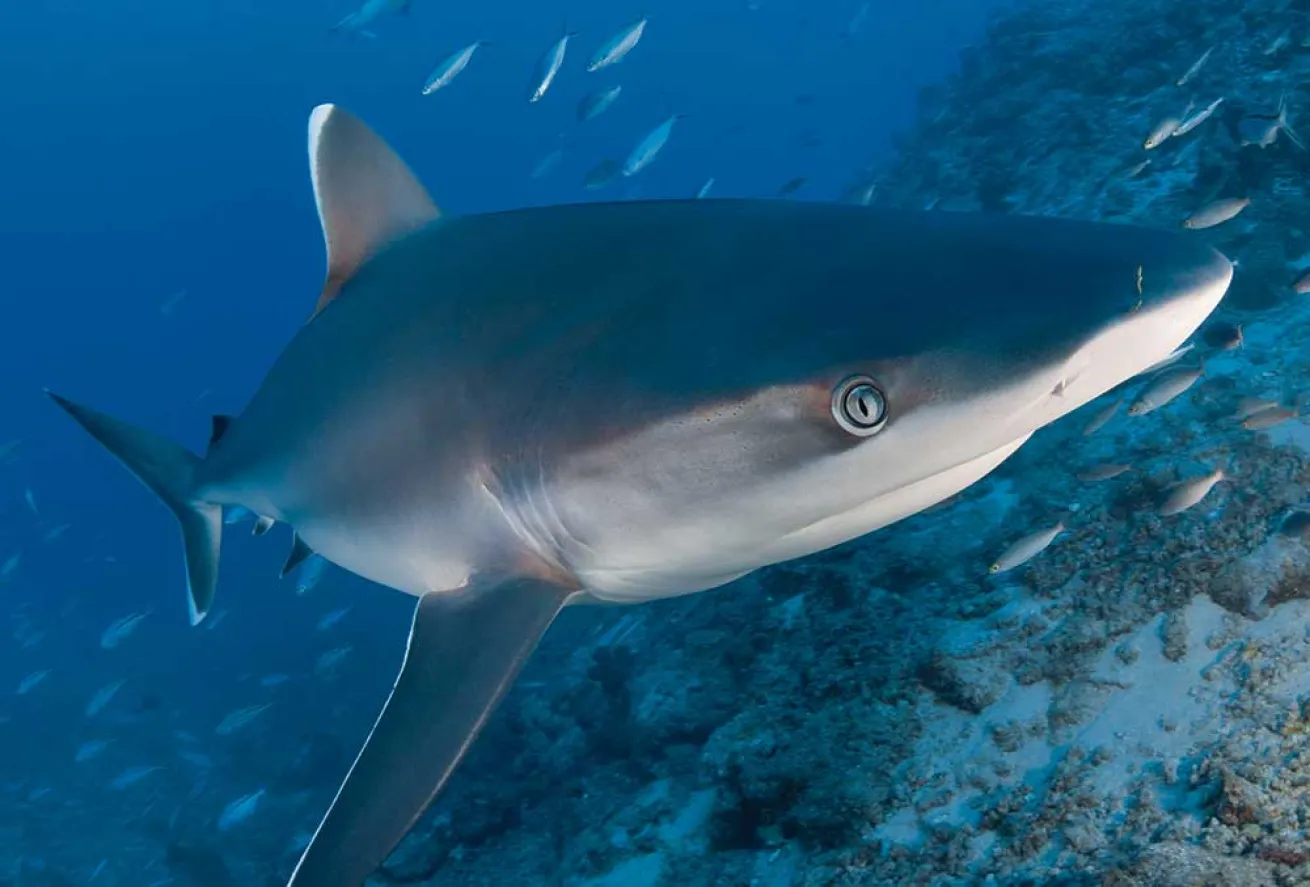
Michel LabrecqueFor some divers, it’s instinct to spend most of their time underwater watching for a certain dorsal fin. With Projects Abroad’s newest venture, launched in Fiji this past January, you can put those spotting skills to good use. Volunteers commit to a minimum of two weeks of joining shark-count and shark-identification dives.
You’ll observe researchers tagging baby sharks and help retrieve data from underwater cameras. (Each week, some of the duties will be land based.) In terms of prerequisite skills, Projects Abroad asks only that you have a passion for sharks and the ability to swim. They’ll even teach noncertified volunteers to dive; they just ask them to stay at their Pacific-Harbour base for at least four weeks to allow plenty of time to get comfortable in the water and to chase that fin-finding high.
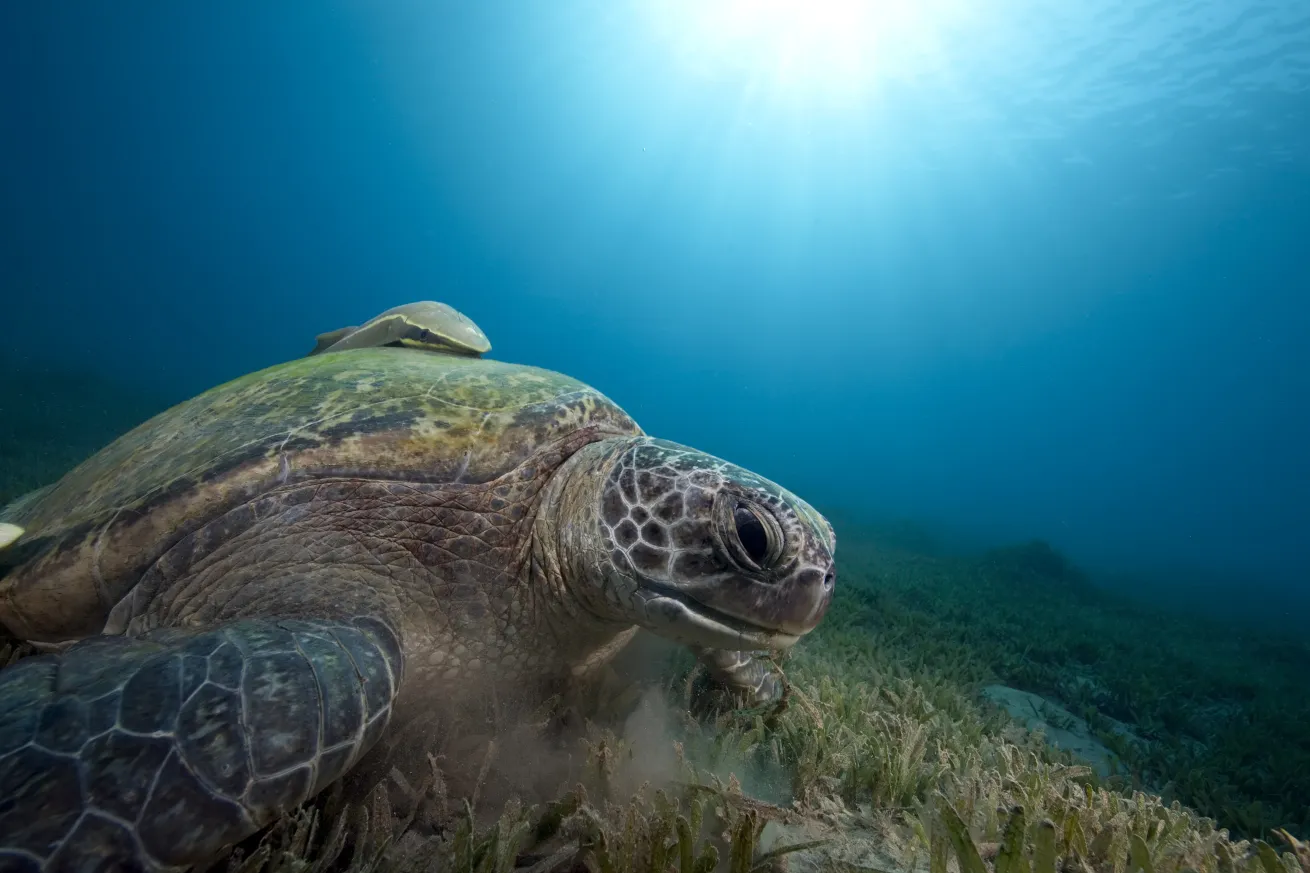
Thinkstock“If you’re literate and can use a tape measure, you can do this stuff,” says Brad Nahill of Global Vision -International’s volunteer experience in Yucatan Peninsula’s Sian Ka’an Biosphere Reserve. Nahill is the co-founder of SEE Turtles, an organization that matches wannabe volunteers with turtle-volunteer programs led by 20 various organizations, including GVI, whose Riviera Maya-based experience is a solid fit for divers.
Daylight hours are spent underwater, and nights are devoted to beach walks. Participants must be comfortable walking nearly 4 miles per night, patrolling beaches for nesting green turtles. Duties include noting the turtles’ shell dimensions, counting the eggs and possibly relocating the nest if it’s too close to the waterline.
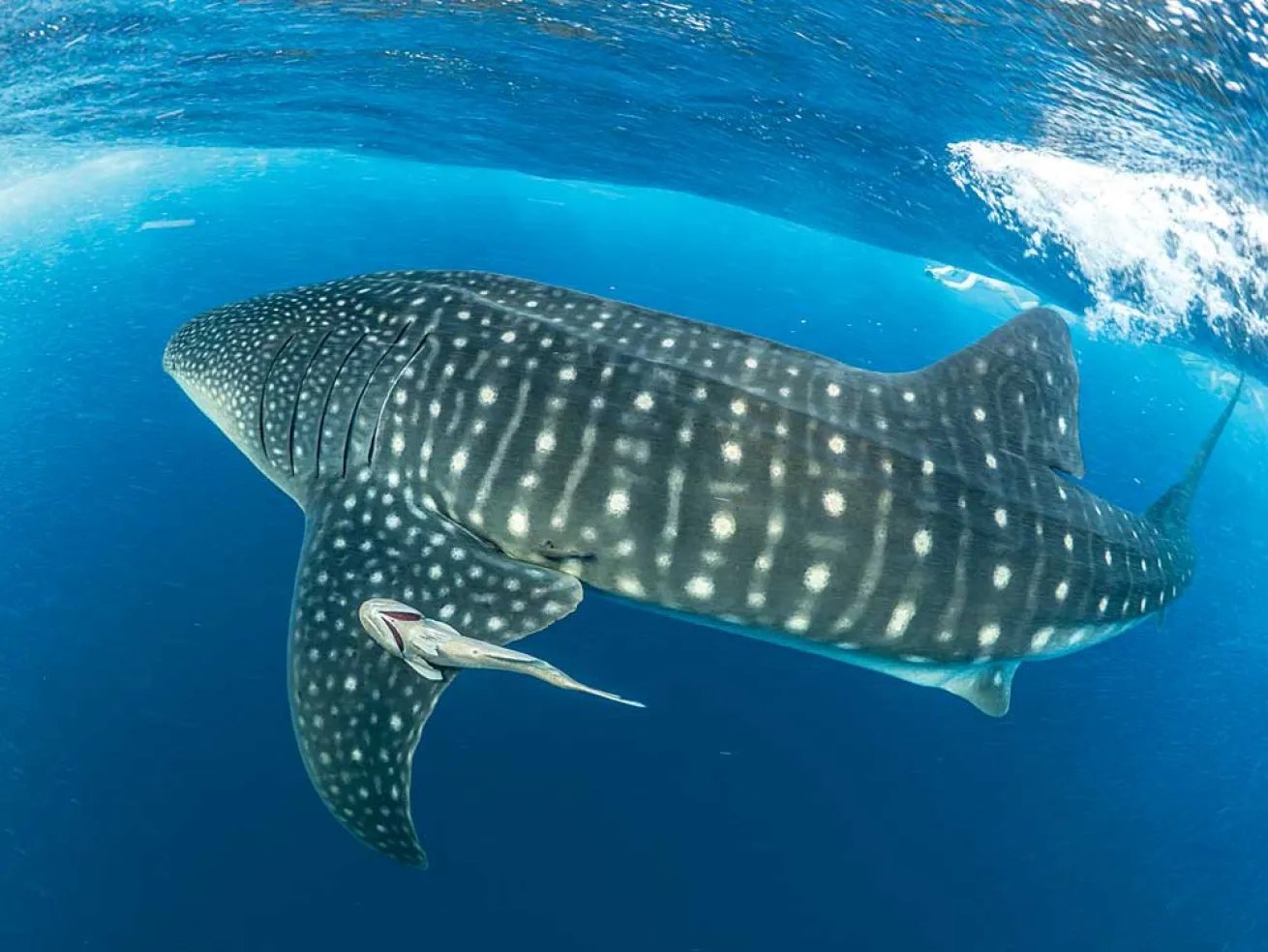
Simon PierceDon’t be surprised if user error leads to camera mishaps during your first whale-shark encounter. Steve Fox has been organizing educational whale-shark research weeks at Deep Blue, his resort on Utila, every March through April since 2004, and has watched countless snorkelers forget about a camera’s on button in the presence of greatness.
He says they even forget they’re holding a camera. Once the shock subsides, guests who manage to also press the shutter and collect individual-identifying photos add them to the Ecocean database, helping researchers study the fish’s migration, mating and other behavior. Each evening, whale-shark specialists host talks, sharing findings from their ongoing studies.

Imagebroker/AlamySuccess can be distracting: At least, it has been for those visiting the transplanted corals now thriving at Molasses Reef off the coast of Key Largo, Florida. Ken Nedimyer, founder of the [Coral Restoration Foundation](http://www.coralrestoration.org, fla-keys.com), has learned that the awe factor is something he must allow for when figuring how much productivity to expect from volunteers.
On one dive, a team from Washington, D.C., was tasked with planting 120 corals when they encountered four sharks, 10,000 glass minnows, green morays and grouper. Needless to say, the group quickly got behind schedule. For the most part, Nedimyer, who has been welcoming volunteers since 2007 for as little as daylong commitments, has been able to task divers with an appropriately heavy workload.
They cut corals, clean reefs of snails and other specified predators, and perform other maintenance tasks. The only requirement, other than already being dive certified, is that you at least try to ignore the marine fauna.
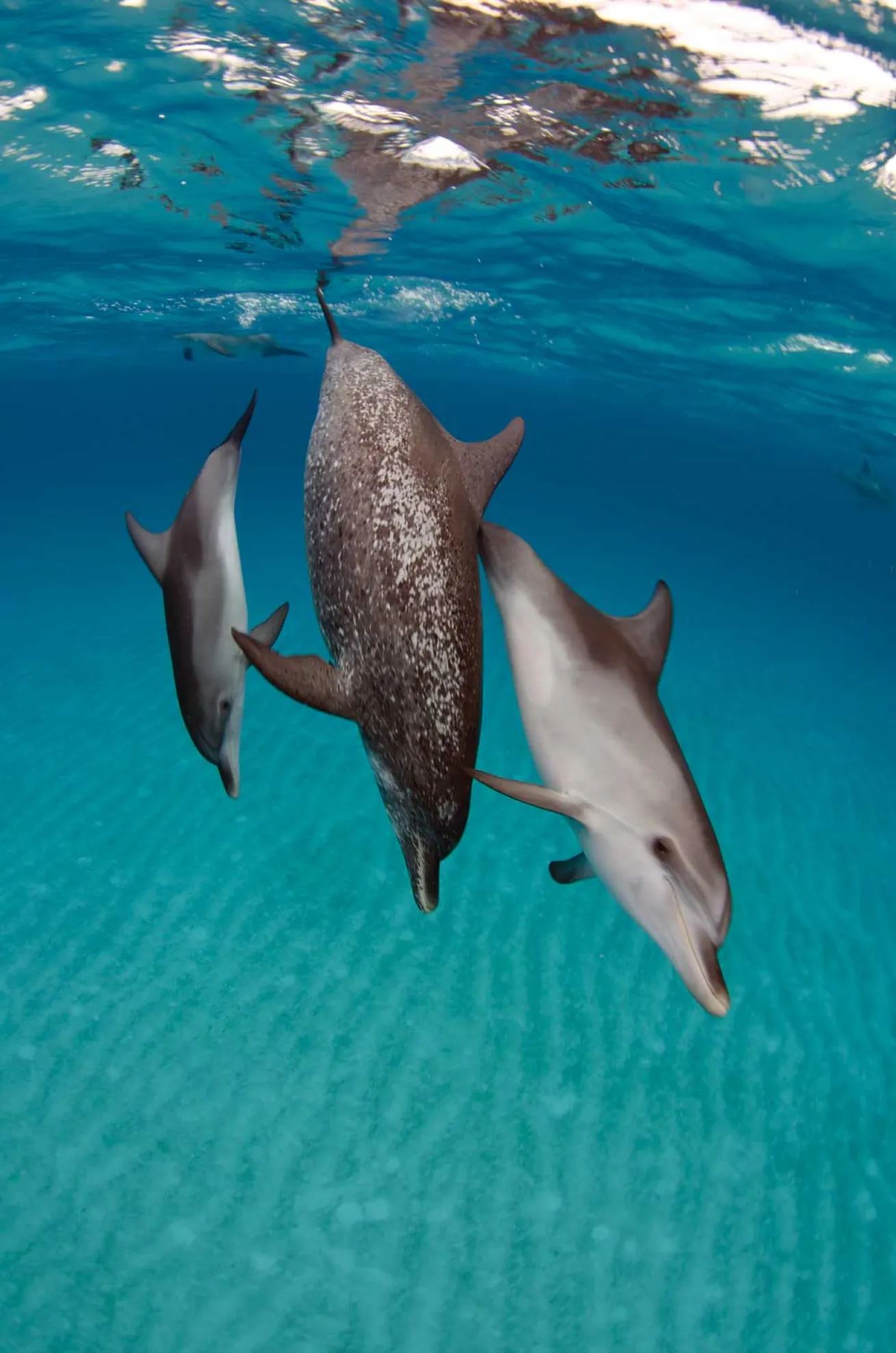
Tanya Burnett“We’re trying to tell the story of a society long term,” says Dr. Denise Herzing of the Bahamas’ bottlenose and Atlantic spotted dolphins that she and her team have been studying since 1985. Those interested in helping her do so can join the 10-day trips offered May through September aboard M/V Stenella departing from West Palm Beach, Florida.
The main duty is joining assigned watches starting at 7 a.m. Once a pod is sighted, grab your snorkel gear. Those with strong snorkeling and photography skills are encouraged to take photos of the individuals encountered while Herzing and her graduate students shoot video. Each night after dinner, the footage is reviewed, and another kind of storytelling ensues as Herzing discusses the behavior, and explains the difference between vocalizations for playing, fighting, and mating.
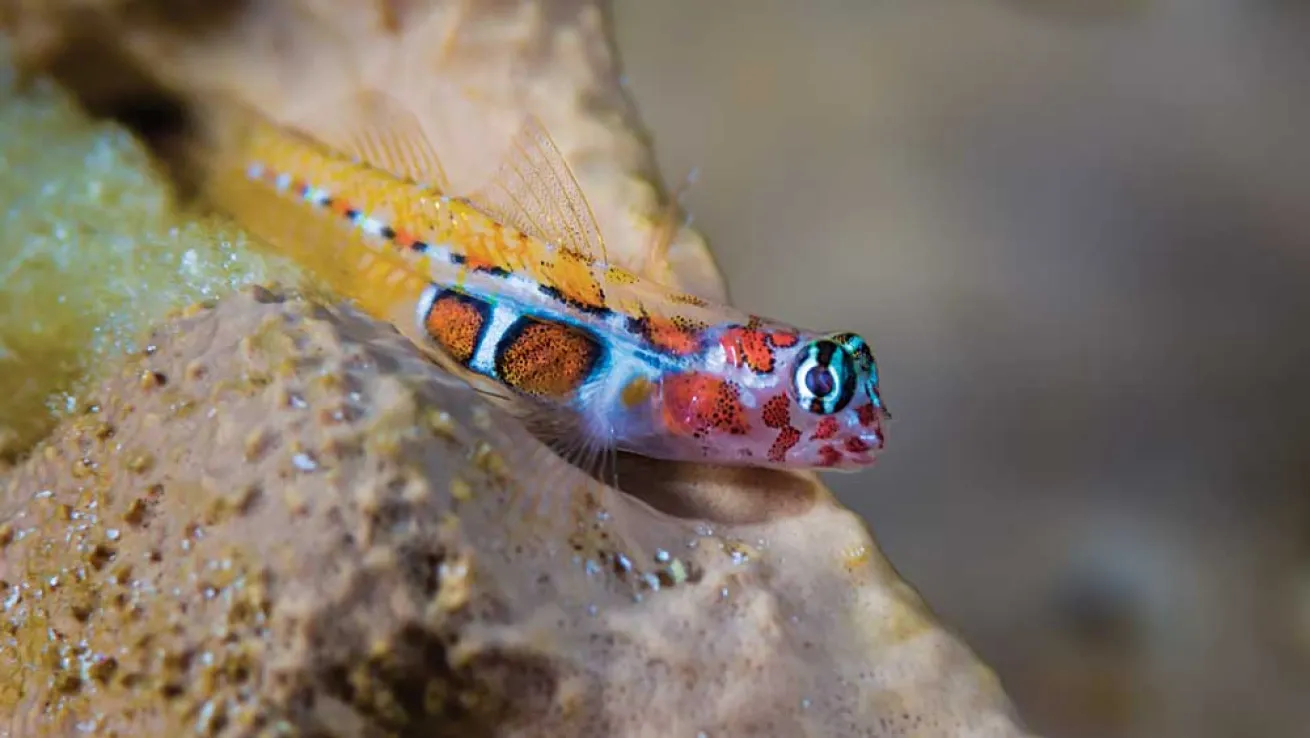
Bruce ShaferThe volunteers readying for a weeklong trip with Reef Environmental Education Foundation (REEF) are easy to spot on the plane: They’re cramming with fish-ID books and iPad apps. This November, those headed to Cayman Brac will have 17 in-water opportunities to complete fish surveys — and potentially prove the presence of a previously unseen species.
According to volunteer trip leader Heather George, this could be one of the trip highlights. In Dominica, her team was the first to find the black brotula. “Underwater, there’s lots of cheering,” says George of such finds. Her next goal is to point out the fish to all nearby divers and ensure someone with an expensive camera snaps clear evidence.
Even without such a score, the time underwater on these trips can prove invaluable for researchers, adding 75 to 100 hours of bottom time to a -database.
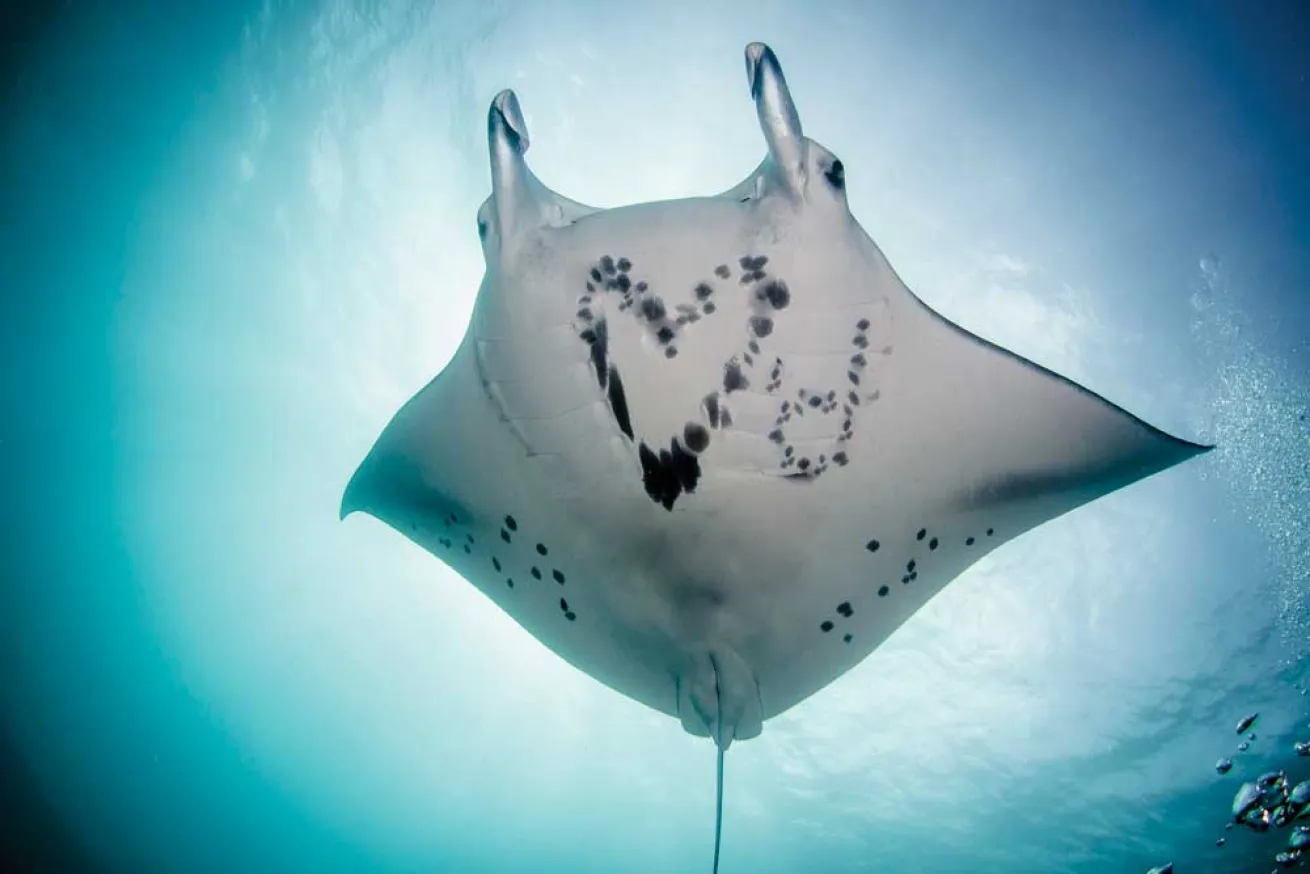
Visityap.com/conservationIt’s a trip best suited for photographers: The Manta Trust organization relies on scientist- and citizen-collected images to learn more about this animal’s behavior.
This 10-day expedition offered twice in July begins with Manta 101: learning the difference between oceanic manta rays and reef mantas, given that individuals of each species are identified by different patches near their gill slits. You’ll upload photos to learn what’s known so far about that particular manta.
Trip leaders Julie Hartup and Mark Deakos will spend the evenings at Manta Ray Bay Hotel and aboard M/V Damai II, leading talks and workshops about manta migration, mating, habitat and more. Once you’ve gone home, the data will be put to further use strengthening the case for protecting -mantas in the habitats where it’s been proved they spend the most time.
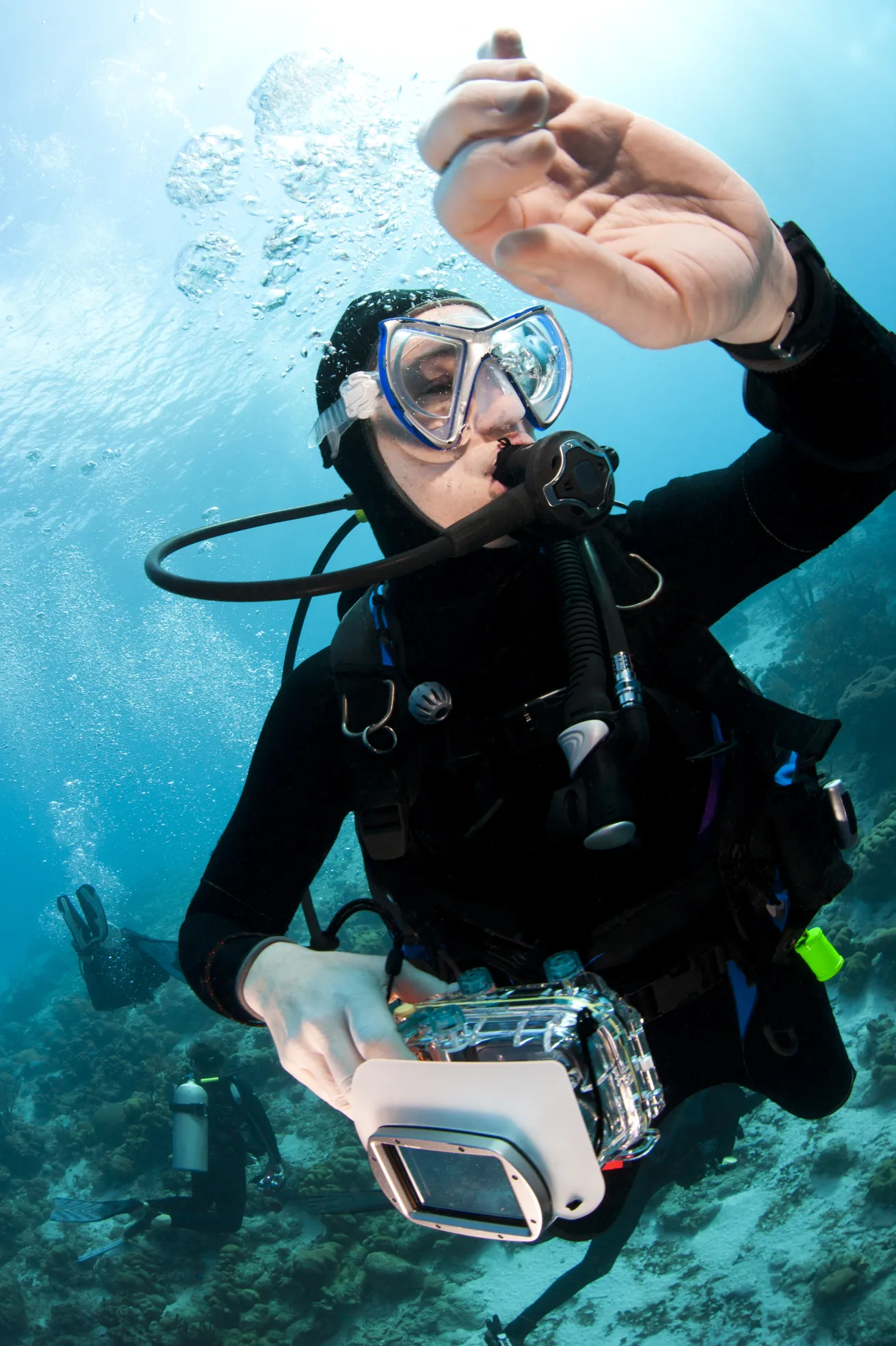
ThinkstockSmall and remote, Kosrae is an island that has done things right since dive tourism began. Locals there understood the need for mooring balls, installing 50 before anchors could claw through the reefs. Kosrae Village Resort started construction in 1994, but resisted road building and heavy machinery.
Knowing their greatest resource is their environment, the resort owners have been welcoming certified divers to a 13-night coral-monitoring program since 1996. Volunteers are trained in data collection and the use of tools, such as transect tapes.
The info they gather is submitted to Kosrae Island Resource Management Agency; it’s been the backbone of several conservation measures — including protecting the humphead -parrotfish — all designed to keep the reefs as pristine as they were before the small-impact development started.
ThinkstockNight owls will have no trouble settling into a routine where all tasks are performed after sunset. It’s a schedule favoring the young, which is perhaps why volunteers as young as 12 can join the sea-turtle-conservation efforts of Pretoma, a Costa Rican NGO. Sign up, and the main obligation is a rotation of nightly three-hour beach walks.
Aided by the red glow of a head lamp, you’ll scout for turtle activity. Next, record data such as shell size and number of eggs. On other shifts, you also may help release eggs while playing keep-away with predators. Pretoma has ongoing programs in four locations, and asks that volunteers at all of them commit to a minimum of two weeks — more than enough time to allow your circadian rhythms to sync with their schedule.
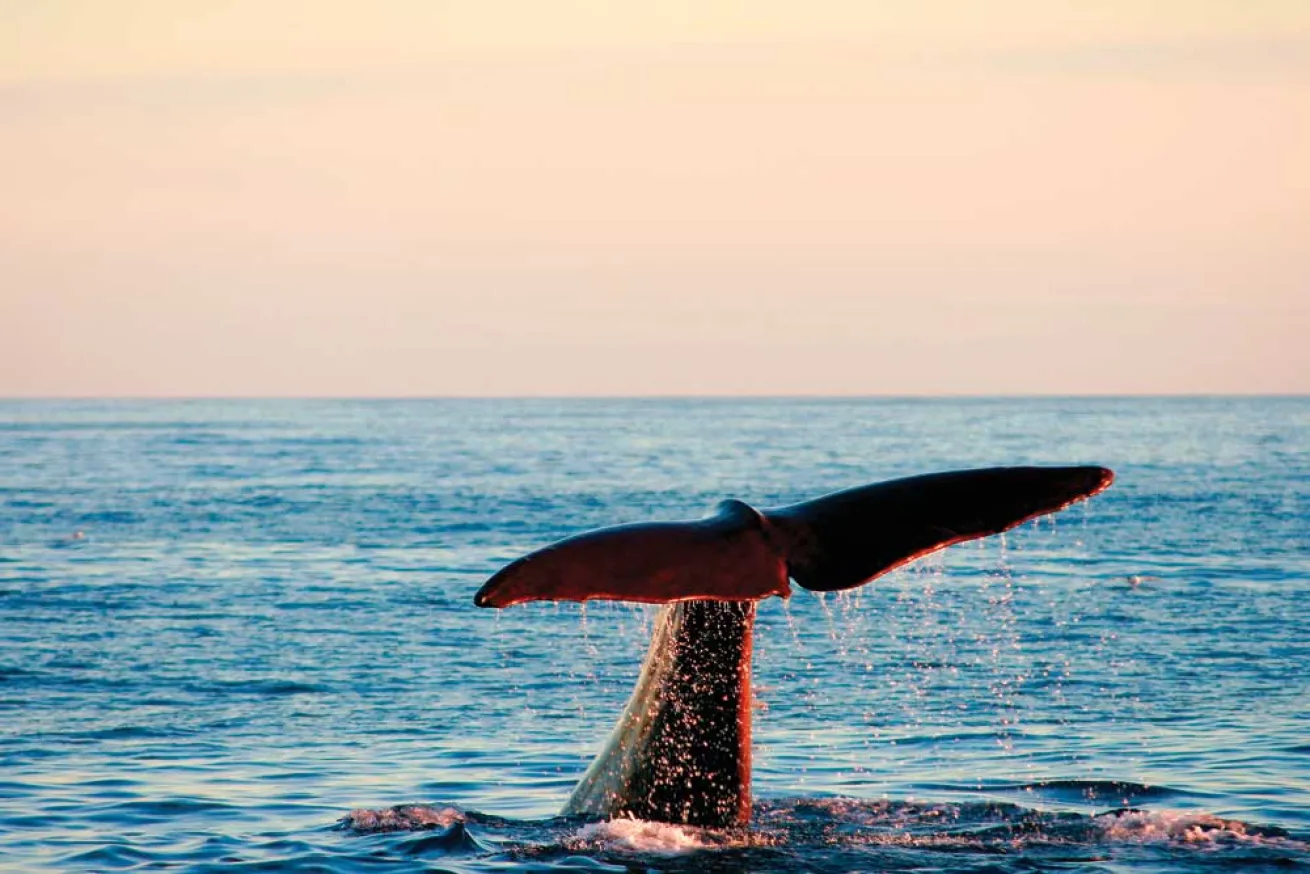
Imagebroker/AlamyIt’s the first thought after “wow.” After an encounter with a charismatic marine animal, most of us -wonder how our presence impacts the population’s everyday existence. In the wake of increased oil- and tourism-industry boat traffic off the Norwegian coast, Earthwatch is attempting to answer that question concerning the country’s sperm whales.
In 2013, under the guidance of scientist Iva Kovacic, the organization created an eight-day program on the small fishing island of Andoya, located about a third of the way south on the country’s coastline. The way it works: Pairs of volunteers take turns observing and recording whale behavior.
They note GPS positions within a few feet (thanks to laser distance meters), and they watch to see how the animal responds to the presence of people -— whether it nose lifts, shallow dives or deep dives following an encounter. Volunteers also help record whale sounds and discuss the data come day’s end. It’s speculated the data could ultimately be used to create regulations that limit the movements of this very program.


