

As spring approaches, the warmer weather may have you itching to get out of your dive hibernation and back into the water. So, where are the best destinations for scuba diving in March?
Find far-flung destinations for a weeklong spring break trip or hop somewhere closer to home—we’ve got recommendations for both flavors of March scuba diving below.
Looking for other months? See our full 2026 Scuba Travel Calendar.
Palau: Fireworks Beneath the Surface
Dive Highlights: Big Animals, Lunar Timing, Boat Dives and Liveaboard Options

Allison VitskyBumphead parrotfish congregate to spawn in the waters of Palau.
Each month, around the new moon, Palau’s outer reefs host one of the most dramatic dawn dives on Earth: the bumphead parrotfish spawning aggregation. Before sunrise, thousands of meter-long parrotfish pour off the reef like a living waterfall, schooling in fast-moving clouds over a shallow ledge. These big, block-headed grazers can reach 4 to 5 feet in length and weigh 100 pounds, crunching coral so loudly you can sometimes hear them feed and even head-butt as males jostle for position.
As the new moon window peaks, the school tightens and the water feels electric. Watch for faces flashing pale or white, a clear signal that a fish is ready to spawn. Pairs of parrotfish rise cheek-to-cheek toward the surface, only to be mobbed by other males; suddenly the group erupts in a spiraling, firework-like rush and the water fills with milky clouds of eggs and sperm that drift off on the current. For 30 to 45 minutes, vertical columns of bumpheads rise and explode across the reef.
Plan your trip so you’re in Palau a few days before the new moon, year-round, and work with operators who run dedicated spawning trips; many will list these trips on their websites. Expect very early starts and unforgettable diving. This is a bucket-list event for wide-angle photographers and anyone who wants to see reef life at its most raw and spectacular. —Candice Landau
Operators: Fish ’n Fins; Sam’s Tours; Aggressor Liveaboards; Explorer Ventures
Related Reading: Palau's Enduring Dive Appeal
Statia: Wrecks and Whales
Dive Highlights: Big Animals, Wreck Dives, Photo Opps, Boat Dives
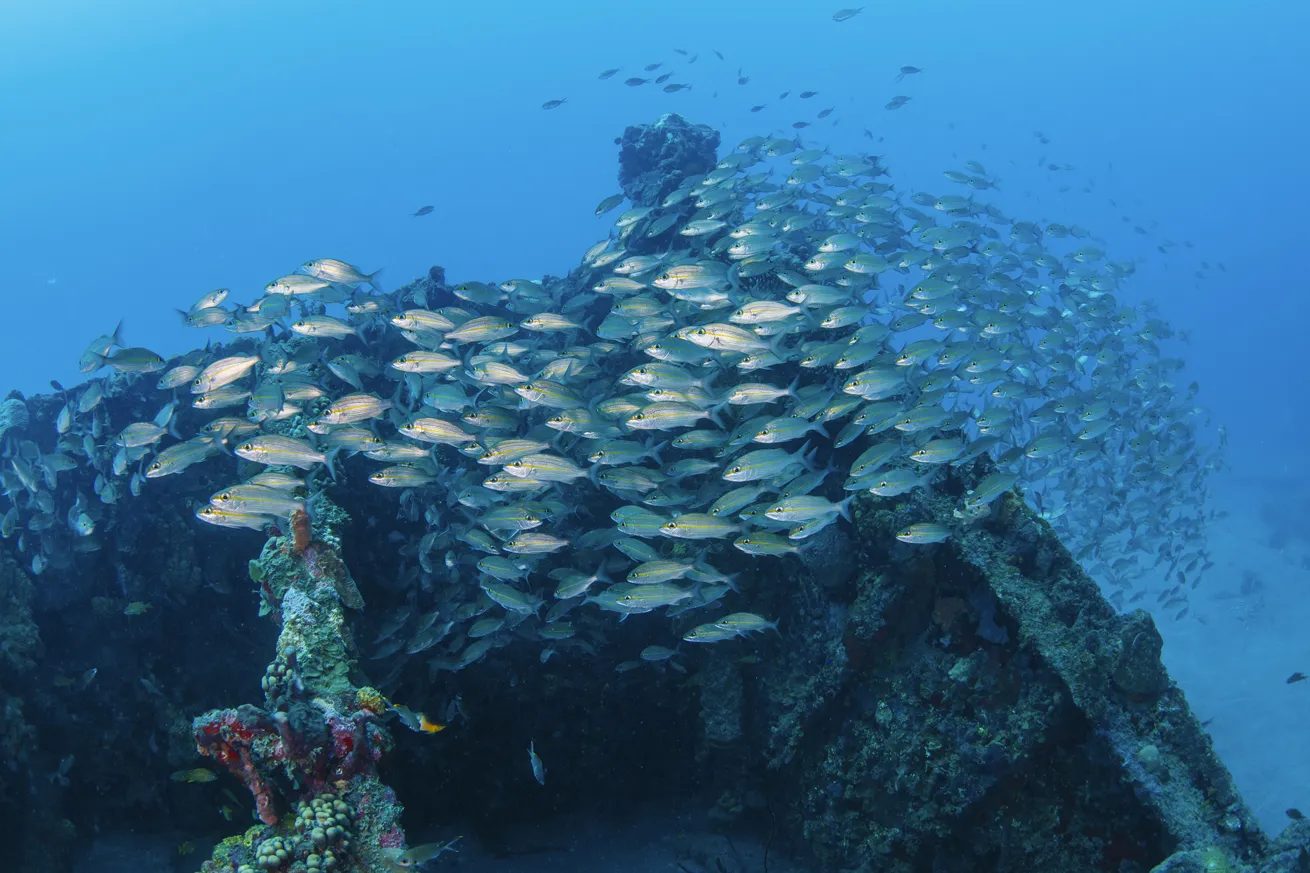
Allison VitskyGrunts school on the bow of a shipwreck off the coast of Statia.
Credit the Saba Bank for the large numbers of humpback whales seen off St. Eustatius, aka Statia. This submerged atoll, due south of Statia, provides warm, protected and shallow waters where the whales can safely breed and calf in spring. For divers on surface intervals between wreck or reef tours, it’s possible to spy a whale surfacing to breathe, or the fluke of a tail just before the mammal descends.
Whales are an exciting draw, but so are the wrecks. The Charlie Brown is the biggest, at 330 feet. A series of smaller ships are found in shallower waters. The Chien Tong, for example, ranks as one of the Caribbean’s best night dives, not only for legions of sleeping green and hawksbill turtles, but also for the lobsters seen skittering about the seafloor, with March marking the start of their mating season. —Brooke Morton
Operators: Scubaqua; Golden Rock Dive & Nature Resort
Related Reading: Diving in Statia: More Than Just Blue Beads
Okinawa, Japan: Music That Transcends Language
Dive Highlights: Big Animals, Lunar Timing, Photo Opps

Shutterstock/divedogLate winter and early spring are fantastic times to see humpback whales off Okinawa, Japan.
Far from the chaos of Tokyo or Kyoto, Okinawa is a deep exhale. Here, the topside life mirrors the vibe beneath the sea: slow, colorful and rich with life.
From winter to spring, humpback whales glide through Okinawa, gifting snorkelers with the experience of a lifetime. Whale calls float through the blue, bouncing over the 400-plus species of coral that flourish in these subtropical waters.
Getting around Japan sans translator can be a challenge, but there are several dive shops with international flair, offering services for non-Japanese speakers and a friendly local perspective to lead you in the right direction. —Ariella Simke
Operator: Diver’s 7 Okinawa
Related Reading: Making Connections While Diving in Southern Japan
Utila: Macrofauna Roulette
Dive Highlights: Big Animals, Lunar Timing, Photo Opps
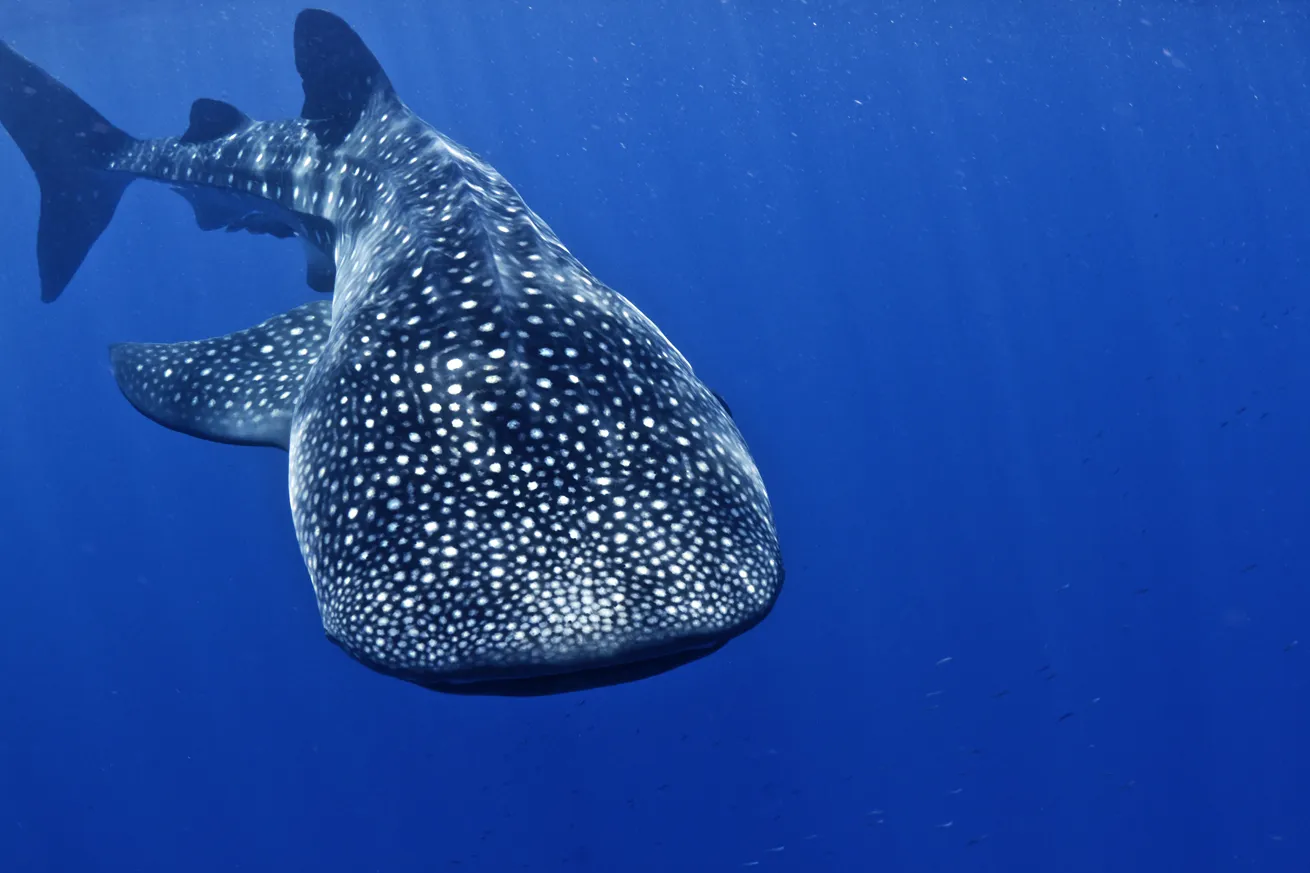
Shutterstock/Joanne WestonPeak season for seeing whale sharks is March to May.
Shallow reefs ending abruptly in sheer walls make for thrilling dives and create ideal environs for seasonal plankton blooms, starting in March. Historically, March to May is peak whale shark season, when the world’s largest fish coasts in to filter-feed.
Past seasons have brought far fewer whale shark sightings, but on the whole, shark sightings across the Bay Islands of Honduras are up, with divers encountering hammerheads, bull sharks and Caribbean reef sharks.
At the start of spring, water temperatures start climbing to the 80s and the rainy season concludes. March also marks the peak for the night dive phenomenon known as string of pearls. A few days before and after the new moon, these small, pingpong ball–like orbs emit light, creating a show that’s nothing short of spectacular. —Brooke Morton
Operator: Utila Lodge
Related Reading: Divers Guide to Bay Islands
Revillagigedos Islands: Humpback Haven
Dive Highlights: Liveaboard Diving, Big Animals, Photo Opps
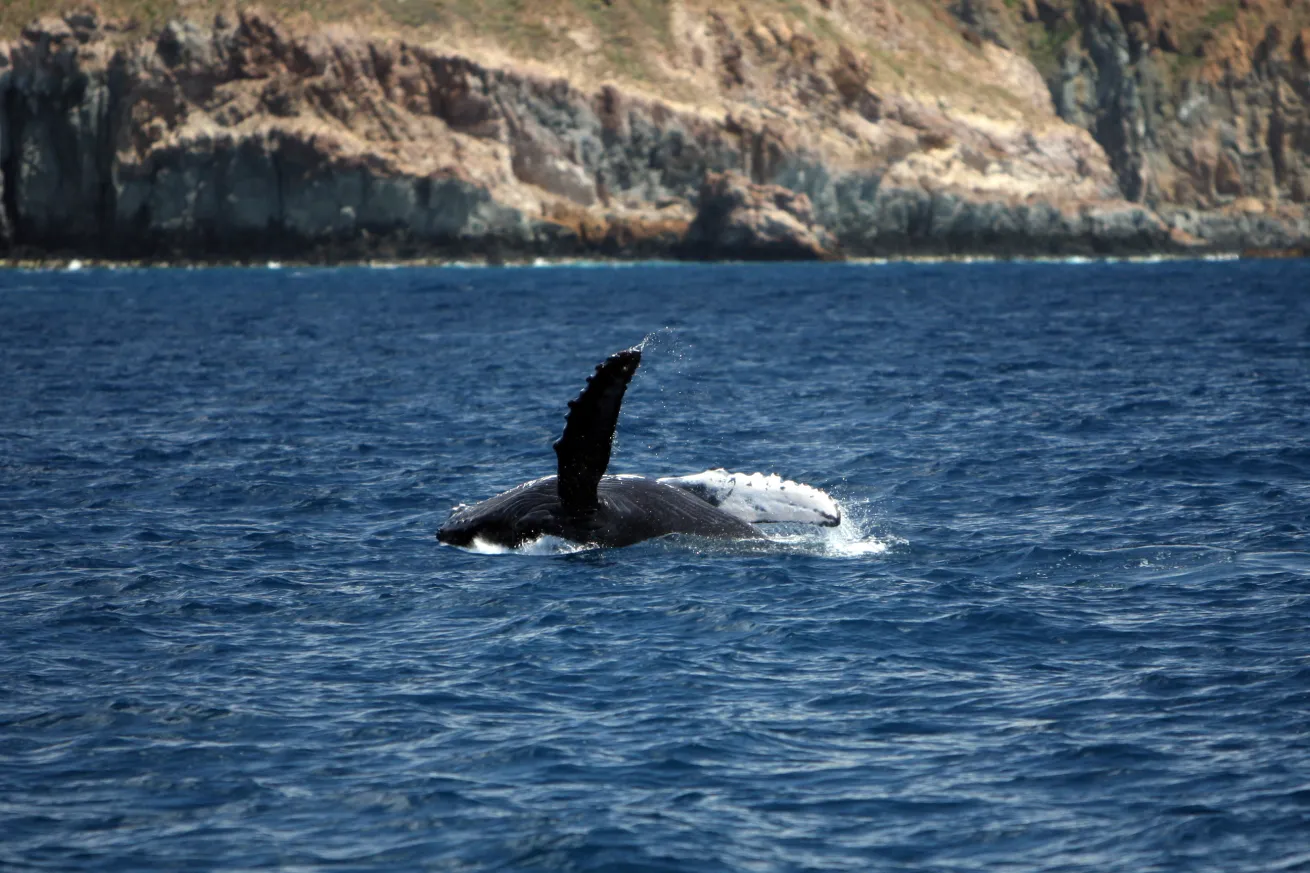
Shutterstock/Jacek JasinskiA young humpback whale breaches near Socorro.
If you’re in the market for a liveaboard that’s a bit easier (and cheaper) to get to from the U.S., consider an itinerary through the Revillagigedo archipelago. You’ll fly into Cabo San Lucas, Mexico, then board a boat and cross the Pacific for about 24 hours before reaching the islands of Socorro, Clarión, San Benedicto and Roca Partida.
The season to visit the Revillagigedos runs from November to May, and as the weather changes between those months, so does the life you may see underwater. Winter offers consistent sightings of whale sharks and dolphins. In February and March, the water is a touch cooler (around 70 to 75 degrees F), and humpback whales migrate through the islands. Late spring and early summer see calm seas and hordes of sharks, including whitetips, hammerheads, silkies and tiger sharks. And other pelagics, like manta rays, can be spotted year-round.
Because the archipelago is only accessible by liveaboard, the journey feels like a true expedition into the open Pacific. Long days of diving, dramatic volcanic seamounts and close encounters with ocean giants make March an ideal time to explore this world-class destination. —Melissa Smith
Operator: Pacific Fleet
Related Reading: How to Dive Mexico’s Socorro Island
Where to Dive Next Month
Palau, Statia, Okinawa, Utila and the Revillagigedos Islands are some of the best scuba diving destinations for a March vacation. Curious about our recommendations for the rest of the year? Explore more:


