

Swimming with whales is a magical experience that few people will actually have in their lives. Book a trip to one of these destinations, where underwater encounters are practically guaranteed.
Shutterstock/Stanislav Stelmakhovich
Rurutu, French Polynesia
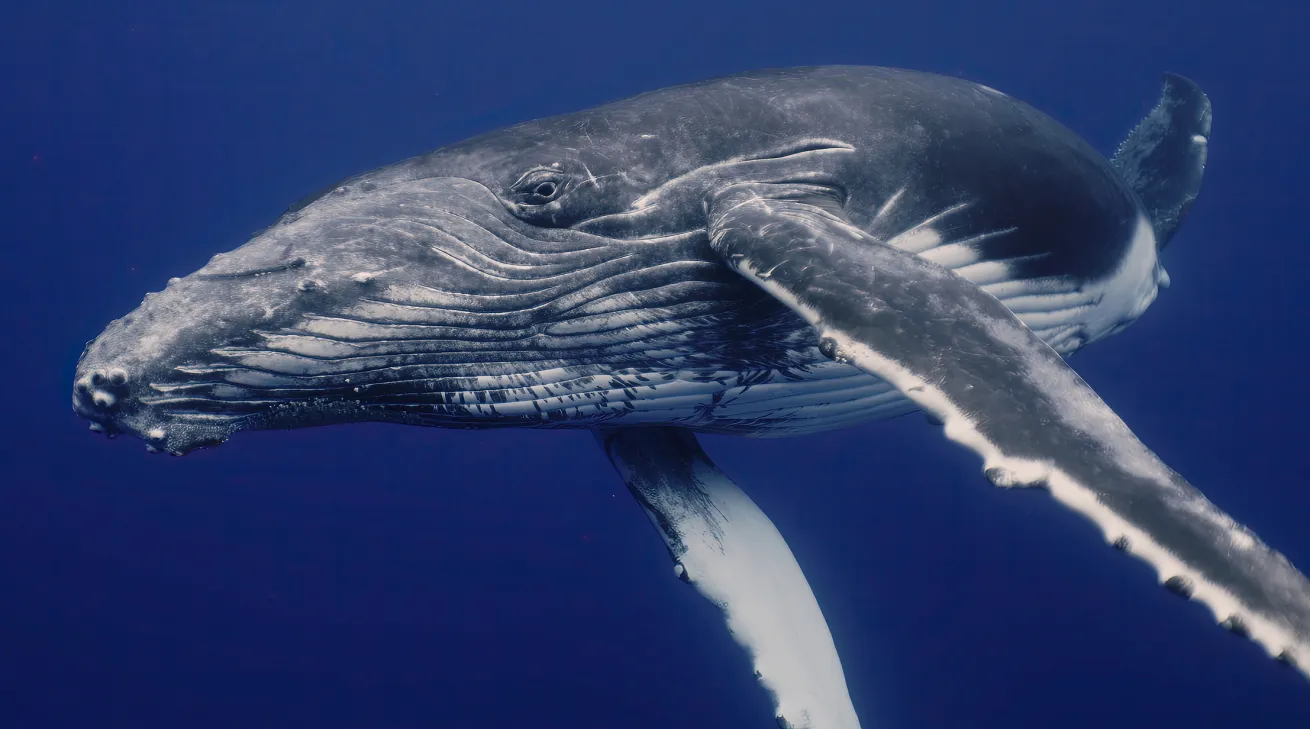
There are a few places to snorkel with humpbacks during their reproductive season in the waters of spectacular French Polynesia. But from August to November, Rurutu—known as “Whale Island” and located in the Austral Archipelago—is particularly auspicious for encounters. Thousands of humpbacks migrate north from Antarctica to calve and mate here at that time.
Shutterstock/ChrisNoe
Northern Norway
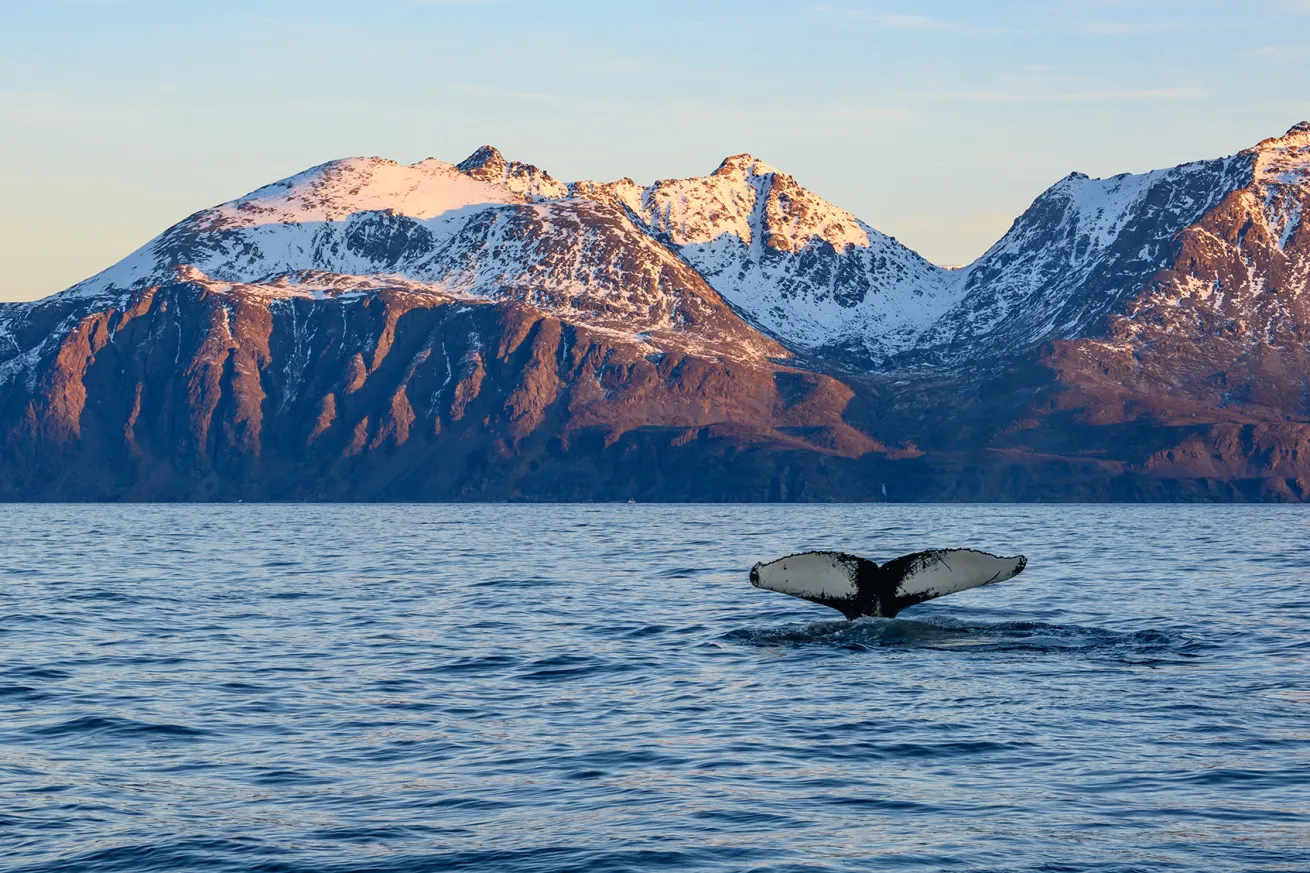
Conditions are cold and the light low, but it’s a thrill nonetheless to find orcas and humpbacks feasting on herring in the waters of Skjervøy, near Tromsø in northern Norway. Operators like Lofoten Opplevelser put snorkelers in the water to see the spectacle from late October through mid-January and provide dry suits for staying (moderately) warm. As a bonus, you might see the Northern Lights in the sky once it’s dark.
Related Reading: Heart to Heart With Humpback Whales
Shutterstock/Gera Guzman
Dominican Republic
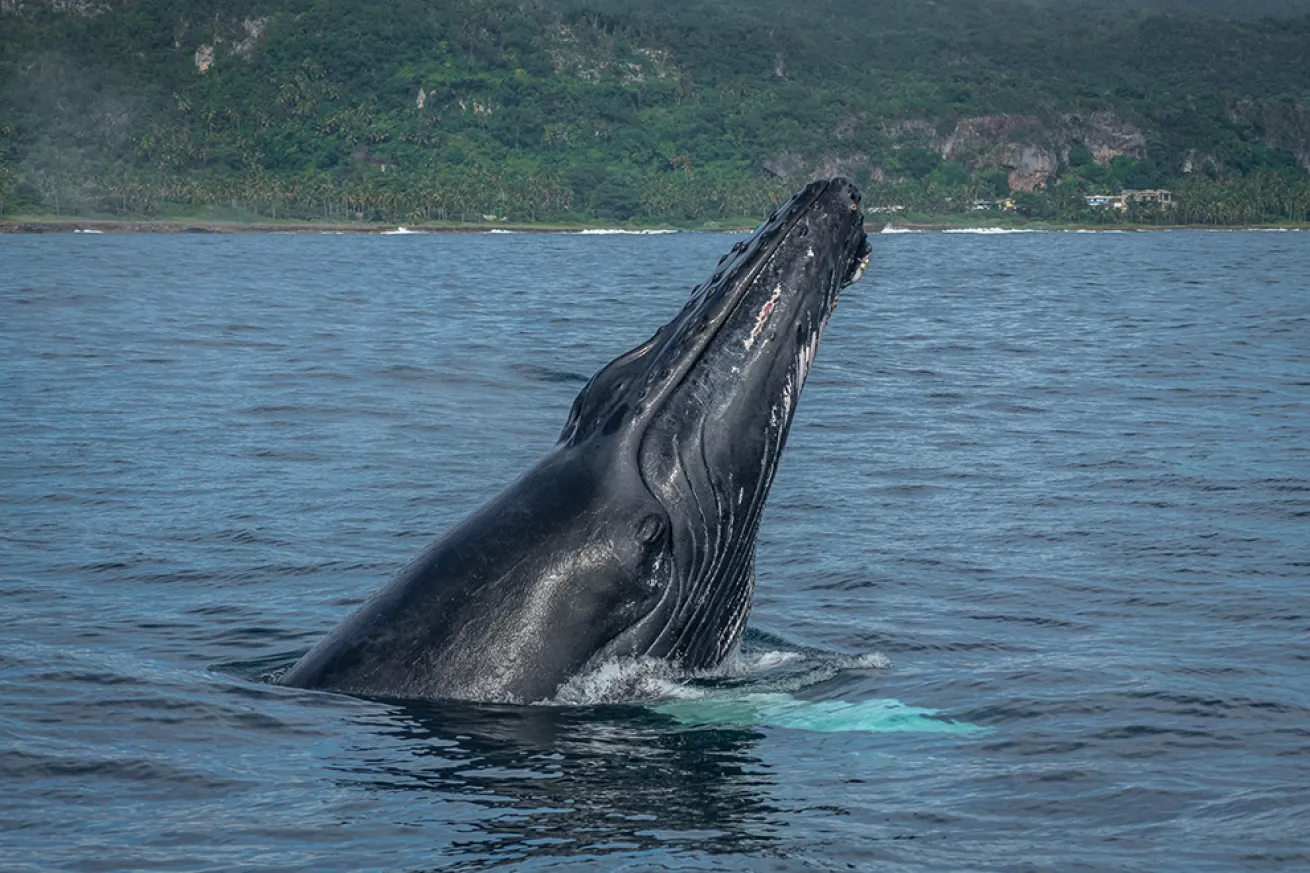
Head out on a liveaboard adventure with Aggressor to the Silver Banks in the clear waters of the Dominican Republic from January through April for the chance to snorkel with North Atlantic humpback whales. Week-long charters depart from Puerto Plata. You might find yourself in the water with mothers, calves and male escort trios.
Shutterstock/Elsalass
Ningaloo Reef, Australia
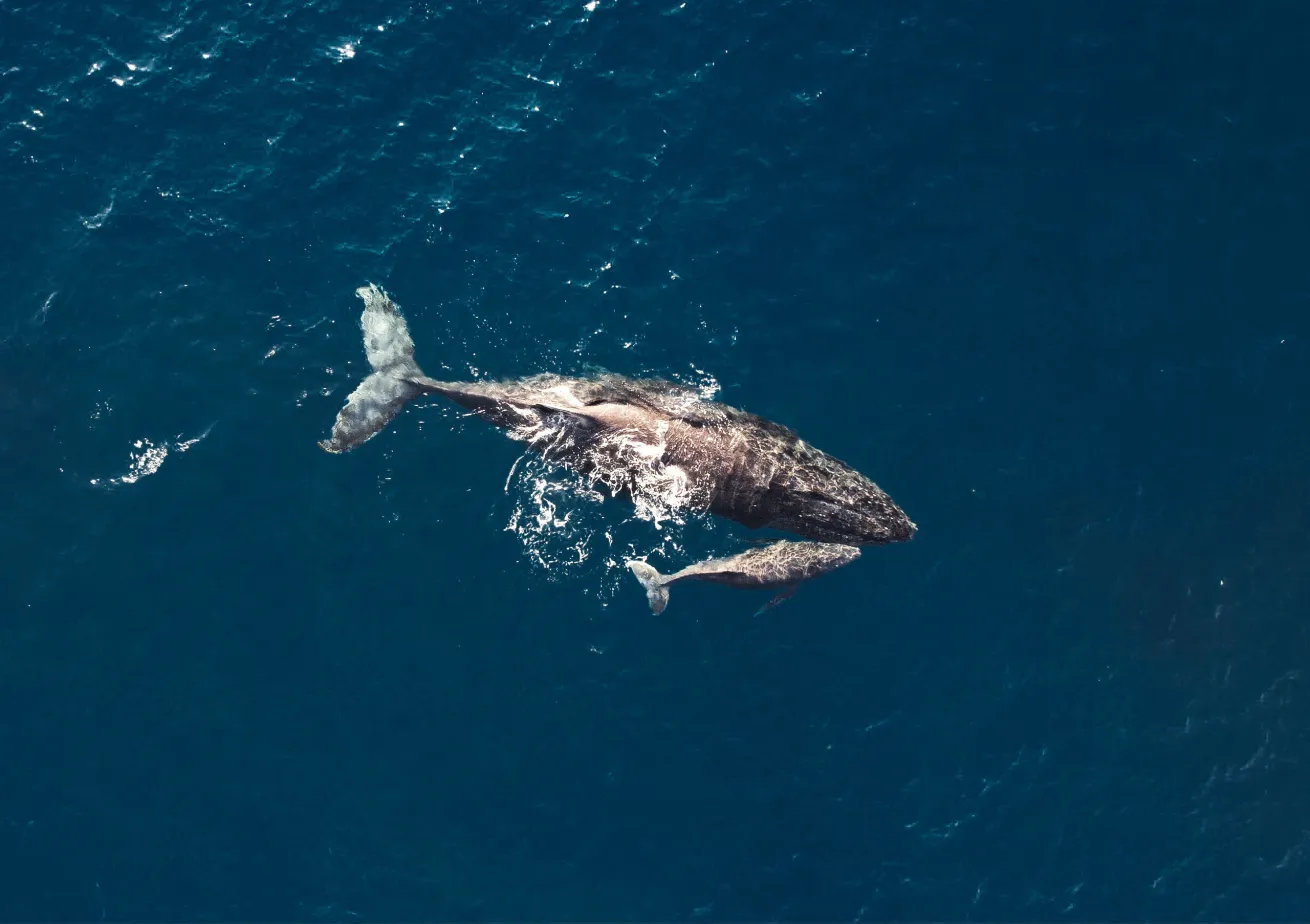
From June through the end of October, during the Down Under winter and spring, thousands of humpback whales arrive in the waters off Exmouth in Western Australia on an annual migration. When they display relaxed behaviors, it’s possible to enter the water with them on guided snorkeling tours for a closer look.
Hannes Klostermann/Ocean Image Bank
Magdalena Bay, Mexico
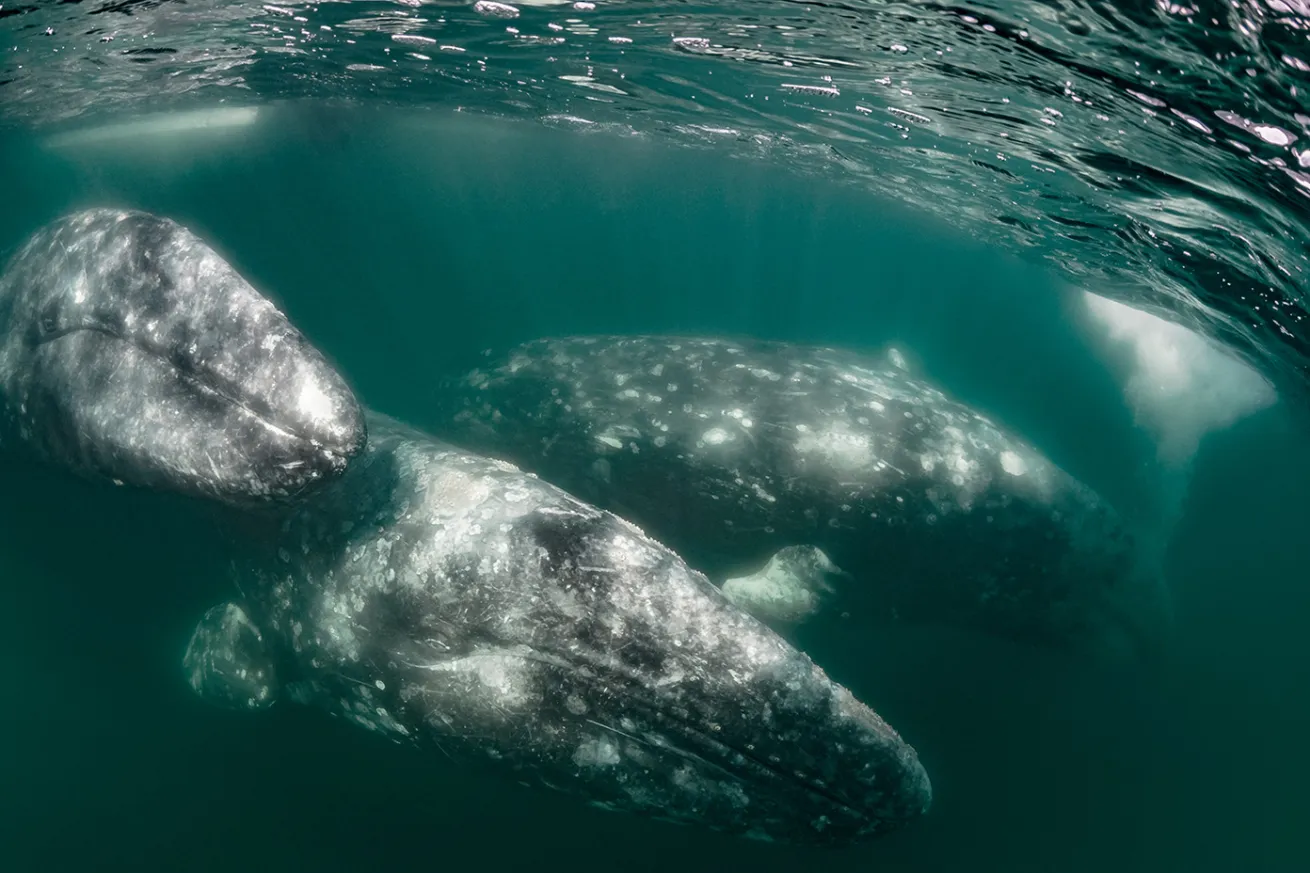
Off the Pacific Coast of Baja California Sur, Magdalena Bay’s calm lagoon fills with gray whales from January to March. They come to these sheltered waters to calve and nurse their young before their return migration north to the Arctic. While it’s not permitted to enter the water with the whales to swim or snorkel, whale-watching tours bring you exceptionally close, with some whales even approaching boats with their calves
Related Reading: What You Need to Know About Swimming With Orcas in Mexico
FAQs Swimming With Whales
Q: Where can I swim with whales?
A: There are several places in the world where you can reliably and legally enter the water with whales during guided tours (usually while freediving or snorkeling only). I’ve come eye to exhilarated eye with orcas and humpbacks during the winter months in northern Norway. June to October is the season for swimming with humpbacks in Tonga. And off Australia’s Great Barrier Reef in June and July, you can fin alongside dwarf minke whales.
While it’s rare, whales can also show up on dives when you least expect it. Divers have been graced by their presence in places like Hawaii, Mexico’s Sea of Cortez and the Azores. If you’re lucky enough to be surprised by one on a dive, “it’s important to remember common-sense safety things like staying aware of your surroundings, depth and air consumption,” says Kelly Donovan, of PADI Travel.
The experience, of course, is likely to be unforgettable. “I’ll never forget the moment I first saw a humpback whale on a lucky dive,” Donovan says. “It’s such a humbling experience to be dwarfed by these amazingly graceful creatures.”
Related Reading: Swimming With Wild Dolphins: A Guide to Ethical Encounters
Q: I’m not a photographer, but I want to be able to document my underwater experiences without dropping a small fortune. Any suggestions?
A: Especially on trips when you’re doing something epic (like swimming with whales, for example), dive shops often have in-house underwater photographers who come along and will sell you photos of your experience for far less than you’d pay for an underwater camera. The added bonus is that you can just enjoy the moment and not be fiddling with camera settings while a humpback is passing. If you want your own gear, action cameras like SeaLife, GoPro and Paralenz (it’s shaped like a dive torch) make good rigs for beginners. If you only plan to use a camera on a few dive trips a year, consider asking a friend to share it with you to help defray the cost.


