

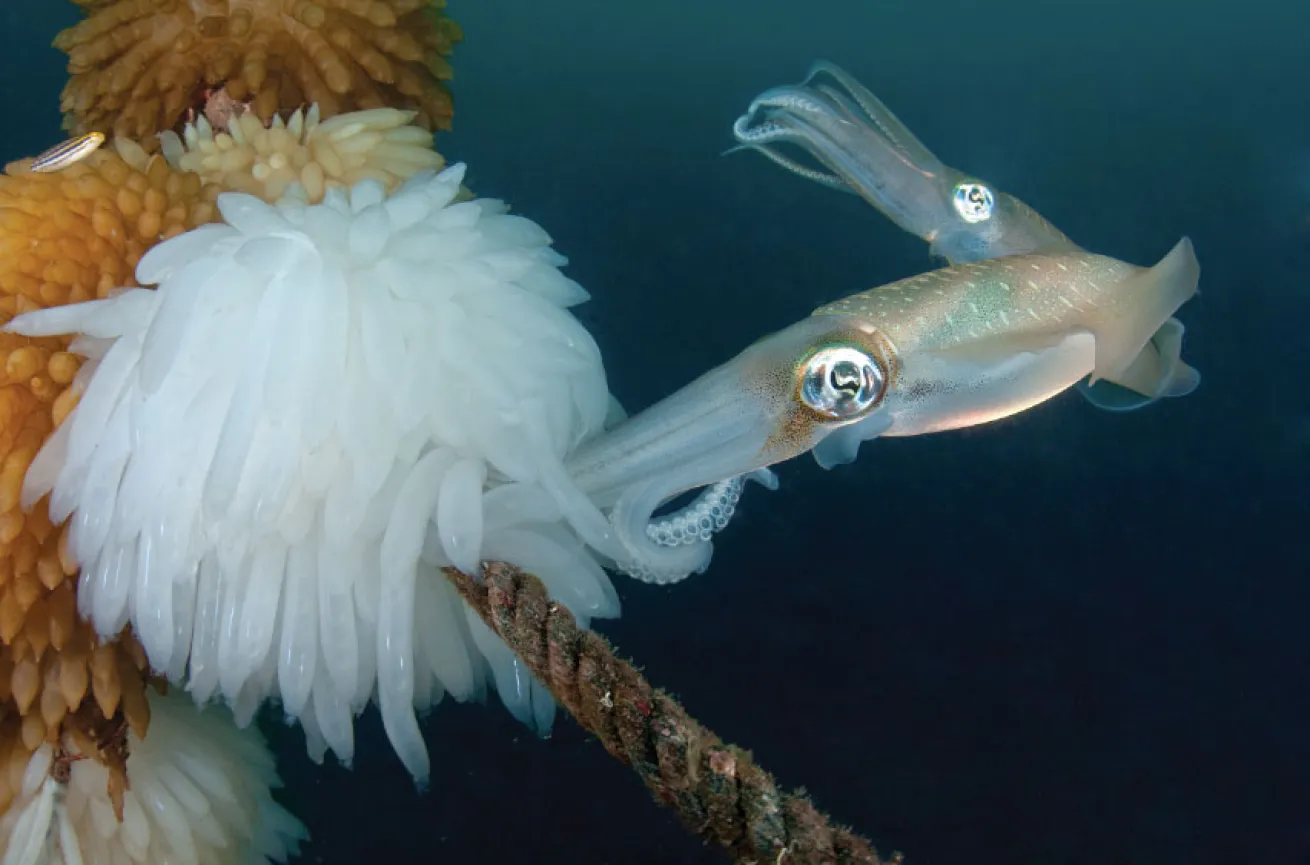
Christian LoaderTaking advantage of a mooring line at a site in Lembeh Strait, Indonesia, a number of squid “couples” hovered nearby, each waiting their turn for the female to lay her eggs on the rope. Once each female finished laying her eggs and the malefinished fertilizing them, the couple would get back in line and wait for their next go.
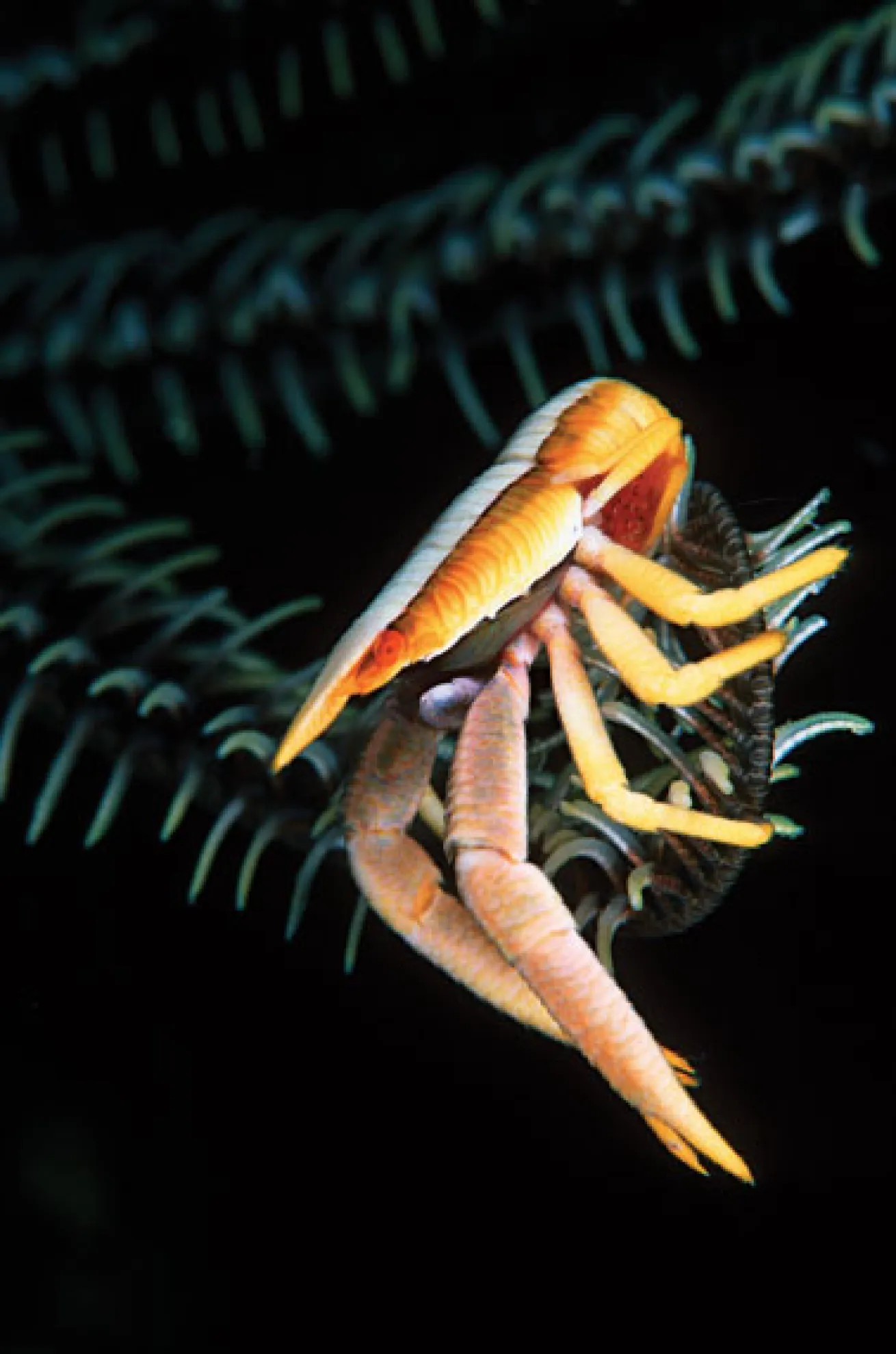
Tony WuTiny, elegant squat lobsters (Allogalathea elegans) grow to around 1.5 inches long and live in feathery crinoids, which make them incredibly difficult to photograph. This squat lobster perched at the end of the crinoid arm — a perfect poser! — had a clutch of eggs folded in its tail.
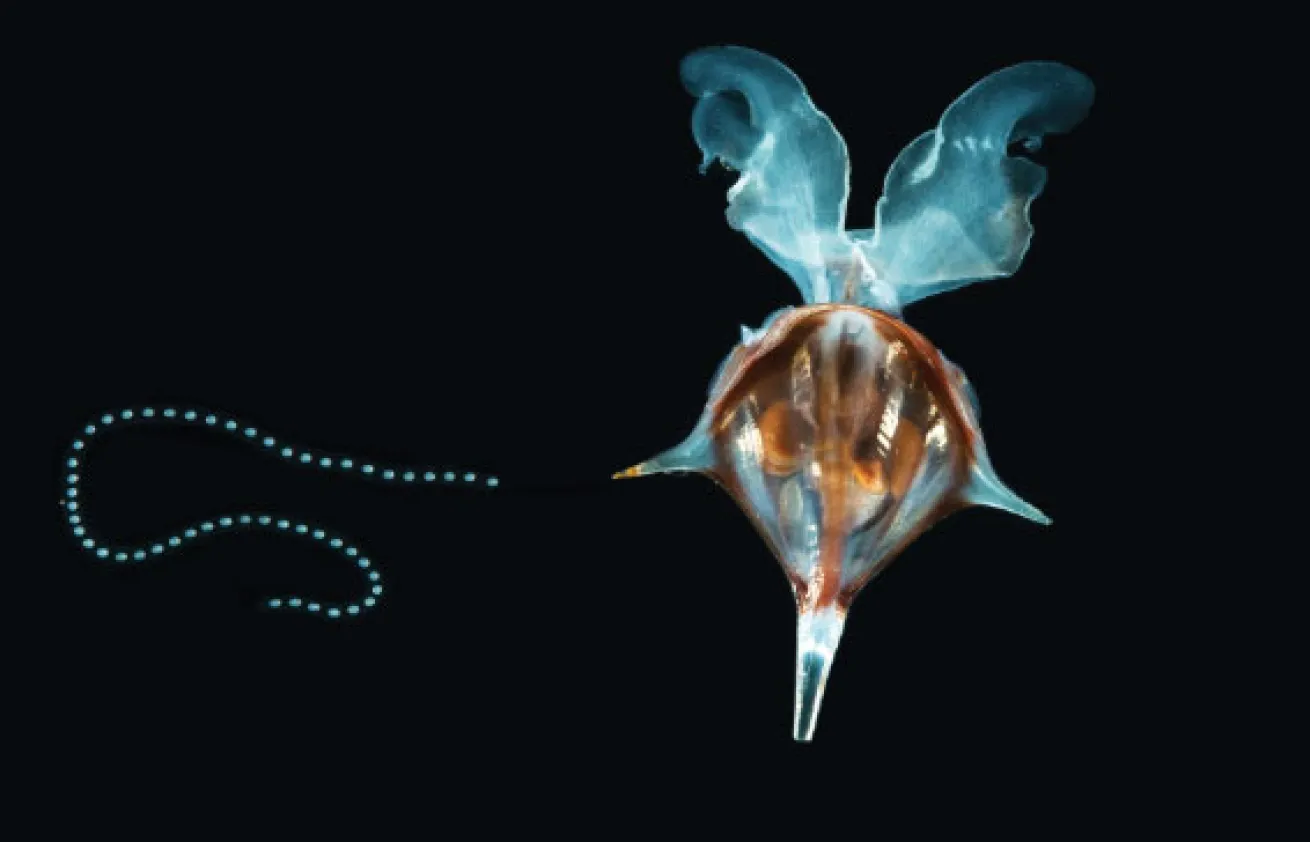
David ShaleThe sea butterfly, also known as a flapping snail, is a pelagic swimming sea snail that has shed its shell. The species is hermaphroditic, producing both eggs and sperm; this sea butterfly, shot in the North Atlantic Ocean, trails an egg string behind it.
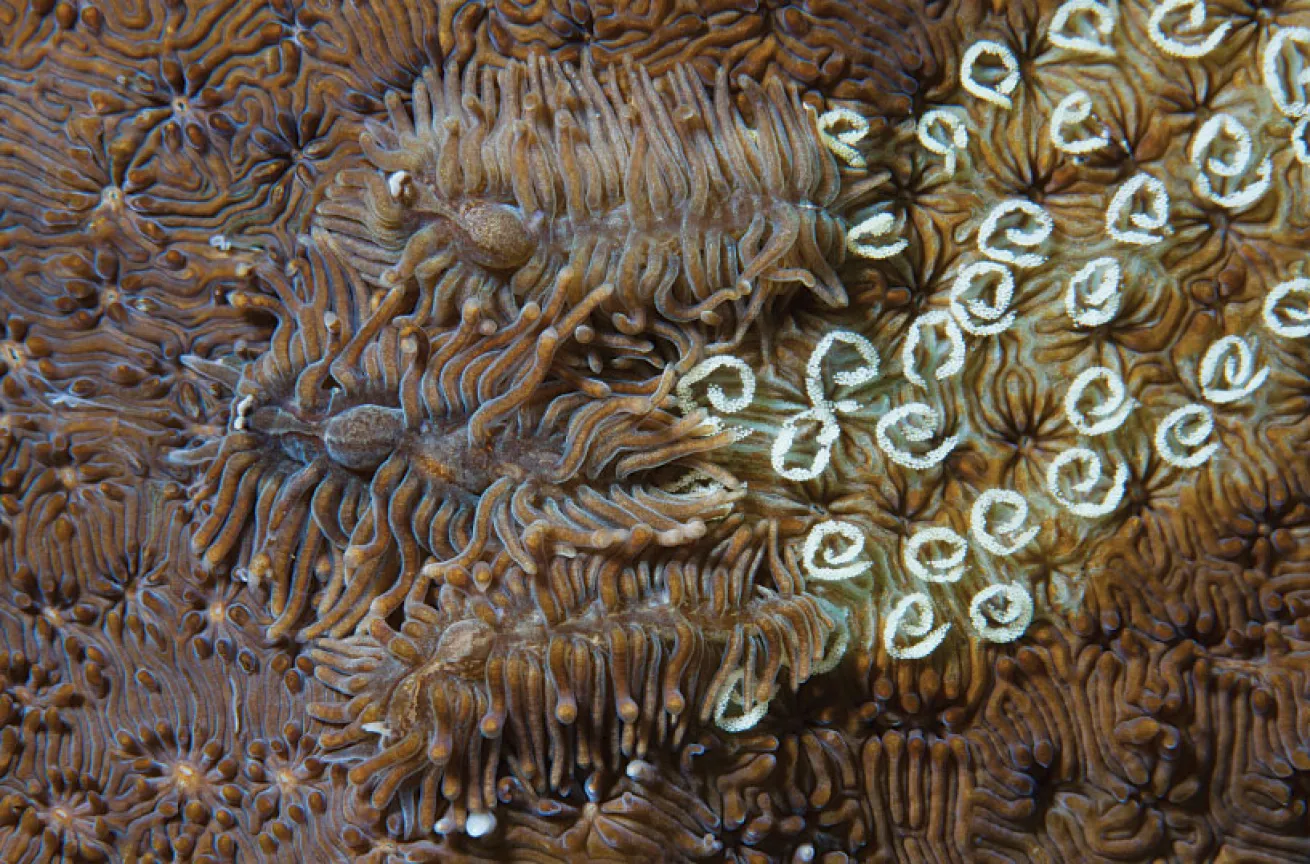
Eric ChengThese three nudibranchs in Sangeang, Indonesia, are almost perfectly camouflaged on their coral background, and are laying egg spirals as they move.
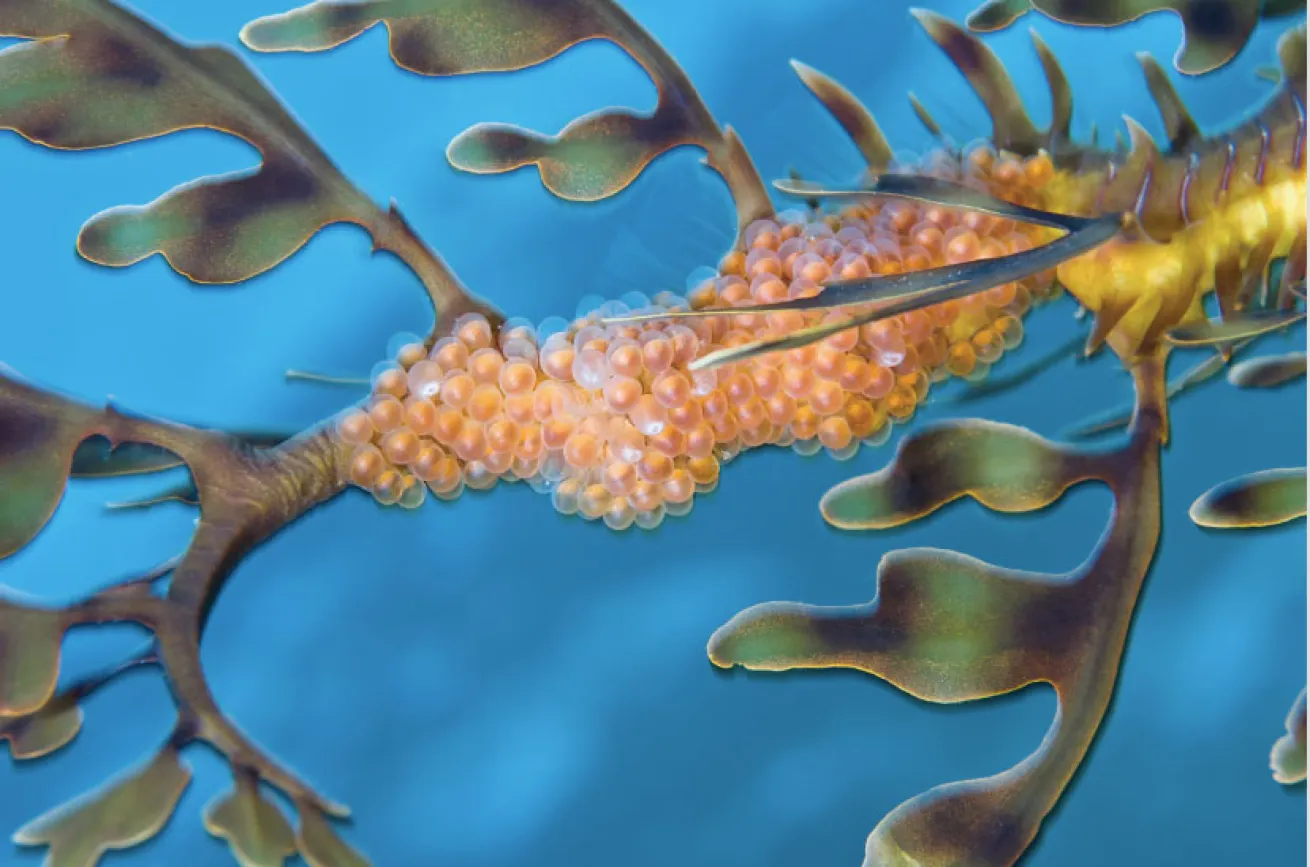
Alex MustardHere, a batch of eggs resides on the tail of a male leafy sea dragon in Wool Bay Jetty, Edithburgh, South Australia. The male will incubate the eggs for nine weeks, after which he’ll pump his tail to help release the babies.
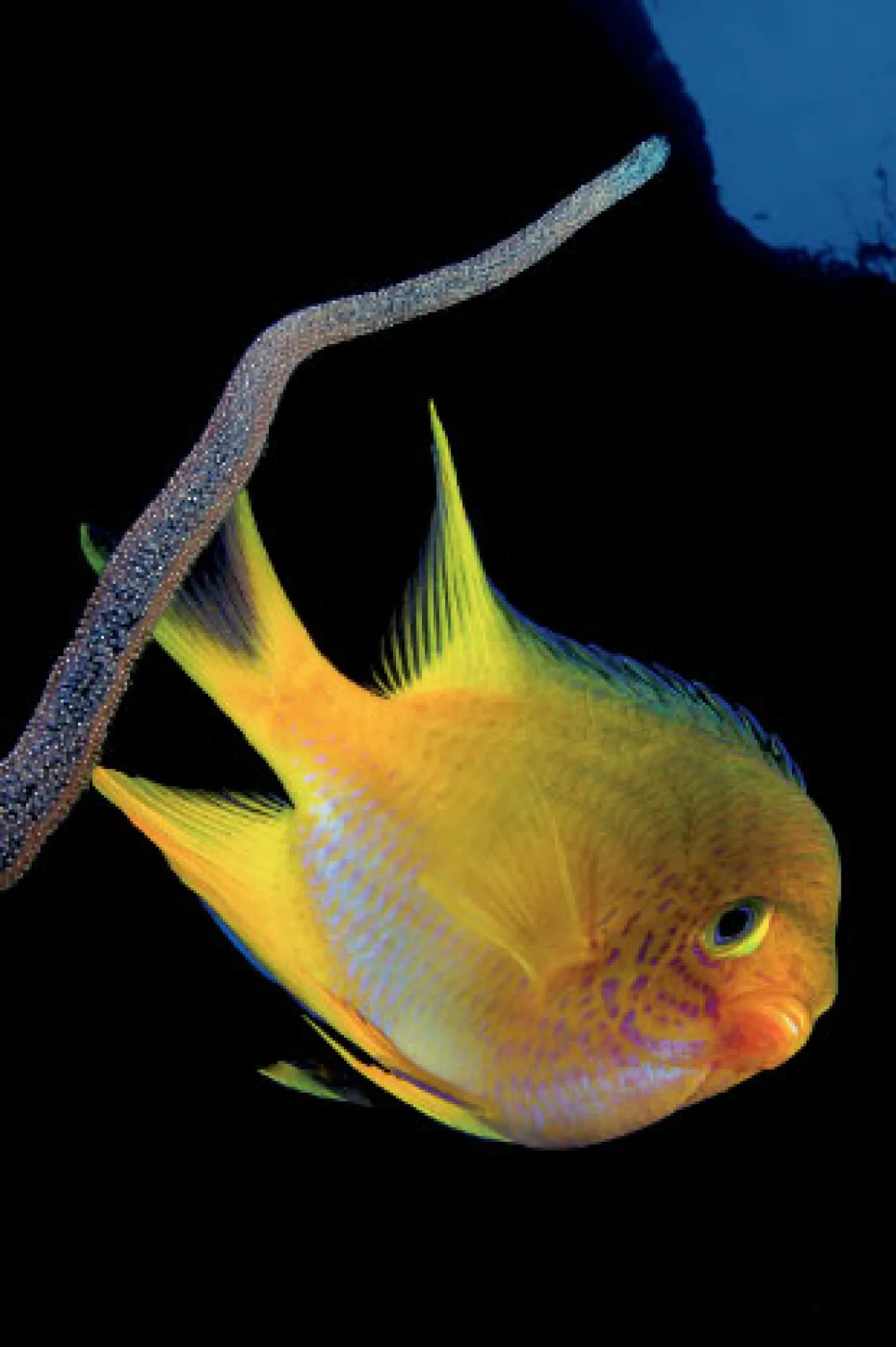
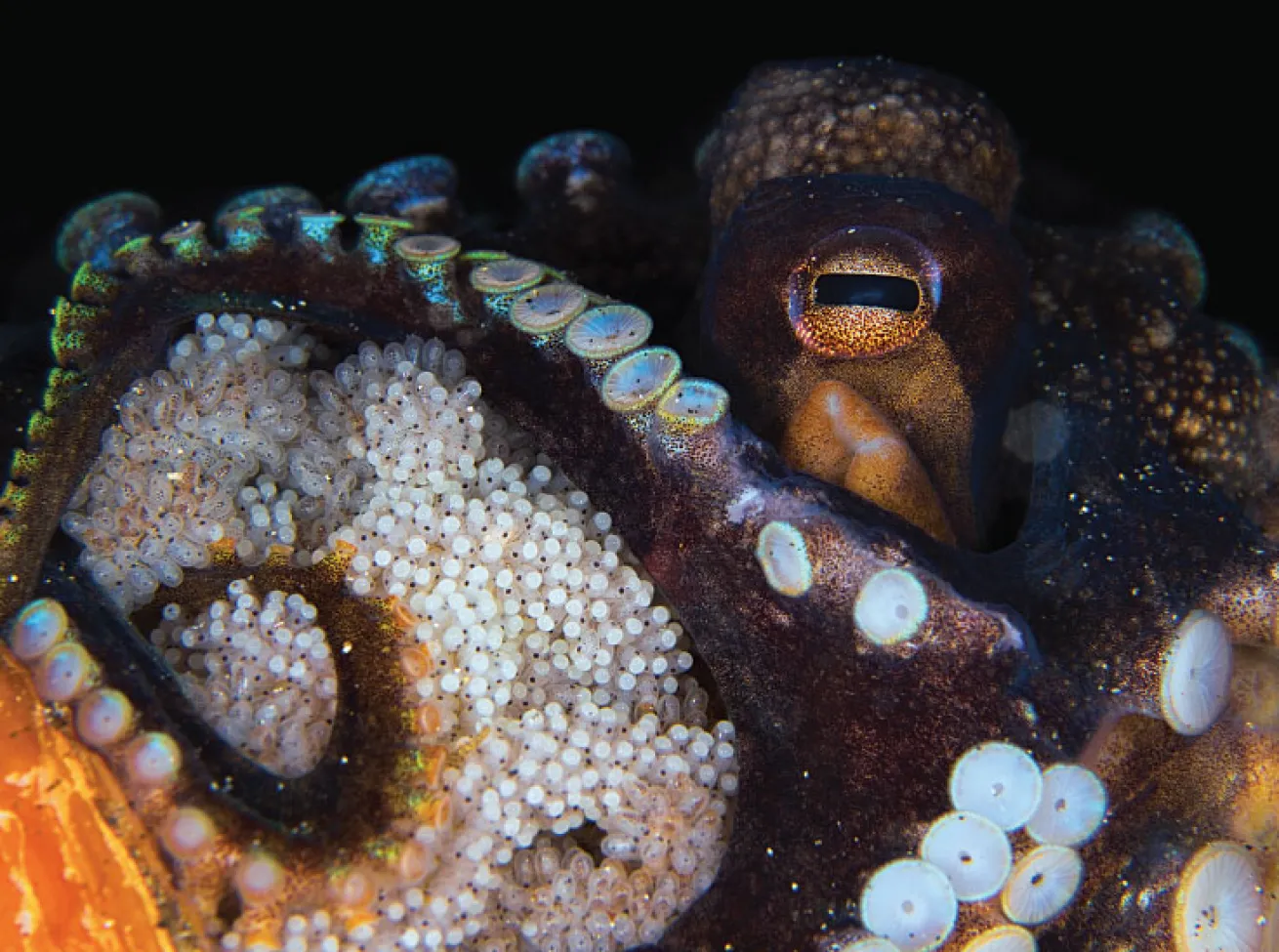
Ivan ChoongA coconut octopus looks after its eggs in Manado, Sulawesi, Indonesia. Female octopuses often do not hunt during themonth spent taking care of the eggs and may even eat some of her own arms for energy.
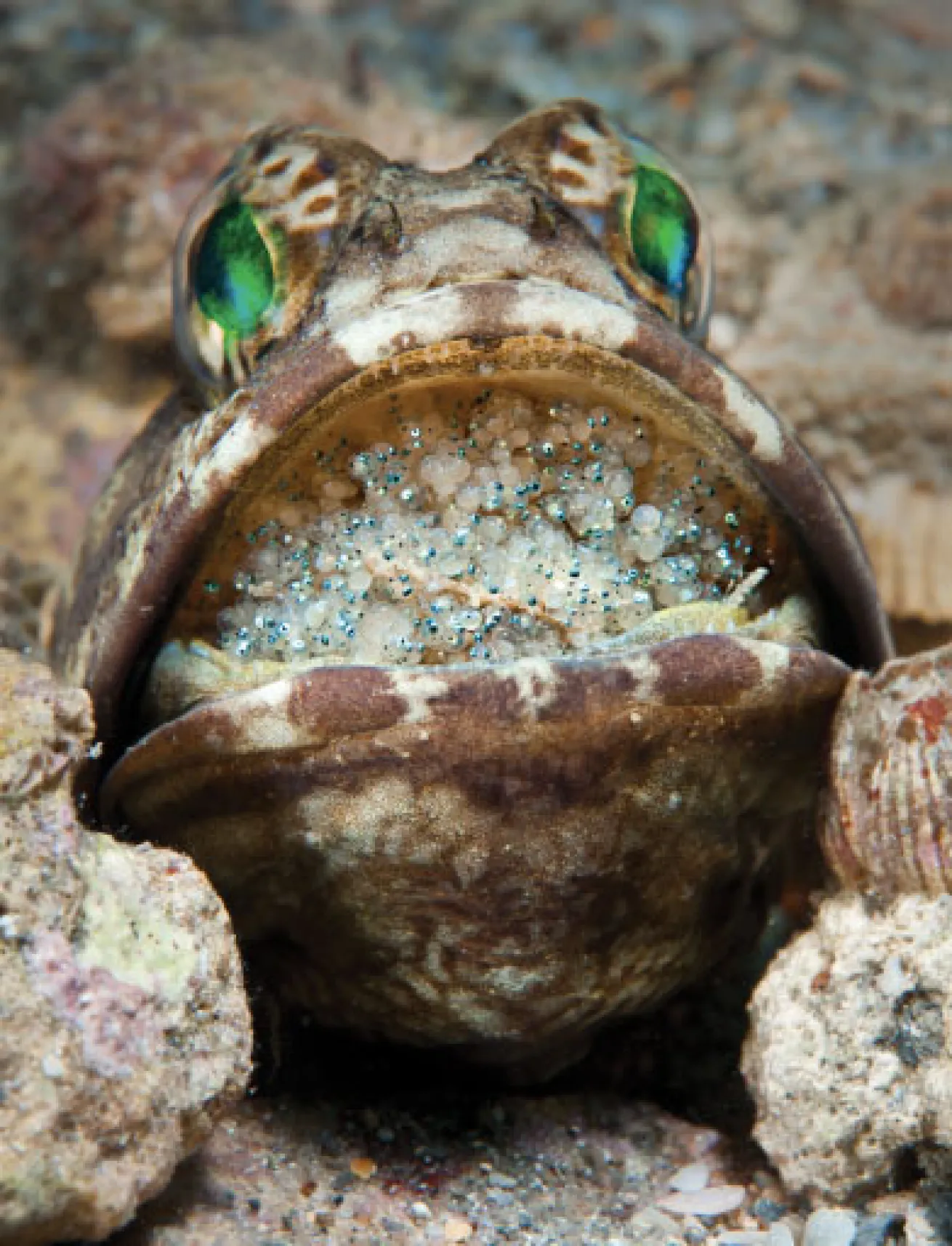
Alex MustardIt’s the male banded jawfish that’s responsible for the care and tending of the eggs. This proud papa in West Palm Beach, Florida, will incubate the eggs in his mouth until they’re ready to hatch.
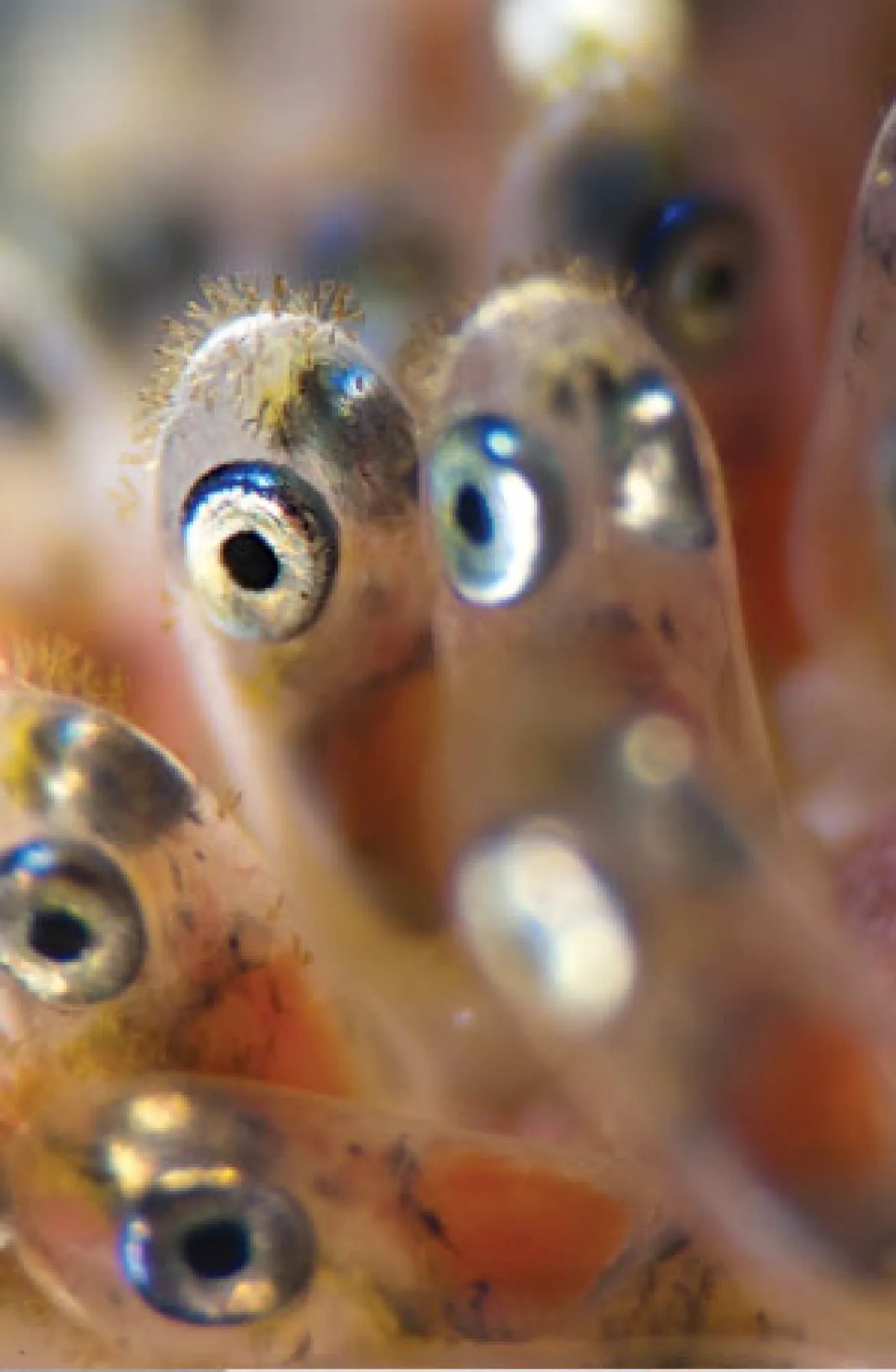
Jason IsleyThis close-up of anemonefish eggs was taken on Huvadhu Atoll, Maldives. Photographer Jason Isley watched themslowly develop over a few days, and once the eyes appeared he snapped this super-macro shot.
If a mommy fish sings a lullaby and no one is around to hear it, does it make a sound? We're not sure either, but from protective papas incubating egg sacs to wonderfully camouflaged sea slugs laying perfect egg spirals, there’s plenty of evidence of underwater parenting going on.


