

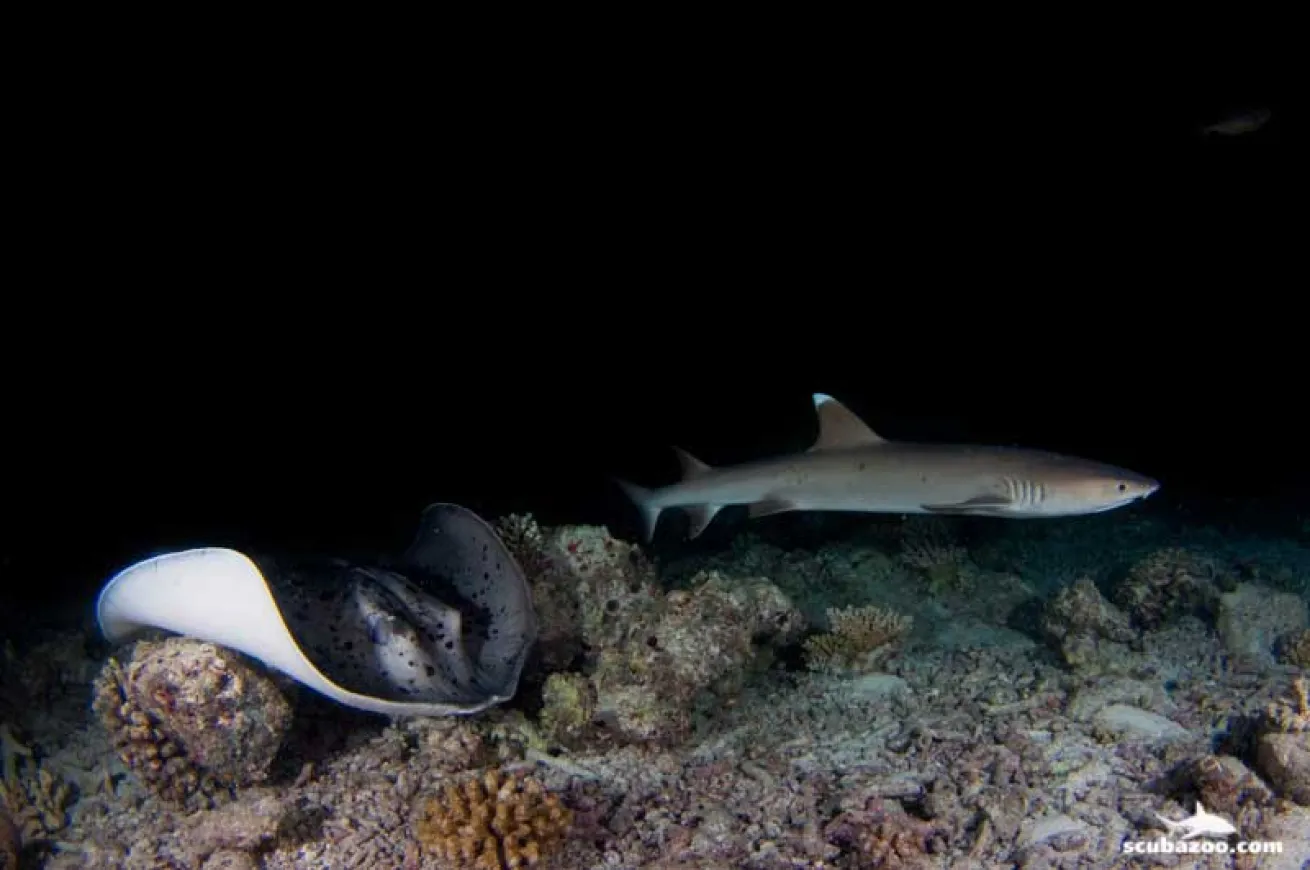
Adam Broadbent/ Scubazoo ImagesSETTINGS: Nikon D2Xs, Tokina 10-17mm, 1/30s, f7.1, ISO125.
While stingrays like this one rest during the day, as night falls they become more active and begin to hunt for prey — if you follow one for a while, you'll have a chance to shoot one as it feeds on the seabed.
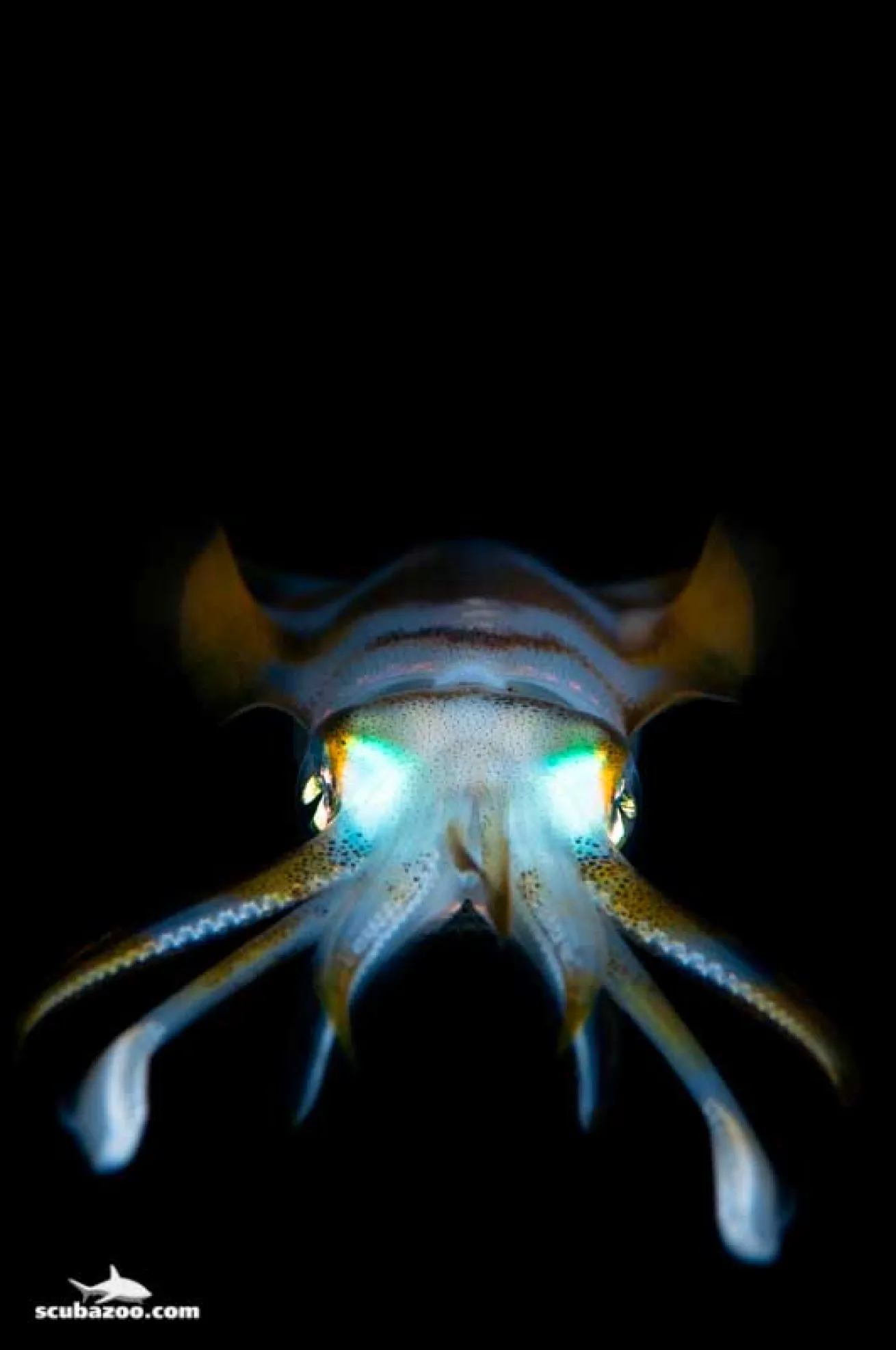
Christian Loader/ScubazooSETTINGS: Nikon D300, Nikon 105mm, 1/125s, f8, ISO200.
Reef squid in the water column are attracted to diver's lights, and often hover motionless in front of you making them quite an easy subject to shoot.
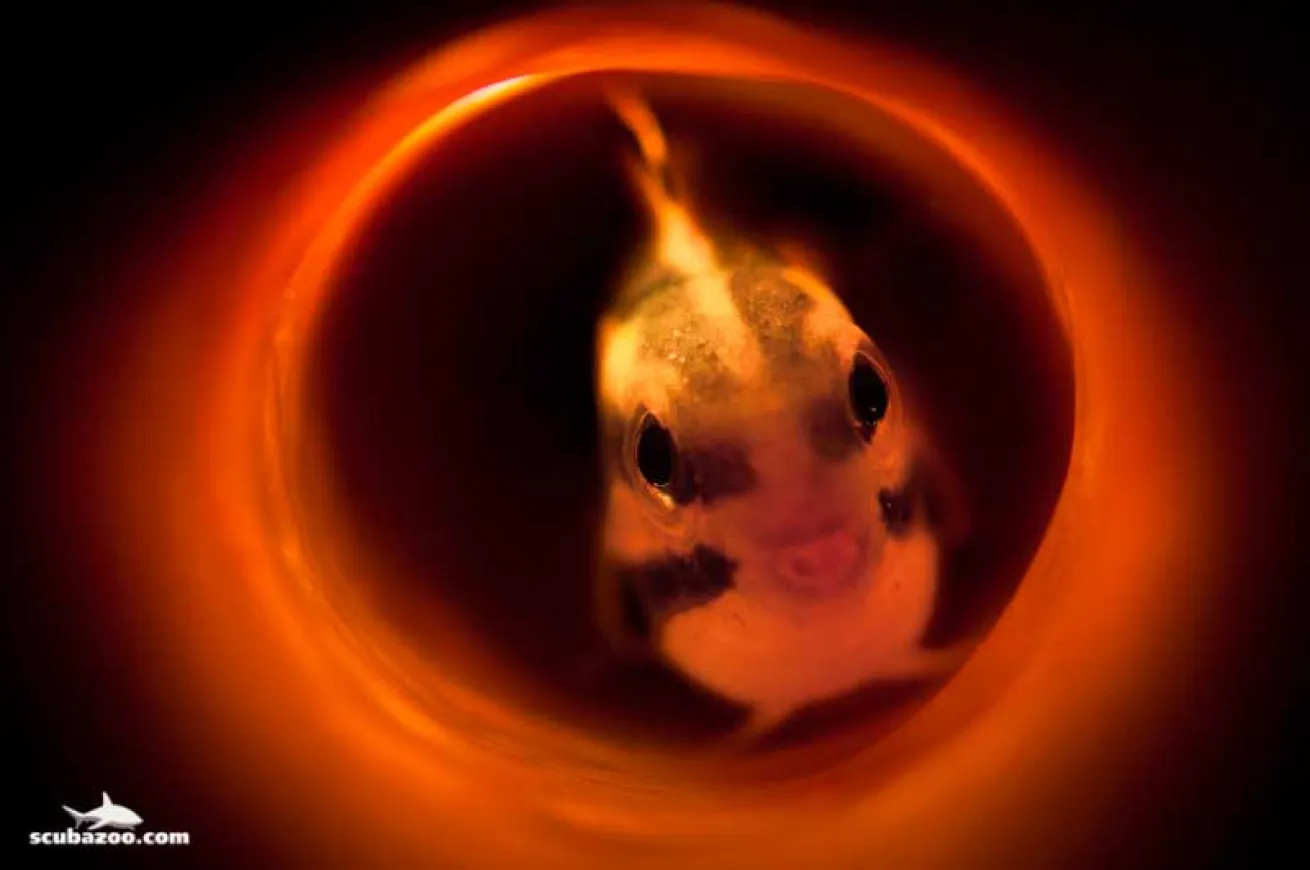
Christian Loader/ScubazooSETTINGS: Nikon D300, Nikon 105mm, 1/100s, f7.1, ISO250.
At dusk, many small reef fish find shelter in some unique places safe from predators, amongst branches of hard and soft corals, and inside sponges for example.
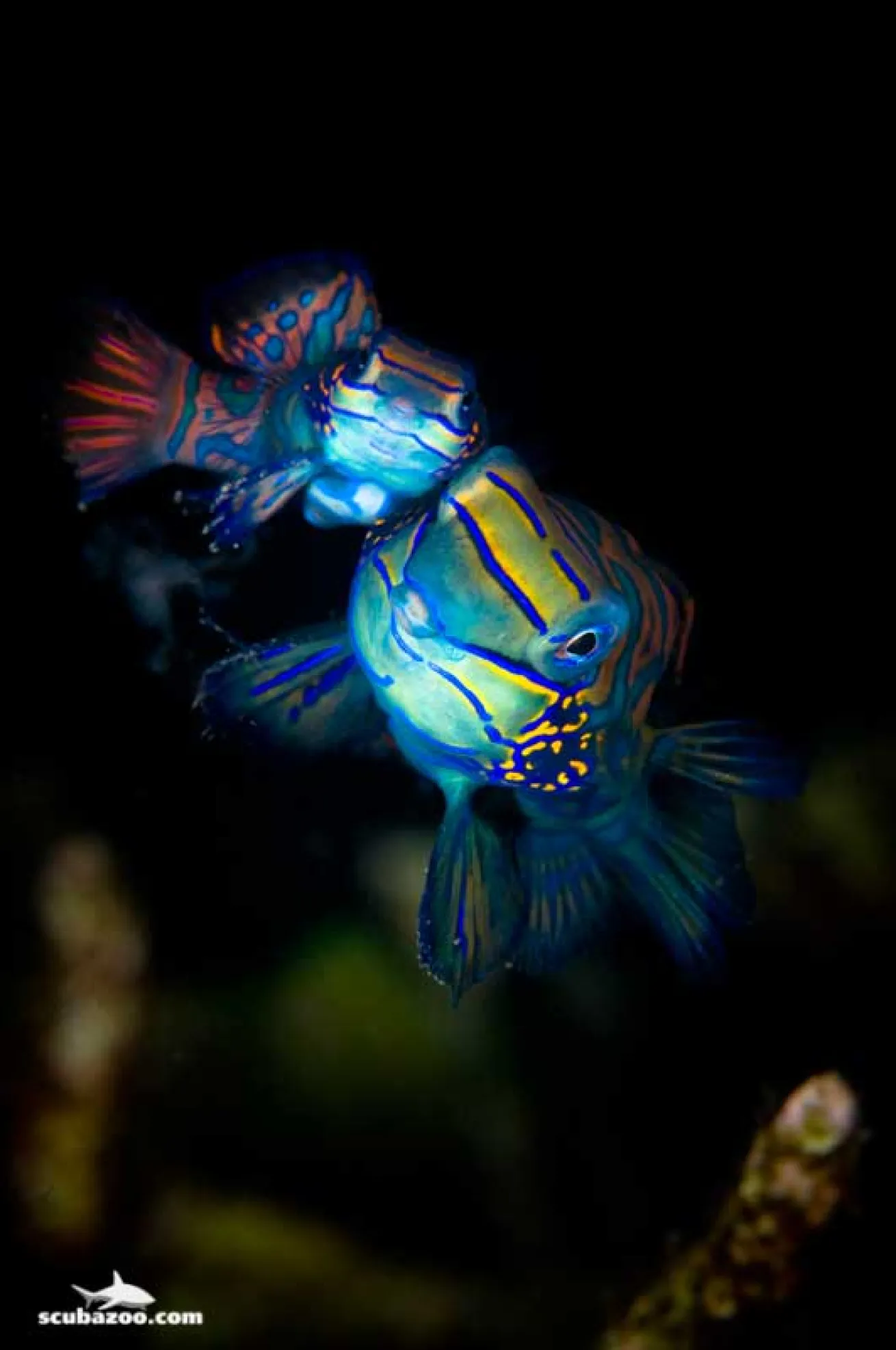
Christian Loader/ScubazooSETTINGS: Nikon D300, Nikon 105mm, 1/125s, f18, ISO200.
Shy animals such as these can be approached and shot more easily by using a red focus light, instead of harsh white light, which can easily spook fish and other animals.
Christian Loader/ScubazooSETTINGS: Nikon D300, Nikon 105mm, 1/160s, f20, ISO200.
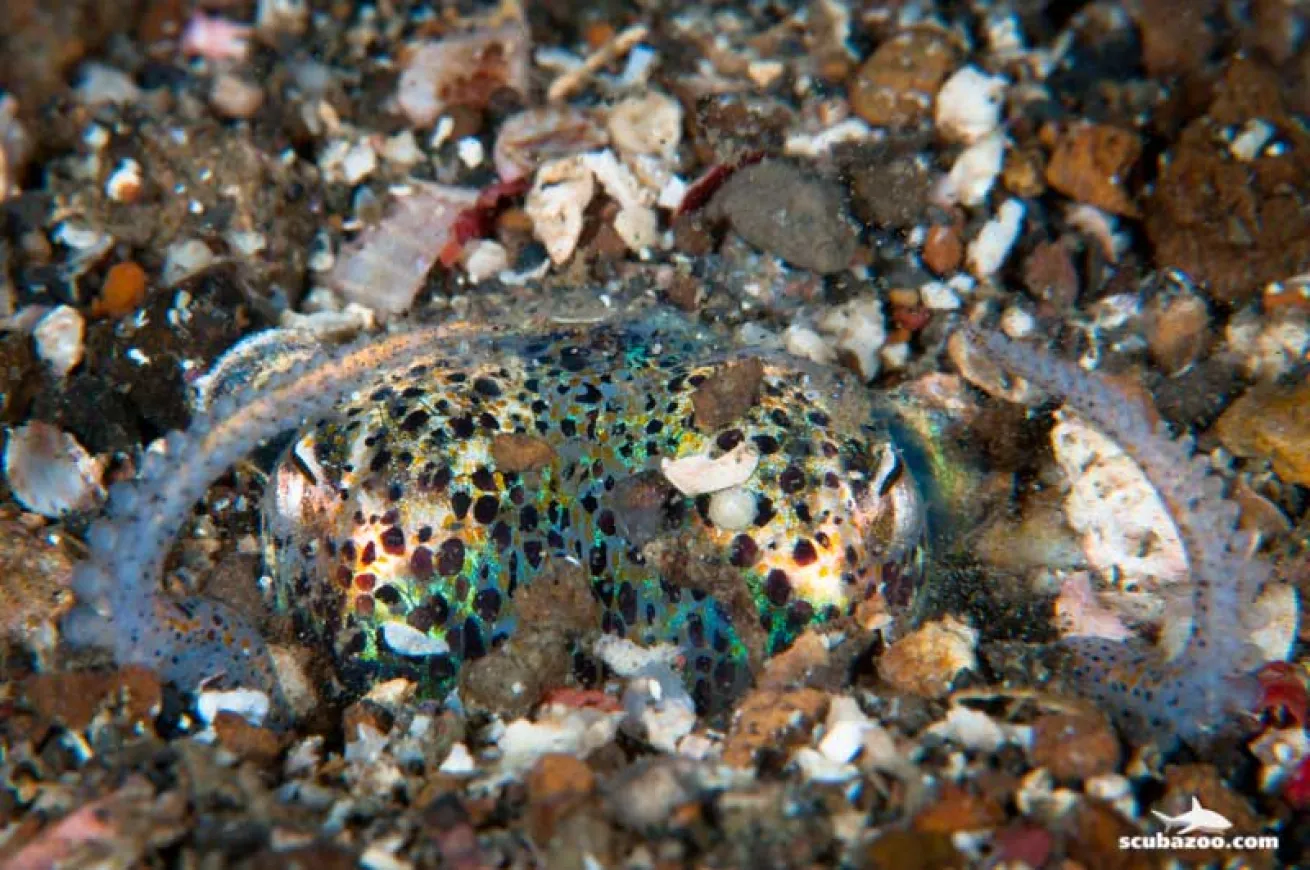
Animals you would never see during the day will appear at night, such as this Bobtail Squid.
Jason Isley/ScubazooSETTINGS: Nikon D2Xs, Nikon 60mm, 1/125s, f14, ISO160.
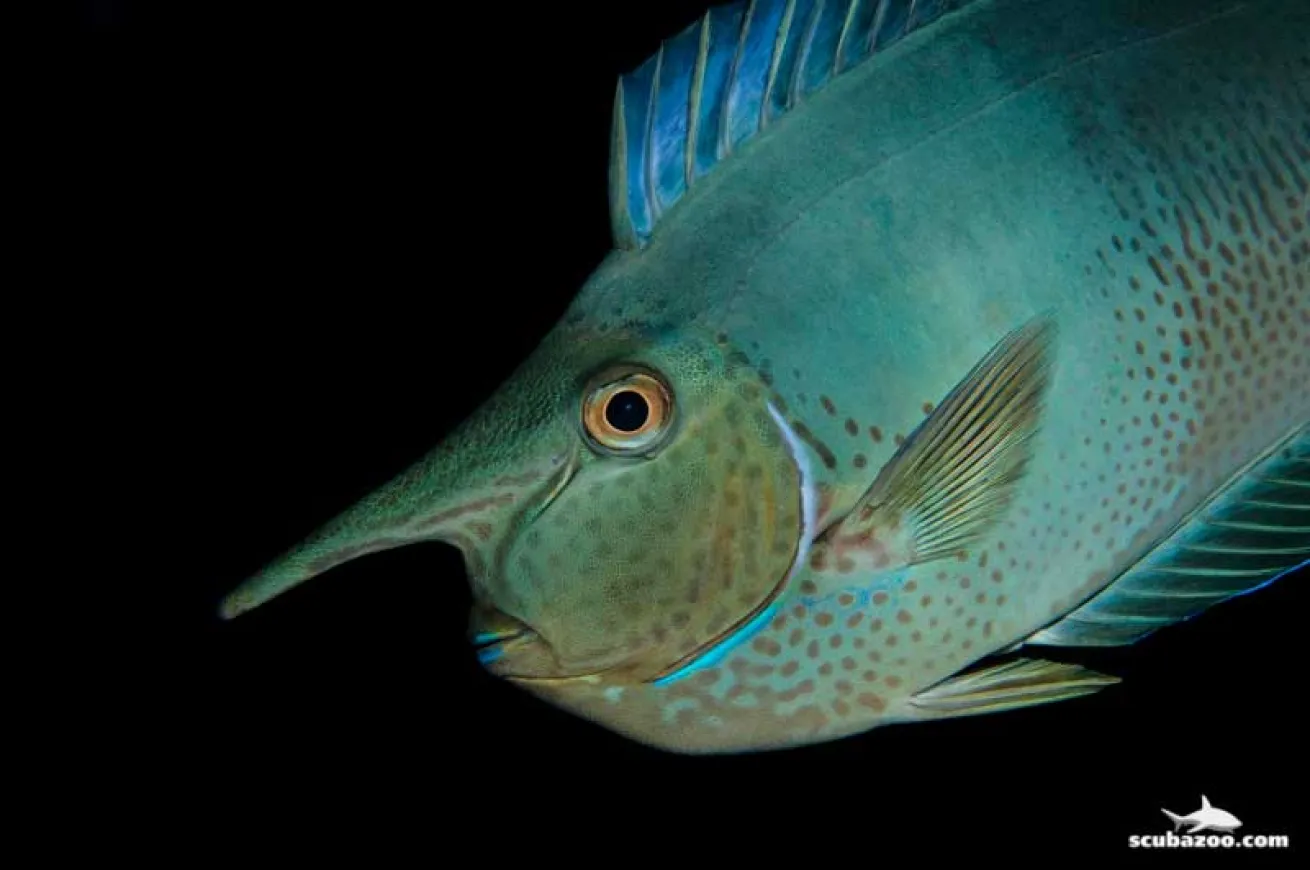
One of the best things about shooting at night is the simple black backgrounds.
Christian Loader/ScubazooSETTINGS: Nikon D300, Nikon 105mm, 1/125s, f14, ISO200.
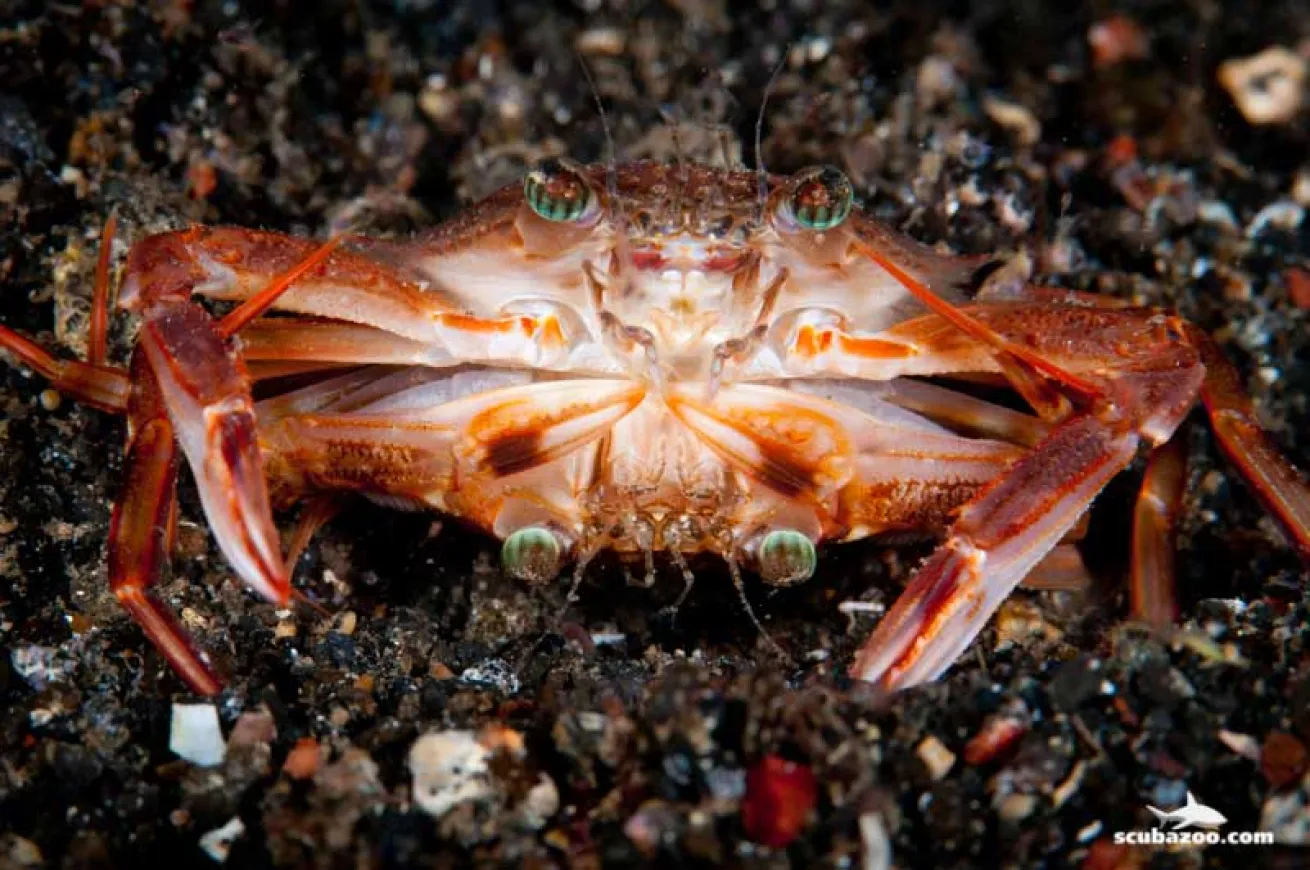
Strange things happen once the sun's gone down. Interesting behaviour such as mating, spawning, and feeding can often be seen on night dives.
Christian Loader/ScubazooSETTINGS: Nikon D300, Nikon 60mm, 1/160s, f5.6, ISO200.
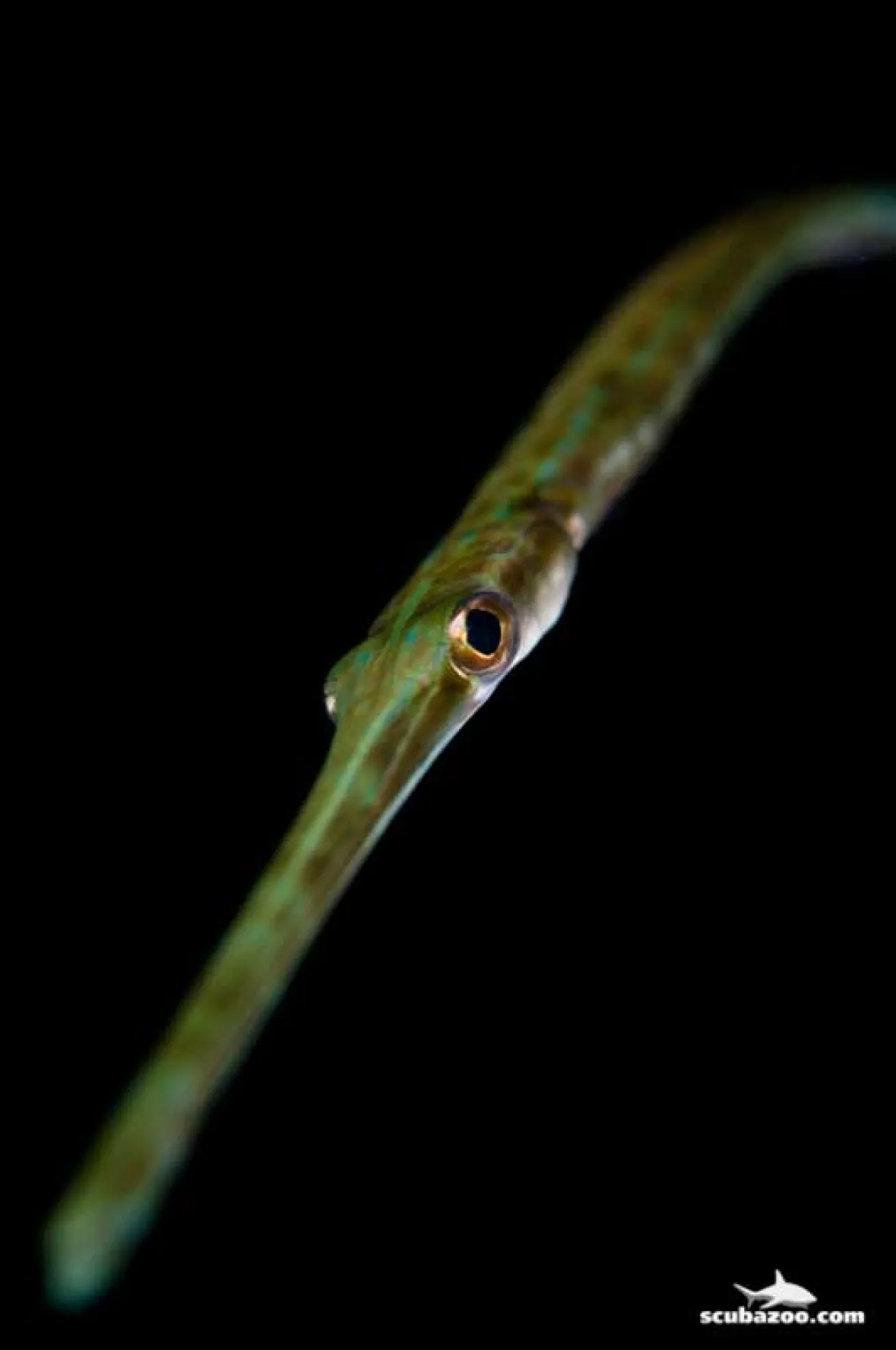
A unique opportunity shooting at night is being able to use a low f-stop with a narrow depth-of-field, but still have a completely black background - something that would be impossible during the day.
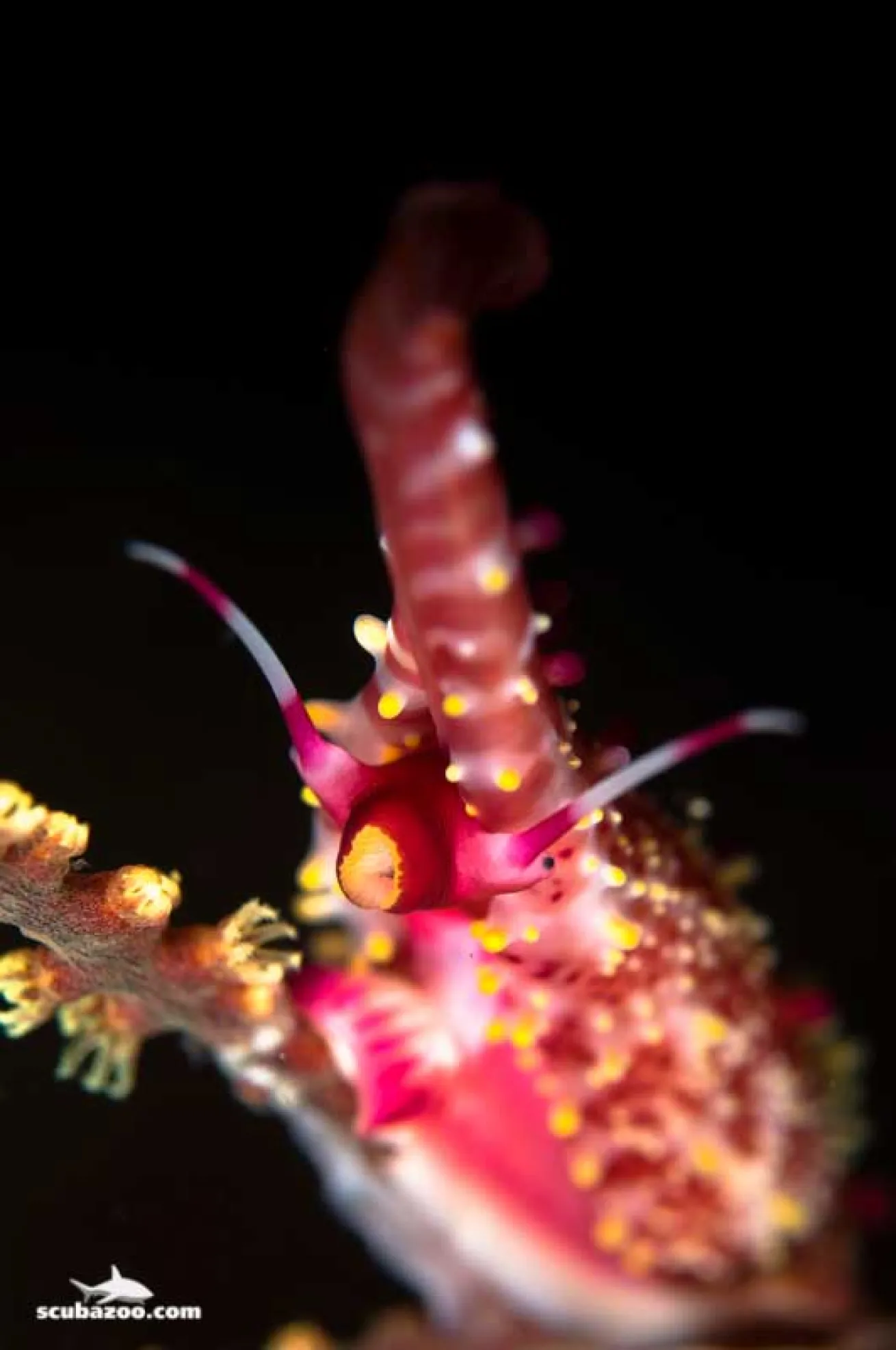
Christian Loader/ScubazooSETTINGS: Nikon D300, Nikon 60mm, 1/160s, f8, ISO200.
An array of strange invertebrates which are mostly hidden during the day, come out of crevices on the reef at night — a treat for macro photographers. Colourful fish and invertebrates like this colourful cowrie really pop against a black background.
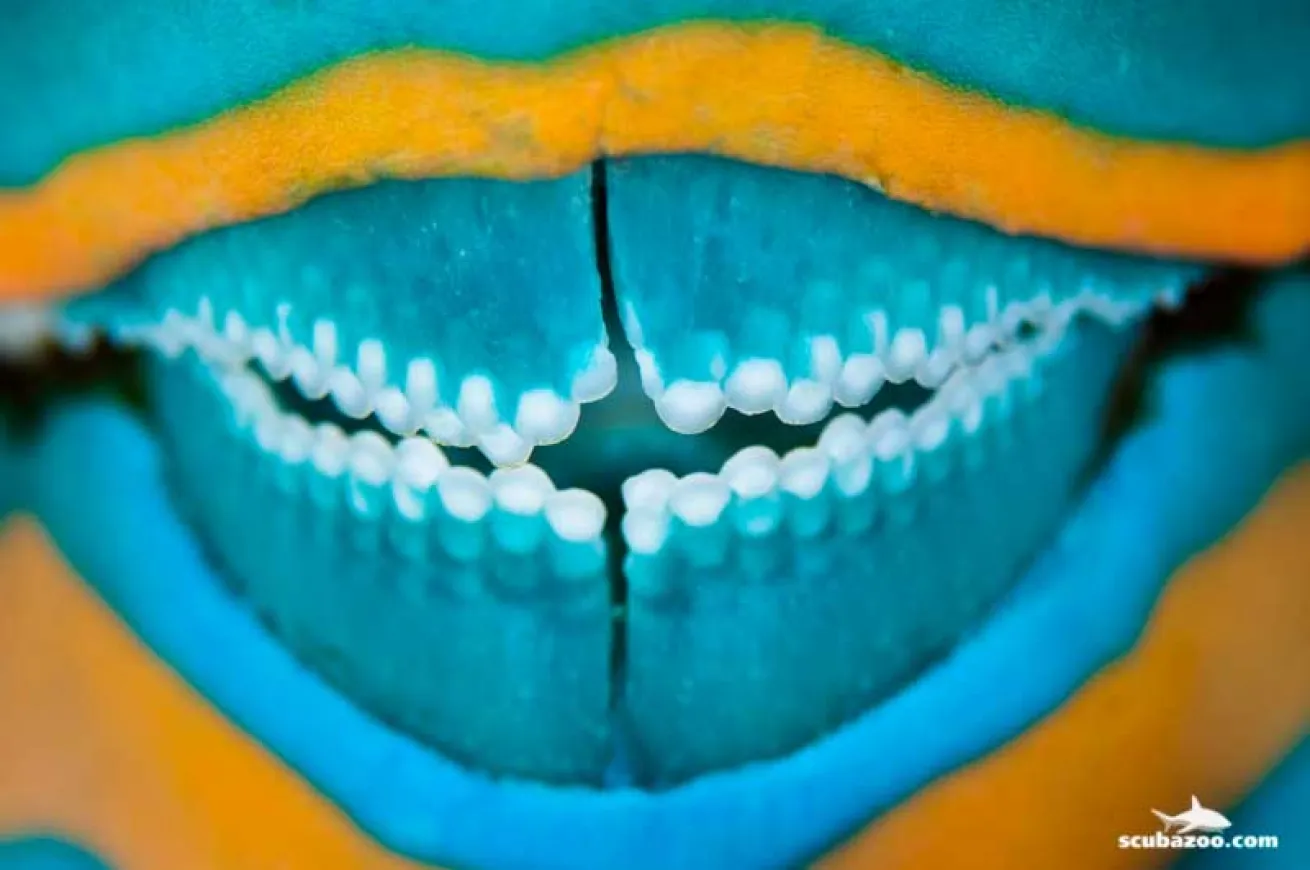
Gil Woolley/ScubazooSETTINGS: Nikon D2Xs, Nikon 105mm, 1/200s, f8, ISO125.
When you find a large, sleeping fish like this, get up close and capture an abstract shot of its eyes, or in this instance the parrotfish's beak.
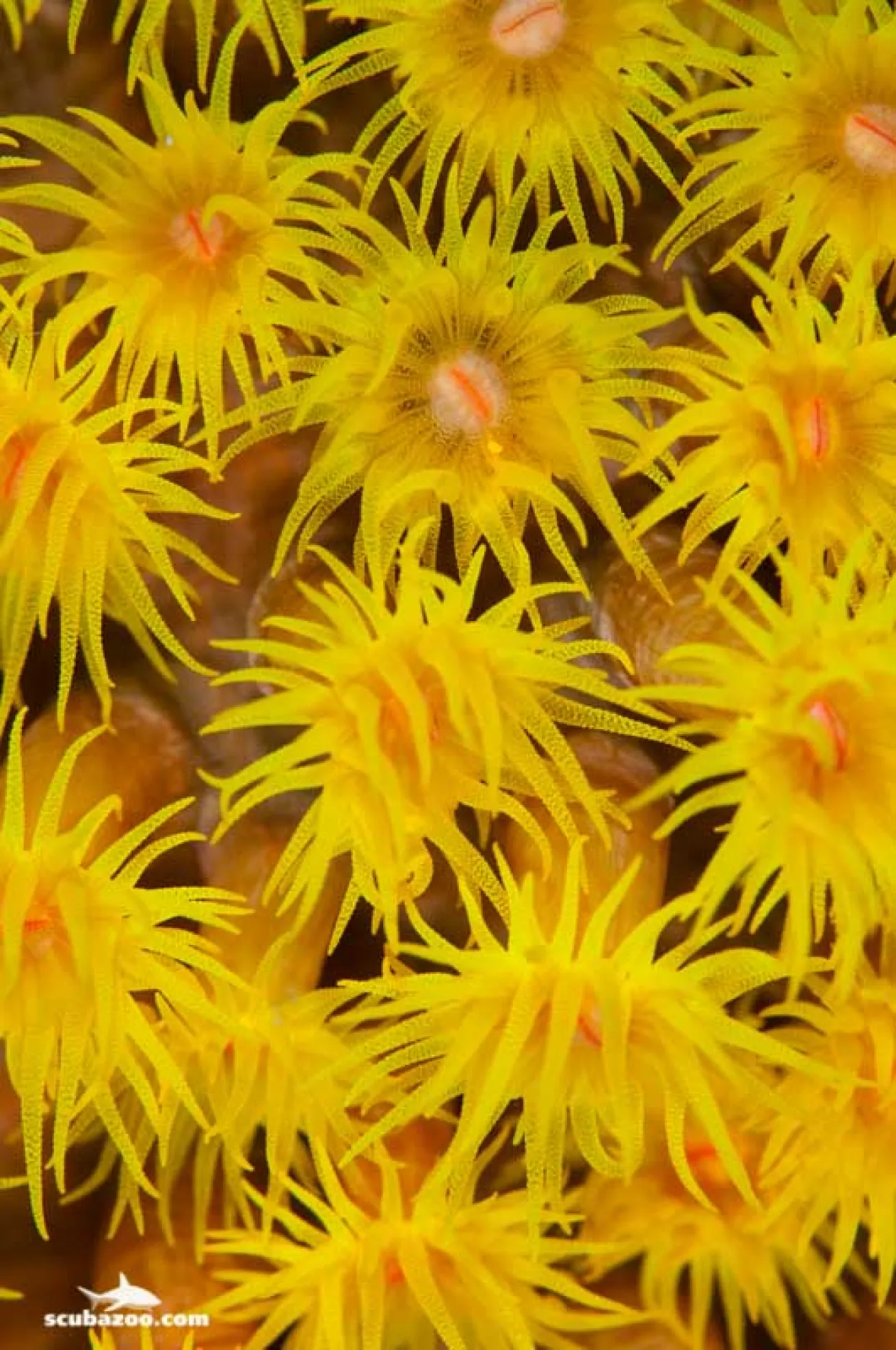
Adam Broadbent/ Scubazoo ImagesSETTINGS: Nikon D2Xs, Nikon 105mm, 1/200s, f6.3, ISO100.
Hard and soft coral polyps open up at night and begin feeding, allowing for some interesting abstracts to be captured which may not be possible during the day.
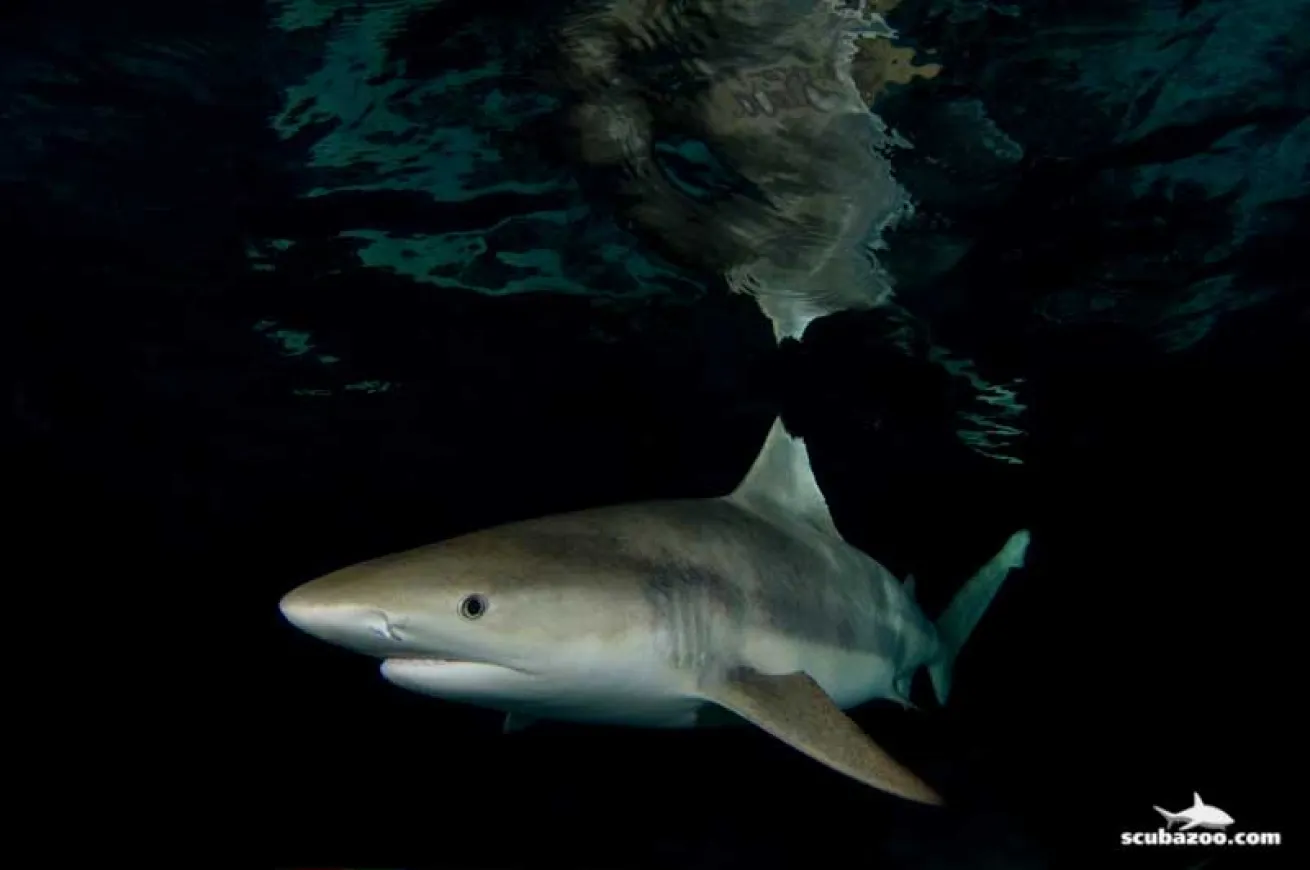
Jason Isley/ScubazooSETTINGS: Nikon D2Xs, Tokina 10-17mm, 1/160s, f10, ISO100.
If you pick the right dive site, or have some luck, then animals such as sharks or manta rays for example can look great shot with a wide lens and a black background – but you'll have to get up close for the best shot.
Night dives are a great way to see our underwater world in a whole new light (or lack of it). Without daylight illuminating the vast reef and seabed around you, your attention becomes focused only on what falls under the beam of your torchlight.
As the sunlight fades, many marine animals active during the day find shelter to sleep in reef crevices at dusk, while others become more active as they switch to hunting mode, and a spectrum of different fish and invertebrates hidden during the day appear, to begin their nightly activities.
A number of underwater photographers actually prefer shooting at night, but as you can imagine, it varies greatly from shooting during the day, so here are some useful tips to get you started:
Equipment
LIGHTS: Lights are obviously the most important aspect of underwater photography at night. You need to have a focus light, which provides ambient light allowing your camera to focus properly, but also serves as your primary light source for the dive.
This ambient light generally won't affect the exposure of your images, as it's cancelled out by using a fast shutter speed. With two hands busy with your camera you won't be able to hold a torch/focus light so you can either attach one to your camera housing or use a three-way clamp on your strobe arms to attach an extra light. An alternative option is to have a strobe-mounted torch, however you may find you have to angle the torch correctly because your strobes could be in a position where they're not pointing directly ahead or slightly towards the camera.
While some fish freeze in the spotlight making them fairly easy to shoot at night, artificial light can often spook other fish and animals, it's also a good idea to have a focus light with different power settings. Decent focus lights such as the Light & Motion SOLA range can switch between flood and spotlight; the SOLA 600 can also switch between red and normal white light. Red light is great for shooting shy animals like mating Mandarinfish as the red light is invisible to them. Another option: attach a cheap, red filter to your normal focus light/torch. And always be sure to have a back-up torch just in case the focus light fails on you.
STROBES: Strobes are another necessity for shooting at night. Some strobes like the Inon z240 even have built-in focus spotlights. It should be noted that because this has to be aimed at your subject it can reduce your options when attempting different lighting for a bit of creativity.
LENSES: Shooting macro is the most common choice at night, as there are many small critters and invertebrates to be found easily, and without being able to look at the “big picture” (like you can in daytime), your concentration is kept on just the small patch of reef/seabed revealed in your torchlight. Shooting smaller macro subjects in clear, black water at night, allows you the chance to use a low f-stop with a narrow depth-of-field, but still have a completely black background – which is impossible to achieve in daylight.
Generally, wide-angle only works well at night in good visibility, otherwise backscatter shows up as bright, white spots on a stark, black background. Macro wide-angle is a better option if using a wide-angle (fisheye) lens. It's difficult to see larger animals approaching you from a distance compared to during the day, or spotting a decent patch of reef for a potential wide shot, and therefore it's more difficult to make the most of a wide-angle set-up shooting at night, meaning macro is a more likely choice for most photographers. If you pick the right dive site, or have some luck, then animals such as sharks or manta rays for example can look great shot with a wide lens and a black background – but you'll have to get up close for the best shot.
Subjects
As the day shift animals go to sleep, the reef goes quiet, and you may find that some of the most interesting critters can be found just off the reef in the sand. Go slowly as you try to find subjects in your torchlight, and get close, and then get closer to them to help minimize backscatter, especially in sandy areas.
Colorful fish and invertebrates really pop against a black background, so try and shoot from a low angle to get clear water behind. Some animals are much less spooked by divers at night, such as eels, octopus, cuttlefish, and lobster, and become a lot easier to approach and follow. Larger predatory fish like great barracuda or trevally, and even smaller lionfish for example, may actually use your torchlight to hunt and catch their dinner. Reef squid in the water column are also attracted to diver's lights and will hover motionless in front of you dazzled by your lights, making them very easy to shoot.
Some corals, invertebrates, anemones etc. can be light sensitive and hide when a torch is shone on them so you may need a red light or a lower power to be able to get the shot you want. Corals can look very different at night as their polyps open up to begin feeding which means you can capture interesting abstract close-up shots of the polyps that wouldn't be possible during the day.
Sleeping animals, such as turtles and parrotfish, can be found on the reef tucked into crevices while others like damselfish or butterflyfish hide amongst the branches of hard and soft corals. With a sleeping turtle or a parrotfish in its mucus cocoon, shoot close-up abstracts of their eyes or beaks. With a bit of luck and patience, there are a number of opportunities to capture interesting behavior like mating, spawning, and feeding at dusk, dawn, and night.
7 Tips for Safety
1. Safety at night is paramount. You should be a confident night diver with good buoyancy skills before attempting to try photography at night. Always go through a dive plan with your buddy, and discuss various signals you may use (hand signals as well as light signals).
2. It's advisable to choose a dive site that you already know and have dived during daylight – you'll feel more comfortable, it's easier to navigate, and you may already know where certain animals can be found that you want to shoot.
3. Stay reasonably shallow too so that you’ll have longer time to shoot and you'll use less air.
4. If you start your dive at dusk as the sun sets, you'll have ambient daylight to help you while you kit up, your eyes will better adjust to the darkness, and you can orient yourself before the dive more easily – noting the position of the boat/resort/beach/jetty etc. and the direction you're heading in.
5. Always have a back-up light in your BCD and a signal light such as a glow stick or a small flashing strobe attached to the top of your cylinder so that if your lights fail you can be spotted on the surface.
6. If you lose your buddy or dive group, turn off your lights for 30 seconds and look around, you may notice faint lights in the distance, or flashes from your buddy's strobes if they're shooting as well.
7. Watch out for hazards such as venomous animals including sea urchins, lionfish and scorpionfish, especially when kneeling down shooting on a sandy seabed.
The bizarre denizens of the night are a neverending source of delight for an underwater photographer, especially for those who like invertebrates and are keen on macro photography. A really great night dive shooting a plethora of critters is a perfect appetizer to dinner and a well-earned beer. Keep an eye out for interesting behavior, because strange things happen once the sun goes down!
Christian Loader (31, UK) is a full-time professional photographer for Scubazoo Images__.__ He has worked extensively throughout SE Asia as an underwater videographer and photographer for Scubazoo since 2007, and lives in Kota Kinabalu, Sabah, Malaysian Borneo.


