

Mike Bartick
Mike Bartick
Mike Bartick
Mike Bartick
Mike Bartick
Mike Bartick
Mike Bartick
Mike Bartick
Mike Bartick
Mike Bartick
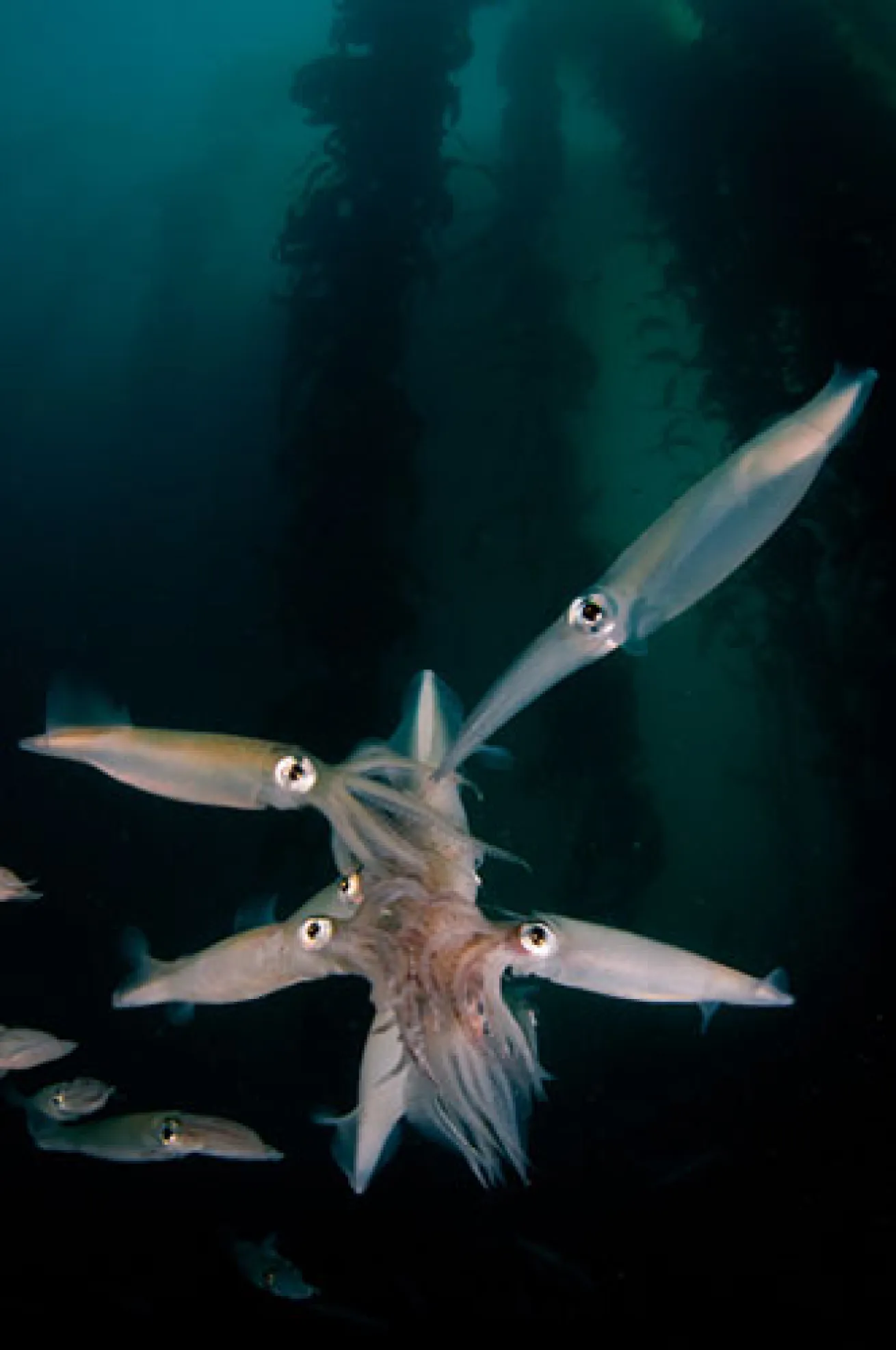
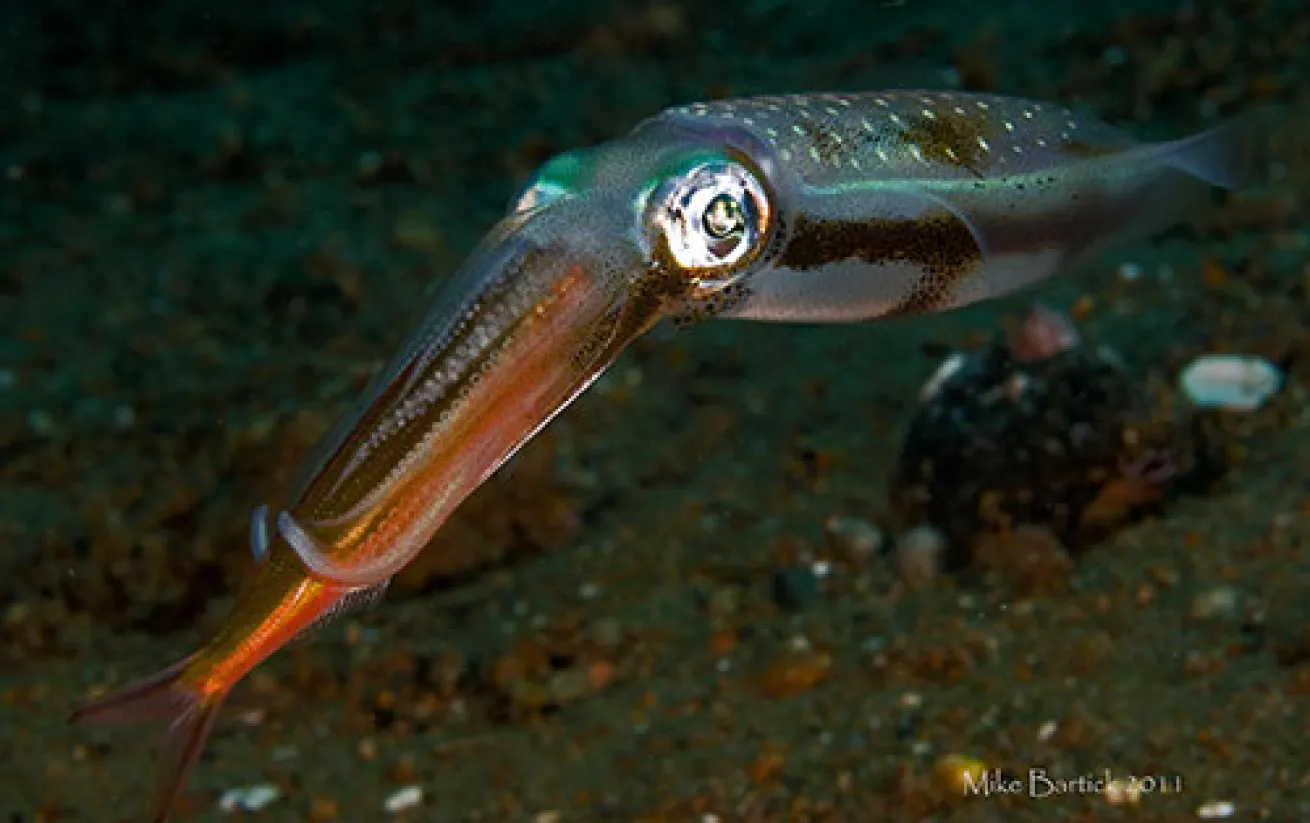
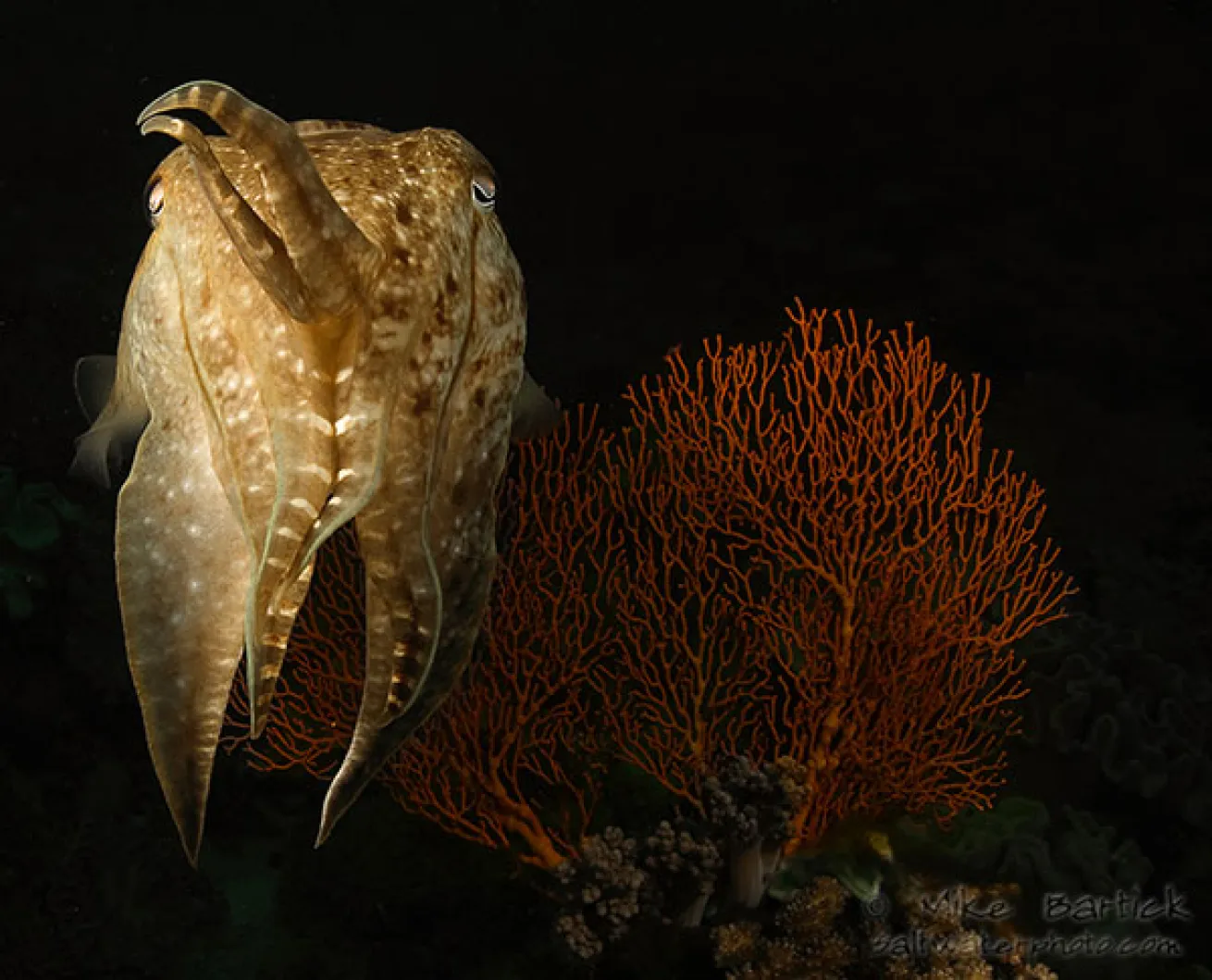
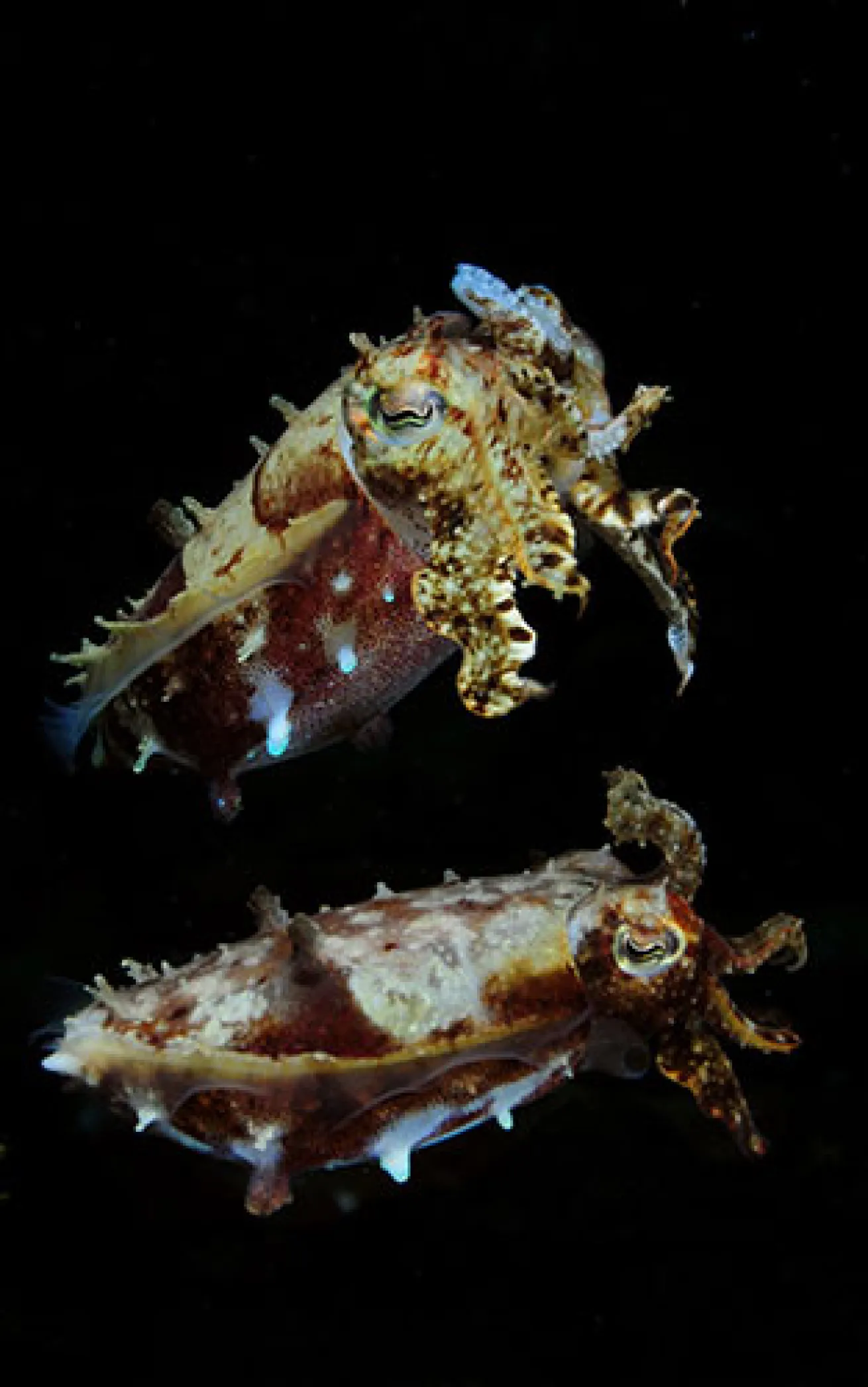
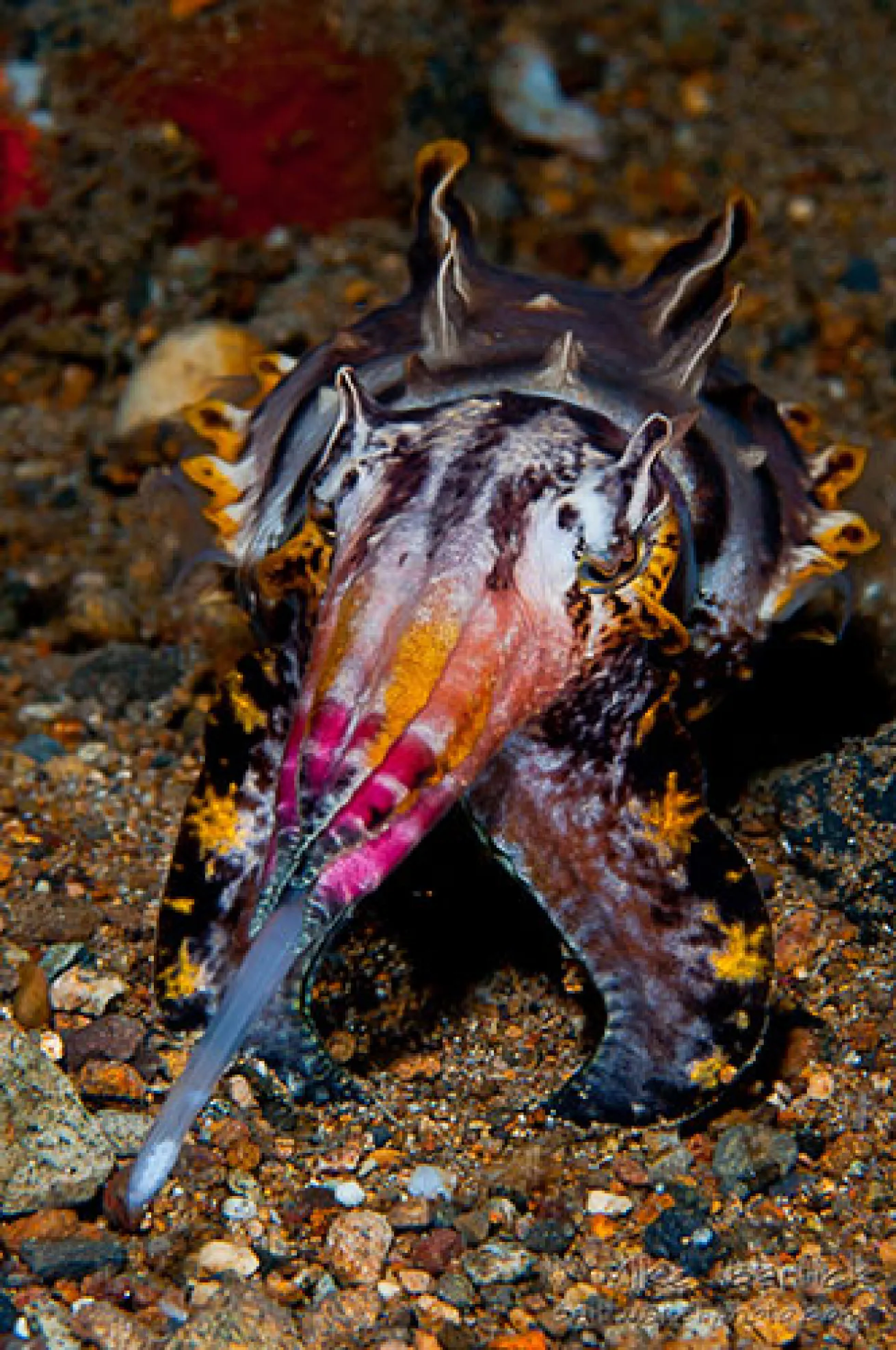
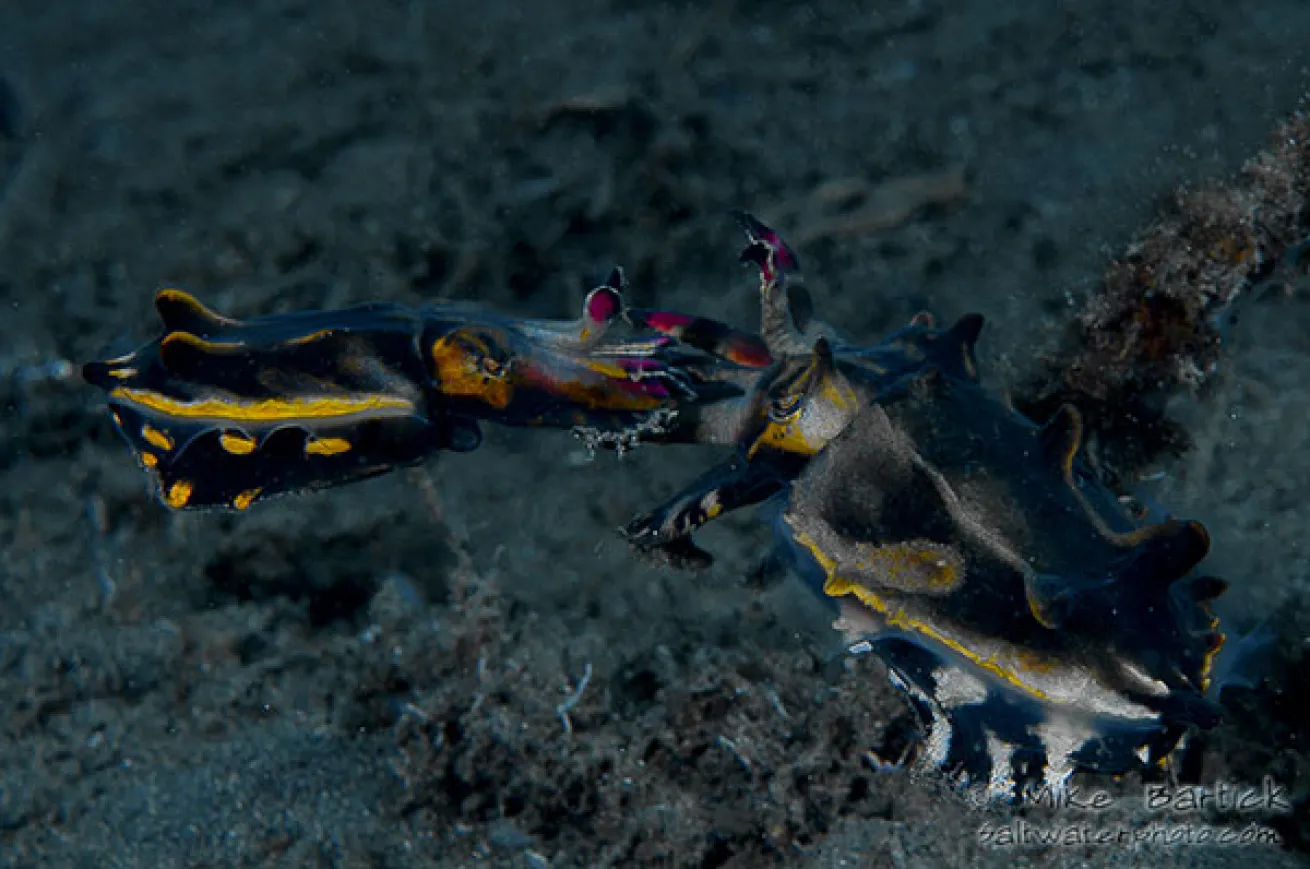
Soon after learning to dive in Southern California, I was invited along on a night dive dubbed “the squid run”. I followed along, not knowing what to expect. That night dive marked my introduction to swarming squids en masse and opened my eyes to something completely unexpected. Later, when I looked up the California market squid (Loligo opalescens), I learned that they belong to a much larger family of marine mollusks, described as Cephalopod — meaning head-foot. In fact, the Cephalopod family is a fairly organized class of marine animals that include octopus, squids, cuttlefish and nautiluses. With the exception of nautiluses, other cephalopods can be seen on virtually every dive or dive site in the Indo-Pacific, making them a very sought after and photographed subject. Certain species like the flamboyant cuttlefish are considered a Holy Grail find by photographers and can create quite a stir whenever found on a dive site.
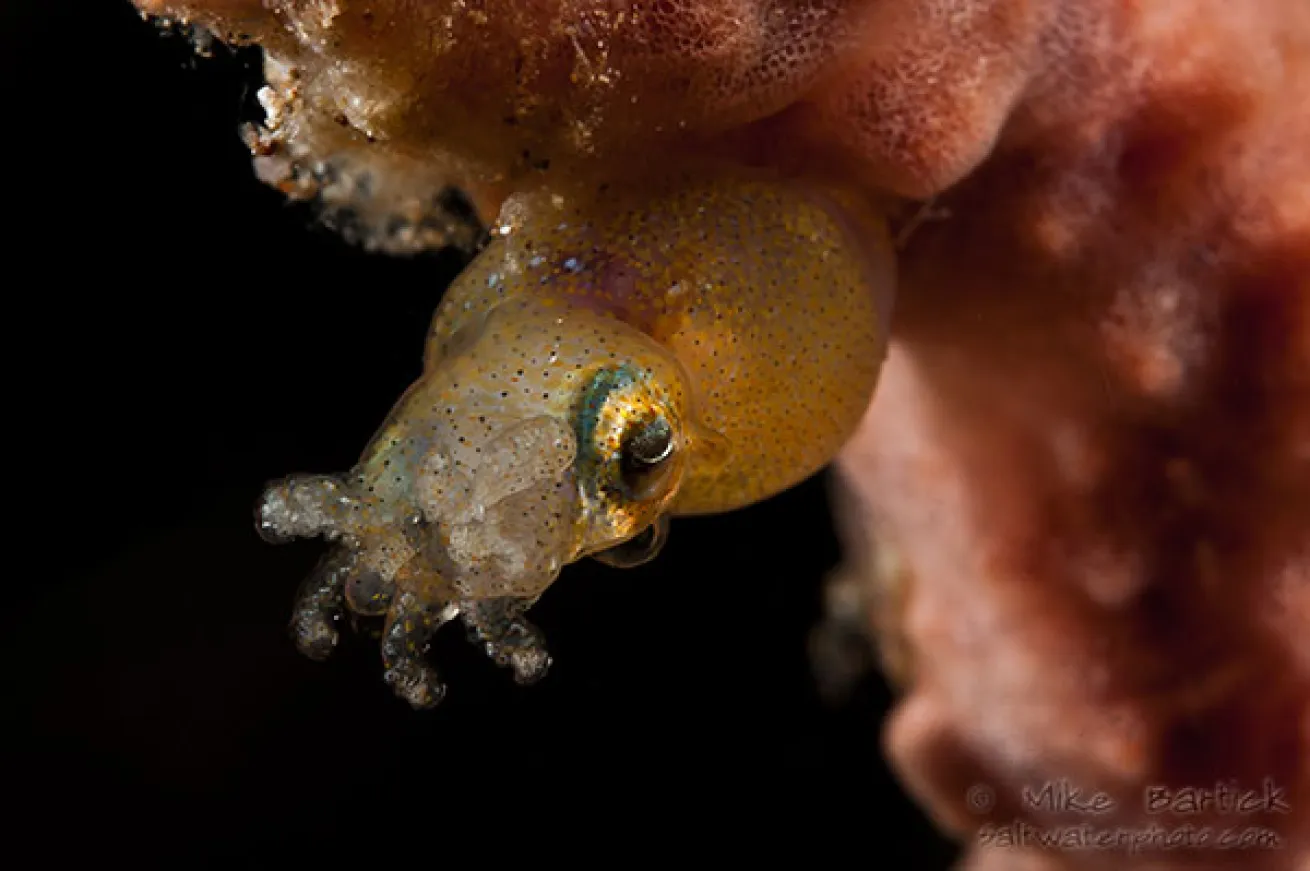
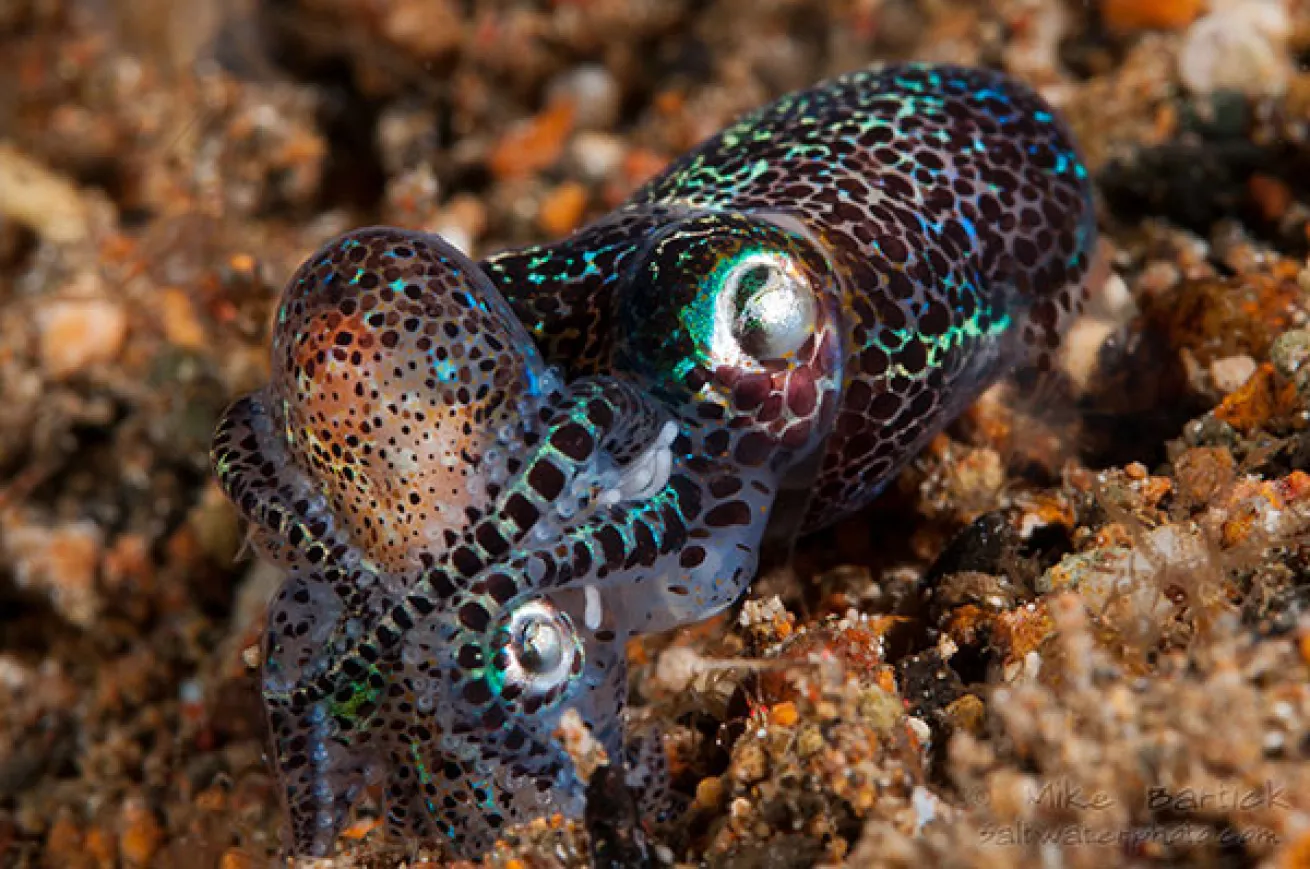
Both squid and cuttlefish can be found on the same sites as they tend to share the same habitat and feed on similar creatures. Crabs, shrimp, fish and even other squid and cuttlefish make up the diet of these active carnivores.
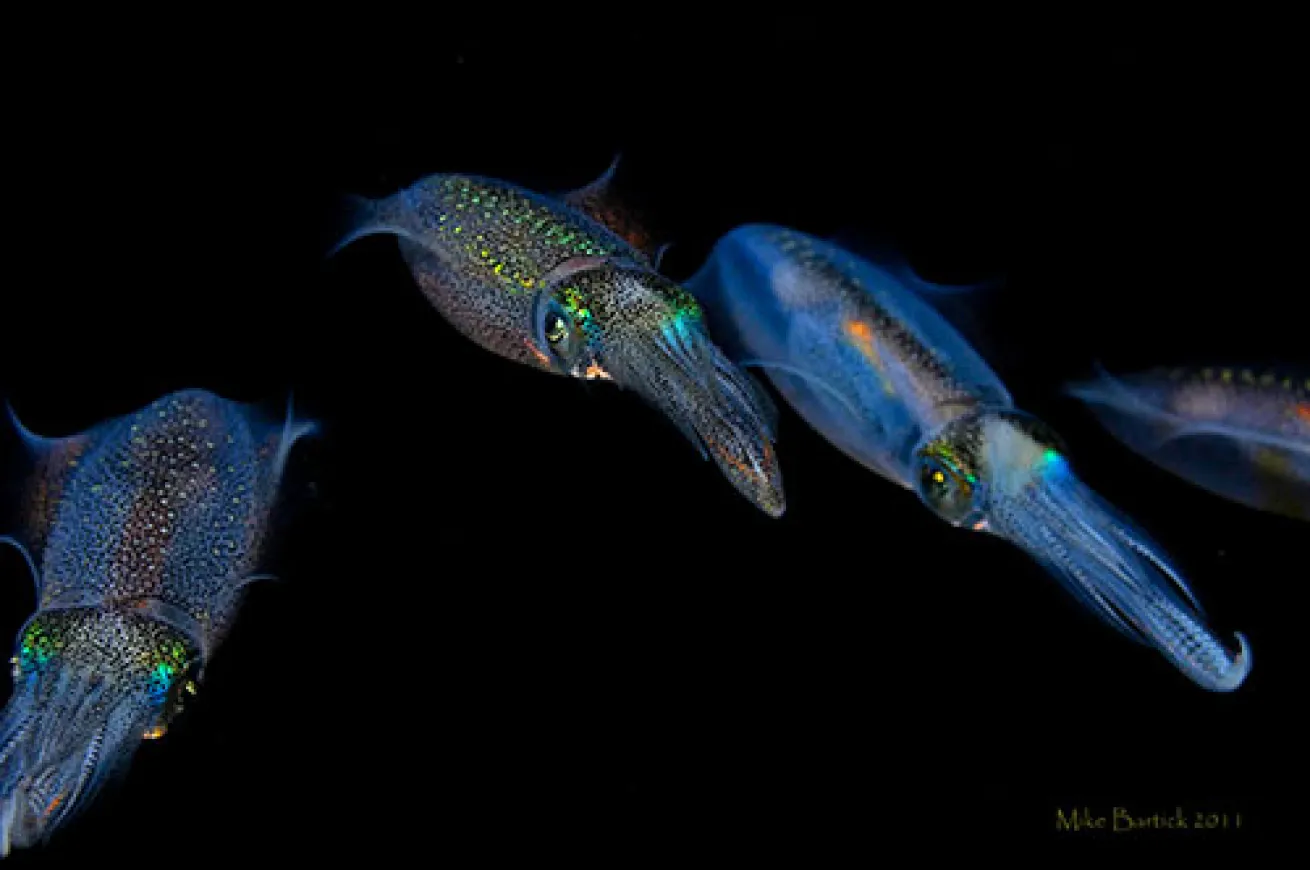
Squid and cuttlefish are somewhat similar as they both move rapidly through the water column by compressing water through a siphon tube much like a hydro jet. They both have arms, ink sacs and suckers. Both exhibit a high degree of curiosity and intelligence, and they learn quickly and hunt cooperatively.
Cuttlefish and squid also have several unique and defining features that sets them apart from each other. The first and most prominent difference is an internal structure called a cuttlebone found on the inside of the cuttlefish, a porous calcium carbonate mineral similar to coral; the squid has an internal plastic like substance that supports the mantle.
All cephalopod cuttlefish and squid have very poor blood circulation, and therefore need more than one heart — three to be exact. There are two brachial hearts located behind each set of gill plates dedicated to pump oxygen into the blood during the gas exchange. The third heart is used to circulate the blood through the rest of the body, and even though all three hearts pump at the same time, they must rest often or risk cardiac arrest. History shows (or theorizes) that cephalopods have evolved from a fossil count of over 10,000 individual creatures to approximately 600 that exist today. Natural selection has a way of weeding out those that cannot adapt, leaving us with a more sophisticated class of cephalopods that is highly adaptive, intelligent and tactile.
Mike Bartick was born and raised in Southern California, not far from the ocean in Huntington Beach. After finding his first nudibranch on an Open Water checkout dive, he was immediately hooked on diving. Bartick, who splits his time between the Indo-Pacific and the Eastern Pacific as a freelance photographer, photojournalist and field guide, shoots with a Nikon D300 and D300s, Sea and Sea housings, and YS-D1 and YS 250 pro strobes. To see more of his work, visit saltwaterphoto.com.


