

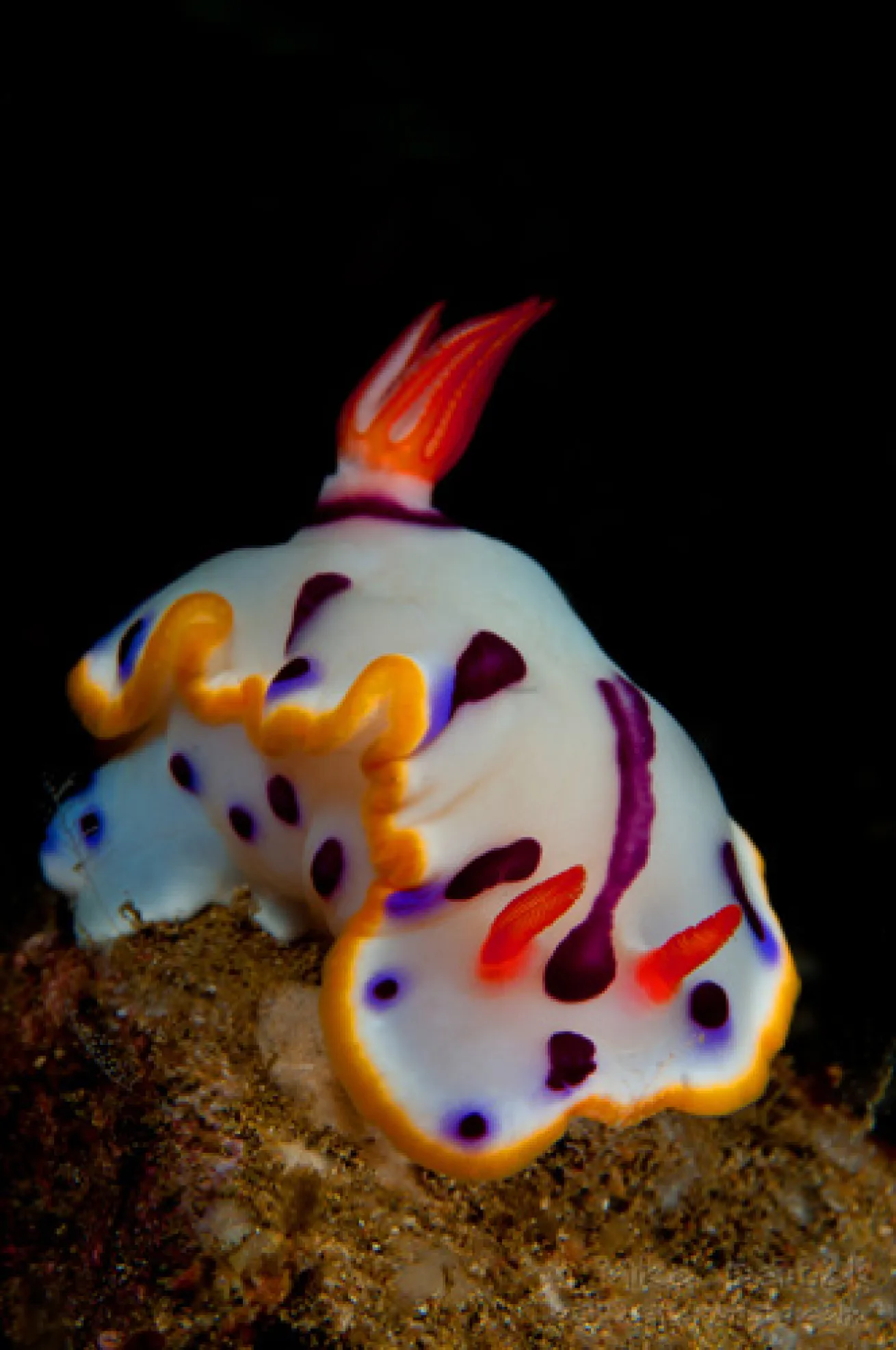
Mike BartickThis bright and colourful nudi stood out against the mocha-coloured sand, making it an easy find for me. But this particular nudibranch is extremely rare — the “sp.” following its name means “species,” and indicates that this particular animal has been found, but is still undescribed by science.
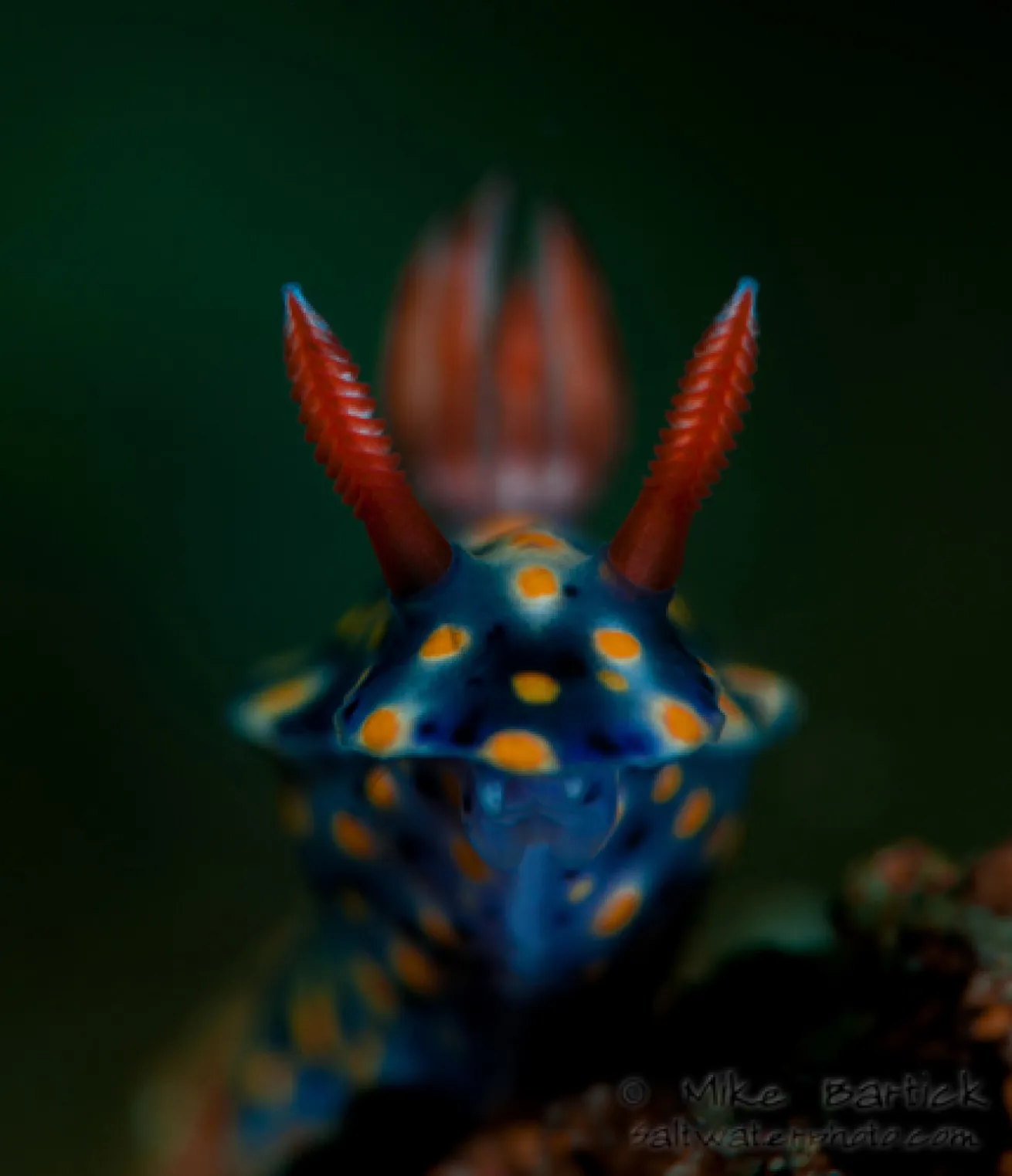
Mike BartickI don’t usually like head-on compositions, but with some subjects — such as nudibranchs — they seem to work well, especially when the critter sports a geometric pattern.
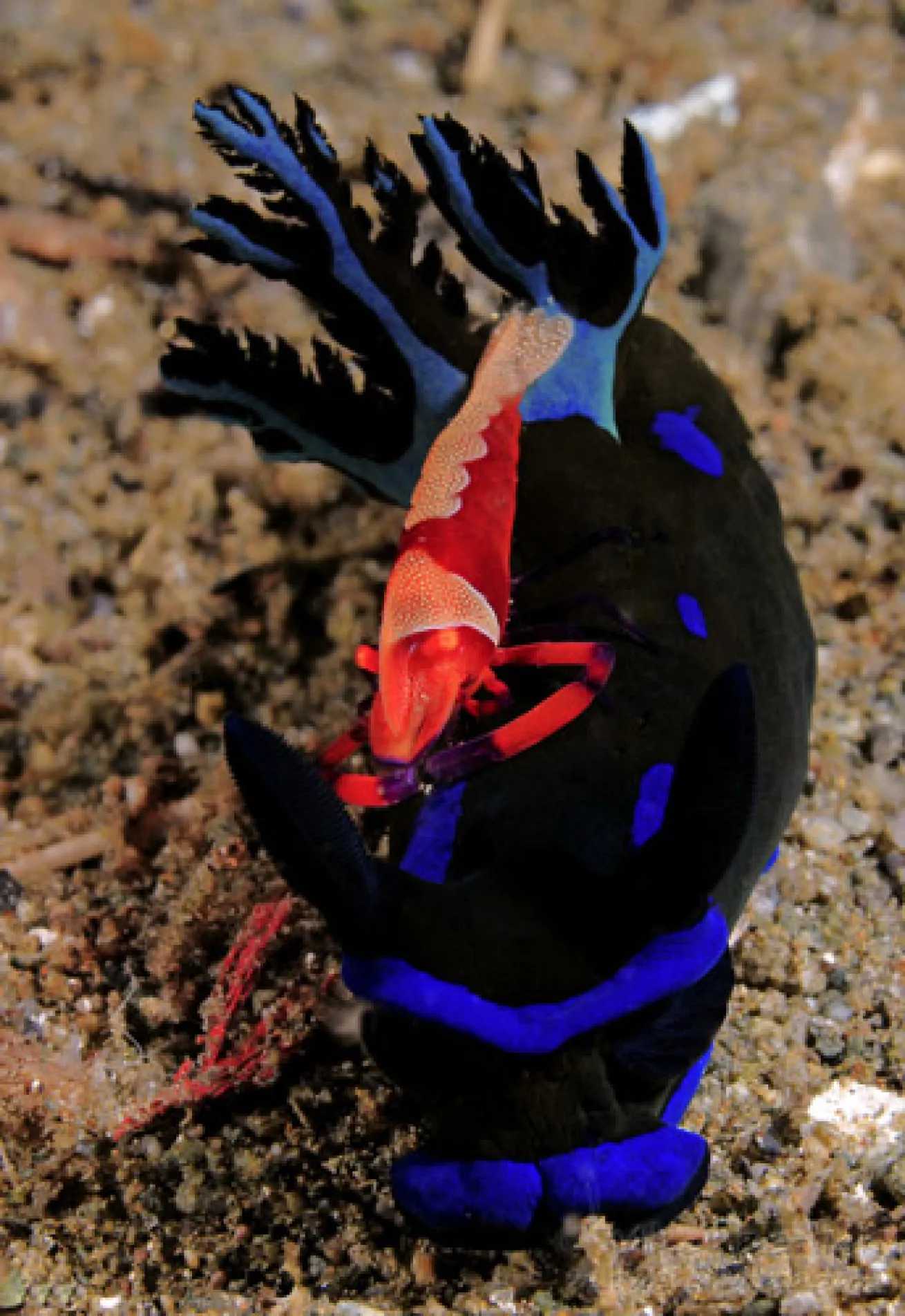
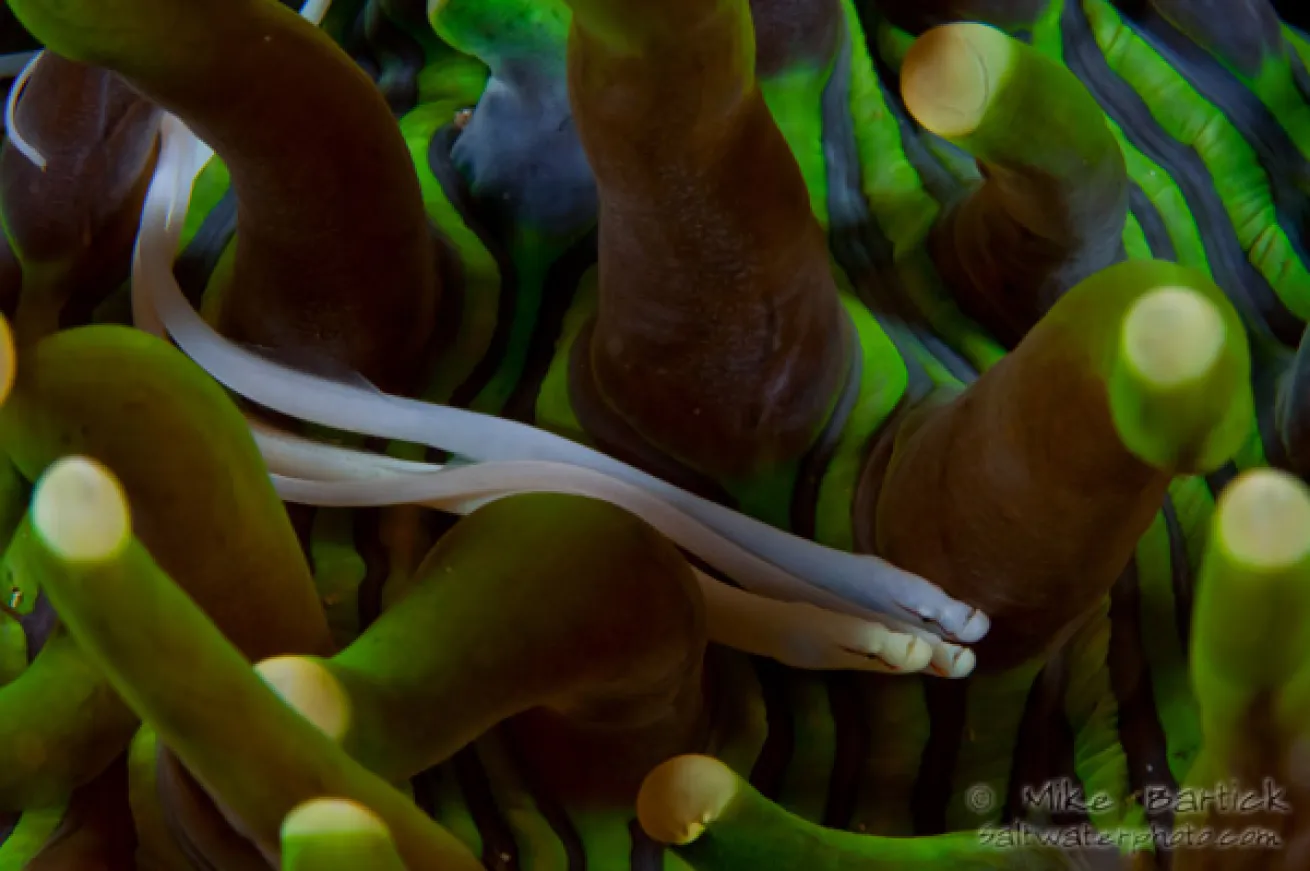
Mike BartickImperial shrimp can be found on a variety of subjects and enjoy a symbiotic lifestyle with their hosts, but this one has nearly outgrown its home!
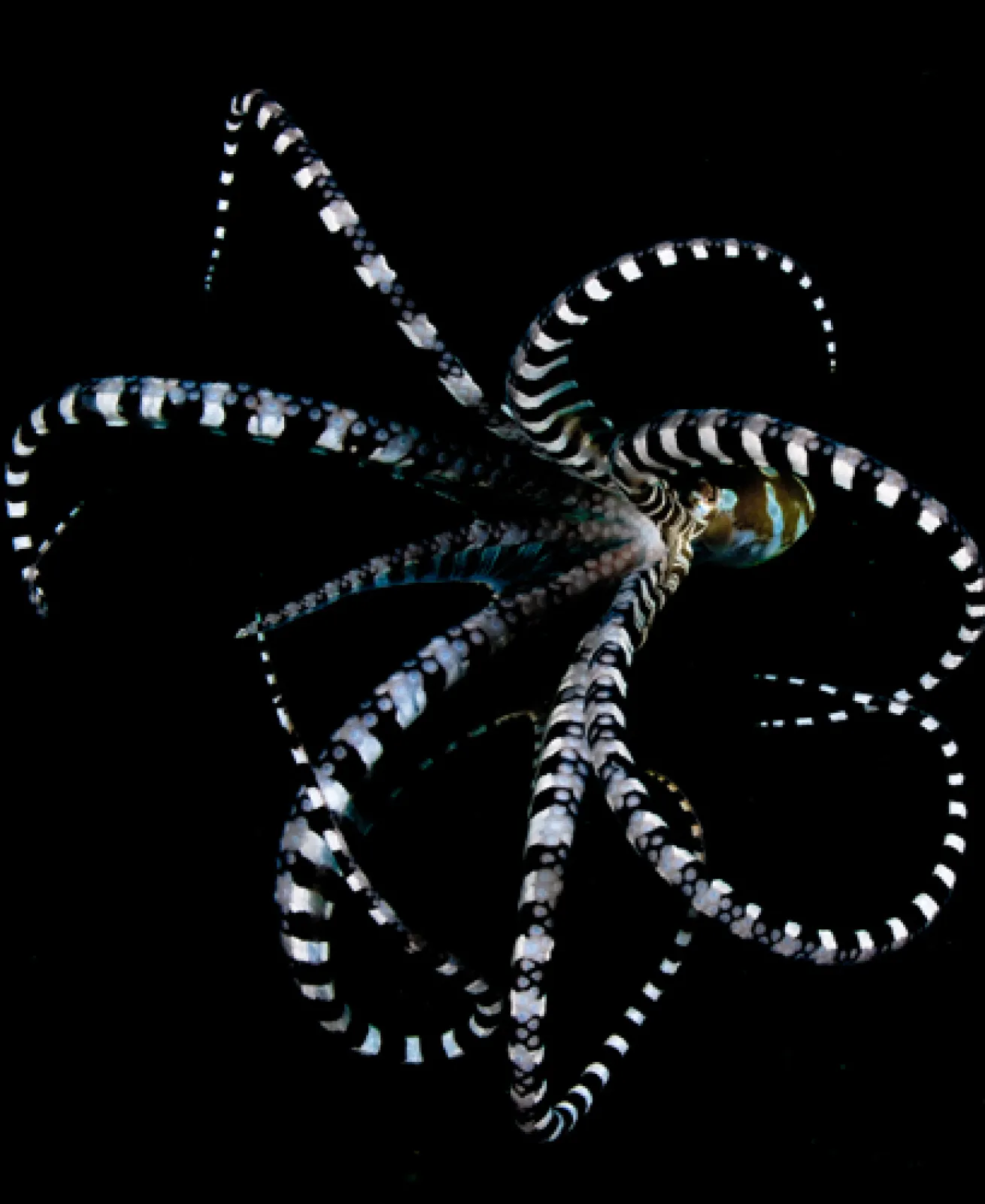
Mike BartickI photographed this wunderpus octopus just inches above the sand as it fled after a skirmish with another octopus. I waited for it to pause before jetting again, and that allowed me to shoot it without harassing it.
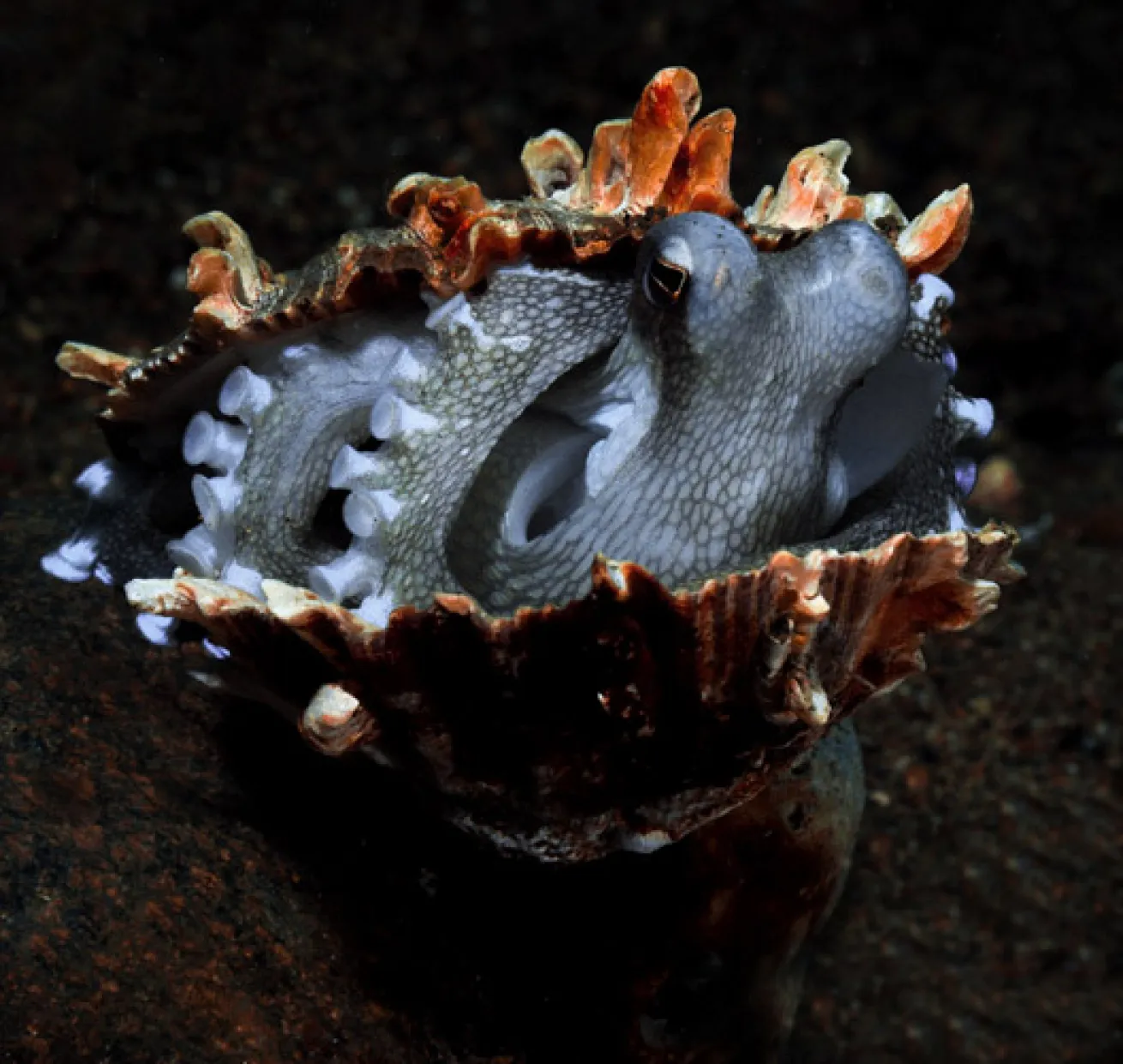
Mike BartickCoconut octopuses are typically found foraging for food day or night. They often become animated and attempt to hide in nearby objects. This octopus had taken up residence in a large bivalve that it probably had eaten earlier in the day. Often times referred to as a blue veined octopus.
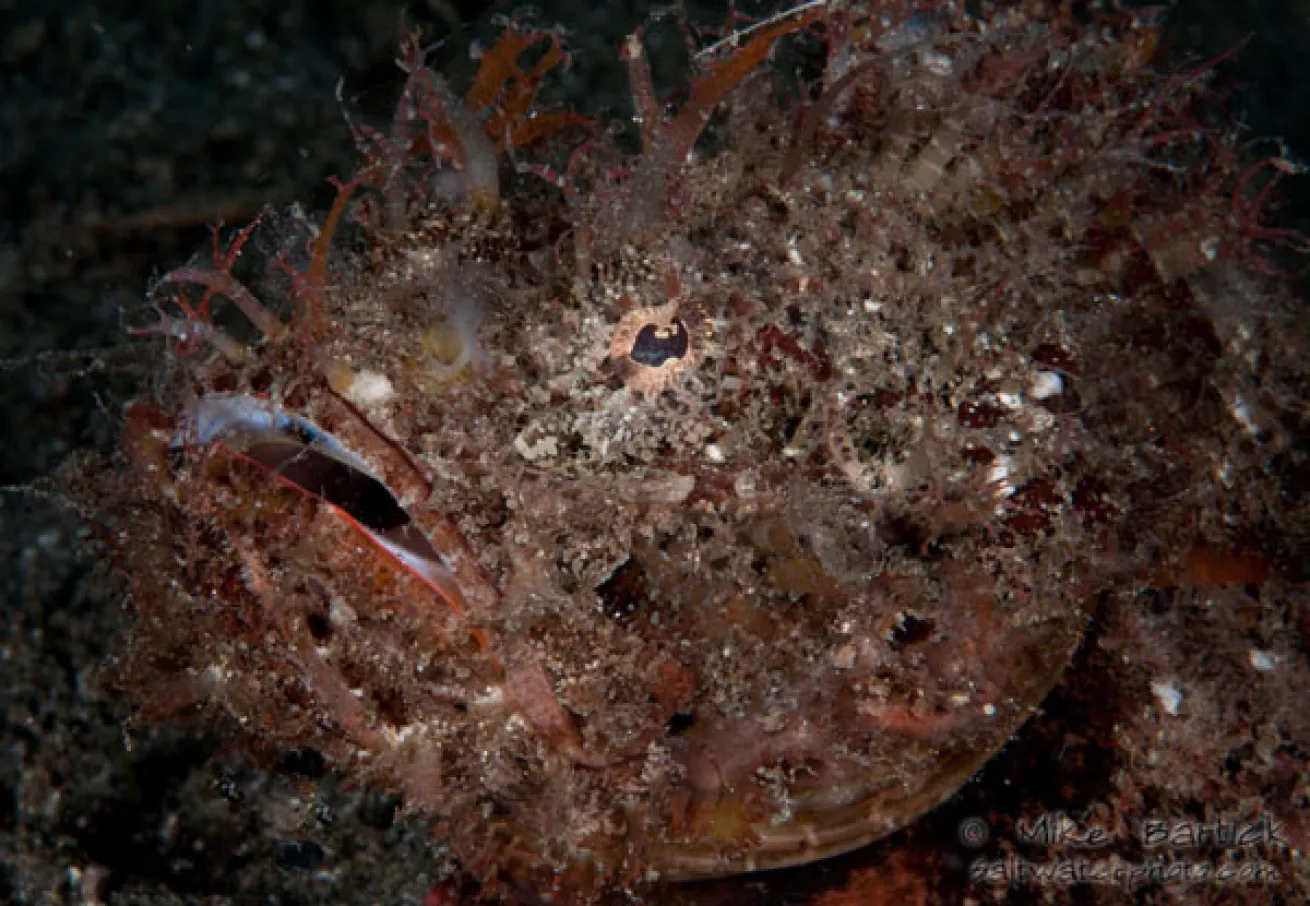
Mike BartickThis hairy variation of scorpionfish drags along the bottom and is found near estuaries and river runoffs. They tend to live in seagrass and algae, both of which provide superb camouflage and coverage. The upturned mouth allows it to strike at subjects that swim overhead. I love the eyes on this variety — they look like a flying bat!
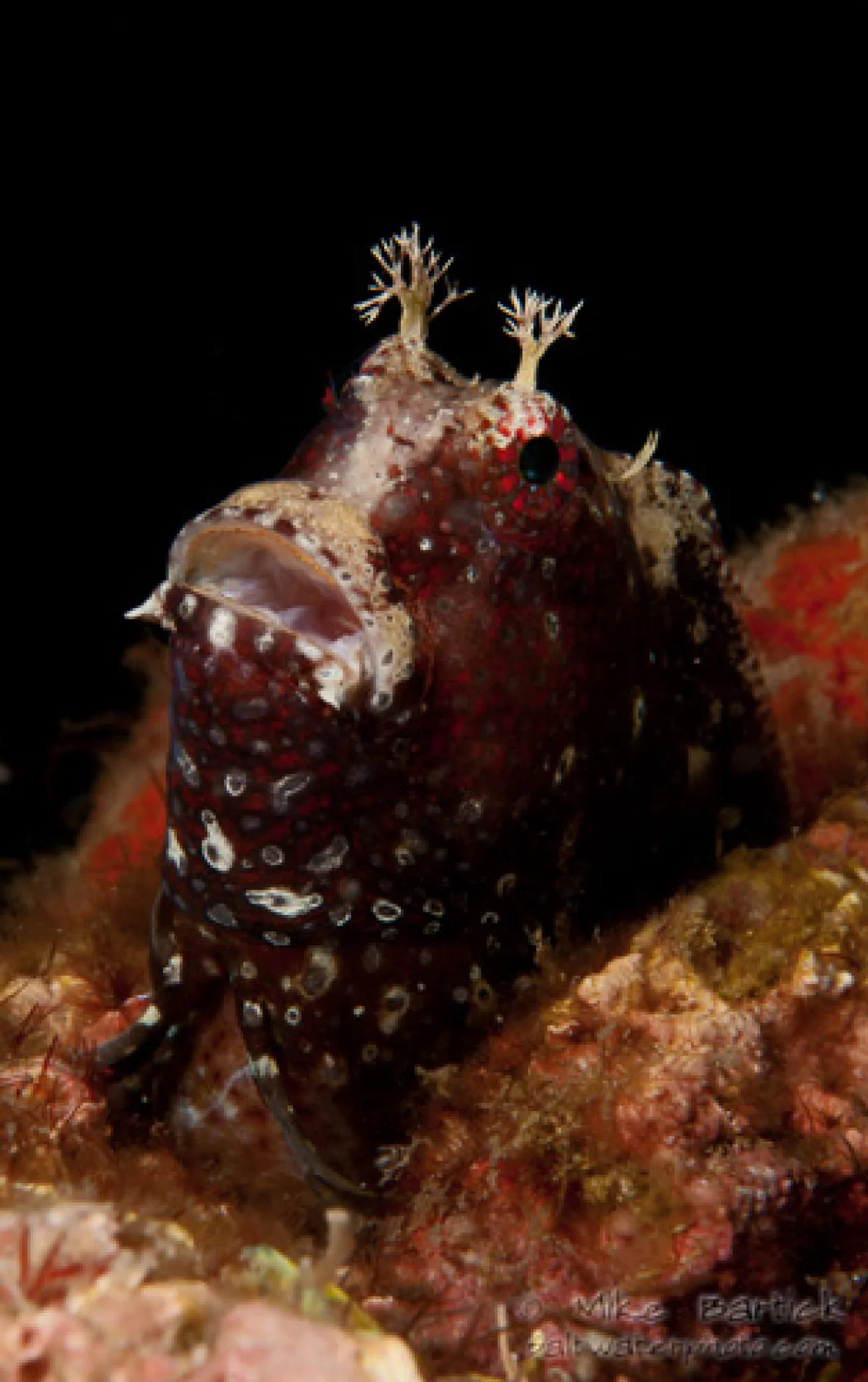
Mike BartickThese large blennies can be found in shallow rocky outcroppings living alone or in pairs. They can be very quick and timid, making them a difficult subject to photograph. But with a little patience, you can wait for them to make the rounds and return to their point of origin.
Mike Bartick
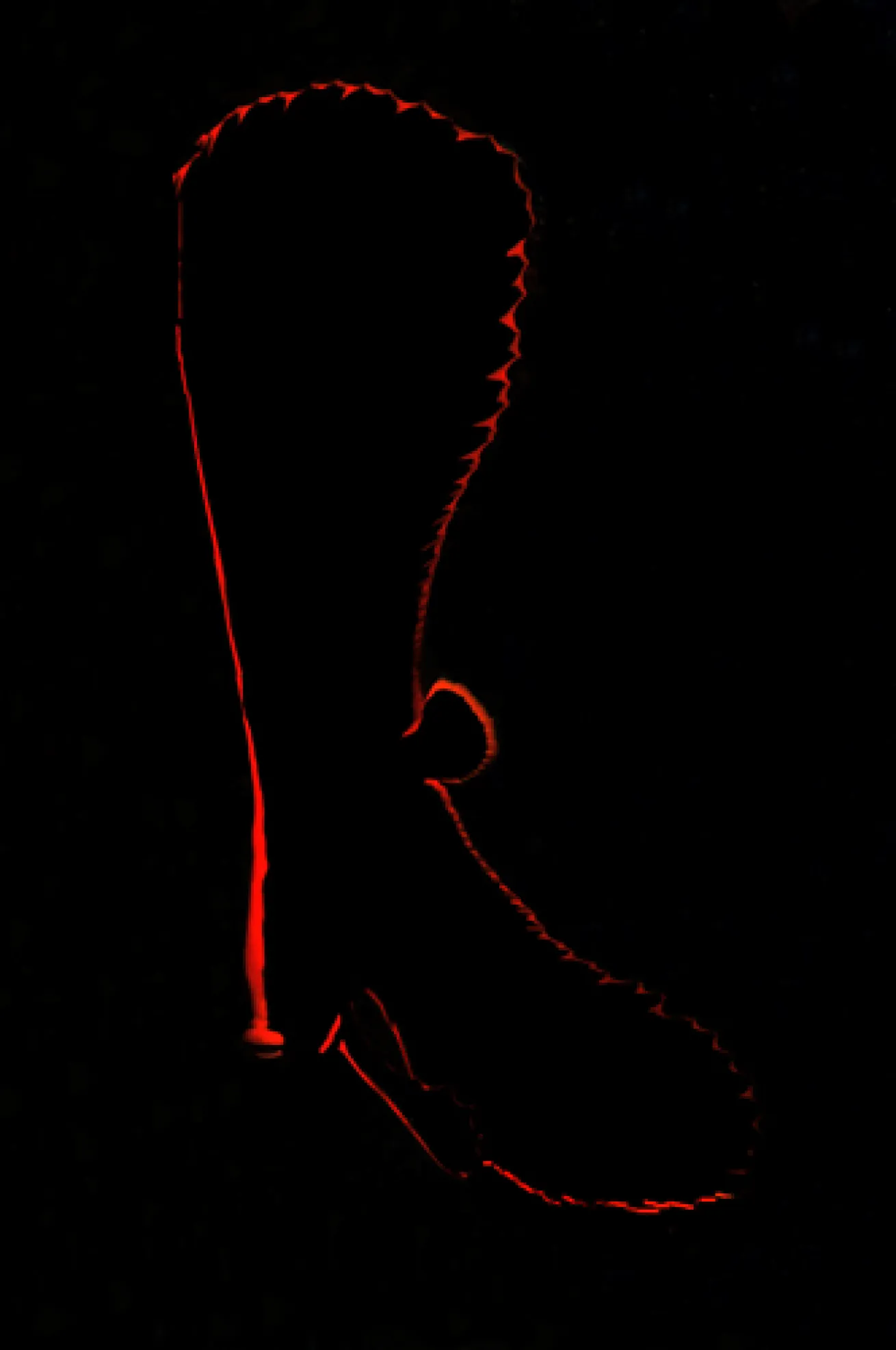
Mike BartickJuvenile pinnate spadefish have a brilliant orange-lined outlines and a deep-black compressed body. I revisited this dive site over several days trying to get an acceptable photo of this critter. It is believed that the juvenile colouration mimics the colours of a foul-tasting flatworm, discouraging predation until the fish are larger. In their terminal phase, their colouration is silver with black bars.
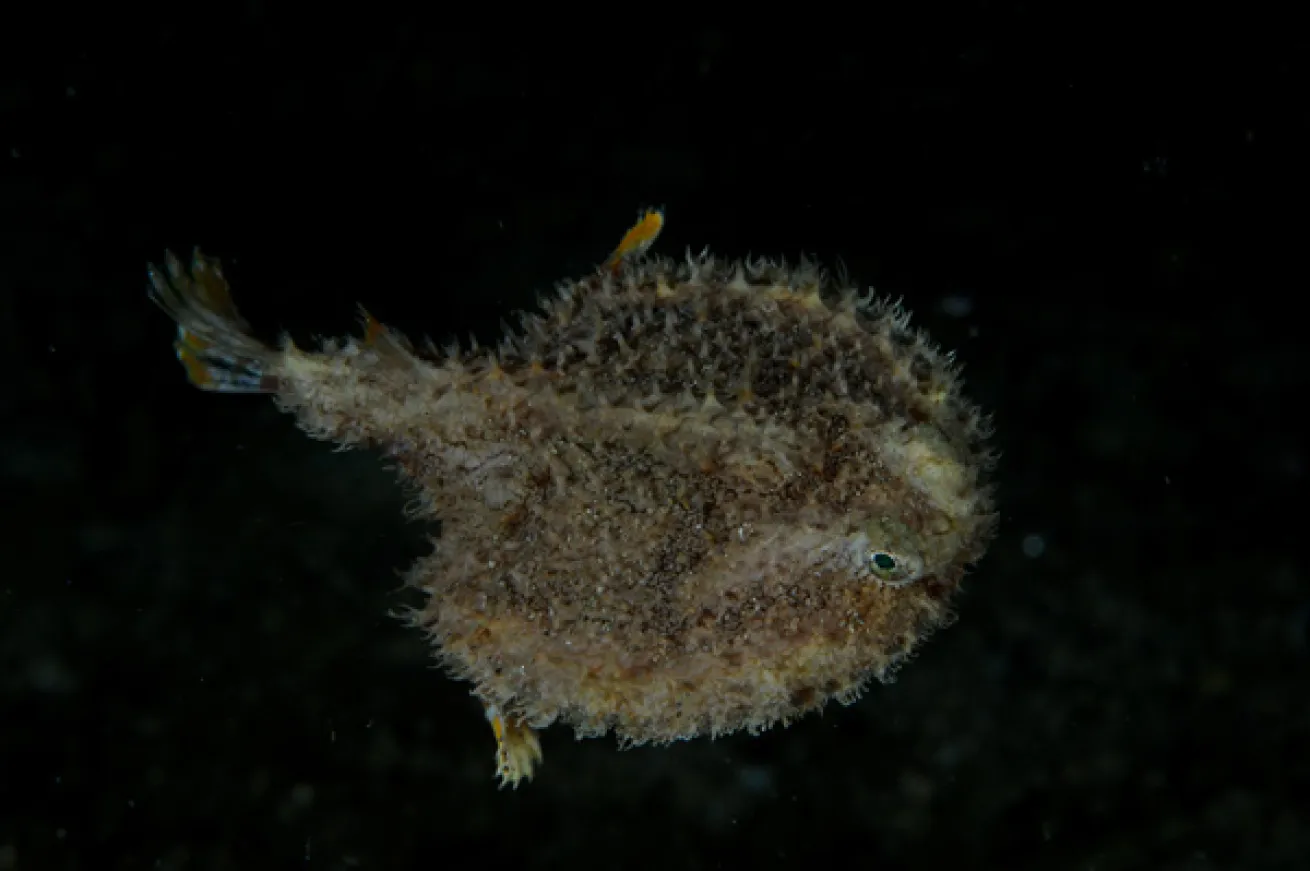
Mike BartickEstuary batfish is an anglerfish that is extremely rare to find. Truthfully, this photo wasn’t shot last year, but it still remains one of my favourite finds. I must admit that even though I get the glory, it’s my trusty assistant Gladys who deserves the credit. When we spotted this amazing creature, it took off across the sand flats. We followed, and when it finally paused, we were able to get a couple of shots. Finally, it began to dig itself into the sand, finally disappearing and we never saw it again.
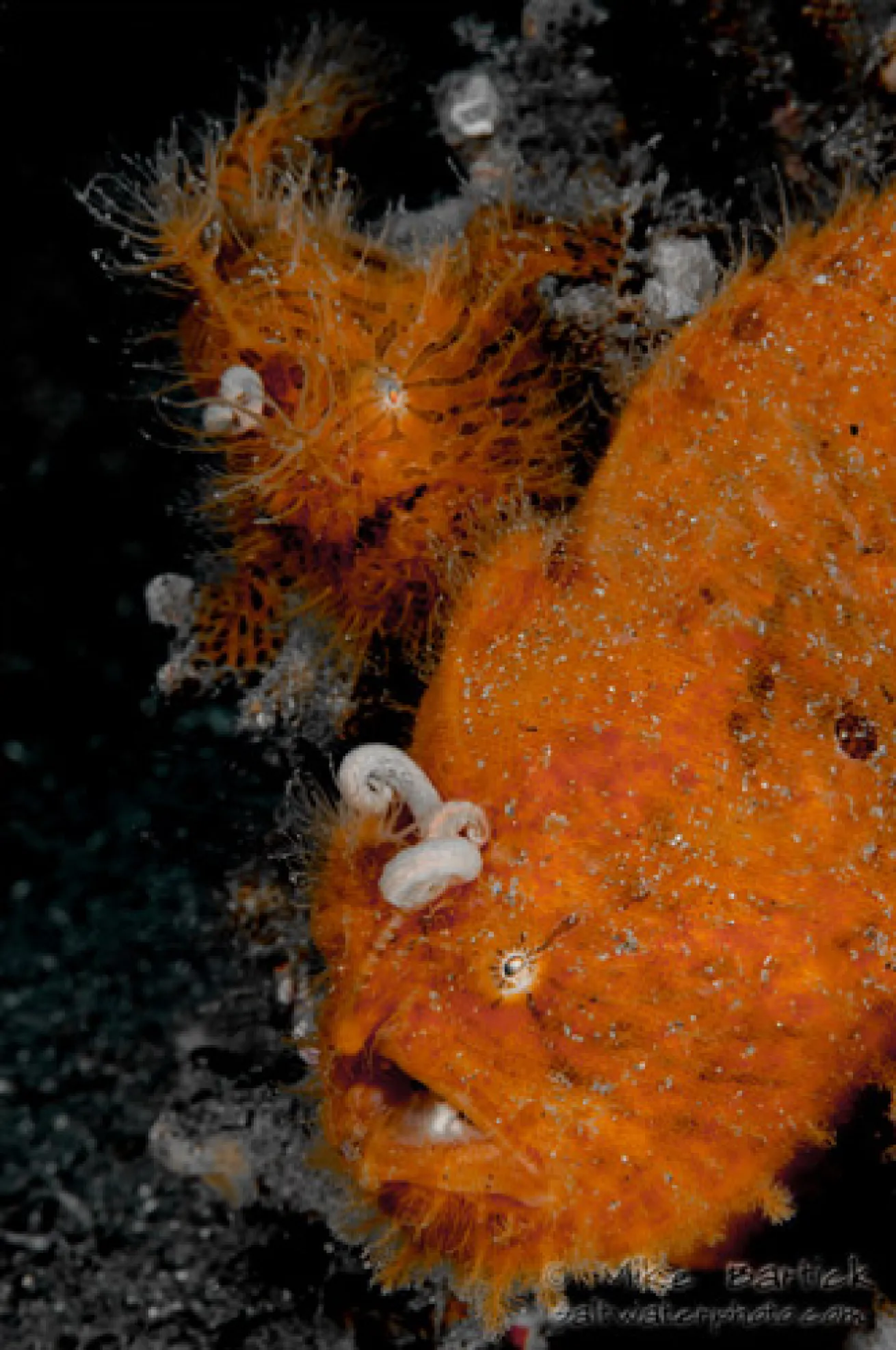
Mike BartickA courting pair of hairy frogfish. The female frogfish (forgeround) is usually solitary and acts aggressively towards smaller males until it is time to mate. She then emits an irresistible pheromone that attracts male suitors from far and wide. Often times, there will be more than one male suitor courting her, leading to aggressive behavior between the males. The odds are stacked against procreation but Mother Nature always finds a way. Although somewhat common in some areas, hairy frogfish are still considered rare.
Reviewing a year of photos is almost like experiencing the best dives of the last 12 months all over again. You would think the task of selecting a few images as my favourites would be relatively easy. Then something happened during the selection process, and I began to realize that it’s not necessarily the content of the photo that hooks me, but it’s the experience of getting them. So as I sifted through the gigabytes of files, this seemingly easy task of finding a few favourites became a full-blown project, and the hours slipped into days, as I relived some of the best adventures I had in 2012.
And so it goes, in a never-ending loop: Researching, travelling, diving, making friends, swapping stories, and finding critters. The year has ended, but I’m already gearing up and getting ready for new adventures in 2013. I can’t help but to feel excitement thinking about the new year and wondering what incredible adventure awaits me.
Hope you enjoy!
Mike Bartick was born and raised in Southern California, not far from the ocean in Huntington Beach. After finding his first nudibranch on an Open Water checkout dive, he was immediately hooked on diving. Bartick, who splits his time between the Indo-Pacific and the Eastern Pacific as a freelance photographer, photojournalist and field guide, shoots with a Nikon D300 and D300s, Sea and Sea housings, and YS-D1 and YS 250 pro strobes. To see more of his work, visit saltwaterphoto.com.


