

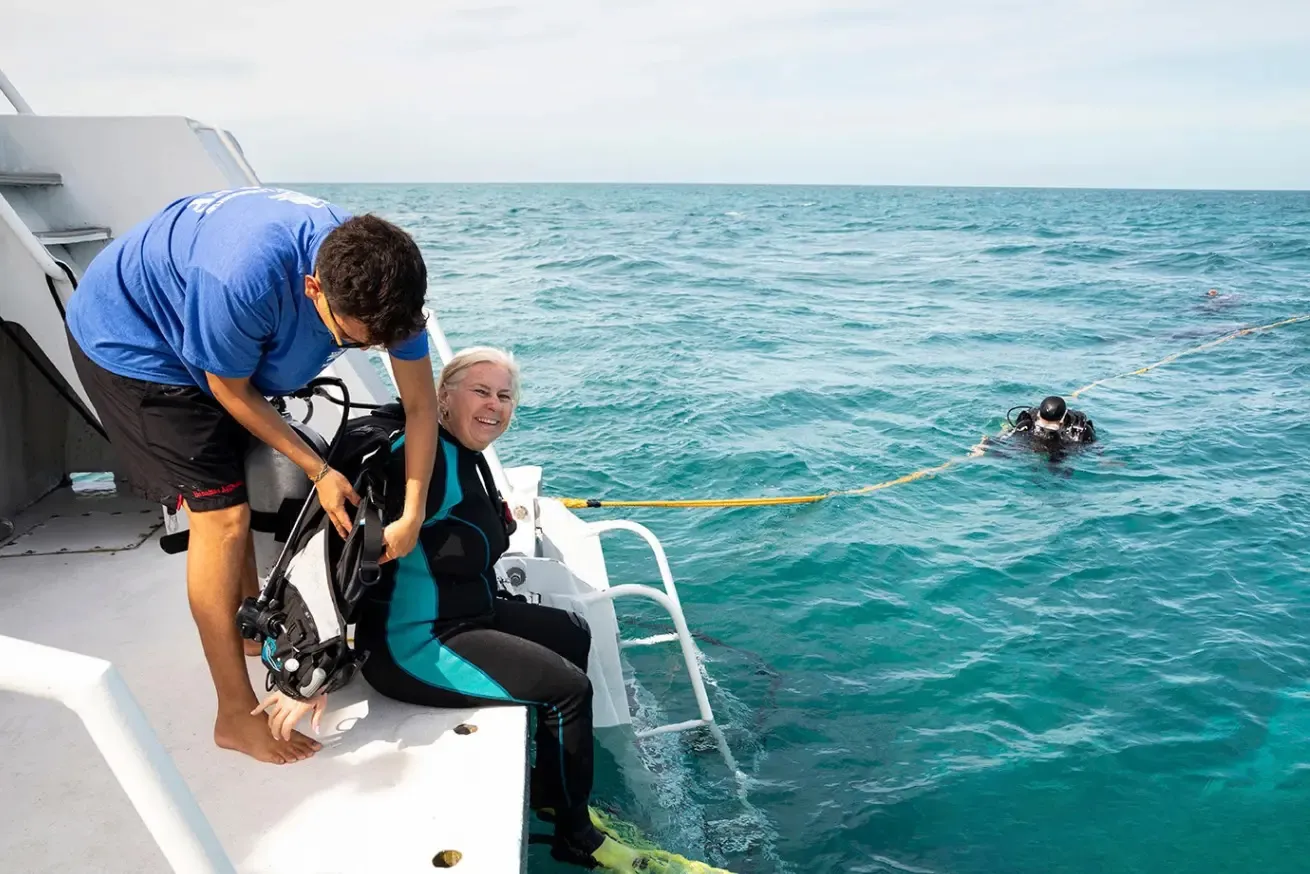
Courtesy Aggressor AdventuresA liveaboard trip is widely considered one of the most rewarding ways to experience scuba diving
For many divers, the idea of a scuba diving liveaboard adventure is both exciting and a little intimidating. Spending days at sea, diving multiple times a day, and living aboard a yacht can feel like a big step—especially for those newer to scuba diving. The good news? Liveaboard diving is far more approachable than most people imagine.
From tropical reefs to remote marine sanctuaries, liveaboards offer an unmatched way to experience the underwater world. Here are five of the most common questions new divers ask before booking their first trip—and what you should know before stepping aboard.
1. Do I need to be highly experienced to dive from a liveaboard?
Not at all. Many liveaboards welcome divers with an Open Water certification and as few as 10–15 logged dives. The key is choosing a destination that matches your comfort and experience level.
Calm, warm-water destinations such as the Bahamas or Turks & Caicos are excellent for newer divers, offering easy conditions, clear visibility, and relaxed diving profiles. More advanced destinations—such as the Galápagos or certain regions of Indonesia—typically involve stronger currents and more demanding conditions better suited for experienced divers.
A reputable liveaboard operator will clearly explain certification requirements and help guide you toward the right itinerary. If you are uncertain, ask questions and be honest about your experience level. Choosing the right trip makes all the difference.
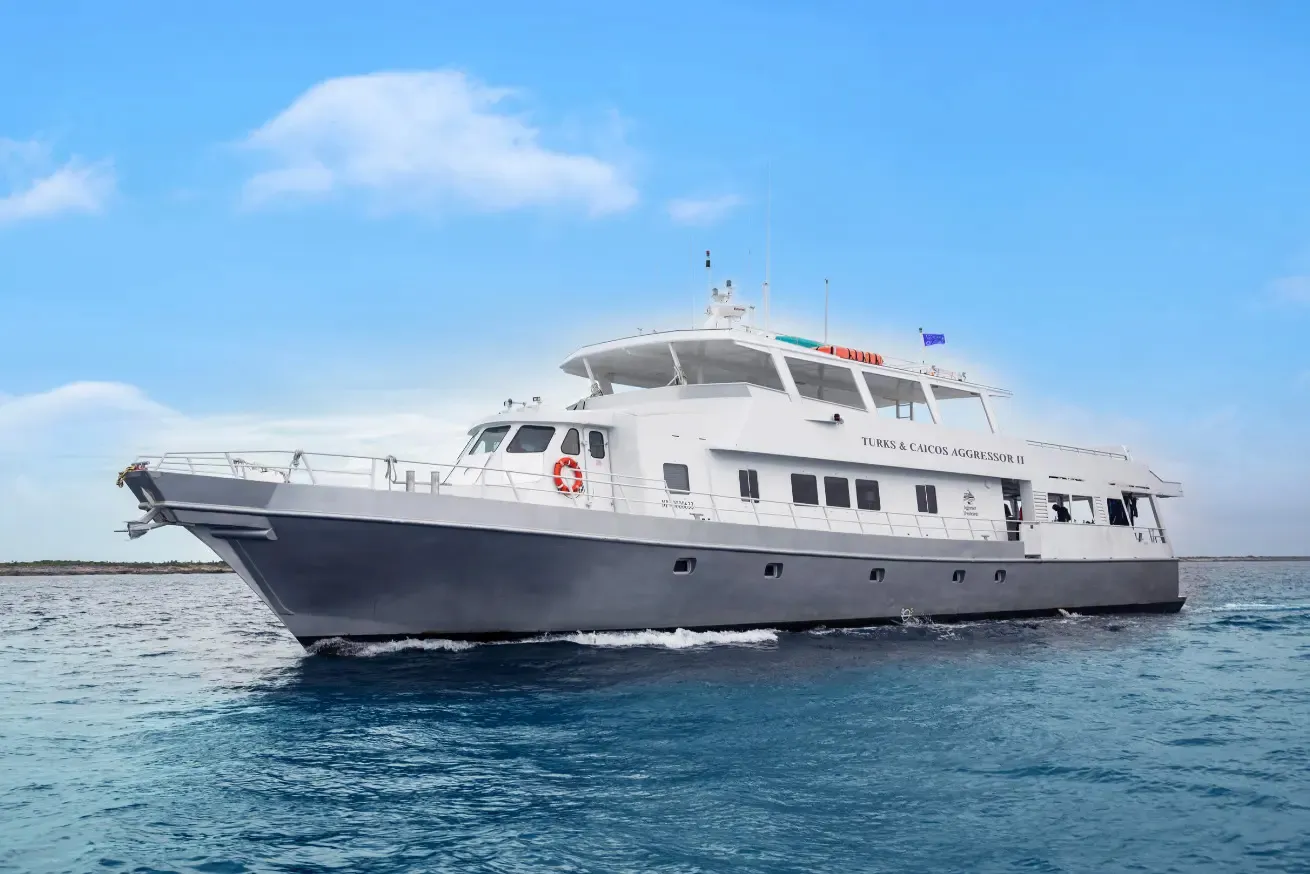
Courtesy Aggressor AdventuresThe Turks & Caicos Aggressor II
2. What is a typical day like on a liveaboard?
Life aboard a liveaboard quickly settles into a comfortable rhythm centered around diving, dining, and relaxation.
Most Aggressor Adventures itineraries include:
• Up to four or five dives daily, including night dives when conditions permit
• Detailed dive briefings before each dive
• Surface intervals filled with meals, snacks, and downtime
A typical day often begins with an early morning dive followed by breakfast, a mid-morning dive, lunch, an afternoon dive, and sometimes a sunset or night dive. While the schedule may sound busy, participation is always optional. Guests are free to skip dives, relax onboard, or simply enjoy the scenery at their own pace.
The experience is immersive, but it does not have to be exhausting unless you want it to be.
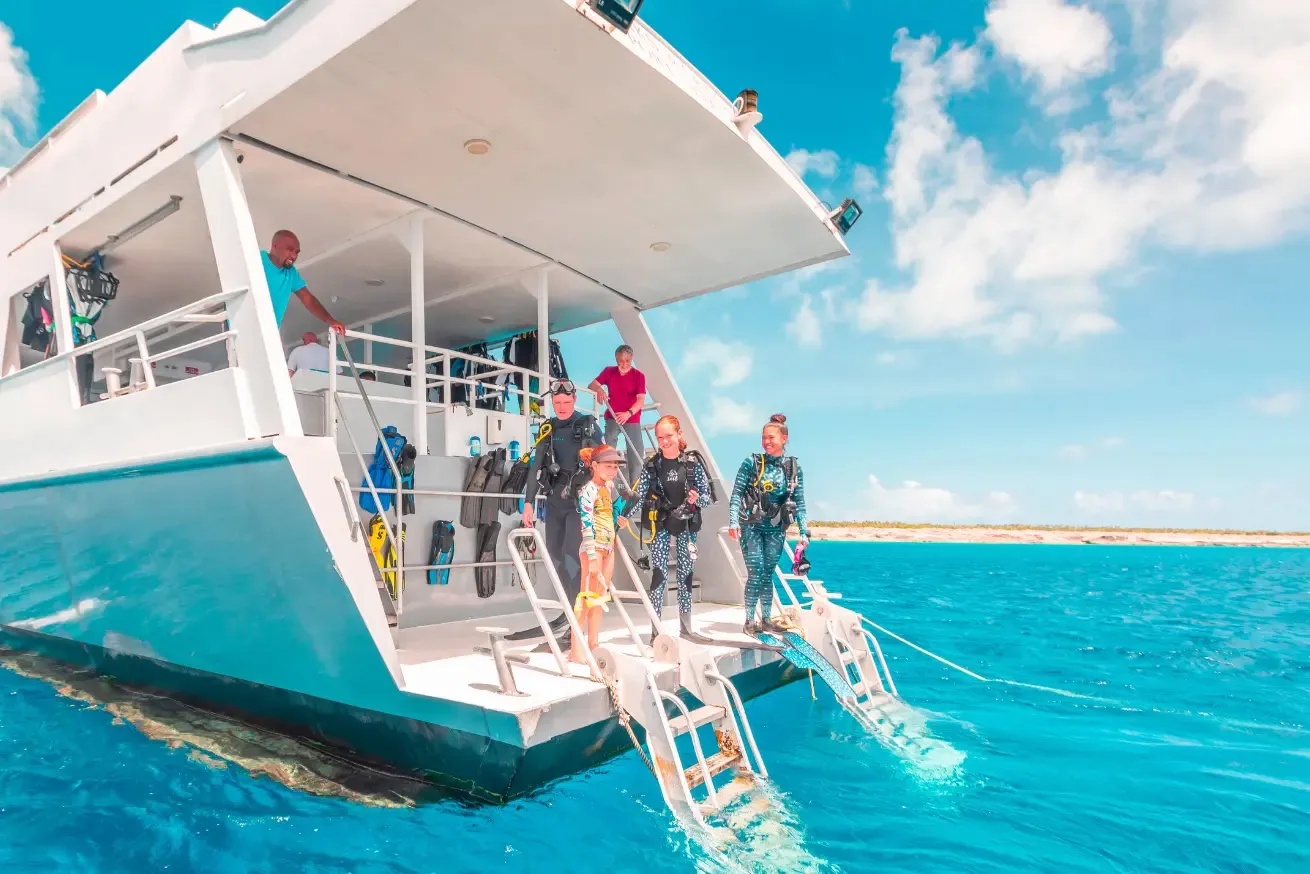
Courtesy Aggressor AdventuresLiveaboard diving is far more approachable than most people imagine, for all age groups.
3. Is liveaboard diving safe?
Safety is a top priority aboard professional liveaboards. Crews are highly trained, and vessels are equipped with emergency oxygen, first aid supplies, communication systems, and established emergency procedures.
Before your first dive, guests typically receive:
• A full vessel safety briefing
• Emergency protocols and procedures
• Dive guidelines specific to the destination and conditions
Dive guides accompany guests in the water, monitor conditions such as currents and visibility, and help ensure dives remain within safe limits. In addition, itineraries are flexible, allowing captains to adjust routes or dive sites based on weather and sea conditions.
For added peace of mind, divers are encouraged to carry dive insurance, which commonly includes emergency evacuation and medical coverage.
4. What is included—and what costs extra?
One of the biggest advantages of a liveaboard trip is how much is included upfront. Most packages commonly include:
• Accommodations
• All meals and snacks
• Diving, including tanks, weights, and guide services
• Airport transfers in many destinations
Additional costs vary by destination and operator, but may include:
• Equipment rental
• Nitrox
• Marine Park or port fees
• Beer and Wine
• Wi-Fi access, when available
• Crew gratuities
Some operators also offer complimentary rental gear for training courses or loaner equipment if luggage is delayed in transit.
Reviewing inclusions before booking helps avoid surprises, but compared to many land-based dive vacations, liveaboards often provide exceptional value considering the number of dives and access to remote sites.

Courtesy Aggressor AdventuresAggressor chefs are culinary artists, who believe that food is an integral part of the culture, the landscape and the adventure experience
5. What is life like onboard between dives? Can non-divers join?
Between dives, life onboard is relaxed, social, and surprisingly comfortable. Guests often spend their downtime:
• Enjoying chef-prepared meals
• Sharing stories with fellow travelers
• Sunbathing or reading on deck
• Reviewing underwater photos or logging dives
Cabins are air-conditioned and feature private bathrooms, creating a comfortable retreat between dives.
Many liveaboards also welcome non-divers, making them a great option for couples or families with mixed interests. Non-diving guests may enjoy snorkeling, sightseeing excursions, wildlife viewing, or simply relaxing onboard.
For travelers concerned about seasickness, modern liveaboards are designed for stability, and common remedies such as motion sickness patches or medication are usually effective.
Final Thoughts
A liveaboard trip is one of the most rewarding ways to experience scuba diving, offering access to remote reefs, thriving marine life, and a true sense of adventure that land-based diving often cannot match.
Whether you are newly certified or looking to expand your diving horizons, there is a liveaboard experience suited to your skill level and travel style. The key is choosing the right destination, asking questions, and arriving ready to enjoy every moment—above and below the surface.
Plan Your Aggressor Adventure:
Phone: +1 706-993-2531
Toll Free: 800-348-2628 (USA/CAN)
Fax: +1 706-737-7690
Email: [email protected]
Web: aggressor.com

Jay Roberts, CEO of Aggressor Adventures
Born in Clearwater, Florida, and raised in Dover, Arkansas, Jay Roberts developed a passion for exploration and adventure early in life. Now based in Augusta with his wife and children, Jay has built both his career and family life around the spirit of discovery. A lifelong diver who entered the industry at 19, he has spent more than 30 years in professional diving, earning credentials as a PADI Staff Instructor. His journey with Aggressor Adventures has taken him through nearly every level of the organization—from Cruise Director and Captain to Operations Manager and now CEO—bringing firsthand operational experience, leadership, and a deep connection to the guest experience that continues to shape the company today.


