

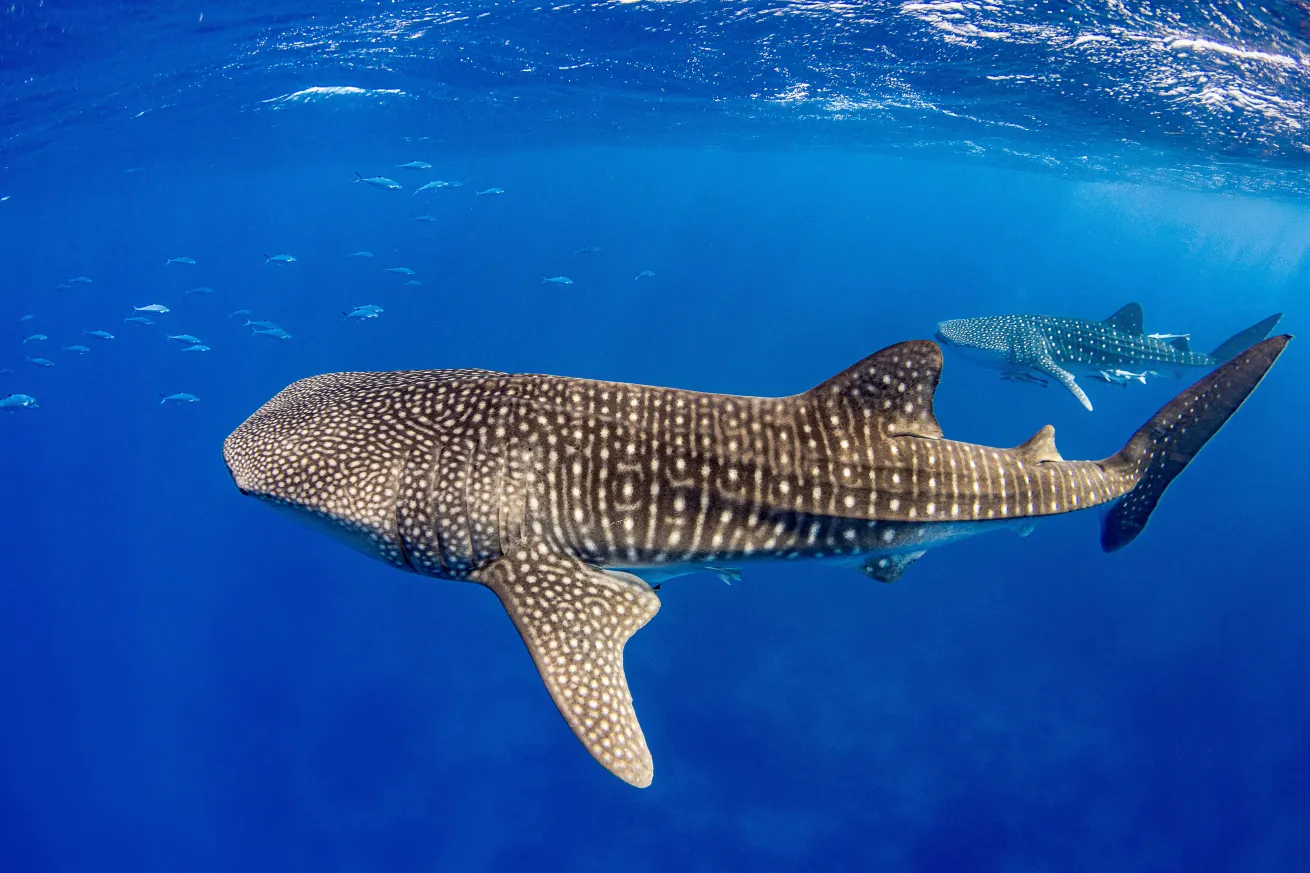
Courtesy Renata Romeo / Ocean Image BankSign PADI AWARE’s petition to urge for stronger CITES protections for whale sharks, mantas and oceanic whitetip sharks.
At CITES CoP20, which will take place in Uzbekistan November 24 to December 5, governments will vote on whether to strengthen protections for species including whale sharks, oceanic whitetip shark and manta rays.
Public support puts pressure on decision-makers, playing a critical part in securing conservation. This year, PADI AWARE’s mission is to secure 20,000 petition signatures from divers, instructors, dive operators and conservation allies across the world to call for further protection for sharks and rays.
CITES, or the Convention on International Trade in Endangered Species, is a global treaty that regulates the trade of wild plants and animals. CITES Conference of the Parties (CoP) meetings occur every two to three years and are the world’s largest and most influential meetings for improving species protection.
The CITES treaty has two main appendices that group species by order of conservation importance. Species in Appendix I are imminently threatened with extinction, and those in Appendix II may become threatened.
Currently, mantas, oceanic whitetips and whale sharks are listed on Appendix II. But populations continue to decline due to fishing pressure, bycatch, habitat loss and unregulated trade. In fact, a study published in 2021 concluded that oceanic shark and ray populations have declined by 71% over the past 50 years.
Related Reading: The Fight Against Illegal Manta Ray Trade
On behalf of the dive community, PADI AWARE is advocating to move these species to Appendix I. This would prohibit all international commercial trade, providing a stronger legal safeguard and helping curb population loss. With the support of Blancpain, PADI AWARE is the only organization representing the dive industry at CITES.
Take Action: Sign the petition to support stronger protections for sharks and rays at CITES CoP20. SIGN HERE
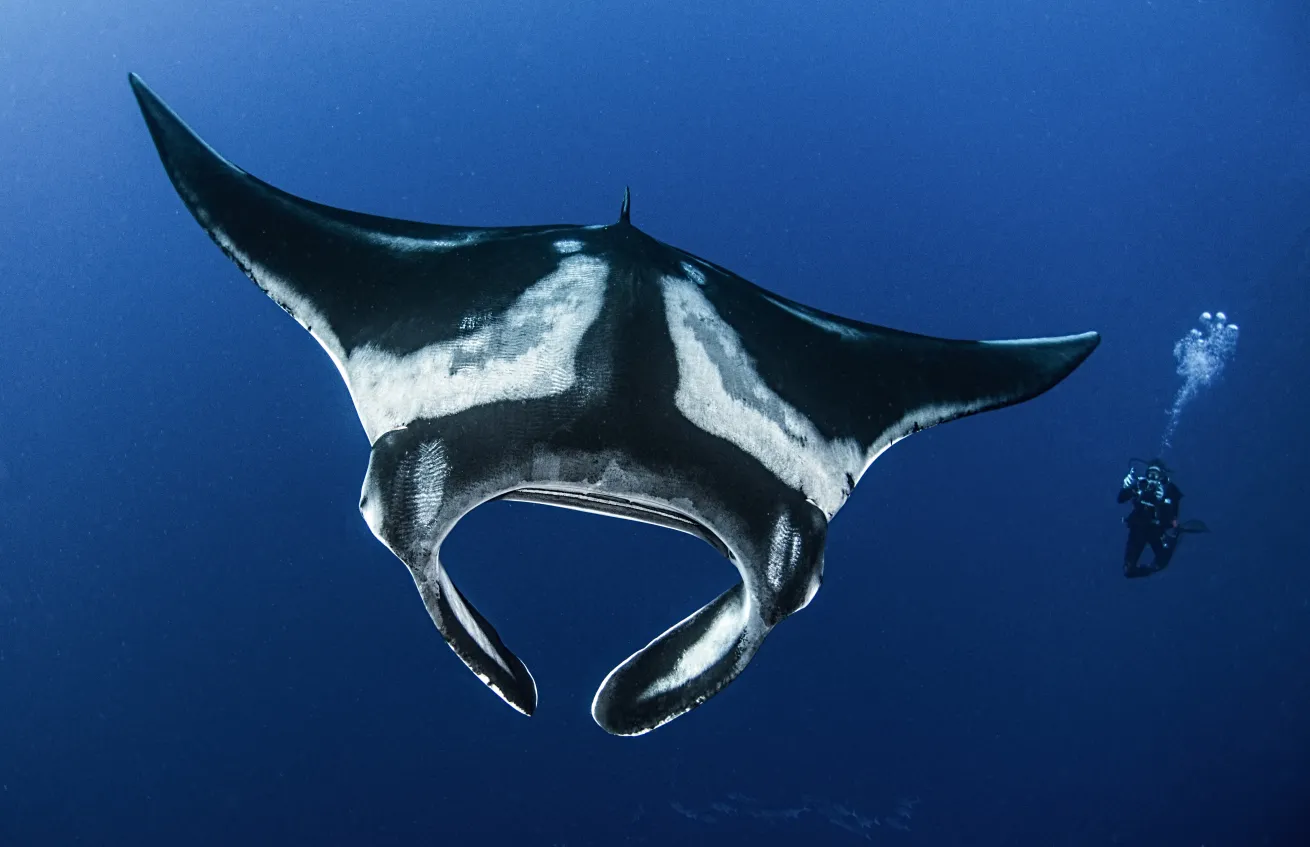
Courtesy Amanda Cotton / Ocean Image BankOceanic manta rays are the second-largest fish in the ocean, just behind whale sharks.
Threats to the Species
According to a study coauthored by NOAA Fisheries, sharks and rays are in a worse conservation state than any other vertebrate group on Earth, apart from amphibians. This is due to a few factors.
First, most shark and ray species have slow population growth rates. Mobulids (manta and devil rays), for example, have gestation periods of about 12 months and produce just a single pup per pregnancy. And depending on species, mobulids only reproduce every two to seven years. This makes it difficult for populations to sustain and rebuild after they’ve been reduced.
Next, sharks and rays are targeted around the world for their fins, meat, gill plates and oils. Even when these species aren’t the main target, an estimated 100 million sharks and rays are fished each year as bycatch.
Finally, these species must survive compounding changes such as habitat loss, ocean warming and ocean acidification. As kelp and mangrove forests, coral reefs and seagrass beds decline, sharks and rays have fewer options for nursing, hunting and hiding. Rising sea temperatures have shifted seasonal migration patterns and population distributions. Ocean acidification is causing tooth and skin damage.
But it’s not too late to give these threatened species a fighting chance.
Related Reading: Saving the Sharks With Art
A Legacy in Shark and Ray Protection
PADI AWARE has been an active CITES participant since 2013 but has spent over 30 years advocating for shark and ray conservation, helping to secure protections for 104 species at regional, national and international levels.
Early next year, the organization is launching the AWARE Global Shark and Ray Census. This is a long-term citizen science effort to track presence, absence and population trends of sharks and rays at key dive sites. The survey will rely on diver data and will help close longstanding gaps in scientific data, aiding researchers to measure the impact of conservation actions.
Let your voice be heard. Demand world leaders vote for stronger protections at CITES 2025: SIGN HERE


