

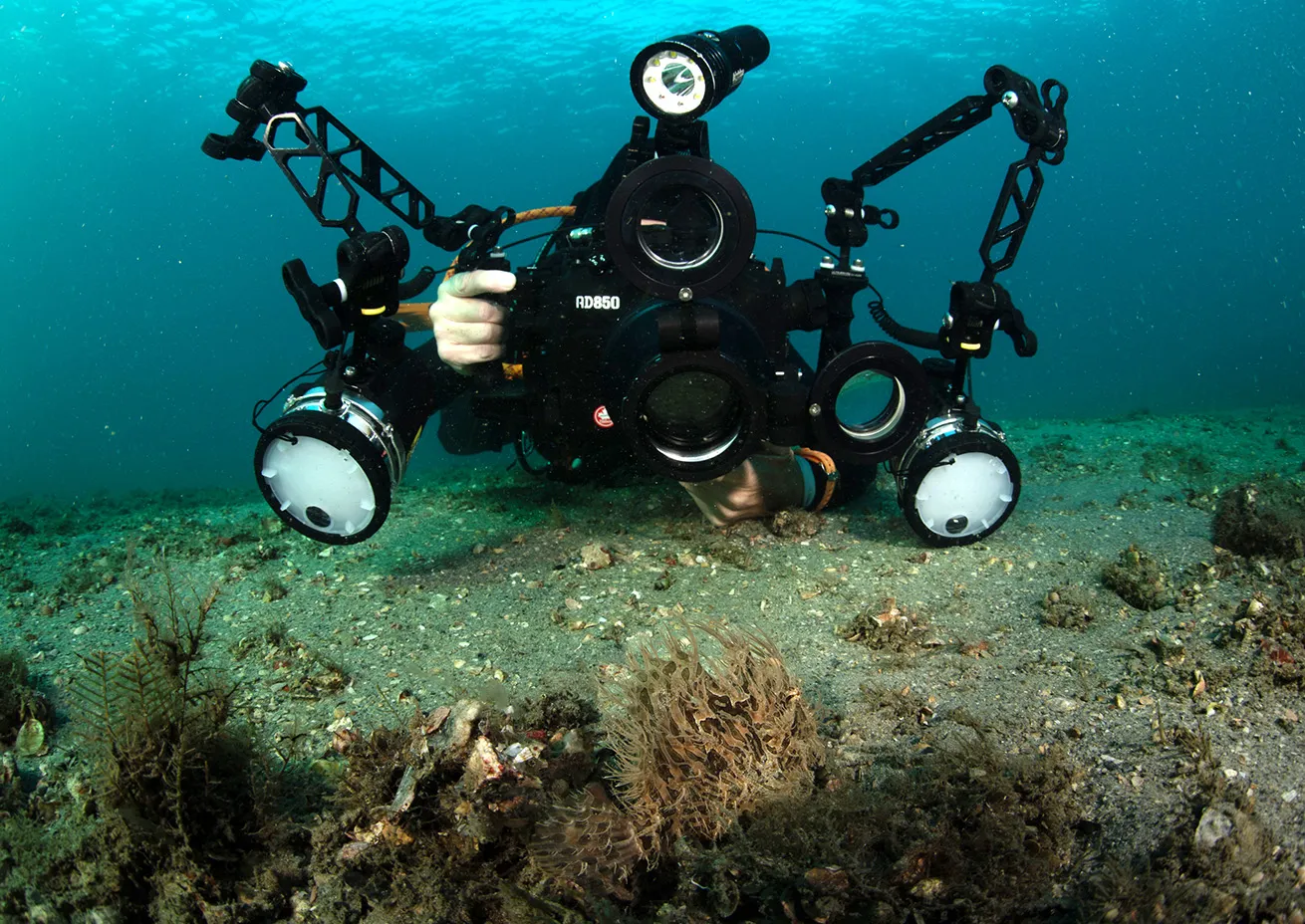
Gabriel JensenA happy diver using a hermit-crabbed rig looking at a frogfish.
There’s a moment in every underwater photographer’s career when they realize their current setup just isn’t cutting it anymore. Maybe your strobes recycle time is starting to feel slow. Maybe that entry-level housing is one button short of accessing the feature you now use daily. And so begins the molting process: moving on to a bigger, better rig.
Some divers call this “hermit crabbing,” a tongue-in-cheek term for upgrading your gear by picking up used components piece by piece. It’s a common path, and for good reason. Buying secondhand can save hundreds, sometimes thousands, of dollars. It can also shrink your environmental impact and give you access to pro-level equipment that might be out of reach when priced new.
But before you scuttle into your next setup, it helps to know where to look and how to assess the health of your future hermit crab “shell.”
Related Reading: A Photographer's Guide to Southern Australia's Best Diving
Why Buy Used Camera Gear?
The benefits of secondhand gear go well beyond price.
Buying used reduces waste and carbon emissions. It keeps functional equipment out of landfills and avoids the manufacturing footprint of brand-new builds. It also allows you to afford high-end gear: think Nauticam, Backscatter, Sea\&Sea or Marelux at a fraction of the cost. In some cases, you’ll pay 50 to 80 percent less than retail.
There’s also peace of mind in knowing that a piece of gear has actually been in the water and functioned properly. If it has made it through dozens of dives without flooding, that’s a solid sign.
Buying used also connects you with the community. Many photographers selling gear are upgrading themselves and are happy to pass down knowledge, compatibility tips and even bonus accessories.
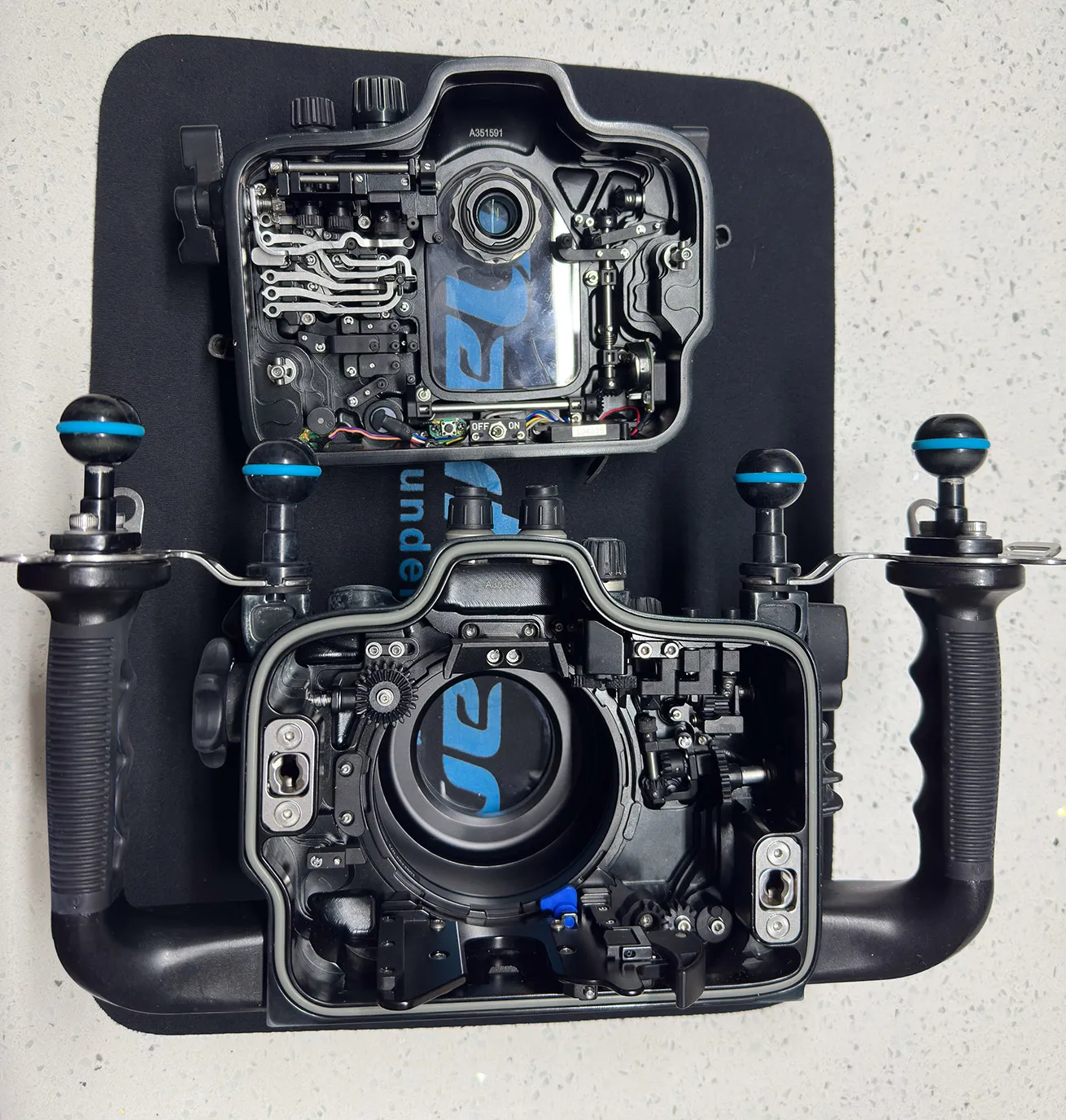
Gabriel JensenThe Interior of any used housing needs to look spotless. Even this decade-old housing should look like new on the inside.
Where to Find Your Next Housing
Start with Facebook groups and Marketplace, which host some of the most active and reliable listings. Groups titled something like “Used Underwater Photography Gear” or your local dive community will be filled with people who understand what they’re selling and why it matters.
EBay is another strong option, especially for legacy parts or discontinued accessories. The built-in buyer protection can be a big plus.
Forums like Wetpixel and ScubaBoard offer classified sections and seller histories. If you’re lucky enough to belong to a local photo club, you might find deals before they hit the internet.
Underwater photography stores often take trade-ins and consignments. You’ll pay a bit more than in a private sale, but these trusted shops typically inspect the gear before reselling it, which adds peace of mind.
Related Reading: 23 Underwater Cameras, Lights and Accessories for Divers

How to “Buddy Check” a Listing
Most sellers will claim their gear has "never been flooded." Take that with caution. Your goal is to verify overall care and condition, not rely on the listing description.
For complex pieces like housings, it’s OK to ask for multiple photos showing all sides, especially control buttons, port openings and the rear seal. Look for even wear patterns and signs of regular maintenance. Some brands, like Nauticam, develop white water marks on the anodized finish. These are typically cosmetic from normal use, but deep scratches, pitting, or wear around sealing surfaces can indicate abuse. It pays to know what is cosmetic versus what indicates abnormal wear.
Sellers who are also photographers who publish their work publicly on places like Instagram or Facebook tend to be more trustworthy. A quick search of their username across forums or social media can confirm whether they’re part of the underwater photo community. I often give these listings the benefit of the doubt.
It’s also fine to ask how many dives the gear has done and what type. A housing used in freshwater springs may look newer, but dried or cracked O-rings can signal poor maintenance. Meanwhile, a well-maintained housing used regularly in saltwater may show cosmetic wear but be the better buy.
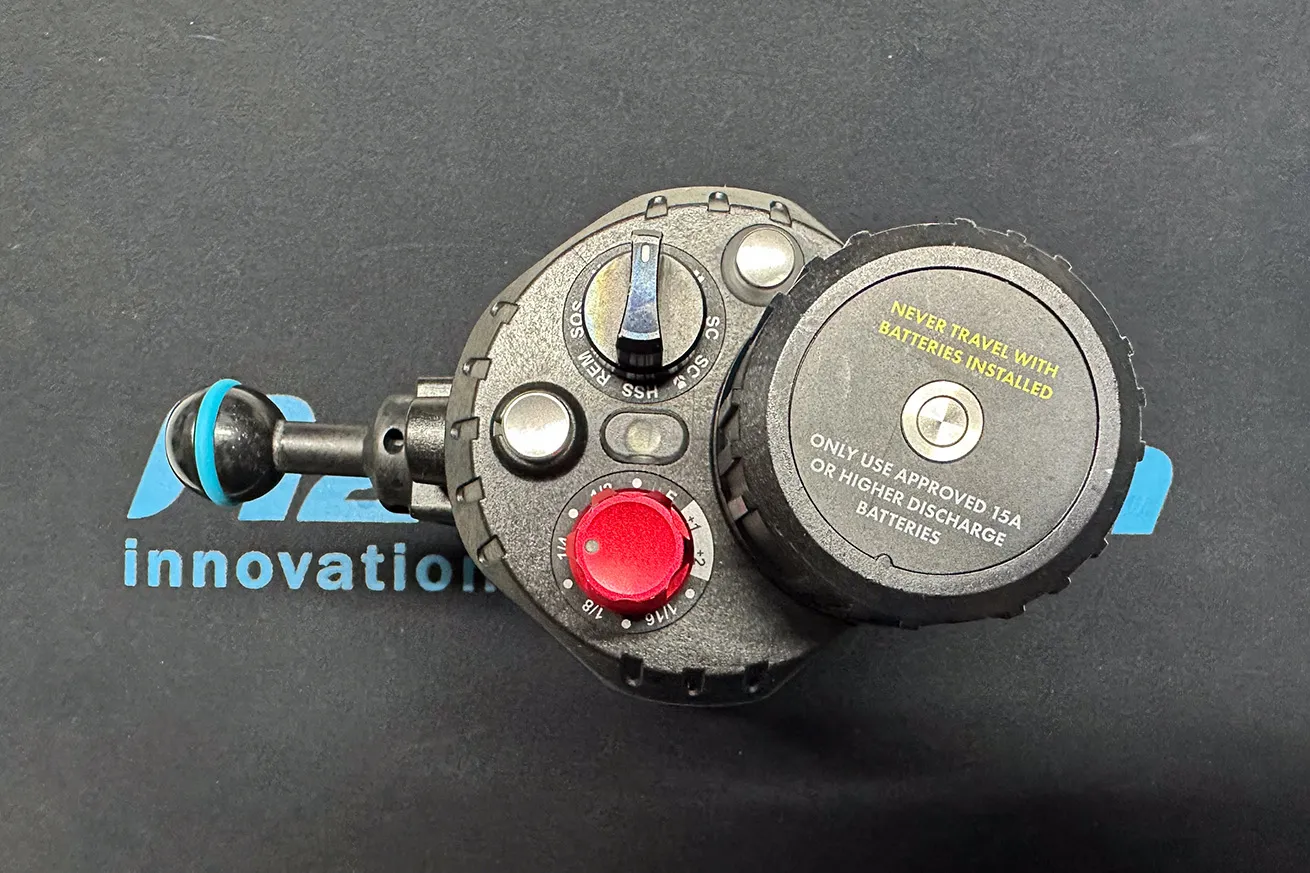
Gabriel JensenThe Dials on used strobes should be tight, loose dials mean potential overuse.
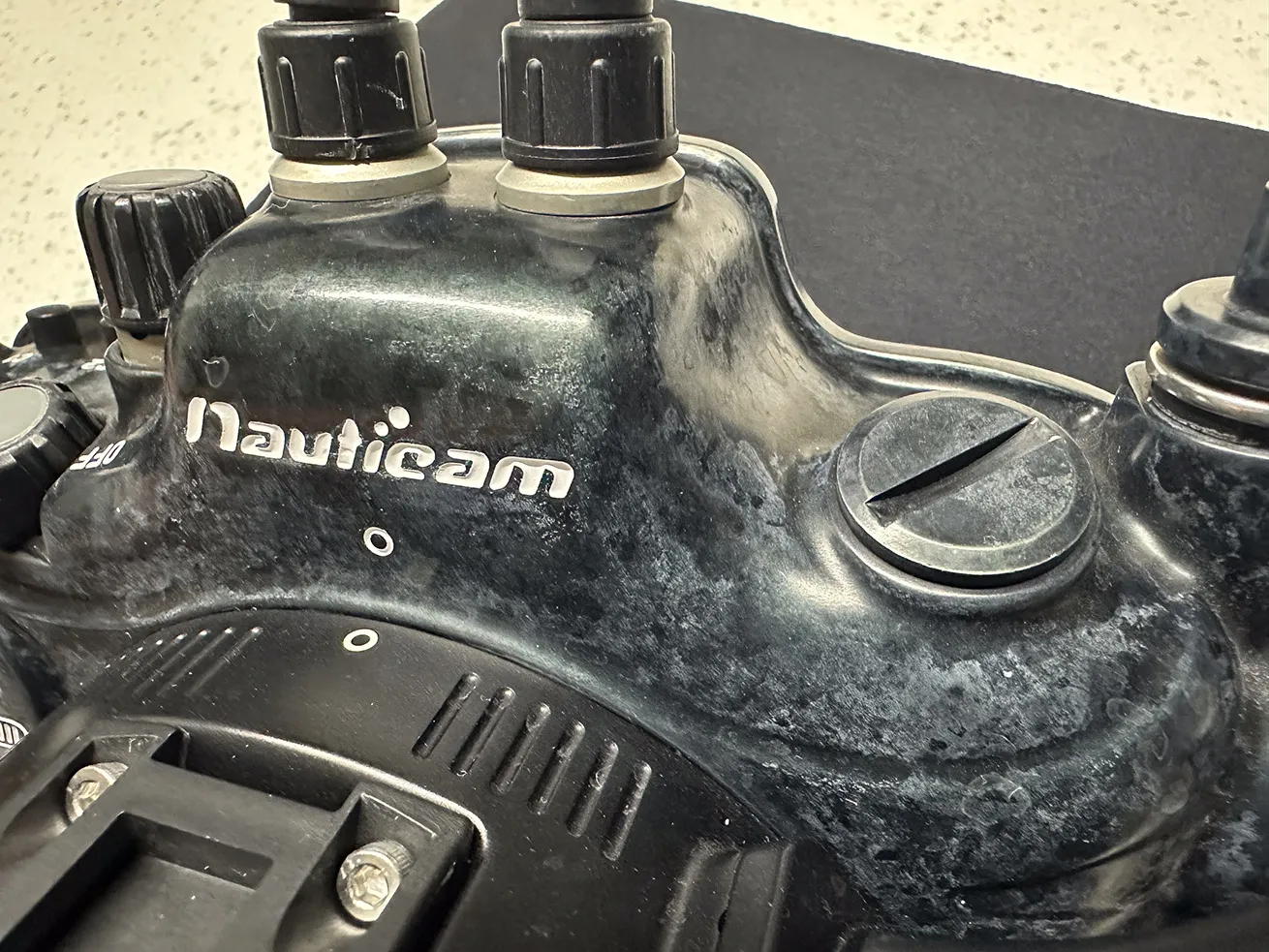
Gabriel JensenDo not be scared of a few water marks on the outside of anodized aluminum housings, this is cosmetic. Instead, check for dents or pitting.
What’s Fixable and What’s Not
Not all cosmetic wear is a dealbreaker. Some issues are minor and easy to fix.
Minor Issues Easy to Fix
- Acrylic ports, lightly scuffed ports can often be polished with plastic restoration kits from brands like Novus, but deeper scratches should be handled carefully by an expert or by someone experienced to avoid permanently distorting the dome’s optical surface.
- Rusty screws are usually standard sizes and can be replaced with stainless steel from your local hardware store.
- Discolored metal can usually be polished away or left as a badge of service.
- Missing cases or bags are easy to replace. Don’t get hung up if you don’t get the fancy branded dust bag.
However, some issues are dealbreakers.
Dealbreakers When Buying Used Gear
- Damaged sealing surfaces, such as warped aluminum or gouged O-ring channels, should be avoided. These are not easily repaired and can lead to leaks.
- Discolored acrylic surfaces in lights can indicate excessive use or overheating. Even if they still power on, these lights may not last much longer.
- Stripped threads are expensive to repair and rarely worth the hassle.
- Sticky buttons might just need soaking and lubrication, but they can also indicate failure of internal parts that are specific to the manufacturer. Buttons that do not depress easily, or don’t spring back into position can mean there is debris stuck in the mechanism, proceed with caution!
- Scratched glass, especially on high-end water-contact optics, usually isn’t economical to repair and must often be replaced by the manufacturer.
Be sure to factor in the cost of new O-rings and servicing when comparing prices. A “great deal” might lose its value if repairs push the total up toward retail price. Learning how to maintain your own gear is a valuable skill that can help you assess whether a listing is worth the investment. Read more on how to invest wisely here: How to Build a Save-an-Underwater-Camera Kit
Related Reading: How to Pack Your Underwater Photo Gear
When It’s Worth Buying New
While buying used has plenty of upsides, there are strong reasons to consider new gear, especially if you’re investing in a full system for the first time.
New equipment comes with warranties, customer service support, and the option to bundle accessories. You’re also supporting dive shops and underwater photo retailers, many of whom are divers themselves and play an important role in the community.
If you’re unsure what you need or are worried about compatibility, a new setup from a reputable dealer can take a lot of the guesswork out of the equation.
But if you’ve already gotten your fins wet and have a clear idea of what you’re looking for, the used market is full of opportunity. Whether you’re picking up a gently used dome port, upgrading to a new-to-you housing or piecing together a backup system, smart secondhand shopping can help you grow your skills without sinking your wallet.
After all, every great underwater photographer started somewhere, and many did it in someone else’s old shell.


