

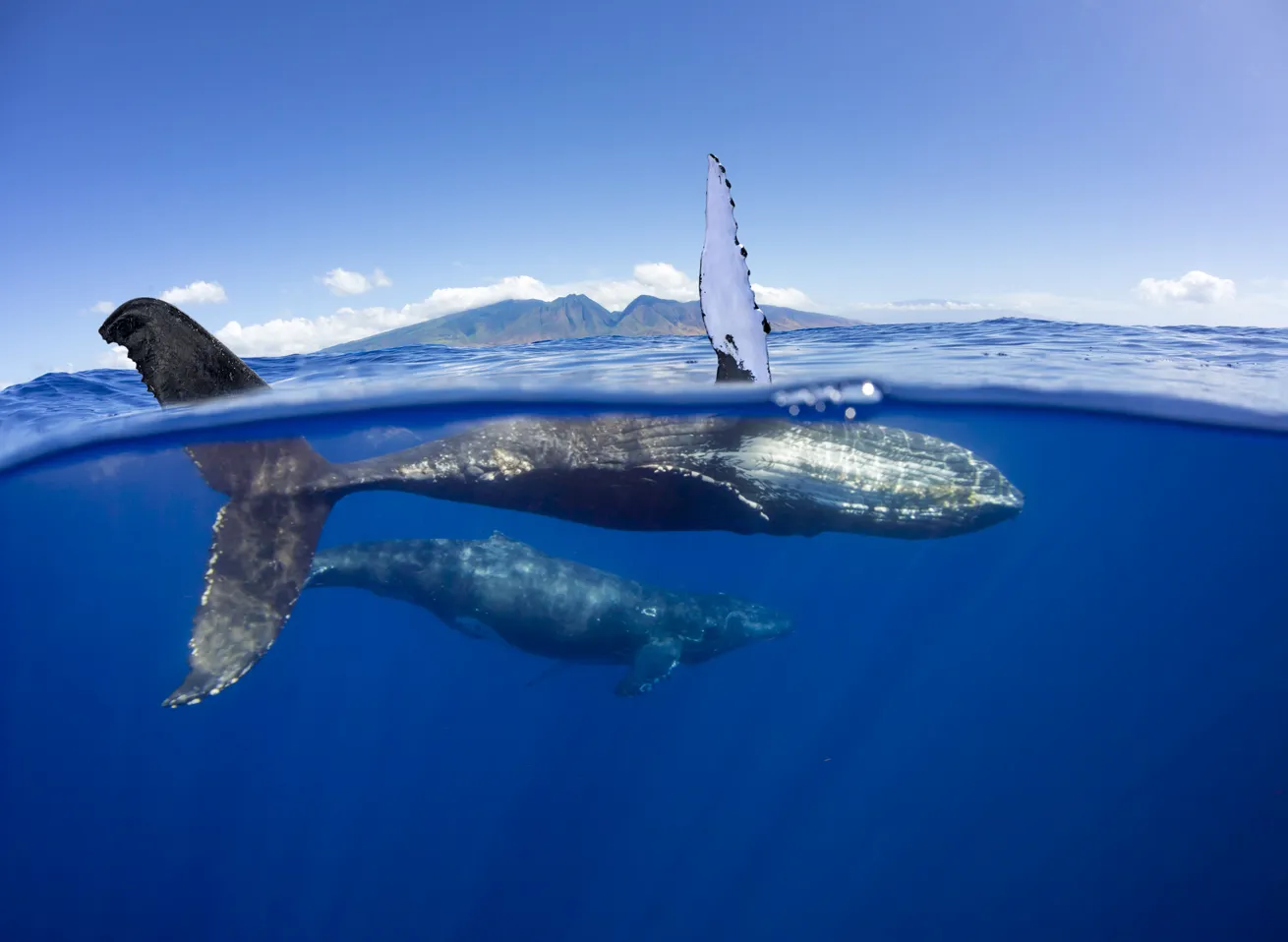
David FleethamIf you’re dreaming of whales, head to Maui in the winter months. You might just be lucky enough to hear their haunting songs while underwater or see these giants breach from the boat.
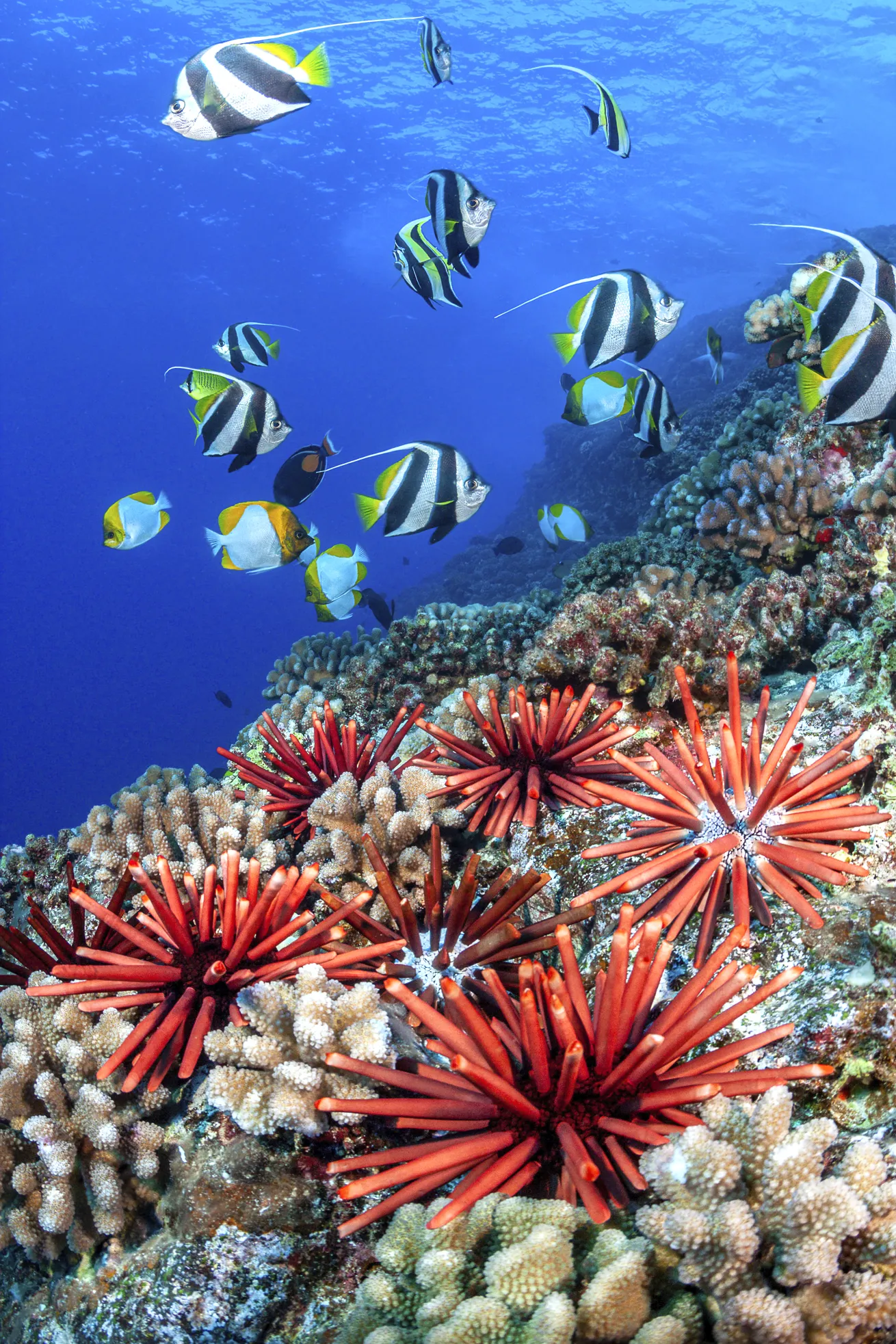
What makes Maui diving special? It depends on whom you ask. For those who go weak in the knees over reefs, it’s the coral. More than 40 species of hard coral, to be exact, from cauliflower to lobed varieties. Not only do these reefs support an incredible diversity of life, but they also create a polychrome backdrop to jaw-dropping dive adventures. For others, Maui’s charm lies in its plethora of ocean life. The island is known for the abundance of marine species—many endemic—that flock to these grounds to rest, breed and feed. And still others come for the awe-inducing geology of the volcanic island, where lava tubes form intricate swim-throughs, cathedrals and crevices for divers to navigate.
These world-class reefs have been quieter since August 2023, when fast-moving wildfires ripped through the historic waterfront town of Lahaina, where many dive operators were located. Fueled by high winds, the fires claimed over 100 lives. Many others lost their homes, businesses, jobs and boats. The fires took a heavy toll on the dive industry here; however, despite unimaginable trauma, the community is rebuilding. Here’s all you need to know about the current diving scene on Maui, whether it’s your first time visiting or your 50th.
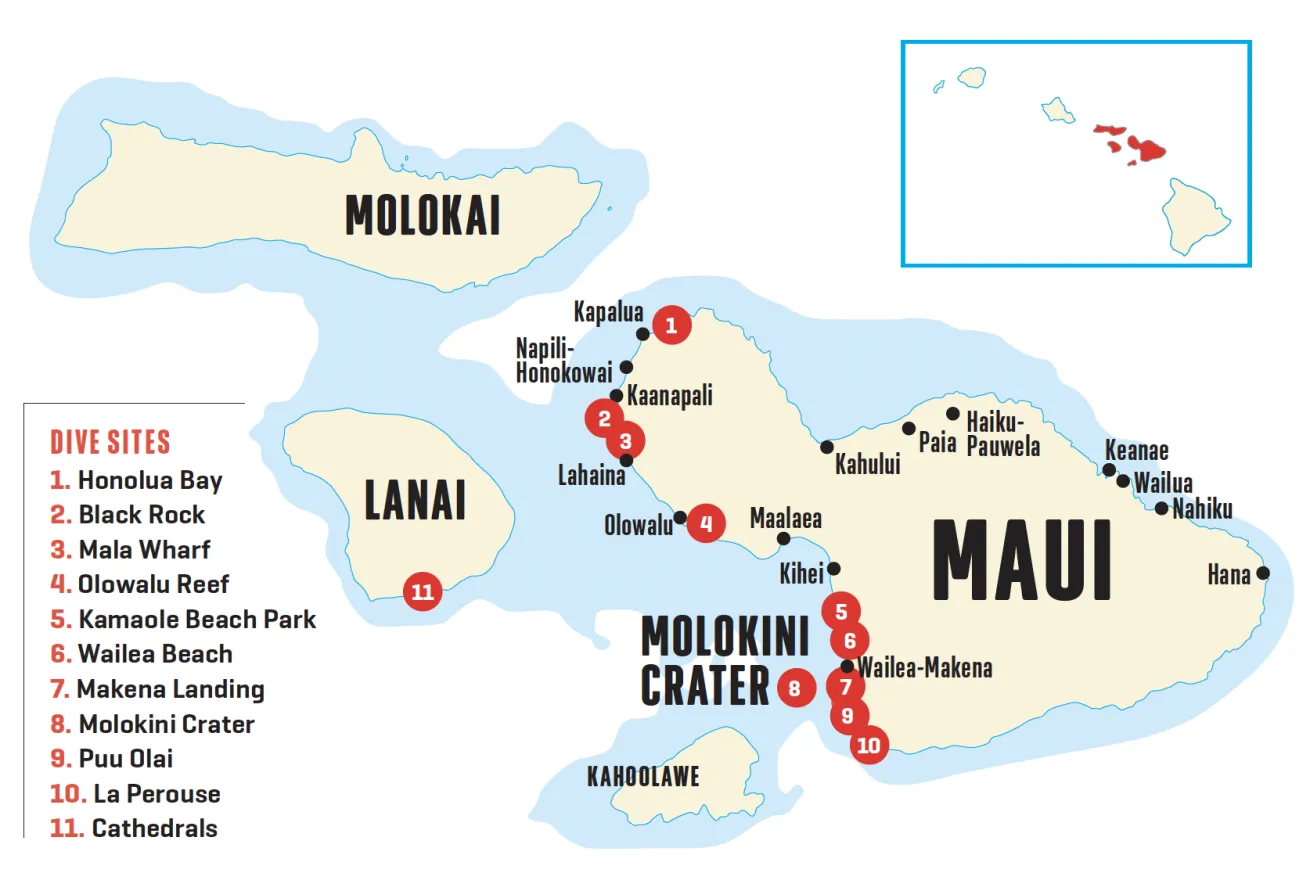
Island Orientation
Despite the changes on land, Maui’s seascape remains as vibrant as ever and divable year-round. “There’s something happening 365 days a year,” says Jess Pickering, owner of Maui Diving & Snorkeling. “If you want the chance to see manta rays: summertime. If you want to hear whale songs: December, January, February.”
On Maui’s lee sides—south and west shores—divers can depend on reliably calm conditions and good visibility, with dozens of sites to choose from, while the north and east sides are rarely visited for guided dives because of their challenging conditions and trickier entries. These fickle shores are best visited during summer, when large swells die down and access becomes easier.
“[The north shore] is more for the intrepid, independent traveler. Someone who knows the area well, has good relationships with the shops and has seen all the usual suspects,” says PADI Regional Manager April McCormack. If you make your way north, be prepared for obscured entrances, lack of parking, advanced entries and reduced visibility.
Some of the operators that divers have come to know and love have ceased operations as they navigate drawn-out insurance claims, astronomical rent and ballooning rebuilding costs. Lahaina Divers, a longtime fixture on Front Street, lost its building to the flames. Others have shifted their operations. After their Lahaina shop burned down, Pickering, of Maui Diving & Snorkeling, turned to her second location in Kihei to keep the business running. Ever adaptable, the shop now operates a west-side base in Kaanapali as well, where divers meet and gather gear out of a shipping container before being shuttled to some of Maui’s best-known shore sites.
Related Reading: Seeking Action-Packed Diving in Hawaii
David Fleetham
Remaking Maui
While the dive industry on Maui may look a bit different now, many dive operators, staff and pros on the island encourage mindful dive tourism to support rebuilding efforts. Conscious tourism is the path forward, says PADI Regional Manager April McCormack: “We absolutely do need tourism. We need the divers to come. But do we need everyone to be mindful and respectful of what’s happening? Absolutely.”
David Fleetham
What does that look like for visitors? For one, recognizing that discussing the trauma that residents experienced may stir up negative memories. “Be respectful in conversations with people about the fire. One thing that happens still quite a lot is people asking direct questions like, ‘Were you in the fire?’ And for a lot of people, that’s incredibly triggering. It’s asking them to relive the worst days of their life.”
In the short term, divers may encounter fewer options for accommodations and certain price increases for goods and services due to fewer operators on the scene. You may notice an uptick in costs for dive tours as well, as businesses feel the squeeze of limited financial support to rebuild coupled with inflated rent for commercial and residential buildings.
But don’t let this deter you—one thing that hasn’t changed is the quality of the diving. While many dive operators temporarily paused their trips while they recuperated from their losses, two years after the fire, the dive scene is back, and the industry is eager to welcome visitors again. “Tourism does help for the island to thrive, as long as people visit with the understanding that the island is in a rebuilding phase,” says Christina Cantellops, co-owner of the brick-and-mortar shop Maui Dreams Dive Co. and its sister operation Island Style Divers boat charters, operating out of Kihei.
By embracing the aloha spirit, dive tourists can play a positive role in rebuilding the thriving dive mecca that Maui has always been. With over 40 dive sites and more than a dozen PADI shops around the island, Maui is a prime, albeit altered, place to explore underwater.
Maui at a Glance
Number of dive sites: 40-plus
Viz: 30 to 100-plus feet
Water temps: Mid-70s to low 80s
What to wear: 3 mm or 5 mm wetsuit
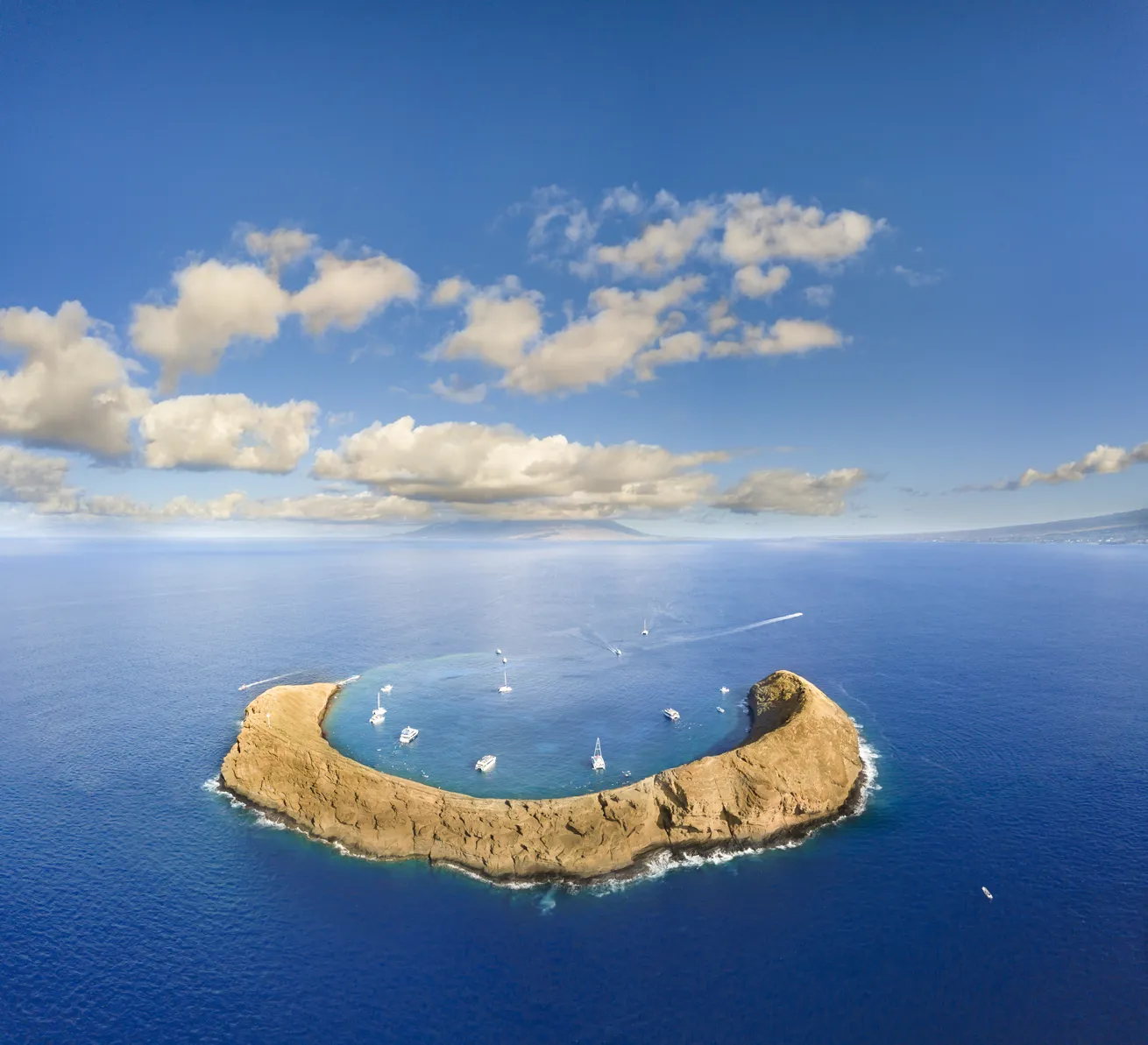
David FleethamMolokini Crater has an adventure for everyone: a protected inner bay and an adrenaline-filled deep-water drift dive on the back side.
Boat Diving
Maui County comprises several islands: Maui, Lanai, Molokai, Kahoolawe—where diving is prohibited—and the tiny, crescent-shaped Molokini. Once upon a time, Maui-based charters would regularly zip out to neighboring islands for dive adventures. But after the devastating Lahaina fire, the fleet has taken a hit.
“Because we lost the entire town of Lahaina, we lost five, if not six, boats that were taking scuba divers on a daily basis,” says Christina Cantellops, of Maui Dreams Dive Co. So, if you’re dreaming of an offshore dive, don’t play it by ear. “I would recommend booking at least two months in advance for accommodations and at least three weeks in advance for a boat trip,” she adds.
For those willing to pry themselves away from the hotel room early—most charters leave around 6 a.m. to dodge the feisty afternoon trade winds—the boat-accessible sites are worth the bleary-eyed trip.
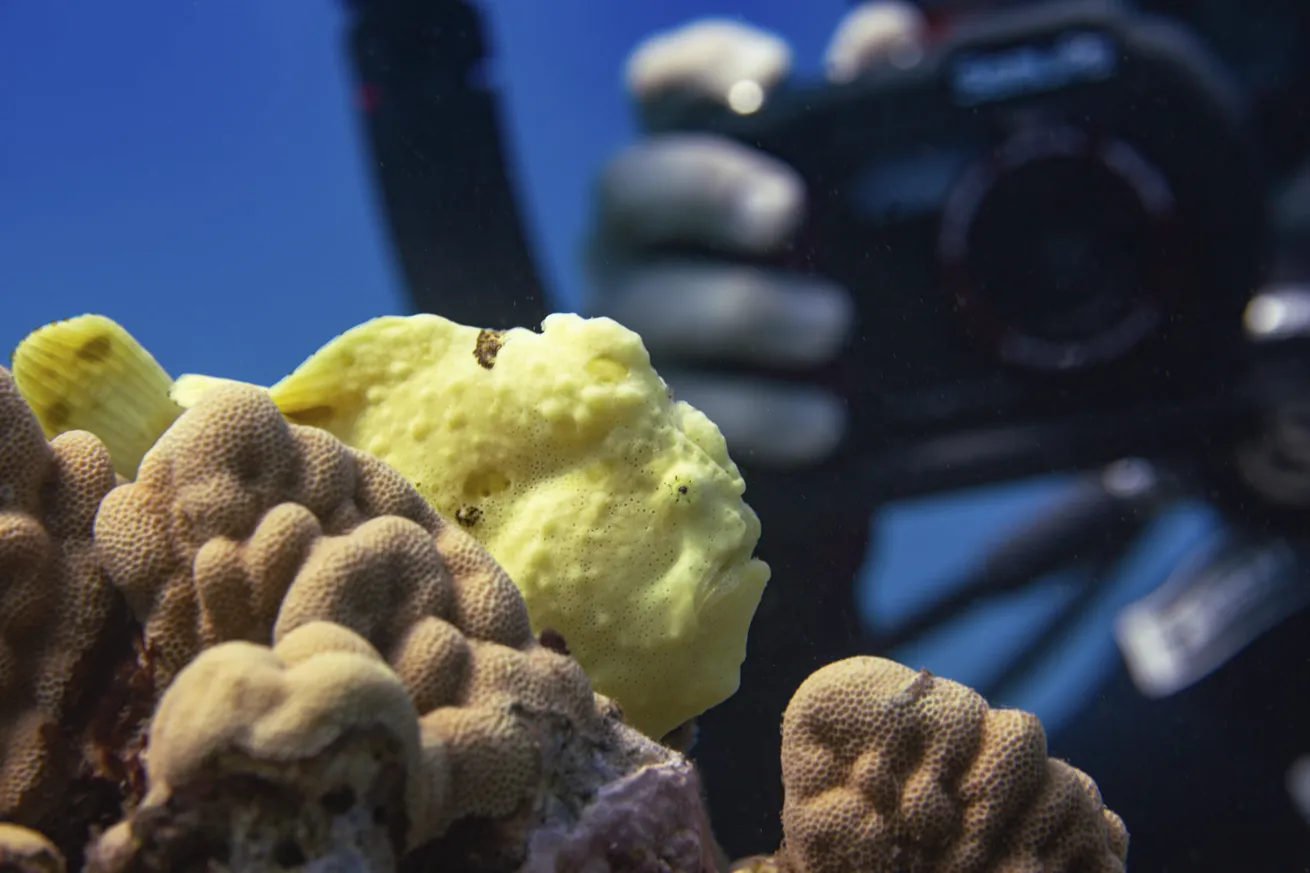
Andrew RaakFrogfish often hide in plain sight.
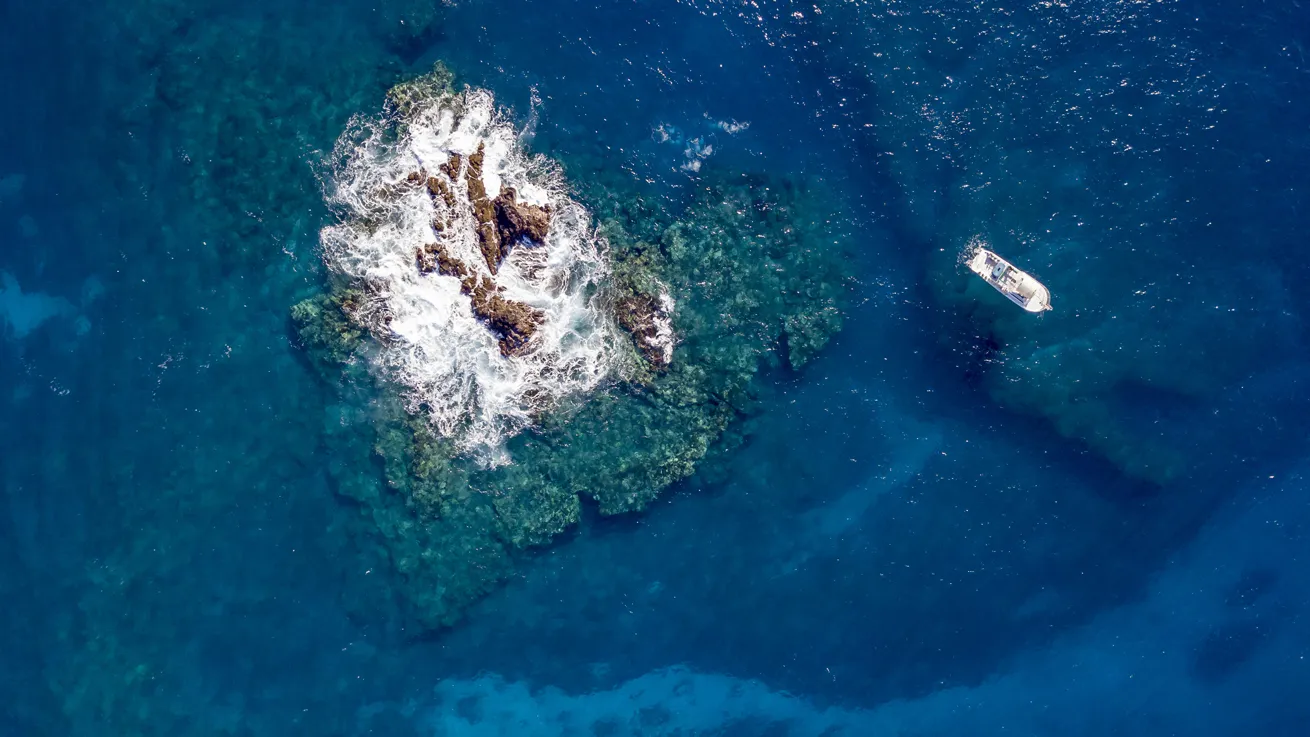
Just a short motor out from the Kihei boat ramp, Molokini Crater is a submerged dream. In the protected inner bay, calm conditions and stunning visibility make for a zen experience, while the back side cranks up the adrenaline with a live drift dive along a sheer 300-foot wall. “Because it is a marine preserve, it gives you a nice variety of species and acres and acres of healthy coral, and because it’s offshore, the chance for pelagics and other species that you do not see near shore is greater,” says Cantellops.
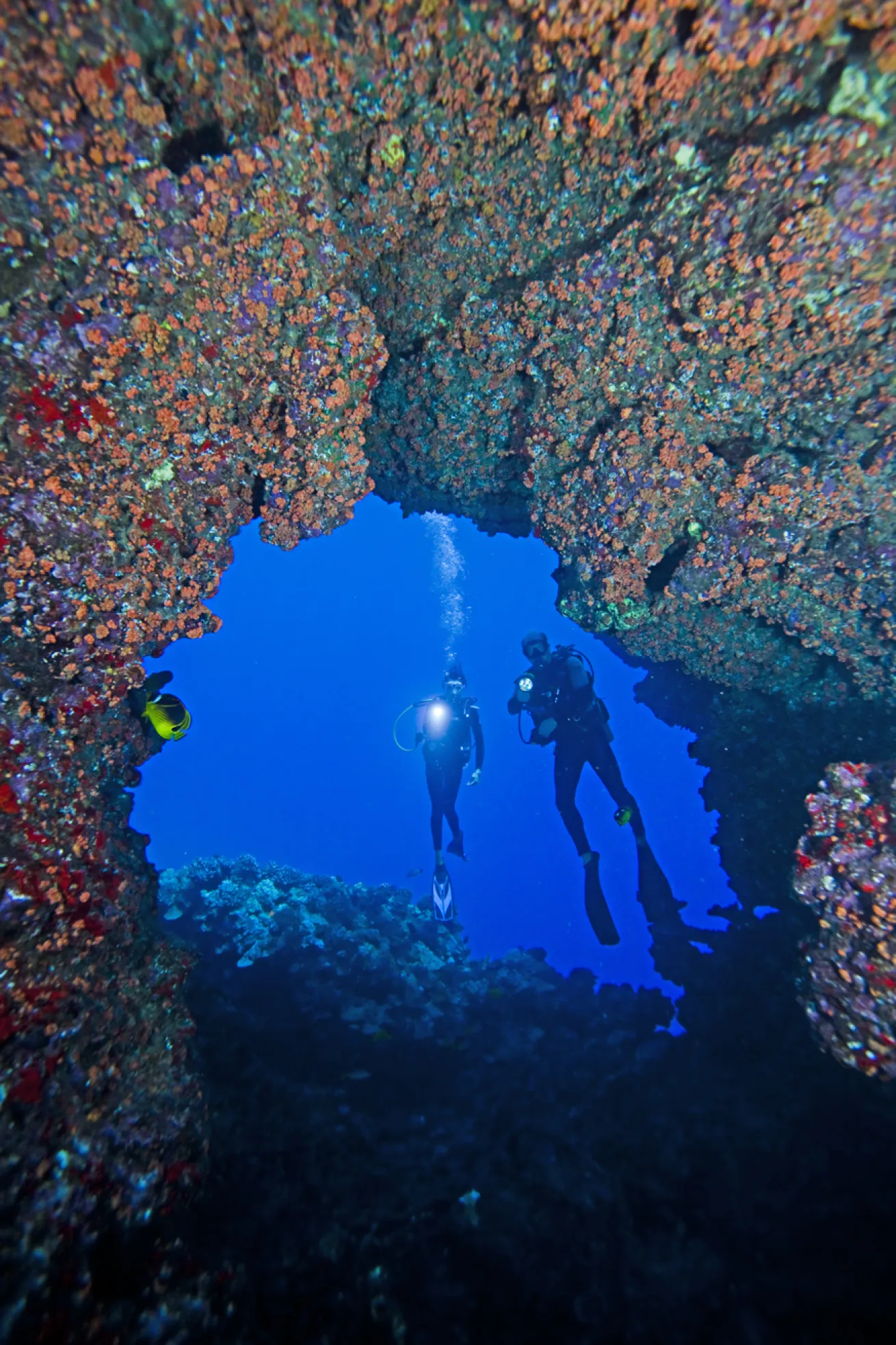
David FleethamDivers shine their lights into a lava cavern off the Island of Lanai.
For a more leisurely yet no less stunning adventure, the nearby Lanai Cathedrals are a slam dunk. Sculpted by volcanic activity, these two sites on Lanai, about a 40-minute boat ride from Maui, are a treasure of the area. Arches, swim-throughs and large rooms rife with marine life create a dazzling 3D experience, and fractures in the ceiling allow beams of light to pierce through. “It looks like stained glass,” says Chantal Preston, a dive instructor and boat captain with Dive Maui, which launches charter trips out to the Cathedrals from Mala Wharf Monday through Friday and some Saturdays. Aside from the Cathedrals, divers can bop around more than 20 other stellar sites on the island, depending on conditions.
If you want a shorter boat ride, Puu Olai—also known as Red Hill—offers a top-notch shallow drift dive along the Makena Coast. Picture a conveyor belt of ocean life: green sea turtles cruising past coral gardens packed with goatfish, trumpetfish and, if you’re lucky, the elusive dragon moray. “They’re few and far between,” says Shad Sollar, of Maui Diamond Boat Charters. “But we’ve had pretty good luck spotting them here.” Frogfish fans are also in for a treat.
And let’s not forget the cherry on top of Maui boat diving: From October through April, humpback whales often invite themselves to the party—sometimes breaching on the surface or, for the fortunate, singing underwater. “It’s bonus whale watching on your way to the scuba site,” says PADI’s April McCormack. “All you have to do is put your head under the water, and you’re serenaded by whale song—and they are noisy!”
Best Boat Dive Sites in Maui
1 Lanai Cathedrals
2 Molokini Back Wall
3 Red Hill/Puu Olai
Operators
South Side
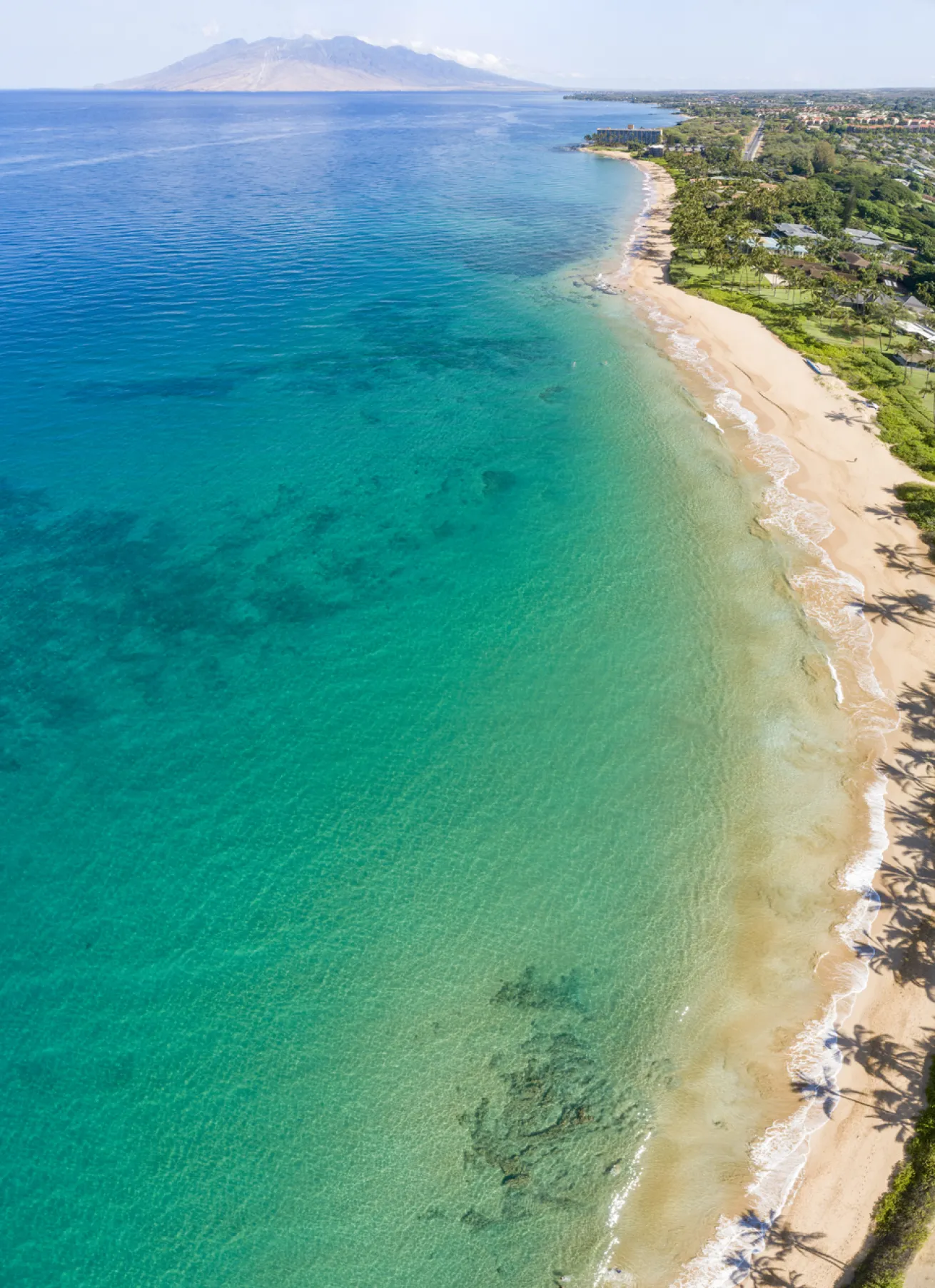
David FleethamSouth side sites are known for calm conditions and stunning visibility
Welcome to the south side, where many of Maui’s most beloved sites await. With calm, sheltered waters and excellent visibility that regularly exceeds 50 feet—and can reach up to 150 feet on those particularly clear days—this part of the island is a favorite for a reason.
With gentle conditions and a variety of marine life, both newbie and veteran divers will be grinning through their regs. The south side is ideal for everything from easy shore dives to more adventurous cavern explorations. The most iconic of the latter is Makena Landing.
Makena Landing, also known locally as Turtle Town, Five Graves or Five Caves, is a unique site accessible by boat or by shore, via a roughly 200-yard swim from the sandy beach. Its intricate volcanic landscape creates a natural jungle gym. Ranging in depth from 10 to 40 feet, it’s manageable for newer divers yet exciting enough for experienced ones thanks to its captivating underwater features.
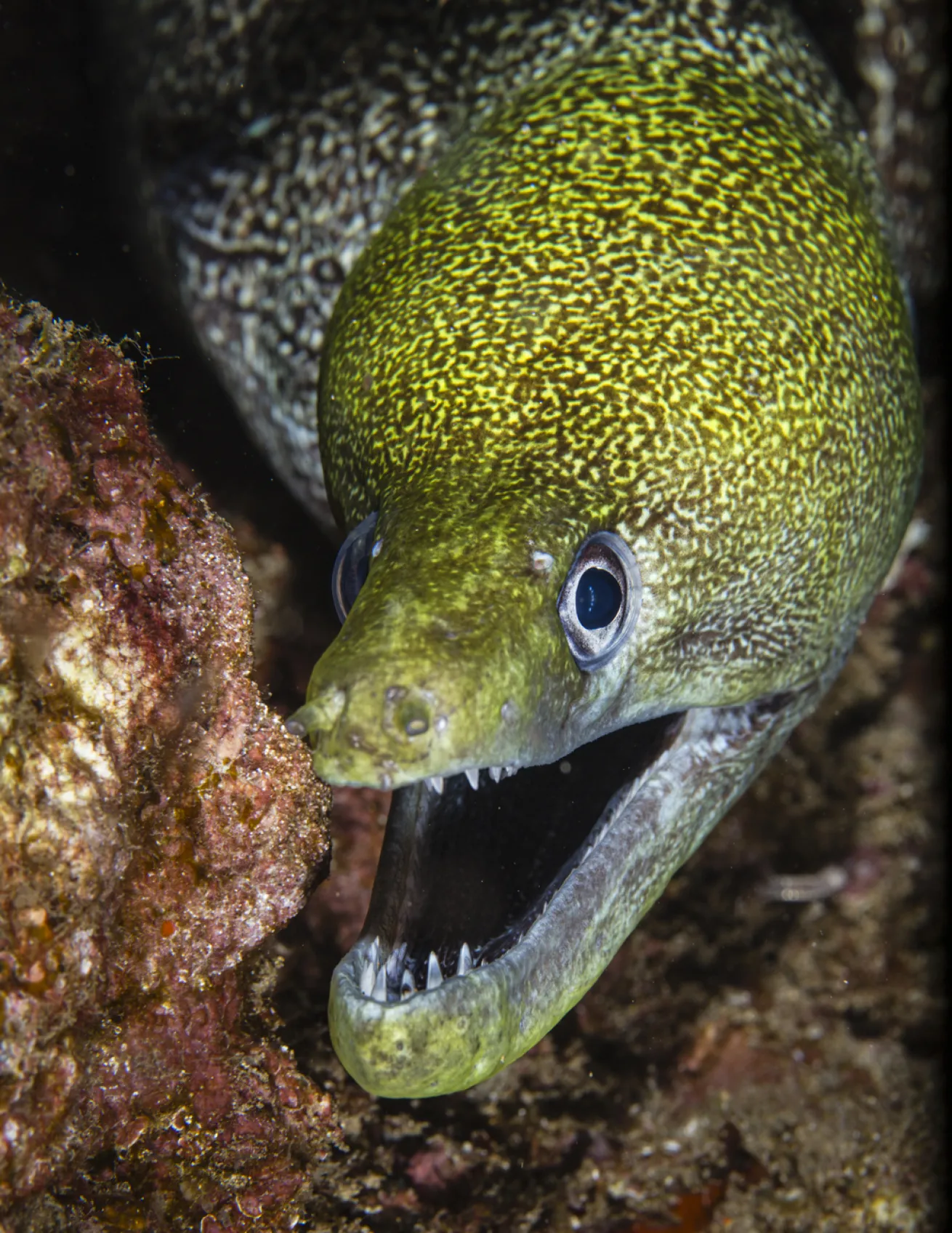
A maze of lava tubes, arches and caverns provides refuge for species such as whitetip reef sharks, moray eels and fish such as butterflyfish, Moorish idols and parrotfish. Numerous green sea turtles— or honu—rest in the holes in the reef. Divers can appreciate these charismatic marine reptiles from a distance; touching them is not allowed.
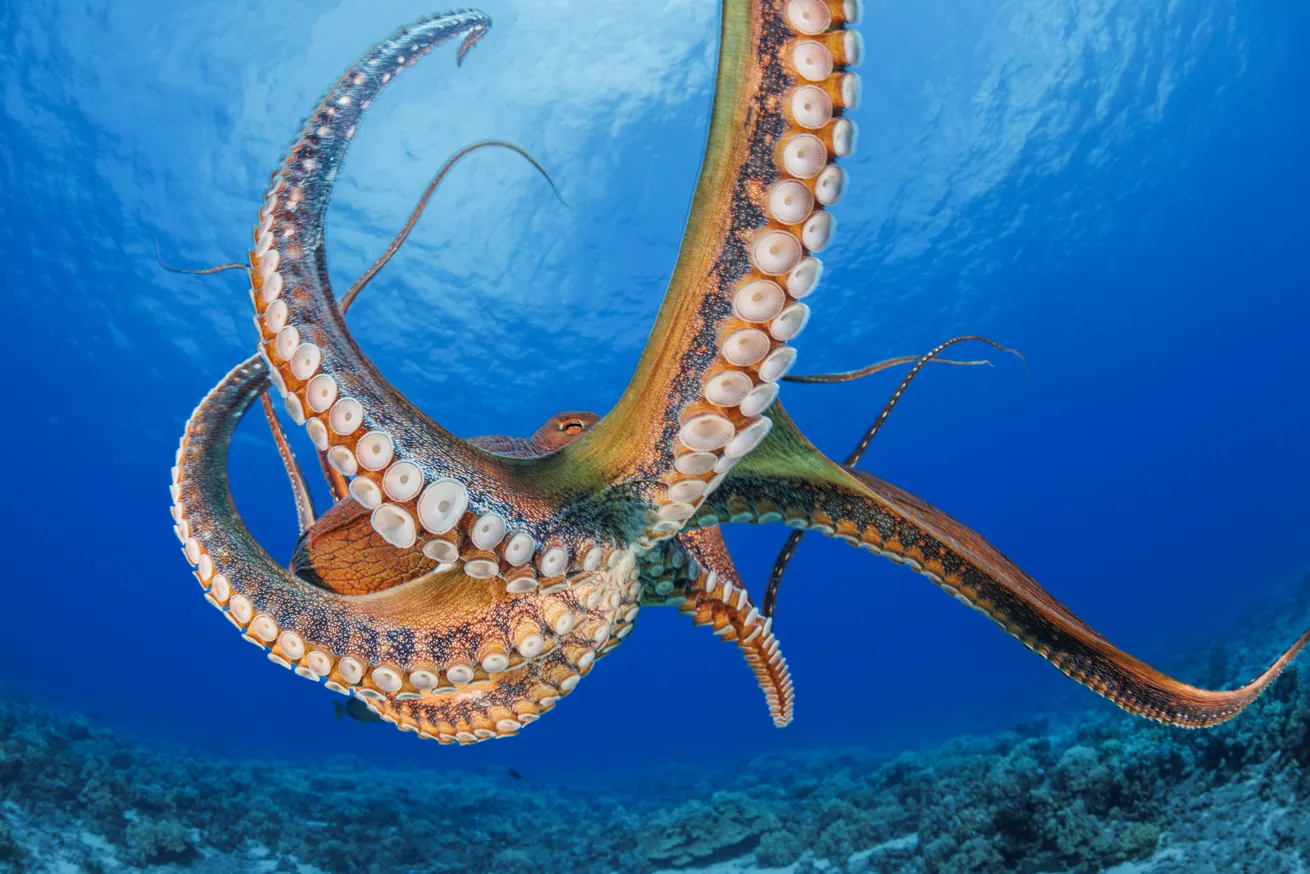
David FleethamOctopuses often tuck into the reef to blend in, but occasionally they emerge to sniff out a tasty meal.
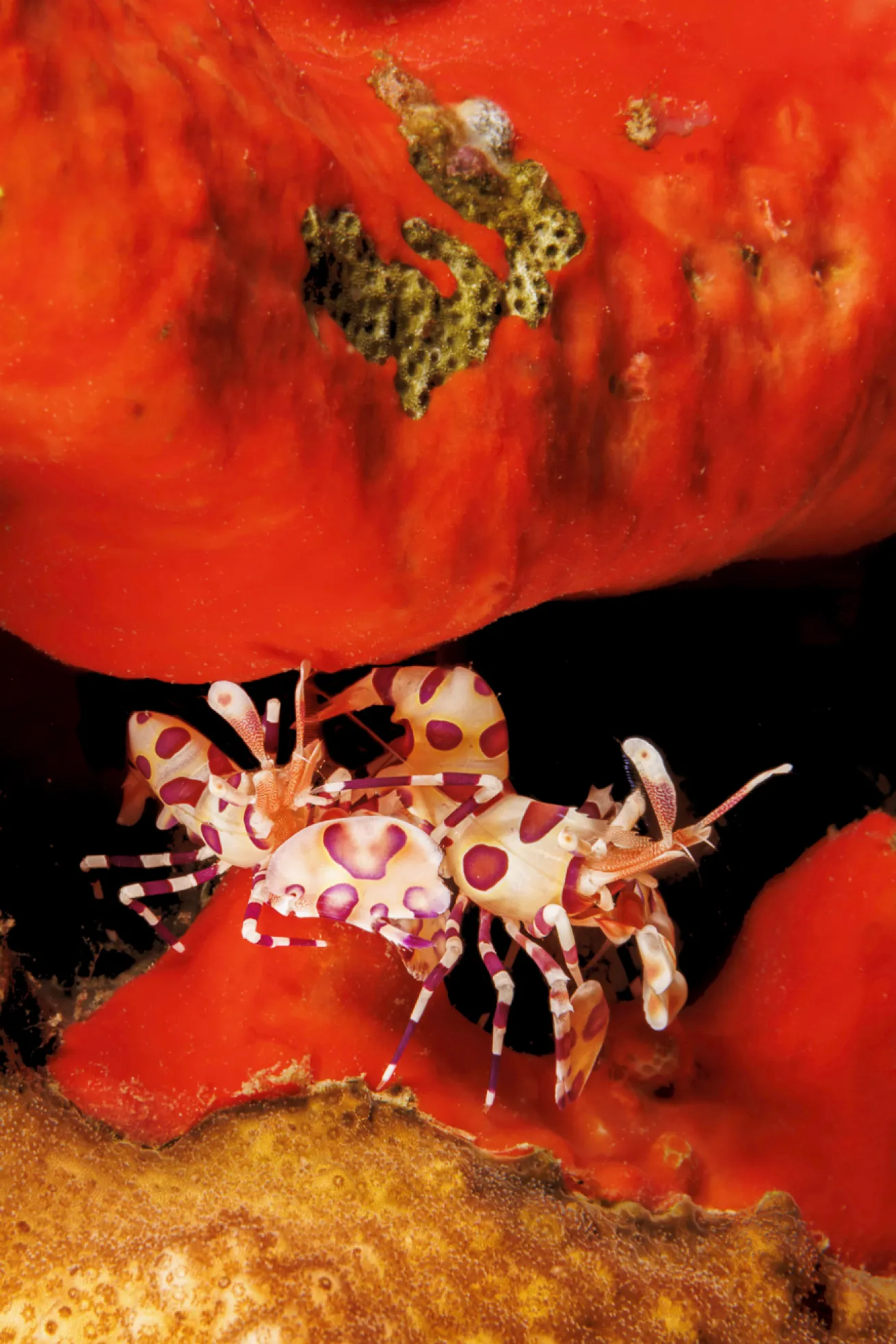
David FleethamMake sure to check all the crevices for tiny critters like this mated pair of harlequin shrimp.
Keep an eye out for nudibranchs and octopuses tucked into rocky crevices. The caverns also create incredible light effects, especially in the early morning.
If you want to hop between multiple dive spots without burning a ton of gas, head to Kamaole Beach Park. Three beaches in one, the park consists of sites Kamaole I, II and III—all long, sandy beaches stacked up along South Kihei Road. Separated by rocky outcroppings, the three beaches beckon divers with colorful coral gardens rich with life in the shallows.
A little farther down the road, Wailea Point offers a laid-back reef dive that slopes to 40 feet, making it perfect for long, relaxed dives. The clear water makes for exceptional visibility, and the healthy coral supports a variety of marine life, including butterflyfish, wrasses and the occasional green sea turtle.
With a dreamy combo of stunning visibility, diverse marine habitats and accessible sites, southern Maui is a diver’s playground. Whether you’re looking to explore volcanic caverns, swim with turtles or simply drift along a coral-encrusted reef, this section of coast has got you covered.
Best Dive Sites Maui South Side
1 Kamaole Beaches I, II and III
2 Makena Landing
3 Wailea Point
Operators
West Side
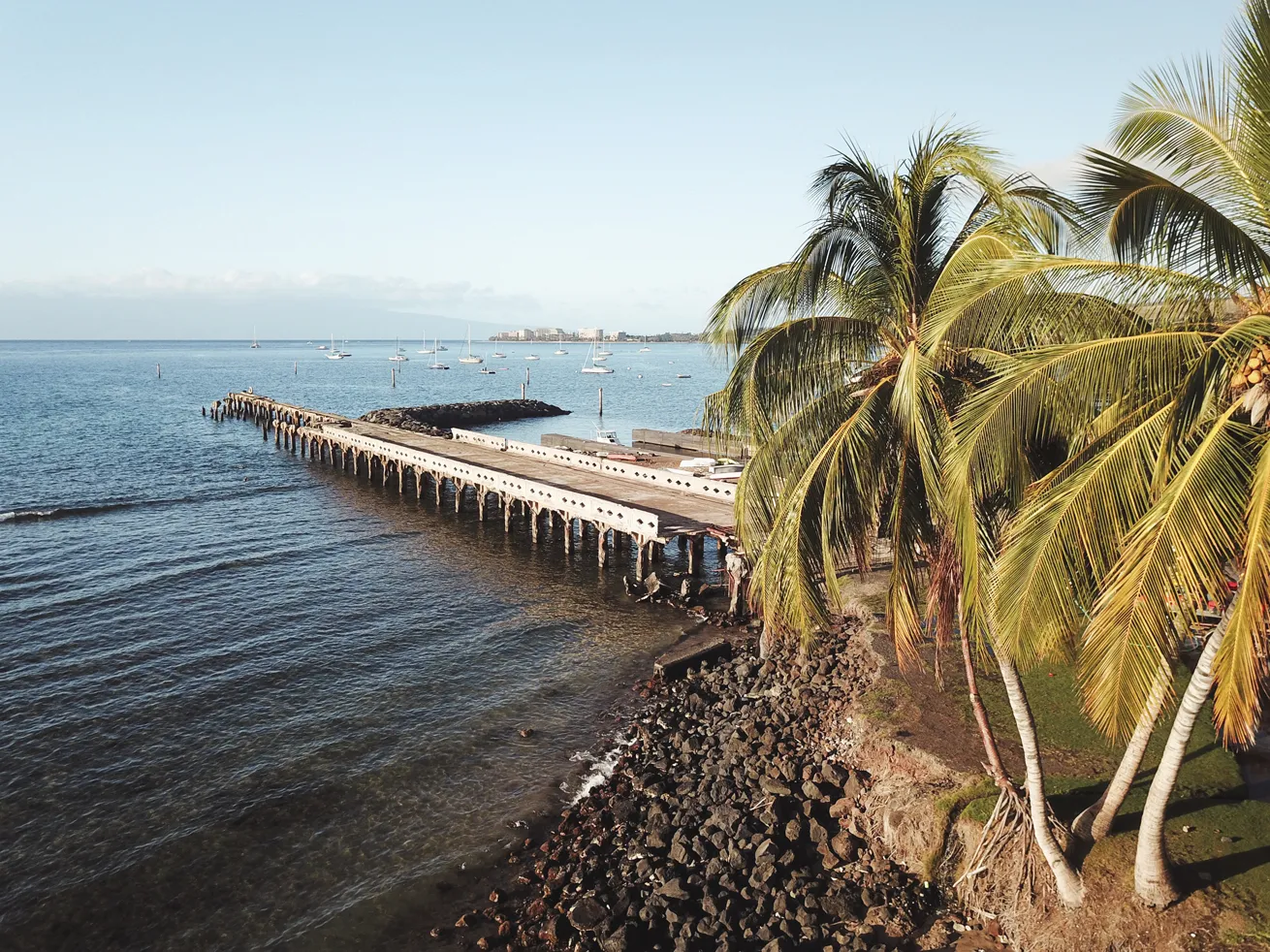
Andrew RaakThe west side, where Mala Wharf is located, was most affected by the fires, but the underwater realm is vibrant as ever.
Western Maui is full of magic. Stretching from historic Lahaina, where the fires were most devastating, through Kapalua, Napili and Kaanapali, this slice of coast is protected from rocking swells. The dive sites here are plentiful and accessible year-round. But don’t sleep in too long, or you’ll miss the best window. “The main gig for those dives is to go early; our winds tend to pick up from noon onward,” PADI Regional Manager April McCormack says. That’s why most dive operators tend to schedule dives bright and early. Knock out two tanks in the morning and you still have the rest of your day free to sample shave ice, grab a frosty brew or rest up before an enchanting night dive.
Mala Wharf is the crown jewel of westside diving. It’s also Maui Diving co-owner Jess Pickering’s favorite site. “There’s schools of thousands of goatfish,” she says. “It’s a magical experience.” Not only that, but dozens of turtles, frogfish, octopuses and whitetip reef sharks call the rubble of this defunct pier home. “Recently there was a cuddle puddle of five [whitetip reef sharks] piled up underneath the pier rubble,” says Pickering.
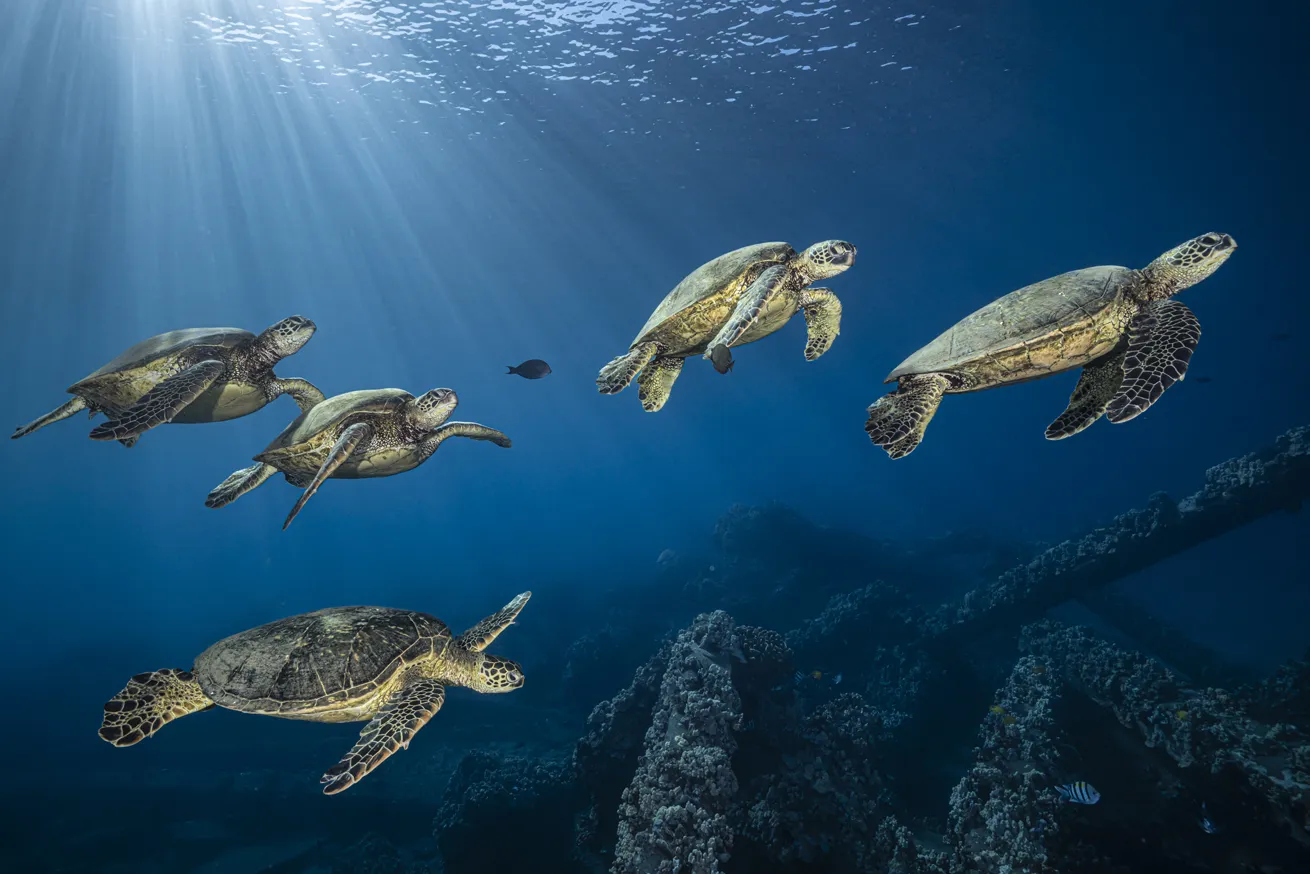
Renee CapozzolaHere you can float among the turtles, gape at curious eels and admire the colors of the reef.
Renee Capozzola
But Mala isn’t just another pretty dive. It bumps up to the burn zone in Lahaina, and while it reopened for commercial activities in 2024, feelings around visiting it are still mixed. “Many people are still giving reverence to some of the areas of Lahaina,” says Pacific Whale Foundation captain and underwater photo pro Andrew Raak. “I would recommend giving as much patience in the recovery time to access these once bustling areas of tourism to let local people breathe and readdress how they want to pursue commercial tourism moving forward.”
Some divers are cautiously returning to honor the site through joy and remembrance. Others choose to hold off, giving the area time. “I think it’s a personal choice,” says Pickering, who is a Lahaina fire survivor herself. “I’m looking forward to life returning to Lahaina. Let’s get back to having good experiences again.” Bottom line? It’s a call everyone must make for themselves—and there are plenty of other gorgeous spots to explore nearby.
Head north from Lahaina and you’ll hit another local favorite site. Black Rock is a shallow wall and reef dive located in front of the Sheraton Maui in Kaanapali. For a truly mesmerizing dive, head out after dusk. When darkness sets in, eels come out of their holes to hunt along the reef, whitetip reef sharks cruise by, and nocturnal lobsters and octopuses perk up and patrol the water for an easy meal.
Related Reading: The Ultimate Guide to Scuba Diving Hawaii
Olowalu Reef, aka Mile Marker 14, is just a few miles from the fire’s epicenter and one of Hawaii’s oldest and most ecologically significant reefs. This 1,000-acre reef has nurtured marine life for centuries, providing nursery habitat for sharks and a grooming station for sea turtles and manta rays. What’s even cooler is the coral that spawns here helps repopulate reefs all around the island, as the larva travel away with the currents and settle in different areas.
Maui’s west side combines dramatic reef formations with abundant marine life. From the coral-covered slopes of Black Rock to the playful encounters with turtles at Honolua Bay, the underwater nooks and crannies are endlessly enthralling. With generally calm conditions and excellent visibility, western Maui diving is both accessible and rewarding.
Andrew RaakWhether you crave an offshore excursion or shore-diving adventure, Maui has opportunities aplenty. With a host of colorful and endemic critters and a mix of mellow and advanced sites, the area is a favorite for both beginner divers and seen-it-all pros.
Best Dive Sites Maui West Side
1 Black Rock
2 Mala Wharf
3 Honolua Bay
4 Olowalu at Mile Marker 14
Operators
● Extended Horizons
● Dive Maui
● Maui Diving & Snorkeling
More to Explore
For divers looking for a unique way to give back, Maui Pacific Divers, conveniently located at Maalaea Harbor, has teamed up with Pacific Whale Foundation to organize Dive Against Debris activities at the site La Perouse, where there is a huge amount of fishing debris.


