

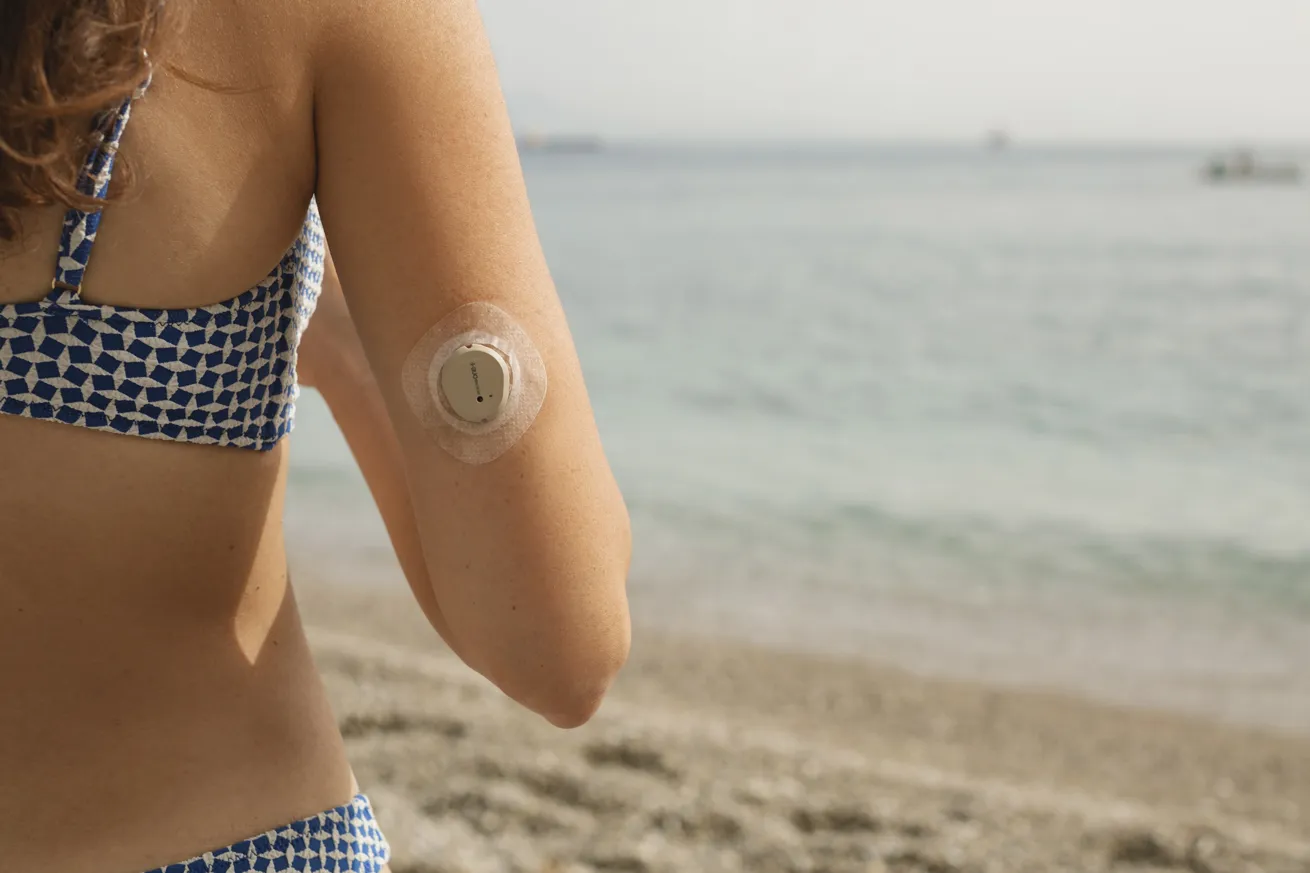
Shutterstock/Creative Nina
Diabetes is a common condition that affects the body’s ability to regulate blood sugar. Although most people with diabetes can manage their day-to-day activities without issue, diving can pose serious challenges.
People with diabetes requiring treatment with insulin have long been advised to avoid diving. However, current guidelines encourage a more individualized approach. While diving with diabetes should always be a decision between you and your physician, let’s go over a few things to note and some potential topics for discussion.
Why Diabetes Raises Safety Concerns Underwater
Patients with diabetes may experience low blood sugar, known as hypoglycemia. Exercise, cold water and the increased metabolic demand of diving can all accelerate sugar consumption, exacerbating hypoglycemia. Symptoms include shakiness, fatigue, confusion or even loss of consciousness and seizures.
When these symptoms occur underwater, they can be extremely dangerous. In addition, these symptoms may mimic conditions such as narcosis or decompression sickness, making rapid recognition and treatment difficult.
Patients may also experience episodes of high blood sugar, known as hyperglycemia. While less likely to cause immediate cognitive impairment, sustained high blood sugar can lead to dangerous levels of dehydration. This is because increased blood sugar promotes loss of water in urine. If hyperglycemia is not managed, complications can quickly arise, causing potential concern when diving far from shore or in remote locations.
Related Reading: Scuba Gas 101
Fitness to Dive and Reasonable Limits
Major diving medicine organizations—including Divers Alert Network (DAN) and the Undersea & Hyperbaric Medical Society (UHMS)—provide guidelines on which diabetic patients may reasonably dive. These include people who:
» Have annual fitness evaluations with their physician
» Have good long-term glucose control (HbA1c ≤9%)
» Delay diving after starting or changing medication (wait at least three months with oral diabetes medications or one year after initiation of insulin therapy)
» Have no history of hypoglycemic unawareness
» Have no episodes of hypoglycemia requiring third-party intervention
Even for divers who are good candidates, a reasonable scope of diving is advised. This is because diving beyond these limits makes monitoring and responding to swings in blood sugar much more difficult.
Guidelines suggest limiting diving to depths shallower than 100 feet, with durations under 60 minutes. They also discourage planned decompression and diving in overhead environments.
Related Reading: Safety Tips for Fill Stations and Compressor Rooms
Best Practices for Safe Diving With Diabetes
Risk mitigation and adequate preparation is the key to safe participation. Monitoring your blood sugar is critically important: A minimum of three predive blood glucose measurements should be collected. These should occur 60 minutes, 30 minutes and right before the dive to assess trends in blood sugar. If your blood sugar is 150 milligrams per deciliter (mg/dL) and stable/rising, you can enter the water. Delay or skip the dive if your blood sugar is less than 150 mg/dL or greater than 300 mg/dL.
Divers with diabetes should stay adequately hydrated on dive days. Bring a few bottles of water with you, and rehydrate on surface intervals and after completing your dives for the day. Also, keep oral sugar (such as sugar tablets, gels or juice) accessible at the surface and during all dives. Make your dive buddy and dive crew aware of your diabetes, and ensure they’re ready to administer glucagon as a rescue medication if needed. Consider adding your blood sugar to your dive log to better prepare in the future!
The Bottom Line
Diabetes is no longer an automatic barrier to enjoying the underwater world, but it remains a condition requiring thoughtful preparation and a more conservative approach. With stable glucose control, responsible planning and transparent communication with dive professionals and buddies, many divers with diabetes continue to safely explore reefs, wrecks and marine environments.


