

Shutterstock
Every few years, a moment comes along that reminds us real change is possible for the ocean. This year’s CITES Conference of the Parties (CoP) delivered one of those moments.
But before diving into what happened—and why it matters so deeply—it helps to start with the basics.
What Is CITES, and Why Is It Important?
CITES stands for the Convention on International Trade in Endangered Species of Wild Fauna and Flora. It is a legally binding international agreement between 184 governments that regulates—and when necessary, prohibits—international trade in wildlife and plants.
CITES does not manage fisheries or protect habitat directly. Instead, it controls international trade, one of the most powerful drivers of species decline. When trade is unregulated, it can rapidly push already-vulnerable species toward extinction. When trade is controlled—or stopped entirely—species are given a fighting chance to recover.
CITES decisions are made collectively by member countries, meaning progress requires global cooperation, diplomacy and consensus. That makes major conservation wins at CITES especially significant.
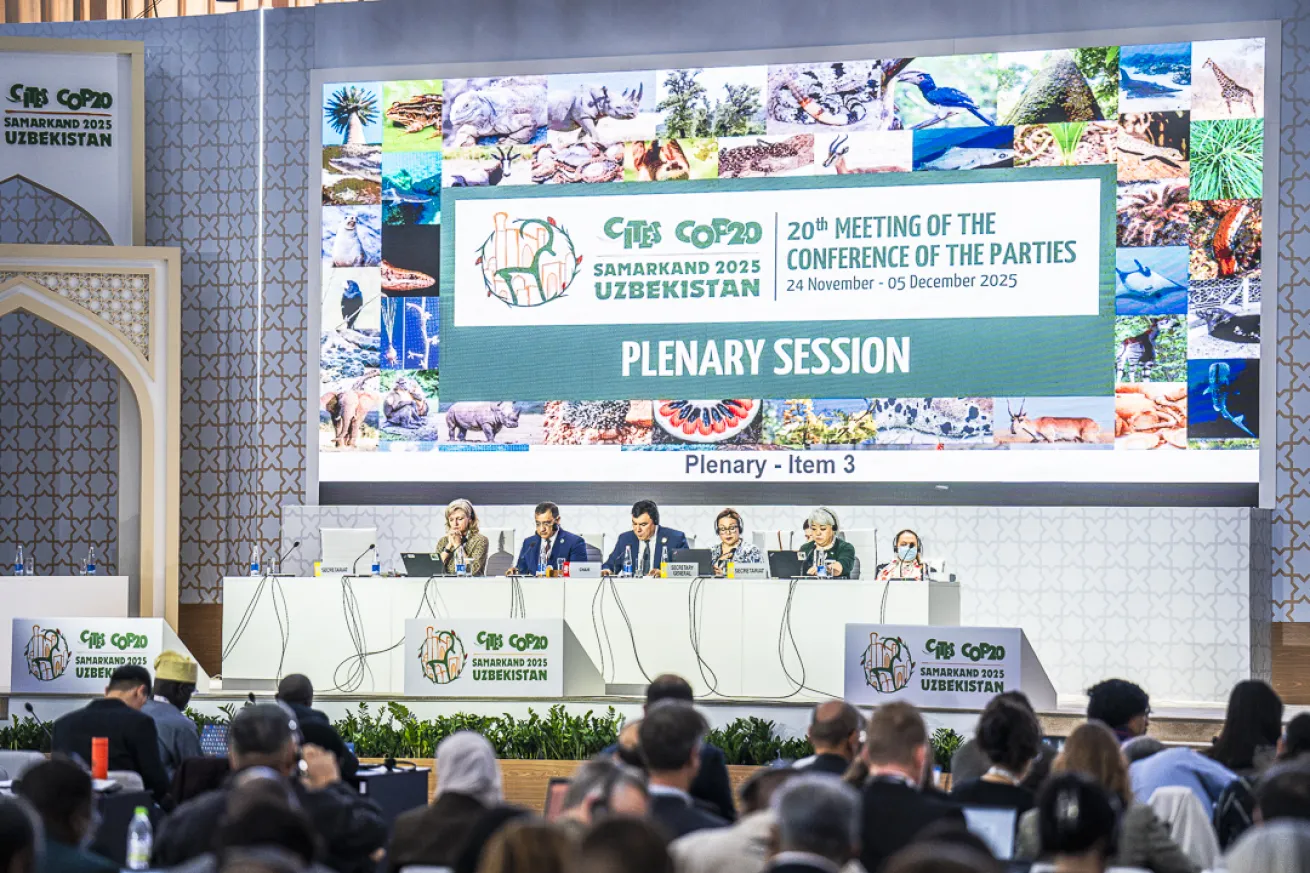
Copyright Jay Ireland/Bradley Ireland ProductionsThe 20th CITES Conference of the Parties was held in Samarkand, Uzbekistan, from November 24 to December 5, 2025.
Understanding Appendix I and Appendix II
CITES protections are organized into appendices, each with a different level of restriction.
Appendix II includes species that are not necessarily threatened with extinction now but could become so if trade is not carefully regulated. Trade is allowed, but only with permits confirming that exports are legal and sustainable.
Appendix I is the highest level of protection. It is reserved for species threatened with extinction. Commercial international trade in Appendix I species is prohibited. There are no legal commercial markets, no loopholes and no gray areas.
Appendix I listings are often described as “ironclad” protections—and for good reason.
Related Reading: The Fight Against Illegal Manta Ray Trade
What Happened This Year—and Why It Was So Encouraging
At this year’s CITES CoP, three iconic marine species received the strongest possible protection under international law:
Whale sharks
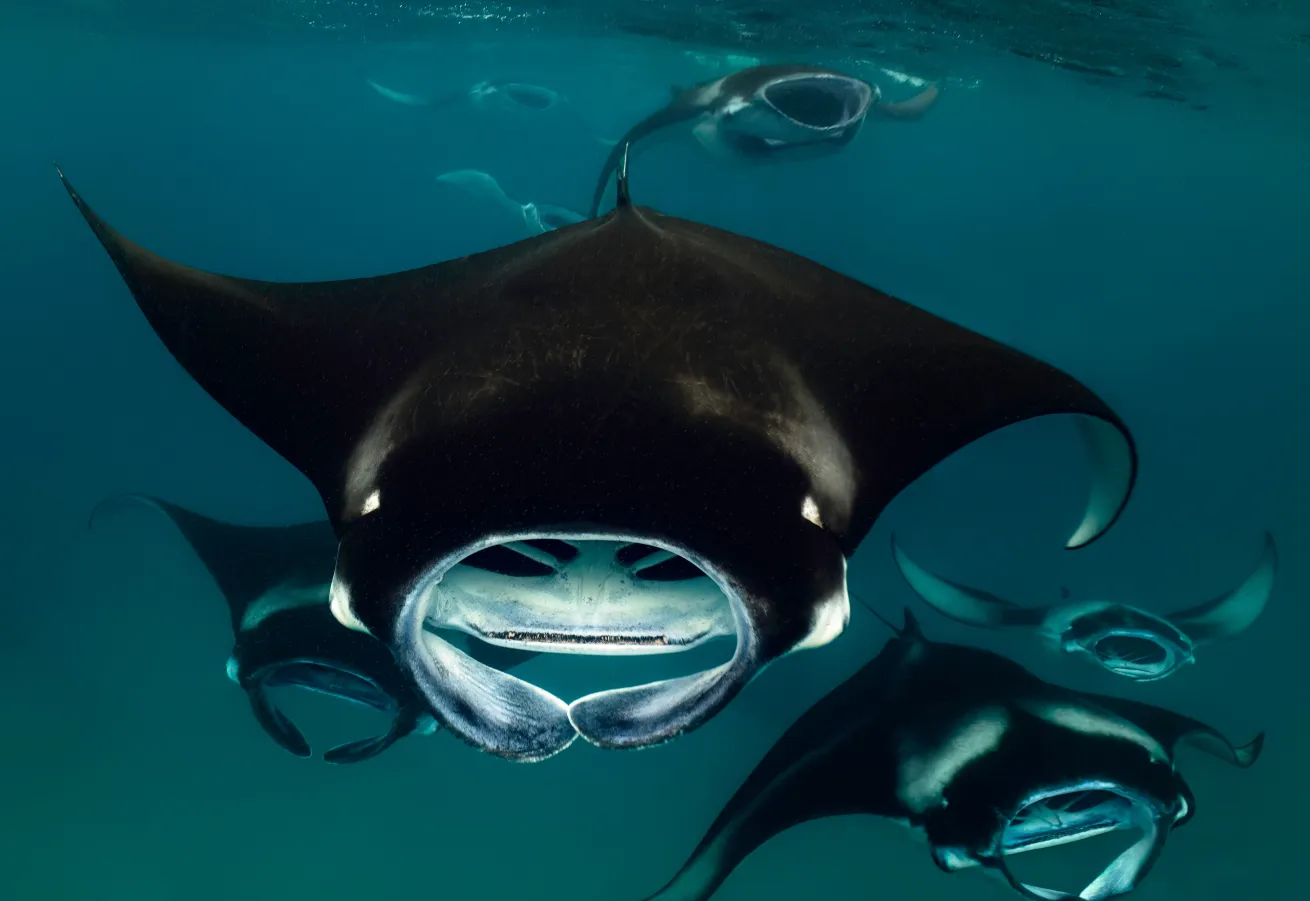
Manta rays (all species)
Oceanic whitetip sharks
All three were uplisted to Appendix I, meaning absolute prohibition of international commercial trade.
This matters enormously. These animals have been targeted for their fins, gill plates, meat and bycatch value—pressures that pushed populations into steep decline. Appendix I status removes international markets entirely, cutting off demand at its source.
Even more remarkable: these proposals passed by 100% international consensus. Every country in the room agreed that these species should be protected.
In a world where conservation decisions are often contentious, this unanimous support signals a profound shift in how the global community values marine life. Science, collaboration and shared responsibility prevailed.
Why This Win Inspires What Comes Next
These victories do more than protect individual species—they open the door to bigger, bolder thinking.
The ocean’s most threatened animals do not live in isolation. Whale sharks, mantas and oceanic whitetips depend on healthy, functioning ecosystems—particularly coral reefs. And those ecosystems are increasingly under threat, not only from climate change, but from destructive extraction practices.
One of the most pressing—and often overlooked—drivers of reef damage is the aquarium trade. Even when species collected are technically legal, the methods used to collect them frequently devastate reef habitat. Cyanide fishing, explosives and careless extraction destroy coral structures that take decades—or centuries—to recover.
If reefs are destroyed to supply private home aquariums, there will be no habitat left for threatened and endangered species to survive.
The Case We Must Make—Together
To protect fragile ecosystems, we must clearly demonstrate something that divers already know intuitively: Living reefs are worth far more than dead ones.
Healthy coral communities support fisheries, tourism, shoreline protection and local livelihoods. They generate sustainable economic value for coastal communities and align with national development goals. A few fish removed for private aquariums—especially when collected destructively—cannot compete with that long-term value.
We can win this argument. The success at CITES proves it.
When science is strong, when voices unite and when the global community recognizes that protection and prosperity can coexist, real progress happens.
Related Reading: Saving the Sharks With Art
A Moment of Momentum
This year’s CITES outcomes show us what is possible. Absolute protections. Global agreement. A shared commitment to the ocean’s future.
The work ahead is challenging—but the path forward is clear. Change is not only necessary. It is already happening.
And together, we can take it even further.


